


Illustration: The Touch & Go
Electra achieves key FAA certification step for EL9 hybrid-electric ultra-STOL aircraft
Electra gains FAA approval of certification basis for its nine-seat EL9 ultra-STOL plane, advancing toward commercial operations.
The gist
Electra secures FAA certification basis approval, progressing its EL9 hybrid-electric ultra-STOL aircraft toward commercial use.
Electra, a US-based aircraft developer, has reached a major regulatory milestone with the Federal Aviation Administration (FAA) for its new hybrid-electric ultra short-takeoff and landing (STOL) aircraft, the EL9. On July 10, 2026, the company announced that the FAA closed the G-1 Issue Paper, an essential step in formalizing the certification basis for the EL9. This nine-seat aircraft is designed to operate on ultra-short runways, taking off and landing in 150 feet or less while serving routes up to 330 nautical miles.
The closure of the G-1 Issue Paper represents the FAA's official acceptance of how Electra’s novel technologies will be assessed against safety standards. According to Electra, this certification basis sets the framework for demonstrating compliance with Part 23 regulations applicable to commercial passenger and cargo operations. The milestone follows Electra’s submission of their type certification application to the FAA in November 2025, marking over half a year of regulatory review and collaboration.
Marc Allen, Electra’s CEO, emphasized that this approval provides strong momentum to move the project into the next phase, known as G-2. JP Stewart, the company’s Senior Vice President for Product Development, outlined that the G-2 phase will focus on defining the EL9’s means of compliance. This involves establishing precisely how Electra will verify that the aircraft meets the FAA’s certification basis through engineering analysis, ground and flight testing, inspections, conformity inspections, and supporting certification data.
The EL9 is positioned to perform in markets underserved by traditional commercial aviation infrastructure by leveraging its ultra-STOL capabilities. Its ability to operate from runways under 150 feet enables the creation of new networks using small and novel access points such as general aviation airports and uncongested landing sites. This approach reflects an ambition to reduce dependence on large hub airports and to foster more direct, decentralized aviation routes suitable for passenger and cargo transport.
Electra’s aircraft certification process under Part 23 is particularly rigorous due to the EL9’s unique hybrid-electric propulsion and STOL capabilities. These innovations require close scrutiny by the FAA to ensure the aircraft can safely operate under commercial conditions. The company’s collaboration with regulators aims to translate technical breakthroughs into verified safety measures, a necessary foundation for scaling operations and gaining operator acceptance.
The EL9’s nine-passenger configuration targets regional connectivity, addressing market niches where infrastructure constraints or environmental considerations make traditional aircraft less feasible. Electra envisions this aircraft enabling what it terms Direct Aviation, a transport model relying less on centralized airports and more on a widespread network of ultra-short runway access. This vision aligns with broader industry trends prioritizing sustainability and community air mobility.
Certification under Part 23 is a multi-step process requiring clearance of the certification basis, means of compliance, then extensive testing and demonstration. Electra’s current milestone means regulators agree on the safety and performance objectives the company must meet. The next steps involve proving compliance through documented tests and inspections, which will be critical for the aircraft’s eventual entry into commercial service.
The approval of the G-1 Issue Paper is an essential regulatory prerequisite that sets expectations for all subsequent certification activities. This milestone confirms that hybrid-electric and ultra-STOL technologies employed on the EL9 have received preliminary regulatory acceptance and that a structured path forward exists. As certification progresses, Electra must continue to meet stringent FAA requirements, underscoring the aircraft’s safety and airworthiness.
Frequently asked questions
- What is the G-1 Issue Paper approval from the FAA regarding Electra's EL9 aircraft?
- The FAA’s closure of the G-1 Issue Paper formally establishes the certification basis that defines how the EL9’s new technologies will be evaluated for compliance with safety standards under Part 23 regulations.
- What are the EL9's key performance capabilities?
- The EL9 can take off and land in 150 feet or less and is designed to serve routes up to 330 nautical miles, enabling operations from ultra-short runways and small airports.
- What does the next phase of FAA certification for the EL9 involve?
- In the G-2 phase, Electra and the FAA will define the means of compliance to show how the EL9 meets certification requirements through engineering analyses, testing, inspections, and data documentation.
Read more
All Aviation Safety →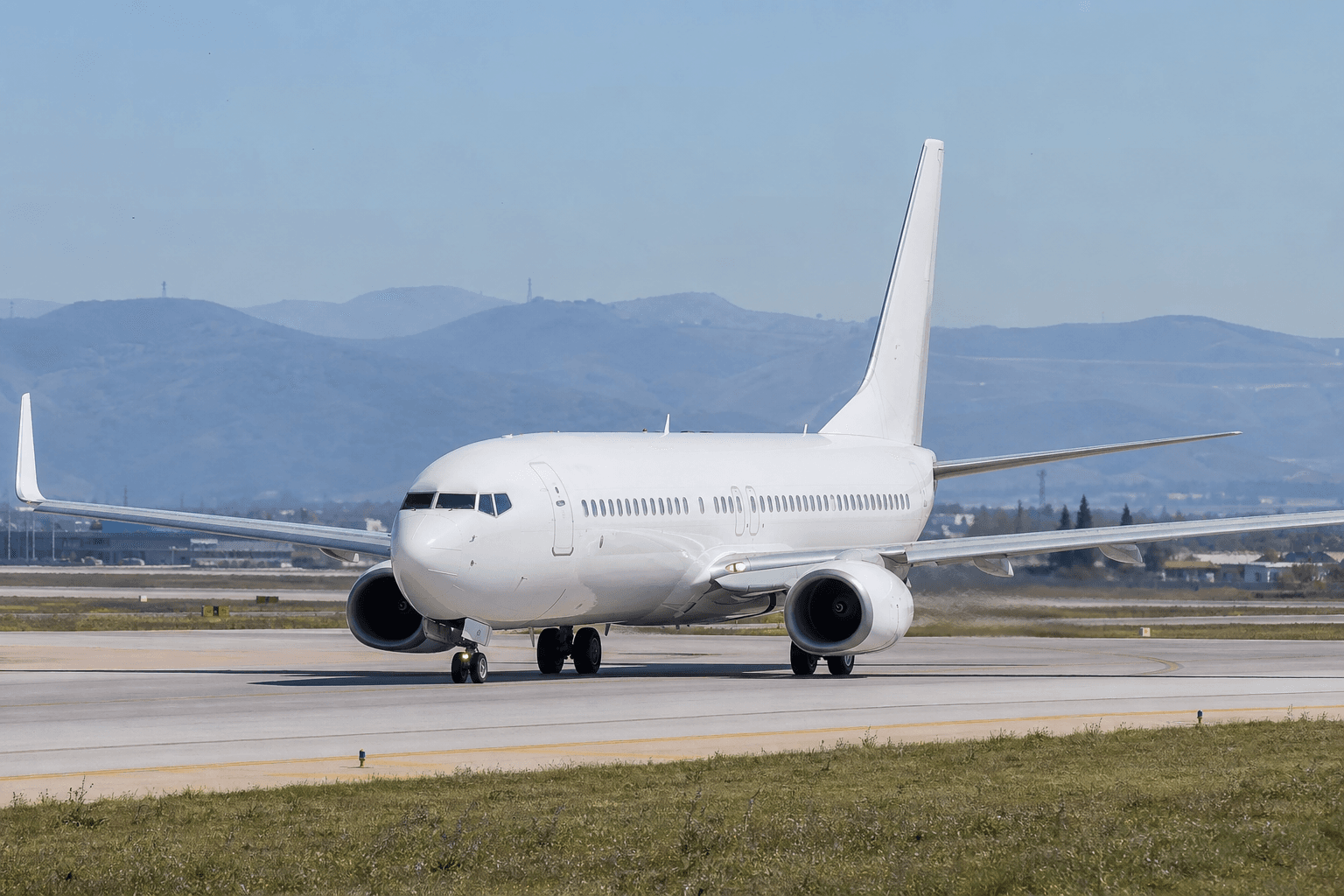
Failure of Ryanair 737-800 Engine Fan Blade Preceded Cabin Window Rupture
Air safety reporting is made accessible without a subscription as a public service. Subscribe to The Air Current for full access to our scoops, in-depth reporting and industry analysis. The rupture of a Ryanair Boeing 737-800 window Friday morning was preceded by an apparent failure of a fan blade from its right engine, a CFM International CFM56-7B, people familiar with the accident told The Air Current. A fan blade failure is a rare but serious safety issue that aircraft manufacturers […]

FAA proposes to block state meal and rest break laws for airline crews
The Federal Aviation Administration (FAA) is moving to stop US states and local governments from applying their own meal and rest-break laws to airline pilots and flight attendants after court rulings allowed California-based flight attendants to pursue claims against airlines under state labor law. The FAA published a notice of proposed rulemaking on July 6, 2026, seeking to clarify that federal duty and rest rules for flightcrew members and flight attendants override state and local break requirements. The issue centers on whether pilots and flight attendants can be covered by the same state labor laws that require other workers to receive meal or rest breaks at set intervals, or whether airline crew breaks should be governed only by federal aviation rules. The FAA says airline crews are different from most other workers because they must remain available during a duty period to perform safety tasks, including while an aircraft is in flight. Some state laws require workers to be relieved of all duties during a meal or rest break. The FAA says that standard cannot always apply to pilots and flight attendants, who may need to respond to emergencies, medical events, unruly passengers, evacuations or other safety issues. The FAA "proposes to clarify that FAA regulations governing flightcrew member and flight attendant duty and rest periods preempt all State and local meal and rest break requirements," the agency said in the proposed rule. The FAA also said US state meal and rest-break requirements are preempted by the Airline Deregulation Act of 1978 if they significantly affect airline prices, routes and services. The proposed rule would amend Part 117, which covers flightcrew duty and rest limitations, and Part 121, which governs domestic, flag and supplemental airline operations. The agency said recent litigation prompted it to review how its crew duty and rest regulations interact with state labor laws. The FAA cited cases involving Virgin America and SkyWest Airlines flight attendants as part of the background to the proposal. In Bernstein v. Virgin America, California-based flight attendants sued Virgin America over alleged violations of California labor law, including meal-break and rest-break requirements. Virgin argued that the state break rules were preempted by federal aviation law and the Airline Deregulation Act, but the US Court of Appeals for the Ninth Circuit rejected those arguments and upheld rulings in favor of the flight attendants on the break claims. The FAA also cited Wilson v. SkyWest Airlines, a case brought by two California-based flight attendants who alleged that SkyWest failed to provide meal breaks, rest breaks and compliant wage statements under California law. A federal district court found that the break claims were not preempted by federal aviation law or the Airline Deregulation Act. Those cases centered on whether California meal and rest-break rules could apply to flight attendants. California generally requires a 30-minute meal period when employees work more than five hours and a second meal period when employees work more than 10 hours. The US Department of Labor lists 21 states or jurisdictions with meal-period requirements for adult private-sector workers. It lists seven states — California, Colorado, Kentucky, Minnesota, Nevada, Oregon and Washington — as having both meal-period and rest-period requirements. The FAA said applying different state requirements to airline crews could create operational problems for carriers. The agency said airlines might have to carry additional crewmembers, block passenger seats, remove passengers from flights or alter service to comply with state break rules. The FAA said those changes could affect the price, route or service of air transportation. The FAA said its proposal would not prevent airlines from allowing pilots and flight attendants to eat, drink or use the restroom during duty periods. Instead, the agency said airlines would remain responsible for managing those needs while keeping crewmembers available for safety duties. The proposal also notes that some flight attendant breaks are already covered by collective bargaining agreements, airline policies or crew resource management procedures. California amended its labor code in 2023 to exempt certain flight attendants from standard meal and rest-break requirements when they are covered by a collective bargaining agreement that addresses breaks. The FAA said not all airlines and flight attendants are covered by such agreements. Comments on the proposed rule are due by September 4, 2026.
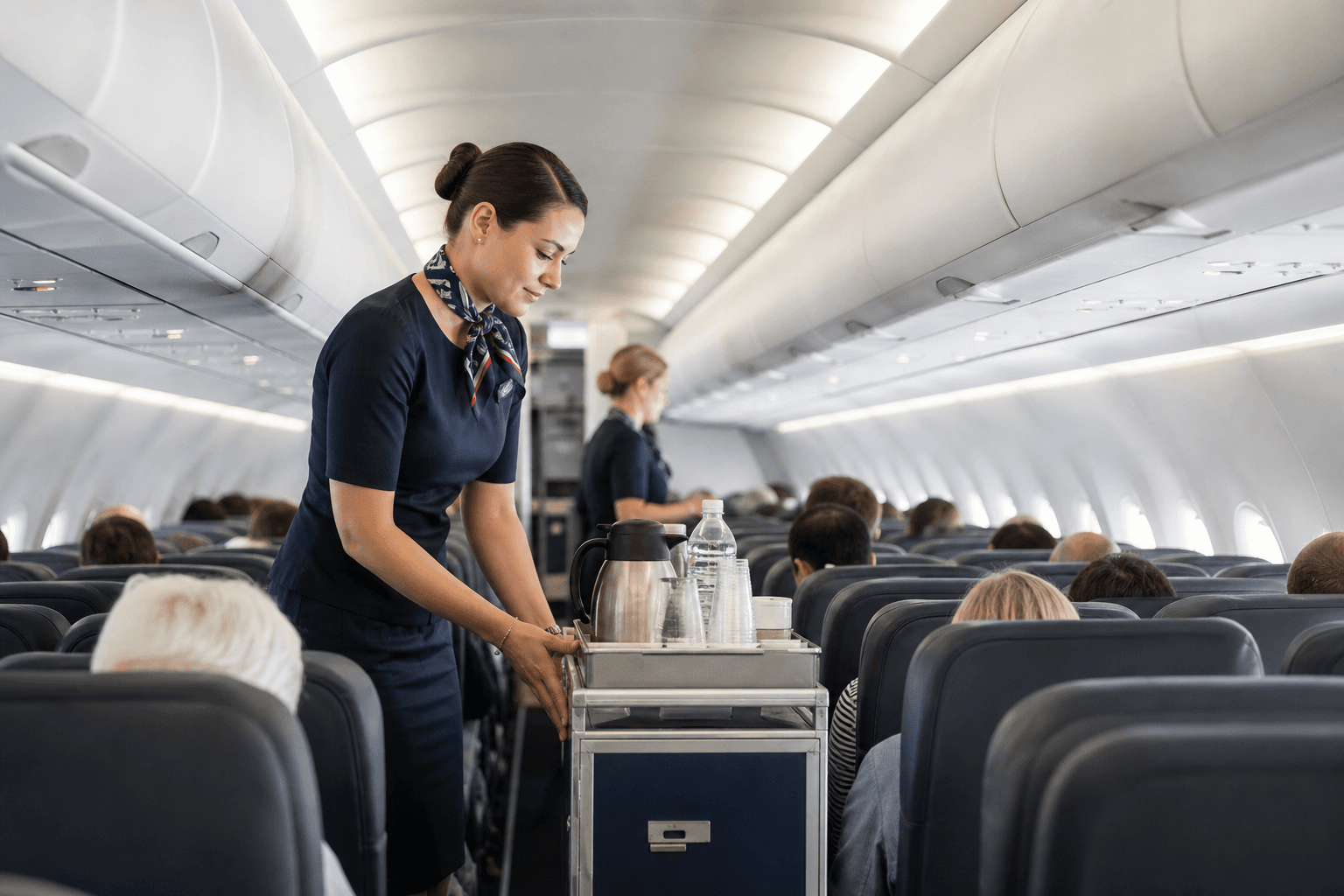
FAA seeks to block state meal and rest break rules for flight crews nationwide
The FAA is seeking to block state and local governments from setting meal and rest period requirements for flight crews and flight attendants , asserting that those breaks are adequately covered by federal law. According to a notice of proposed rulemaking (NPRM) published in the Federal Register this week, the agency would add language to parts 117 and 121 that clarifies the federal preemption of state and local laws governing these rest periods. Whereas previous rulemaking has centered on crew breaks between shifts , the new proposal tackles breaks during duty, including while flying. Per the Department of Labor , there are 21 states that set meal period requirements for private sector employees, seven of which also have rest period requirements. At issue is whether those rules cover flight crews and flight attendants. The FAA in its NPRM argued that a "patchwork" of state and local break requirements violates the Airline Deregulation Act (ADA) of 1978, which prohibits any law that creates a "significant impact" on airline prices, routes, or services. Federal preemption, it said, would create uniform requirements across states that reduce operational disruptions for carriers. However, federal district and appellate courts in recent years have come to the opposite conclusion. Flight crews and flight attendants who have sued airlines over violations of state or local break requirements have often prevailed, allowing them to claim damages. The FAA in the NPRM said that "recent litigation" spurred its rulemaking—"most notably" a pair of decisions handed down by the courts in 2021. What the FAA Proposes The FAA in a 2022 final rule changed its requirement for scheduled rest periods for flight attendants assigned to duty periods of 14 hours or less, raising it from as low as eight hours to at least ten. This week's proposal addresses break requirements during rather than between shifts. One rationale provided by the agency is that fragmented state and local rules are untenable for carriers. It said such a framework may require them to staff additional flight attendants, raise costs, or remove passengers from flights, leading to operational impacts and violating the 1978 ADA. The FAA does not propose any new federal laws regarding aircrew break requirements. Instead, it argues that the status quo of "rules about duty periods, collective bargaining agreements (CBA) reached between air carriers and labor unions, and…specific air carrier crew resource management procedures" adequately strikes a balance between aviation safety and crew health. Notably, the proposal would require Part 121 certificate holders to ensure that flight attendants remain available for safety duties—including responding to medical emergencies or dealing with unruly passengers—during their breaks. The FAA contended that it mitigates fatigue by regulating rest between rather than during shifts. "The primary mission of flight attendants is to ensure safety, a role that is undermined if a flight attendant is legally 'off-duty' during an emergency," the agency said. However, the regulator also proposes that carriers ensure flight attendants have enough time to eat, drink, or use the restroom. Other employees covered by state and local rules receive uninterrupted meal and rest periods. Comments on the proposal are due September 4, after which time the FAA may modify it. Why Now? The FAA specifically called out two legal rulings as the basis for this week's proposal. In 2021, the 9th U.S. Circuit Court of Appeals held that California's meal and rest requirements for flight attendants are not preempted by the ADA or other federal laws. The ruling came after California-based flight attendants sued Virgin America over failing to meet the state's mandates, which include 30-minute meal breaks for employees who work more than five hours. As a result, flight attendants were allowed to pursue claims. Alaska Airlines acquired Virgin during the case, Bernstein et al. v. Virgin America, and became a codefendant. The carrier appealed the decision to the Supreme Court, which declined to review it. Alaska later secured an Association of Flight Attendants-backed aircrew exemption and backtracked on threats to close its California crew bases over the decision. However, it failed to secure a similar exemption in Washington state. Following the case, California in 2023 exempted flight attendants from state break requirements when they are covered by certain Railway Labor Act collective bargaining agreements (CBAs). The FAA in the NPRM noted that not all airlines are covered by these CBAs. In another 2021 ruling referenced by the FAA, Wilson v. SkyWest Airlines, the U.S. District Court for the Northern District of California made a similar finding. It likewise sided with flight attendants who sued SkyWest, reiterating that federal laws do not preempt state or local rules. In another case, which the FAA did not cite, American Airlines in 2023 reportedly settled with California flight attendants, who had sued over alleged wage and meal break violations, for about $24 million. Cementing the federal preemption of these state and local laws will likely be cheered by airlines who have contended with lawsuits from unhappy personnel. The proposal may also face pushback from unions representing flight crews and flight attendants. In the Bernstein case, the Association of Flight Attendants filed a friend of the court brief urging the court to side with Virgin flight attendants. "Instead of preemption, AFA pushed the airlines to resolve the operational challenges of meal and rest law through a legislative fix that would codify our rights to bargain over these provisions," the union wrote in a 2022 news release .
FAA and DOT Launch Multi-State Trials for Electric and Autonomous Aircraft Integration
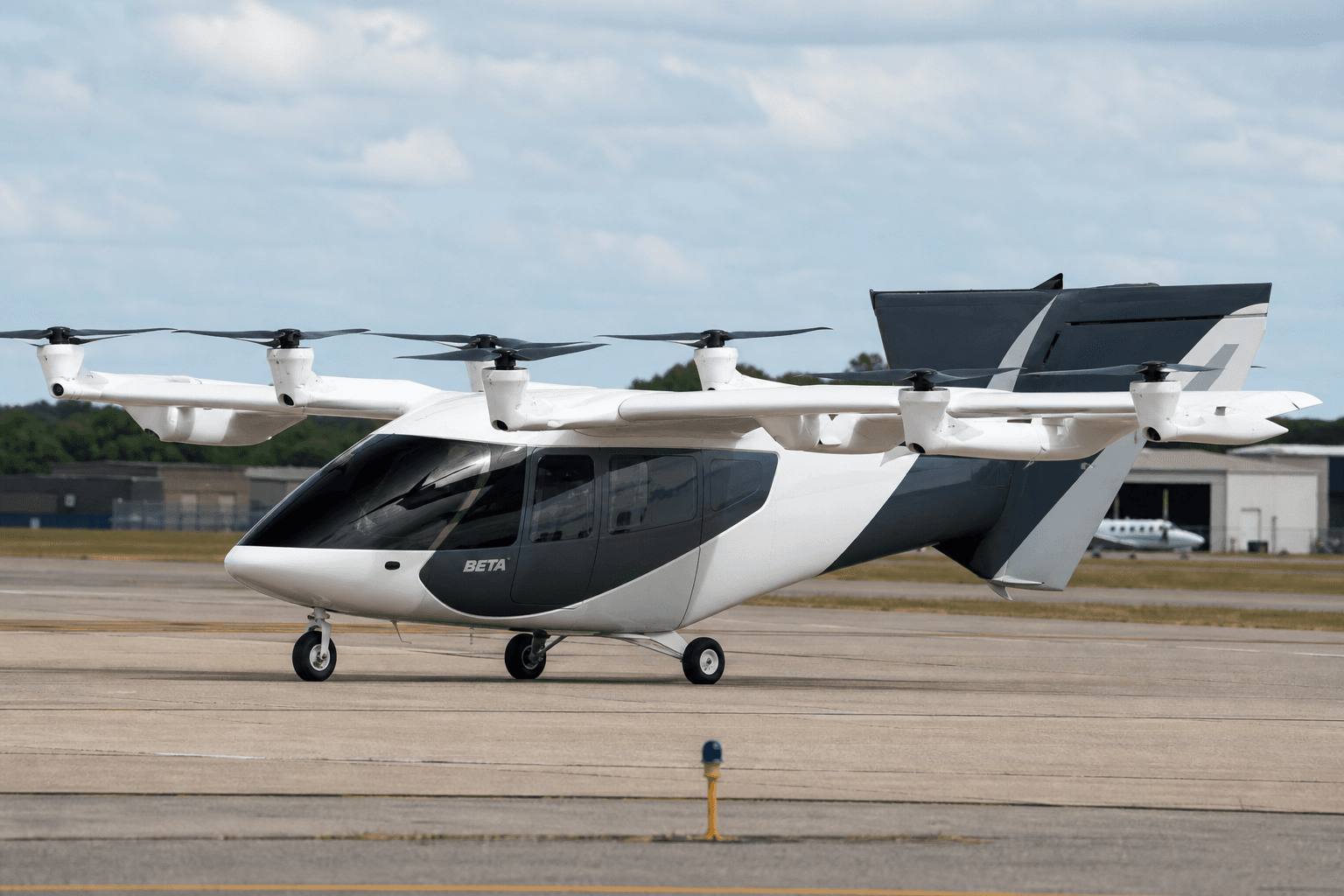
The FAA and U.S. Transportation Department's (DOT) highly anticipated trials of precertified electric air taxis, autonomous cargo drones, and other novel aviation technologies—expected to span at least three years and 26 states —are officially underway. The first operational flights under the agencies' eVTOL (electric vertical takeoff and landing) Integration Pilot Program (eIPP) comprised deliveries of manufactured organs in Maryland and Virginia, conducted using Beta Technologies' all-electric Alia CX300 aircraft. Beta aims to certify and commercially launch the model—which has a demonstrated range of 337 nm and intended top speed of 153 knots—within the next few years. Beta said Friday that its Alia family of aircraft—which also includes the eVTOL A250—have flown more than 160,000 nm across the U.S., Europe, Japan, and New Zealand. Nearly all of that flying was conducted under the company's market survey ticket. But the eIPP will permit Beta and other manufacturers' precertified aircraft to conduct operations that were previously not allowed, potentially including cargo and passenger flights for revenue. The flights will also generate data on how these activities can be safely integrated alongside regular air traffic. The FAA is not funding them, but it could use those insights to create future requirements governing how the new entrants are certified and regulated. The FAA in March announced the eight lead eIPP participants, each led by a state or local transportation agency. After that, participants began negotiating with the agency toward other transaction agreements (OTAs) that set specific requirements, such as for data reporting and the number of flight hours and demonstrations required. A Beta spokesperson said the recent Alia campaign was conducted under one of these OTAs, which means the eIPP has officially begun. Kristen Costello, who leads government and regulatory affairs for Beta, told FLYING earlier this year that the eIPP will allow the company, which does much of its flying abroad, to become more familiar with the U.S. operating environment. It expects to generate operational data on a larger scale than it has been able to previously. "It's not, 'Does the airplane work?'" founder and CEO Kyle Clark told FLYING in April. "It's, 'Does the airplane work every single day in IMC, with real operational payloads? Charge at the right rate? Does the training work? Do the service and reliability meet the standards that our customers expect?'" First eIPP Flights Beta said the inaugural campaign covered about 275 nm and comprised "routine operations" between four airports—Virginia Tech/Montgomery Executive Airport (KBCB) in Blacksburg; Charlottesville-Albemarle Airport (KCHO) in Virginia; Frederick Municipal Airport (KFDK) in Maryland; and Martin State Airport (KMTN) in Baltimore County, Maryland. The activities were conducted in partnership with the Pennsylvania Department of Transportation (PennDOT), Virginia Department of Aviation, and Maryland Aviation Administration. The manufactured organs are being developed by United Therapeutics, Beta's first investor and customer. Beta has already begun training the company's pilots to fly Alia. Per a recent Securities and Exchange Commission filing , United Therapeutics, which ordered an unspecified number of aircraft, pays Beta about $5 million annually in aircraft development costs. Beta has indicated that organ delivery will be one of Alia's first missions. It plans to test medical logistics throughout the eIPP and deliver the manufactured organs commercially once they become available. The company said Friday that United Therapeutics' subsidiary, United Bioelectronics, has advised it on aircraft autonomy, structures, and the deployment of electric charging infrastructure across 123 locations. "United Therapeutics contracted Beta to build an electric aircraft capable of delivering lifesaving cargo, and today we delivered on that agreement," Clark said in a statement. "Our long-term partnership with United Therapeutics has shaped Beta and our mission to build the aircraft, infrastructure, and operational ecosystem." United Therapeutics CEO Martine Rothblatt said in a statement that achieving the company's mission of saving millions of lives by delivering an unlimited supply of organs will require thousands of flights per day. The idea with Beta's Alia is to reduce the cost, improve the reliability, and lower the carbon footprint of those operations. But the Alia flights are only the beginning. PennDOT is leading a consortium of 18 states called the "Multistate Collaborative eIPP (MSCE) National Integration Complex." According to Anthony McCloskey, director of PennDOT's bureau of aviation, the group comprises three operators and four OEMs, three of which are Beta, Electra, and Pivotal. Electra plans to demonstrate 50-to-500-mile links between Atlantic City in New Jersey and locations such as Philadelphia International Airport (KPHL). Per a news release shared by Pivotal, Republic Airways is one of the other operators. The manufacturer of personal eVTOL aircraft said one goal of the consortium is to fly aircraft across state lines, within "heartland" regions that may lack reliable air service. The DOT said the PennDOT-led project will aim to "revitalize regional flights across the country, including routes similar to those supported through the Essential Air Service program." More to Come The FAA in 2024 published a special federal aviation regulation that set initial pilot training and operational requirements for eVTOL and other powered-lift aircraft. But they will expire after a decade, and regulators are working to develop permanent rules. The eIPP was established via a June 2025 White House executive order to help guide regulators as they complete that arduous task. It brings together state and local governments, manufacturers, operators, airports, and other partners at a scale not seen previously. Beta was selected for seven of the eight eIPP projects. But the program will also include electric air taxis from Archer Aviation, Joby Aviation, and Wisk Aero, hybrid-electric regional aircraft such as Electra's EL9, and autonomous cargo aircraft such as Elroy Air's Chaparral. Additional activities will be performed using Reliable Robotics' aircraft autonomy system and Ampaire's hybrid-electric powertrain, both of which are designed for retrofits. "Each eIPP project will showcase the broad public benefits of this technology—from moving people and cargo to supporting lifesaving emergency response—and the data we gather will help shape policies for safe, scalable operations nationwide,” said Chris Rocheleau, FAA deputy administrator, in a statement. As the eIPP progresses, it will touch an increasing number of states and incorporate more complex aircraft and operations. Beta has said it will initially conduct cargo operations using the conventional takeoff and landing CX300 before moving to passenger operations with the vertical takeoff A250. Wisk earlier this year told FLYING it plans to use helicopters and other aircraft before bringing its autonomous Generation 6 air taxi into the fold. Electra similarly will begin activities with its EL2 demonstrator before advancing to its flagship EL9 Ultra Short. Clark in June predicted that within three years, uncrewed, autonomous operations will become routine in several of the eIPP states.
The Daily Touch & Go
The day's best aviation news in your inbox. Free, no spam.