

Image: Matti Blume · CC BY-SA 4.0 · via Wikimedia Commons
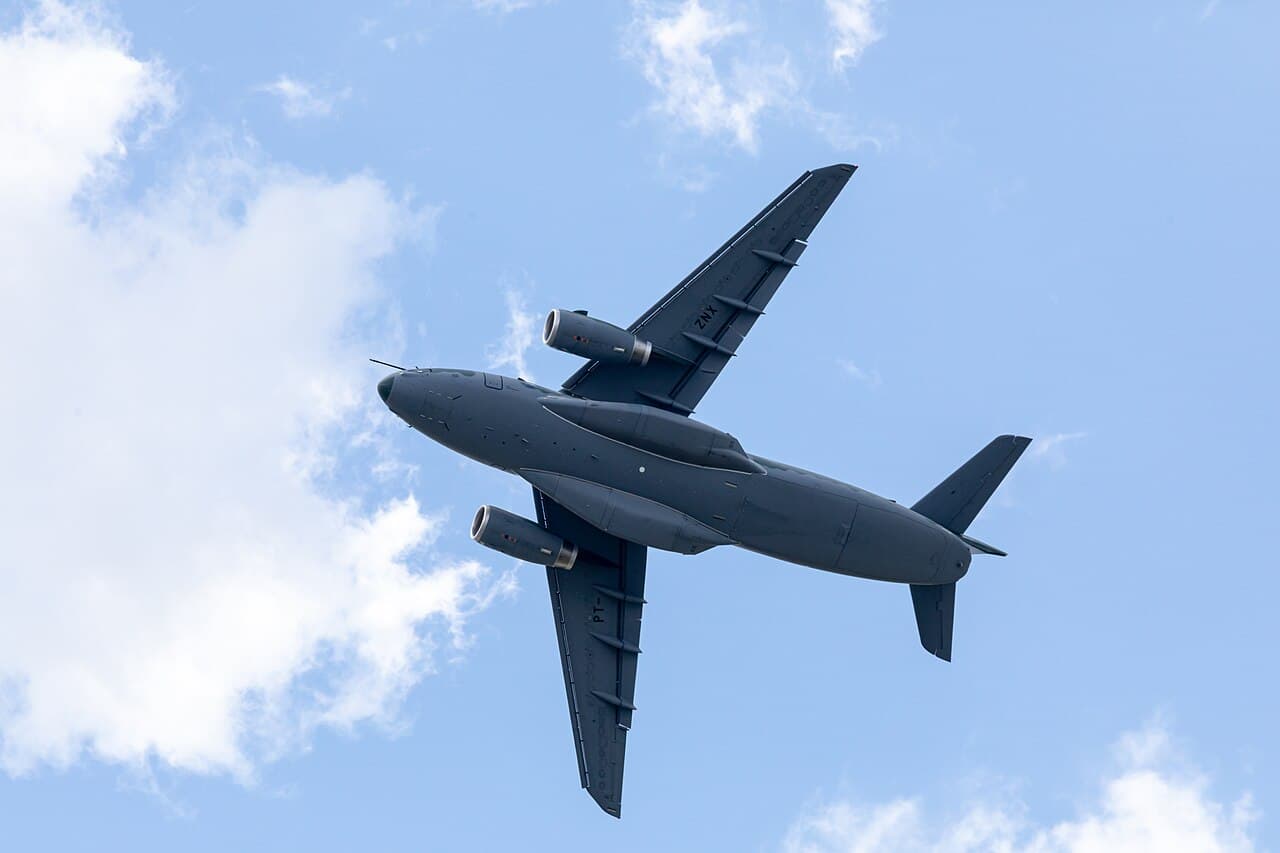
Embraer's KC-390 Secures 5 NATO Orders as a C-130 Alternative but USAF Remains Uninterested
The KC-390 Millennium has gained traction among European NATO air forces as a tactical airlifter and refueler, yet the US Air Force stays focused elsewhere despite its operational benefits.
The gist
Embraer's KC-390 wins five NATO air force orders as a versatile C-130 replacement, but the US Air Force still declines to adopt it.
Embraer's KC-390 Millennium is rapidly establishing itself as a favored tactical airlifter and tanker among several NATO member states. This twinjet aircraft, designed to handle cargo and aerial refueling missions, offers a rugged alternative to older transports like the C-130 Hercules and the Boeing KC-135 Stratotanker. While European nations including Austria, the Netherlands, Hungary, Lithuania, Portugal, Slovakia, and the Czech Republic have placed orders, the United States Air Force (USAF) remains hesitant to incorporate the KC-390 into its fleet.
The KC-390 blends strategic airlift with aerial refueling capabilities in a compact package, rivaling half the size of a McDonnell Douglas C-17 Globemaster III. Its design enables it to operate from semi-prepared, unpaved, or austere airstrips, a key advantage in distributed operations. This flexibility aligns well with emerging tactical doctrines emphasizing dispersion and mobility, such as the USAF's Agile Combat Employment (ACE) strategy focused on countering threats in the Indo-Pacific region.
Despite the operational advantages, the USAF continues to face difficulties with its Boeing KC-46A Pegasus tanker program, which suffers from scheduling delays, budget overruns, and technical challenges including remote vision and boom design issues. Parallel efforts on the Next Generation Air Refueling System (NGAS), aiming at a stealthier tanker platform, have seen drastic funding cuts. Accordingly, the USAF is increasingly relying on older KC-135s and considerations of using business jets to meet refueling needs in the near term.
Embraer has pursued the US market since at least 2022, partnering with L3Harris Technologies to engineer a refueling boom system compatible with the KC-390. However, a critical limitation remains in the aircraft's fuel capacity: it carries about 70,000 pounds compared to the KC-46's 212,000 pounds and the KC-135's 200,000 pounds. This significant difference challenges the KC-390's ability to directly replace existing USAF tankers in high-demand roles.
Nonetheless, the KC-390 matches or exceeds capabilities of other relevant aircraft such as the Lockheed Martin KC-130J used by the US Marine Corps. The KC-130J carries approximately 61,000 pounds of fuel and is known for its ruggedness and ability to operate from unimproved runways. The KC-390's faster turbofan engines allow receiver aircraft to refuel at higher tactical speeds, a notable performance benefit over the slower propeller-driven Hercules fleet.
This speed and operational agility make the KC-390 especially suitable as a tanker for new mission concepts like collaborative combat aircraft, including loyal wingman drones designed to accompany F-35 and future F-47 fighters. The USAF anticipates fielding over 1,000 such drones, making a versatile tanker capable of operating from austere locations a potentially critical enabler for these systems.
While the USAF prioritizes heavy capacity tankers like the KC-46 and pursues next-generation stealth tankers, the KC-390's niche could fit within evolving operational requirements emphasizing dispersed, survivable, and flexible air logistics. The aircraft's ability to land on damaged or rudimentary runways and refuel at combat speeds addresses key vulnerabilities exposed by near-peer adversaries with advanced anti-access/area denial capabilities.
Embraer's partnership with L3Harris, which emphasizes rapid deployment and cost-effective upgrades to the KC-390's systems, signals a sustained effort to tailor the aircraft to USAF needs. However, until the service reconciles its tanker force structure and mission priorities, the KC-390 will likely remain an attractive option primarily for allied air forces seeking a modern C-130 alternative with built-in aerial refueling.
In the meantime, the USAF faces the challenge of managing an aging tanker fleet and its ambitious ACE doctrine with limited funding and delayed acquisition programs. The absence of substantial NGAS funding and persisting KC-46 limitations point to a tanker capability gap that aircraft like the KC-390 could help fill if service priorities evolve.
Frequently asked questions
- Which NATO countries have placed orders for the KC-390 Millennium?
- Austria, the Netherlands, the Czech Republic, Hungary, Lithuania, Portugal, and Slovakia have all ordered the KC-390 Millennium as part of their tactical airlift modernization.
- How does the KC-390's fuel capacity compare to USAF tankers like the KC-46 and KC-135?
- The KC-390 carries about 70,000 pounds of fuel, which is significantly less than the KC-46's 212,000 pounds and the KC-135's 200,000 pounds, limiting its use as a one-to-one replacement.
- Why has the USAF hesitated to adopt the KC-390 despite its advantages?
- Factors include the KC-390's smaller fuel capacity compared to existing tankers, the USAF's prioritization of the KC-46 and NGAS programs, and mission requirements focused on high-capacity refueling.
Read more
All Military/Defense →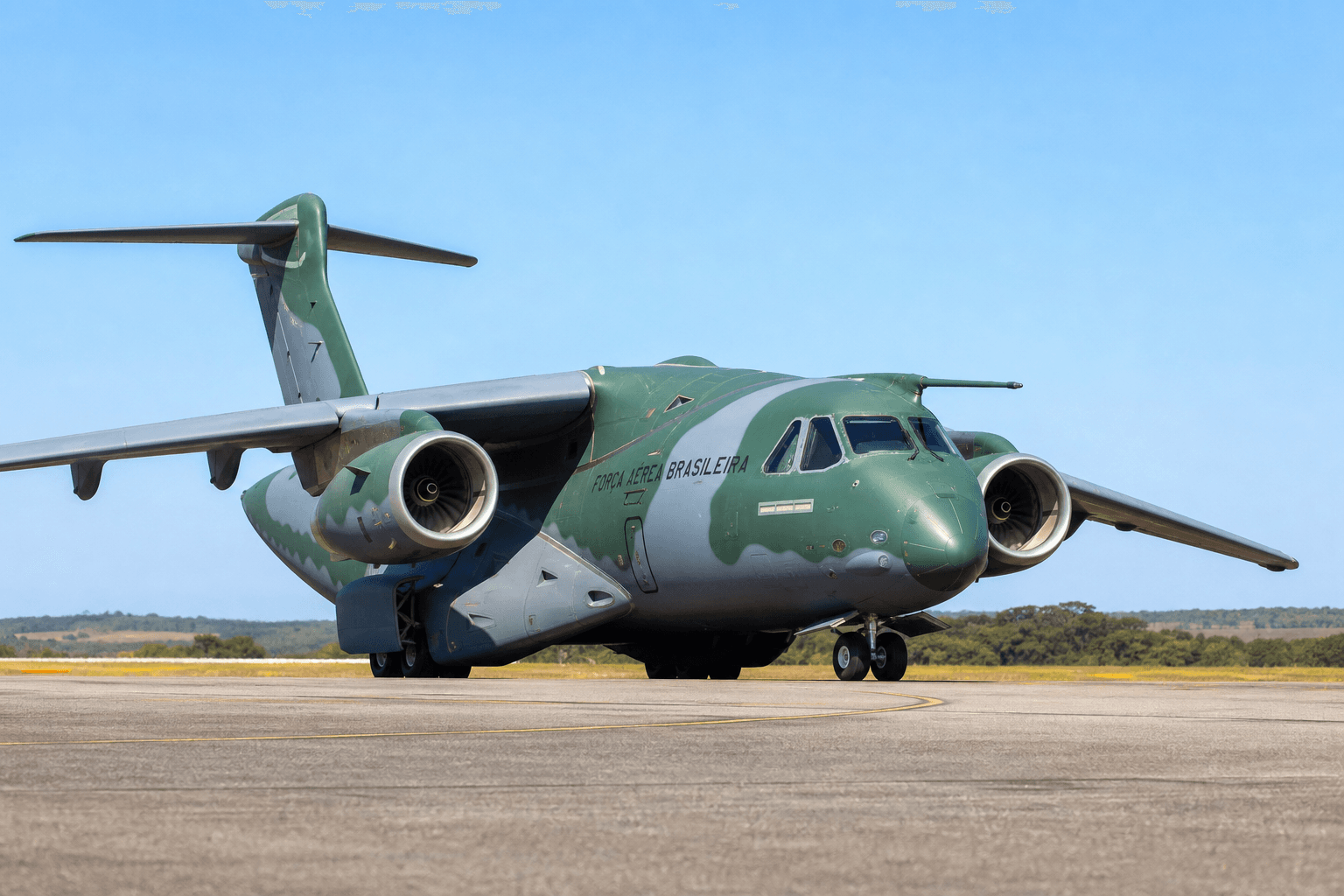
Embraer C-390 Emerges as Leading Affordable Western Military Airlifter for Smaller Nations
While Brazil is typically not considered a 'Western' country, its Embraer C-390 Millennium is part of the Western supply chain, and it is marketed to various Western countries as an alternative to the Lockheed Martin C-130J Super Hercules. It is seen as a geopolitically acceptable military aircraft for NATO allies to purchase in a way that Chinese and Russian military aircraft are not.
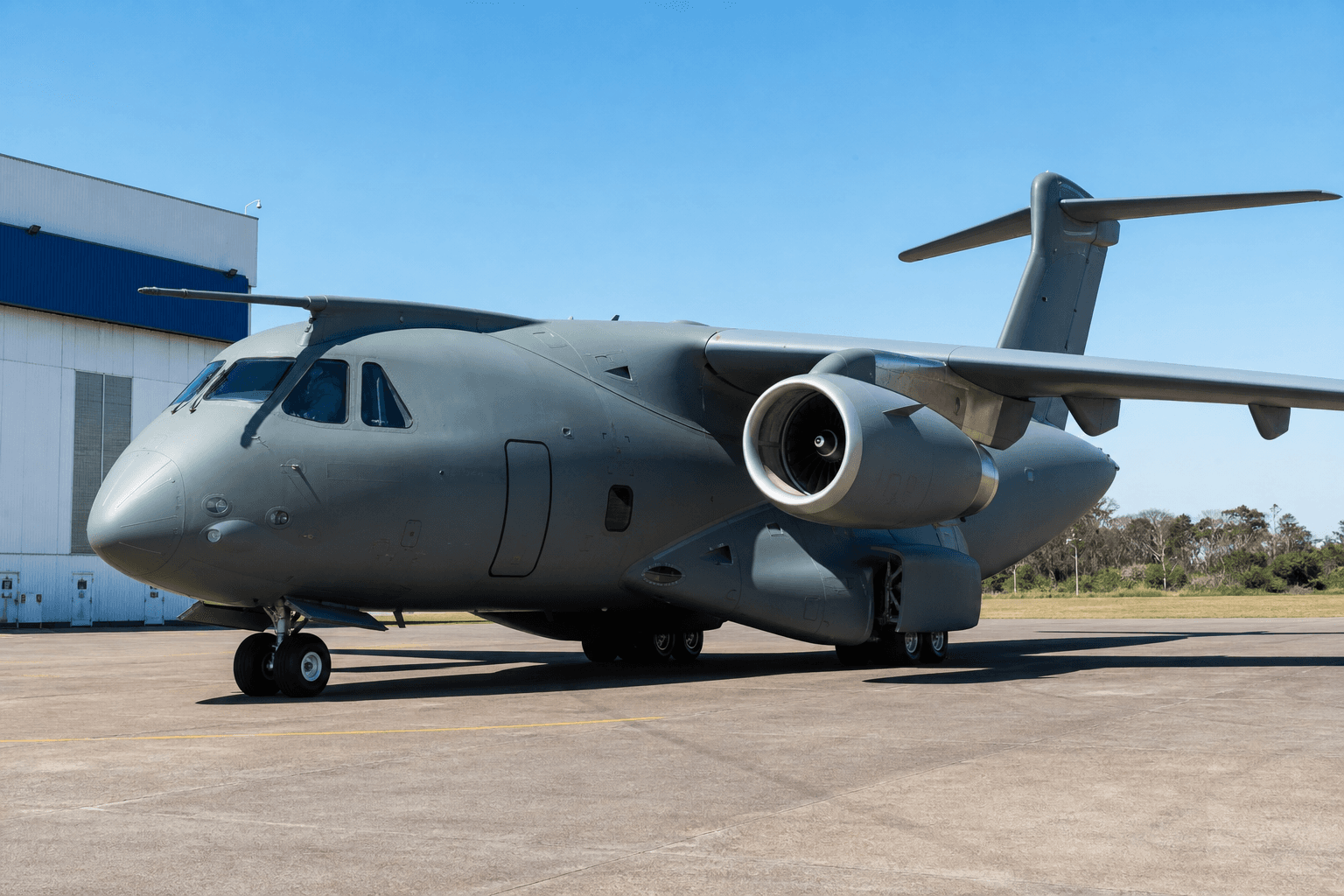
Colombia orders two Embraer KC-390 Millennium airlifters for fleet modernization
Embraer announced on August 4, 2026, that the Fuerza Aeroespacial Colombiana (FAC) has signed a contract for two KC-390 Millennium multi-mission aircraft, making Colombia the first Latin American customer for the type outside Brazil and the 13th nation to order it. The FAC put the value of the contract at $366.4 million at fixed prices, with execution spread over four years. The package covers the two aircraft, mission equipment, initial training for pilots, maintenance technicians and mission support personnel, ground support equipment, and 24 months of integrated logistics support. Embraer said the deal also includes an offset program structured to meet Colombian regulatory requirements. Deliveries are scheduled for 2029 and 2030, with the first aircraft to be ferried from Embraer's Gavião Peixoto plant to CATAM air base in Bogotá. Replacing an aging Hercules fleet The purchase falls under the FAC's heavy tactical military transport requirement, part of a modernization plan the force ties to its Air and Space Development Strategy 2042 (EDAES 2042), formulated in 2019. Colombia's tactical airlift currently rests on a small fleet of Lockheed C-130B and C-130H Hercules, operated since the late 1960s and supplemented over the years by second-hand US transfers. That fleet came under scrutiny after a C-130H registered FAC-1016 crashed shortly after takeoff from Puerto Leguízamo on March 23, 2026, killing 70 of the 126 people on board. The decision was not entirely free of controversy. President Gustavo Petro directed the FAC to conclude negotiations with Embraer in July 2026, according to Infodefensa , before the force had completed a technical comparison that also included the Lockheed Martin C-130J Super Hercules and Airbus A400M. The FAC nevertheless maintained that its selection followed technical, legal and financial analyses conducted by its own personnel. Tanker role and Gripen interoperability Two Brazilian Air Force F-39E Gripen fighters refuel simultaneously from an Embraer KC-390 Millennium. (Credit: Embraer) Embraer said the aircraft will be delivered with connectivity allowing them to operate alongside the 17 Gripen E/F fighters Colombia ordered from Saab in November 2025 under a €3.1 billion contract. The KC-390 can be fitted with removable air-to-air refueling equipment, allowing it to serve as either tanker or receiver. Bosco da Costa Junior, President and CEO of Embraer Defense & Security, said the company was "honored by the FAC's decision to select the KC-390 Millennium," pointing to a relationship dating back more than 35 years to Colombia's purchase of the EMB-312 Tucano and later the A-29 Super Tucano. Embraer says the KC-390 carries up to 26 tons of payload at speeds of up to 470 knots and can operate from short or unpaved strips. Beyond Brazil, the type has been selected by Portugal, Hungary, South Korea, the Netherlands, Austria, the Czech Republic, Uzbekistan, Sweden, the United Arab Emirates, Slovakia and Lithuania [though the latter postponed the procurement – ed. note]. The Czech Air Force received its first aircraft on July 16, 2026.
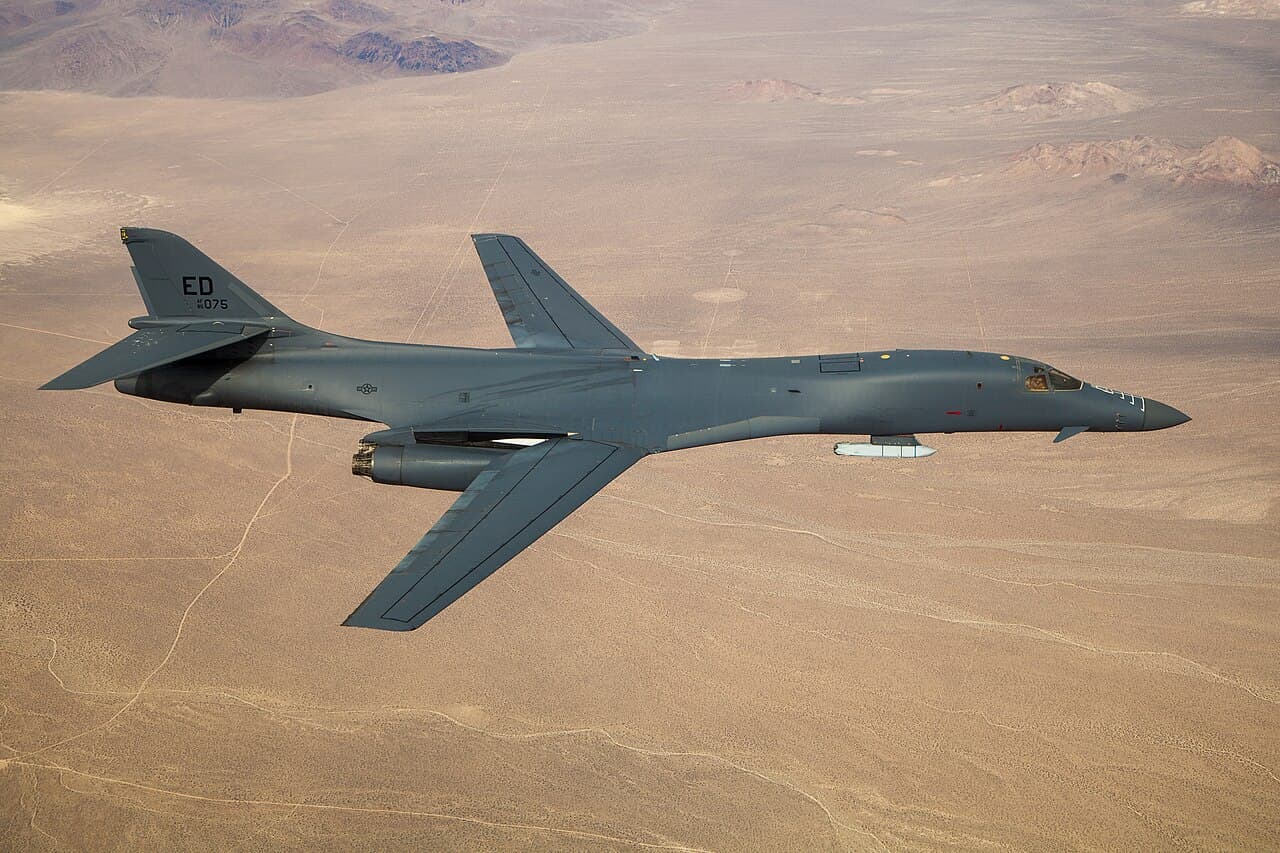
US Air Force Deploys Nearly One-Third of B-1B Bomber Fleet to RAF Fairford
At the peak of Operation Epic Fury (around late March 2026) , the US Air Force deployed around 15 B-1B Lancers and around six B-52H Stratofortresses at the UK's RAF Fairford airbase. The initial wave of B-1Bs arrived on or after March 6, with B-52s arriving soon after. As of the time of writing (late July), a large share of the Air Force's operational Rockwell B-1 Lancer fleet remains deployed at RAF Fairford.
Embraer Reports Record $34.5 Billion Order Backlog in Q2 2026, Driven by Commercial and Defense Growth
Embraer, the Brazilian aerospace leader, has reported a firm order backlog of US$34.5 billion for the second quarter of 2026. This marks the company’s seventh straight record high, highlighting strong global demand across its business units. ezstandalone.cmd.push(function () { ezstandalone.showAds(119); }); The backlog grew 7% from the first quarter of 2026 and rose 16% compared to the same period in 2025. This steady growth reflects Embraer’s expanding presence in commercial aviation, executive jets, defence, and services. Strong Performance Across Key Segments Commercial Aviation led with a US$15.1 billion backlog, up 15% year-over-year. A major driver was Azorra’s firm order for 15 E195-E2 aircraft. This pushed the E2 family beyond 500 firm orders, with customers on every continent. ezstandalone.cmd.push(function () { ezstandalone.showAds(127); }); Additional momentum came from deals announced around the Farnborough Airshow, including orders from Binter Canarias, Luxair, Fuji Dream Airlines, and an agreement with Abra Group for up to 45 E195-E2 jets. Embraer also signed an MoU with Azorra for up to 30 E-Freighters. Image Credit: Embraer The commercial unit achieved a healthy 1.8x book-to-bill ratio over the last 12 months, showing robust order intake relative to revenue. ezstandalone.cmd.push(function () { ezstandalone.showAds(128); }); Executive Aviation recorded a US$7.8 billion backlog, a 5% increase from Q2 2025. New certifications for the Praetor 600E and Praetor 500E models by ANAC, FAA, and EASA strengthen future growth. The segment posted a solid 1.1x book-to-bill ratio. Defense & Security delivered impressive results with a US$6.1 billion backlog — up 42% year-over-year. A landmark agreement with the United Arab Emirates for the C-390 Millennium transport aircraft was a key highlight. ezstandalone.cmd.push(function () { ezstandalone.showAds(129); }); Services & Support also reached a record US$5.5 billion backlog, growing 12% from the prior year. New agreements, such as the long-term support deal with Jazz Aviation in Canada, underscore Embraer’s focus on aftermarket revenue. Image Credit: Embraer Solid Delivery Numbers and Operational Momentum Embraer delivered 65 aircraft in Q2 2026 (20 commercial and 45 executive jets). This represents a 48% increase quarter-over-quarter and the strongest second-quarter performance in 16 years. These deliveries support Embraer’s full-year 2026 guidance of 80-85 commercial aircraft and 160-170 executive jets. The company continues to benefit from production levelling initiatives and a healthy order pipeline. ezstandalone.cmd.push(function () { ezstandalone.showAds(130); }); Implications for the Industry Embraer’s consistent backlog growth occurs amid strong demand for efficient regional jets and versatile defence solutions. The E2 family offers lower operating costs and superior performance, appealing to airlines seeking to replace older fleets. Meanwhile, the C-390 Millennium gains international traction as a reliable multi-mission platform. The company’s diversified portfolio — spanning commercial, executive, defence, and services — provides resilience against sector-specific fluctuations. Record services backlog also signals growing recurring revenue, which enhances long-term stability. ezstandalone.cmd.push(function () { ezstandalone.showAds(131); }); Photo Credit: Embraer Looking Ahead With production slots still available before 2030 and a strong order book, Embraer is well-positioned for continued expansion. The company reaffirmed its 2026 delivery targets and remains focused on innovation, sustainability, and global partnerships. Embraer’s latest results demonstrate the strength of its product lineup and execution capabilities. As demand for modern, efficient aircraft rises worldwide, the Brazilian manufacturer continues to solidify its role as a key player in global aerospace.
The Daily Touch & Go
The day's best aviation news in your inbox. Free, no spam.