

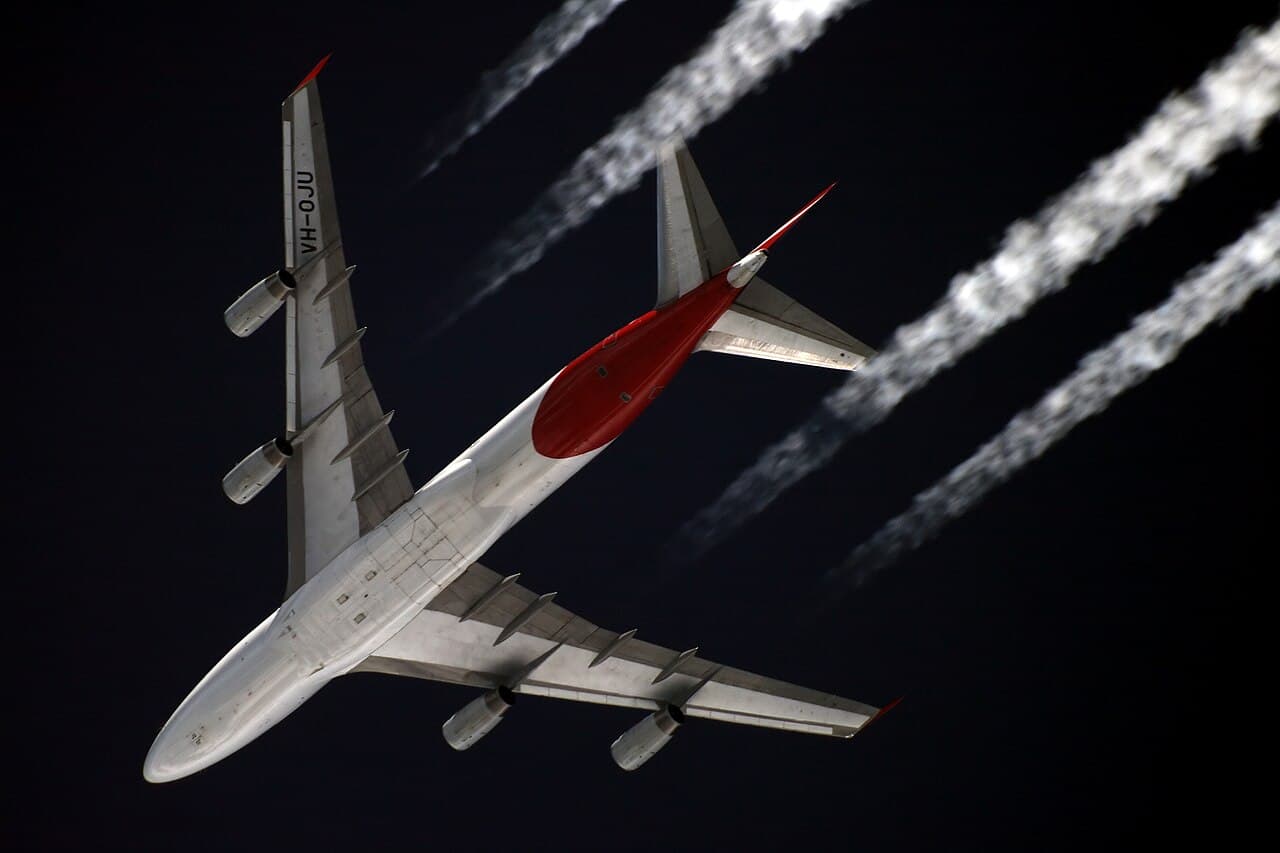
Image: Sergey Kustov · CC BY-SA 3.0 · via Wikimedia Commons
Boeing's VC-25B Air Force One Replacements Delayed to 2028-29 Completion
Boeing's conversion of two 747-8 aircraft into new VC-25B presidential transports faces years-long delays, moving delivery from 2024 to 2028-29 due to complex modifications and supplier issues.
The gist
Boeing's new Air Force One program delays the VC-25B delivery by four to five years amid engineering and supply challenges.
Continuing coverage
All Boeing →- FAA mandates inspections on 737 Max door straps and proposes 787 Trent 1000 engine fix
- Boeing 737 MAX 7 Secures FAA Certification After Lengthy Development Delay
- FAA prioritizes certifying Boeing 737 MAX 7 and MAX 10 before 777-9 amid extensive delays
- Boeing's Chevrons Quiet Engines but Cost Fuel on 787, 747-8, and 737 MAX
- Boeing Completes Final 737 Max 10 Certification Flight Test Ahead of Year-End Approval
Boeing's ambitious program to replace the aging VC-25A Air Force One aircraft with two newly converted VC-25B planes has suffered significant schedule setbacks, pushing expected delivery from the end of 2024 to mid-2028 and mid-2029. These two aircraft, derived from Boeing 747-8 Intercontinental airframes, are undergoing a highly complex modification process at Boeing's facilities, transforming former commercial planes into integral components of the United States' presidential air fleet. The exceedingly intricate nature of this conversion reflects the necessity to incorporate sophisticated communications, defensive systems, and customized interior features that far exceed typical commercial aircraft modifications.
The VC-25B aircraft originated as 747-8 airframes manufactured for the now-defunct Russian airline Transaero but were never delivered due to the airline's collapse. These airframes were subsequently acquired by the US Air Force to become the new presidential transports, a task that demands the integration of mission-critical systems like advanced communications for command and control, secure defensive measures, and specialized medical and VIP facilities. Unlike conventional modifications such as those for Boeing Business Jets, the VC-25B program effectively turns a commercial airliner into a national command post capable of operating in contested and highly secure environments.
An unexpected blow to the program's progress was the termination of Boeing's interior supplier, GDC Technics, in 2021. The company was responsible for major interior outfitting work but was dismissed amid allegations of performance delays that disrupted the broader project timeline. This midstream change proved costly because the aircraft interiors must satisfy demanding requirements to accommodate the president, senior staff, Secret Service agents, journalists, and support personnel, all within a setting embedded with specialized government equipment. The switch in suppliers, therefore, entailed extensive rework and coordination beyond a standard luxury interior fit-out.
Compounding these challenges were broader industry pressures stemming from the COVID-19 pandemic. Boeing faced workforce shortages, inflation-driven cost increases, and supply chain interruptions across its entire production network. Former Boeing CEO David Calhoun acknowledged these factors in 2022 as contributing to delays not only for the VC-25B but other fixed-price defense contracts as well. The cumulative effect of these external pressures magnified the program's schedule slippage and increased costs related to complex engineering changes.
The engineering complexity itself is staggering. A Boeing 747-8 is a highly intricate aircraft with extensive electrical, hydraulic, and avionics systems. The VC-25B modifications include adding a second auxiliary power unit, uprated electrical systems, autonomous baggage handling, integral airstairs, enhanced self-defense mechanisms, and a mission communications suite. These extensions must be seamlessly integrated without undermining the aircraft's reliability, certification standards, or maintenance regimen, representing an exacting design and testing challenge for Boeing engineers and technicians.
Wiring has emerged as a particular technical hurdle. Boeing's 2024 financial disclosures revealed over $250 million in additional charges related in part to wiring design changes and structural modifications needed to meet the VC-25B's demanding operational criteria. Further schedule risks remain related to ongoing wire-bundle fabrication, finishing the highly detailed interior design, and correcting structural defects. The Government Accountability Office's remarks in mid-2026 highlight these persistent challenges, emphasizing that extensive rework continues to slow program progress.
A further complicating factor lies in staffing. Personnel working on sensitive areas of the presidential aircraft must hold appropriate security clearances, reducing the pool of eligible engineers and mechanics. This restricts Boeing's ability to deploy highly skilled workers flexibly, including the possibility of relying on international or non-cleared labor. Nonetheless, recent recruitment efforts have improved the number of cleared mechanics assigned to the program, though the accumulated delays from earlier bottlenecks remain significant.
The current VC-25A aircraft, derived from 747-200 models dating back 30-plus years, have served presidential airlift since 1990. The urgent need for successors fitted with state-of-the-art technology and security systems spurs continued investment despite setbacks. Meanwhile, an interim Boeing 747-8, formerly operated by Qatar Airways and known as the 'Bridge' jet, has temporarily assumed some presidential flight duties since mid-2026, underscoring the necessity of maintaining operational capability amid the new planes' prolonged development.
The protracted timeline of the VC-25B program illustrates the formidable complexity of creating a flying White House with layers of military, communication, and VIP functions integrated into a commercial airliner frame. As these two aircraft approach projected delivery years from now, contractor coordination, engineering advances, and workforce clearance remain critical to ultimately achieving the United States Air Force's next-generation presidential airlift capability.
Frequently asked questions
- Why have the new VC-25B Air Force One aircraft been delayed?
- Delays are due to complex engineering modifications, wiring challenges, supplier changes, workforce shortages with security clearance requirements, and pandemic-related production issues.
- What is the current status of the VC-25B delivery schedule?
- The first VC-25B is now expected to be delivered around mid-2028 and the second in mid-2029, pushed back from the original target of late 2024.
- Have interim arrangements been made for presidential airlift during the delay?
- Yes, a former Qatari Boeing 747-8 called the 'Bridge' jet has temporarily performed some presidential transportation duties since July 2026.
Read more
All Military/Defense →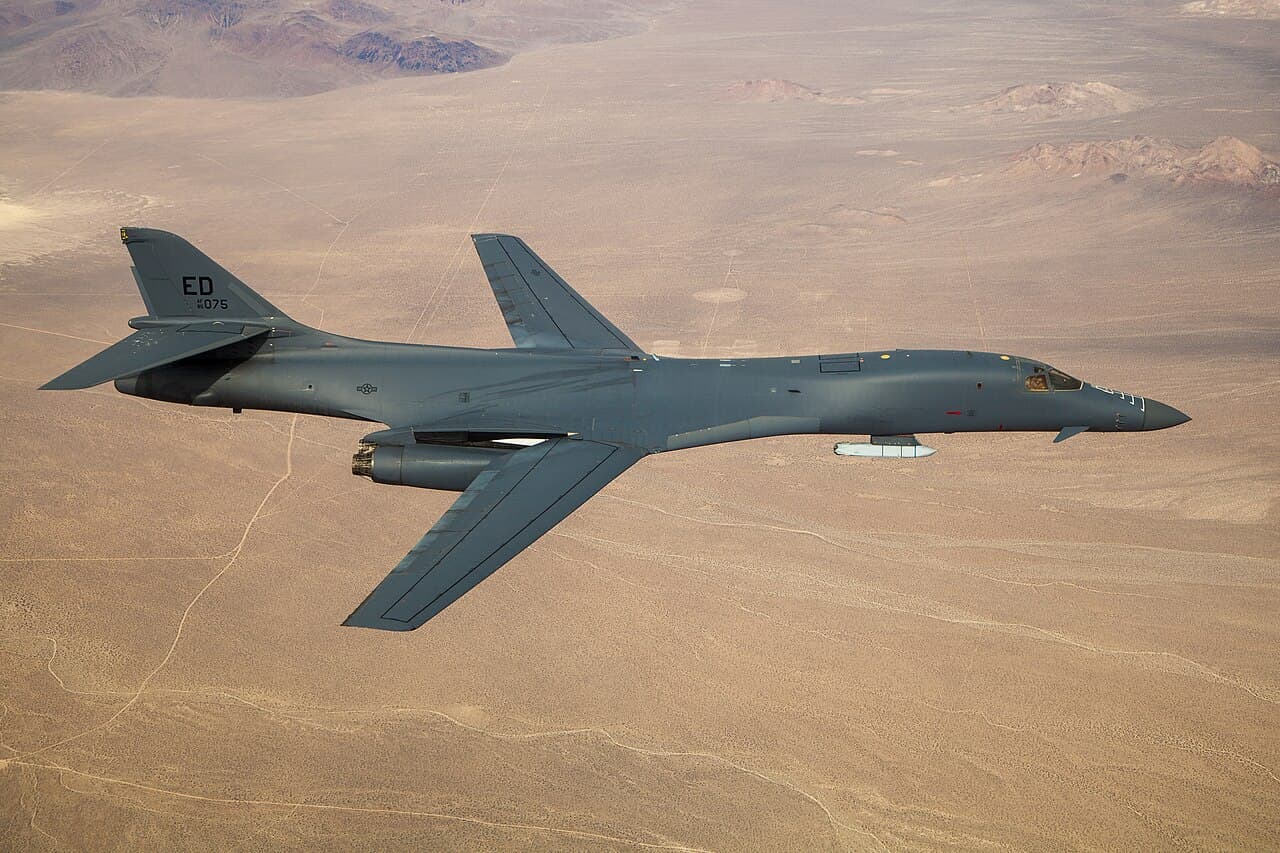
US Air Force Deploys Nearly One-Third of B-1B Bomber Fleet to RAF Fairford
At the peak of Operation Epic Fury (around late March 2026) , the US Air Force deployed around 15 B-1B Lancers and around six B-52H Stratofortresses at the UK's RAF Fairford airbase. The initial wave of B-1Bs arrived on or after March 6, with B-52s arriving soon after. As of the time of writing (late July), a large share of the Air Force's operational Rockwell B-1 Lancer fleet remains deployed at RAF Fairford.
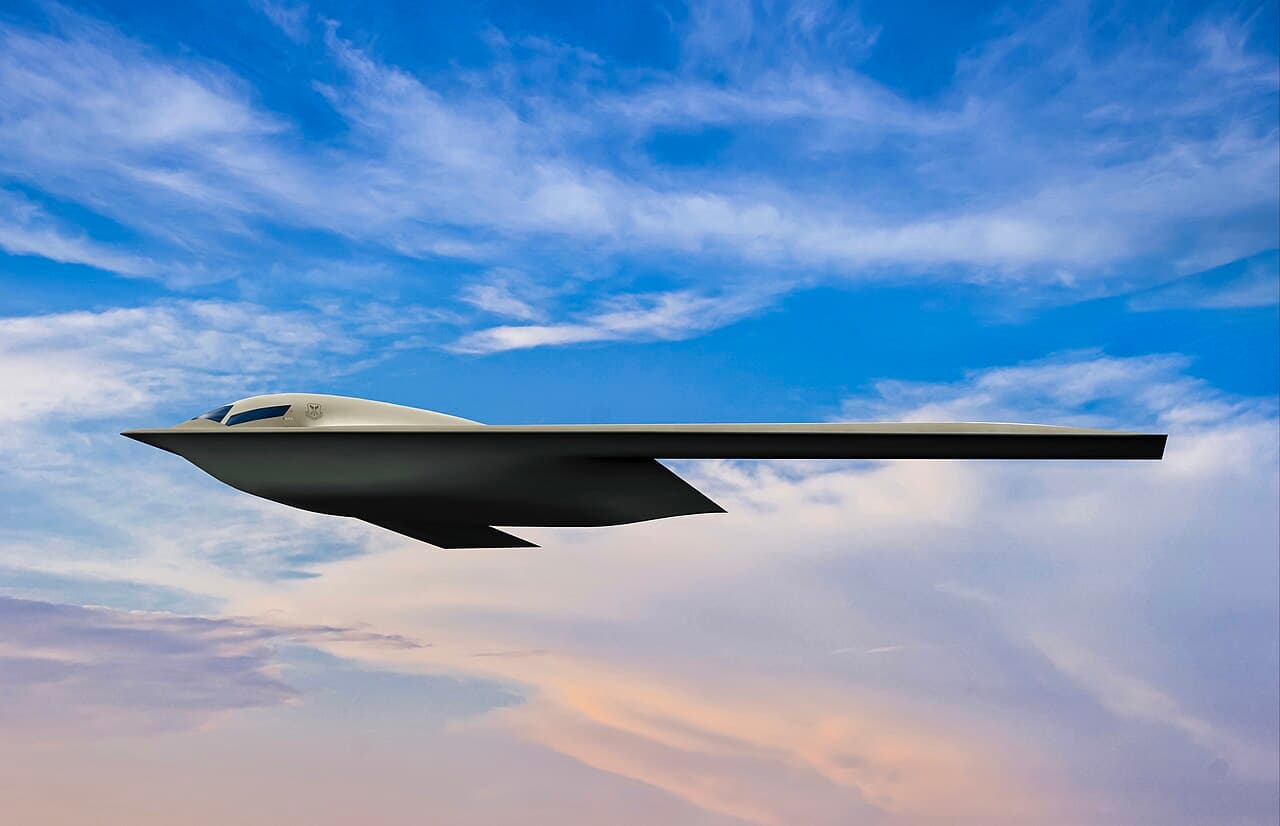
USAF to Convert B-21 Raider Test Jets Directly into Combat Bombers from 2027
The United States Air Force has a couple of test Northrop Grumman B-21 Raiders that are blurring the line between testing and fielding. The B-21 Raider is expected to enter service in 2027, making it the world's first all-new strategic bomber to enter service since the B-2 Spirit entered service in 1997. China is also working to develop its Xi'an H-20 stealthy strategic bomber, but it is unclear when it will enter service.

Boeing to Introduce MQ-28 Ghost Bat for UK Collaborative Combat Aircraft Program
Australian-developed CCA aimed at future operational requirement. Boeing will be promoting its MQ-28 Ghost Bat at the Farnborough air show, in anticipation of a future UK requirement for an operational collaborative combat aircraft (CCA). "We definitely see some applicability in terms of its capability, and certainly in terms of its maturity to the UK armed forces," says Thom Breckenridge, managing director of Boeing Defence UK. "BD UK could be an important partner in sustainment and potentially other pieces, when we think payload or otherwise," he said during a pre-show briefing on 13 July. The UK's recently published Defence Investment Plan (DIP) details a CCA demonstration activity which will see a UK system flown before 2030, describing such a platform as an " autonomous fighter jet ". It did not, however, provide any firm detail about a possible future acquisition. "We are very enthusiastic about the platform and the capability, and certainly see applicability for MQ-28 in the UK," Breckenridge says of the Australian-developed Ghost Bat. "The maturity of the platform relative to competitors sets it apart, in addition to the unique capability and the way it was developed," he claims. Boeing also will use the 20-24 July event to promote its T-7A Red Hawk, which is among several likely competitors for the Royal Air Force's (RAF's) future jet trainer requirement. "We think it's the best answer for the UK's JTS [jet training system] competition," says Boeing Defence UK fixed-wing director Ben Kelsey. "It brings not just an aircraft but a ground-based training system, and synthetic alongside live training, in a way that we think answers the UK's needs better than any other solution." The process of selecting a replacement for BAE Systems' Hawk T2 remains at an early stage, with the DIP outlining an initial £360 million ($482 million) through the rest of this decade towards a fleet recapitalisation that also will provide new aircraft for the RAF's Red Arrows aerobatic display team. "We are thinking about how we position that [proposal] best for the UK," Kelsey says, referring to a letter of intent signed last November under which BAE would perform final assembly of the T-7 if it is selected for RAF service. "We will be looking with interest at the RFP [request for proposals] as that evolves over the next few months," he says, with Boeing committed to "bringing as much [work] as possible into UK suppliers". Boeing Defence UK will in December mark the 30th anniversary of its formation, with the company having grown from an initial six employees to a current total of 2,000. Its personnel are located at multiple military sites, among them Lossiemouth, Waddington, Wattisham, along with Bristol and Gosport. Its main activities include delivering comprehensive support for the RAF CH-47 Chinook and British Army AH-64E Apache helicopters, and for the RAF's P-8A Poseidon maritime patrol aircraft. It also delivers pilot and maintainer training for the air force's fleet of C-17 strategic transports, using a facility in Farnborough. "We are in places where the RAF or the army are, and we are working alongside them every day," Breckenridge notes. The company is also supporting the ongoing introduction of the E-7A Wedgetail airborne early warning and control system, with the first of three 737NG-based examples having been undergoing testing since May at RAF Lossiemouth in Scotland. The RAF’s first of three E-7A Wedgetails arrived at its Lossiemouth base in May. Source: Crown Copyright "We are looking forward to seeing E-7 go through flight trials over the coming months and then get into service in due course, as well as seeing the next couple of aircraft get finished," Kelsey says. "We have got some work ahead of us with the RAF as we go through that final testing stage, but we have got a dedicated, focused team who certainly see the need to get that capability completed and handed over. "The need to get E-7 into service is clear, and we are very focussed on that. But we are very focussed also on making sure that the product is safe and to the quality level that we'd expect, so that it delivers as we know it can, as a world-beating capability."
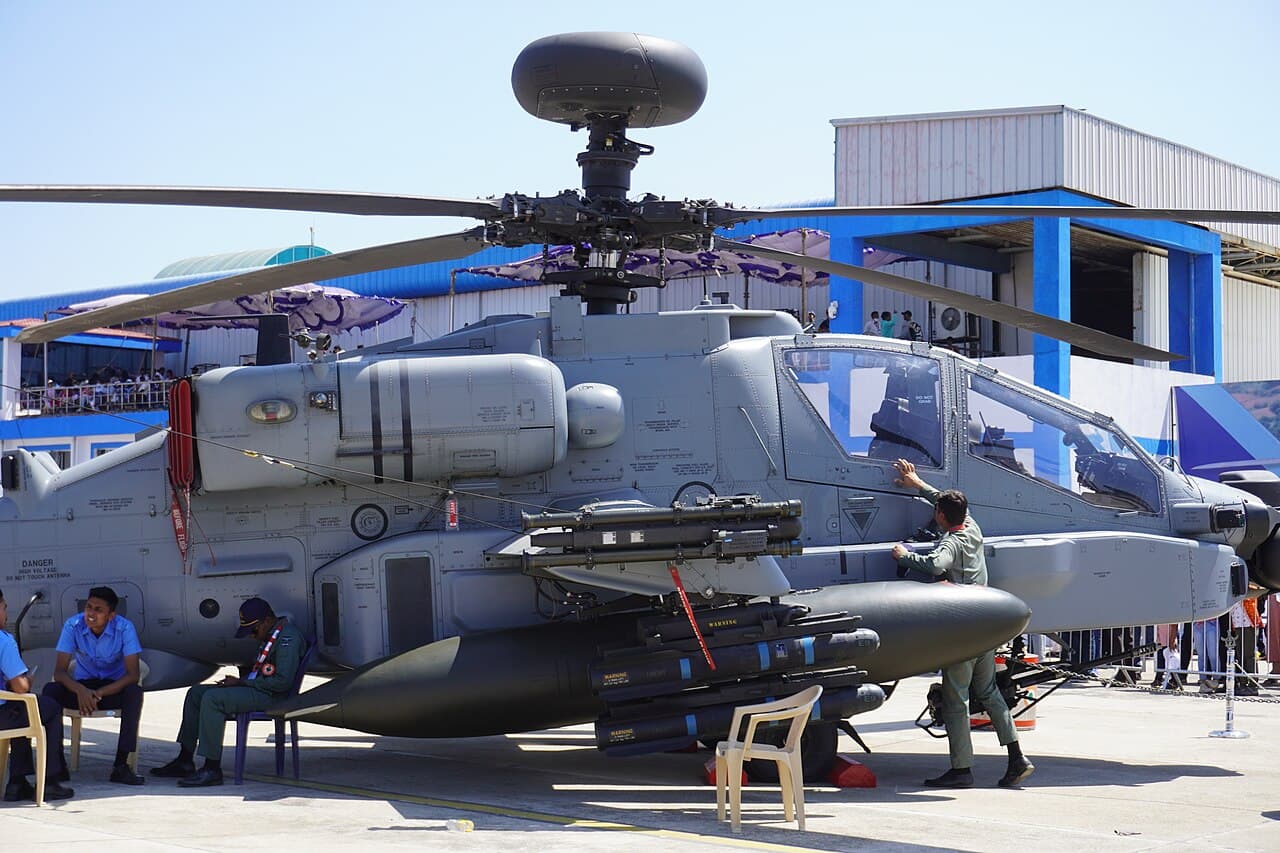
Boeing Eyes AESA Radar to Boost Apache Attack Helicopter Against Drone Threats
More capable sensor would boost detection of airborne threats. Boeing is advancing further enhancements for its AH-64E Apache to boost the platform's ability to engage non-traditional threats such as one-way attack drones. The US Army has used the attack helicopter to "great effect" in the counter-drone application recently in the Middle East, including in the Strait of Hormuz , says TJ Jamison, Boeing's director of business development for attack helicopter programmes. That has included using a new air-to-air mode with its Longbow fire-control radar to "help locate enemy drones coming in and engage and destroy them". "Adapting to change is nothing new for the Apache – it has been doing it since its inception," he notes. "The next chapter is we take lessons learned from Ukraine [and] the ongoing conflict with Iran… as we continue to modernise and adapt this aircraft to meet the changing face of warfare." He refers to a US Army trial conducted last year named Operation Flyswatter, during which the service "flew 14 small-, medium- and large-scale drones at two Apaches". The rotorcraft shot down 13 of the targets, with the remaining one having accidentally flown off the exercise area, ruling it out from being engaged. Among enhancements now being made to the type include the use of a new proximity fuze on the 30mm shells fired from its chin-mounted cannon, so that a direct hit is no longer required to bring down a drone. Meanwhile, the Apache's V6.5 software standard, which Jamison says is "in the process of finalising its certification and testing, and will be fielded soon… [with] increased range, lethality and survivability", uses an open system architecture, enabling rapid updates. "The goal is to get it as simple as a download on your iPhone," he says, while adding: "We're not quite there yet." Another option being explored by the US Army would involve the integration of a fuselage-mounted active electronically scanned array (AESA) radar. "Now you can see the next generation of drones – the very small, swarm type – all organic to the aircraft," Jamison says of the possible addition. "There are a number of OEMs that have an AESA capability currently that we are looking at for potential integration into Apache as we continue down that army modernisation path," he says. However, the service has made no decision yet about funding any such update. Noting that the Apache's original Longbow radar detection capability gave "an 8km [4.3nm] range", necessitating the sensor to be installed on top of the rotor mast, he says: "As you get out to the 50, 60, 70km range, hiding it behind a hill or a tree or a building is not quite as critical as it was when we had that shorter range." Boeing also sees an opportunity to potentially use directed energy, microwave or electronic warfare capabilities to counter the drone threat in the future.
The Daily Touch & Go
The day's best aviation news in your inbox. Free, no spam.