

Illustration: The Touch & Go
New Training Approaches Aim to Remove Risk from Impossible Turn in General Aviation
Innovative flight training techniques are addressing the hazards of low-altitude turnbacks after engine failure, enhancing safety margins for general aviation pilots.
The gist
Cutting-edge training now helps pilots avoid the deadly risks of the 'impossible turn' after engine failure at low altitude.
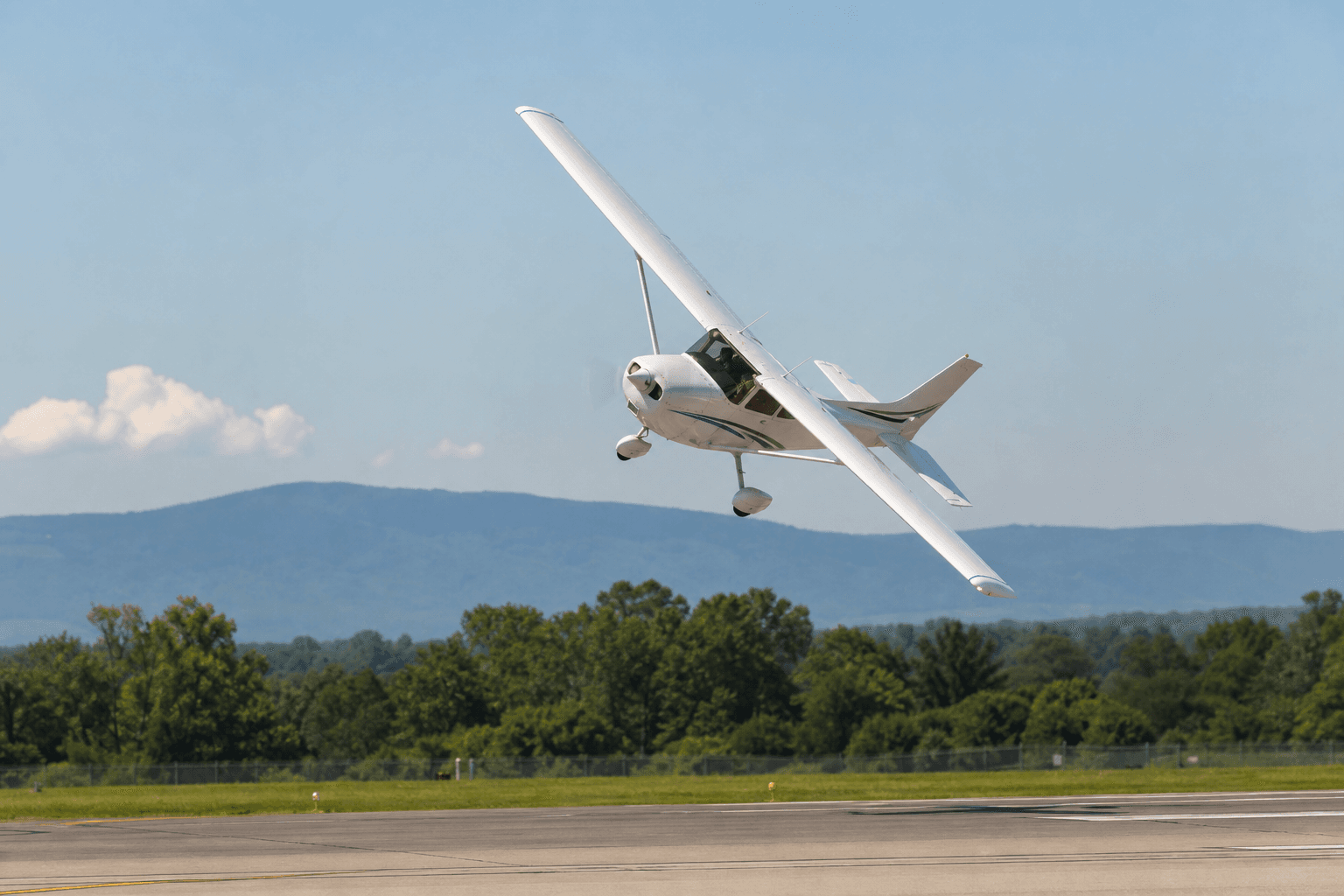
The so-called 'impossible turn,' where pilots attempt to turn back to the runway immediately after an engine failure during takeoff, remains one of general aviation's most perilous scenarios. This critical maneuver often demands split-second decisions and precision flying to avoid accidents. New training methodologies are emerging that seek to eliminate the dangerous gamble associated with this maneuver by equipping pilots with better decision-making frameworks and practical skills.
Among these approaches, simulator sessions combined with scenario-based instruction emphasize early recognition of engine issues and promote flying straight ahead until a safe altitude or landing area is assured. Instructors are advocating for stricter personal minimums and teaching pilots to prioritize controlled off-airport emergency landings over high-risk turnbacks near the ground. These methods aim to improve situational awareness and risk assessment under pressure.
Historically, many accidents have resulted from pilots initiating a turnback too low or too late, unable to maintain safe airspeed or altitude through the demanding flight path. Aviation safety analysts note that the margin for error in these emergencies is minuscule, with decisions often unfolding within a few seconds after failure at low altitude. Enhanced training targets this vulnerable moment by reinforcing standardized procedures and contingency planning.
The emphasis on proactively preventing the impossible turn attempts instead of managing their consequences could reduce accident rates significantly. Flight schools and safety organizations are adopting these curricula to instill conservative decision thresholds and better emergency preparedness. By institutionalizing these training innovations, the industry hopes to transform how pilots confront critical emergencies shortly after takeoff.
As general aviation continues to embrace technological aids and modern instructional design, addressing the impossible turn hazard exemplifies a broader commitment to lifting safety standards. Ongoing evaluation of accident data and pilot feedback will shape further refinements. This focus on eliminating the gamble behind the impossible turn stands to save lives and improve confidence among aviators flying in challenging conditions.
Read more
All Aviation Safety →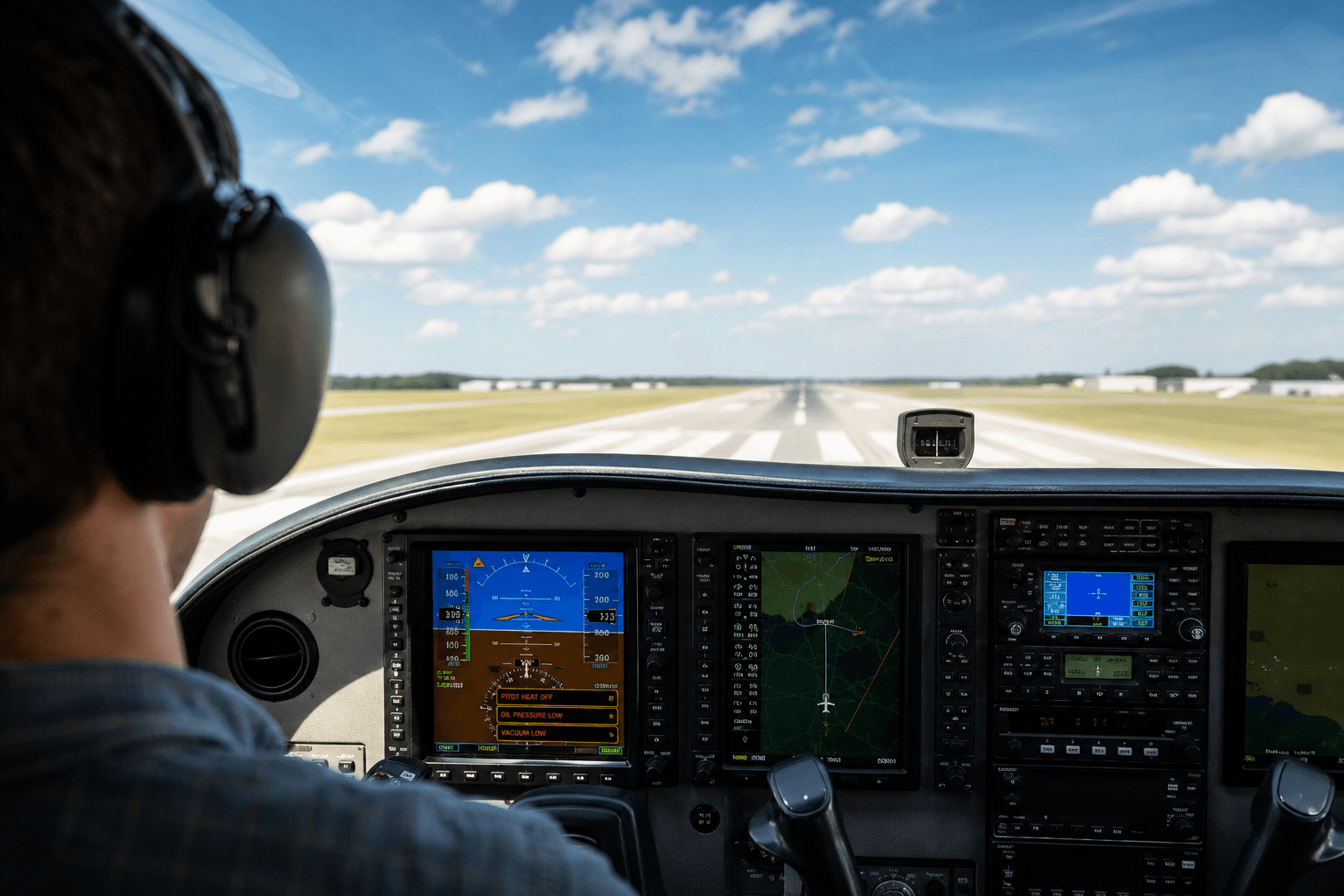
New cockpit systems aim to prevent 'impossible turn' accidents in general aviation
In the high-stakes cockpit environment, the margin between safety and disaster is measured in seconds and feet.

FAA restricts select US aircraft operations in Canada over 5G interference concerns
The FAA estimates its newly issued airworthiness directives will affect 1,000 US-registered aircraft. Some US transport aircraft will face operating restrictions in Canada starting on 1 July. That is according to the US Federal Aviation Administration, which on 30 June published several airworthiness directives (ADs) in response to concern that 5G cellular signals near Canadian…
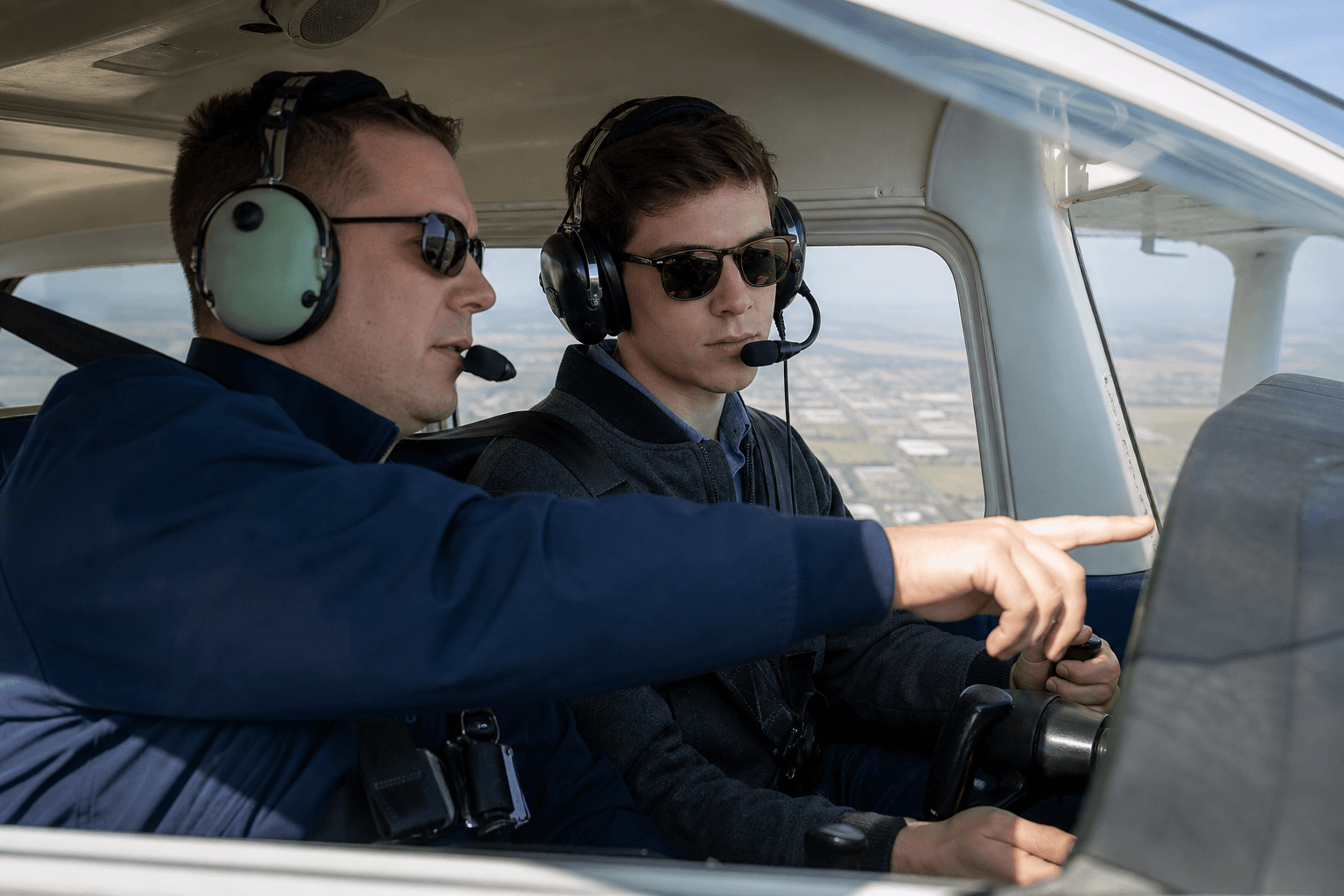
Flight Instructor Candidates Learn Crucial Laws of Learning to Enhance Training Safety
Flight instructor candidates are typically taught a few fundamentals of education theory, including the laws of learning: readiness, exercise, effect, primacy, intensity, and recency.

S7 Airlines Boeing 737-800 overruns Mirny runway days after first officer landing ban
S7 Airlines' Boeing 737-800 overran the runway at Mirny just days after the carrier restricted first officers from landing aircraft.
The Daily Touch & Go
The day's best aviation news in your inbox. Free, no spam.