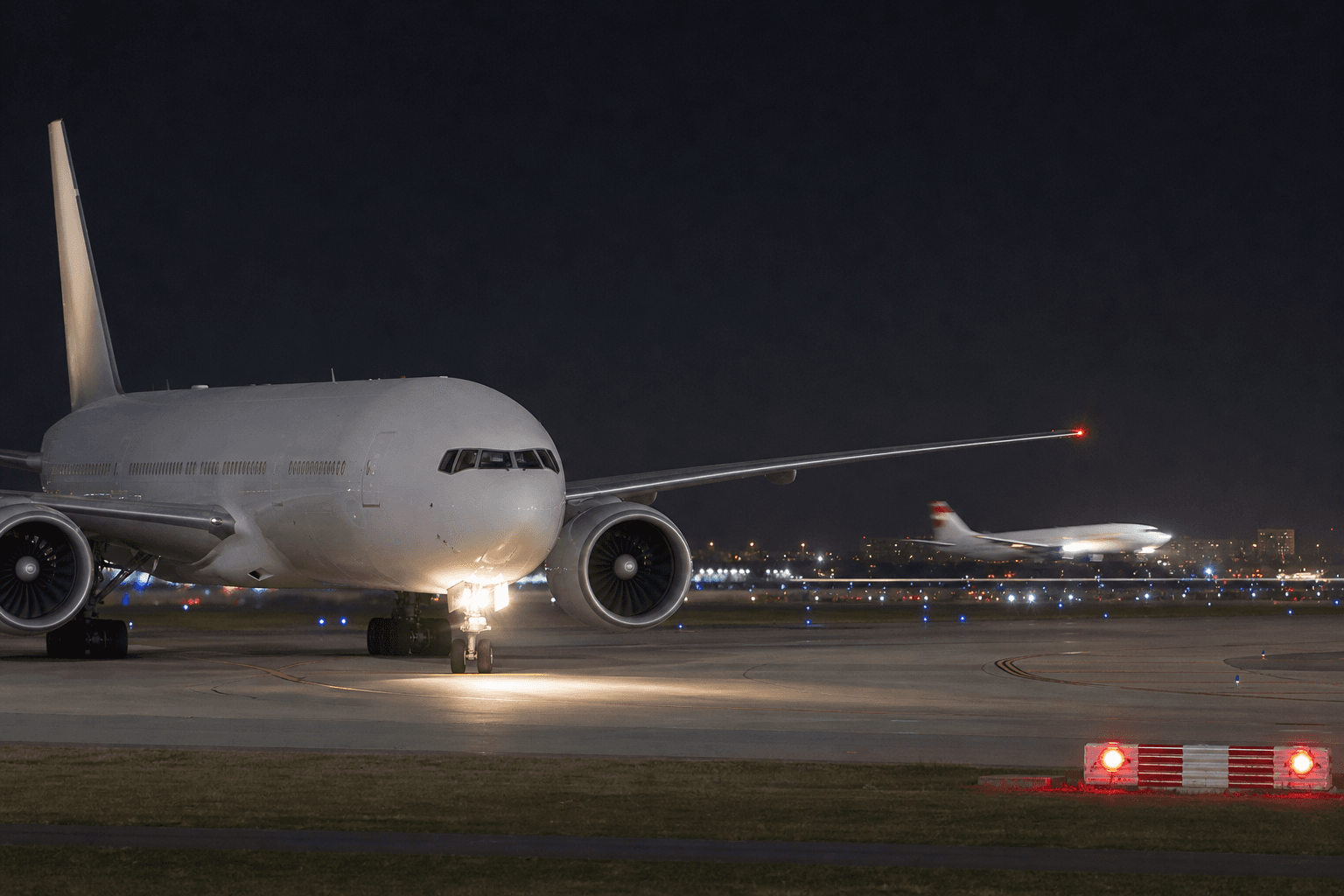
AI-generated illustration
FAA Urges Pilots to Call Out Runway Number Before Crossing After 2023 JFK Near-Collision
New voluntary guidance under InFO 26016 asks airline, charter and fractional crews to read the runway number off airport signs aloud before crossing, a step the NTSB found missing at JFK.
The gist
The FAA wants pilots to say the runway number aloud before crossing, closing the gap that sent an American 777 toward a departing Delta 737 at JFK.
Continuing coverage
All Faa →- DOT Inspector General Opens New Audit of FAA Manufacturing Oversight as Six Boeing Fixes Remain Open
- Modern Skies Coalition Launches ACT NOW Ad Campaign Pressing Congress for ATC Modernization Money
- FAA Opens Antidepressant Certification to Any AME and Cuts Post-Medication Wait to 60 Days
- GAO Warned FAA's Rushed Air Traffic Control Overhaul Risked Disruptions Before Nationwide Outage
- Senator Moran Presses Duffy to Justify Jump to $50 Billion Air Traffic Control Request
The Federal Aviation Administration is asking pilots to say the runway number out loud before they cross a runway. The recommendation, issued November 18 as FAA Information for Operators (InFO) 26016, tells crews to announce the number shown on airport signage before entering a runway they have been cleared to cross. The FAA said the call-out works as a double-check that confirms intended actions and prevents misunderstandings about clearances. The guidance is voluntary and carries no binding requirement.
InFO 26016 is aimed at three groups of operators: Part 121 airlines, Part 135 charter operators and Part 91K fractional ownership programs. The FAA built in an exception for aircraft fitted with equivalent automated aural advisory systems, which can deliver a comparable warning without relying on a crew member to speak the number. In practice, that means the procedure is most relevant to fleets that lack such equipment.
The guidance traces back to the night of January 13, 2023, at New York's John F. Kennedy International Airport. American Airlines Flight 106, a Boeing 777-200 registered N754AN, was preparing to depart for London Heathrow. Controllers cleared the crew to cross Runway 31L via Taxiway K. The crew missed the turn and kept going toward Runway 4L instead.
At about 8:44 PM, the American jet turned onto Taxiway J just as Delta Air Lines Flight 1943 began its takeoff roll on Runway 4L. The Delta aircraft, a Boeing 737-900ER registered N914DU, was bound for Santo Domingo. The Airport Surface Detection Equipment, Model X (ASDE-X) flagged the conflict to the control tower. The local controller then canceled Delta's takeoff clearance.
The National Transportation Safety Board found that the American pilots had not skipped their normal crossing routine. The captain called cleared to cross and clear left, and the first officer responded clear right. What the crew apparently did not do was compare the runway number in front of them with the signage, which investigators said should have been visible for roughly ten seconds. Because the cockpit voice recording had been overwritten, the board could not independently verify those exchanges. The NTSB attributed the error to distraction, multitasking and a loss of situational awareness.
That finding defines what the new call-out is meant to fix. The American crew scanned for traffic in both directions, but the one comparison that links a clearance to the physical runway, the number on the sign against the number in the clearance, never happened. Speaking the runway number aloud converts a silent, assumed check into an audible one. The other pilot can then hear it and challenge it if it does not match.
The voluntary format means adoption will vary. Airlines, charter companies and fractional programs will each decide whether and when to write the call-out into their standard operating procedures, and operators whose aircraft carry automated aural advisories may treat the exemption as enough. The exact wording and enforcement of the call-out could also differ from one operator to the next. The guidance leaves runway-incursion defences resting on cockpit procedure, with automated advisories accepted as the alternative to a spoken check.
The FAA has not said whether it intends to turn the recommendation into a requirement. Until it does, the first concrete evidence of uptake will be revisions to individual operators' manuals adding the runway-number call-out to crossing procedures.
Originally reported by Avi-Go
Read more
All Regulatory →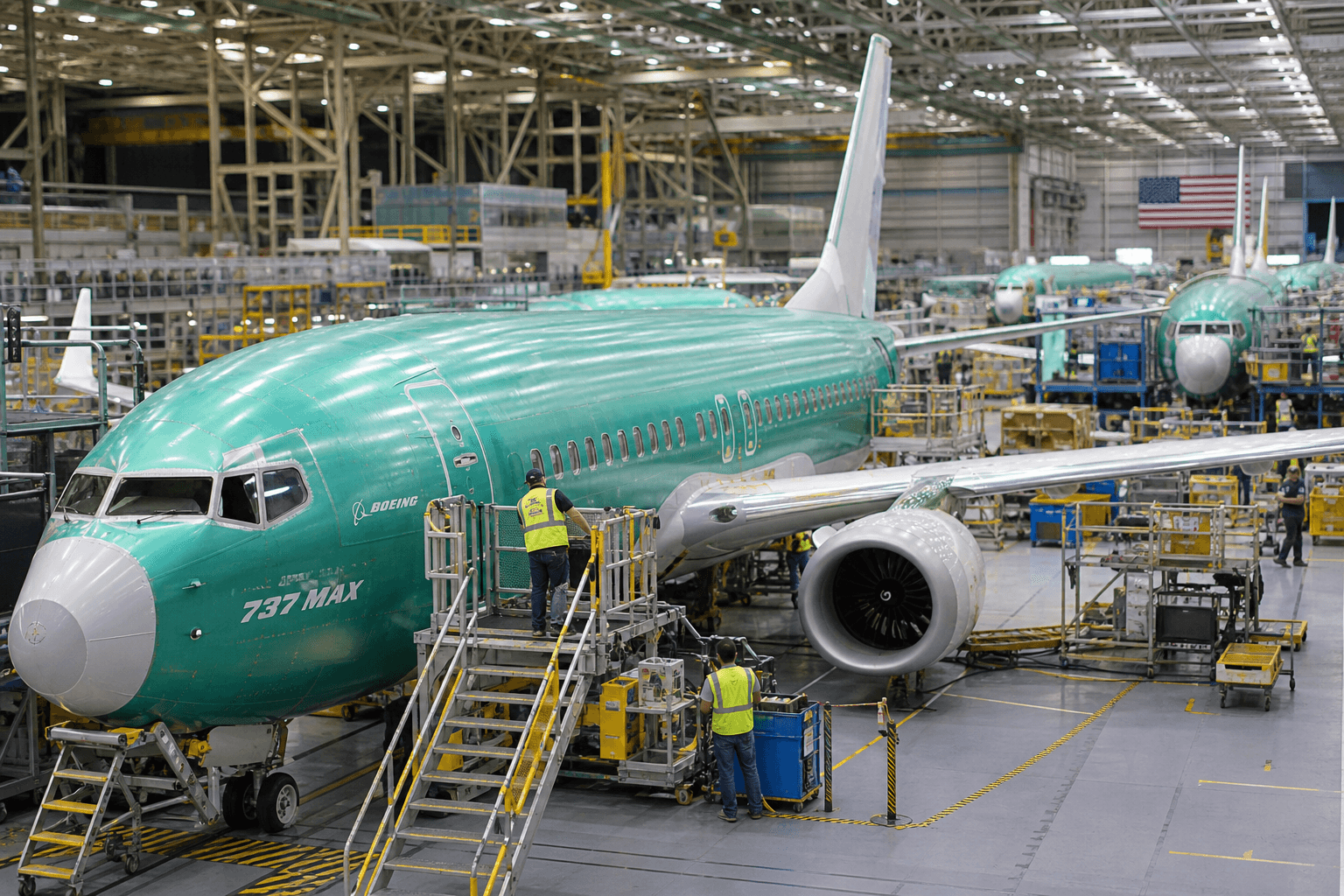
DOT Inspector General Opens New Audit of FAA Manufacturing Oversight as Six Boeing Fixes Remain Open
The Transportation Department watchdog will examine how the FAA polices manufacturers and their US and foreign suppliers, while six of 16 recommendations from a 2024 Boeing audit are still unresolved.
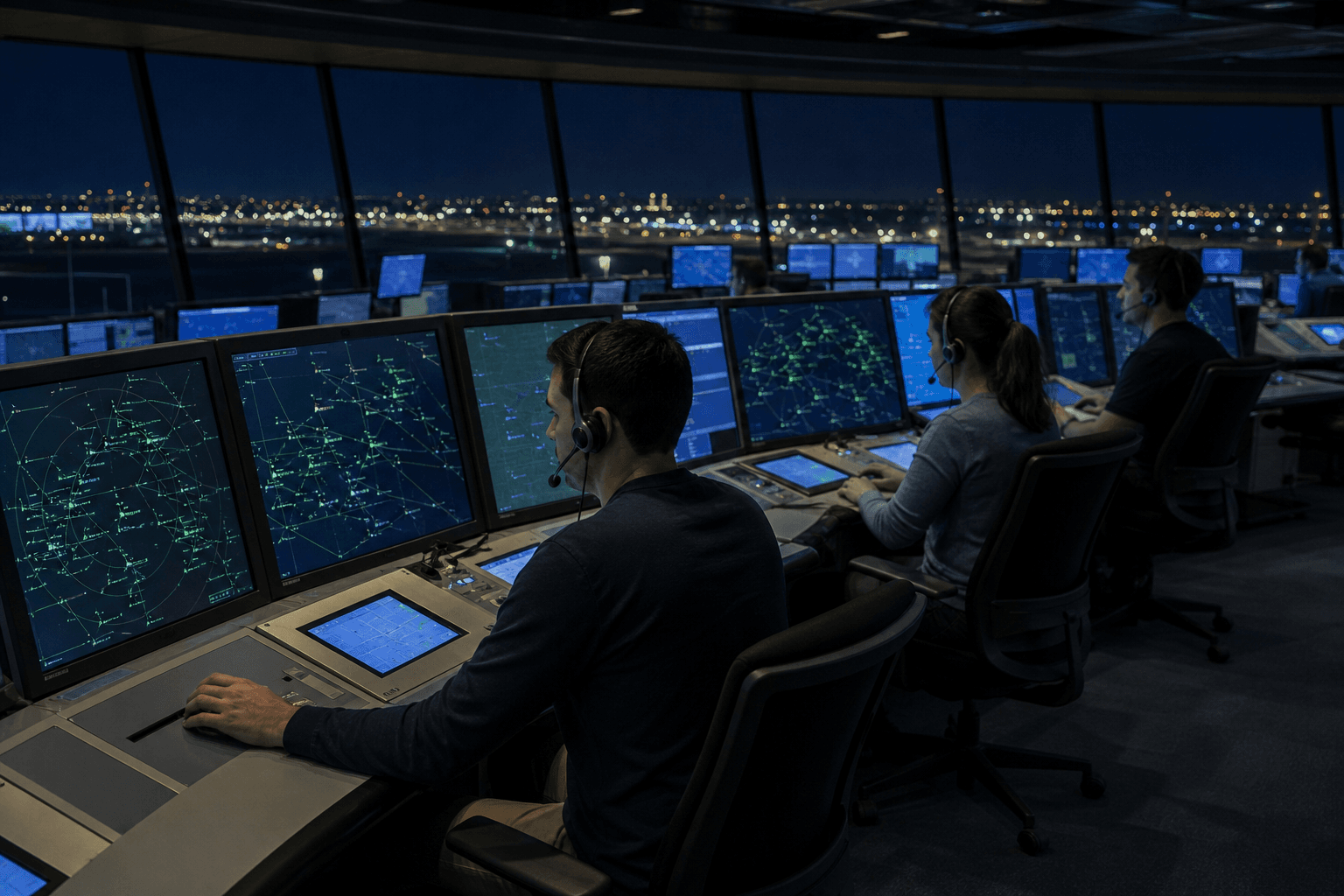
Modern Skies Coalition Launches ACT NOW Ad Campaign Pressing Congress for ATC Modernization Money
A coalition of more than 50 aviation groups began a national ad push a week after a nearly five-hour nationwide ground stop, as DOT seeks another $50.1 billion for infrastructure.
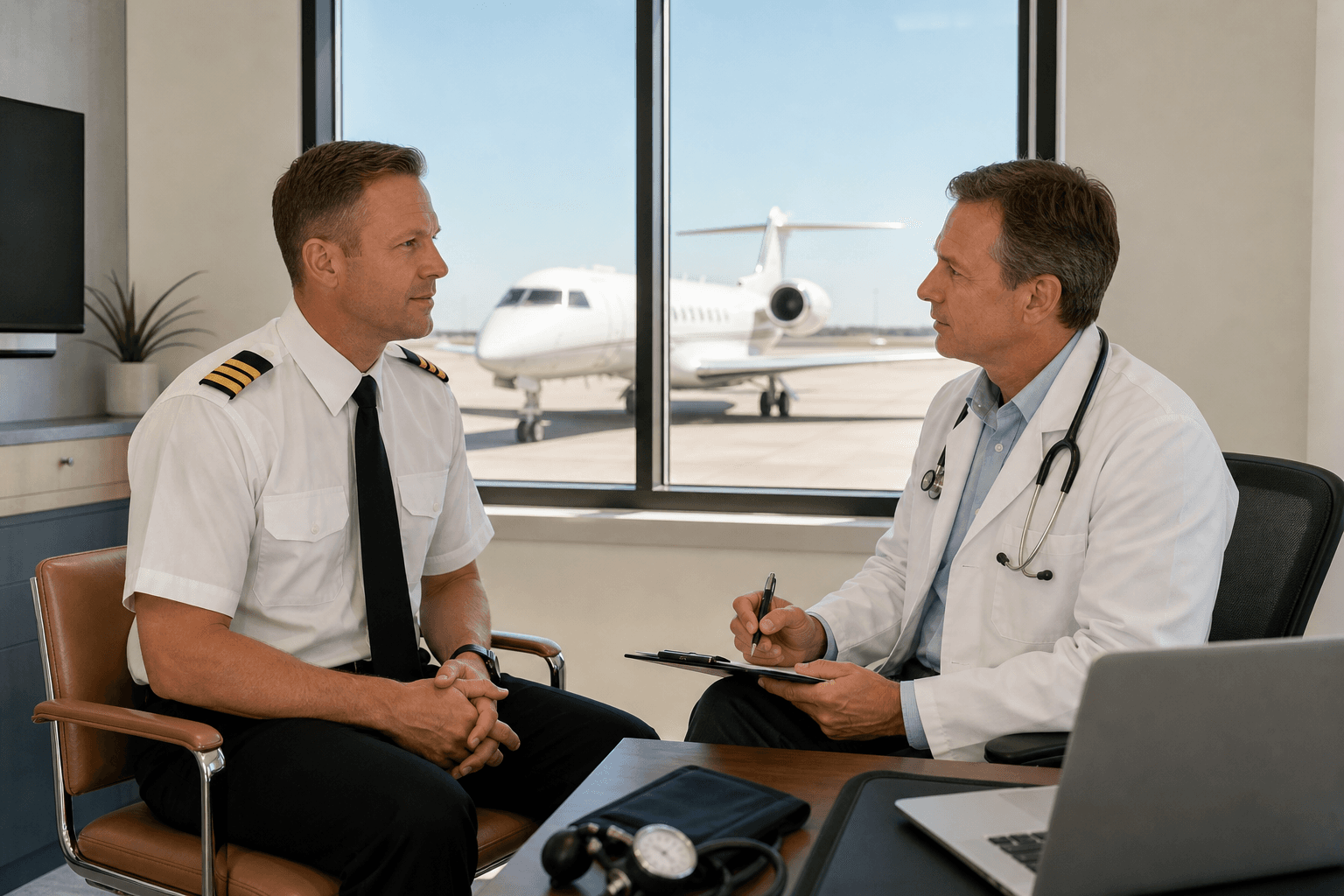
FAA Opens Antidepressant Certification to Any AME and Cuts Post-Medication Wait to 60 Days
Pilots on FAA-accepted antidepressants no longer need a HIMS-trained examiner, and the wait to reapply after stopping medication drops from 90 days to 60, changes NBAA welcomed on Nov. 20.
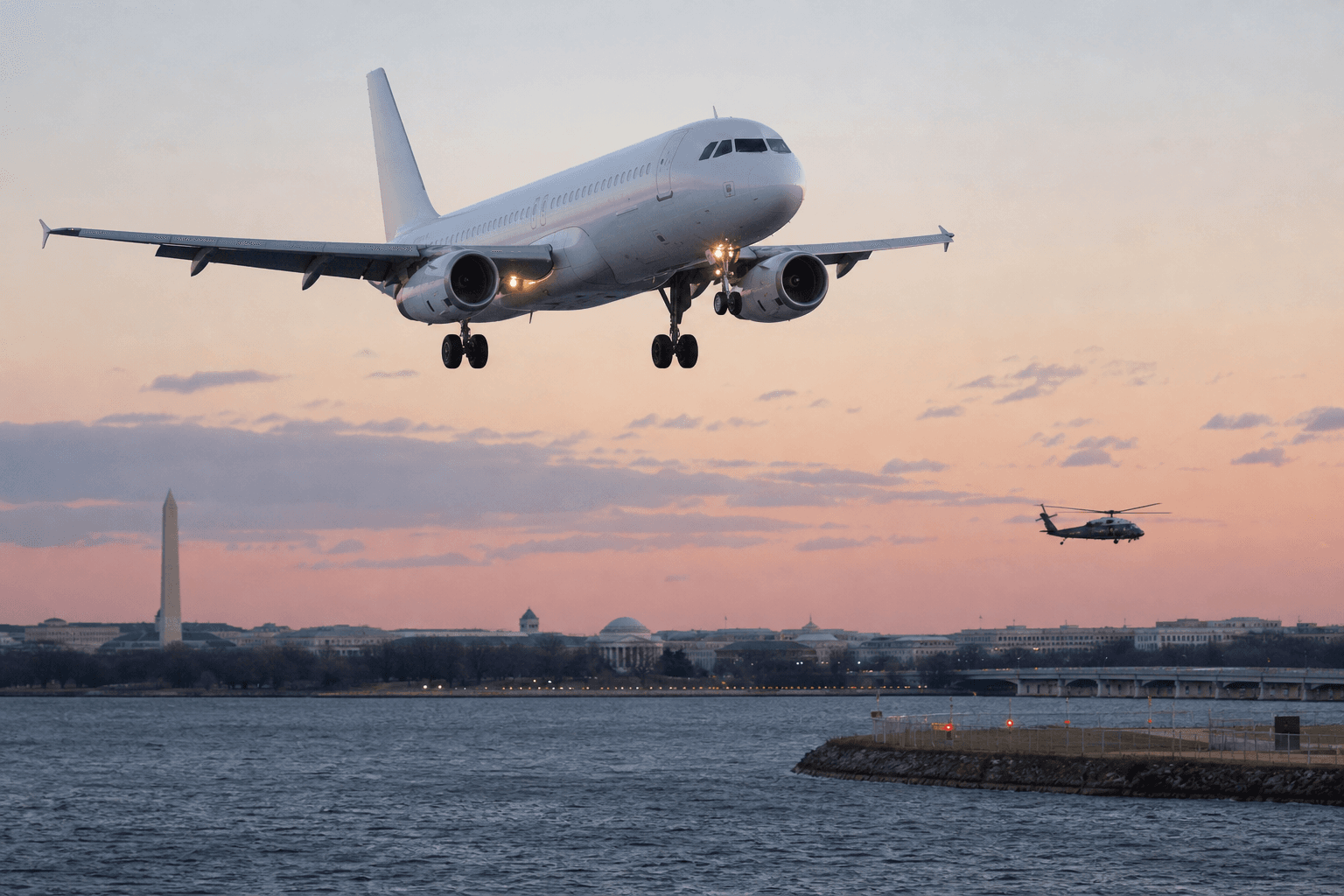
Senate Aviation Chair Moran Says ADS-B In Mandate Could Slip Past Year-End
Days after Ted Cruz said Congress was very close to requiring ADS-B In, Senator Jerry Moran warned the ROTOR Act provisions may not pass this year, with military language still unresolved.
The Daily Touch & Go
The day's best aviation news in your inbox. Free, no spam.