


Illustration: The Touch & Go
FlightAware sues Kalshi over unauthorized use of flight cancellation data in betting markets
FlightAware accuses prediction market Kalshi of using its flight-tracking data and brand without permission to settle wagers on U.S. flight cancellations.
The gist
FlightAware files lawsuit to stop Kalshi from using its data and trademark in flight cancellation betting markets.
FlightAware, a prominent flight-tracking company, has initiated legal action against Kalshi, a federally regulated prediction market operator, alleging unauthorized use of FlightAware's flight cancellation data and brand in Kalshi's betting contracts. The lawsuit was filed in the U.S. District Court for the Southern District of New York and requests both a temporary restraining order and a permanent injunction to halt Kalshi's activities involving FlightAware data and trademark in connection with wagers on flight disruptions.
The conflict emerged in July 2026 when Kalshi announced plans for prediction market contracts linked to the percentage of flight cancellations occurring at airports over specified timeframes. Kalshi disclosed in filings with the Commodity Futures Trading Commission (CFTC) that it intended to use FlightAware's real-time cancellation data as the primary source for settling these contracts, with U.S. Department of Transportation data as a fallback.
Shortly after Kalshi's announcement, FlightAware and its parent company RTX publicly objected, clarifying that FlightAware was not affiliated with any prediction markets and had not authorized any third parties to use data collected by its network for wagering purposes. RTX emphasized that Kalshi's planned usage violated their data rights and intellectual property protections. Following these objections, Kalshi initially paused its launch of flight cancellation contracts, signaling a potential de-escalation.
However, the lawsuit alleges that Kalshi resumed offering cancellation markets using FlightAware's information without consent. Despite multiple cease-and-desist demands from FlightAware, Kalshi purportedly continued referencing FlightAware's data and trademark on its platform. Although Kalshi later included a disclaimer denying any affiliation or endorsement by FlightAware, the company maintains its use of the data to settle bets that directly relate to flight cancellations.
Beyond the intellectual property dispute, FlightAware raised broader ethical and security concerns in its suit. It argued that establishing markets to profit from flight cancellations could incentivize malicious actors to deliberately disrupt airline or airport operations to manipulate market outcomes and benefit financially. This risk had been flagged by external critics when Kalshi's contract proposals first became public, who questioned the possibility of orchestrated cancellations to exploit the betting platform.
Kalshi operates under CFTC oversight, running prediction markets where users trade contracts based on whether particular future events will occur. The firm has rapidly expanded into diverse domains such as politics, economics, and sports. Nonetheless, Kalshi faces regulatory scrutiny beyond the federal level; several U.S. states challenge Kalshi's products as illegal gambling, subjecting them to conflicting regulatory regimes and legal challenges.
FlightAware's lawsuit underscores the complexities arising at the intersection of aviation data, intellectual property rights, and emerging financial betting products based on real-world events. It highlights ongoing debates over when and how commercially valuable operational data can be monetized or appropriated for novel financial instruments, particularly those that might touch upon sensitive critical infrastructure sectors like aviation.
The case is poised to clarify legal boundaries regarding the use of flight tracking data in prediction markets. Given the potential risks flagged in the lawsuit about encouraging disruption, regulatory agencies may also weigh in on the broader implications of permitting betting markets tied to flight operations. The outcome could set precedents for data governance and ethical standards in aviation-related financial markets.
Frequently asked questions
- What led FlightAware to sue Kalshi?
- FlightAware sued Kalshi for using its flight cancellation data and trademark without permission in Kalshi's flight cancellation betting markets, despite cease-and-desist demands.
- How does Kalshi use FlightAware data in its markets?
- Kalshi uses FlightAware's real-time flight cancellation data to determine outcomes of prediction contracts wagering on the percentage of flights canceled at U.S. airports over certain periods.
Read more
All Regulatory →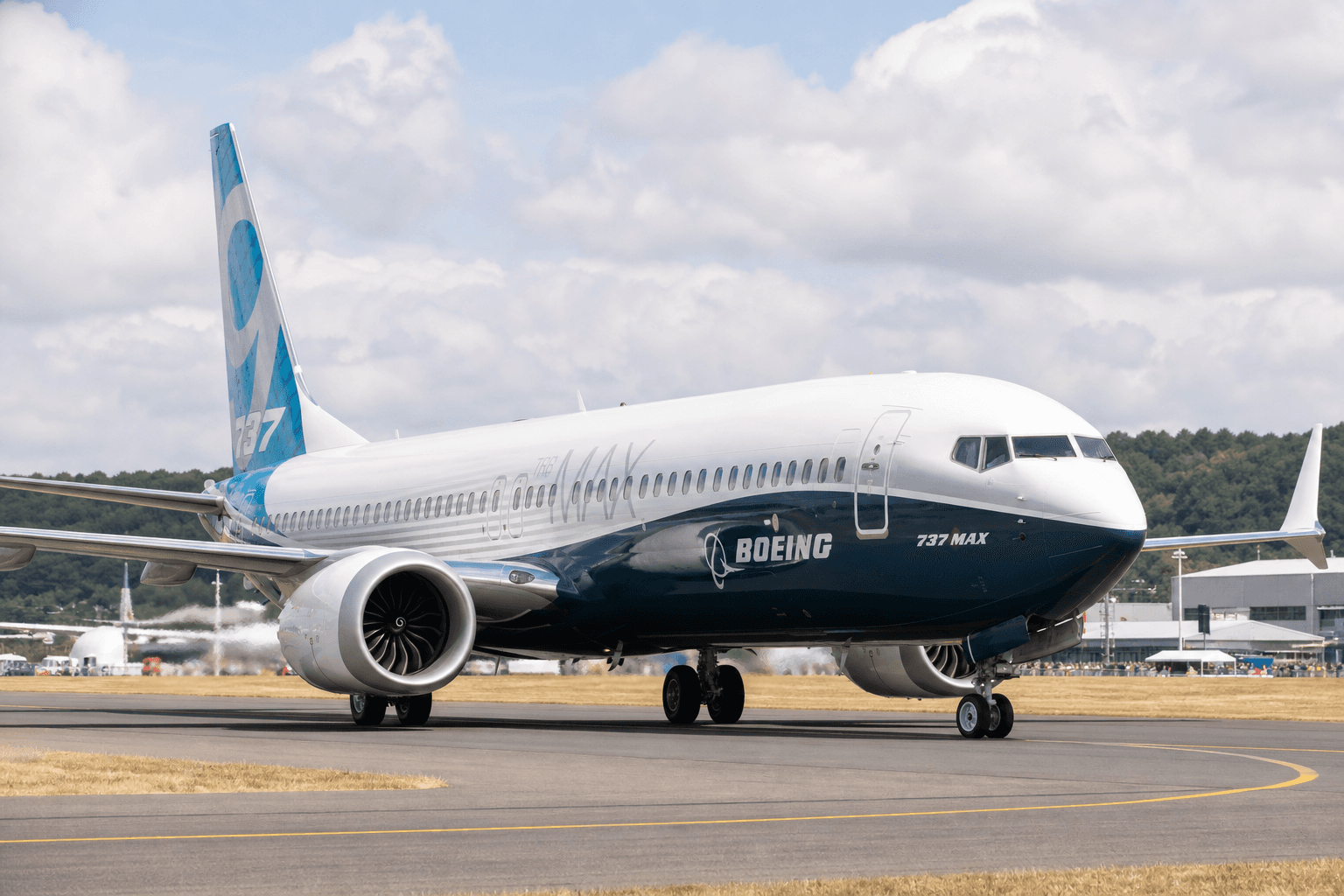
Boeing's July Orders Highlight Significant Deals with Uganda and AerCap
Both deals among those unveiled during Farnborough air show. Uganda Airlines' agreement for four Boeing 787 and four 737 Max jets, plus a batch of 15 787s for lessor AerCap, featured among 38 Boeing aircraft ordered during July. Both deals, and a 737 Max pair for Luxair, were revealed during the Farnborough air show. Boeing's order total for the month also included a single 777X for an unidentified customer, and agreements for 12 further Max aircraft. The airframer has recorded strong activity for the 737 Max 10 – still to secure certification – with more than 130 orders for the variant so far this year. Boeing has taken more than 1,500 orders for the Max 10, and it represents over 30% of the Max backlog of 4,345. Eight 737 Max jets were cancelled in July, leaving the airframer with overall net orders for 438 aircraft over the first seven months of this year. Boeing delivered 53 aircraft in the month, comprising 10 787s, three 767s – including two KC-46 tanker airframes – and a 777F, along with 39 737s.

Jazeera Airways posts KD8.6 million profit despite Middle East turbulence in H1 2026
Kuwaiti airline turns in net profit for first half of the year despite Middle East disruption. Kuwaiti budget carrier Jazeera Airways' managed to limit the slip in half-year net profit to 10%, as a stronger relative performance in the second quarter helped offset the crisis-hit first. The airline turned in a net surplus of KD8.6 million ($27.8 million) for the six months to 30 June, down on last year's interim of KD9.6 million. Jazeera had suffered from the Kuwaiti regulator's suspension of flights in late February – and the subsequent rise in fuel costs – as the Iranian conflict unfolded. The carrier took mitigating steps counter the impact, using Qaisumah airport and Dammam airport in Saudi Arabia to maintain flight continuity up to April and May. It has also deferred a dividend payment, and sought "waivers" from aircraft and engine lessors to ease costs. Despite the adverse geopolitical situation, Jazeera's second quarter strongly improved on the same period last year – although the rebound partly reflected the fact that last year's second quarter had itself been affected by two weeks of conflict between Israel and Iran. Jazeera's revenues for the three months rose 45% to reach KD70.7 million and, although fuel costs were up 46% to KD17.4 million, the airline's net profit doubled to KD9.6 million.
Frontier Airlines Faces Class Actions Over Delayed Data Breach Notification
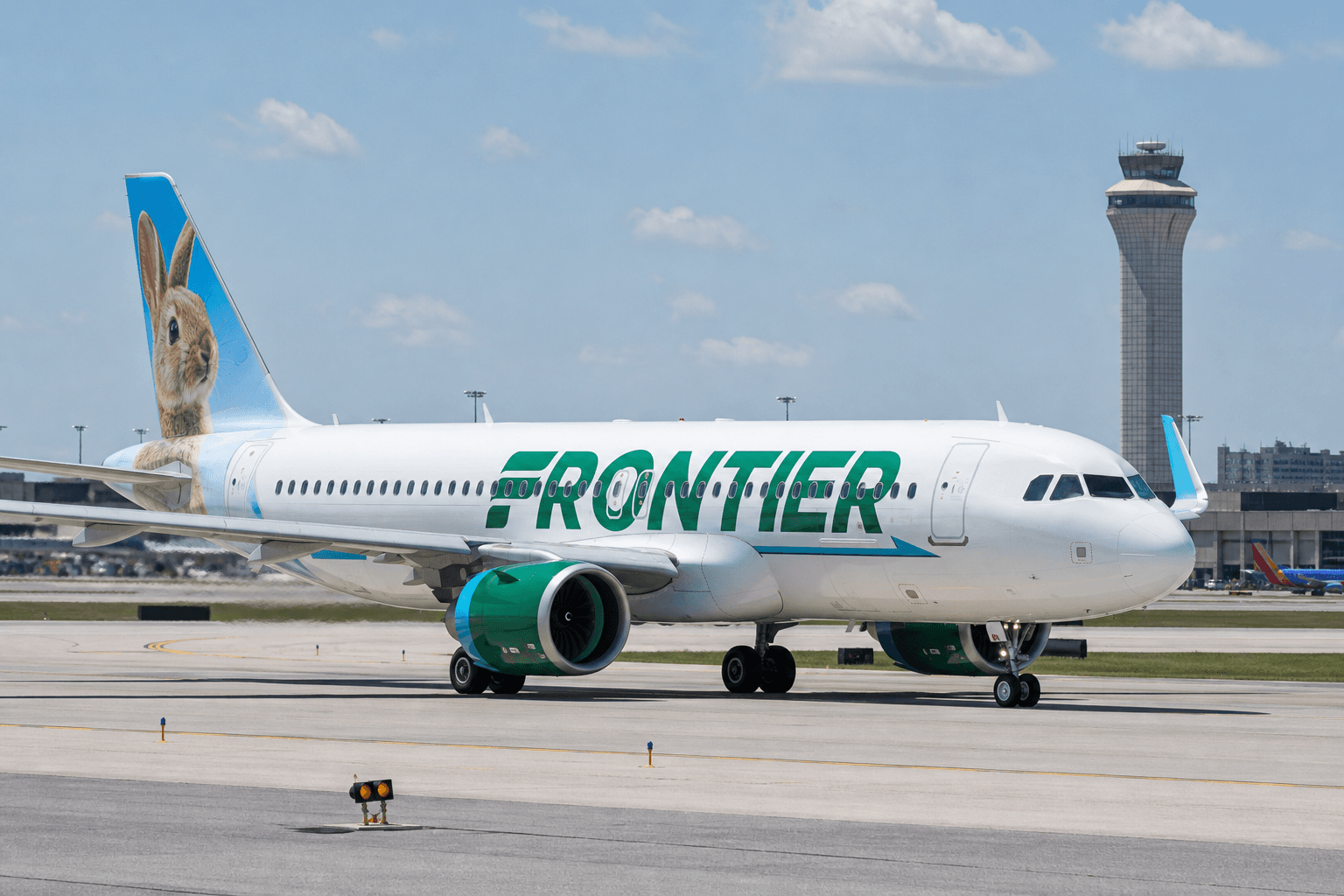
Denver-based ultra-low-cost carrier Frontier Airlines is facing two class action lawsuits, following two data breaches in May and June. The lawsuits were filed on July 15 at the United States District Court for the District of Colorado, and have accused the carrier of not protecting customer and employee data.

Controllers' high sick rates worsened Northeast flight disruptions amid thunderstorms
Nearly 11,000 flights were delayed or canceled Friday as thunderstorms hammered the Northeast and air traffic control staffing problems made recovery harder. Transportation Secretary Sean Duffy blamed controllers calling out sick, but FAA advisories throughout the day suggest weather was the primary driver, with staffing constraints becoming a compounding problem rather than the whole story.
The Daily Touch & Go
The day's best aviation news in your inbox. Free, no spam.