

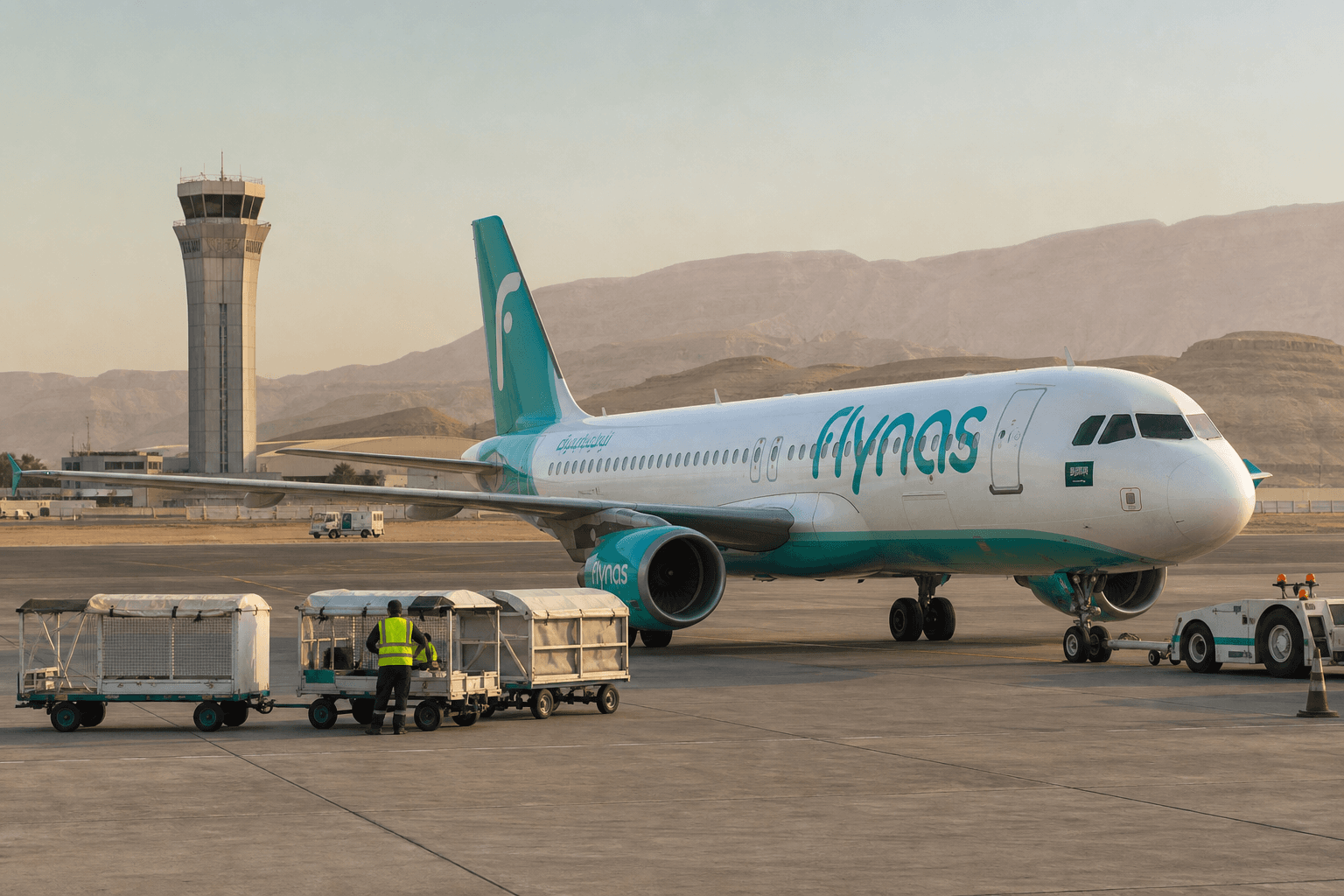
Illustration: The Touch & Go
Jazeera Airways posts KD8.6 million profit despite Middle East turbulence in H1 2026
Kuwaiti low-cost carrier Jazeera Airways narrowed its half-year profit decline to 10%, buoyed by a strong second quarter amid regional disruptions and operational adjustments.
The gist
Jazeera Airways returns to profit with KD8.6 million in H1 2026, overcoming conflict-related challenges through strategic measures.
Continuing coverage
All Regional Airports →- Small US Airports Invest Heavily to Compete as Regional Aviation Hubs
- BC Ninety-Nines Hold Annual Fraser Valley Poker Run Across Multiple Airports
- North Carolina's Pitt-Greenville Airport Secures $4.5M to Attract New Airline Service
- Avelo Airlines to Begin Commercial Flights at McKinney National Airport in November 2026
- Avelo Launches Service from McKinney Regional Airport to Major Leisure Destinations
Jazeera Airways, the Kuwaiti budget airline, reported a net profit of KD8.6 million ($27.8 million) for the first half of 2026, marking a 10% decrease compared to KD9.6 million during the same period last year. Despite enduring disruptions linked to the Middle East conflict, the carrier managed to offset much of the crisis impact with a notably stronger second quarter performance. The company’s resilience reflects its capacity to adapt operationally amid geopolitical tensions and economic pressures in the region.
The sharpest challenge arose in late February when Kuwait’s aviation regulator suspended Jazeera’s flights amidst escalating unrest involving Iran. This suspension, coupled with a dramatic surge in fuel prices, imposed severe constraints on the airline’s traditional operating model and financial outlook. In response, Jazeera implemented contingency strategies that included routing some operations through alternative airports such as Qaisumah and Dammam in Saudi Arabia to sustain flight continuity through April and May. These adjustments mitigated the operational standstill in Kuwait and preserved access to key markets.
The rise in fuel costs also weighed heavily on the airline’s expenditures, with fuel spending in the second quarter soaring by 46% to KD17.4 million. Fuel price inflation represents a persistent challenge for regional carriers dependent on narrow-margin, short-haul services. To ease the financial burden, Jazeera requested waivers from aircraft and engine lessors to defer or reduce leasing payments temporarily. Additionally, the airline deferred dividend payments to preserve liquidity as it navigated the uncertain market conditions.
Despite these hurdles, Jazeera’s second-quarter results demonstrated a robust recovery, with revenues climbing 45% year-over-year to KD70.7 million. This rebound was particularly encouraging given the prior year quarter also faced interruptions from a two-week conflict between Israel and Iran, which disrupted regional air traffic flows. The quarterly net profit doubled to KD9.6 million, indicating that operational adjustments and demand recovery translated effectively into improved profitability.
Jazeera’s revival in the second quarter underscores the sensitive linkage between regional geopolitical events and Gulf aviation markets. Kuwaiti and neighboring air travel demand often reacts sharply to developments that restrict airspace or complicate movement, especially for low-cost carriers working with limited resilience buffers. By leveraging alternative Saudi airports, Jazeera was able to maintain some route continuity and passenger service levels despite flight suspensions at home.
The airline’s half-year performance also illustrates the growing complexity for Gulf carriers to manage cost volatility and operational risk. Fuel cost increases follow a global pattern but are exacerbated by Middle East tensions impacting supply and pricing. Leasing waivers with lessors demonstrate a cooperative approach within the industry to maintain operational viability during turbulent periods, reflecting wider financial pressures beyond immediate airline control.
Looking at the broader market context, Jazeera’s results provide a snapshot of how mid-sized Gulf budget airlines are balancing recovery efforts amid ongoing regional instability. The carrier’s ability to limit profit erosion to 10%, despite flight suspensions and soaring costs, confirms a level of operational agility. However, continued geopolitical unpredictability and fuel market fluctuations threaten to constrain growth prospects going forward.
Jazeera Airways’ strategic choices, like using Saudi airports and negotiating lease waivers, allowed continuity during critical months and contributed to the strong second-quarter upswing. This approach illustrates practical crisis management in a region where conflicts can quickly affect air transport. The company’s decision to defer dividends also signals prioritizing financial stability over shareholder distributions in uncertain times.
Jazeera’s performance through June 2026 therefore reflects both the immediate impact of Middle East conflicts on regional aviation and the tactical responses that can stabilize a carrier’s financial footing. Its financials will be closely monitored as the industry contends with evolving geopolitical landscapes, fuel volatility, and post-pandemic market recovery dynamics in the Gulf and wider Middle East.
Frequently asked questions
- How did Jazeera Airways respond to flight suspensions caused by the Middle East conflict?
- Jazeera Airways maintained flight operations by using alternative airports such as Qaisumah and Dammam in Saudi Arabia during the February flight suspension period.
- What financial measures did Jazeera Airways take to cope with increased costs and disruption?
- The airline sought waivers from aircraft and engine lessors to ease leasing costs and deferred dividend payments to preserve liquidity amid rising fuel prices and operational challenges.
- How did Jazeera Airways perform financially in the second quarter of 2026 compared to the prior year?
- Jazeera’s second-quarter revenues rose 45% to KD70.7 million, with net profit doubling to KD9.6 million, reflecting a significant recovery after prior conflict-related disruptions.
Read more
All Regulatory →
Controllers' high sick rates worsened Northeast flight disruptions amid thunderstorms
Nearly 11,000 flights were delayed or canceled Friday as thunderstorms hammered the Northeast and air traffic control staffing problems made recovery harder. Transportation Secretary Sean Duffy blamed controllers calling out sick, but FAA advisories throughout the day suggest weather was the primary driver, with staffing constraints becoming a compounding problem rather than the whole story.
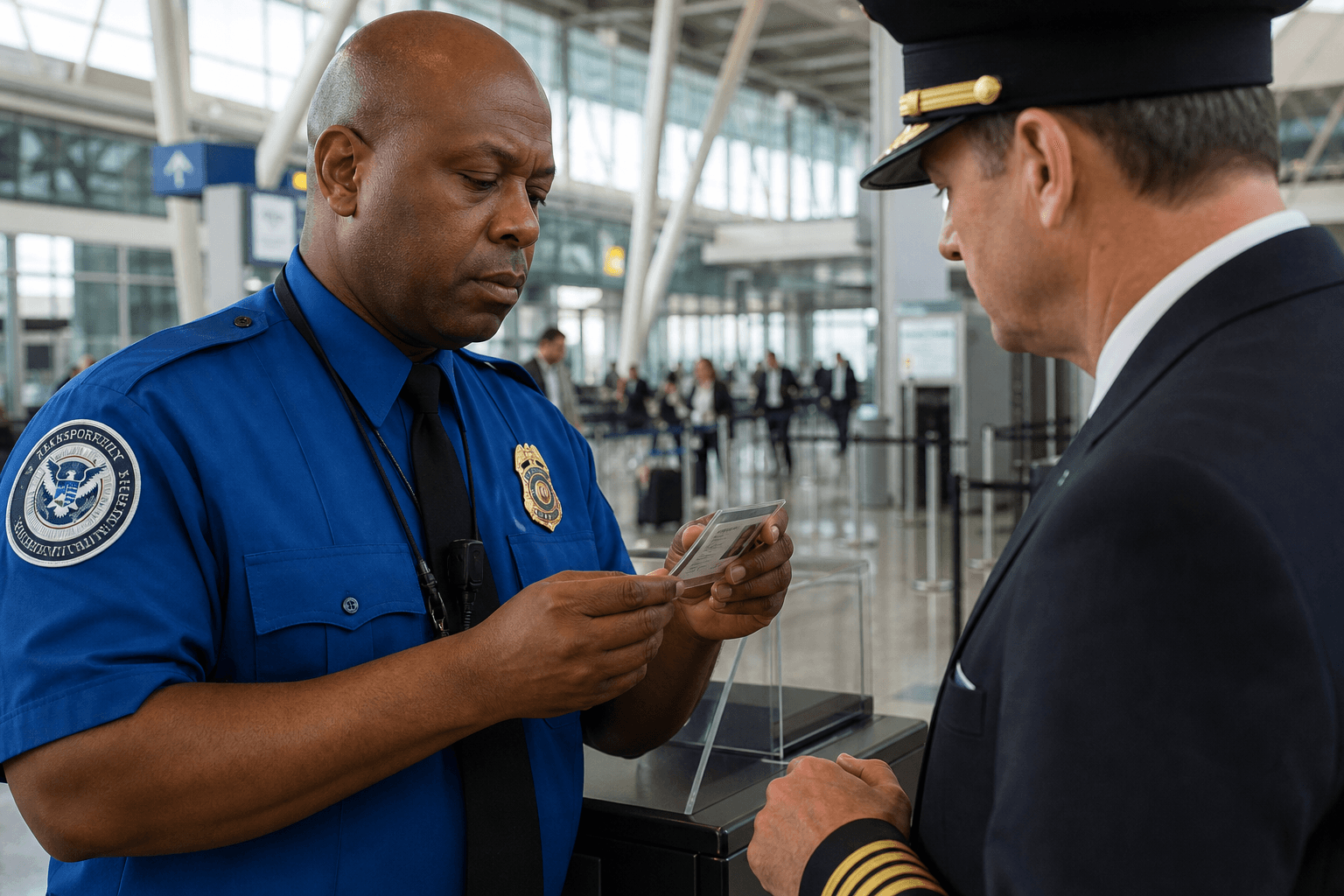
Ex-Flight Attendant Pleads Guilty to Using Fake Pilot ID to Fly Free on Three Major Airlines
The Lowdown Ex-flight attendant Dallas Pokornik has pleaded guilty to wire fraud after using a fake pilot ID badge to con three major U.S. airlines out of hundreds of free flights over nearly five years. In This Article How court filings point to which three airlines were defrauded, without prosecutors naming them directly. The 2024 encounter that finally exposed his fake pilot credentials to an airport employee. How he was tracked to Panama and extradited back to the U.S. to face charges. The prison sentence and fine he now faces, and when he’s due to be sentenced. Show 4 more points + .pyok-callout { display: flex; border-radius: 10px; background: #f7f9fc; border: 1px solid #e1e7ef; border-left: 4px solid #120E43; margin: 24px 0; font-family: -apple-system, BlinkMacSystemFont, "Helvetica Neue", Arial, sans-serif; } .pyok-callout-inner { padding: 20px 24px; width: 100%; } .pyok-callout-head { display: flex; align-items: center; gap: 8px; color: #120E43; margin-bottom: 12px; } .pyok-callout-tag { font-size: 12px; font-weight: 700; letter-spacing: 0.08em; text-transform: uppercase; } .pyok-callout-list { margin: 0; padding: 0; list-style: none; } .pyok-callout-list li { position: relative; padding-left: 18px; margin-bottom: 12px; font-size: 16px; line-height: 1.55; color: #1a1a1a; } .pyok-callout-list li::before { content: ""; position: absolute; left: 0; top: 9px; width: 6px; height: 6px; border-radius: 50%; background: #120E43; } .pyok-callout-list-more li:last-child { margin-bottom: 0; } .pyok-callout-subhead { text-align: center; font-size: 11px; font-weight: 700; letter-spacing: 0.1em; text-transform: uppercase; color: #8a93a3; margin: 4px 0 14px; padding-top: 14px; border-top: 1px solid #e1e7ef; } .pyok-callout-more { max-height: 0; overflow: hidden; transition: max-height 0.35s ease; } .pyok-callout-toggle { display: inline-flex; align-items: center; gap: 6px; margin-top: 10px; padding: 0; border: none; background: none; color: #120E43; font-size: 14px; font-weight: 700; cursor: pointer; } .pyok-callout-toggle:hover { text-decoration: underline; } .pyok-callout-toggle-icon { display: inline-flex; align-items: center; justify-content: center; width: 16px; height: 16px; border: 1.5px solid #120E43; border-radius: 50%; font-size: 12px; line-height: 1; } (function () { document.querySelectorAll('.pyok-callout-toggle').forEach(function (btn) { btn.addEventListener('click', function () { var card = btn.closest('.pyok-callout-inner'); var more = card.querySelector('[data-more]'); var isOpen = btn.getAttribute('aria-expanded') === 'true'; var textEl = btn.querySelector('.pyok-callout-toggle-text'); var iconEl = btn.querySelector('.pyok-callout-toggle-icon'); if (isOpen) { more.style.maxHeight = '0px'; btn.setAttribute('aria-expanded', 'false'); textEl.textContent = btn.dataset.moreText; iconEl.textContent = '+'; } else { more.style.maxHeight = more.scrollHeight + 'px'; btn.setAttribute('aria-expanded', 'true'); textEl.textContent = btn.dataset.lessText; iconEl.textContent = '\u2212'; } }); }); })(); An ex-flight attendant has pleaded guilty to defrauding three major U.S. airlines by using a fake pilot’s ID badge to obtain hundreds of free flights through so-called ‘non-rev’ privileges, in which airlines provide free or deeply discounted tickets to employees of other airlines as a reciprocal perk. Dallas Pokornik, 33, was indicted by a grand jury in Hawaii in January over allegations that he had been posing as a pilot in a ‘Catch Me If You Can’ ploy to travel the world for free. Dallas would request to sit in the cockpit when there weren’t any spare passenger seats available on the flights he wanted to catch. According to federal court filings, Dallas had worked for a Toronto-based airline as a flight attendant until 2019. During his time as a member of cabin crew, Dallas had legal access to free or discounted tickets, which are known within the industry as ‘non-rev’ perks, or non-revenue, as airlines aren’t making any money from these tickets. After he quit his job as a flight attendant, Dallas allegedly used his knowledge of how airline non-rev benefits worked to devise a scheme posing as a pilot to continue obtaining free flights from three major U.S. carriers. While prosecutors have deliberately withheld the names of the three airlines that Dallas defrauded, court filings do reveal where they are based. The first airline was based in Honolulu, the home base of Hawaiian Airlines. The second airline was based in Chicago, the headquarters of United Airlines. The third airline was based in Fort Worth, the headquarters of American Airlines. When obtaining free flights from these airlines, Dallas would allegedly also request a jumpseat in the cockpit, a special privilege that is only usually reserved for serving pilots. In 2024, however, Dallas presented the fake pilot’s ID badge to an airport employee of one of the airlines he defrauded, who was suspicious of its authenticity. The employee managed to take a photo of the ID badge and reported their suspicions. Once it was established that Dallas wasn’t, in fact, a pilot for the airline he claimed to work for, law enforcement was called in. Dallas was eventually tracked down to Panama, where an arrest warrant was issued, and he was extradited to the United States. Prosecutors allege that Dallas obtained “hundreds of free flights,” and while no one really knows how long the fraud was going on for, Dallas has admitted that it continued from January 2020 through October 2024. "Travel security protocols help keep our citizens and visitors safe, and anyone who breaches those protocols should expect to be brought to justice," commented U.S. Attorney Ken Sorenson after Dallas pleaded guilty to wire fraud. "We thank our law enforcement partners at Homeland Security Investigations and abroad for helping us hold this fraudster accountable,” Sorenson added. Dallas now faces a maximum sentence of up to 20 years imprisonment, plus a fine of up to $250,000. He is due to be sentenced on December 8, 2026. As part of his plea agreement , Dallas has agreed to pay restitution to the three airline victims. The amount of restitution that he will be required to pay will be determined at his sentencing hearing.
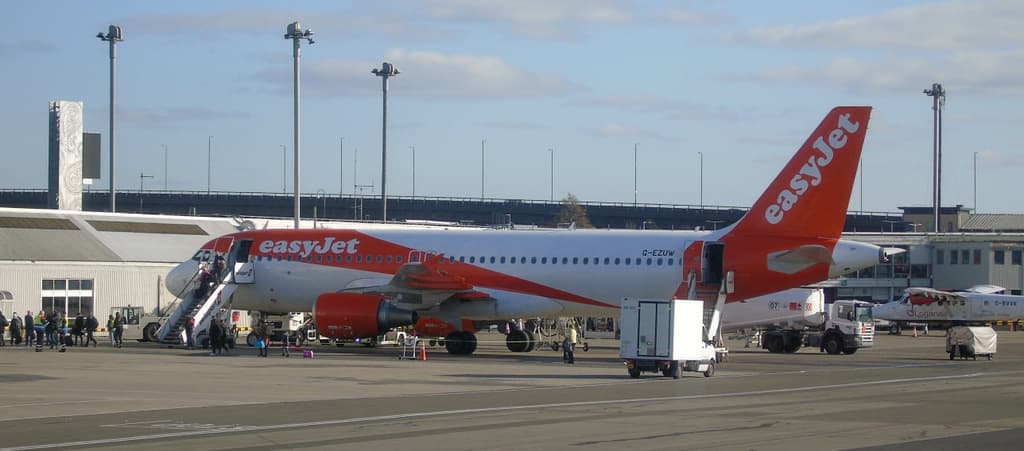
EasyJet Agrees to £5.7 Billion Takeover by Apollo Global Management
easyJet has agreed to a £5.7 billion takeover by US private equity firm Apollo Global Management. The deal came after rival bidder Castlelake withdrew from the race. Shareholders will receive £7.15 in cash for each share. ezstandalone.cmd.push(function () { ezstandalone.showAds(119); }); The agreement marks the end of a weeks-long bidding battle for the low-cost airline. Apollo stepped in with a higher offer after EasyJet had earlier reached a deal in principle with Castlelake. How the Bidding Unfolded Castlelake first approached easyJet in late May and early June 2026. The airline rejected several offers. EasyJet said those bids undervalued the company. In early July the two sides agreed terms at £6.90 per share. That valued EasyJet at about £5.5 billion. ezstandalone.cmd.push(function () { ezstandalone.showAds(127); }); Apollo then submitted a better proposal. easyJet’s board switched its support. Apollo’s offer valued the airline at £5.7 billion. Castlelake later confirmed it would not make a formal offer. This cleared the way for Apollo. What Apollo Plans for EasyJet Apollo said it is “highly supportive” of easyJet’s current strategy. The firm sees a clear chance to speed up the airline’s operational and commercial goals. Apollo has followed EasyJet for years. It views the carrier as one of the strongest businesses in global aviation. ezstandalone.cmd.push(function () { ezstandalone.showAds(128); }); The deal includes a cash option and a share alternative. Eligible shareholders can choose to roll some of their holding into the new private company. EasyJet founder Sir Stelios Haji-Ioannou and his family have given strong support. They will keep a significant stake and remain long-term shareholders.EU rules require majority European ownership and control of airlines. Apollo plans to meet this by giving the Haji-Ioannou family and other EU-based investors roughly half the business. ezstandalone.cmd.push(function () { ezstandalone.showAds(129); }); Matti Blume, CC BY-SA 4.0, via Wikimedia Commons Impact on Staff and Operations Apollo has pledged not to cut jobs for at least 12 months after the deal completes. Some roles linked to stock market listing requirements may go if easyJet becomes a private company. Flights and day-to-day operations will continue as normal. The EasyJet brand will stay in place. Apollo will keep the existing licensing deal with easyGroup, the company controlled by Sir Stelios. Board and Shareholder Views EasyJet chairman Sir Stephen Hester said the board carefully weighed the offer against the airline’s standalone prospects. He noted the proposal gives shareholders clear and attractive value. ezstandalone.cmd.push(function () { ezstandalone.showAds(130); }); Chief executive Kenton Jarvis welcomed Apollo’s aviation experience. He said it makes the firm a strong partner. The transaction still needs shareholder approval and regulatory clearances. Completion is expected in the first quarter of 2027. Once finished, EasyJet will leave the stock market and operate as a private company. Conclusion The takeover ends a period of uncertainty for easyJet. Shares had fallen sharply earlier in the year amid higher fuel costs and market pressures. The bidding process pushed the share price higher again. ezstandalone.cmd.push(function () { ezstandalone.showAds(131); }); Apollo brings access to capital and long-term flexibility. Private ownership should help easyJet focus on fleet upgrades, ancillary revenue and its holidays business. The airline will keep its low-cost model while gaining a supportive new owner. This agreement delivers certainty for shareholders and a clear path forward for one of Europe’s best-known budget carriers.
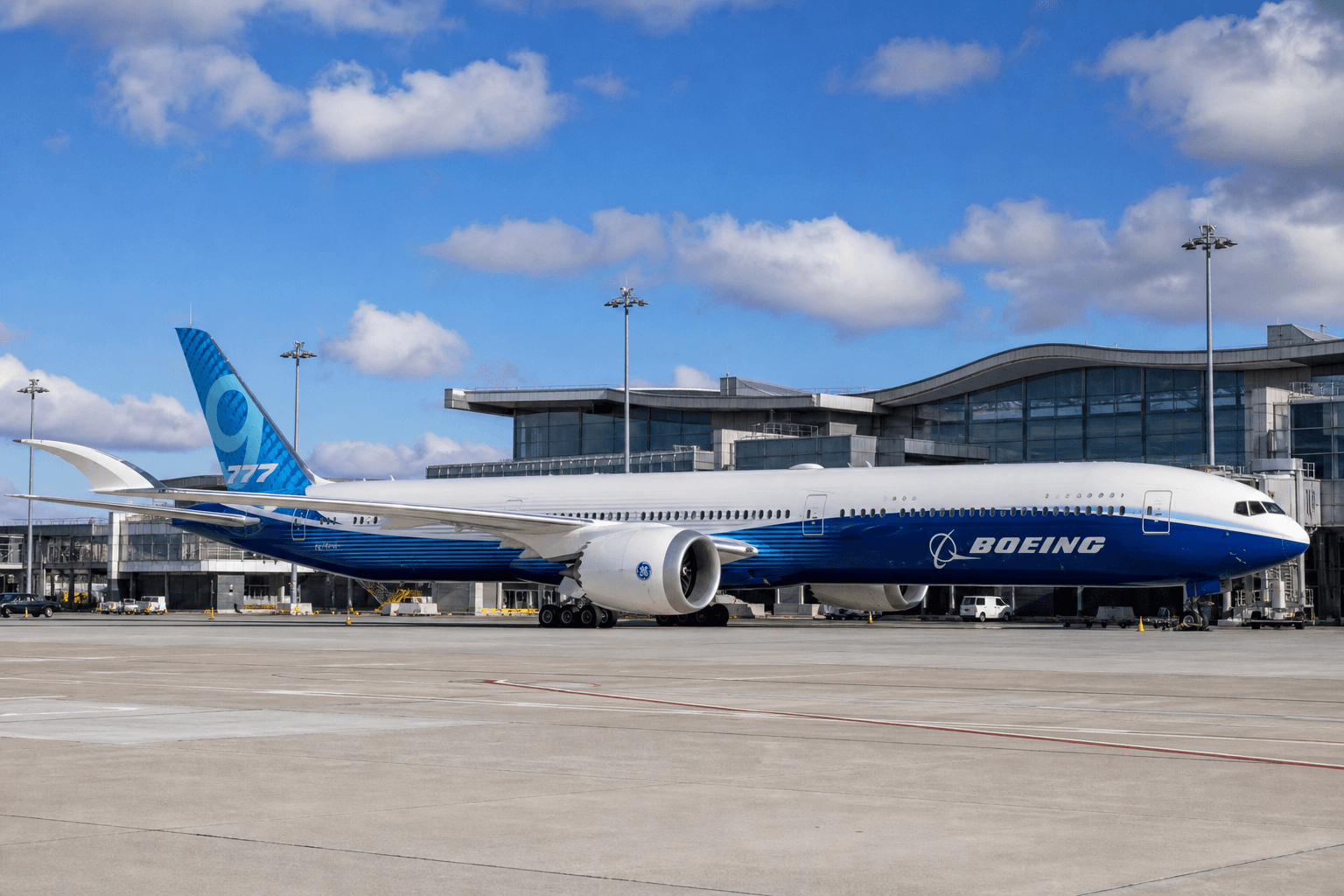
Boeing 777X's Folding Wingtips Prevent Airport Bans Like Airbus A380 Faced
The Airbus A380 's enormous size famously limited the number of airports it could serve without costly infrastructure upgrades that not all airports were willing to do. As Boeing prepares to introduce the 777X, many aviation enthusiasts have asked whether history could repeat itself here. After all, the new aircraft has an even greater wingspan than today's Boeing 777 family and technically falls into the same ICAO airport category as the A380 when its wings are fully extended.
The Daily Touch & Go
The day's best aviation news in your inbox. Free, no spam.