

Image: Glenn Beltz from Goleta, CA, USA · CC BY 2.0 · via Wikimedia Commons
Ex-Flight Attendant Pleads Guilty to Using Fake Pilot ID to Fly Free on Three Major Airlines
Dallas Pokornik admitted to wire fraud after exploiting pilot ID fakery to secure hundreds of free flights from three top U.S. airlines over nearly five years.
The gist
A former flight attendant used a forged pilot ID badge to defraud three major U.S. airlines out of hundreds of free flights, pleading guilty to wire fraud charges.
Continuing coverage
All Security →Dallas Pokornik, a former airline flight attendant, has pleaded guilty to wire fraud for orchestrating a scheme in which he used a counterfeit pilot identification badge to obtain unpaid flights on three major U.S. carriers. The fraudulent activity spanned from January 2020 until October 2024, during which time Pokornik exploited employee travel privileges reserved for airline staff and pilots, obtaining hundreds of flights without charge. His actions came to light following a 2024 incident where a suspicious airport employee noticed inconsistencies in his credentials.
Court documents reveal that the three airlines Pokornik defrauded are headquartered in Honolulu, Chicago, and Fort Worth—cities home to Hawaiian Airlines, United Airlines, and American Airlines, respectively. While the prosecution has withheld explicit naming, these details strongly indicate these carriers were the victims. Pokornik's method involved not only using a fake pilot ID to claim entitlement to free non-revenue tickets but also repeatedly requesting access to the cockpit jumpseat, a seat typically reserved for active flight crew.
Before his fraudulent activities commenced, Pokornik was an authentic flight attendant for a Toronto-based airline until 2019. During his tenure, he legally accessed non-rev travel benefits—discounted or free flights extended as reciprocal perks among airlines. After leaving his legitimate position, he leveraged his insider knowledge to fabricate a pilot persona, thereby continuing to exploit these perks under false pretenses, circumventing the rules that limit such benefits to employees.
The turning point occurred in 2024 when an employee at one of the defrauded airlines grew suspicious of the authenticity of Pokornik’s pilot ID badge. Capturing a photo of the badge, the airport worker reported the irregularity, prompting a law enforcement investigation. Authorities confirmed that Pokornik was not registered as a pilot with any of the airlines he claimed to serve, triggering international efforts to locate him.
Pokornik was ultimately discovered in Panama, where an arrest warrant led to his extradition back to the United States. U.S. Attorney Ken Sorenson underscored that travel security protocols are critical to ensuring safety and that those violating such rules face serious consequences. Pokornik’s guilty plea reflects a culmination of coordinated efforts by Homeland Security Investigations and other global law enforcement agencies.
Pokornik faces up to 20 years in prison and a potential fine of $250,000 for his wire fraud offenses. A sentencing hearing is scheduled for December 8, 2026, where the court will also determine the restitution amount he must pay back to the three airlines. This case highlights vulnerabilities in non-revenue travel systems and the importance of vigilant employee verification at airports.
Frequently asked questions
- How did Dallas Pokornik commit the airline fraud?
- He used a fake pilot ID badge to fraudulently claim non-revenue free flights and jumpseat privileges from three major U.S. airlines over several years.
- Which airlines were defrauded by Pokornik?
- While unnamed, courts identified the airlines by their headquarters cities: Honolulu (Hawaiian Airlines), Chicago (United Airlines), and Fort Worth (American Airlines).
- What penalties does Dallas Pokornik face?
- Pokornik faces up to 20 years in prison, fines up to $250,000, and must pay restitution to the defrauded airlines, with sentencing set for December 2026.
Read more
All Regulatory →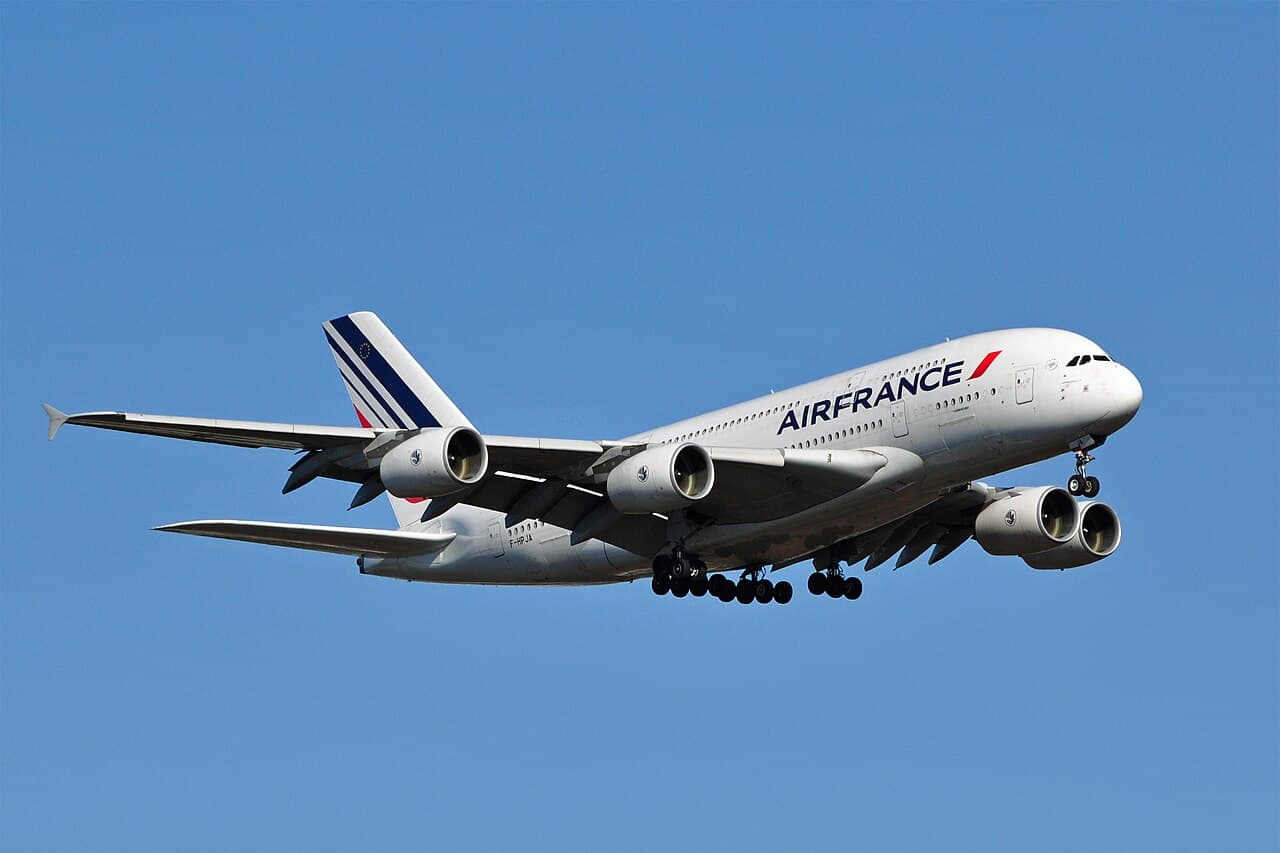
Boeing 777X's Folding Wingtips Prevent Airport Bans Like Airbus A380 Faced
The Airbus A380 's enormous size famously limited the number of airports it could serve without costly infrastructure upgrades that not all airports were willing to do. As Boeing prepares to introduce the 777X, many aviation enthusiasts have asked whether history could repeat itself here. After all, the new aircraft has an even greater wingspan than today's Boeing 777 family and technically falls into the same ICAO airport category as the A380 when its wings are fully extended.
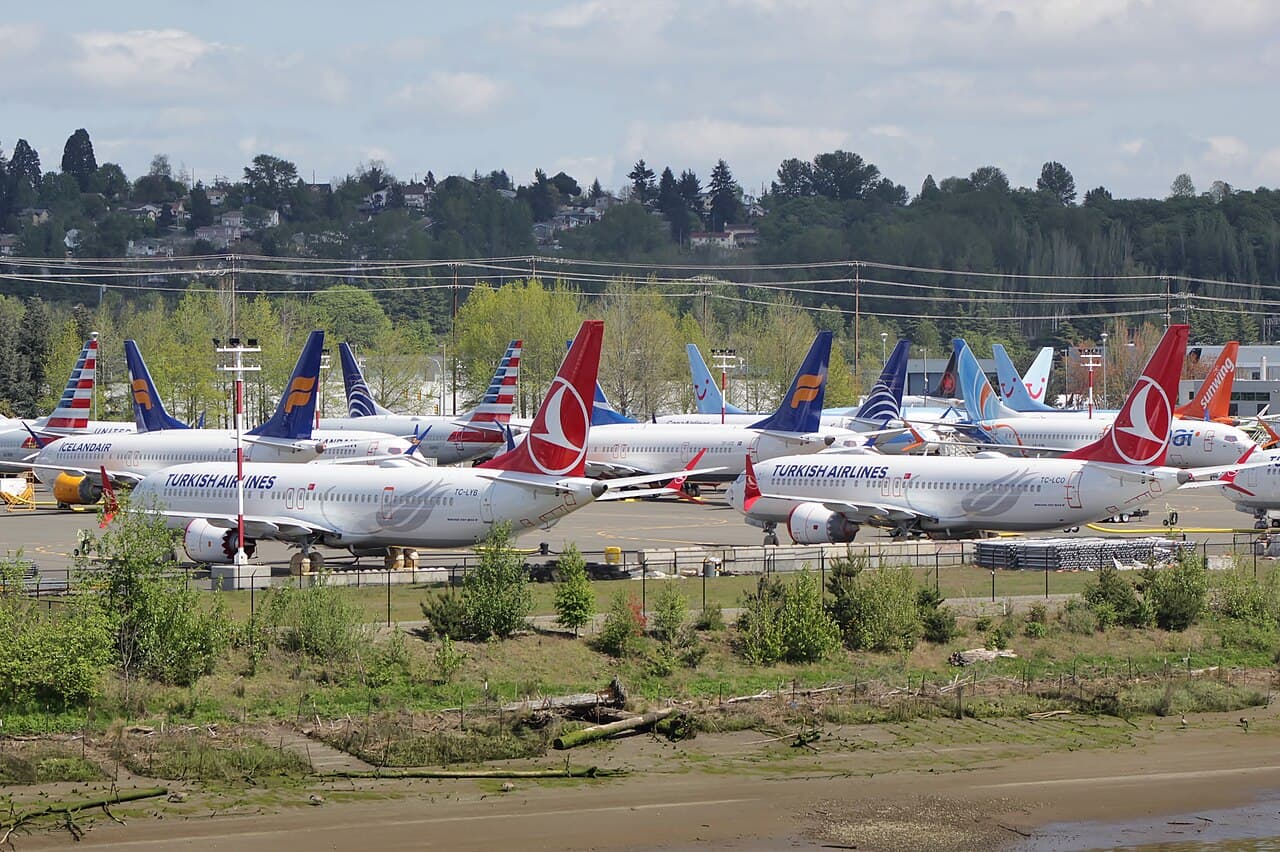
Airbus A321XLR Gains Ground as Boeing 737 MAX 10 Faces Certification Delays
The Boeing 737 MAX 10 has an impressive and strong customer base, including United Airlines, Ryanair, American Airlines and Delta Air Lines. However, recent years have not been kind to the largest 737 MAX variant, which has suffered from a hefty backlog. It is not expected that the jet will become operational and certified until the end of this year.
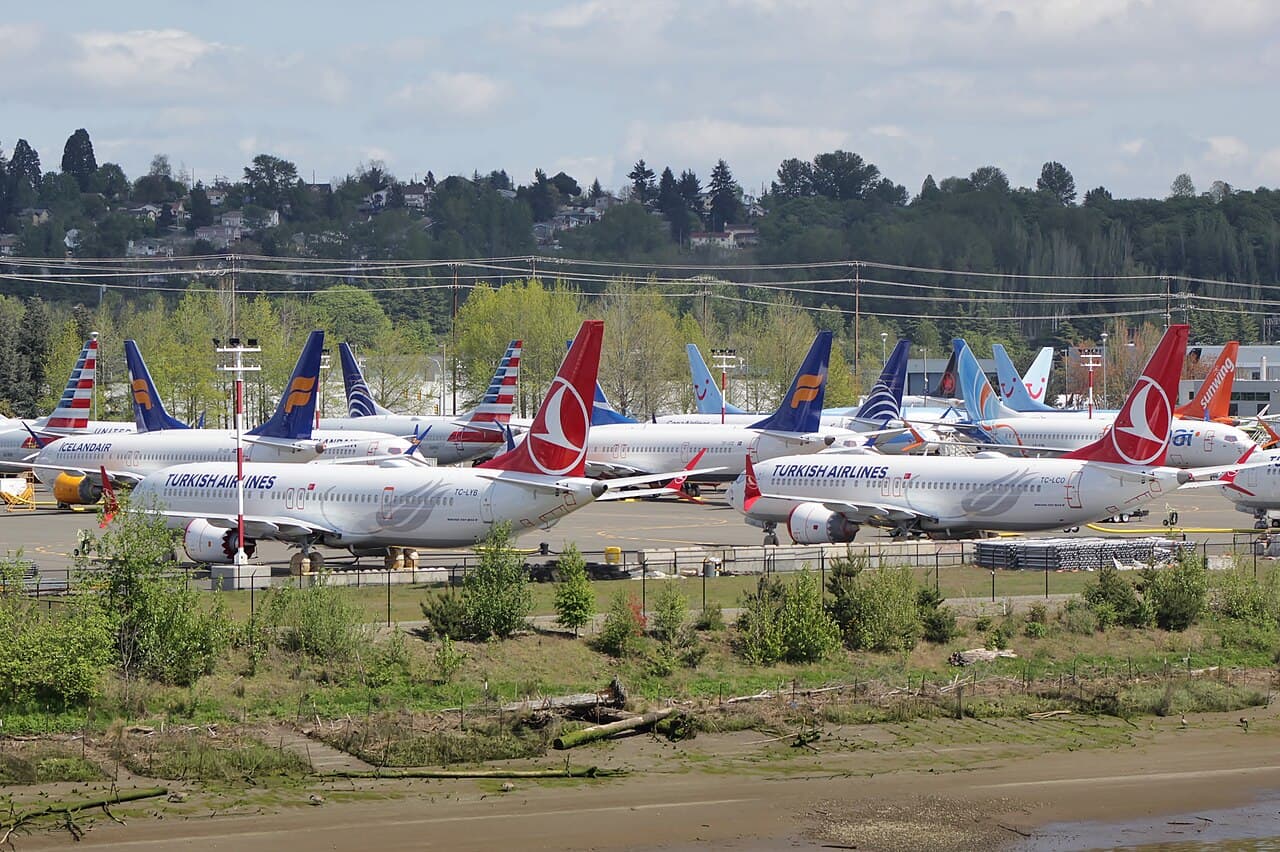
Boeing 737 MAX 7 Receives FAA Type Certification After Eight Years
The Boeing 737 MAX 7 has finally been cleared for commercial service, more than eight years after the smallest member of the 737 MAX family first took to the skies. The Federal Aviation Administration (FAA) granted Boeing an amended type certificate for the aircraft on Monday, bringing one of the manufacturer's longest-running certification programs to an end. The regulator has also added the 737-7 to Boeing's production certificate , allowing the company to manufacture the aircraft under its approved production system.
FAA prioritizes certifying Boeing 737 MAX 7 and MAX 10 before 777-9 amid extensive delays
Boeing currently has three aircraft models that have been stuck in certification hell for years: the 737 MAX 7, the MAX 10, and the 777-9. All three of these were supposed to be certified between 2019 and 2020 when initially launched, but over six years later, Boeing has not delivered a single example to an airline. Certification and entry-into-service for all three have been continuously delayed, but earlier in 2026, Boeing provided a more concise timeline. The 737 MAX 7 and MAX 10 will be certified by the end of the 2026 summer season, while the 777-9 will come in 2027.
The Daily Touch & Go
The day's best aviation news in your inbox. Free, no spam.