

Image: PJSC "UAC" · CC BY-SA 4.0 · via Wikimedia Commons
Controllers' high sick rates worsened Northeast flight disruptions amid thunderstorms
Nearly 11,000 U.S. flights faced delays or cancellations on August 7 due to severe Northeast thunderstorms compounded by air traffic controller staffing shortages.
The gist
Severe weather plus up to 60% air traffic controller absences led to massive flight disruptions in the Northeast on August 7.
Friday, August 7, saw substantial turmoil in U.S. aviation, with roughly 9,000 delayed flights and nearly 2,000 cancellations primarily affecting the Northeast corridor. The chaos stemmed from a combination of intense thunderstorms in the region and significant air traffic control (ATC) staffing challenges. Secretary of Transportation Sean Duffy publicly stated that between 40% and 60% of air traffic controllers called out sick across multiple New York regional facilities, intensifying the impact of the adverse weather conditions on flight operations.
Detailed examination of Federal Aviation Administration (FAA) data from the day indicates that early morning staffing levels met baseline needs, even as thunderstorms rumbled across Boston, New York TRACON, Philadelphia, and Potomac TRACON. By late morning, the FAA implemented ground delay programs across six major regional airports—JFK, LaGuardia, Newark, Philadelphia, Boston, and Washington National—all citing 'WEATHER / THUNDERSTORMS' as the cause of traffic slowdowns. Staffing-related restrictions began to appear around noon, initially limited to Philadelphia Area Control Center for the afternoon rush.
Progressing into the evening, staffing shortages expanded to include New York Center Areas B and C and JFK Tower, contributing further complexity to an already strained system facing extreme weather. However, by 8 p.m., FAA data noted that certain staffing constraints, such as those near LaGuardia Airport, were largely overshadowed by pre-existing traffic restrictions, indicating that the controller absences, while consequential, were not the sole cause of delays.
Provocatively, some representatives of the controller workforce pushed back against Secretary Duffy’s characterization, attributing the crisis to long-standing FAA mismanagement rather than individual controllers’ sick leave. Candidates Nick Morangos and Stephen Brown, vying for leadership within the National Air Traffic Controllers Association (NATCA), highlighted decades of insufficient staffing targets, mandatory overtime, and poor workforce planning. They called for stronger union advocacy and more transparent communication to correct public misperceptions.
That criticism touches on a chronic challenge within the FAA’s air traffic control system: the struggle to maintain adequate staffing and operational flexibility. Controllers routinely perform 2.2 million overtime hours annually, costing around $200 million, driven in part by understaffing and workload distribution issues. The situation is complicated by facility consolidations and resistance to controller relocations, which, while technologically feasible via remote towers, face union and congressional opposition.
The episode shines a spotlight on the broader institutional challenges underpinning U.S. air traffic management, including aging equipment reliability, as evidenced by a significant outage at Minneapolis Center the prior week, and conflicting FAA roles as both air navigation service provider and regulator. A self-supporting, stakeholder-governed air traffic control entity funded by user fees—proposed over a decade ago and supported by some union elements—remains politically contentious, with past FAA leadership opposing such reforms.
Geographically, staffing shortages are uneven: roughly 30% of control facilities face below-target staffing while others exceed requirements, underscoring inefficiencies in workforce allocation. Improvements in incentives, facility management, and technology adoption, such as expanded remote tower use for non-visual control environments, are critical to addressing these mismatches.
The Northeast incident exemplifies the compounding effects of weather, infrastructure reliability, workforce health, and organizational structure on aviation safety and efficiency. While acute controller absences amplified the disruption, systemic issues—staffing policies, overtime culture, facility modernization, and governance models—form the deeper causes shaping ATC service resiliency in high-density U.S. airspace.
Frequently asked questions
- How many flights were affected by the disruptions on August 7 due to controller absences and weather?
- On August 7, nearly 9,000 flights were delayed and about 2,000 were canceled, primarily in the Northeast U.S., due to thunderstorms compounded by high air traffic controller sick call rates.
- What factors contributed to the staffing shortages among air traffic controllers on that day?
- Secretary Duffy reported that 40-60% of controllers called out sick across multiple New York regional facilities, adding to operational challenges amid adverse weather; union representatives cited chronic FAA understaffing and poor workforce planning.
- What systemic issues did the union candidates highlight as causes beyond controller absences?
- Union leadership candidates pointed to decades of FAA understaffing, mandatory overtime, poor workforce allocation, outdated technology, and the conflict inherent in the FAA serving as both regulator and service provider.
Read more
All Regulatory →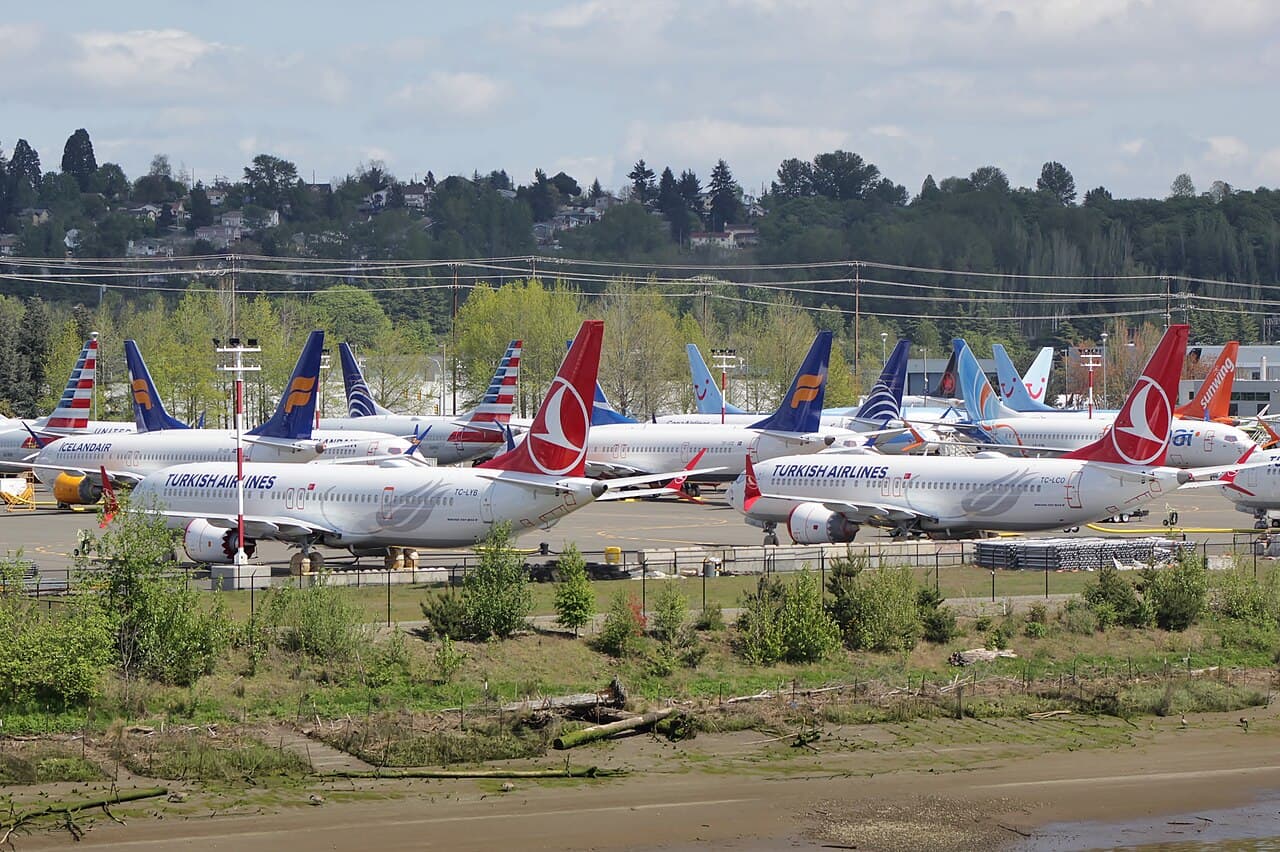
FAA prioritizes certifying Boeing 737 MAX 7 and MAX 10 before 777-9 amid extensive delays
Boeing currently has three aircraft models that have been stuck in certification hell for years: the 737 MAX 7, the MAX 10, and the 777-9. All three of these were supposed to be certified between 2019 and 2020 when initially launched, but over six years later, Boeing has not delivered a single example to an airline. Certification and entry-into-service for all three have been continuously delayed, but earlier in 2026, Boeing provided a more concise timeline. The 737 MAX 7 and MAX 10 will be certified by the end of the 2026 summer season, while the 777-9 will come in 2027.

United Airlines Considers Buying Up to 20 Early Boeing 777-9 Jets
Boeing’s long-awaited 777-9 aircraft may soon find a new home with United Airlines. Industry reports suggest the U.S. carrier is in talks to acquire as many as 20 of the earliest-built 777-9 jets. ezstandalone.cmd.push(function () { ezstandalone.showAds(119); }); This potential deal could help Boeing clear early production airframes that have waited years for delivery. Why These Early 777-9s Are Still Available The 777X program, which includes the 777-9, faced significant certification delays. As a result, the first airframes rolled out years ago but remained undelivered. During this time, Boeing made numerous engineering updates and improvements. ezstandalone.cmd.push(function () { ezstandalone.showAds(127); }); These early jets now need more extensive modification work compared to newer aircraft rolling off the production line. The extra effort involves bringing them up to the latest standards before they can enter service. Launch customers for the 777-9 reportedly chose to wait for later-production examples. This shift left the early-build jets available for other interested airlines. United’s possible interest offers Boeing a practical way to place these aircraft as the program nears certification and entry into service. ezstandalone.cmd.push(function () { ezstandalone.showAds(128); }); Photo Credit: Boeing What This Means for United Airlines United Airlines already operates one of the world’s largest Boeing 777 fleets. Adding the 777-9 would strengthen its long-haul capabilities with next-generation efficiency and passenger comfort. The 777-9 is the largest variant in the 777X family. It promises better fuel efficiency, longer range, and a more spacious cabin than previous models. For United, these jets could serve high-demand international routes while lowering operating costs. ezstandalone.cmd.push(function () { ezstandalone.showAds(129); }); However, acquiring early-build aircraft comes with challenges. The required modifications may take extra time and resources. Still, securing up to 20 jets could give United a competitive edge in the widebody market without waiting for entirely new production slots. Boeing’s Path Forward with the 777X Boeing has worked hard to resolve certification issues for the 777X. The program represents a major update to the successful 777 family. With improved engines, composite wings, and modern avionics, the Boeing 777-9 aims to set new standards for twin-aisle aircraft. Placing early airframes with United would mark an important milestone. It would demonstrate progress toward final certification and help Boeing regain momentum in the widebody segment. No formal agreement has been announced yet. ezstandalone.cmd.push(function () { ezstandalone.showAds(130); }); Boeing has not confirmed any transaction with United. The reports remain speculative at this stage, but they highlight growing industry optimism about the 777-9’s future. Photo Credit: Boeing Broader Industry Impact The potential deal reflects current trends in aircraft manufacturing. Production delays often create opportunities for flexible operators to acquire aircraft at different stages of the build process. Airlines willing to invest in modifications can sometimes secure favorable terms and earlier delivery timelines. ezstandalone.cmd.push(function () { ezstandalone.showAds(131); }); For passengers, the 777-9 promises a quieter, more comfortable flying experience with larger windows and advanced cabin pressurization. United could use these features to differentiate its premium long-haul offerings. Conclusion As Boeing moves closer to certification, more clarity should emerge about the timeline for these early jets. Industry watchers will monitor developments closely, as any agreement could influence other carriers’ decisions regarding the 777X family. United Airlines has not publicly commented on the reports. The airline continues to modernize its fleet with a mix of new and used aircraft to meet growing global demand. ezstandalone.cmd.push(function () { ezstandalone.showAds(132); }); This possible acquisition of early-build 777-9s shows how delays in major programs can create unexpected opportunities. If the deal proceeds, it could benefit both United and Boeing while bringing advanced widebody aircraft into service sooner than expected.
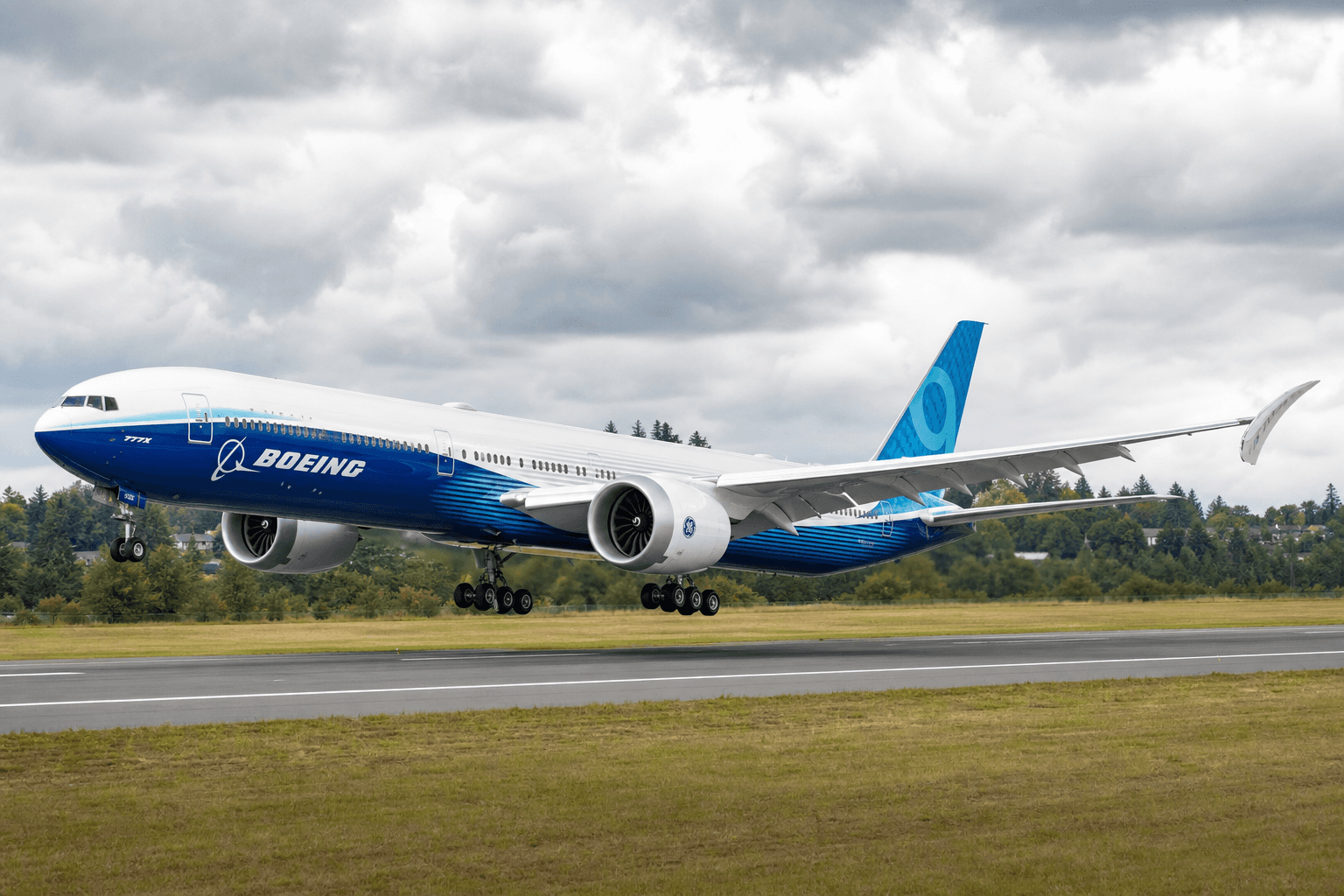
Boeing 777X Delays Cost Exceed Entire Airbus A350 Development
Few commercial aircraft programs have experienced a certification journey as prolonged as the Boeing 777X . Originally expected to enter airline service in 2020, the latest member of the 777 family is now scheduled to arrive in 2027, representing a delay of roughly seven years.
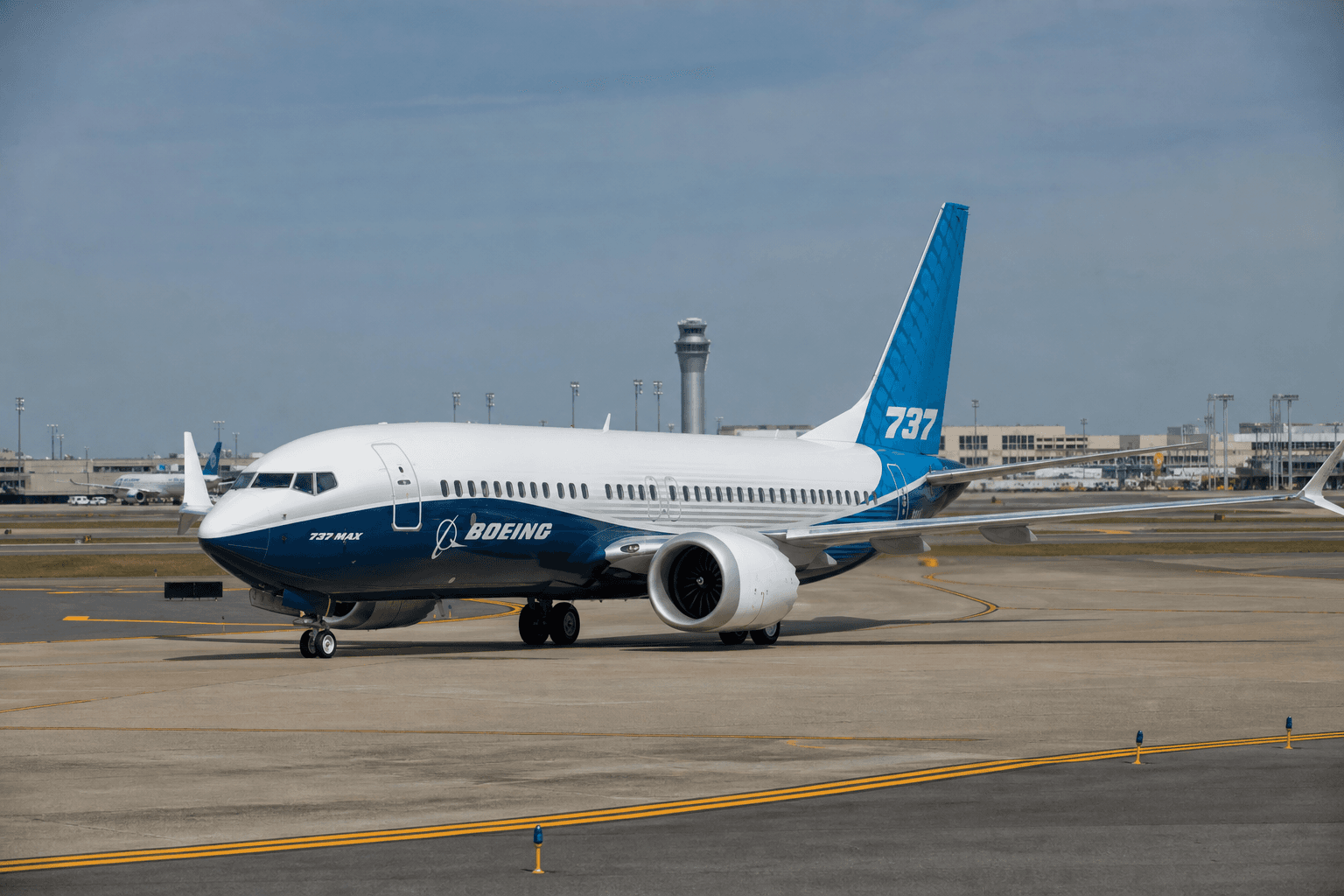
FAA Signals Imminent Certification for Boeing 737 MAX 7, MAX 10, and 777X Jets
Reuters spoke with the Deputy Administrator of the Federal Aviation Administration, Chris Rocheleau, on the opening day of the Farnborough Airshow, about the expected certification of Boeing's single-aisle 737 MAX 7, MAX 10, and widebody 777X . He commented that the agency expects all three to be certified in the near future.
The Daily Touch & Go
The day's best aviation news in your inbox. Free, no spam.