

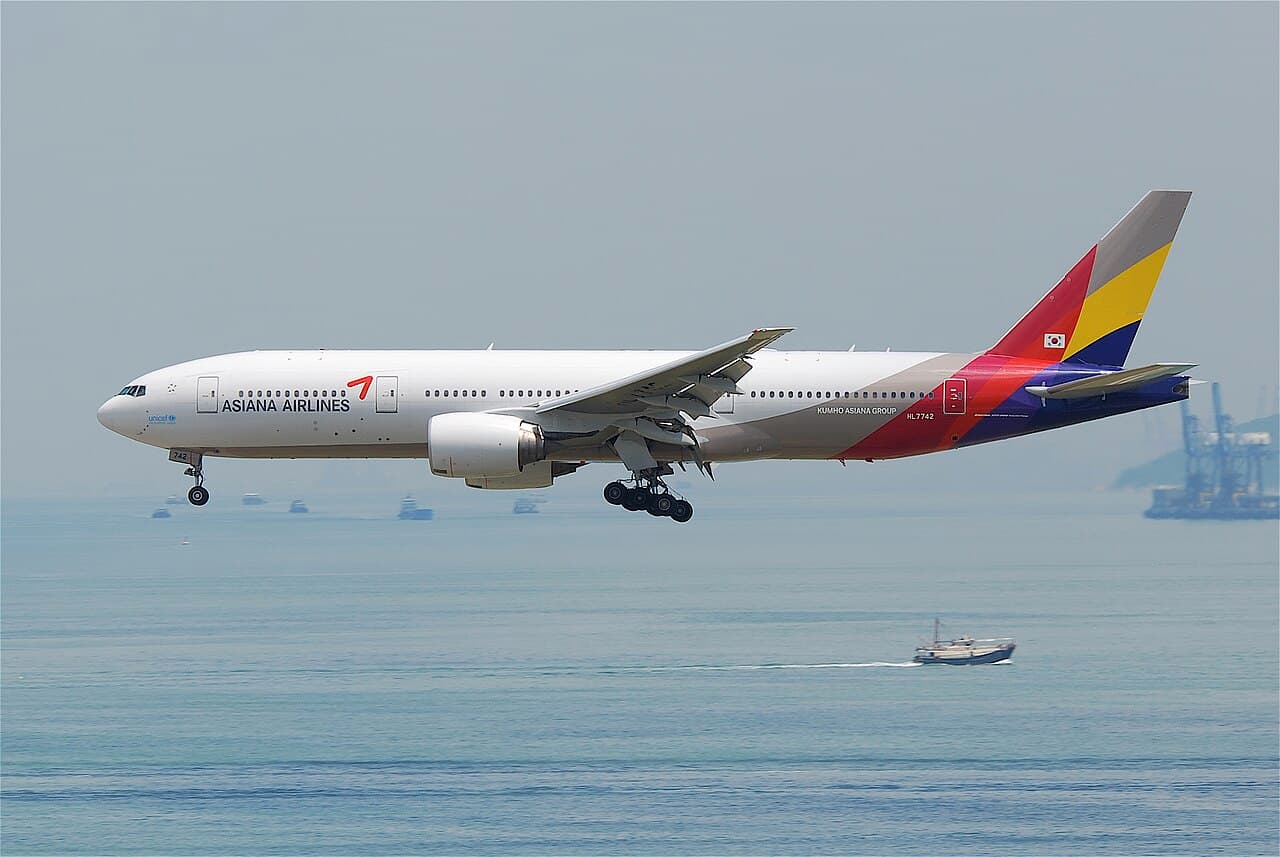
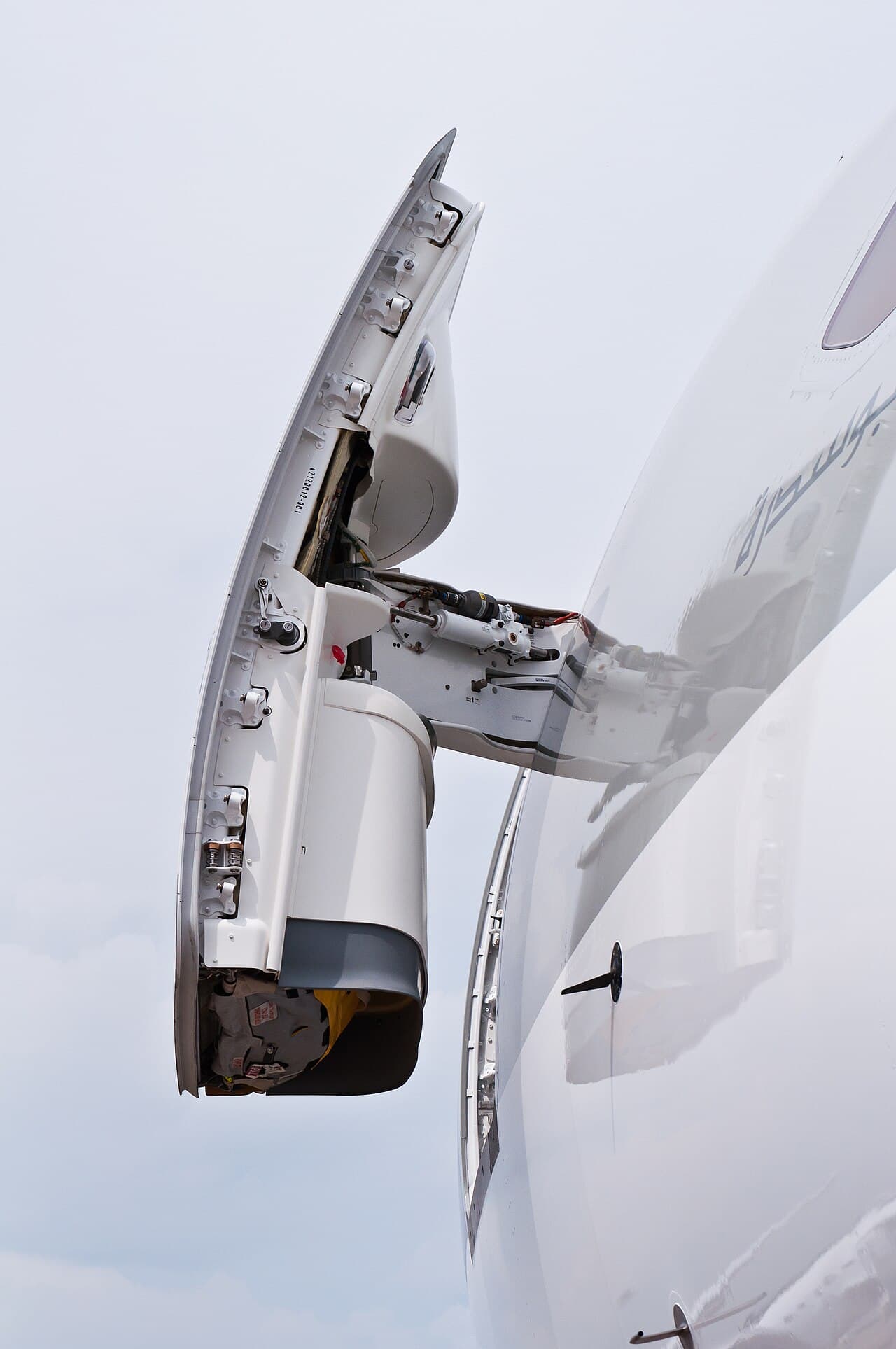
Image: Aero Icarus from Zürich, Switzerland · CC BY-SA 2.0 · via Wikimedia Commons
Boeing 777-300ER Revolutionized Long-Haul Air Travel with Twin-Engine Efficiency
The Boeing 777-300ER transformed aviation by combining large capacity with groundbreaking twin-engine efficiency, leading to the retirement of four-engine giants like the 747.
The gist
The 777-300ER reshaped global long-haul flying, making four-engine jets obsolete through superior efficiency and reliability.
Continuing coverage
All Boeing 777-300er →- Boeing Ends Production of Boeing 777-300ER After Nearly Two Decades
- Inside Turkmenistan Airlines' Quiet Business Class Flight on a 777-300ER
- Air New Zealand unveils cabin upgrades for Boeing 777-300ER fleet
- Air Canada operates 440-seat Boeing 777-300ER on eight key routes from Montréal hub
- Qatar Airways Cuts Airbus A380 Service to Sydney, Switching to Boeing 777-300ER
The Boeing 777-300ER has emerged as a flagship long-haul aircraft for elite airlines worldwide by redefining the economics and operational standards of large widebody jets. Introduced as a successor to the Boeing 767, the 777 series dramatically outperformed its quadjet predecessors by leveraging twin-engine efficiency and capacity. This transition helped accelerate the retirement of venerable four-engine aircraft such as the Boeing 747, which once dominated transoceanic flights.
Central to the 777-300ER's success is its pairing with the groundbreaking GE90-115B engine, developed exclusively by GE Aerospace for this model. The GE90’s powerful thrust and exceptional reliability provided the 777 with an unprecedented range and economy. The engine’s ability to sustain a mid-flight shutdown for over five hours during certification testing underlined its durability, boosting confidence in long overwater flights governed by ETOPS (Extended-range Twin-engine Operational Performance Standards) regulations.
ETOPS certification was a crucial factor in the 777-300ER’s rise. Prior to its entry, twin-engine aircraft faced stringent operational limits, constrained to routes that kept them close to alternate airports in case of an engine failure. The 777-200 became the first aircraft with ETOPS-180 approval at entry into service in 1995, and later the 777-300ER received ETOPS-330 clearance, allowing it to safely access 99.7% of the Earth's surface—routes dominated previously by four-engine jets. This capability reshaped route planning across the industry.
The 777-300ER found a winning balance between size and operational efficiency. While larger jets like the Airbus A380 and 747 required near-full capacity to break even, the 777-300ER's smaller cabin size and superior fuel efficiency enabled profitability with fewer passengers. This made point-to-point long-haul flights viable economically, a contrast to the hub-and-spoke model that four-engine giants generally supported. Airlines benefitted from this flexibility and improved cargo capacity, with underfloor freight revenue often covering fuel costs entirely on many routes.
The switch to twinjets brought radical cost savings beyond fuel efficiency. Operating two engines instead of four sharply lowered maintenance expenses, halving engine upkeep budgets for long-haul flights. The 777-300ER burns roughly 20% to 25% less fuel per seat compared to quadjets such as the Airbus A340-600. This made the aircraft a favorite among airlines aiming to reduce operating costs while maintaining large passenger volumes and route reach.
Safety and dispatch reliability were priorities in the 777’s design philosophy. Its triple-redundant systems for hydraulics and electronics set new standards for dependable operations. The GE90 family boasts a dispatch reliability rate above 99.97% and an extremely low in-flight shutdown rate of one per million engine hours. Such reliability has enabled the 777 fleet to accumulate over three million ETOPS flights, outnumbering competitor aircraft by a factor of two.
Market impact of the 777-300ER extends beyond pure economics. With more than 800 units delivered, it has become the backbone of the world's long-haul fleet, drastically outpacing the Boeing 747-8’s limited 48 passenger versions sold. The successful scale of production lowered unit costs for Boeing, creating a virtuous cycle of affordability and airline adoption. The aircraft also stimulated the development of a vast global support and maintenance infrastructure, further reducing operational barriers.
Looking at engineering milestones, the GE90-115B engine itself set a Guinness World Record in 2002 by generating 127,900 pounds of thrust, surpassing the combined thrust of all four Concorde engines. This extraordinary power helped the 777-300ER approach passenger capacities of a 747-400 but with significantly better fuel economy and fewer engines. This technical leap catalyzed the move away from four-engine jumbos across the industry.
The legacy of the 777-300ER now paves the way for its successor, the Boeing 777X, which promises a further 10-13% reduction in fuel burn per block hour. The 777 family’s evolution continues to influence global long-haul airline strategy, marking a paradigm shift from the hub-centric and fuel-intensive jets of the past toward efficient, flexible, and profitable twin-engine widebodies.
Frequently asked questions
- How did the Boeing 777-300ER change long-haul air travel economics?
- The 777-300ER combined large passenger and cargo capacity with twin-engine fuel efficiency, lowering operating costs and allowing profitability on point-to-point routes where four-engine jets like the 747 were uneconomical.
- What role did the GE90-115B engine play in the Boeing 777-300ER's success?
- The GE90-115B provided exceptional thrust and reliability, enabling extended ETOPS-330 certification that opened almost all global routes to twin-engine aircraft and drastically reduced engine maintenance costs.
- Why did four-engine aircraft like the Boeing 747 decline in use after the 777-300ER's introduction?
- Four-engine jets required high load factors to be profitable and consumed significantly more fuel and maintenance resources, whereas the 777-300ER's efficiency and flexibility made quadjets obsolete for most long-haul routes.
Read more
All Airlines →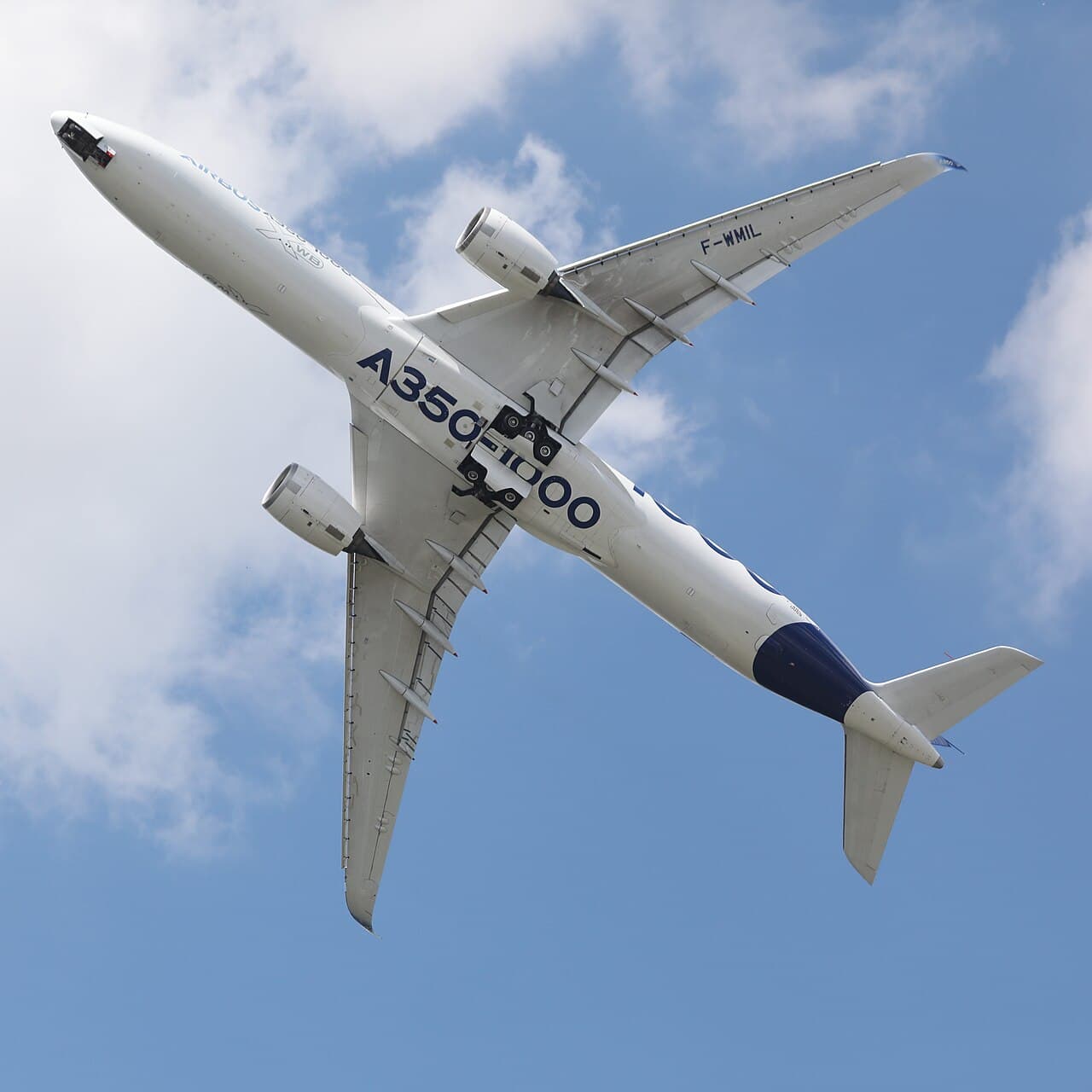
Boeing 777-9 challenges Airbus A350-1000 dominance in long-haul widebody market
When the Boeing 777-9 finally enters commercial service, it will become the largest twin-engine airliner ever built. By then, however, its main rival will already have spent nearly a decade carrying passengers, building a global customer base, and proving itself on some of the world's longest routes. That unusual timing means the contest between the 777-9 and Airbus A350-1000 is not about which widebody aircraft is better on paper. It is about whether Boeing's larger, higher-capacity design can overcome Airbus' years-long operational head start.
Frequent Flyer Award Loopholes Close as Airlines Tighten Elite Perks
The frequent flyer ecosystem has operated on a silent contract between airlines and their most loyal customers, but now that contract seems to be ending. There was once a period defined by the exploitation of fixed award charts, complex routing rules, and the mathematical beauty of carrier-imposed surcharges. Travelers spent years reverse-engineering award flight availability, viewing the loyalty landscape as a puzzle where deep knowledge of program intricacies provided access to premium cabins for a fraction of their cash value.
Top 5 Airlines Offering the Most Luxurious First Class Suites in 2026
The first class cabin is always seen as the ultimate in luxury with lavish features that many can only dream of. Business class has evolved into a more extensive product, with lie-flat beds and now private suites, and with more business class products than ever, first class has become more exclusive and somewhat rare on long-haul international flights.
Air Canada launches new long-haul routes to Tenerife and Sapporo for 2026/27 winter
Air Canada has been steadily expanding its international network in recent years. The airline has added several new destinations so far this year and increased its presence across leisure markets. It is continuing this expansion with more additions for the 2026/27 winter season .
The Daily Touch & Go
The day's best aviation news in your inbox. Free, no spam.