

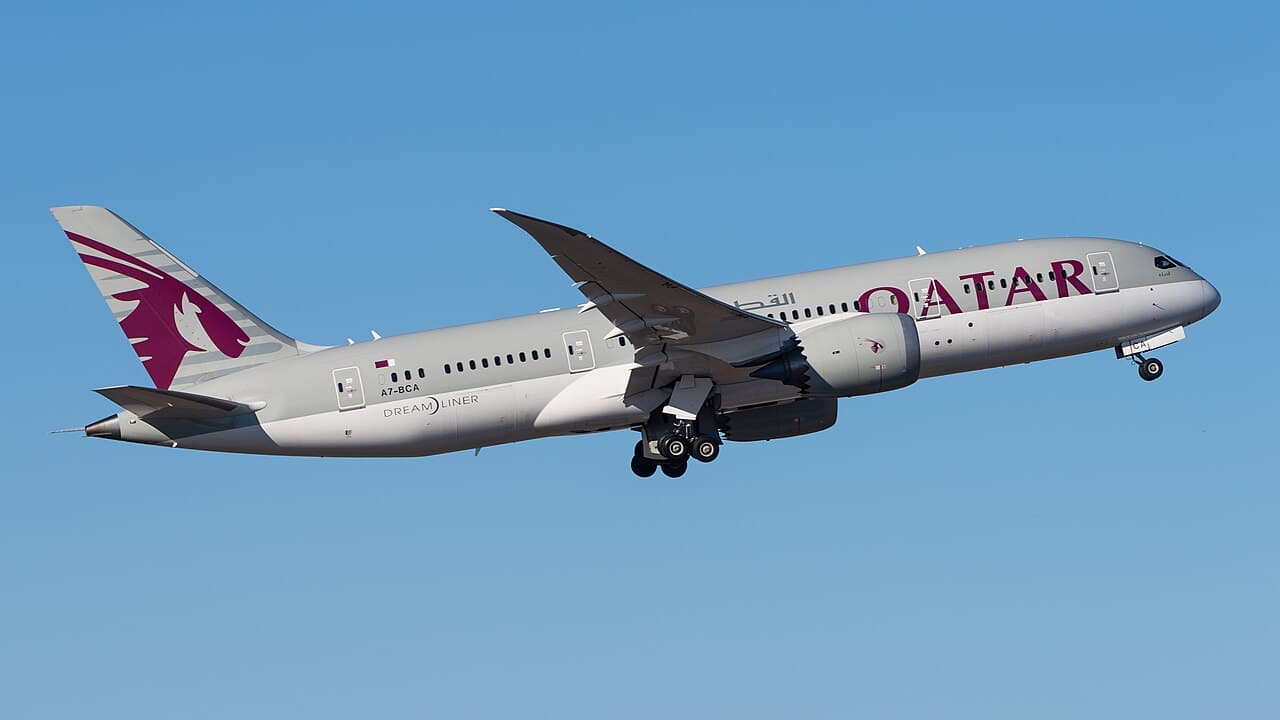
Image: Julian Herzog ( Website ) · CC BY 4.0 · via Wikimedia Commons
Study Finds GEnx-Powered Boeing 787-10 Leads Widebody Fuel Efficiency Among 14 Competitors
An Aircraft Commerce analysis shows the 787-10 with GEnx engines offers the lowest fuel burn per seat mile across multiple routes versus other widebody aircraft-engine pairs.
The gist
The Boeing 787-10 equipped with GEnx engines achieves the best fuel efficiency per seat mile among 14 widebody aircraft-engine combos tested.
A recent comprehensive study by Aircraft Commerce has placed the Boeing 787-10 Dreamliner powered by GEnx engines at the forefront of widebody aircraft fuel efficiency. Analyzing 14 different aircraft-engine combinations across five diverse flight routes, the study found that this particular pairing yields the lowest block fuel burn per available seat mile (ASM), outperforming configurations including the same aircraft with Trent 1000 engines and Airbus A350 variants.
The comparative evaluation incorporated a range of modern and older widebody types. Besides the 787 configurations, examined aircraft included the Airbus A350-900, A350-1000, A330-200, A330-300, as well as Boeing’s 777-200ER, 777-300ER, and 747-400. While the 787-10 with GEnx power came out on top, the 787-10 with Trent engines and the A350-900 showed competitive but lesser fuel efficiency. Older models lagged significantly behind in per-seat fuel consumption metrics.
This outcome is particularly relevant because airlines select aircraft not just by the airframe but more importantly by the combination of airframe and engine. The same airplane model fitted with different engines can have markedly different performance, fuel economics, and operational cost profiles over its service life. The findings provide a data-driven benchmark beyond manufacturer claims, highlighting the efficiency advantage the GEnx engine brings to the 787-10.
GE Aerospace developed the GEnx-1B engine specifically for the 787 program, building on technology from the GE90 engine but incorporating lighter materials and improved thermodynamics. It features 18 carbon fiber composite fan blades—the first use of fan blades of this size in composite material—reducing mass considerably compared to traditional titanium blades. This reduction permits lighter fan casing materials and improves overall engine efficiency.
The GEnx boasts a 10-stage high-pressure compressor achieving a 23:1 pressure ratio that enhances thermal efficiency, extracting more thrust per unit fuel. Its innovative Twin Annular Pre-Swirl combustor minimizes NOx emissions by 55% compared to earlier engines and improves combustion efficiency. Its thrust ranges between 69,800 and 76,100 pounds depending on variant, with a bypass ratio of 9.6:1. On typical mission lengths, GE reports a 1.4% specific fuel consumption advantage over the Rolls-Royce Trent 1000.
Among the 787 family, the 787-10 is the longest variant, seating about 330 passengers in a typical two-class setup. Although it has a shorter range—approximately 6,330 nautical miles—compared to the 787-9’s 7,530 nautical miles, the 787-10 offers lower fuel burn per seat because it adds seats without increasing engine thrust or wing size. Its longer fuselage spreads fixed drag costs over more passengers, reducing fuel expenditure per seat mile on routes within its range.
Additionally, the 787’s no-bleed architecture further enhances efficiency. Unlike most other widebodies, it does not extract bleed air from engines for systems like pressurization and anti-ice. This design allows the engines to use all compressed air for thrust, reducing wasted energy and contributing to the overall fuel savings recorded in the Aircraft Commerce study.
The significance of these findings is reflected in market trends: over two-thirds of in-service 787s now fly with GEnx engines, and recent orders from carriers such as Philippine Airlines and Delta Air Lines confirm ongoing preference for this engine-airframe pairing. The 787-10 with GEnx stands as a benchmark for airlines seeking to optimize fuel costs and emissions on medium-range widebody routes.
Frequently asked questions
- Which widebody aircraft-engine combination has the lowest fuel burn per available seat mile?
- The Boeing 787-10 powered by GEnx engines has the lowest block fuel burn per available seat mile among 14 widebody aircraft-engine combinations tested by Aircraft Commerce.
- What makes the GEnx engine more efficient compared to its competitors?
- The GEnx engine features a high bypass ratio, lighter composite fan blades, a 10-stage high-pressure compressor with a high pressure ratio, and an advanced combustor that improves thermal efficiency and lowers emissions, resulting in around a 1.4% fuel consumption advantage over the Trent 1000 on typical missions.
- Why does the Boeing 787-10 variant lead the fuel efficiency rankings within the 787 family?
- The 787-10 carries more passengers with a longer fuselage but uses the same wing and engine size as smaller variants, lowering fuel burn per seat mile by spreading fixed aerodynamic costs over more seats despite a shorter range.
Read more
All Airlines →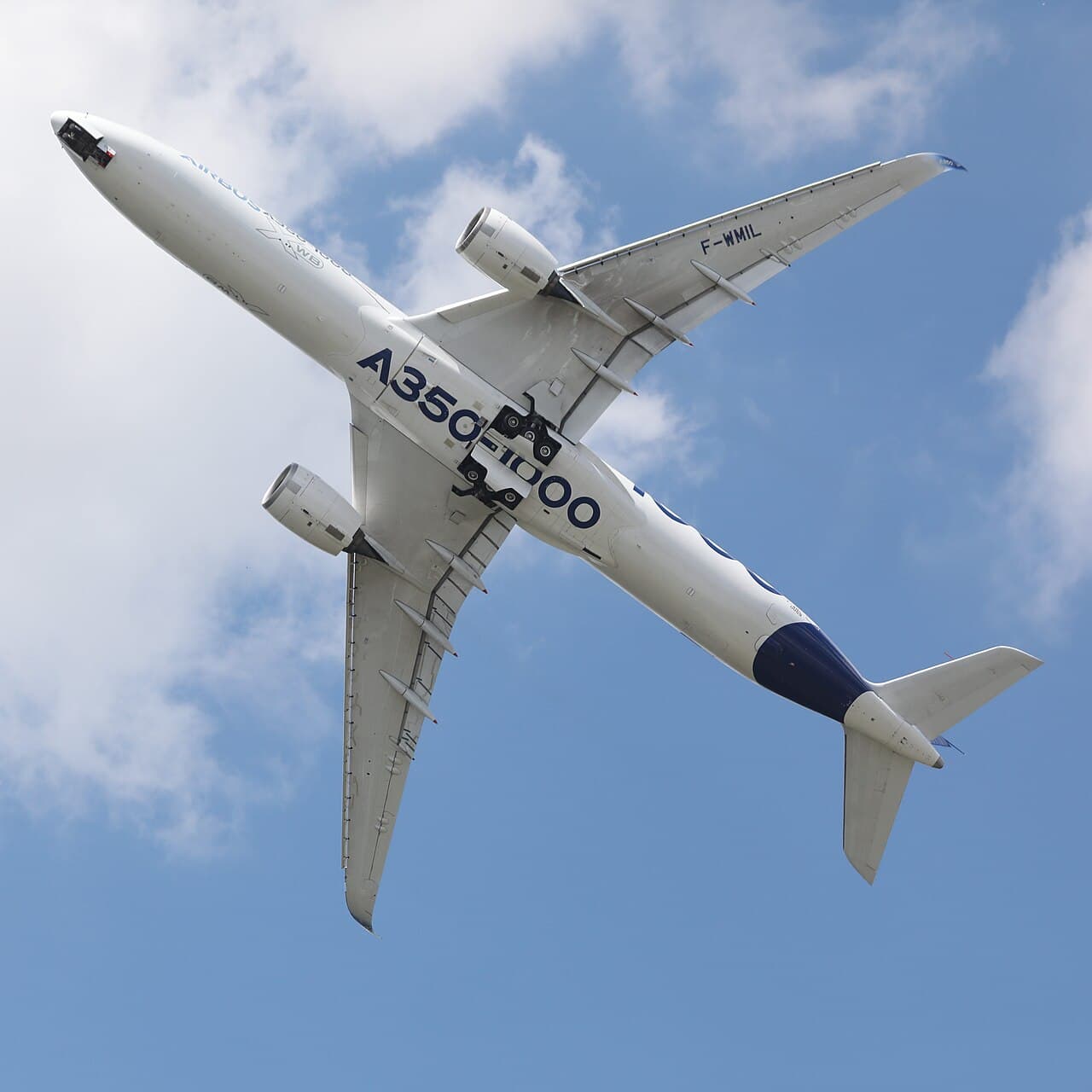
Boeing 777-9 challenges Airbus A350-1000 dominance in long-haul widebody market
When the Boeing 777-9 finally enters commercial service, it will become the largest twin-engine airliner ever built. By then, however, its main rival will already have spent nearly a decade carrying passengers, building a global customer base, and proving itself on some of the world's longest routes. That unusual timing means the contest between the 777-9 and Airbus A350-1000 is not about which widebody aircraft is better on paper. It is about whether Boeing's larger, higher-capacity design can overcome Airbus' years-long operational head start.
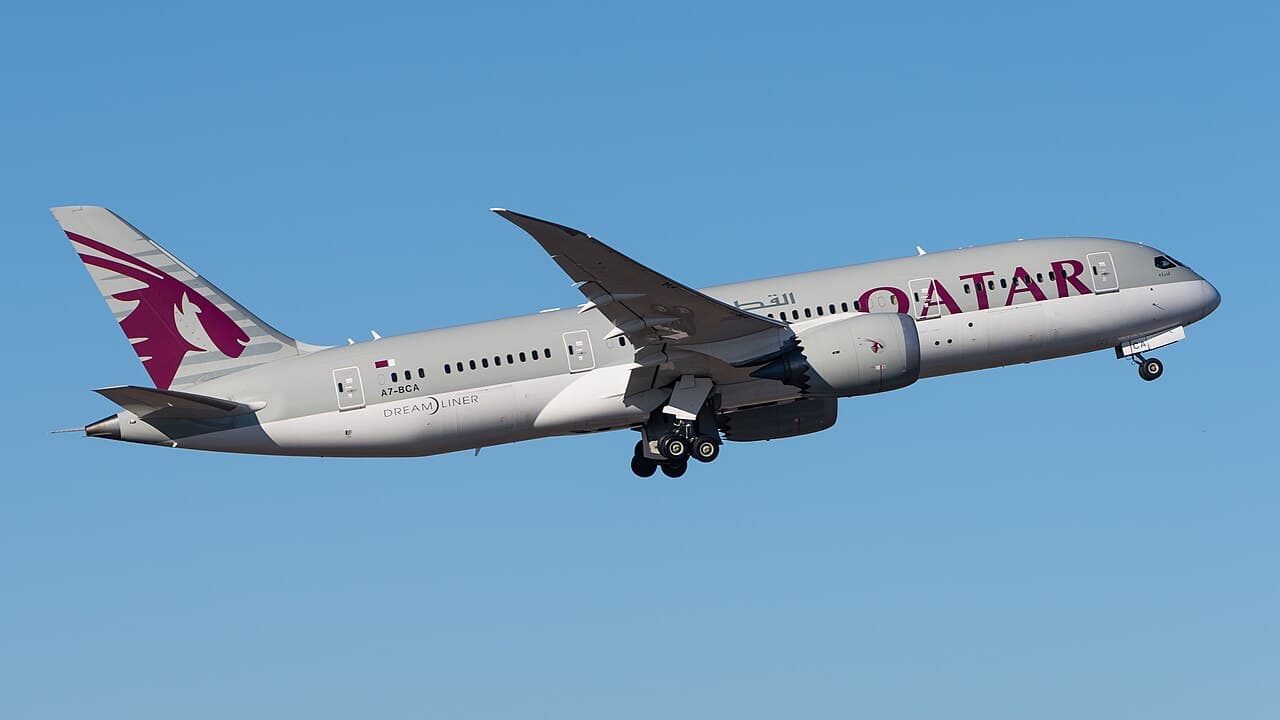
Norse Atlantic Eyes Sale or Merger After IndiGo Leasing Deal Ends
All-Boeing 787 airline Norse Atlantic Airways is pursuing a sale, merger, or partnership, as the airline has otherwise run out of viable options, after India's IndiGo pulled the plug on its aircraft leasing agreement. To Norse Atlantic's credit, the airline sure is putting a positive spin on this . Is there any chance this will work out well for the airline, or is this overoptimism? Norse Atlantic gets back 787s, has nowhere to fly them The airline industry can be a funny business, and there's no clearer example of that than Norse Atlantic Airways. The airline launched in 2022 , with the goal of operating long haul, low cost flights, particularly across the Atlantic. That wasn't exactly a unique business model, because this was exactly what Norwegian did, before it discontinued long haul flights in 2021 . Not only was the idea sort of copied, but Norse Atlantic had some executives from Norwegian, and even picked up the planes that Norwegian previously flew. But as is all too common in the airline industry, clearly they thought it would be different this time around… it wasn't. So in 2024 we saw the airline update its business model , making the focus less about operating regularly scheduled commercial flights, and more about leasing out aircraft, all while reducing its fleet. The company got a lifeline when IndiGo decided to lease some Norse Atlantic 787s to dabble in long haul flying, ahead of the airline taking delivery of its own Airbus A350s . However, between all the airspace closures, high oil costs, and generally declining performance at IndiGo as the airline increasingly moves away from its core strengths, the airline has now decided to scrap that experiment. These planes will be returning to Norse Atlantic as of November 1, 2026. This means Norse Atlantic will be getting back five Dreamliners (beyond the one that has already been returned), just in time for the winter season… which isn't exactly the ideal time of year for a long haul, low cost airline to get more planes! So what's the plan? Norse Atlantic's IndiGo leases are coming to an end Norse Atlantic now open to basically any opportunity What does Norse Atlantic plan to do with these planes that are being returned? Well, let me just quote the airline. Here's what it had to say about fleet deployment: Norse is already engaged in discussions with several airlines regarding ACMI opportunities for up to five aircraft and expects to provide further updates in due course. Moreover, the Company intends to deploy part of the returning fleet within its own network for increased production on selected profitable routes during the upcoming winter season, such as flights from Europe to Orlando and New York. And here's the more interesting point, about a strategic update: The transition provides Norse Atlantic with greater fleet flexibility as the Company advances its strategic review. Given the level of interest received to date as part of the strategic review, the Board has decided to move forward with a formal process, which may result in a sale, merger or partnership. Further information will be provided as and when appropriate. I also can't help but point out this quote from Norse Atlantic CEO Eivind Roald: "The return of these six aircraft opens up strategic opportunities that were not available to us before. We are seeing strong demand for modern, fuel-efficient long-haul aircraft, and we also see attractive opportunities to deploy additional capacity within our own network. Our priority is to use this increased flexibility to improve profitability and create long-term value for our shareholders." Correct, when you run out of business opportunities, that does indeed open up strategic opportunities that were not available before! Now, I'm struggling to see where there's much upside here. Norse Atlantic leases its fleet of planes, so it's not like an "acquisition" of a company that barely has scheduled flights and that is struggling to lease out aircraft adds much value. If Norse Atlantic's own scheduled operations were anywhere close to profitable on a year-round basis, the airline wouldn't be in this situation. If someone wanted the planes, well… they could just do what Norse Atlantic did to Norwegian. Wait until the company goes out of business and the planes are returned to the leasing company, and then pick them up there. I'm not trying to be so flippant, I feel bad for the people who would be losing their jobs here. But we also have to be realistic that basically replicating a failed business model with the same planes and similar routes isn't a recipe for success. We've seen this over and over… just look at what we saw in Iceland with WOW Air and then PLAY Airlines. Norse Atlantic's top cabin is premium economy Bottom line Norse Atlantic is once again finding itself in a tough situation — well, even tougher situation, since I don't think it was ever in a good situation. For the past 18 months or so, the airline has been leasing out a majority of its active fleet to IndiGo, but those planes will be returned as of late 2026. While the airline claims it will try to redeploy the planes on profitable routes, that's easier said than done. It's also reportedly in talks to lease the planes to other airlines. The company is pursuing "strategic opportunities," which could include a sale, merger, or partnership, but the upside seems pretty limited when your planes are leased in the first place. How do you see this situation playing out for Norse Atlantic?
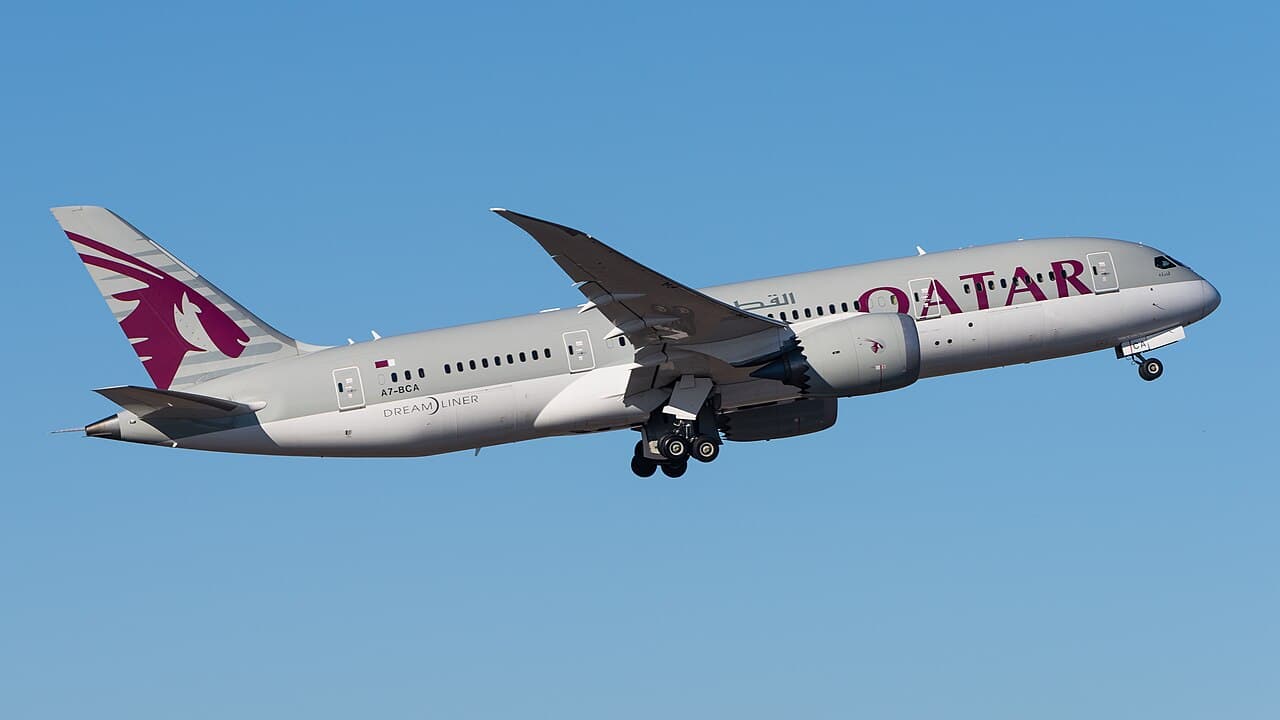
Norse Atlantic and IndiGo end 787 damp-lease amid India-Europe route challenges
Indian budget carrier was using six Norse twinjets but had already opted to return one of them. Long-haul airline Norse Atlantic's entire damp-lease operation with IndiGo is being terminated after the Indian carrier encountered difficulties with its services to Europe. The partnership will end on 1 November. IndiGo had damp-leased six Boeing 787-9s from Norse Atlantic, but had already agreed to return one of the twinjets after axing its route to Manchester in the UK. Geopolitical issues in the Middle East had caused IndiGo to rethink the Manchester service, and Norse says the situation is still affecting India-Europe connections. "There is no doubt that the elevated fuel prices, airspace disruptions and longer flight routes resulting from the Middle East conflict have affected the commercial viability of the arrangement for both parties," states Norse chief executive Eivind Roald. Norse says the two airlines have "mutually agreed" to discontinue the lease arrangement. "We have…jointly concluded that alternative deployment of the aircraft will be more commercially beneficial to both parties," says Roald. Norse is holding talks with several airlines regarding lease opportunities for up to five 787s. It adds that it plans to use part of the fleet returned by IndiGo on its own network, in order to increase capacity on "selected profitable routes" – such as New York and Orlando – during the winter 2026-27 season. The end of the IndiGo partnership is nevertheless a setback for Norse, which has been struggling to become profitable, and had adopted the capacity leasing strategy to counter seasonal fluctuations on its own network. While IndiGo had leased half of Norse's 787 fleet, Roald insists there are positive aspects to the termination. "Return of these six aircraft opens up strategic opportunities that were not available to us before," he says. "We are seeing strong demand for modern, fuel-efficient long-haul aircraft, and we also see attractive opportunities to deploy additional capacity within our own network. "Our priority is to use this increased flexibility to improve profitability and create long-term value for our shareholders." Norse has been undertaking a strategic review of its business and says it will embark on a formal process – which could involve a sale, merger or other partnership – "given the level of interest received to date". IndiGo senior vice-president for planning Abhijit Dasgupta expresses "appreciation" for Norse's "valued partnership". Termination of the lease arrangement comes just as IndiGo is undergoing a management transition, with chief executive-designate Willie Walsh about to take up the top post and a newly-appointed chief financial officer in place.
Boeing 747-8 Uses Raked Wingtips Instead of Winglets to Boost Efficiency
The Boeing 747-8 is the largest, newest, and most aerodynamically advanced 747. The aircraft has a wingspan stretching 224 feet 7 inches (68.4 m) and features redesigned airfoils and raked wingtips that reduce induced drag and improve fuel efficiency by up to 16% compared with the 747-400.
The Daily Touch & Go
The day's best aviation news in your inbox. Free, no spam.