

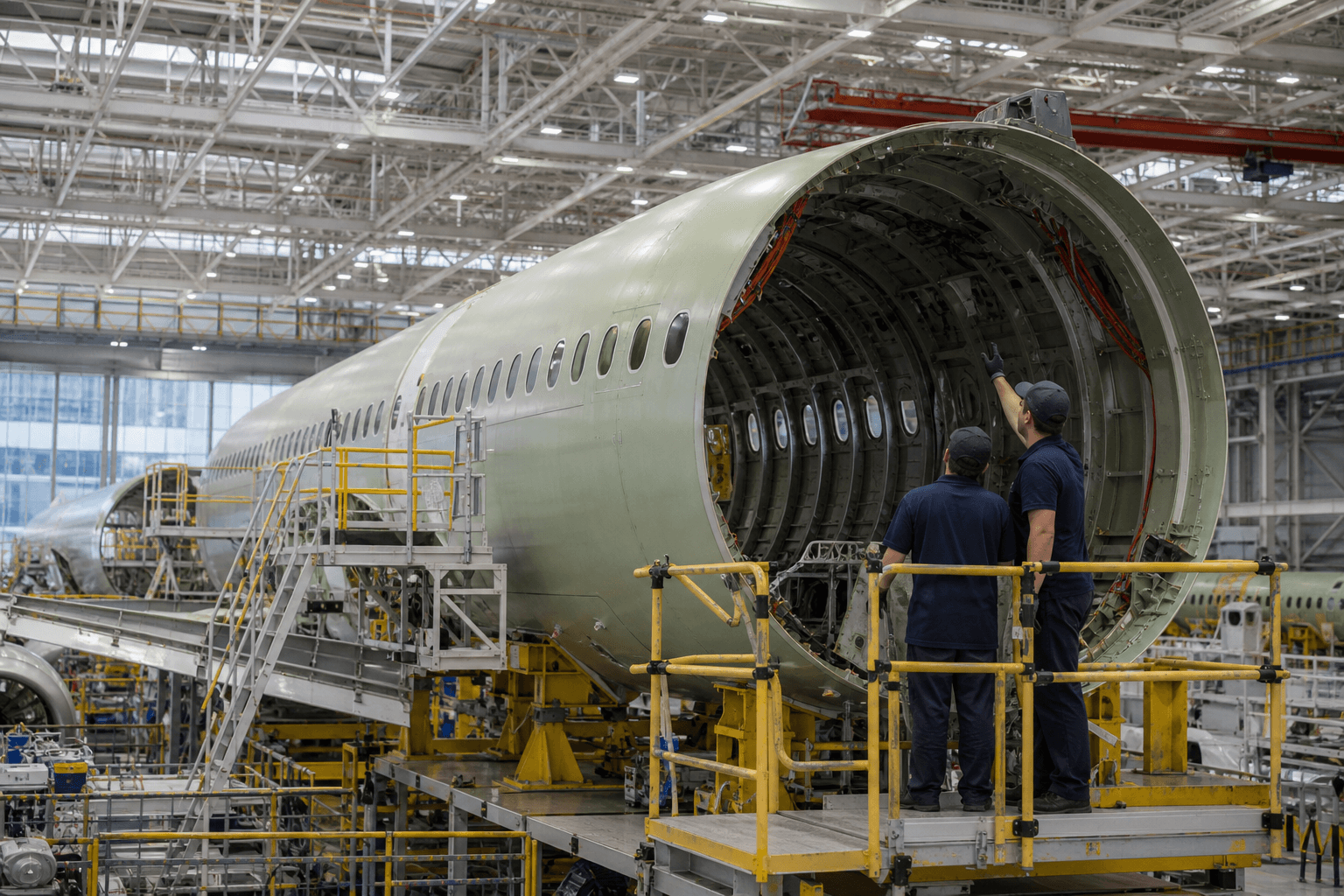
Illustration: The Touch & Go
Tiny $10 Part Can Halt Delivery of $200M Jet Amid Supply Chain Challenges
A single minor component sourced from deep within complex global supply chains can delay the handover of multimillion-dollar aircraft, spotlighting vulnerabilities in aerospace manufacturing.
The gist
A $10 component from a distant supplier can delay delivery of a $200 million aircraft, revealing hidden risks in aerospace supply chains.
Continuing coverage
All Artificial Intelligence →The aviation manufacturing sector is grappling with a critical challenge where small, inexpensive components sourced from obscure suppliers can bring production of costly aircraft to a standstill. Industry executives have revealed that a seemingly trivial $10 part fabricated by a tier-four supplier, sometimes located in remote regions, can indefinitely postpone the delivery of a $200 million airplane. This reality underscores how fragile and opaque modern aerospace supply chains have become.
Aircraft production today depends on a sprawling and intricate global network containing thousands of specialized suppliers. While major manufacturers typically monitor their primary tier-one partners diligently, they often lack insight into the deeper tiers where critical parts originate. This limited visibility can obscure vulnerabilities deeply embedded within the supply ecosystem, making it difficult to anticipate or prevent bottlenecks.
Airline demand for new planes has reached historic highs, with order books swelling to record levels as carriers seek to modernize fleets and boost efficiency. The recent Farnborough Airshow demonstrated robust market appetite with hundreds of firm orders for airplanes and engines. However, despite high enthusiasm, production lines are stretched to their operational limits, revealing cracks in their ability to scale output to meet demand.
Manufacturing bottlenecks arise not from delays in major airframe components alone, but from dependency on minute sub-components sourced far down the vendor chain. When these parts are missing or delayed, assembly lines stall, leading to capital being tied up and workspace congestion. Such disruptions ripple upwards rapidly, threatening multi-million-dollar programs and stressing traditional supply chain management frameworks.
To mitigate these risks, aerospace manufacturers are embracing advanced digital tools capable of supplying end-to-end transparency across all supply tiers. Digital twins, real-time telemetry, and comprehensive supplier data integration enable creation of dynamic models representing the entire production ecosystem. These models allow simulation of hypothetical disruptions, facilitating proactive contingency planning before actual failures occur.
Artificial intelligence is playing an essential role by augmenting engineers’ decision-making rather than replacing them. AI systems rapidly analyze vast operational data to identify potential supply anomalies and production risks early. This collaboration helps focus human expertise on critical safety and design judgments while leveraging machine speed for diagnostics and prediction.
The transition from high-level digital strategies showcased at industry events to concrete shop-floor improvements requires persistent effort. Success depends on bridging gaps between conceptual software models and physical manufacturing realities to reduce reactionary responses and improve supply chain resilience. Such transformation is essential for sustaining delivery schedules amidst surging global demand for new aircraft.
Improving visibility deep into the supplier network and combining it with predictive analytics mark a pivotal shift in aerospace manufacturing resilience. This holistic approach empowers companies to identify hidden bottlenecks early, coordinate across complex international suppliers, and maintain consistent production throughput despite external shocks.
Ultimately, the recognition that a small, low-cost component can halt multi-hundred-million-dollar aircraft deliveries has spurred an industry-wide push to modernize supply chain oversight. The integration of AI-driven intelligence and digital twins provides a promising pathway to prevent crippling delays and ensure the global aviation fleet grows to meet future demand.
Frequently asked questions
- Why can a $10 component delay the delivery of a $200 million aircraft?
- Because aircraft manufacturing depends on complex, multi-tiered global supply chains, and a failure or delay in a small part from a deep-tier supplier can halt the entire assembly line, causing significant delays.
- How are manufacturers addressing these deep-tier supply chain vulnerabilities?
- They are adopting advanced digital intelligence tools like digital twins and real-time telemetry to gain end-to-end visibility and simulate disruptions, enabling proactive supply chain risk management.
- What role does artificial intelligence play in modern aerospace manufacturing?
- AI augments engineers by processing large data streams to rapidly identify risks and design anomalies, enhancing decision-making without replacing human oversight, thus improving manufacturing resilience.}]}
Read more
All General Aviation →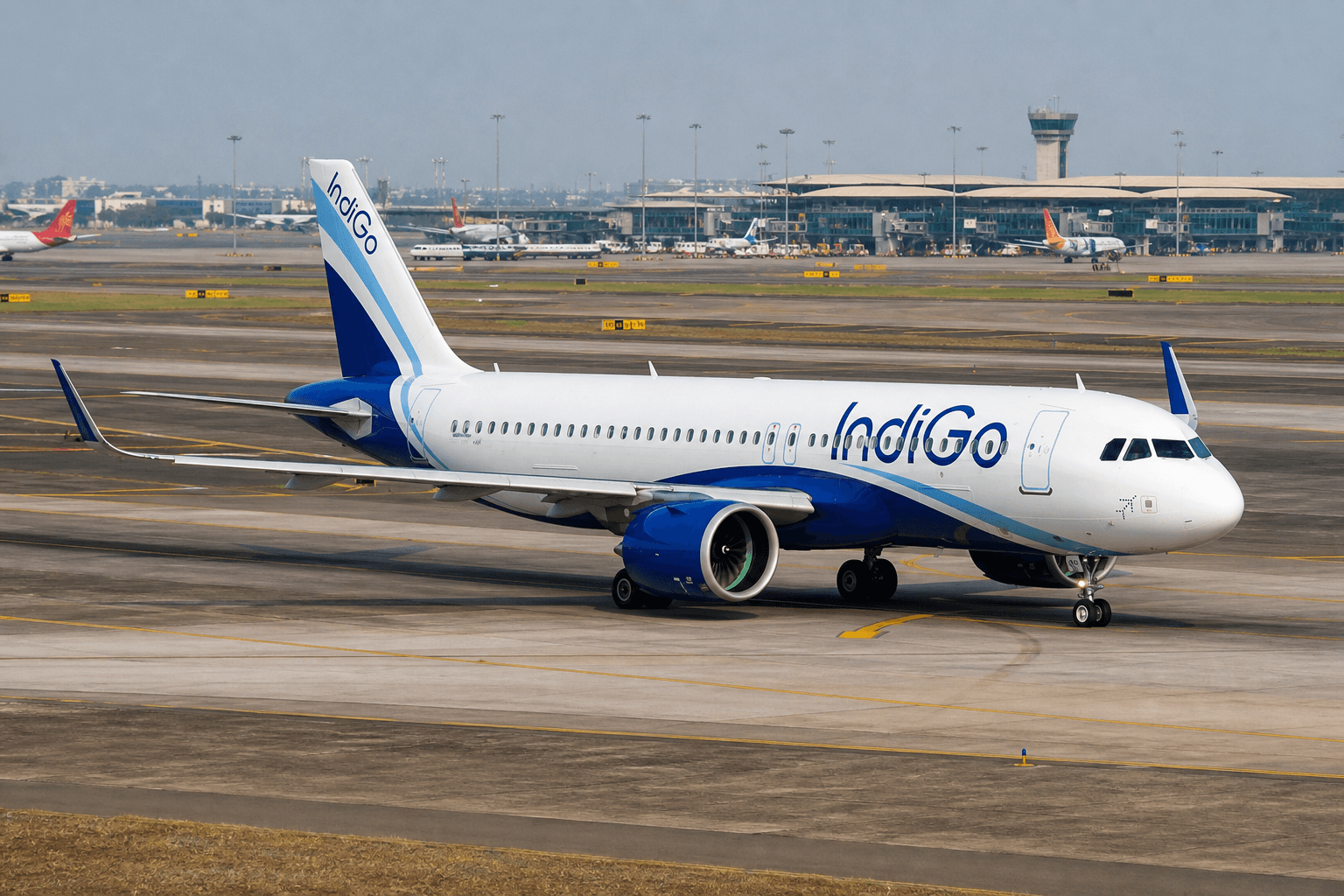
Airbus delivers 67 jets in July 2026, sales momentum cools but stays strong
In July 2026, Airbus lost some of the momentum it had recently been building on commercial aircraft deliveries, but overall, the planemaker remains ahead of 2025. On August 7, 2026, Airbus confirmed it delivered 67 aircraft in July 2026 to 39 customers. Last year the company announced 67 jets had been delivered in July. The total deliveries for this year rose to 418 against 373 at the same point last year. In June 2026, Airbus delivered 89 planes and in May 2026, 81 aircraft were delivered. The 67 deliveries in July 2026 match exactly where Airbus was in April 2026. Last month, Airbus published its half year and second quarter results , where the company reaffirmed its ambition to deliver around 870 commercial aircraft in 2026. In July 2026, we delivered 67 aircraft to 39 customers and added 204 gross orders to the books, including 100 latest-generation #A320neo Family aircraft to @SMBCAVIATION one of the world's leading aircraft lessors. Read more https://t.co/N405BA8hBD pic.twitter.com/1Qdr4PGFqH — Airbus (@Airbus) August 7, 2026 IndiGo received seven new A320neo family aircraft in July 2026 while China Southern Airlines received four new aircraft, including one through BoCom leasing. Airbus also delivered three A350-900s to Emirates and three A321neos to American Airlines. In terms of orders, Airbus received 418, which included some from the agreements announced at Farnborough Airshow 2026. Among the July 2026 figures are Riyadh Air's confirmation that it would purchase an additional six A350-1000s and SMBC's huge order for 100 new aircraft. China Eastern's order for 25 A330-900s was also listed as was an order for six A321neos from an undisclosed customer. RELATED Airbus profits surge 126% thanks to strong deliveries in second quarter
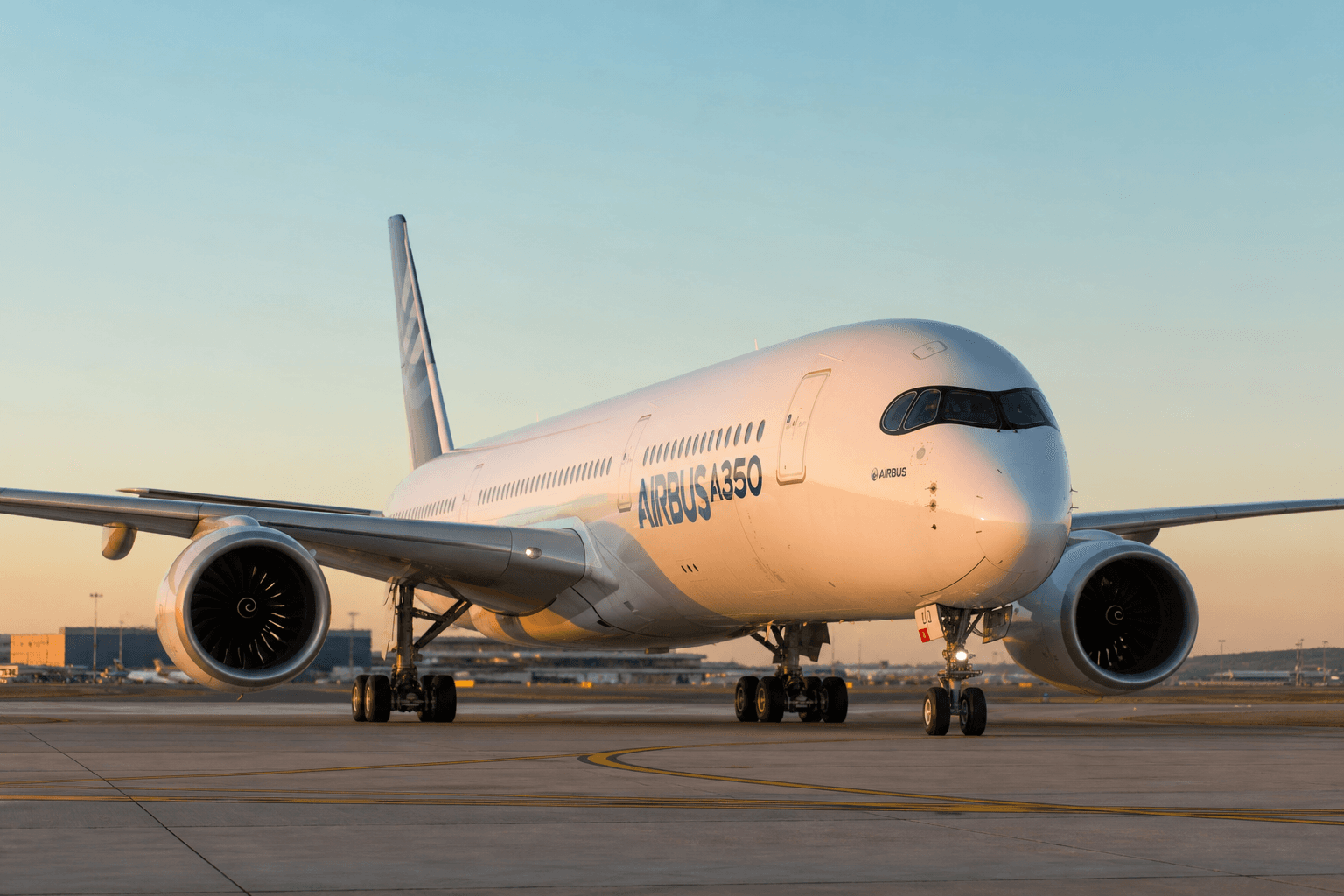
Rolls-Royce Estimates Up to Seven Years to Develop Engine for Stretched Airbus A350-2000
Airbus kicked up buzz across the commercial aviation industry with renewed talks of a stretched A220 regional jet and A350 widebody airliner before the Farnborough airshow wrapped up on July 24. While Europe's titanic planemaker told Reuters a decision would be coming soon, the caveat is that engine maker Rolls-Royce would likely need six or seven years in order to make a powerplant for a larger A350-2000 jetliner.
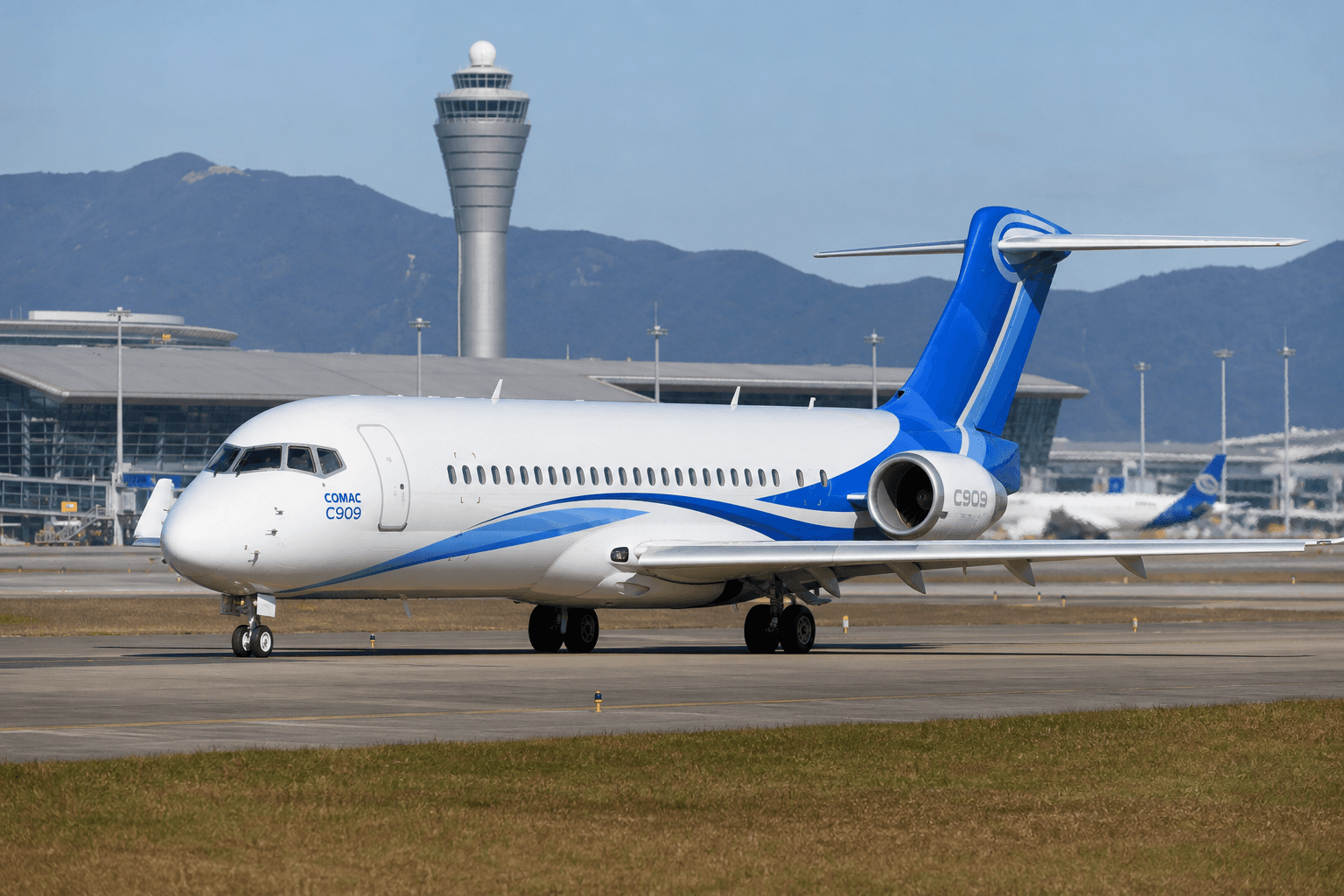
Air Cambodia places landmark order for 20 COMAC C909 jets at Farnborough
At the 2026 Farnborough International Airshow, Commercial Aircraft Corporation of China (COMAC) achieved a historic international breakthrough by securing a firm order from Air Cambodia for 20 C909 regional jets. The deal marks Air Cambodia as the inaugural foreign flag carrier to formally purchase and commit to operating the Chinese-built regional jet platform. The C909 […]
Air China and Shenzhen Airlines Order 55 Airbus Jets Worth $12.4 Billion
Airbus has secured another major order in China, with Air China and its subsidiary Shenzhen Airlines having put their names down for a combined 55 aircraft worth around $12.4 billion in list prices. Of course, airlines tend to receive a discount on the list price , especially when placing orders of this scale, but, even so, the deal represents a big financial win for Airbus ahead of the 2026 Farnborough Airshow.
The Daily Touch & Go
The day's best aviation news in your inbox. Free, no spam.