

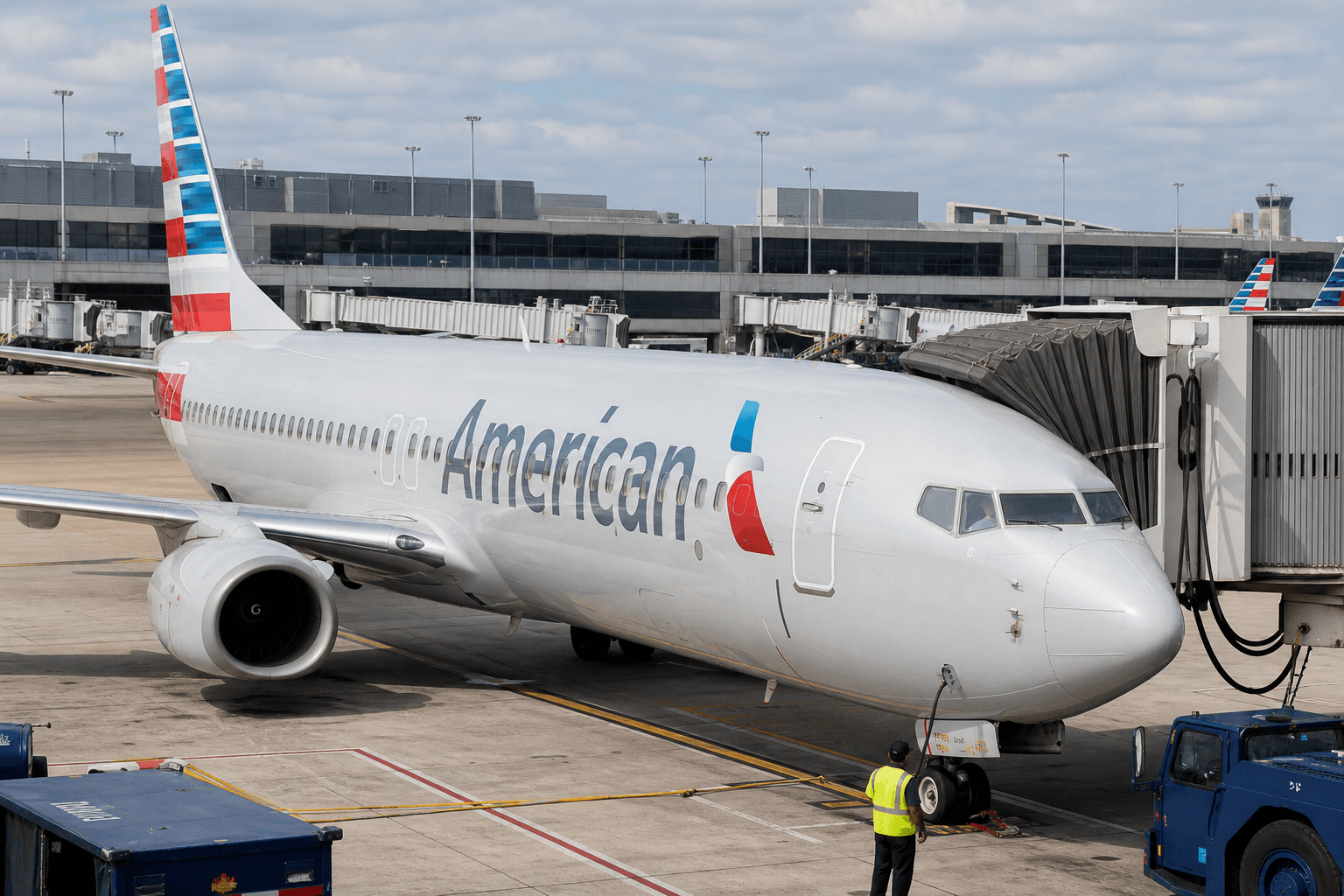
Illustration: The Touch & Go
American Airlines AI System Automatically Removes Passengers from Flights Ahead of Connections
American Airlines uses AI to preemptively rebook passengers predicted to miss connections, sometimes denying boarding though they arrive on time at the gate.
The gist
American Airlines employs AI that cancels passenger seats before missed connections occur, occasionally stranding travelers who still make the gate on time.
Continuing coverage
All Artificial Intelligence →American Airlines has implemented an automated system designed to predict and manage passenger connections disrupted by flight delays. This AI-driven process, known internally as AURA (AUtomated ReAccommodation), proactively cancels reservations for passengers the system forecasts will miss their connecting flights and rebooks them onto later services. While the objective is to optimize seat availability and reduce manual rebooking workloads, the approach has led to notable passenger dissatisfaction when seats are reassigned despite travelers arriving on time at the gate.
Prominent incidents highlight the controversy surrounding AURA’s operation. Former George W. Bush chief speechwriter and Washington Post columnist Marc Thiessen reported being removed from a connecting flight in Chicago despite arriving on time, with his seat reassigned without consultation. Another media consultant described a similar experience, requiring calls to revert to original booking after delays on the inbound leg. These examples illustrate how the system can act prematurely, assuming missed connections that do not ultimately occur.
The core functionality of AURA involves identifying 'discovered inventory' — seats freed up because a passenger will not make their next flight. The system then reallocates these seats to other passengers, theoretically improving load factors and streamlining operations at gate counters. However, due to flight irregularities and on-time passenger efforts, travelers sometimes arrive at gates only to find their seats reassigned, having been automatically removed from the flight in advance.
This automated booking adjustment has operational goals including decreasing the workload of gate agents and reducing manual itinerary reconstructions. American Airlines introduced the tool three years ago to better handle cancellations and delays through technology. According to airline memos, the system occasionally results in flights appearing overbooked temporarily as the process manages misconnects and adjusts passenger loads dynamically.
Despite its efficiency aims, this system can conflict with passengers’ contractual rights. Regulations stipulate that travelers removed involuntarily after check-in, confirmed seating, and timely presence at the gate are entitled to denied boarding compensation. American Airlines’ practice of canceling confirmed reservations without passenger consent complicates this entitlement, as the airline might argue the reservation no longer exists when the customer presents themselves for boarding.
Department of Transportation rules require airline compensation when passengers lose their seats due to denied boarding, unless exceptions such as weight and balance or ticketing infractions apply. No allowance exists for computer algorithms predicting missed connections. Passengers affected by such cancellations may be eligible for up to 400% of the one-way fare, capped at $2,150, provided they meet timing and boarding conditions prescribed by the DOT.
American Airlines’ public communications on passenger rights contain inconsistencies, sometimes overstating compensation caps and misaligning with regulatory changes effective since January 2025. Such discrepancies undermine clarity and potentially disfavor passengers seeking recourse. Industry observers note that despite staff reductions and customer service center closures, airlines must maintain accurate and accessible compensation information consistent with federal mandates.
This AI-driven approach illustrates the tension between operational efficiency and customer experience in modern airline management. While AURA reportedly aids in reducing manual intervention and open seat utilization, it occasionally engenders customer service incidents that challenge regulatory frameworks and passenger expectations. Passengers impacted by such incidents are advised to assert their rights, including filing regulatory complaints if necessary, to secure appropriate compensation and resolution.
Frequently asked questions
- What does American Airlines’s AURA system do?
- AURA is an automated system that predicts when passengers will miss connecting flights and rebooks them onto later flights by canceling their original seats before they actually miss the connection.
- What happens if a passenger arrives on time but was removed by AURA?
- Passengers who arrive at the gate on time but find their seat cancelled by AURA are denied boarding and typically must be rebooked on later flights, often without prior notification.
- Are passengers entitled to compensation if removed by this AI system?
- Yes, passengers involuntarily denied boarding after check-in and timely gate arrival due to system cancellations may be entitled to denied boarding compensation under DOT regulations, up to $2,150.
Read more
All Airlines →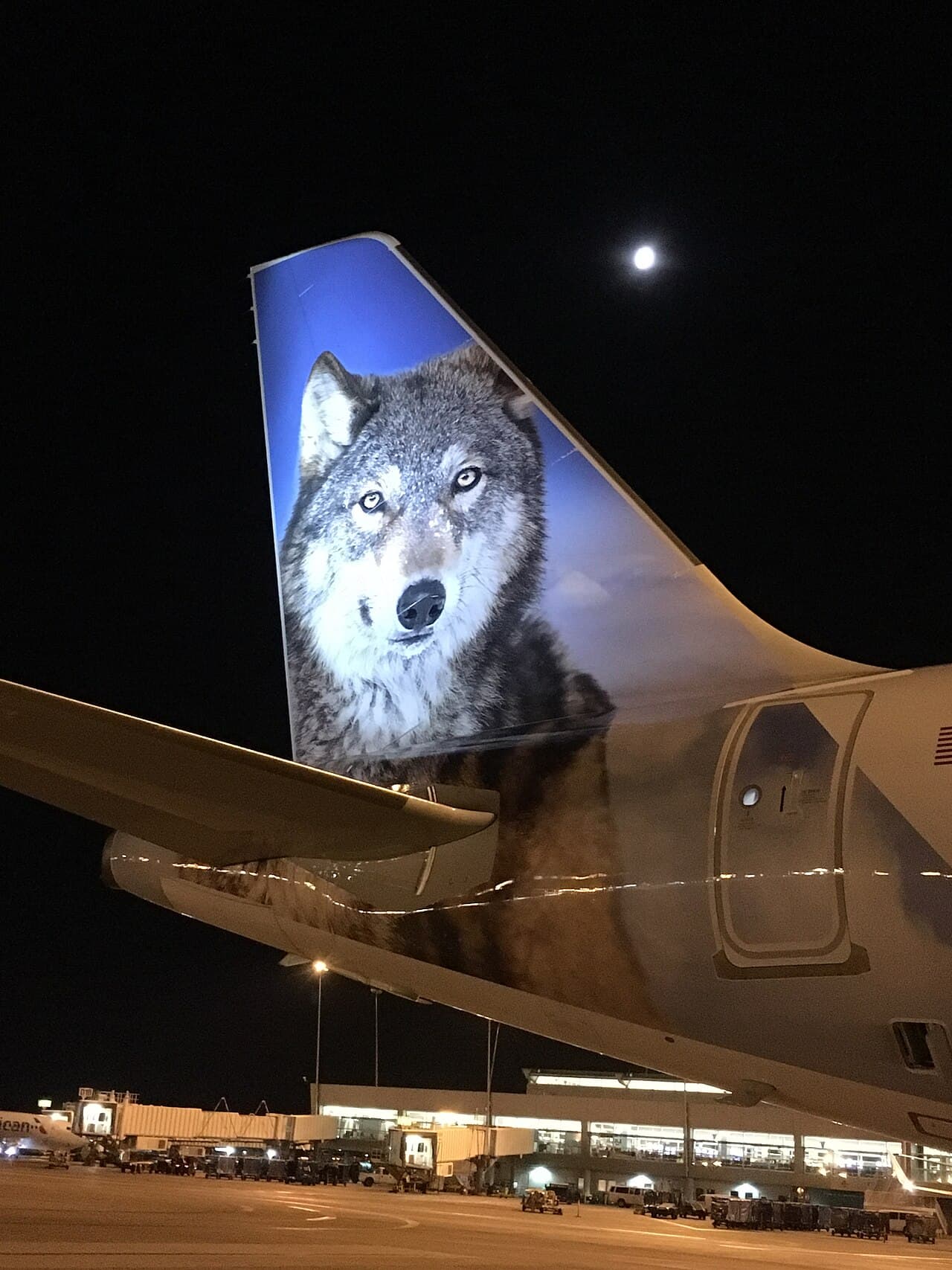
Frontier Airlines Exploits Aircraft Swaps to Bypass Passenger Compensation
Frontier swapped a 186-seat aircraft for one with 180 seats and federal rules excused mandatory cash compensation. Frontier reported 4,327 passengers under that exception in 2025. Some analysts think they've discovered a 'loophole' to avoid paying.
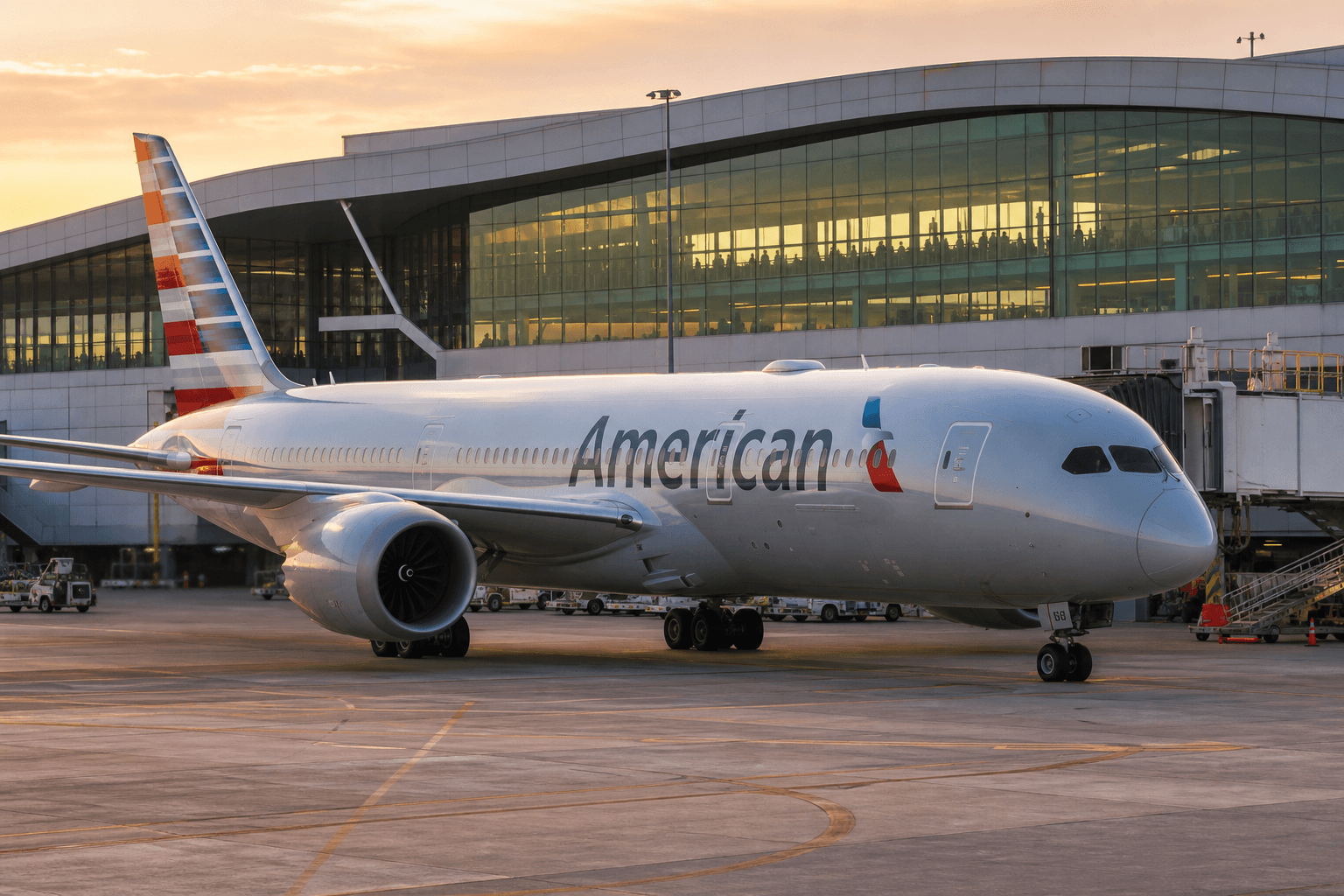
American Airlines Boosts Executive Card Fees and Benefits to Rival Delta and United
American Airlines and Citi are raising the price of the carrier's flagship credit card, but they are also making it substantially harder to ignore. From August 23, the Citi® / AAdvantage® Executive World Legend Mastercard® will cost new applicants $695 per year, $100 more than today, while adding new travel credits, hotel and rental-car status and a faster route toward AAdvantage elite status. At the same time (and not coincidentally), American is also sharply increasing the cost of purchasing Admirals Club access separately.
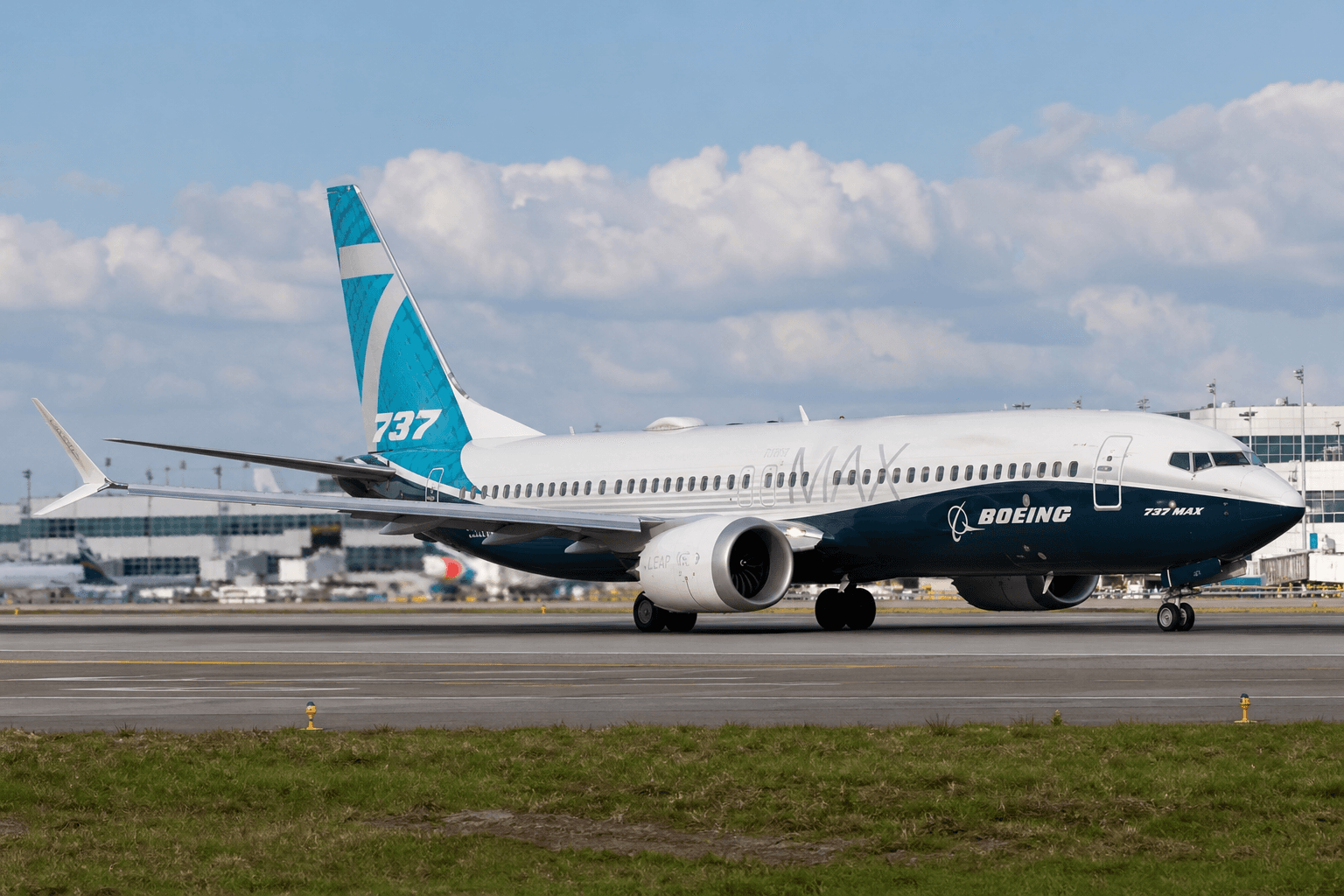
Boeing Delivers 53 Jets in July Amid Airbus Lead in 2026 Production Race
Boeing handed over 53 commercial airplanes in July 2026. The total marks steady progress in the company’s recovery. It also highlights ongoing competition with rival Airbus. ezstandalone.cmd.push(function () { ezstandalone.showAds(119); }); The deliveries included 39 Boeing 737 MAX jets and 10 787 Dreamliners. Boeing also delivered three 767s and one 777 Freighter. These numbers come from the company’s monthly orders and deliveries report. Modest Gain for Boeing, Clear Lead for Airbus July’s total rose about 10 percent from the same month last year. In July 2025, Boeing delivered 48 airplanes. That earlier figure included 37 MAX jets and eight 787s.Still, the July 2026 result fell short of recent highs. ezstandalone.cmd.push(function () { ezstandalone.showAds(127); }); Boeing delivered 60 planes in May and 64 in June. Production timing and customer readiness can cause these monthly swings. Airbus outpaced Boeing in July . The European manufacturer delivered 67 aircraft to 39 customers. That figure included a strong mix of A320-family jets plus several A220s and A350s. ezstandalone.cmd.push(function () { ezstandalone.showAds(128); }); Year-to-date through July 31, the gap remains clear. Airbus has delivered 418 planes. Boeing has delivered 367. Airbus continues to hold the monthly and cumulative lead. Photo Credit: Boeing Boeing’s Production Focus Boeing continues to raise 737 MAX output. The company aims to stabilize rates near 47 jets per month. Regulators earlier lifted tighter limits after past safety issues. The higher pace supports backlog reduction and customer needs. ezstandalone.cmd.push(function () { ezstandalone.showAds(129); }); The 10 Dreamliner deliveries stand out. Boeing delivered 13 of the jets in June but only six in May. Seat certification delays slowed some earlier handovers. July’s total shows progress at the South Carolina factory. Fresh Orders Maintain Momentum July also brought new business for Boeing. Uganda Airlines signed for four 787-9 Dreamliners and four 737 MAX 8s. This marked the African carrier’s first direct order with Boeing. The deal supports fleet growth and more efficient routes. AerCap ordered 15 more 787-9s. The lessor already holds a large Dreamliner portfolio. This addition expands its offerings to airline customers. ezstandalone.cmd.push(function () { ezstandalone.showAds(130); }); Boeing recorded 38 gross orders in July. These covered 18 of the 737 MAX, 19 of the 787, and one 777X. Eight 737 MAX cancellations offset some of the gains. Net orders for the month stood near 30 after adjustments. Through the end of July, Boeing logged 429 net orders for the year. Airbus posted a much stronger sales month with 204 gross orders. The European firm continues to build a larger backlog overall. Photo Credit: Boeing The Bigger Picture Deliveries serve as a useful proxy for factory output. Not every completed plane leaves in the same month it rolls off the line. Customer readiness and final checks can shift the timing. ezstandalone.cmd.push(function () { ezstandalone.showAds(131); }); Boeing trails Airbus in monthly deliveries and year-to-date totals. Yet Boeing’s focus remains clear: steady production increases, quality improvements, and backlog fulfillment. Narrowbody MAX jets drive most volume. Widebody 787s add higher-value activity. Both manufacturers face supply-chain pressures as they chase ambitious full-year targets. Airbus aims near 870 deliveries for 2026. Boeing works to close the gap through higher rates and consistent output. The July data shows Boeing moving in the right direction after earlier challenges. New orders from airlines and lessors keep the pipeline healthy. Industry watchers will track the next rate increases and how the two rivals perform through the rest of the year. ezstandalone.cmd.push(function () { ezstandalone.showAds(132); });
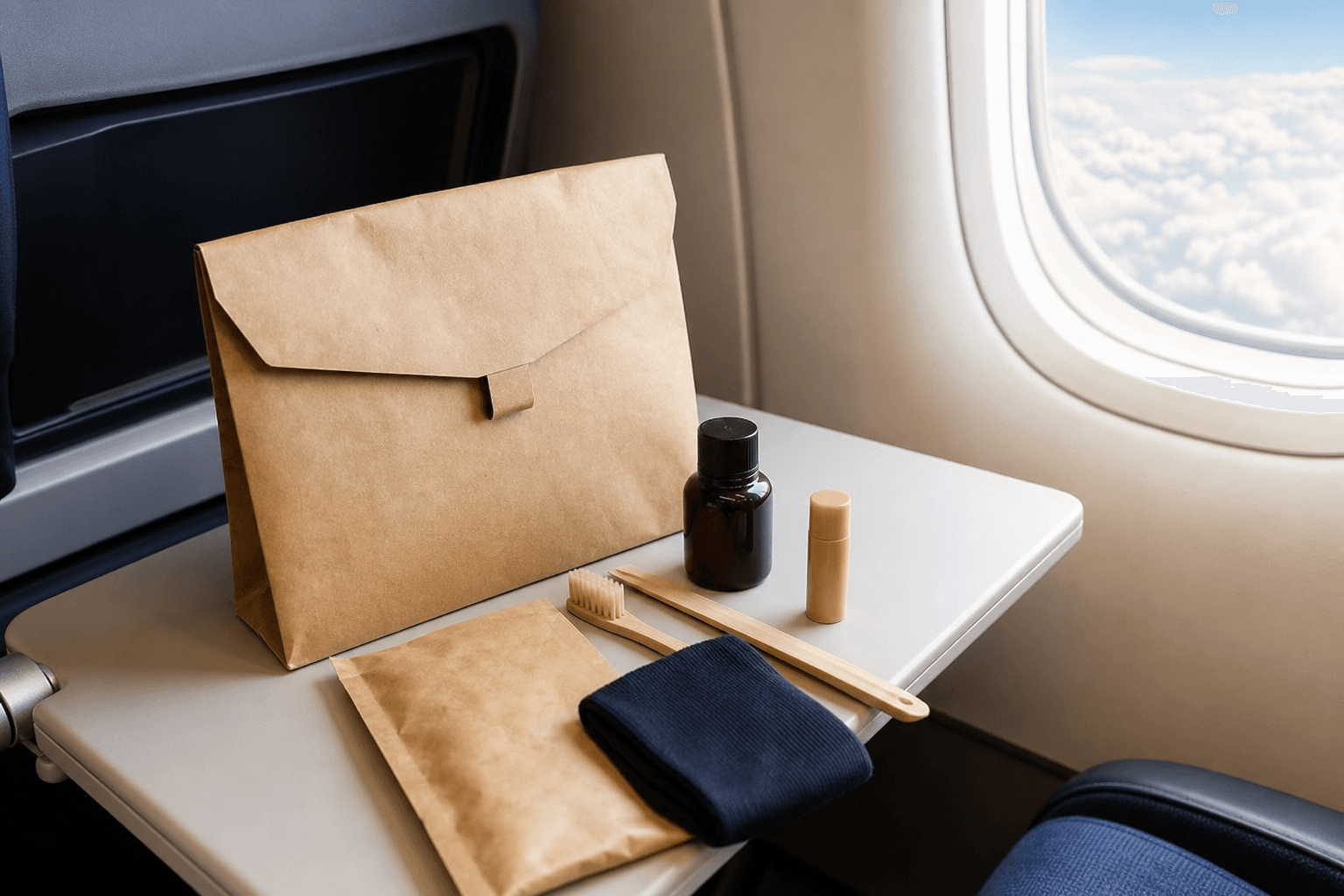
Top 5 Airlines Offering Best Premium Economy Amenity Kits in 2026
In the fiercely competitive landscape of long-haul aviation, the battle for passenger loyalty has moved beyond just legroom and seat pitch. The soft product, or the tangible extras that accompany your flight, has become a primary differentiator for travelers looking to maximize the value of a premium economy ticket. A generous amenity kit is now a physical manifestation of an airline's commitment to your comfort during a 12-hour flight .
The Daily Touch & Go
The day's best aviation news in your inbox. Free, no spam.