

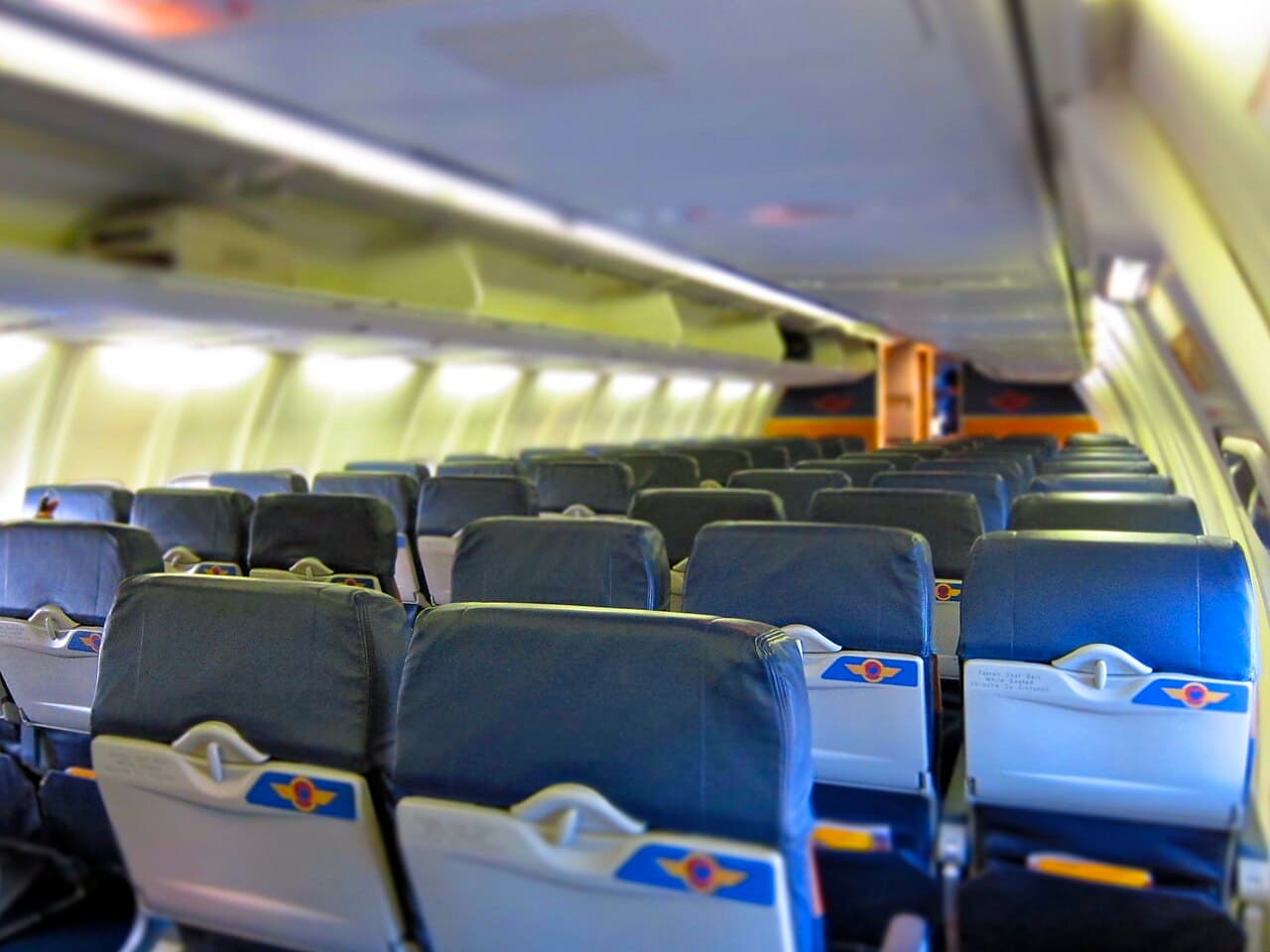
Image: Kevin Dooley · CC BY 2.0 · via Wikimedia Commons
American Airlines' Sun Belt Strategy Reflects Constraints More Than Choice, Experts Say
American Airlines' focus on southern hubs stems from past network retreats, fleet retirements, and slot limits rather than a bold new plan.
The gist
American Airlines’ emphasis on Sun Belt hubs is driven largely by past operational constraints and retrenchment, not purely strategic choice.
American Airlines has been widely critiqued for pursuing a 'Sun Belt Strategy' that appears to avoid costly competition in the nation’s largest coastal markets in favor of southern hubs like Dallas-Fort Worth, Charlotte, Phoenix, and Miami. This approach emphasizes serving small and midsize communities with regional jets, leveraging lower trip costs and capitalizing on population growth in Sun Belt states. However, insiders argue this strategy is less a fresh blueprint and more a symptom of previous strategic retreats and operational limitations.
The airline’s shift toward the Sun Belt was formally highlighted during its March 2024 Investor Day. American’s leadership described plans to dominate secondary markets in the Sun Belt, avoiding head-to-head battles in premium coastal cities such as New York, Los Angeles, and San Francisco. The rationale included the economic and demographic shift toward faster-growing southern and western states, and the belief these markets offer higher yields with less intense competition. This regional focus is intended to feed American’s international partners rather than replicate expansive long-haul networks owned by rivals Delta and United.
Yet, American’s retreat from major hubs has deeper roots. The airline’s leadership under CEO Doug Parker and President Robert Isom had long avoided engaging in competitive battles in cities like New York since at least 2014. That era saw the early retirement of widebody aircraft and Boeing 757s amidst the pandemic, limiting American’s ability to compete on long-haul international routes and rebuild key hubs effectively. These decisions forced a concentration of resources on select hubs, partially dictated by fleet limitations more than preference.
Network Planning, led by Brian Znotins at the time, traditionally favored fleet strategies relying on narrowbody rather than larger widebody aircraft. Znotins viewed major long-haul markets as risks for oversaturation and diminished profitability. This philosophy aligned with American’s downsized long-haul footprint and fueled skepticism over the airline’s ability to regain ground against competitors on premium international routes.
While the JetBlue partnership initially offered a foothold in the Northeast and the Alaska partnership was expected to strengthen the West Coast presence, antitrust issues terminated the JetBlue alliance, and the Alaska deal failed to substantially evolve. Consequently, American found itself constrained at key gateway airports due to gate and slot limitations, exemplified by multi-year delays rebuilding operations at Los Angeles International and restrictions at New York facilities.
The consequences of this approach are evident in customer loyalty and revenue metrics. American has lost ground in credit card spend and loyalty program growth, falling behind both Delta and United in co-brand card charge volume—an important profit driver for U.S. carriers. Analysts point to American’s limited engagement in the country’s highest spending markets as a critical factor in this decline, compounded by its previous downscaling of competitive service in those cities.
Recently, signs suggest the airline is beginning to adjust parts of its network. Chicago O’Hare sees gradual rebuilding efforts, although new widebody aircraft orders remain pending and gate constraints continue to stymie recovery at Los Angeles and New York. While the Sun Belt strategy remains predominant, these incremental shifts imply an awareness within American’s leadership that more balanced market engagement may be necessary to rebuild long-term market strength.
The broader strategic challenge stems from a history of cautious competitive behavior, fleet composition decisions, and infrastructure bottlenecks that have collectively shaped American’s focus on southern hubs. The airline’s current network and fleet strategies appear to be more about managing the limitations imposed by past choices than proactively embracing emerging market opportunities. This nuanced understanding highlights the complexity behind the often-criticized Sun Belt emphasis.
Frequently asked questions
- Why has American Airlines focused its strategy on the Sun Belt region?
- American Airlines’ focus on the Sun Belt has been driven largely by past operational constraints including fleet retirements, gate and slot limitations, and strategic retreats from competing in major coastal markets rather than it being a purely new strategic choice.
- How have fleet retirements affected American Airlines’ network strategy?
- Early retirement of widebody aircraft and Boeing 757s limited American's ability to compete on long-haul routes and forced concentration on smaller hubs, influencing the airline's reliance on regional jets in the Sun Belt.
- What impact has American Airlines’ strategy had on its loyalty and credit card revenues?
- Avoiding competition in top spending markets contributed to a decline in American’s co-brand credit card spend and loyalty program growth, dropping them behind Delta and United in important revenue streams.
Read more
All Airlines →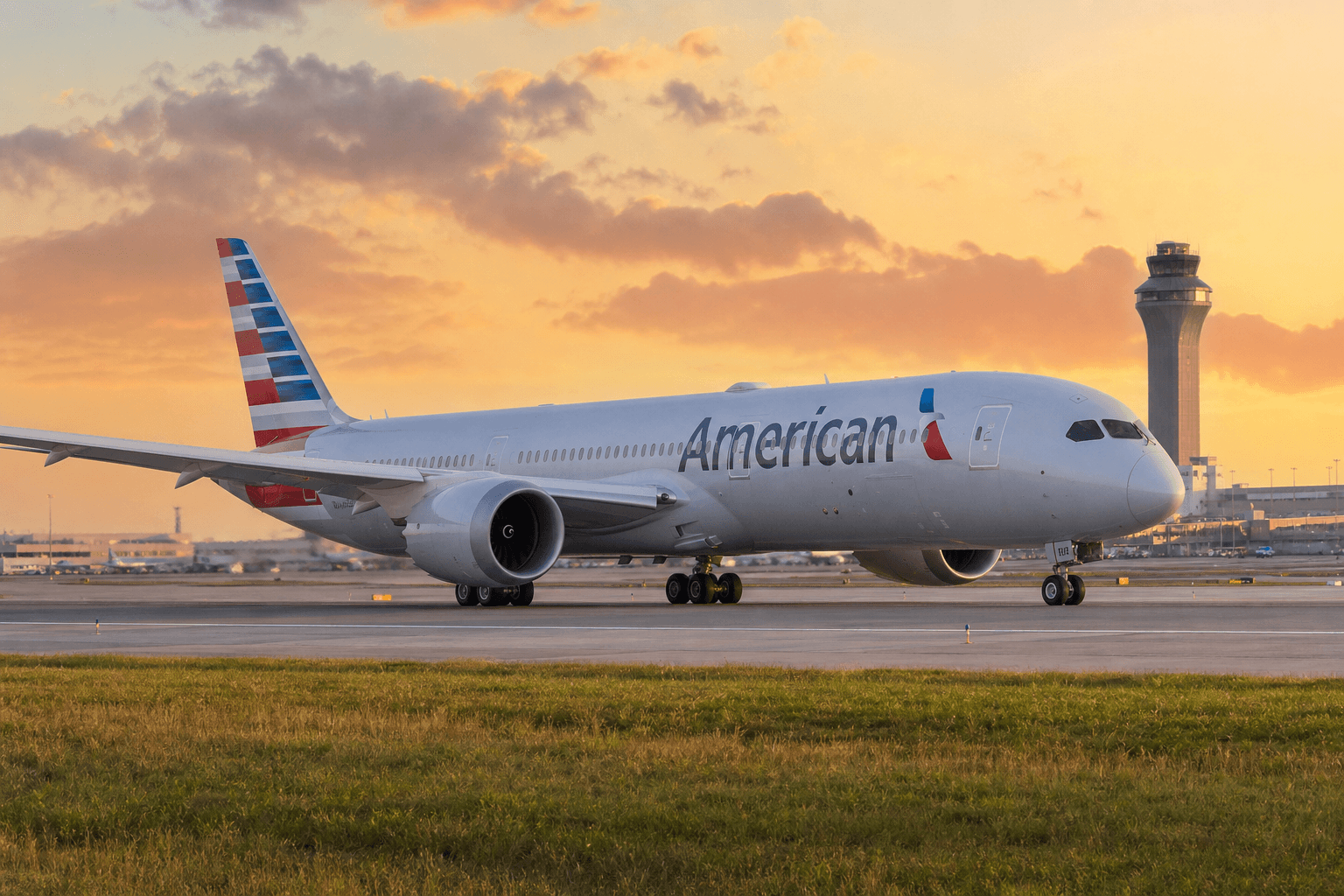
American Airlines Struggles to Match Delta and United in Profitability Despite Market Size
American Airlines was founded in 1930 through a merger of 80 airlines. It wouldn't be until 2013 that American as we know it today was born through a merger with US Airways. With over 223 million passengers carried in 2025, the oneworld carrier remains one of the world's largest airlines alongside its largest competitors, Delta Air Lines and United Airlines . Despite this, American is lagging behind on one key metric: profitability. A gap the Dallas-based airline is desperately looking to close over the coming years.
American Airlines Flights Clash Near Phoenix Due to Duplicate Flight Numbers
Two American Airlines flights using the same flight number were airborne near Phoenix at the same time, on the same air traffic control frequency, and one accepted instructions meant for the other. The planes never lost required separation, but the communications close call highlights a strange problem facing major carriers: in a codeshare-heavy world, airlines are running out of usable flight numbers.

American Airlines revamps leadership to boost lagging profits against Delta and United
American Airlines is shaking up its senior leadership as CEO Robert Isom faces growing pressure to improve the carrier's financial performance and close the gap with rivals Delta Air Lines and United Airlines. The changes broaden oversight across American's commercial and operational teams and bring former Spirit Airlines Chief Operating Officer John Bendoraitis into the company to lead technical operations. In a memo to employees, Isom acknowledged a "meaningful gap" between American's current performance and where he said the airline should be, describing the leadership changes as the first in a series of moves aimed at improving execution and strengthening the company. Isom announced that Chief Commercial Officer Nat Pieper will add marketing and branding to his responsibilities, while Chief Customer Officer Heather Garboden will take on reservations and service recovery. JC Gulbranson will add oversight of airports and planning. Garboden and Gulbranson will also join American's senior leadership team. Chief Communications Officer Ron DeFeo is stepping down. Caroline Clayton will oversee communications, while Steve Neuman will lead government affairs. Both will join the senior leadership team. The changes come as American continues to trail Delta and United on profitability. American expects roughly break-even results for 2026 as higher fuel prices weigh on earnings. Earlier this year, the airline said a sharp increase in jet fuel costs could add more than $4 billion in expenses compared with its previous assumptions. American has also been under pressure from its labor unions. The Association of Professional Flight Attendants issued a unanimous vote of no confidence in Isom in February, saying the airline had fallen behind competitors in profitability, operational performance and overall competitiveness. The union has called on Isom to step down. The Allied Pilots Association has also questioned whether American's current management can close the performance gap with Delta and United. APA President Nick Silva recently told pilots that the union had sought a meeting with American's board to discuss concerns about the company's future but was rebuffed. He said the union had since spoken with analysts, investors and other stakeholders. Despite the criticism, Isom has said American is not changing its overall strategy. He said the airline continues to focus on expanding its global network, increasing premium revenue and strengthening its AAdvantage loyalty program. American has also been investing in premium seating, lounges, onboard connectivity and changes to its hub schedules as it works to improve revenue and operational performance.
Global airlines announce fleet expansion and new routes in August 2026
Top airline news stories for August 11, 2026 (click the link for the full details): airBaltic to reorganize Breeze Airways expands internationally Trinitiy Airways is born Pegasus Airlines expands in Europe with a major acquisition Riyadh Air expands in Asia American Airlines restores a seasonal route to South America Volaris adds 8 new routes
The Daily Touch & Go
The day's best aviation news in your inbox. Free, no spam.