

Image: mailer_diablo · CC BY-SA 3.0 · via Wikimedia Commons
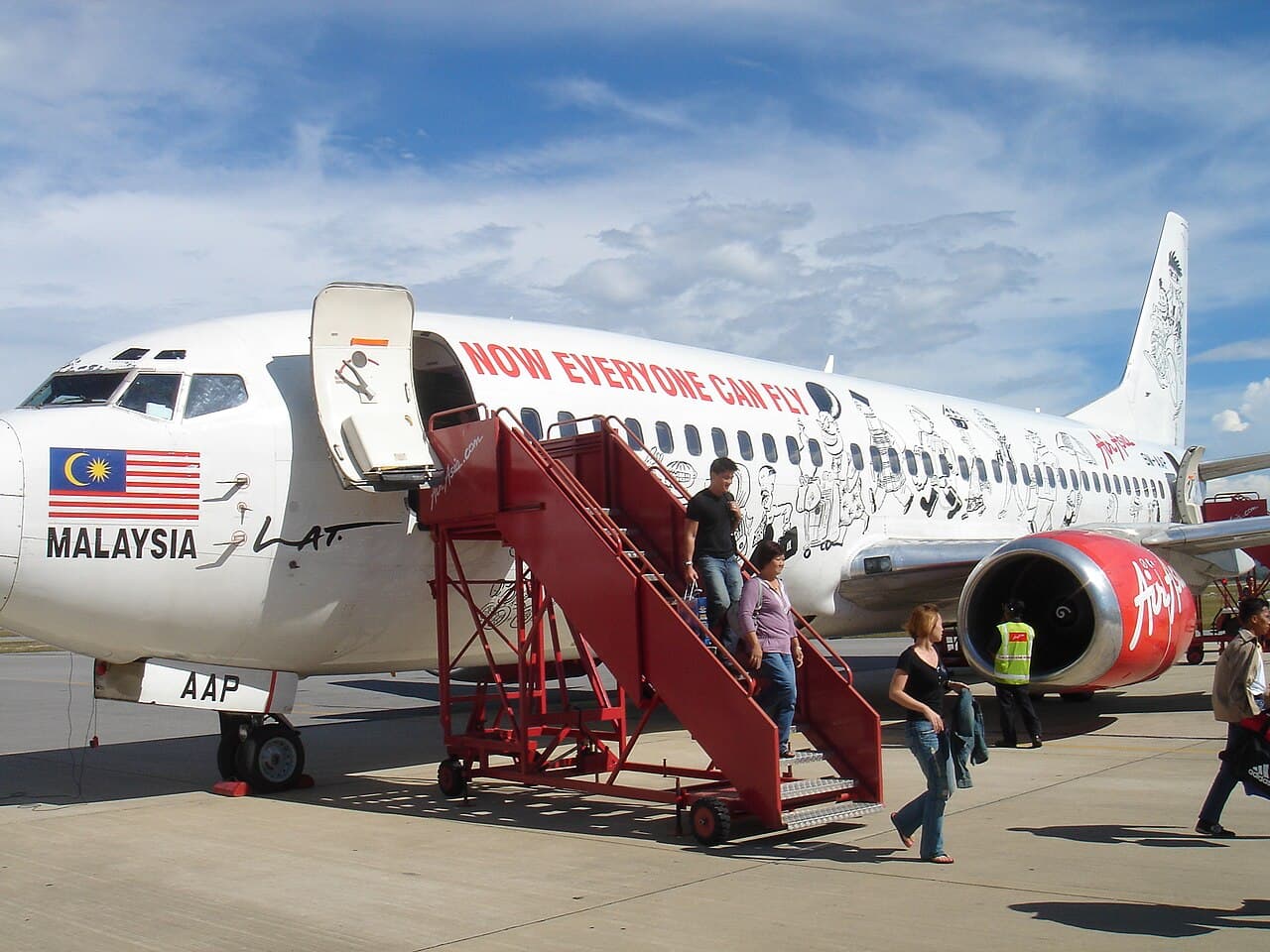
AirAsia delays Bahrain hub and London flights amid fuel cost surge and capacity cuts
AirAsia postpones launch of Bahrain hub and London routes to preserve capital amid soaring fuel prices and network restructuring.
The gist
AirAsia pushes back Bahrain and London service launches, cuts capacity, and trims fleet to manage high fuel costs and losses.
AirAsia Group has announced another delay to its planned launch of both the Bahrain hub and London flights, citing the need to conserve liquidity amidst an ongoing spike in jet fuel prices and challenging market conditions. Originally scheduled to start on 26 June, these long-haul services mark AirAsia's intended return to Europe after a 14-year absence but will now be postponed into 2027 without a specific new launch date. The low-cost airline group stressed that the delay is part of a broader effort to preserve capital and avoid near-term margin dilution on long-haul operations, signaling caution amid an uncertain environment.
The initial announcement to commence flights to Bahrain and London was adjusted in June, when AirAsia executives suggested an August launch aligned with a dip in fuel prices. However, escalating geopolitical tensions in the Middle East have complicated this timeline, causing an increase in fuel costs that have significantly affected the airline's cost structure. According to AirAsia, the volatility in the fuel market has forced a strategic reassessment of route launches and existing network plans to safeguard profitability.
In its April to June quarter, AirAsia Group reported a substantial loss after tax of MYR831 million (approximately $203 million), a swing from a pro-forma profit of MYR919 million the previous year. Fuel expenses surged 58% compared to the same quarter last year, outpacing the reductions achieved in maintenance and user charges. Additionally, the group suffered from foreign exchange losses during this period, heightening financial pressures compounded by the volatile fuel market.
The airline’s strategy included an 11% reduction in group capacity year-on-year during the second quarter, reflecting an abrupt shift away from less profitable regional sectors towards denser, higher-yield domestic and trunk routes primarily within Southeast Asia. AirAsia’s operations showed varied financial results by region, with short-haul markets in Thailand, the Philippines, and Indonesia running at losses, while Malaysia and Cambodia short-haul segments remained profitable. Long-haul routes operating out of Malaysia also were loss-making in the quarter.
As part of its network reset, AirAsia permanently cut 33 underperforming routes operated by its Indonesian and Philippine subsidiaries, while suspending an additional 17 routes across its group. The airline plans a further reduction in available seat kilometers (ASKs) by 20-25% year-on-year in the July-September quarter, while projecting a full ramp-up of operations during the fourth quarter peak season. This cautious capacity management is intended to improve unit margins despite ongoing market challenges.
Fleet adjustments are also underway, with AirAsia scheduling the removal of 25 older aircraft from its fleet during 2026, including 17 early returns. The group clarified that no new aircraft deliveries are expected until 2027, reflecting a deliberate pause on investment in capacity expansion. This fleet rationalization is directly tied to the airline’s objective of controlling costs and adapting to evolving demand patterns amid a turbulent fuel pricing environment.
The delay of the Bahrain hub is significant for AirAsia’s long-haul ambitions in the Middle East, a region offering connectivity potential between Asia and Europe. Similarly, the postponed London service represents a strategic effort to re-enter a key European market after more than a decade. However, these delays may hinder the group’s recovery plan and soften its competitive positioning in intercontinental markets, which remain essential to its long-term growth strategy.
AirAsia's response to surging fuel costs, geopolitical risks, and fluctuating demand demonstrates the vulnerability of long-haul low-cost carriers in the current aviation landscape. The group's focus has shifted decisively toward strengthening its core Southeast Asian routes, pruning unviable segments, and carefully controlling capacity growth until more stable operating conditions return. Market watchers will note the impact of these moves on the wider low-cost long-haul model viability and AirAsia's recovery trajectory.
Frequently asked questions
- Why did AirAsia delay the launch of its Bahrain hub and London flights?
- AirAsia delayed the launch to preserve capital and prevent near-term margin dilution amid rising fuel prices and geopolitical tensions impacting operating costs.
- How has AirAsia's financial performance been affected in recent quarters?
- In the April-June quarter, AirAsia reported a loss after tax of MYR831 million compared to a profit the prior year, with fuel expenses up 58% and additional foreign exchange losses.
- What operational changes is AirAsia undertaking in response to these challenges?
- The airline has cut capacity by 11% in the April-June quarter, permanently dropped 33 unviable routes, suspended 17 others, plans further capacity cuts of up to 25%, and is retiring 25 older aircraft in 2026.
Read more
All MRO/Maintenance →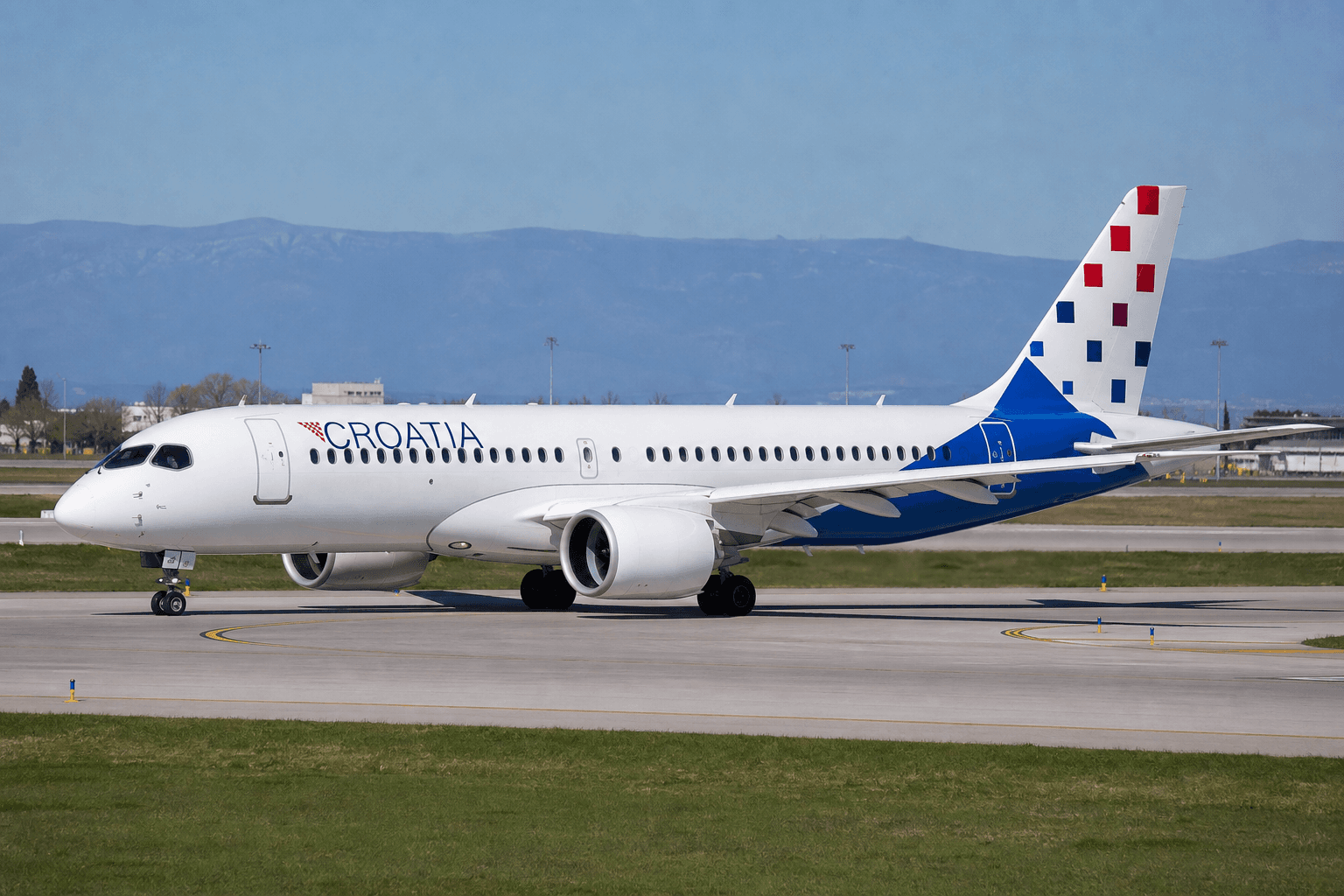
Croatia Airlines sees losses soar to €50 million amid fleet transition and fuel cost pressures
Carrier dealing with complexity of fleet transition as it withdraws older models and shifts to A220s. Croatia Airlines' losses deepened substantially over the first half of this year, as the impact of fuel prices and exchange rates added to the cost burden associated with its fleet transition. It turned in an operating loss of €36.8 million ($42.4 million), which was 73% worse than the previous half-year, while its net loss came close to trebling at around €50 million. Although passenger numbers increased by more than 20% in the first five months – before declining in June – the improved revenue performance was checked by a "significant increase" in fuel prices, says the carrier. Croatia Airlines adds that negative exchange rates contributed heavily to a €16 million rise in net financing costs. The airline is progressing with a fleet modernisation, shifting to the Airbus A220, but is still feeling the effect of transition costs as it introduces the new type. It expects to have 14 of the 15 planned A220 in its fleet by the end of this year – with seven arriving in 2026 – while it gradually withdraws older aircraft from service. Croatia Airlines says the "simultaneous management" of a fleet with three different aircraft types presents an "additional challenge". "Such a structure requires precise resource planning, adaptation of operational procedures [and] increased co-ordination between organisational units," it states. "At the same time, the process of preparing aircraft for retirement from the fleet places an additional burden on the technical sector." Over the course of this year it aims to remove two De Havilland Dash 8-400s, an Airbus A320 and an A319. Two Dash 8s and an A320 were taken out last year, and returned to owners in the first half of 2026. "The fleet renewal project represents the largest strategic step forward in the history of Croatia Airlines and is crucial for the long-term sustainable development of the company," the carrier says. At the half-year mark its operational fleet comprised 15 aircraft: nine A220s, four A319s and two Dash 8s. The airline has also leased an ATR 72 since April to maintain its planned schedule. One of Croatia Airlines' A220 was subsequently damaged in a runway excursion in May, adding to the company's pressures. Croatia Airlines is also having to cover lease costs for two Dash 8s – registered 9A-CQC and -CQD – whose return to their owner has been delayed, owing to limited maintenance capacity and parts availability.
Japan Airlines A350-1000 Returns to Flight After Seven-Month Repair Post-JFK Collision
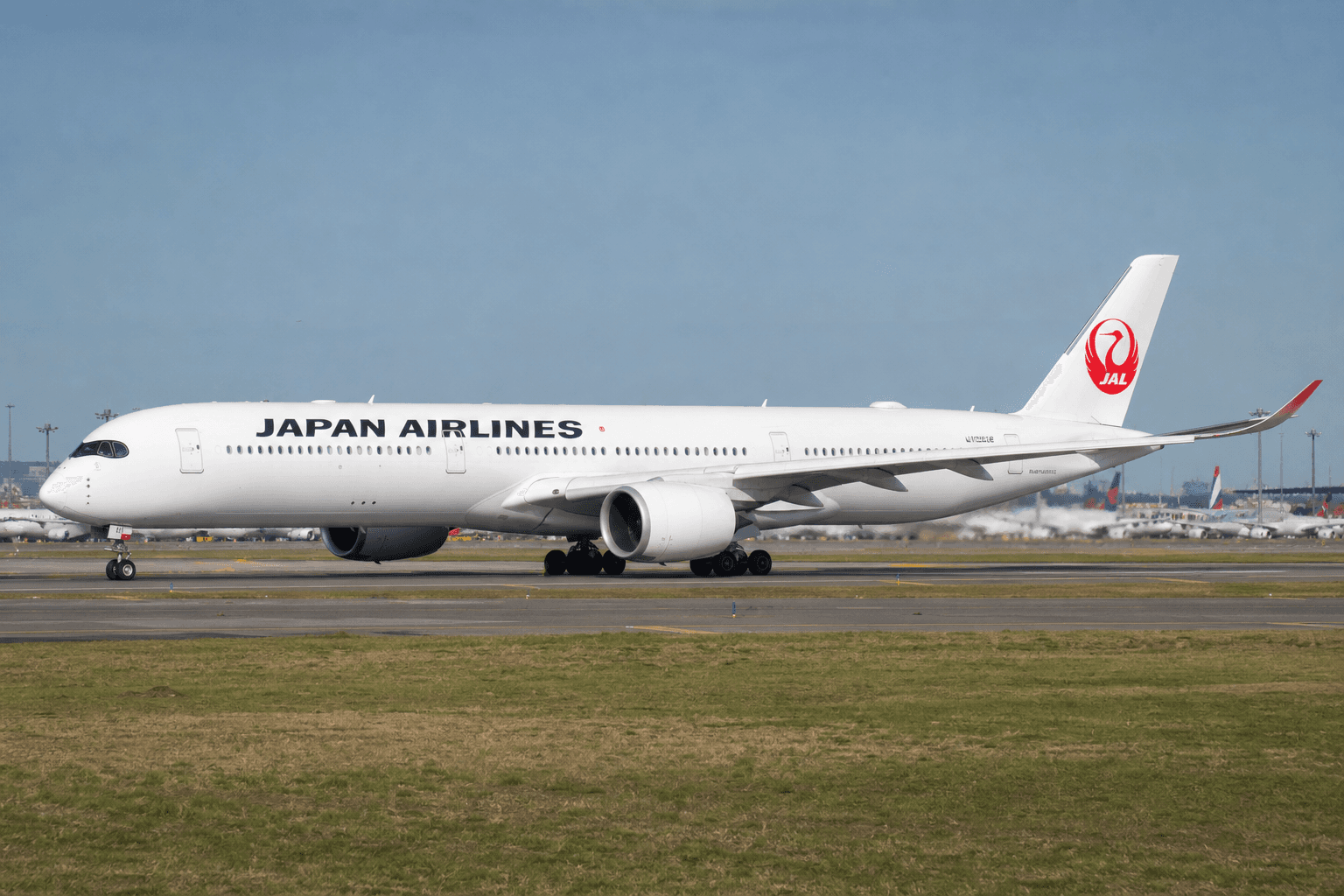
An Airbus A350-1000 from Japan Airlines (JAL) has taken to the skies for the first time in more than seven months after being damaged in a ground collision at New York JFK Airport (JFK). The aircraft, registered JA10WJ , operated a test flight from JFK on July 29 before returning to the airport approximately three hours and 43 minutes later.
Chinese Lessor Begins Repossession of Four Boeing 737-8 Jets from SpiceJet
A Chinese aircraft lessor has started the process to repossess four Boeing 737-8 jets from Indian low-cost carrier SpiceJet. The move highlights the budget airline’s ongoing financial and operational challenges in a competitive Indian aviation market. ezstandalone.cmd.push(function () { ezstandalone.showAds(119); }); The Directorate General of Civil Aviation (DGCA) published deregistration notices under the Irrevocable Deregistration and Export Request Authorisation (IDERA) framework. Two Dublin-based entities, Sky High LXXVIII Leasing Co. Ltd and Sky High LXXX Leasing Co. Ltd — both linked to ICBC Financial Leasing — filed the applications. The four grounded Boeing 737-8 aircraft are located in Delhi, Hyderabad, and Amritsar. ezstandalone.cmd.push(function () { ezstandalone.showAds(127); }); SpiceJet’s Response and Operational Impact SpiceJet stated that the repossession would not disrupt its current flight operations. The aircraft have remained out of service for an extended period due to widespread industry issues with CFM LEAP-1B engines. The airline noted that deregistration would remove ongoing lease costs for these inactive planes while talks with the lessor and engine manufacturer continue. ezstandalone.cmd.push(function () { ezstandalone.showAds(128); }); This development serves as an early test of India’s improved aircraft repossession rules. Legislative changes in 2024 strengthened protections for lessors, making the IDERA process more efficient for recovering assets after payment defaults. SpiceJet’s Turbulent Journey SpiceJet, one of India’s pioneering low-cost carriers, was co-founded by Ajay Singh in 2005 with a mission to make air travel affordable for millions of Indians. ezstandalone.cmd.push(function () { ezstandalone.showAds(129); }); Singh exited in 2010 but returned in 2015 when the airline faced near-collapse. Under his leadership, SpiceJet achieved multiple profitable quarters and high load factors, establishing itself as a key player in India’s dynamic aviation sector. Photo Credit: Anna Zvereva, CC BY-SA 2.0, via Wikimedia Commons The airline operates a mixed fleet of Boeing 737 variants and Bombardier Q400 turboprops. As of mid-2026, reports indicate SpiceJet’s active fleet has shrunk significantly, with some sources citing around 11 to 21 operational aircraft amid broader challenges. Many aircraft remain grounded, and the carrier has scaled back schedules while focusing on debt resolution and fleet revival. SpiceJet has reported substantial accumulated losses, estimated in thousands of crores, with current liabilities exceeding assets in recent periods. ezstandalone.cmd.push(function () { ezstandalone.showAds(130); }); Despite this, the airline has outlined ambitious recovery plans, targeting a fleet of 55-100 aircraft by late 2026 through inductions, reactivations, and capital infusions from promoters, including Chairman Ajay Singh. Broader Industry Context India’s aviation sector has grown rapidly, but budget carriers face intense pressure from high fuel costs, rupee fluctuations, intense competition from IndiGo and Akasa Air, and maintenance backlogs. SpiceJet’s situation reflects these headwinds, with many aircraft parked due to engine issues affecting the global 737 MAX family. ezstandalone.cmd.push(function () { ezstandalone.showAds(131); }); The repossession case underscores the importance of timely lease payments and strong lessor protections. Successful implementation of the 2024 reforms could boost confidence among international financiers and lessors in the Indian market, potentially easing future aircraft acquisitions for domestic carriers. Looking Ahead SpiceJet continues negotiations to resolve the lease dispute and address engine-related grounding. The airline aims to restore grounded Boeing aircraft and expand capacity for peak seasons. Success depends on securing fresh capital, improving cash flow, and navigating regulatory and supplier discussions effectively. For passengers, SpiceJet remains a familiar low-fare option on domestic and select regional routes. However, frequent schedule changes and reduced capacity have tested customer loyalty in recent times. ezstandalone.cmd.push(function () { ezstandalone.showAds(132); }); This latest development with ICBC-linked lessors adds to the pressure on SpiceJet’s management. As India’s aviation market expands, the airline’s ability to stabilize operations, reduce debt, and grow sustainably will determine its long-term role in the sector. Industry observers will closely monitor how SpiceJet manages this and other creditor issues in the coming months.
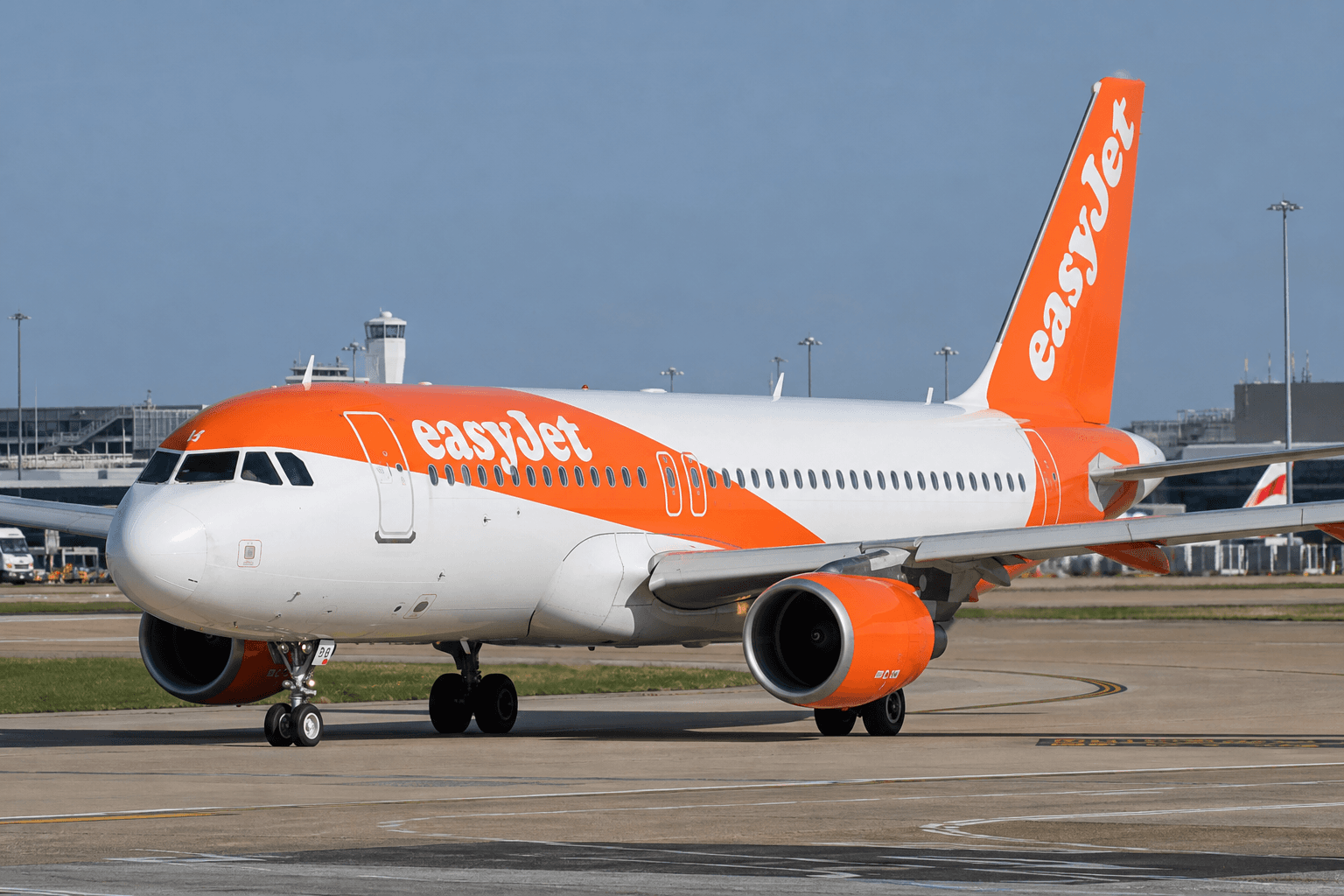
EasyJet takeover sparks fleet flexibility debate among European low-cost carriers
easyJet has been garnering news headlines recently, in the wake of the low-cost carrier gaining the attention of two US companies for a possible takeover. Just as it seemed that Castlelake was crossing the finishing line in acquiring easyJet , a rival offer from US private equity firm Apollo blew the situation wide open . As it stands, Apollo has made what appears to be a superior proposal, but Castlelake still has time to come back with an increased offer. In his latest article for AeroTime, the Founder and Chairman of the Board of Directors of Avia Solutions Group , Gediminas Ziemelis, offers his thoughts on how easyJet could benefit from a more flexible fleet model in the future and why this could be a watershed moment for European LCCs (below). Avia Solutions Group The appeal of easyJet as an acquisition target is rooted in the potential inefficiency of how it and many of its peers own and manage their fleets. ACMI (wet leasing) can be a key vehicle in aiding a future owner's, easyJet's and other European LCCs' search for net profitability. easyJet is currently subject to a possible offer process. No firm offer has yet been announced, and the analysis below reflects an independent ASG scenario rather than any announced intention of easyJet or a potential bidder. By capitalizing on the inherent seasonality of European travel, ASG analysis indicates that, on the assumptions used, the airline could divest 73 of its owned aircraft, potentially generating approximately $2.3 billion in gross disposal proceeds before transaction costs, taxes, debt repayment and other implementation costs. Fundamentally, the headline case is that capital tied up in winter aircraft acts as a drag on return on invested capital. Maintaining a large fleet that easyJet owns and long-term leases year-round, despite significant seasonal drops in demand, is an inefficient use of capital. For example, easyJet's FY25 performance illustrates the classic seasonal nature of the airline industry. During the winter months, the non-peak first half of the fiscal year, the carrier recorded a headline loss before tax of £394 million. However, during the summer peak, it generated an implied profit of £1,059 million between April and September, concluding the full fiscal year with a headline profit before tax of £665 million. Currently, the airline's fleet (as of 31 March 2026, easyJet's total fleet comprised 356 aircraft with 208 owned) implicitly holds enough capacity for peak summer demand, meaning a large portion of its fleet is under-utilized and financially burdensome during the winter. A more efficient strategy would involve rightsizing the permanent fleet to meet only the winter base-case, whilst utilizing short-term wet leasing (ACMI) to cover summer peaks. By trading fixed, long-term capital expenditure for flexible operating costs, the airline could potentially better align its capacity with actual market demand. A rightsizing strategy of this kind could yield a net profit uplift in the region of $250 million, according to ASG analysis – on the assumption that the airline replaces year-round capital depreciation with variable, seasonal expenditure. London Gatwick Airport Fundamentally, using ACMI replaces heavy, idle fixed costs with a flexible operating structure. In short, this strategy trades the cost of maintaining lower-utilization winter capacity for a lean, scalable operation better suited to modern market volatility. Why this could be a watershed moment for European LCCs Thirty-one years after being launched, easyJet's current possible offer process could spur another revolution in the European airline market. This time it will be on how fleets are owned/managed, rather than lower fares. If a future owner, or easyJet itself, were to unlock capital by adjusting/selling off the fleet/orderbook, it could force a wider debate across the sector. There is currently no public indication that easyJet or any potential bidder has decided to implement the specific ACMI strategy described in this article. Rivals sticking with high capital expenditure and long-term, peak-ready fleets may face more shareholder scrutiny over costs required to maintain assets year-round that often sit idle during winter. This is particularly true against the backdrop of Europe's aviation market increased seasonality. Transitioning toward fleet management with ACMI (Aircraft, Crew, Maintenance, and Insurance) or wet leasing as a core strategy allows airlines to trade fixed capital expenditure for operating expenditure. This may mitigate the winter weakness historically seen on European airline balance sheets. Furthermore, it offers the agility to scale capacity flexibly without assuming the multi-year risk of aircraft acquisition or long-term leases. The most competitive European low-cost carriers of the future, particularly those that remain in the public markets, will likely be those that manage their fleets as portfolios of risk/seasonality rather than long term Capex. RELATED easyJet takeover thrown wide open by rival $7.6 billion US offer
The Daily Touch & Go
The day's best aviation news in your inbox. Free, no spam.