


Smart Strategies to Avoid Fees When Exchanging Foreign Currency Abroad
Travelers can minimize costs on foreign currency by using no-foreign-fee credit cards and local ATMs while avoiding currency exchange booths and dynamic currency conversion.
The gist
Using no-fee credit cards and local ATMs while skipping currency exchange counters saves travelers costly fees abroad.
Continuing coverage
All Credit Cards →- Travelers Should Always Pay in Local Currency to Avoid Dynamic Currency Conversion Fees
- Chase Increases Bonus on World of Hyatt Business Card to 70,000 Points
- Amex Gold Card Offers Up to 100K Bonus Points with New Welcome Deal
- Southwest Airlines Companion Pass 2026 Qualifying Spend Revealed
- American Express Business Platinum Card Offers Up to 300K Points Welcome Bonus
Deciding how to pay for purchases when traveling internationally often involves weighing credit card acceptance, cash needs, and currency exchange options. While some strategies may suit different travelers, aviation and travel expert Ben Schlappig emphasizes some clear methods to avoid extra fees and secure favorable exchange rates. Many travelers overlook simple steps that can substantially reduce costs when paying with foreign currency.
Schlappig recommends using credit cards that charge no foreign transaction fees as the primary payment method abroad. Credit card acceptance has expanded significantly worldwide, and employing cards without these fees ensures getting a near-market exchange rate. Besides cost efficiency, credit cards provide purchase protection against fraud or disputes and eliminate the risk of carrying large sums of cash. Many cards also offer bonus points on travel and dining, increasing value during overseas spending.
A crucial point Schlappig stresses is the avoidance of dynamic currency conversion. When making credit card payments in foreign countries, travelers are often prompted to choose between paying in their home currency or the local currency. Selecting the local currency ensures the bank handles conversion at favorable rates; opting for home currency pricing typically triggers high fees, effectively increasing the payment amount.
Even with credit card usage, Schlappig suggests obtaining some local currency via ATMs upon arrival for situations where cash is necessary. Drawing cash from a local bank's ATM using a linked US checking account often results in a more favorable exchange rate than currency exchange offices. Although ATM fees may apply, many banks reimburse these charges with certain account types. For instance, accounts from institutions like Charles Schwab do not charge ATM fees internationally, making this approach advantageous for frequent travelers.
How much cash to withdraw initially depends on individual factors. Schlappig prefers making smaller ATM withdrawals throughout a trip to limit excess cash and reduce theft risk. Conversely, travelers without fee waivers may find withdrawing larger amounts less costly overall due to fixed ATM fees per transaction. The key lies in understanding the specific bank policies and fee structures before travel.
Another option some travelers consider is exchanging currency at their local bank before departing. While Schlappig personally avoids this approach given the ready availability of ATMs abroad and his preference to carry minimal cash, banking institutions can provide foreign currency at reasonable exchange rates, often with only a small service fee. Early ordering is sometimes necessary to ensure cash availability by the departure date, especially if the currency must be shipped to the bank.
Conversely, Schlappig warns strongly against using currency exchange booths commonly found at airports and tourist areas. These providers often impose a 5-10% markup or higher, masking high costs behind marketing terms such as no commission. This practice exploits traveler unawareness and usually results in the worst exchange rates. Exceptions exist for countries with dual exchange rates, like Argentina or Uzbekistan, where careful use might yield better local rates but carries inherent risks.
At a trip's conclusion, travelers frequently wonder how to manage leftover foreign currency. Schlappig suggests retaining foreign cash for future visits to the same country or using it to settle last-day expenses in cash rather than card. Another creative solution is converting leftover funds via local Starbucks, where foreign currency can be loaded onto a gift card in the traveler's home currency at favorable rates, providing a convenient outlet for small balances.
Summing up, Schlappig’s approach revolves around maximizing credit card use without dynamic currency conversion, supplementing purchases with local ATM cash withdrawals while avoiding expensive exchange services. Adopting this disciplined strategy offers travelers tangible savings and greater convenience worldwide, highlighting the importance of being informed about currency exchange mechanisms when venturing abroad.
Frequently asked questions
- Why should travelers use credit cards with no foreign transaction fees abroad?
- Using credit cards without foreign transaction fees allows travelers to pay with a fair exchange rate, gain purchase protection, and avoid carrying large amounts of cash.
- What is dynamic currency conversion and why should it be avoided?
- Dynamic currency conversion offers payment in a traveler's home currency but usually involves high fees; paying in the local currency avoids those extra charges.
- Why are currency exchange booths generally a bad choice for exchanging money?
- Currency exchange booths often impose high markups of 5-10% or more, resulting in unfavorable rates compared to using ATMs or credit cards.
Read more
All Airports →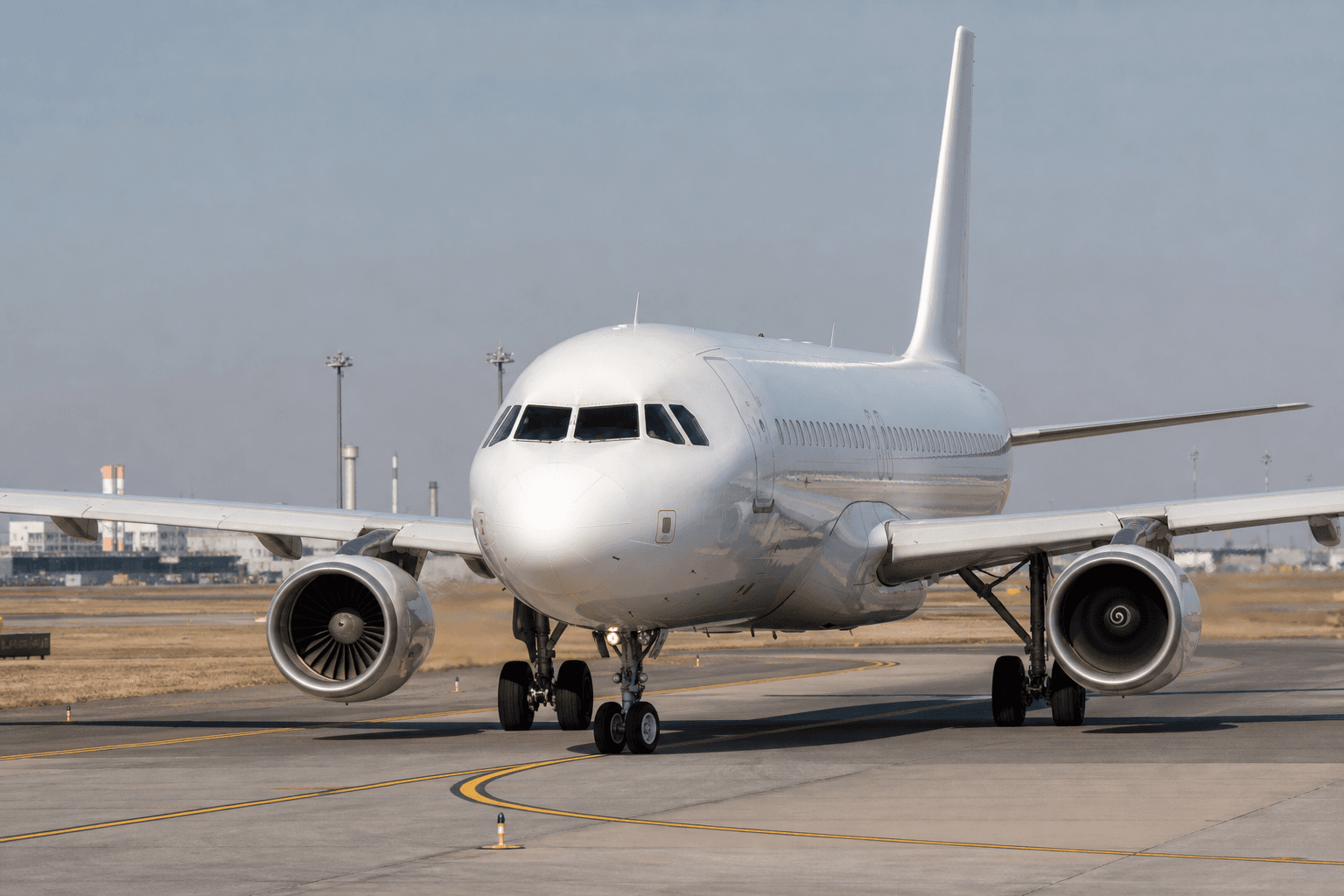
Airbus A320 Pilots Routinely Shut Down One Engine During Taxi to Cut Fuel Use
Passengers looking out of a terminal window or the cabin window of a modern Airbus A320 might occasionally notice a quiet, unexpected sight as the aircraft maneuvers toward the terminal or pushes back from the gate. A completely stationary fan blade can often be seen, while the opposite engine hums with operational power. This guide explores the engineering, operational logic, and hidden systems behind single-engine taxi procedures on the A320 family and why this even happens in the first place.

United Airlines Retracts Free Rebooking Policy for Flights Avoiding Donald J. Trump Airport
United Airlines has backtracked on an apparent policy that allowed passengers who no longer wanted to fly to Donald J. Trump International Airport in West Palm Beach to rebook for free on a flight to an alternative nearby airport. A couple of days ago, a leaked internal memo sent to United’s reservation agents suggested that the airline was aware that some passengers were uncomfortable with flying to the newly renamed airport, which was previously known as Palm Beach International Airport (PBI). If passengers contacted United’s reservation line because they no longer wanted to fly to Donald J. Trump Airport due to the name change, agents were instructed to say: “I understand that you'd rather not fly to this airport anymore. We can look at nearby airports like Fort Lauderdale or Miami instead. Is that an acceptable alternative?" The memo added that agents could use their “empowerment to offer acceptable alternatives” without needing to get approval from a manager. Flight changes could be made for free, which, in itself, was an unusual move. After the story was broken by Live and Let’s Fly , it quickly went viral, and it didn’t take long for United to start reviewing the memo. Now, the airline says the “message was poorly worded and not accurate.” That’s right, United isn’t denying the memo was shared with agents, or that anyone who read the message would think that passengers could rebook onto flights to alternative airports to deliberately avoid the DJT airport. Instead, United is simply saying that the meaning of the memo was different than what you or I believed it to mean. United Airlines is, however, making its position very clear: “United customers are able to make changes to a ticket without a fee for many reasons. However, our policy doesn't allow for changes because of an airport's name or three-letter code." The name change from Palm Beach International Airport to Donald J. Trump Airport officially took effect on July 9, just a few months after Florida Governor Ron DeSantis signed a new law that allows the state to name major commercial airports. Before the airport could be renamed, however, Palm Beach County had to enter into a licensing agreement with the President because he had trademarked his name. The board of commissioners approved the licensing agreement 4-3 in a highly contested vote. Public backlash to the renaming has been fierce, and many people have openly vowed to boycott the airport. United's online booking tool still doesn't accurately reflect the name and airport code change. At the time of publication, a dummy booking allowed us to search for flights from PBI, which is now officially known by the airport code DJT. When you click on any given flight for additional information, the flight is shown as operating from West Palm Beach, FL, US (PBI) and not from Donald J. Trump Airport (DJT). For those in the know, customers can search for flights to and from DJT via United's website, with the online booking tool correctly recognizing the airport code, but it then directs users to a results page that shows PBI.
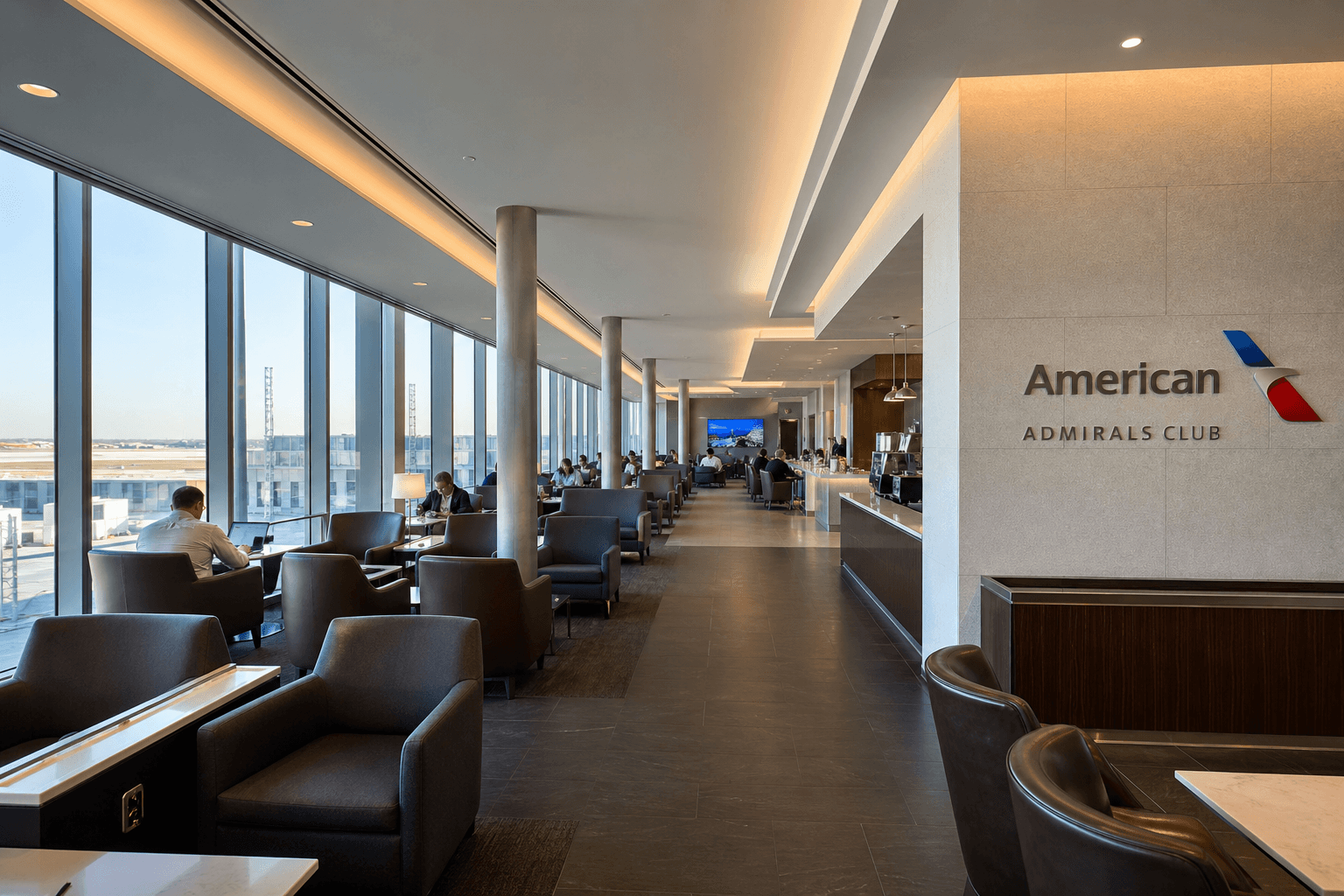
American Airlines Unveils New 37,000 Sq Ft Admirals Club and Grab-and-Go at Dallas-Fort Worth
American Airlines is building a 37,000 square foot Admirals Club lounge (terminal C) and a 'Provisions' grab 'n go (terminal F) at the Dallas – Fort Worth airport.
NBAA Engages Aviation Community with Events at 2026 AirVenture in Oshkosh
NBAA will be front-and-center at the Experimental Aircraft Association's AirVenture, taking place July 20-26 at Wittman Regional Airport (OSH) in Oshkosh, WI - connecting with industry stakeholders and showcasing all that the association has to offer members.
The Daily Touch & Go
The day's best aviation news in your inbox. Free, no spam.