

Illustration: The Touch & Go
Kalshi Shelves Airport Flight Cancellation Betting Amid Insider Trading Concerns
Kalshi pauses plans to offer bets on airport-specific flight cancellation rates due to worries about airline employee insider information and potential market manipulation.
The gist
Kalshi halts airport flight cancellation betting rollout, citing risks from airline insiders affecting outcomes and market fairness.
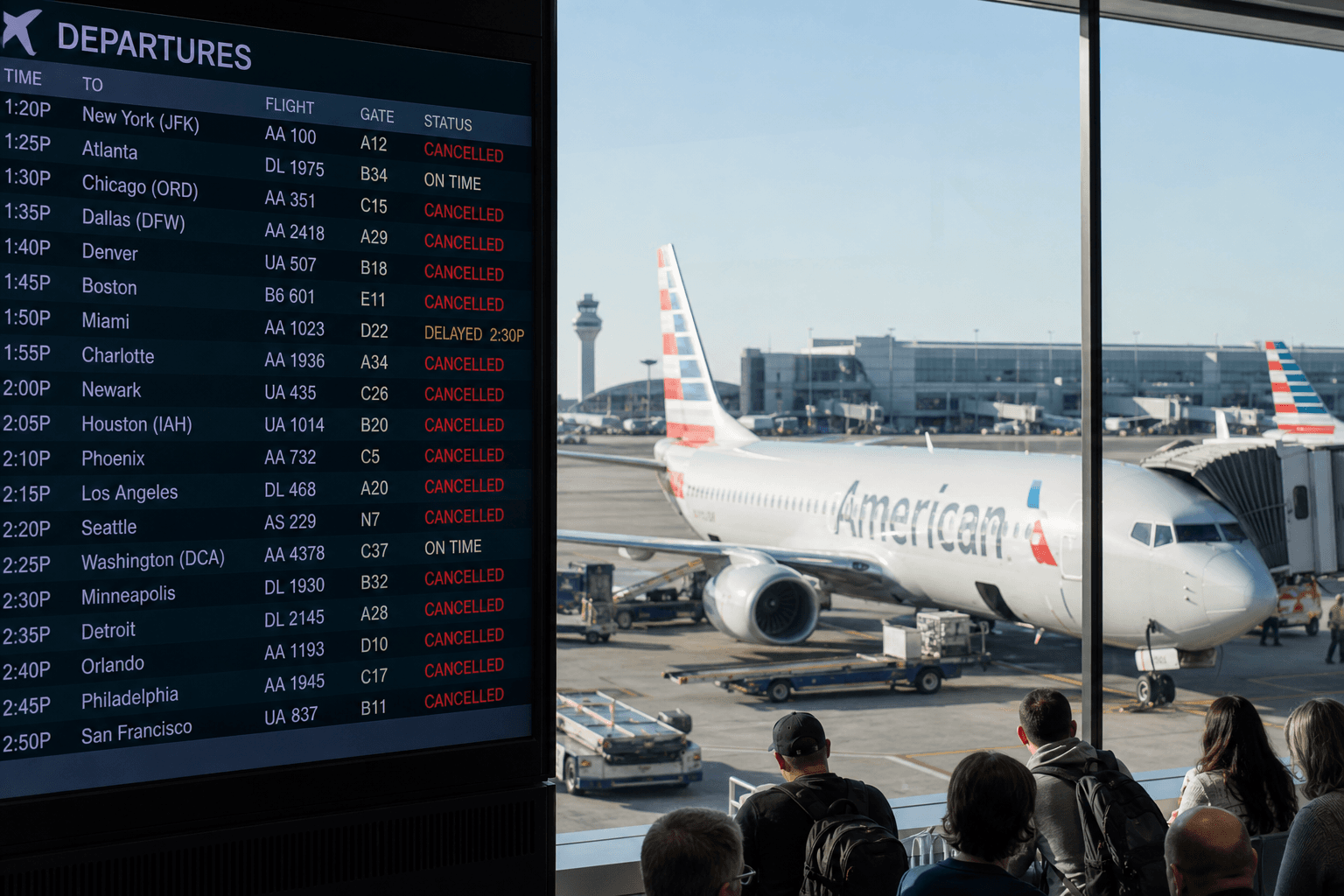
Kalshi, a platform specializing in prediction markets, has suspended its initiative to let customers wager on the percentage of flight cancellations at individual airports over defined periods. This move follows criticism focused on the inherent risk that airline insiders, with access to advance information or operational control, could unfairly influence outcomes. Meanwhile, rival platforms like Coinbase have introduced similar betting options, reflecting a growing interest in aviation-related markets despite the complications they present.
The concept of prediction markets involving aviation is not new. Historically, such markets were designed to embrace insider participation on the premise that those with the best information provided predictive accuracy. For example, early experimenters including the Defense Advanced Research Projects Agency supported them as tools to detect threats. However, the mainstream betting industry has since largely shifted focus toward sports and political events, sectors far less vulnerable to insider manipulation.
Kalshi's offering was distinct in that it did not propose betting on individual flight delays but rather on aggregate cancellation rates at identified airports, using a contract template filed with the Commodity Futures Trading Commission. This template allows bets on whether cancellation rates will be above, below, or within specified percentages. The target was to provide more granular, airport-specific contracts compared to the company’s existing market on total U.S. flight cancellations across an entire week.
To curb potential manipulation, Kalshi implemented rules aiming to fix the number of scheduled arrivals and departures two days before the betting period starts. This snapshot determines the denominator for calculating cancellation rates; flights cancelled post-snapshot are counted as cancellations, while any schedule changes after are disregarded. The platform also excludes disruptions stemming from deliberate malicious actions, with measures to void or adjust payouts in those instances. Still, these controls face challenges given operational realities such as airlines pre-cancelling flights in advance of storms, which can skew the calculation.
Concerns persist over insider activity, particularly from airline personnel in roles like crew scheduling, dispatch, and maintenance control, who routinely learn of cancellations before the public and may influence whether a flight proceeds. Although using such information to wager is prohibited, similar behaviors are documented within other prediction markets. The absence of a flight minimum threshold in Kalshi’s design means cancellations at smaller airports can significantly sway betting outcomes, increasing the temptation and impact of insider activity.
Adding to the complexity, Kalshi relied on FlightAware as its primary data source with fallback to the Bureau of Transportation Statistics, which publishes data monthly and with a delay. FlightAware opposed the use of its data by Kalshi, highlighting tensions over data rights and the accuracy of real-time market resolution. Ensuring transparent and timely data remains a significant hurdle for aviation prediction markets to achieve operational integrity and fair settlement.
The episode recalls a cultural reference to a Seinfeld episode where a character bets on flights arriving on time, only for the bet to be disrupted by a deliberate airport disturbance, illustrating the longstanding nature of concerns around manipulation in aviation betting. Though an airport cancellation market may not serve most travelers as insurance, it could offer hedging tools for travel insurers, event planners, and hotels and potentially deliver real-time insights into travel disruption probabilities if effectively managed.
Kalshi’s retreat exemplifies the challenge of developing aviation prediction markets that combine utility with fairness. Insider risk, data resolution delays, and operational complexities all raise significant barriers. Current experiments indicate that substantial safeguards and more sophisticated structures are necessary before bettors, operators, and regulators can trust such markets as reliable forecasting or risk management tools for aviation disruptions.
As aviation continues grappling with irregular operations and cancellations, the desire for financial instruments to hedge these risks remains strong. Whether platforms like Kalshi can overcome the insider problem and establish credible, manipulation-resistant markets will determine if aviation prediction markets mature beyond niche curiosity and speculative appeal.
Frequently asked questions
- Why did Kalshi decide to postpone its flight cancellation betting market for airports?
- Kalshi postponed the airport flight cancellation betting due to concerns that airline employees with insider knowledge could influence bet outcomes, raising fairness and manipulation issues.
- What measures did Kalshi implement to prevent manipulation of the cancellation rates in their betting contracts?
- Kalshi fixed the number of scheduled flights two days before the betting period to determine cancellations, ignored schedule additions after this, counted cancellations only post-snapshot, and excluded events caused by deliberate disruptions.
- Why is insider information a significant concern for aviation-related betting markets?
- Airline staff in roles like dispatch or maintenance learn about cancellations in advance and can influence operational decisions, potentially using this nonpublic information to gain unfair advantage in betting markets.
Read more
All Airports →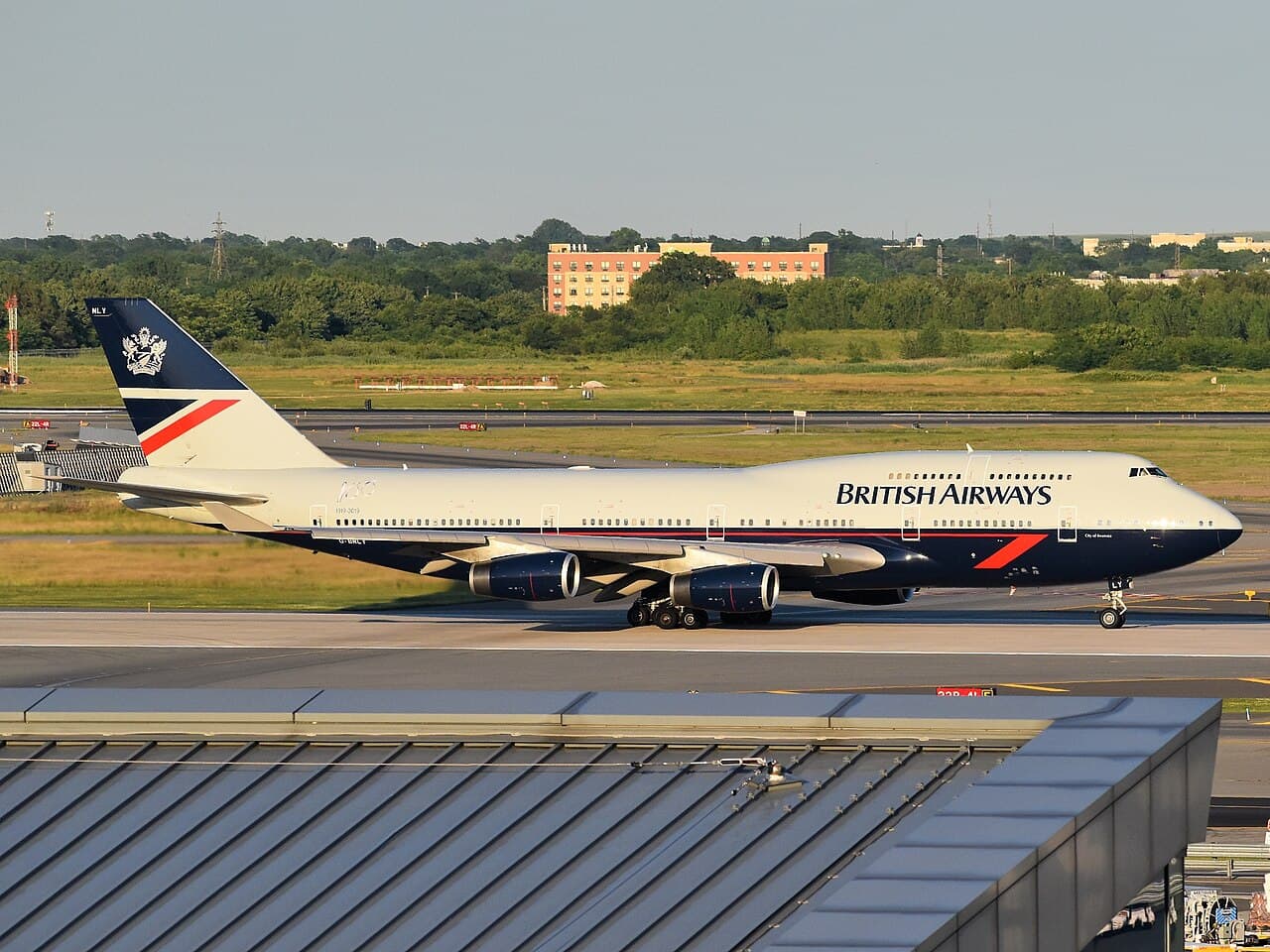
British Airways Ends 36 Long-Haul Routes From London Over Past Two Decades
No airline's route map is static, and British Airways is no exception. In the past 20 years , the oneworld member (and its various units) have ceased flying to 102 destinations from London . Obviously, the number would be higher if the more distant past were examined instead.
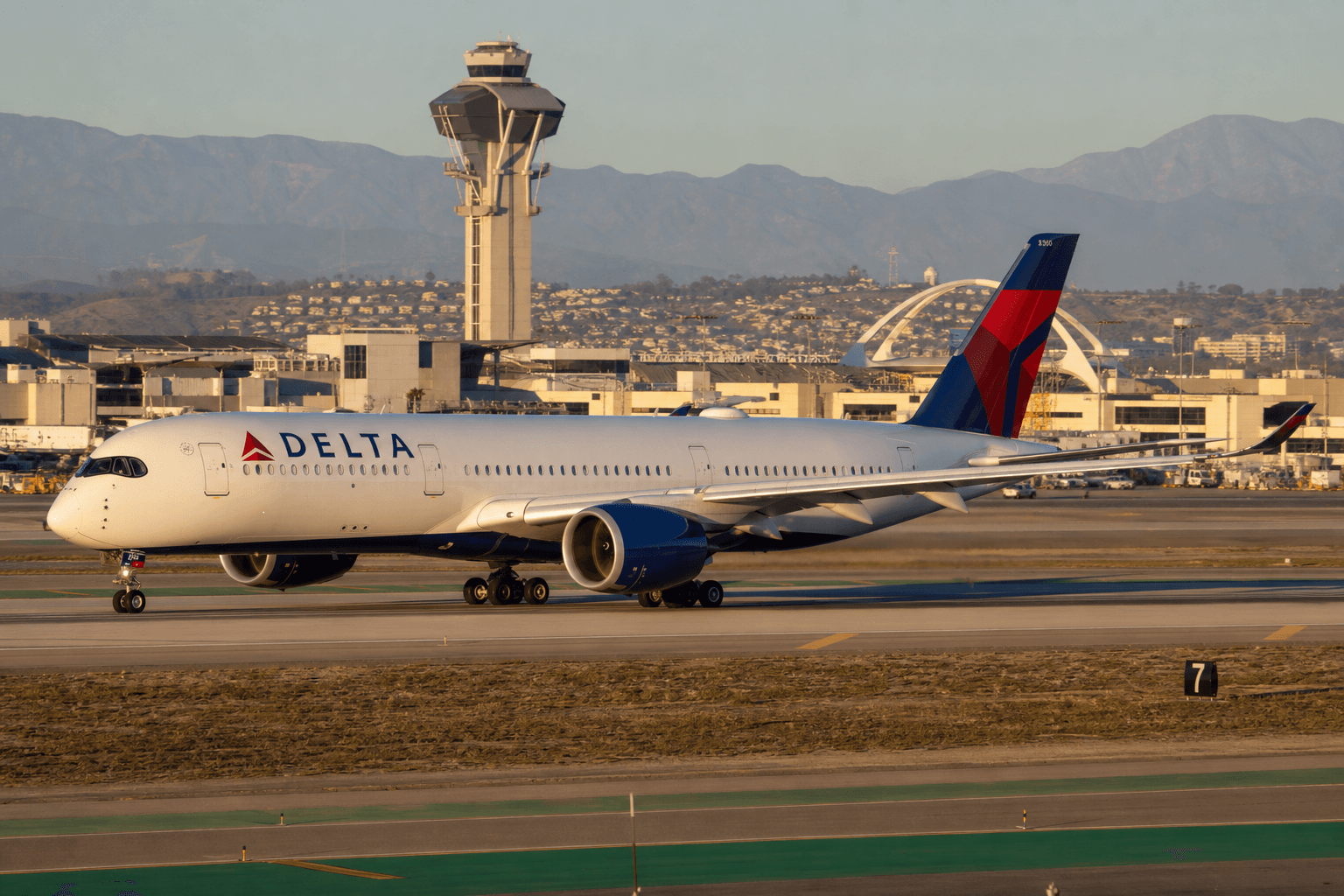
Delta Air Lines Launches First US Nonstop Flights Between Los Angeles and Manila in 2027
Atlanta-based Delta Air Lines is doubling down on its Los Angeles stronghold even further with a new long-haul route. The legacy airline announced on Friday that it will launch new nonstop flights to the Philippines next year – a journey that has never before been operated by a US-based carrier.
![Massive Expansion: American Airlines Launches 9 New Routes From Dallas This Summer [Map]](/_next/image?url=https%3A%2F%2Favoibnodqwjxlpbhunuu.supabase.co%2Fstorage%2Fv1%2Fobject%2Fpublic%2Fstory-images%2Fai%2Fmassive-expansion-american-airlines-launches-9-new-routes-from-dallas-this-summe-b0487761.png&w=3840&q=75)
American Airlines Adds Nine New Summer Routes From Dallas/Fort Worth Hub
Dallas/Fort Worth International Airport (DFW) in the US state of Texas has long been a key hub for American Airlines. People like to say that everything is bigger in Texas, and this is certainly true when it comes to American's route network out of DFW, as this summer has seen the carrier add nine new routes to its roster. Three are domestic, while the new six international corridors showcase a lot of variety.
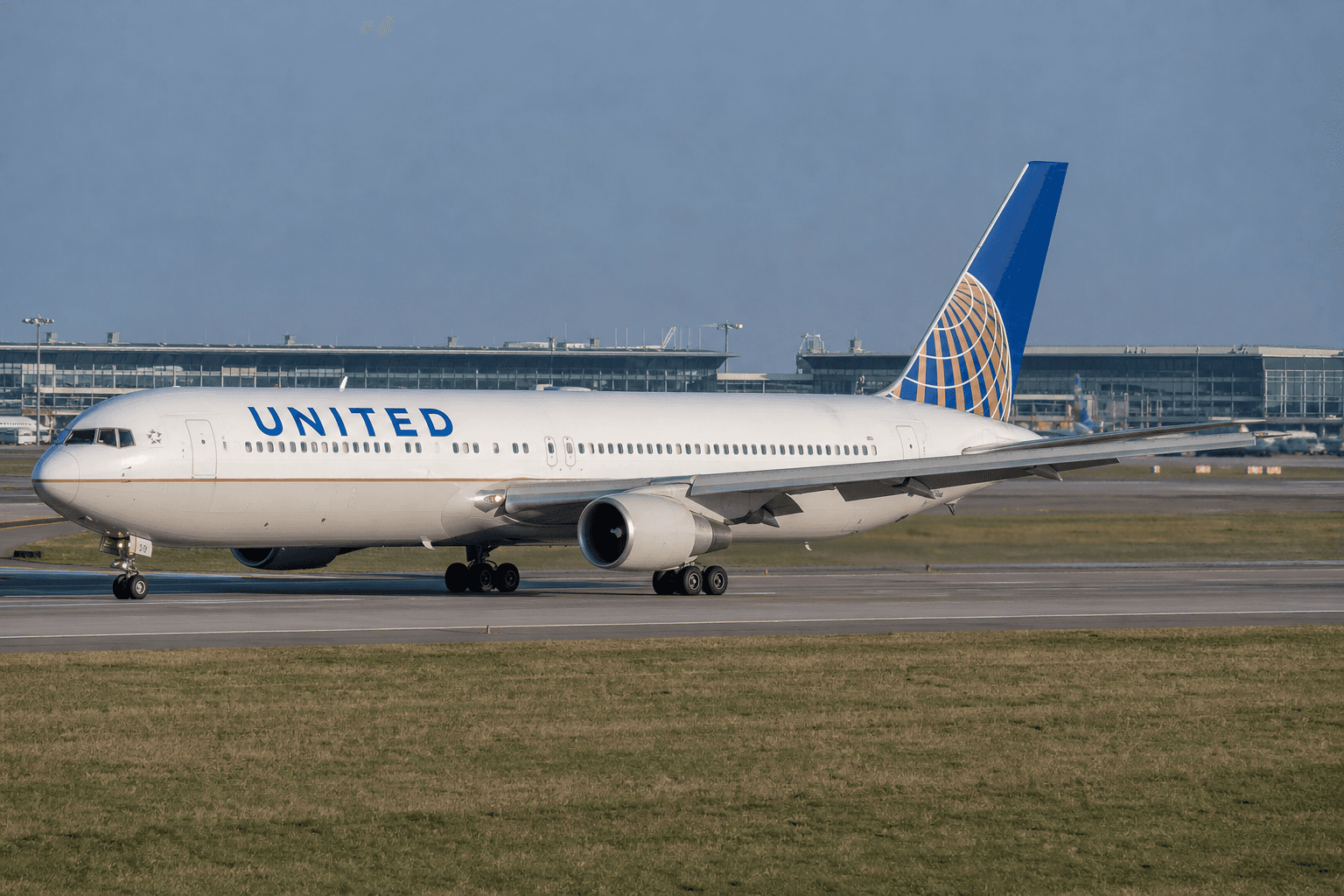
United Polaris Round-Trip Newark-London Tickets Face High UK Tax, Dynamic Upgrade Costs in 2026
Booking business class across the North Atlantic is often a simple exercise, hunting down the lowest baseline mileage rate or matching a corporate cash contract to a published tariff. The exception to this ease is most definitely United Airlines Polaris business class on the trunk route between Newark Liberty International Airport (EWR) and London Heathrow Airport (LHR), which is the ultimate benchmark exchange rate of transatlantic aviation. Because United flushes this specific corridor with an immense amount of premium cabin space, the actual cost of a round-trip journey is never just a single number found on a checkout screen.
The Daily Touch & Go
The day's best aviation news in your inbox. Free, no spam.