Image: SounderBruce · CC BY-SA 4.0 · via Wikimedia Commons
Boeing 737 MAX 7 Receives FAA Type Certification After Eight Years
The FAA has granted amended type certification to the Boeing 737 MAX 7, ending a protracted eight-year certification process and paving the way for deliveries starting in 2027.
The gist
After more than eight years of testing and revisions, the FAA certifies Boeing 737 MAX 7, setting the stage for its 2027 entry into service.
The Federal Aviation Administration (FAA) has officially granted an amended type certificate for the Boeing 737 MAX 7, marking the successful conclusion of an extensive certification campaign that began in 2018. This development authorizes Boeing to manufacture and deliver the aircraft under its approved production system. The certification clears numerous technical and regulatory hurdles, allowing Boeing and launch customer Southwest Airlines to prepare for delivery and commercial operation, anticipated in 2027.
The certification process included rigorous testing, comprising more than 1,000 hours of combined flight and ground tests, alongside exhaustive system safety analyses. A notable part of this program addressed concerns over the engine anti-ice system, which was redesigned after discovering that extended operation in dry air could cause localized overheating in the engine inlet. This new anti-ice design now forms part of the baseline configuration for the MAX 7 and MAX 10 and will be retrofitted to existing MAX 8 and MAX 9 jets as well.
Southwest Airlines holds the largest commitment to the MAX 7, with approximately 258 aircraft on firm order. The airline plans to use the MAX 7 to phase out its aging 737-700 fleet, preserving its strategy of operating a uniform Boeing 737 family fleet. The smaller capacity of the MAX 7 compared to the MAX 8 allows Southwest to better align aircraft size with market demand, improving operational flexibility and efficiency on routes with lower passenger volume.
The path to certification was affected by several industry and regulatory challenges, including the worldwide 737 MAX grounding following two fatal MAX 8 crashes, the COVID-19 pandemic, and strengthened FAA scrutiny of Boeing’s manufacturing and quality assurance processes. These setbacks delayed initial expectations of service entry, which had once targeted early 2019 with Southwest. Certification was initially aimed for 2022 but was ultimately achieved in mid-2026, nearly four years later than planned.
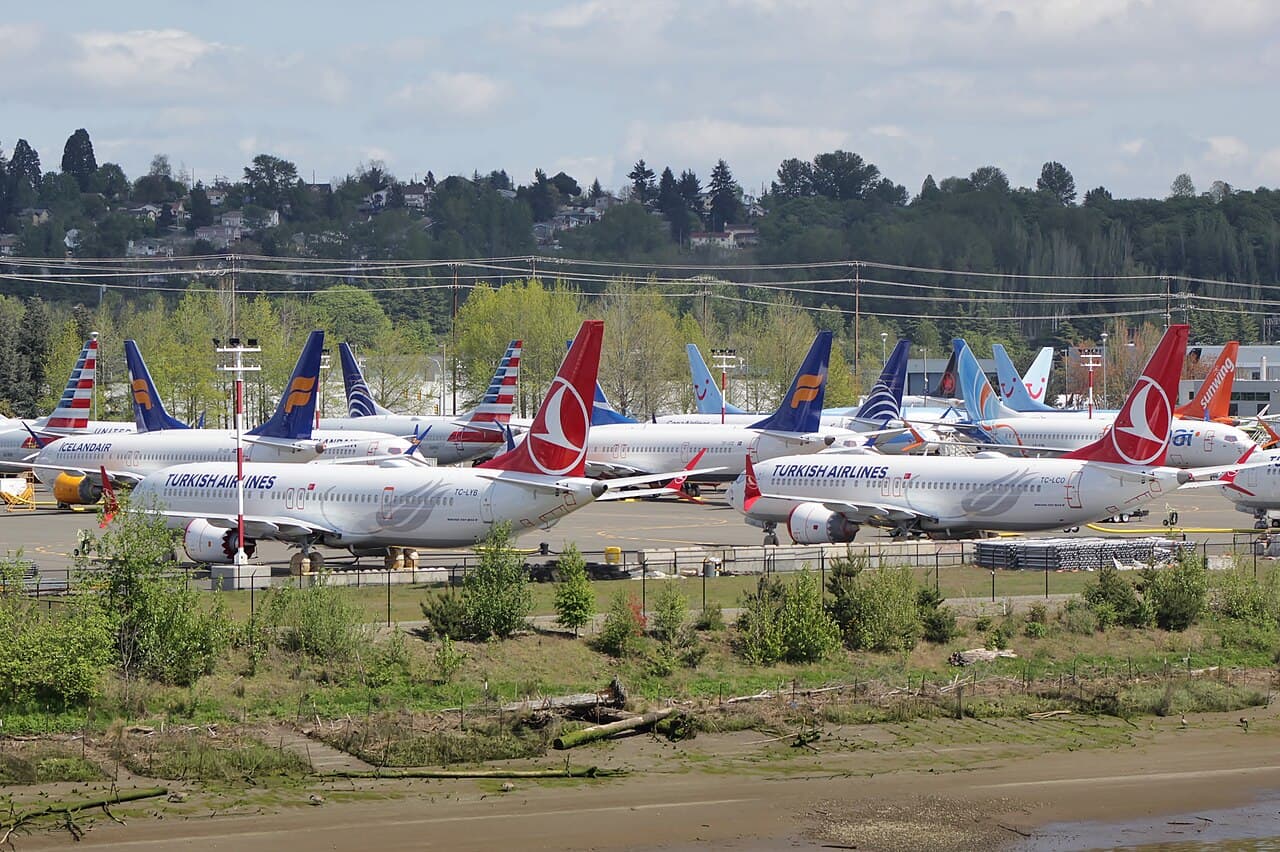
Approximately 30 MAX 7 aircraft have already been assembled and await modifications to the final certified standards and customer-specific configurations before delivery. Boeing must now complete these adjustments, obtain individual airworthiness certificates for each aircraft, and support Southwest’s preparations to incorporate the MAX 7 into its operating manuals, training programs, and maintenance procedures, a process expected to take about six months.
The successful certification of the MAX 7 resolves one of the longest-standing certification challenges in Boeing's 737 MAX program. Moreover, it clears regulatory obstacles related to the redesigned engine anti-ice system, which impacts the entire MAX family. This certification also serves as a precursor to the upcoming certification of the Boeing 737 MAX 10, which shares several updated features and regulatory requirements with the MAX 7.
The 737 MAX 10, which Boeing expects to certify and deliver in 2027 alongside the MAX 7, holds a larger commercial significance due to its substantial order backlog exceeding 1,500 aircraft. It targets the high-capacity narrowbody market and competes directly with the Airbus A321neo, making its certification strategically vital for Boeing’s single-aisle lineup.
Southwest Airlines’ chief operating officer, Andrew Watterson, highlighted that the absence of the MAX 7 has previously forced the deployment of larger aircraft on routes unsuitable for their capacity, underscoring the significance of the MAX 7’s entry. The MAX 7 promises to enhance Southwest’s fleet flexibility by enabling optimized seat capacity without introducing different aircraft types, supporting the airline’s long-term operational strategy.
While the MAX 7 is expected to deliver moderate sales compared to larger MAX variants, its certification represents a critical milestone that allows Boeing to finally meet customer demand for the smallest and longest-range model in the MAX family. This achievement also positions Boeing to reduce inventory of completed MAX 7 aircraft and convert them into revenue-generating deliveries.
Frequently asked questions
- What major technical issue was addressed during the MAX 7 certification?
- The certification involved redesigning the engine anti-ice system after discovering that extended use in dry air could cause engine inlet overheating, a solution now implemented across the MAX family.
- When is the Boeing 737 MAX 7 expected to enter commercial service?
- Boeing and Southwest Airlines anticipate first deliveries and commercial service to begin in 2027, with Southwest requiring about six months after certification to integrate the aircraft into operations.
- How does the MAX 7 fit within Southwest Airlines' fleet strategy?
- Southwest plans to replace its aging 737-700s with the MAX 7 to better match capacity with demand while maintaining its all-Boeing 737 fleet approach, improving operational efficiency.
Read more
All Regulatory →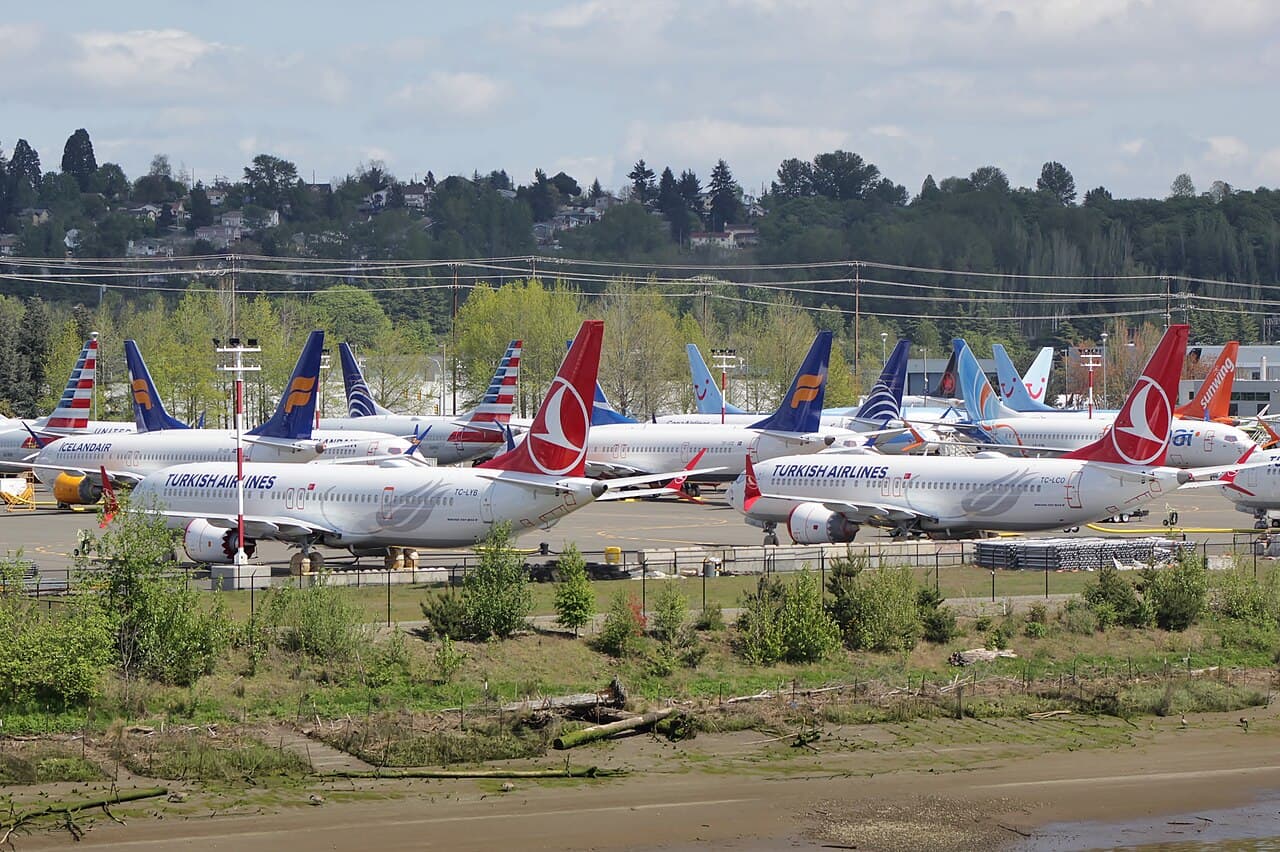
FAA prioritizes certifying Boeing 737 MAX 7 and MAX 10 before 777-9 amid extensive delays
Boeing currently has three aircraft models that have been stuck in certification hell for years: the 737 MAX 7, the MAX 10, and the 777-9. All three of these were supposed to be certified between 2019 and 2020 when initially launched, but over six years later, Boeing has not delivered a single example to an airline. Certification and entry-into-service for all three have been continuously delayed, but earlier in 2026, Boeing provided a more concise timeline. The 737 MAX 7 and MAX 10 will be certified by the end of the 2026 summer season, while the 777-9 will come in 2027.
Easter Island's Remote Mataveri Airport Enables Airbus A350 South Pacific Flight Safety
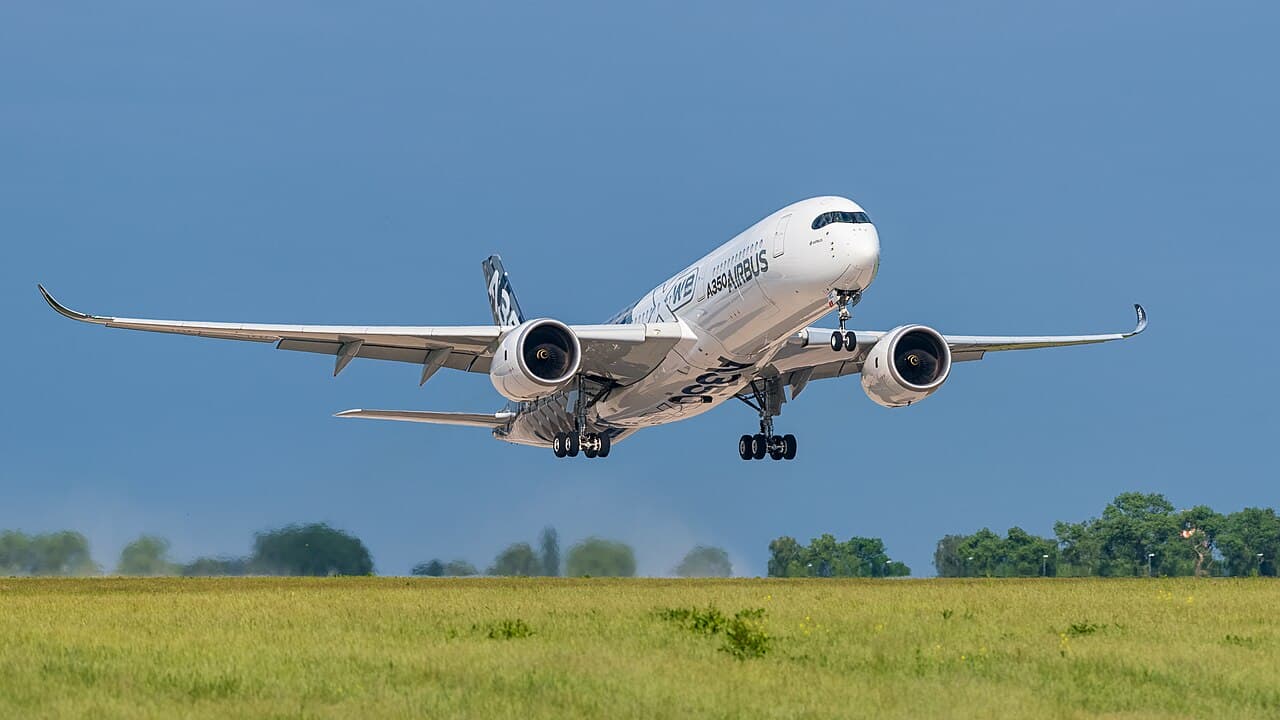
The vast expanse between South America and Oceania has some of the world's loneliest airspace. Even in an age of supremely reliable aircraft and incredibly long Extended-range Twin-engine Operational Performance Standards (ETOPS) certification, it would not be safe to fly this expanse without a fallback option. This comes from Easter Island's Mataveri International Airport (IPC), which serves as the only potential diversion for aircraft making the trip.
Boeing 777-9 Program Hits 4,800 Test Hours as Seventh Plane Begins ETOPS Trials
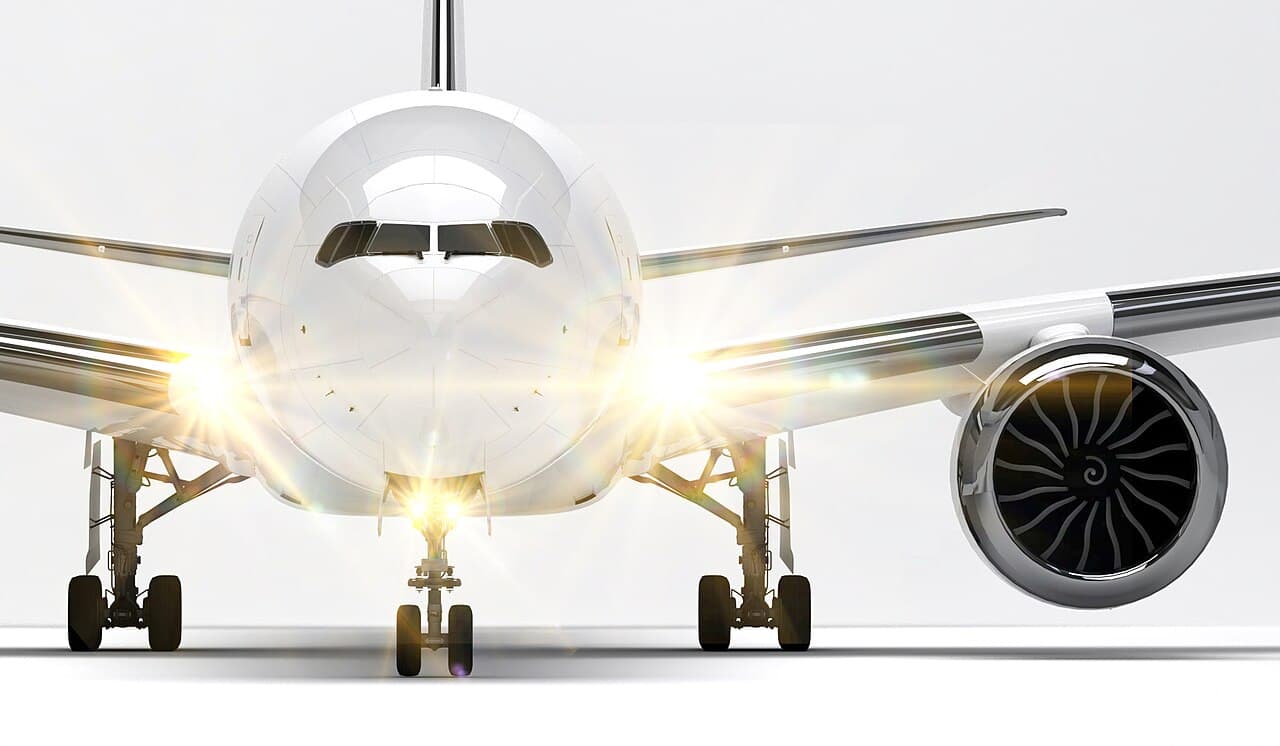
On July 29, the seventh Boeing 777-9 next-gen airliner took flight and marked the 4,800th hour of the 777X program as it finally nears the completion of certification six years after the originally anticipated launch. The newest addition to the growing fleet is bound for Extended-range Twin-engine Operational Performance Standards, or ETOPS, testing. The landmark test flight marks a major milestone that shows the cutting-edge wide-body jetliners with their folding wingtips will soon be serving customers around the world.
American Airlines Grounds All Departures Nationwide Due to IT System Outage During Northeast Storms
American Airlines briefly halted departures nationwide after a systemwide IT outage took down key operational systems, triggering an FAA ground stop for American and its subsidiaries. The systems came back, but for some flights the damage was done: the outage caused them to miss narrow departure windows between severe weather events, turning a short technology failure into cascading delays.
The Daily Touch & Go
The day's best aviation news in your inbox. Free, no spam.