

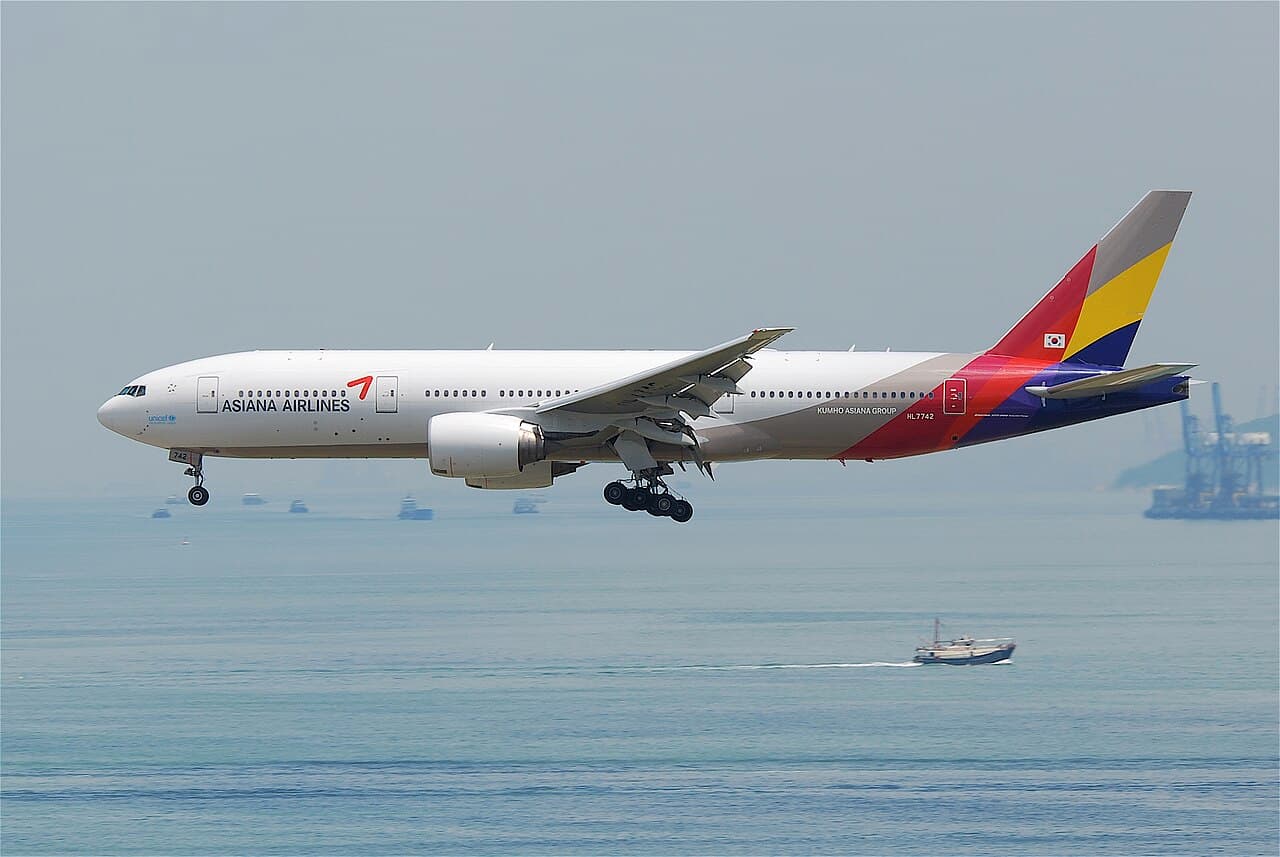
Image: Aero Icarus from Zürich, Switzerland · CC BY-SA 2.0 · via Wikimedia Commons
MSC Air Cargo Confirms Order for Five Boeing 777-8F Freighters, Boosting Backlog Over 80 Jets
MSC Air Cargo, part of the global shipping giant MSC Group, has ordered five Boeing 777-8 Freighters, joining leading operators and increasing Boeing's firm backlog above 80 aircraft.
The gist
MSC Air Cargo becomes Boeing's latest 777-8F customer, committing five jets and advancing fleet modernization with next-gen freighters.
Continuing coverage
All Farnborough Airshow →- Turkish Aerospace to Restart T-70 Helicopter Production After US Sanctions Lifted
- Air Cambodia places landmark order for 20 COMAC C909 jets at Farnborough
- Boeing returns to Farnborough Airshow with emphasis on rebuilding trust and safety
- Boeing to Introduce MQ-28 Ghost Bat for UK Collaborative Combat Aircraft Program
- Vertical Aerospace to Perform First Public eVTOL Flights at Farnborough Airshow 2026
MSC Air Cargo has officially placed an order for five Boeing 777-8 Freighters during the 2026 Farnborough International Airshow, revealing itself as the previously unnamed customer in Boeing’s backlog. This move marks MSC’s first commitment to the 777X family and raises the firm Boeing 777-8F order book to over 80 aircraft. The 777-8F is poised to replace aging 747-400Fs and current 777Fs as production of those models ends to meet upcoming international emissions standards effective 2028. MSC Air Cargo’s order signals confidence in Boeing’s newest freighter, which has yet to make its maiden flight but carries a promise of improved efficiency and lower emissions.
Known primarily as a leading global container shipping company, MSC’s investment in the 777-8F diversifies its logistics capabilities beyond ocean freight. The five new freighters will complement MSC Air Cargo’s existing fleet of seven Boeing 777 Freighters, reinforcing its air freight service as part of the company’s broader integrated transport network. By entering the 777X program early, MSC secures valuable production slots and aligns its operations with anticipated market demands and regulatory shifts.
The Boeing 777-8F cargo variant was developed as a successor to the widely used 777F and as an essential update to meet stricter emissions regulations scheduled to take effect in 2028. Boeing launched the 777-8F program in 2022 after confirming the halt of existing 777F production due to international certification restrictions tied to environmental rules. The aircraft boasts up to 30% better fuel efficiency and significantly reduced carbon emissions per ton of payload compared to older freighters, making it a strategic choice for operators aiming to future-proof their cargo fleets.
MSC’s CEO Jannie Davel emphasized the long-term perspective behind the purchase, framing it as an investment not just in equipment but in the future of MSC Air Cargo’s service and customer offerings. This decision fits within a broader sustainability goal the company is pursuing, as MSC has taken numerous steps in recent years to reduce carbon emissions across its supply chains. Partnerships with decarbonization research centers and calls for accelerated green fuel adoption at the International Maritime Organization underline MSC’s commitment to sustainability.
MSC’s strategy integrates maritime and air logistics to provide seamless, multimodal service. Operating over 900 vessels across more than 500 ports worldwide, MSC has expanded aggressively since 2020, including establishing MSC Air Cargo in 2022. The airline transports high-value and time-sensitive goods that benefit from faster transit, complementing its core ocean operations. The addition of more advanced and environmentally friendly freighters will enhance MSC’s competitive offering in global logistics markets.
The 777-8F order positions MSC as only the third European company to invest in this next-generation Boeing freighter model, after Lufthansa Cargo and Cargolux. Other customers include global players like Qatar Airways Cargo and various Asian carriers. This clustering of orders reflects a growing consensus among leading cargo operators on the need for aircraft that comply with tightening emissions requirements while maintaining capacity on key long-haul routes.
MSC Air Cargo employs a hybrid operational model combining leased and owned aircraft. Initially, four of the seven current 777 freighters are operated by Atlas Air under an ACMI arrangement, while the airline also operates at least one aircraft under its own European Air Operator Certificate acquired through its takeover of Italian cargo carrier AlisCargo. This flexible operating approach allows MSC to balance rapid market entry with longer-term control of its air freight operations.
The timing of MSC’s 777-8F commitment is significant given the pending international emissions rules that will restrict new certifications of older freighter models from 2028. As Boeing seeks temporary exemptions for existing 777Fs until the 777-8F enters service around 2029, operators like MSC are positioning themselves to avoid fleet obsolescence. This strategy ensures continuity of service, regulatory compliance, and improved competitiveness in a market increasingly driven by sustainability concerns.
MSC Air Cargo’s order for the next-generation 777-8 Freighter underscores the intensifying integration between maritime and air freight logistics and highlights a shift among major cargo operators to secure advanced, eco-efficient aircraft well ahead of market entry. This development not only supports Boeing’s 777X program but also marks a pivotal step in modernizing global air cargo fleets to meet future demand and environmental challenges.
Frequently asked questions
- Who is MSC Air Cargo and what role do they play in aviation?
- MSC Air Cargo is the air freight division of the MSC Group, a major global shipping company. It operates a fleet including Boeing 777 freighters and integrates air cargo within its broader logistics network.
- Why did MSC order the Boeing 777-8F freighters before the aircraft’s first flight?
- MSC’s order secures production slots early and aligns with long-term sustainability and emissions compliance goals, ensuring future readiness as older models become non-compliant from 2028 onward.
- How does the Boeing 777-8F compare to legacy freighters in terms of emissions and efficiency?
- The 777-8F offers up to 30% better fuel efficiency and significantly lower carbon emissions per payload ton than older models like the 747-400F, meeting stricter international emissions standards effective 2028.
Read more
All Cargo →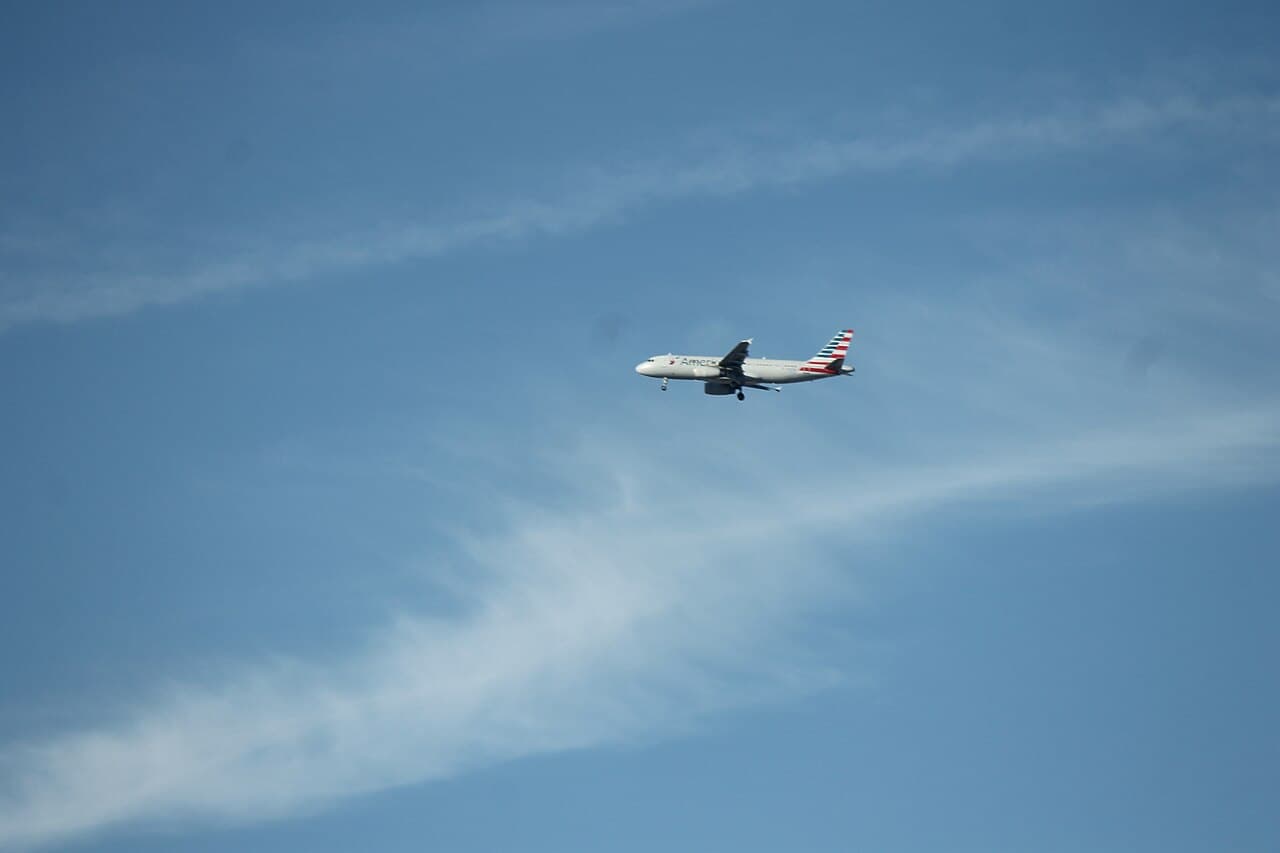
American Airlines Posts Record $16.7B Revenue in Q2 2026 Amid Premium Growth
American Airlines Group Inc. (NASDAQ: AAL) delivered its highest quarterly revenue in company history during the second quarter of 2026. ezstandalone.cmd.push(function () { ezstandalone.showAds(119); }); The airline reported total revenue of $16.7 billion, marking a strong 16.3% increase from the same period last year. This impressive performance highlights the success of its commercial strategy amid rising fuel costs. CEO Robert Isom praised the results. “American delivered year-over-year revenue growth of more than 16% in the second quarter, exceeding our initial expectations,” he said. ezstandalone.cmd.push(function () { ezstandalone.showAds(127); }); The growth came from robust demand and solid execution across the airline’s four key commercial pillars: elevating the customer experience, growing the global network, driving premium revenue, and leading in loyalty. Strong Revenue Growth Across All Segments Revenue momentum was broad-based. Premium cabins outperformed with passenger unit revenue up 13.4%, while Main Cabin unit revenue rose 8.8%. ezstandalone.cmd.push(function () { ezstandalone.showAds(128); }); Domestic passenger unit revenue grew 10.6%, showing a nice rebound. International routes also performed well: Pacific entity unit revenue jumped 15.1%, Atlantic rose 8.9%, and Latin America increased 6.6%. Managed corporate revenue surged 26% year over year. This marks the fifth consecutive quarter of double-digit growth in this important segment. ezstandalone.cmd.push(function () { ezstandalone.showAds(129); }); Overall passenger revenue reached $15.2 billion, up 15.9%. Cargo revenue grew 29.7%, and other revenue increased 17.9%. Capacity grew 5.4% year over year, yet the airline maintained operational resilience. On-time arrival performance improved by 2.8 points, and system misconnections dropped nearly 25% after successful rebanking at its Dallas-Fort Worth (DFW) hub. Unit revenue at DFW outperformed the system average by 4 points. Photo Credit: American Airlines Progress on Four Commercial Pillars Customer Experience American continues to invest in customer experience. Its Net Promoter Score (NPS) improved by 5 points year over year. ezstandalone.cmd.push(function () { ezstandalone.showAds(130); }); The airline plans to install Starlink high-speed Wi-Fi across its fleet starting in 2027. It is also expanding Admirals Club and premium lounges in key hubs like New York (JFK), DFW, Charlotte (CLT), and Miami (MIA). Network Growth Network growth remains a priority. New nonstop routes launched to Budapest and Prague from Philadelphia, and to Athens from DFW. American also resumed service to Caracas from Miami, becoming the first U.S. carrier to return to Venezuela. These moves strengthen its position in premium trans-Atlantic and Latin American markets. ezstandalone.cmd.push(function () { ezstandalone.showAds(131); }); Premium Market Premium seat expansion is underway with new aircraft deliveries and retrofits. This summer, American will offer more premium seats than any other U.S. airline. Updates to bag fees and Basic Economy options helped boost upsell rates from Basic Economy to Main Cabin by 5 points. Loyalty Program The AAdvantage loyalty program showed impressive growth. Enrollments rose more than 30% year over year. Co-branded credit card spend with Citi increased 8% in the quarter. These efforts reinforce customer engagement and premium demand. Photo Credit: American Airlines Fuel Headwinds and Financial Results Higher fuel prices presented a major challenge. Fuel expense surged over $2.2 billion (83%) year over year. Strong revenue performance offset nearly 50% of this increase. ezstandalone.cmd.push(function () { ezstandalone.showAds(132); }); GAAP net income was $71 million ($0.11 per diluted share), while adjusted net income reached $99 million ($0.15 per diluted share). The airline ended the quarter with $11.3 billion in total available liquidity. It completed financings to strengthen its balance sheet and address future maturities. Outlook for the Rest of 2026 American expects revenue momentum to continue. For Q3 2026, it forecasts total revenue growth of 16.0% to 19.0% year over year. ezstandalone.cmd.push(function () { ezstandalone.showAds(133); });  Capacity should grow 3.0% to 5.0%. However, due to elevated fuel prices, the company updated its full-year adjusted earnings per diluted share guidance to a range of ($0.65) to $0.65. CFO Devon May noted ongoing efficiency initiatives. These efforts, combined with revenue strength, position American to expand margins over time despite cost pressures. American Airlines is navigating a complex environment with confidence. Its focus on product improvement, network optimization, premium growth, and loyalty continues to deliver results. ezstandalone.cmd.push(function () { ezstandalone.showAds(134); }); As the airline celebrates its centennial in 2026, these record revenues signal a strong foundation for future success.
Singapore Airlines Group posts S$76 million net loss despite record revenue on fuel cost surge
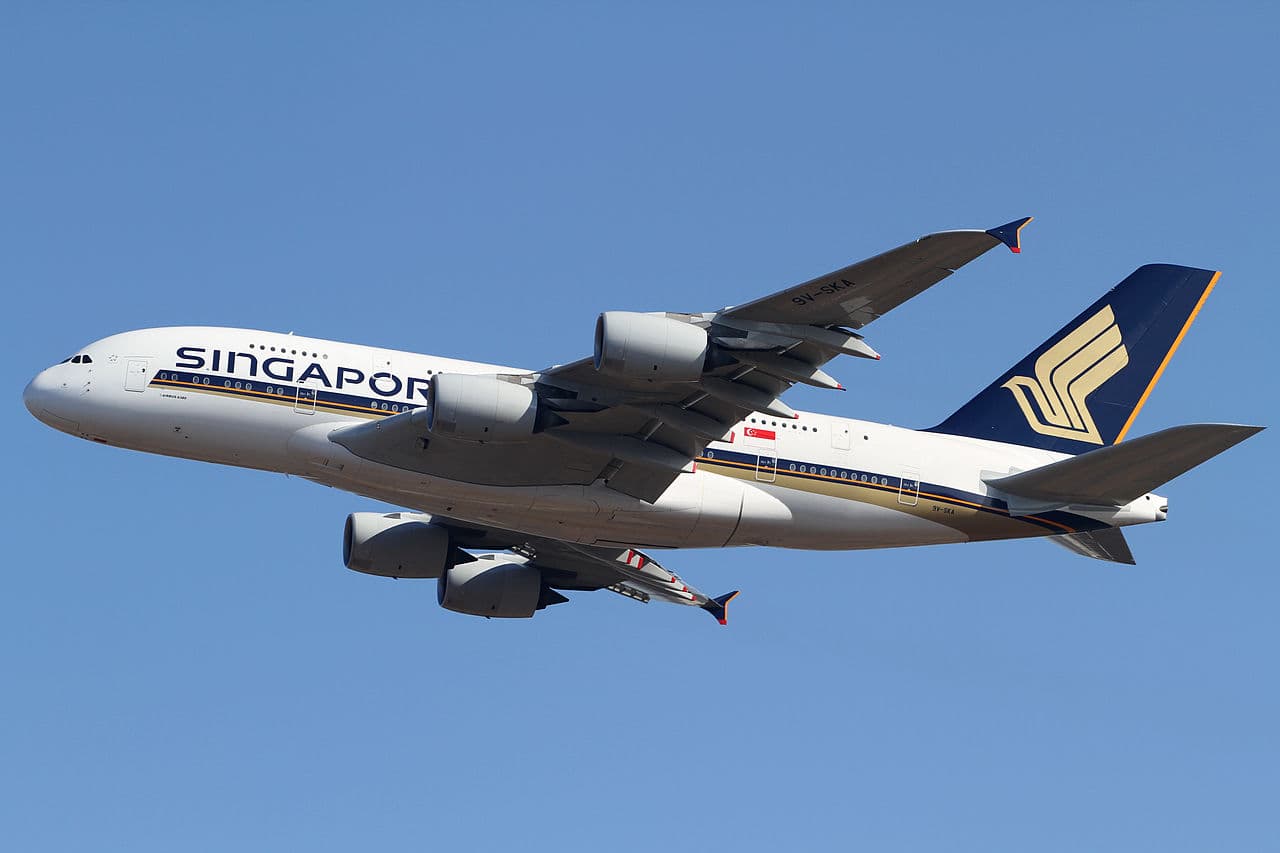
Singapore Airlines' parent company posted a rare loss for the quarter ended June 30, 2026, even as the group brought in more revenue than ever before. The SIA Group reported a net loss of S$76 million (US$59 million) for its first fiscal quarter, a sharp reversal from the S$186 million (US$143 million) profit it posted a year earlier, driven almost entirely by a spike in fuel costs tied to the conflict in the Middle East. Record revenue, but fuel costs ate into it Revenue for the quarter reached S$5.71 billion (US$4.40 billion), up 19.3% year-on-year and a new high for the group. Passenger revenue climbed 18.6% to S$4.58 billion (US$3.53 billion), helped by SIA and budget carrier Scoot carrying a combined 10.9 million passengers, up 6.3% from the previous year, along with a 12% rise in passenger yields. Cargo revenue also grew, up 33.5% to S$708 million (US$545 million), supported by stronger cargo rates and slightly fuller planes. However, none of that growth was enough to offset what happened on the cost side. Total group expenditure jumped 27.9% to S$5.61 billion (US$4.32 billion), almost entirely because of a S$991 million (US$763 million), or 78.5%, increase in net fuel costs. That spike traces directly back to the Middle East conflict that began on February 28, 2026. Because jet fuel prices typically adjust with a delay, SIA said the group felt the impact of the conflict hit especially hard this quarter, with fuel costs before hedging more than doubling. SIA did benefit from its fuel hedging, contracts that lock in fuel prices in advance, which turned a loss in 2025 into a gain this year. But even that wasn't enough to offset how much more expensive fuel had become overall. As a result, operating profit fell to S$106 million (US$82 million), down 73.8% from S$405 million (US$312 million) a year earlier. After accounting for a larger share of losses from Air India, in which SIA holds a 25.1% stake, and a smaller tax bill, the group ended the quarter S$76 million (US$59 million) in the red. A strong balance sheet cushions the blow Despite the loss, SIA's finances remain solid. The group closed the quarter with S$9.10 billion (US$7.01 billion) in cash and bank balances, up S$1.17 billion (US$901 million) from the previous quarter, along with another S$1.38 billion (US$1.06 billion) in longer-term fixed deposits and S$3.24 billion (US$2.50 billion) in undrawn credit lines. Shareholders' equity stood at S$16.59 billion (US$12.78 billion), down slightly from three months earlier, while the group's debt-to-equity ratio ticked up to 0.65 from 0.62, partly due to a new five-year bond issued in Chinese yuan. Growth continued despite the turbulence Even with fuel prices working against it, SIA kept expanding its network during the quarter. Scoot launched new direct routes from Singapore to Belitung and Pontianak in Indonesia, while SIA began daily service to Hangzhou in mainland China. By the end of June, the group's combined network covered 137 destinations across 36 countries and territories. In Europe, SIA boosted frequencies to London Gatwick and Manchester over the summer travel season and announced a new five-times-weekly route to Madrid starting in October, its 15th destination in Europe. In Australia, the airline plans to add flights to Adelaide and launch daily service to the new Western Sydney International Airport later this year. The Middle East conflict didn't just raise fuel costs, it also disrupted parts of SIA's own network. Scoot resumed flights to Jeddah in Saudi Arabia in June, only to suspend them again in mid-July as the conflict escalated. SIA's services to Dubai remain suspended, and the planned launch of flights to Riyadh has been pushed back to December. Navigating uncertainty ahead SIA said demand for air travel remains strong heading into the rest of the year, and cargo demand is holding up as well, supported in part by semiconductor and data center-related shipments. Still, the airline was clear-eyed about the risks ahead, noting that a prolonged Middle East conflict could keep fuel prices elevated and potentially disrupt broader supply chains and trade. To manage that uncertainty, SIA said it plans to lean on its dual-brand structure, using Singapore Airlines and Scoot together to adjust capacity as demand shifts, while continuing to invest in new aircraft, airport lounges, and an updated in-flight experience set to roll out later this year. RELATED Singapore Airlines appoints veteran lawyer Adrian Chan Pengee to its board
Etihad Airways Expands African Reach with Partnerships Ahead of New Routes Launch
Etihad Airways is rapidly expanding its presence in Africa. In July 2026, the airline signed three strategic partnership agreements that will significantly improve connectivity across the continent. ezstandalone.cmd.push(function () { ezstandalone.showAds(119); }); These deals with Fastjet, Air Peace, and Africa World Airlines will support Etihad’s six new direct routes launching from November 2026. The partnerships allow seamless onward travel for Etihad guests beyond the airline’s own flights. Travelers can now reach many more cities across West, Central, and Southern Africa with easy connections. ezstandalone.cmd.push(function () { ezstandalone.showAds(127); }); This strategy positions Abu Dhabi as a key gateway linking Africa with India, Asia, and the Middle East. Key Agreements Signed in July Fastjet Zimbabwe Etihad began the month with an interline agreement with Fastjet Zimbabwe. This partnership extends reach into Southern Africa, especially ahead of Etihad’s upcoming flights to Harare. Guests will enjoy convenient connections through Fastjet’s regional network. ezstandalone.cmd.push(function () { ezstandalone.showAds(128); }); Photo Credit: Sm105, CC BY-SA 4.0, via Wikimedia Commons Air Peace On 22 July, Etihad signed an interline agreement with Air Peace, Nigeria’s largest airline, in Lagos. This deal opens up 20 destinations across Nigeria, West Africa, and Central Africa. Passengers flying with Etihad can now access a much wider range of cities in these growing markets. Africa World Airlines Just two days later, on 24 July in Accra, Etihad signed a comprehensive Memorandum of Understanding with Africa World Airlines. ezstandalone.cmd.push(function () { ezstandalone.showAds(129); }); The Ghana-based carrier serves domestic and regional routes. The agreement covers codeshare flights, interline connections, cargo cooperation, and loyalty program benefits. This deeper collaboration promises smoother travel and more options for passengers and shippers. Photo Credit: JoniVideography, CC BY-SA 4.0, via Wikimedia Commons Building on Earlier Expansion Plans These July partnerships follow Etihad Airways’ April 2026 announcement of six new African destinations. The airline is clearly following a well-planned strategy. By securing partner networks before the new routes begin, Etihad ensures travellers can connect across the continent from day one. The expansion also builds on Etihad’s existing strategic joint venture with Ethiopian Airlines. Together, these partnerships allow the airline to offer far more destinations than it could serve with its own aircraft alone. ezstandalone.cmd.push(function () { ezstandalone.showAds(130); }); This approach delivers greater choice while maintaining high service standards that Etihad customers expect. Arik De, Etihad Airways Chief Commercial and Revenue Officer , highlighted the importance of these moves. He said: “Africa is one of the fastest-growing aviation regions in the world, and this month we have moved quickly to grow with it.” “Three agreements in July, each shaped to its market… When our new African routes take off, the partner network behind them will already be in place.” ezstandalone.cmd.push(function () { ezstandalone.showAds(131); }); Photo Credit: Gatwick Airport Supporting Trade and Economic Ties The timing of these partnerships aligns with stronger economic links between the UAE and African nations. For example, the UAE signed a Comprehensive Economic Partnership Agreement with Nigeria in January 2026. Improved air connectivity supports growing trade, particularly in sectors where demand for cargo services is rising faster than supply. For passengers, the benefits are clear. Easier connections mean shorter overall travel times and more convenient itineraries. Business travellers and tourists alike will gain better access to opportunities across Africa. Families visiting relatives or exploring new destinations will also enjoy smoother journeys. ezstandalone.cmd.push(function () { ezstandalone.showAds(132); }); Cargo shippers stand to benefit too. Enhanced networks will help move goods more efficiently between Africa, the Middle East, and Asia. Conclusion Tickets combining Etihad and partner airlines will become available as each agreement takes effect. Travelers should check etihad.com for the latest booking information and route details. Etihad’s focused expansion reflects confidence in Africa’s economic growth and rising demand for air travel. By combining its own new routes with strong local partnerships, the airline is creating a robust network that serves both passengers and businesses. ezstandalone.cmd.push(function () { ezstandalone.showAds(133); }); This series of agreements marks an important step in Etihad’s global growth strategy. As Africa’s aviation market continues to expand, Etihad is well-positioned to play a leading role in connecting the continent with the rest of the world.
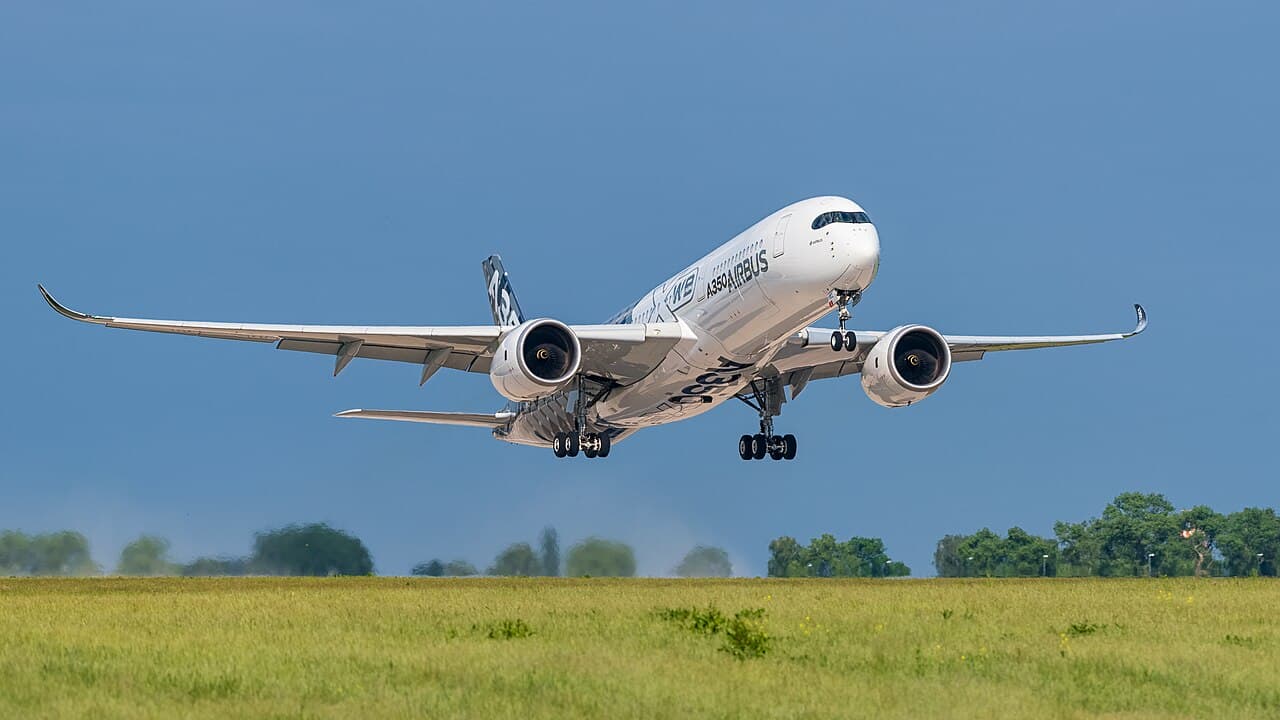
Airbus A350 Freighter Emerges as Significant Competitor to Boeing in Large Cargo Market
For decades, the large purpose-built freighter market was one of the safest corners of the commercial aviation industry for Boeing . The 747 Freighter became synonymous with global air cargo, while the 777F established itself as the dominant modern widebody freighter. Airbus, by comparison, struggled to translate its strength in passenger aircraft into a meaningful share of the dedicated cargo market.
The Daily Touch & Go
The day's best aviation news in your inbox. Free, no spam.