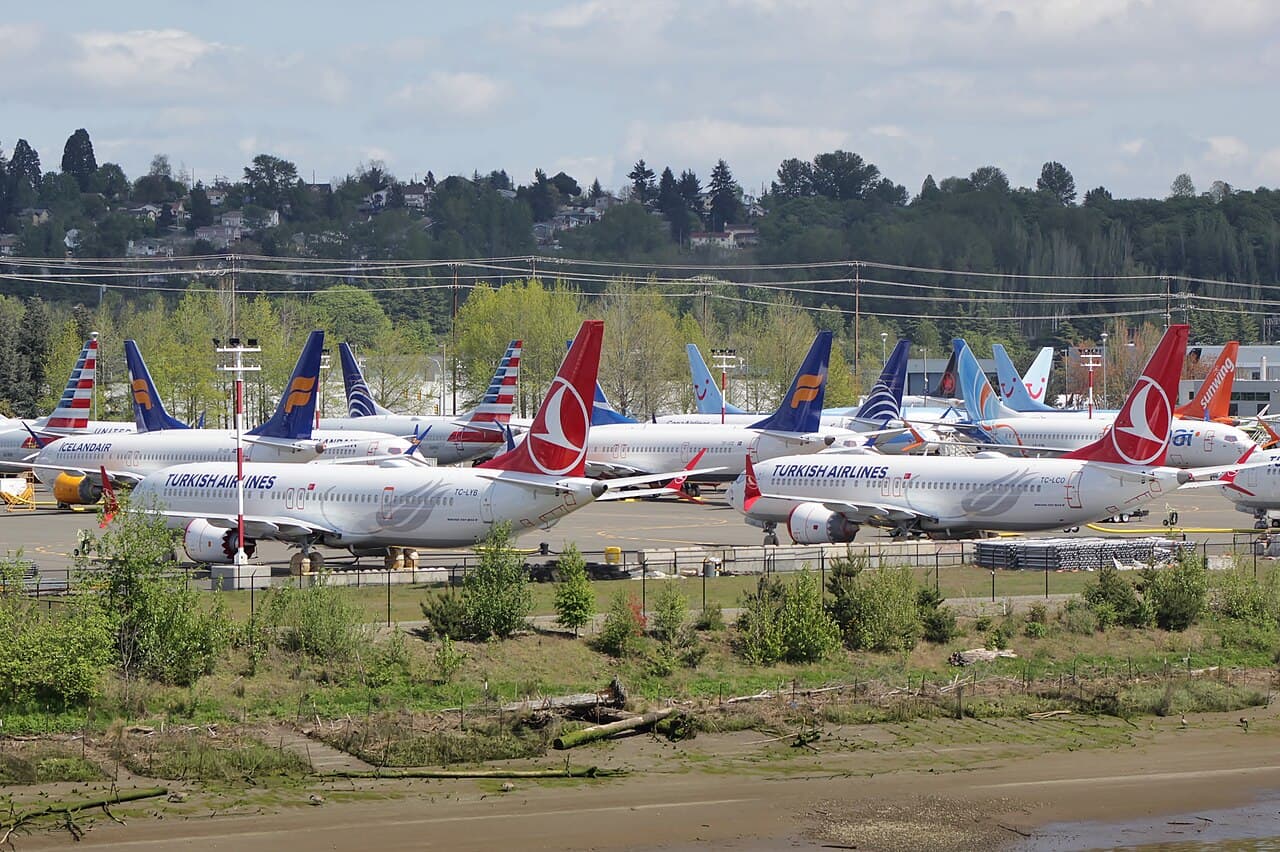
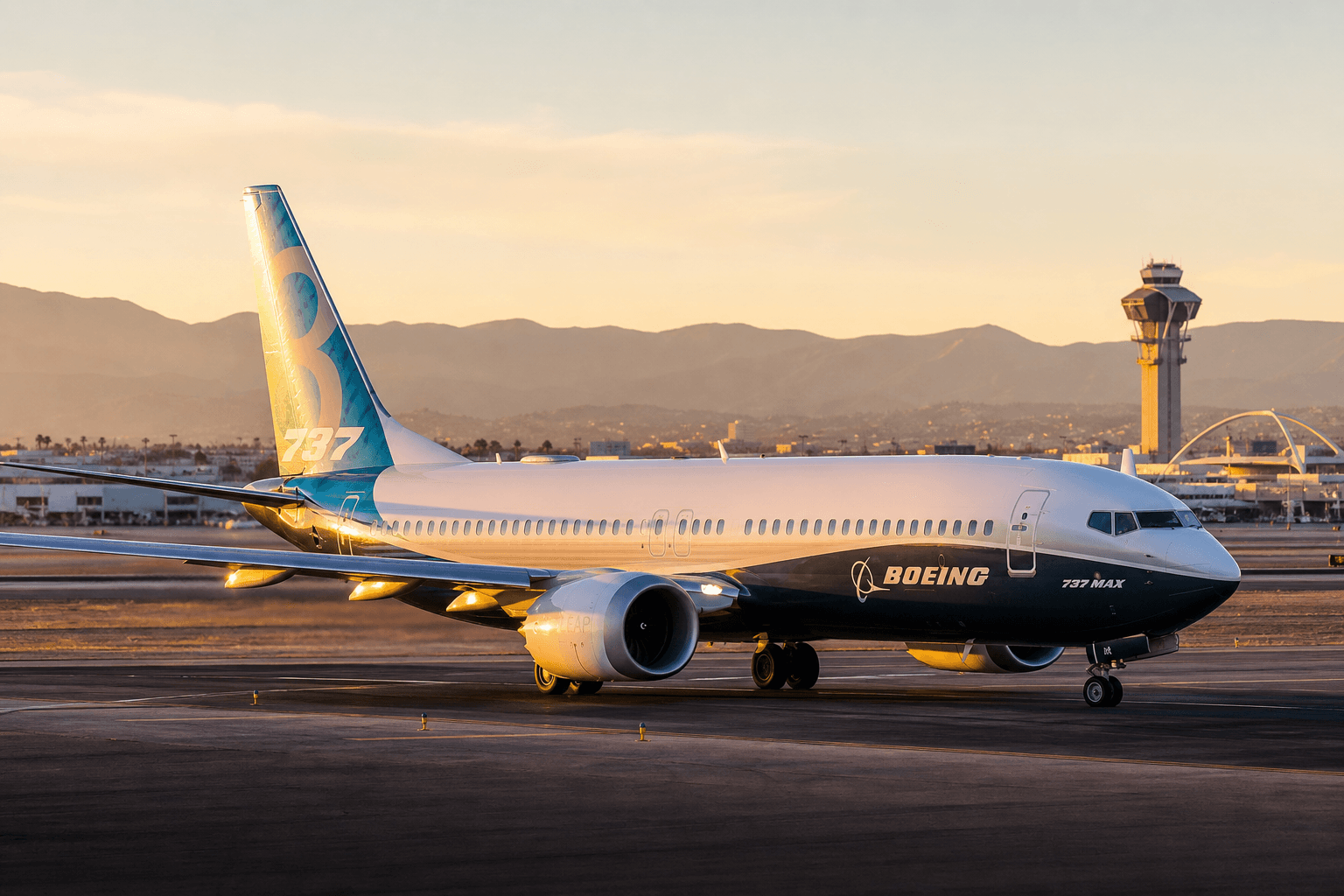
Image: SounderBruce · CC BY-SA 4.0 · via Wikimedia Commons
FAA prioritizes certifying Boeing 737 MAX 7 and MAX 10 before 777-9 amid extensive delays
After years of setbacks, Boeing's 737 MAX 7 and MAX 10 certifications are set to conclude by late 2026, while 777-9 certification is delayed to 2027 due to heightened FAA scrutiny and technical challenges.
The gist
Boeing’s delayed 737 MAX 7 and MAX 10 will be certified before the 777-9 as FAA oversight intensifies and fixes are completed.
Continuing coverage
All Boeing →- Boeing's Chevrons Quiet Engines but Cost Fuel on 787, 747-8, and 737 MAX
- Boeing Completes Final 737 Max 10 Certification Flight Test Ahead of Year-End Approval
- Defunct Cameroon Airlines Sues Boeing for $179M Over 1995 737-200 Crash
- Legacy 1960s Boeing 737 Design Caps Economy Seat Width at 17 Inches
- Boeing's 737 MAX 7 Set for FAA Certification This Month, Boosting Southwest's Fleet Plans
Boeing's long-delayed aircraft programs for the 737 MAX 7, MAX 10, and 777-9 continue to inch closer to certification after facing multiple setbacks since their launches. Initially slated for certification between 2019 and 2020, none of these models have entered airline service as of mid-2026. Boeing now expects the 737 MAX 7 and MAX 10 to gain Federal Aviation Administration (FAA) certification by the end of summer 2026, with the 777-9 following in 2027 according to updated company timelines released earlier this year.
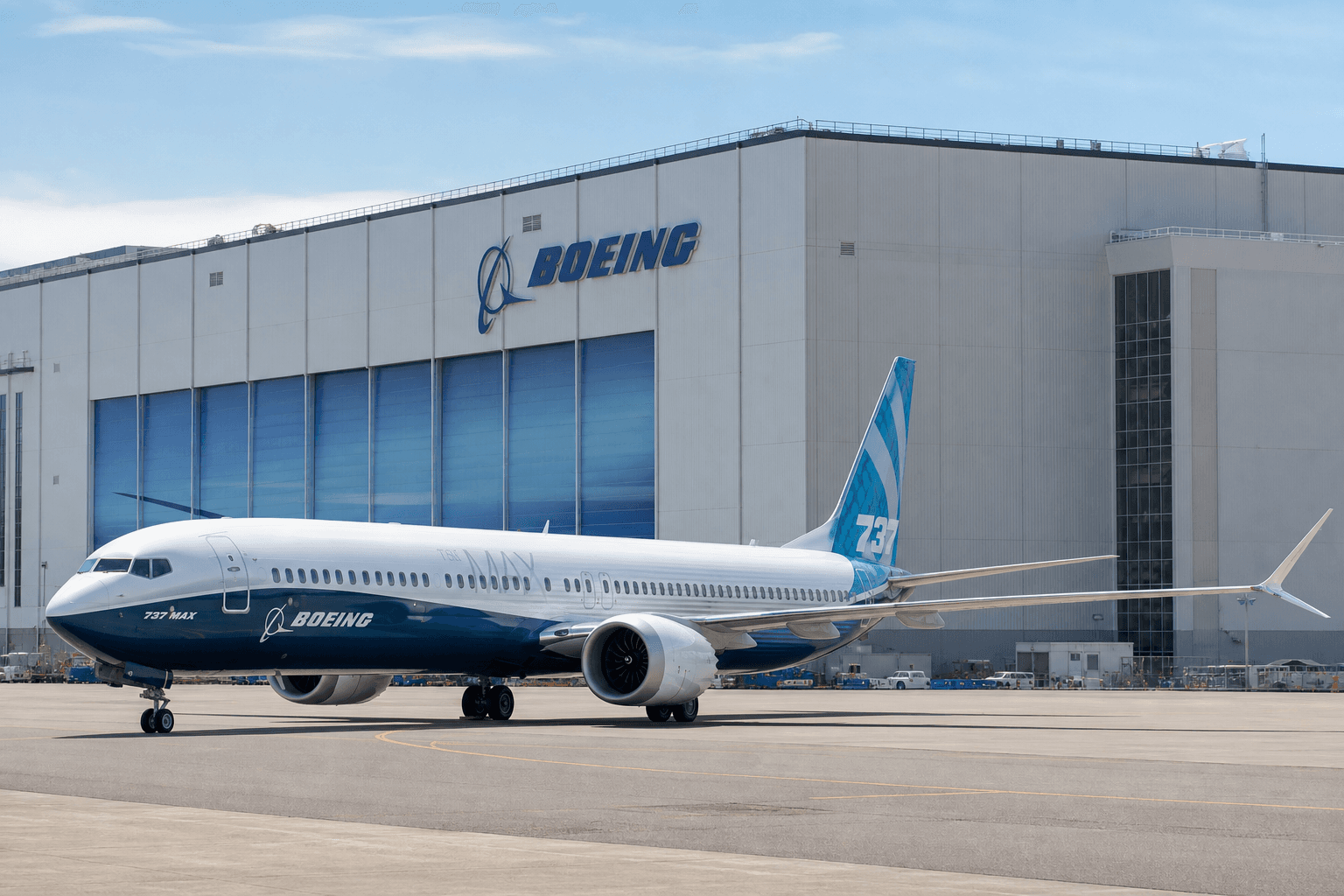
The 737 MAX 7 and MAX 10 are variants of Boeing’s existing narrowbody MAX family, which includes the MAX 8 and MAX 9 that have been active in service for several years. Due to this lineage, certification for the MAX 7 and MAX 10 is considered less complex, although FAA oversight has become more cautious after the global MAX grounding in 2019-2020. Both MAX 7 and MAX 10 completed certification flight testing by late July 2026, marking key milestones toward their imminent approval.
In contrast, the 777-9 represents the first in the new 777X family and involves substantial design changes including a new wing with folding wingtips, the GE9X engine, an extended fuselage, and redesigned cockpit and cabin interiors. These innovations, combined with stringent FAA scrutiny following previous Boeing safety concerns, have stretched the 777-9’s timeline, pushing its expected certification and delivery to 2027, several years behind the original 2020 target.
One of the major technical issues delaying the MAX 7 and MAX 10 certification involved their engine anti-ice systems. Discovered in 2023, the engine anti-ice mechanism posed risks of damage to the engine nacelle during extended use in dry conditions. Boeing developed a new hardware and software solution completed in November 2025, which the FAA required before allowing certification to proceed. Boeing plans to retrofit this system onto existing MAX 8 and MAX 9 aircraft already in service, alongside an updated crew alerting system mandated for the newer variants.
For the 777-9, technical hurdles have also contributed to delays. Early in the program, a cargo door failure occurred, followed by an in-flight engine shutdown incident in 2022. Additionally, a thrust link component designed by Boeing myself experienced a failure in 2024, necessitating redesign and retesting. These engineering challenges, coupled with reinforced regulatory oversight, have consolidated the FAA’s cautious approach to approving this new widebody.
Boeing and the FAA have strategically prioritized finishing certification of the MAX family variants before fully turning attention to the 777-9. The 737 MAX 7, despite limited orders mostly from Southwest Airlines and some business jet customers, completes the narrowbody family with approximately 300 orders. The MAX 10, with over 1,400 orders, is pivotal for Boeing’s competitiveness against Airbus’s dominant A321neo in the large narrowbody segment and is integral to several airlines’ fleet strategies, notably United Airlines' 277 orders.
The 737 MAX 10 is seen as Boeing’s crucial response to capture market share lost to the Airbus A321neo, which has sold over 7,700 units, dwarfing Boeing’s MAX 9 numbers. The narrowbody’s economic performance and capacity position it as a key product for carriers adapting route networks and fleet compositions in the post-pandemic era. Boeing’s certification of the MAX 10 is thus vital to fulfilling airline contracts and regaining commercial momentum in this segment.
With the final certification stages of the MAX variants nearing completion, Boeing is readying to shift focus and resources fully back to the 777X program. The 777-9’s certification in 2027 will mark the culmination of an unusually long development period that began with the program launch in 2013. Achieving this milestone hinges on resolving remaining technical challenges and satisfying the FAA’s rigorous safety requirements that have only intensified since the 737 MAX incidents.
The staggered certification approach, emphasizing completion of the 737 MAX 7 and MAX 10 before the widebody 777-9, reflects both the relative complexities of the aircraft and the ongoing FAA emphasis on conservative risk management. While the MAX variants leverage an existing model lineage, the novel 777X requires extensive evaluation. Customers await delivery with interest, hoping these delays will finally end so fleet modernization and expansion plans can proceed without further uncertainty.
Frequently asked questions
- Why is the FAA certifying the Boeing 737 MAX 7 and MAX 10 before the 777-9?
- The 737 MAX 7 and MAX 10 are derivatives of previously certified MAX models and have fewer changes, so their certification is less complex. The 777-9 features significant design changes requiring more rigorous testing, and FAA is cautious following previous Boeing safety issues.
- What technical issues delayed certification of the 737 MAX 7 and MAX 10?
- A major delay came from problems with the engine anti-ice system, which posed risk of engine nacelle damage during prolonged use in dry conditions. Boeing completed hardware and software redesigns to fix the issue, a prerequisite for FAA certification.
- What are some challenges Boeing faced with the 777-9 certification?
- The 777-9 program encountered issues like a cargo door failure, an in-flight engine shutdown, and a thrust link failure requiring redesign. These technical hurdles, combined with enhanced FAA scrutiny, have delayed certification until 2027.
Read more
All Regulatory →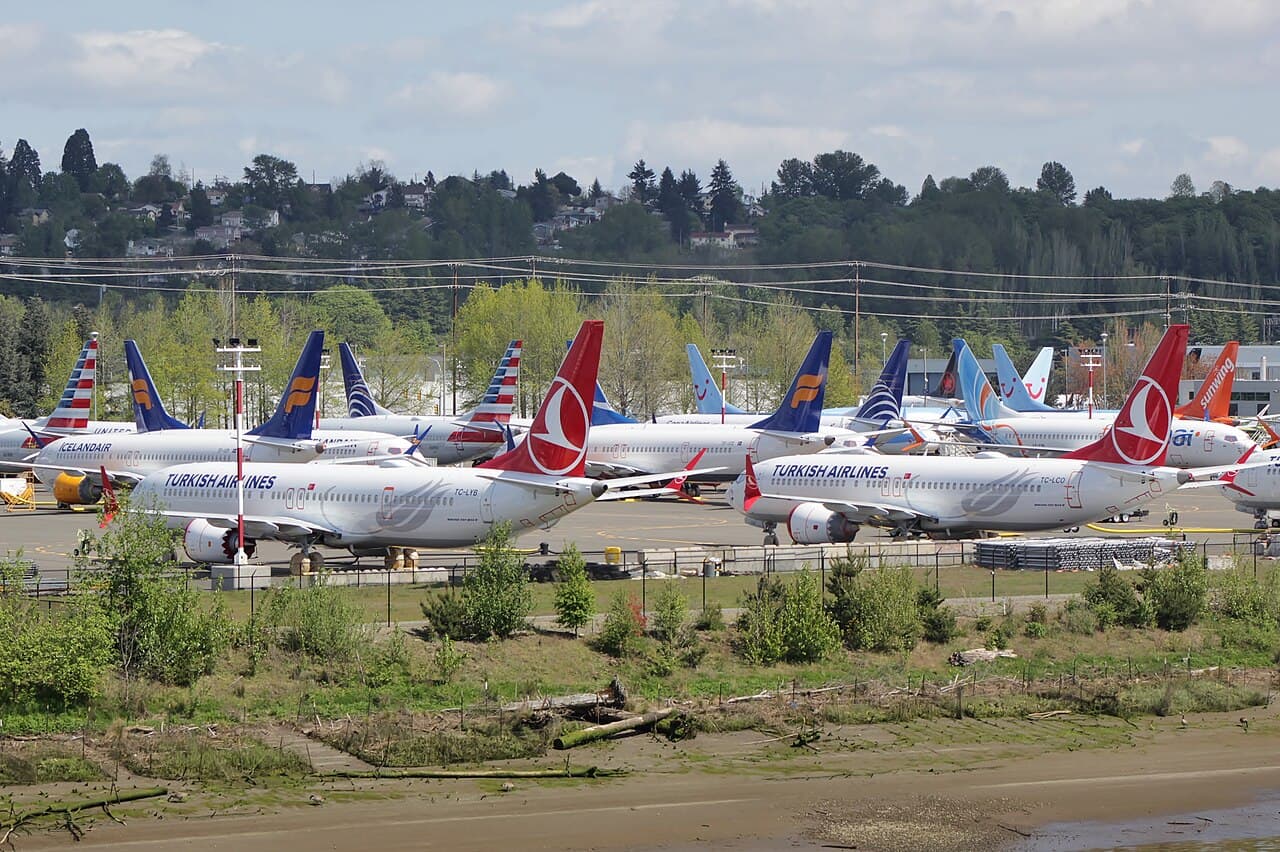
FAA Restores Boeing's Authority to Certify 737 MAX and 787 Deliveries
The Federal Aviation Administration ( FAA ) has finally returned authority to Boeing to certify airworthiness certificates again on select Boeing 737 MAX and Boeing 787 family of aircraft. This comes after the permissions were revoked in 2019, following the fatal MAX crashes .
FAA Restores Boeing's Authority to Certify New 737 MAX and 787 Jets
Starting July 20, Boeing will again issue final airworthiness certificates for newly built 737 MAX and 787 aircraft—authority the FAA reserved after fatal crashes and production failures. The agency says eight months of alternating inspections produced comparable quality findings, while federal audits and production oversight will continue.
Boeing Plans New Clean-Sheet Jet After Completing 737 MAX and 777X Certification
Boeing Chief Executive Officer Kelly Ortberg told the Financial Times that his company will be ready to fund its first 'clean sheet' plane program in two decades by 2030. He expressed confidence that the final certification of the remaining 737 MAX variants and 777X widebody will bring the financial stability to launch its next all-new airliner design program.
Boeing launches fourth 737 MAX final assembly line at Everett facility
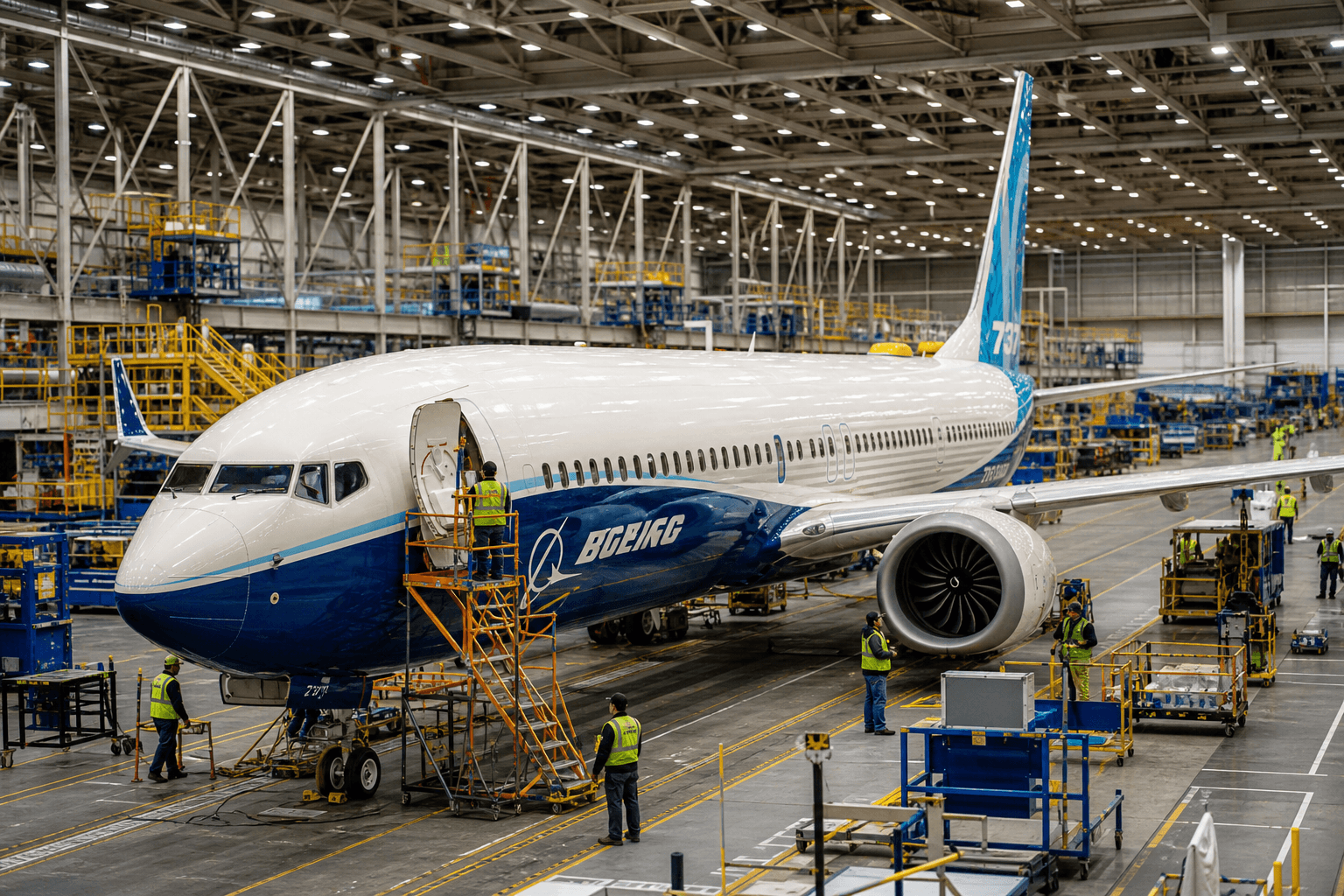
Boeing has opened a fourth 737 MAX final assembly line at its factory in Everett, Washington, marking the first time in more than 50 years that the 737 has been built outside Renton. Production began on the first aircraft on July 6, 2026, with Boeing formally marking the opening of the new North Line four days later. The line occupies space in the Everett factory that was originally built for widebody aircraft, including the 747. The first 737 moving through the line is a 737 MAX 10. Boeing did not publicly identified the customer for that airplane. The new line is designed around the same production process used at Boeing's three existing 737 lines in Renton, about 40 miles south of Everett. Boeing said that should allow teams at both sites to share procedures and production improvements. The North Line will not immediately result in a sharp increase in monthly output. Boeing plans to use the first aircraft for low-rate initial production, giving workers time to test the line, complete regulatory and compliance work and make changes before output increases. The company is currently raising 737 production from 42 to 47 aircraft a month. Once the Renton lines stabilize at that level, the Everett line is expected to provide the additional capacity needed to reach 52 aircraft a month and potentially higher rates later. Boeing has more than 4,000 737 MAX aircraft in its backlog, enough to keep the program busy into the 2030s at current production rates. The added line gives the manufacturer more room to work through those orders while reducing its dependence on three assembly lines at a single site. The Everett line will also handle aircraft that require more time than Boeing's standard production flow. Boeing said that could include jets with more complex interiors or additional work that would otherwise slow one of the Renton lines. Boeing first announced the Everett expansion in January 2023. The factory had available space after the end of 747 production and the consolidation of 787 final assembly in South Carolina. Everett continues to build the 767 and 777 families. The opening comes as Boeing works to rebuild 737 output following years of production interruptions and increased regulatory scrutiny. The Federal Aviation Administration (FAA) imposed limits on 737 production after a door plug separated from an Alaska Airlines 737 MAX 9 shortly after takeoff in January 2024. Boeing has since been increasing output in stages while working with the FAA and suppliers. Boeing said it will not move to higher production rates until the manufacturing system is stable and meeting its quality targets. The company built the first 737 near Seattle before moving the program to Renton in 1970.
The Daily Touch & Go
The day's best aviation news in your inbox. Free, no spam.