

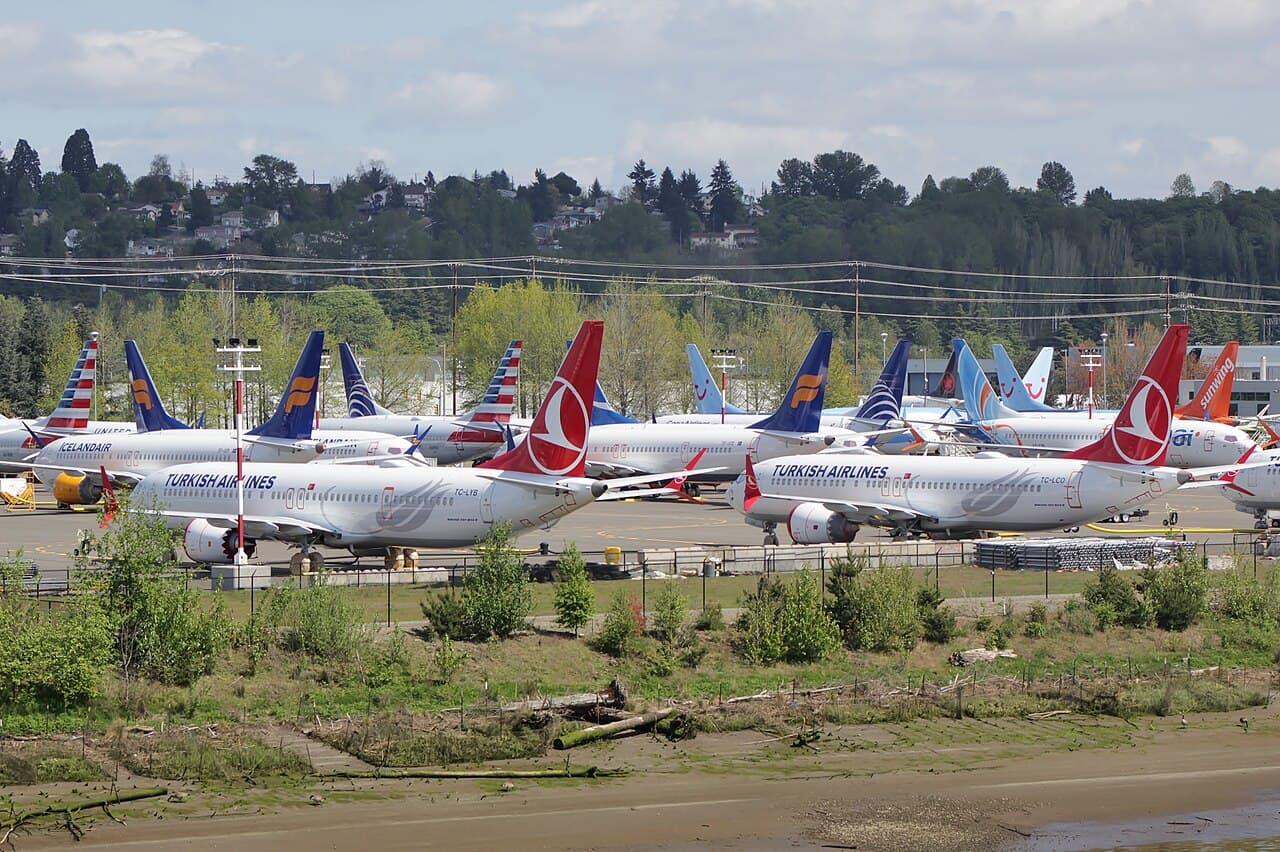
Image: SounderBruce · CC BY-SA 4.0 · via Wikimedia Commons
Boeing 737 MAX 7 Secures FAA Certification After Lengthy Development Delay
Boeing's smallest 737 MAX model has gained FAA approval following a multi-year certification process impacted by prior MAX groundings, paving the way for delivery to launch customer Southwest Airlines.
The gist
After years of delays and extensive testing, Boeing's 737 MAX 7 has earned FAA certification and is set to enter service with Southwest Airlines.
Continuing coverage
All Boeing →- FAA prioritizes certifying Boeing 737 MAX 7 and MAX 10 before 777-9 amid extensive delays
- Boeing's Chevrons Quiet Engines but Cost Fuel on 787, 747-8, and 737 MAX
- Boeing Completes Final 737 Max 10 Certification Flight Test Ahead of Year-End Approval
- Defunct Cameroon Airlines Sues Boeing for $179M Over 1995 737-200 Crash
- Legacy 1960s Boeing 737 Design Caps Economy Seat Width at 17 Inches
In a pivotal step for its narrow-body jet family, Boeing announced on August 3, 2026, that the FAA has granted type certification for the 737 MAX 7. This milestone marks the culmination of a protracted development and regulatory process that began more than a decade ago when the aircraft type was originally launched alongside Southwest Airlines as its largest customer. The certification allows Boeing to commence deliveries and commercial operations, primarily targeting the U.S. carrier's extensive 737 fleet renewal program.
The 737 MAX 7, conceived as the smallest variant in Boeing's MAX series, was initially introduced in 2013 with delivery plans for 2019. However, these targets were significantly disrupted following two fatal crashes involving the larger MAX 8 in 2018 and 2019. The ensuing worldwide grounding of the MAX fleet led to delays and heightened scrutiny of Boeing's manufacturing and certification procedures, pushing back the MAX 7's entry into service.
Since the resumption of MAX operations in late 2020, Boeing has undertaken an exhaustive certification campaign for the MAX 7. The aircraft completed over 1,000 hours of flight and ground testing from 2018 to 2026, including system safety analyses and human factors reviews. One notable modification during this process involved an upgrade to the engine anti-ice system to address potential overheating risks discovered during test flights, enhancing overall reliability and safety.
The FAA's approval followed nearly ten years of detailed evaluations. The agency conducted extensive reviews of complex technical elements such as flight controls, safety assessments, and pilot alerting systems. This process required Boeing to implement several design changes to meet updated regulatory criteria, including those derived from the Aircraft Certification, Safety, and Accountability Act and recommendations from the National Transportation Safety Board.
The certification incorporates an amended type certificate and a Production Limitation Record, with the FAA maintaining oversight of Boeing's manufacturing facilities. FAA inspectors will monitor production and review Boeing's Safety Management System and organizational safety culture to ensure continuous compliance and quality assurance in the jet's manufacture.
Boeing officials highlighted the effort and resilience of their engineering teams over years marked by technical challenges, pandemic disruptions, and evolving regulatory demands. Senior Vice President for Product Strategy Mike Sinnett emphasized that the program enhanced Boeing's understanding of certification processes, positioning the company to accelerate future aircraft certifications with a stronger focus on human factors and safety standards.
With regulatory hurdles cleared, attention now shifts to Boeing's airline customers. Southwest Airlines remains the lead buyer, commanding approximately 250 MAX 7s and expressing anticipation for the aircraft’s service entry in 2027. As of now, about 28 units have been built and are in storage, ready for integration into Southwest’s fleet.
Other customers for the MAX 7 include China’s Ruili Airlines, Ukraine's SkyUp Airlines, and Luxembourg's Luxair, which placed its launch order in 2023. In contrast, WestJet and the defunct Canada Jetlines have cancelled their MAX 7 orders, alongside Turkmenistan Airlines withdrawing three firm orders. Market reception will determine if more operators join the order book for this longest-range MAX model.
The FAA certification of the 737 MAX 7 represents a significant turning point for Boeing, reaffirming regulatory confidence in the MAX platform's safety following its troubled past. The upcoming deliveries will contribute to Southwest's strategy of modernizing its fleet with fuel-efficient aircraft tailored to evolving route demands and customer preferences.
Frequently asked questions
- What caused the delay in the Boeing 737 MAX 7 certification?
- The delay was primarily due to two fatal MAX 8 crashes that grounded the entire MAX fleet, leading to intensified regulatory scrutiny and changes in certification requirements.
- Which airlines have placed orders for the Boeing 737 MAX 7?
- Southwest Airlines leads with around 250 orders; others include Ruili Airlines, SkyUp Airlines, and Luxair, while WestJet and Turkmenistan Airlines have canceled orders.
- What changes were required by the FAA for the 737 MAX 7 certification?
- Boeing had to update flight-control software, pilot alerting systems, and redesign the engine anti-ice system to meet new safety and regulatory standards.
Read more
All Aviation Safety →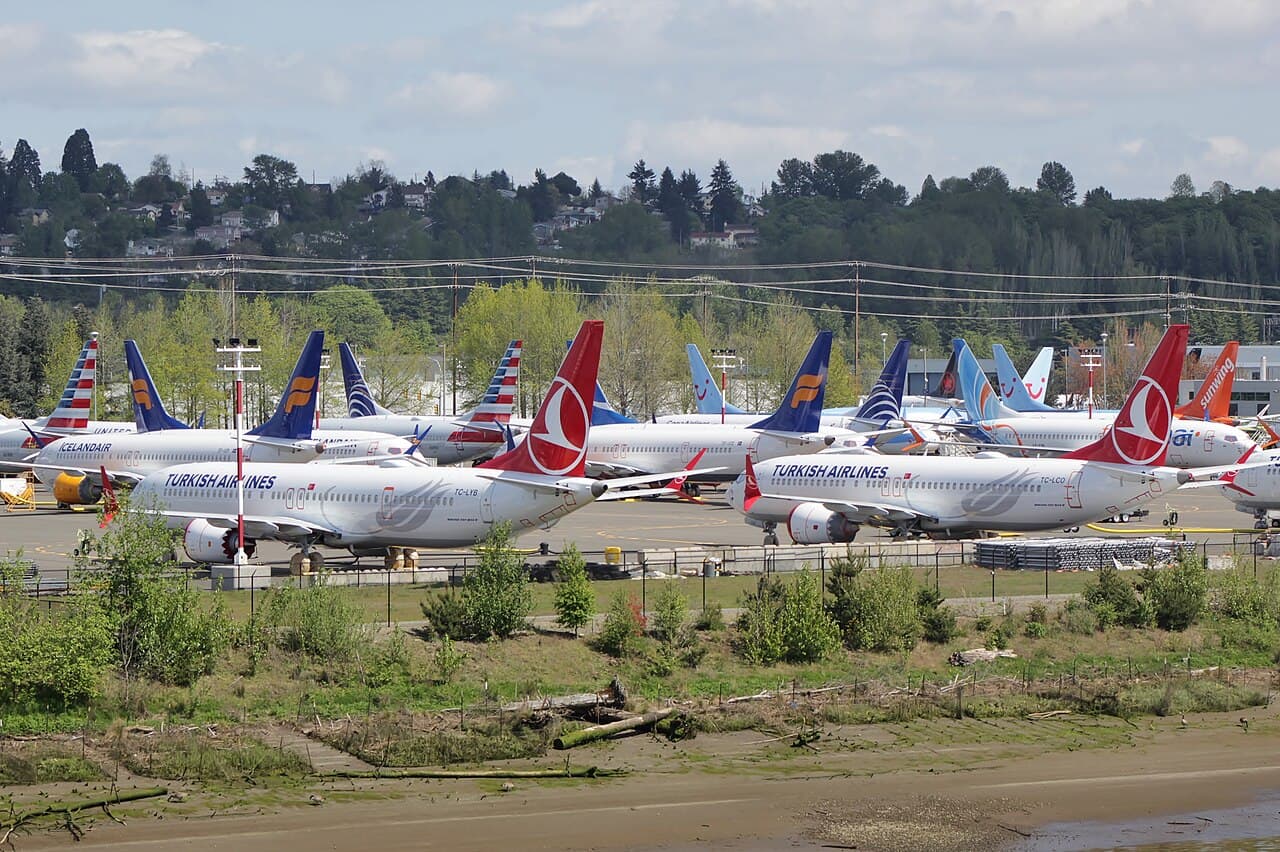
Boeing Completes Final 737 Max 10 Certification Flight Test Ahead of Year-End Approval
Company expects to achieve the Max 10’s certification this year. Boeing has completed its final planned 737 Max 10 certification flight test, a milestone the airframer says puts it on track to meet its goal of achieving the type’s regulatory approval before year-end. “With flight testing complete, the programme now shifts to closing the remaining development assurance reviews and system safety assessments, and submitting final deliverables”, the company said to the US Federal Aviation Administration on 28 July. Boeing is working on the 737 Max 10’s certification programme alongside that of the Max 7 – the two variants of the twinjet that have yet to enter service. The manufacturer has said it expects to secure the Max 7’s approval this summer, followed by the Max 10’s clearance sometime this year. It expects to begin delivering both types next year. The final Max 10 certification flight involved an “interiors evaluation to confirm audibility of the lavatory smoke detector and cabin speaker system”, Boeing says. The jet took off and returned to King County International airport – Boeing Field. The company used three Max 10s for the type’s flight-test programme, logging some 2,060 flight hours. Those flights let Boeing evaluate two design changes : an updated engine anti-ice system and an “enhanced” angle of attack (AoA) system. Boeing redesigned the anti-ice system to prevent a problem involving engine inlet inner barrels overheating in some circumstances. It added "turbulators" on the forward fan cases ahead of the Max's twin CFM International Leap-1B engines. Those devices make air entering the engine swirl, drawing in cooler air and reducing temperatures, Boeing vice-president of 737 development Chris Payne said on 8 July. The enhanced AoA is intended to keep pilots from facing information overload in cases where one of the Max’s two AoA sensors fail – a factor contributing to two 737 Max crashes in 2018 and 2019. The new AoA system simplifies "flight deck effects" by identifying AoA faults, inhibiting stick shake and displaying a simple message to pilots: "AoA Fault", Payne said. All Max models, including aircraft in service, will eventually have both updates.
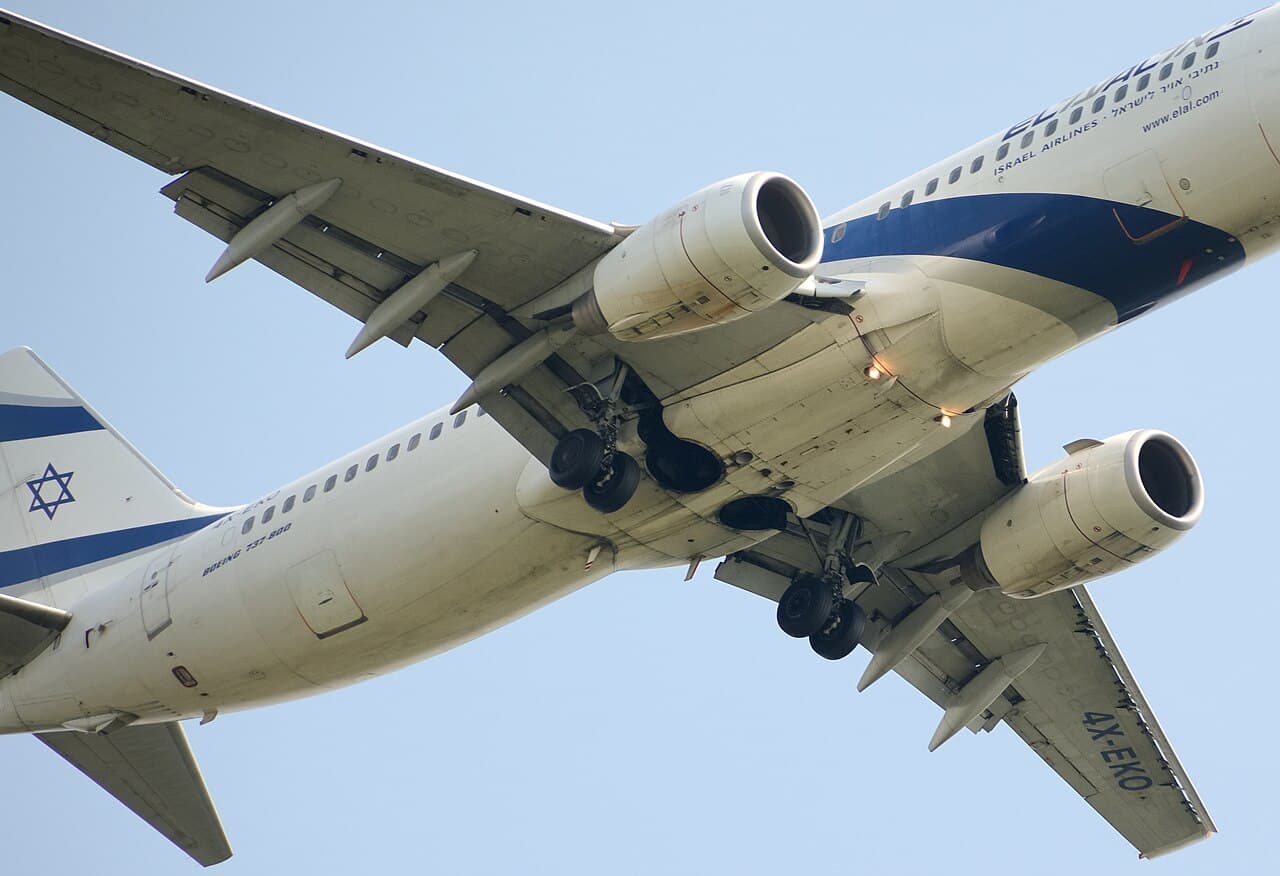
Defunct Cameroon Airlines Sues Boeing for $179M Over 1995 737-200 Crash
Boeing is suing to block a defunct airline's $179 million claim over a 1995 Cameroon Airlines 737 crash. The accident report blamed engine failure and pilot handling, while Boeing says the airline's purchase contract waived these claims decades ago.
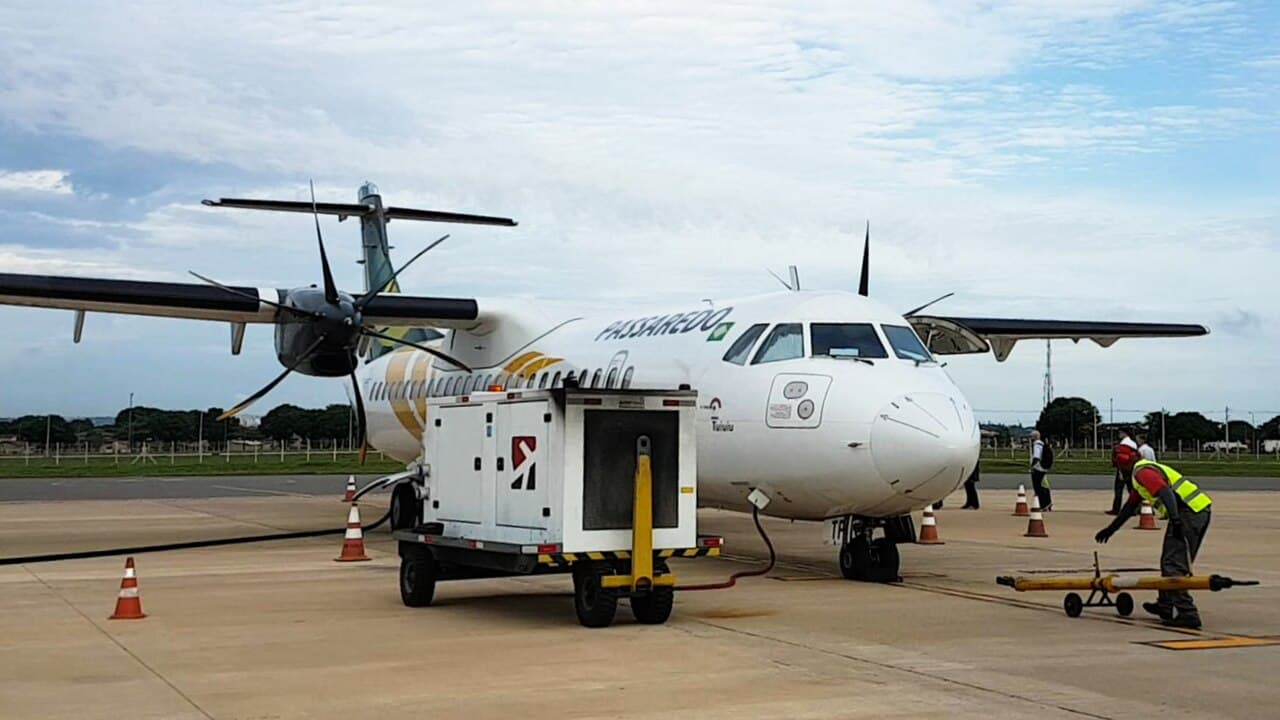
Final Investigation Reveals Multiple Failures in Voepass Flight 2283 Crash
The final report on the tragic Voepass Flight 2283 accident was released on July 23, 2026. Brazil’s CENIPA (Center for Investigation and Prevention of Aeronautical Accidents) spent nearly two years examining the crash that killed all 62 people on board. ezstandalone.cmd.push(function () { ezstandalone.showAds(119); }); The document reveals a chain of failures involving severe icing, crew actions, company practices, and regulatory gaps. What Happened in the Voepass Accident On August 9, 2024, an ATR 72-500 turboprop departed from Cascavel, Paraná, heading to São Paulo’s Guarulhos Airport. The aircraft encountered severe icing conditions during cruise. ezstandalone.cmd.push(function () { ezstandalone.showAds(127); }); Ice buildup degraded its performance, causing a stall and an unrecoverable flat spin. The plane crashed in a residential area of Vinhedo, São Paulo. Sadly, none of the 58 passengers and four crew members survived. CENIPA’s 266-page report identifies 19 contributing factors. It does not blame one single cause. Instead, it shows how multiple issues combined to create the disaster. ezstandalone.cmd.push(function () { ezstandalone.showAds(128); }); Initial Accident Report Severe Icing and Aircraft Problems The report confirms the plane flew through conditions highly favourable to heavy ice formation. The airframe de-icing system was already known to have issues. Investigators found the aircraft should not have been dispatched for this flight. It operated with about 10 inoperative items, including a faulty windshield wiper—a “No-Go” item given the weather forecast. ezstandalone.cmd.push(function () { ezstandalone.showAds(129); }); Previous flights showed recurring de-icing problems. However, crews often failed to log these faults properly. This practice hid the chronic nature of the defects and delayed proper repairs. Crew Actions and Human Factors Cockpit voice recordings revealed that pilots discussed personal topics during critical phases. This distraction contributed to “inattentional blindness.” The crew received multiple alerts: ice detection warnings, “Cruise Speed Low” (sounded about eight times), and “Degraded Performance.” They recognized ice accumulation but did not exit the area promptly or follow manufacturer procedures for minimum safe speeds. When the stall occurred, incorrect control inputs worsened the situation. The report notes the de-icing system was cycled on and off during the flight. ezstandalone.cmd.push(function () { ezstandalone.showAds(130); }); Details of Preliminary Report Company Culture and Maintenance Issues A major finding points to Voepass’s organizational culture. The airline tolerated a “normalization of deviations.” Mechanics and pilots frequently avoided recording problems to keep aircraft flying and meet schedules. Analysis of over 1,200 previous flights confirmed this pattern across multiple crews. Pressure to maintain operations, staff shortages, and fatigue contributed to poor maintenance discipline. Planes were sometimes released in degraded condition. ezstandalone.cmd.push(function () { ezstandalone.showAds(131); }); Regulatory Oversight Shortcomings The report also criticizes Brazil’s civil aviation authority, ANAC. Auditors had identified maintenance and safety issues at Voepass between 2022 and 2024. While some sanctions were applied, these actions proved insufficient to eliminate the risks. Aftermath and Recommendations Following the accident, authorities suspended Voepass operations and later revoked its air operator certificate. CENIPA issued safety recommendations to the airline, ANAC, aircraft manufacturer ATR, and European regulators. These aim to improve de-icing procedures, maintenance logging, crew training, and oversight. The investigation remains technical and preventive. Separate criminal inquiries continue. ezstandalone.cmd.push(function () { ezstandalone.showAds(132); }); VOEPASS Linhas Aéreas, CC BY-SA 4.0 via Wikimedia Commons Lessons for Aviation Safety The Voepass accident final report serves as a stark reminder that disasters often result from many small failures aligning. It highlights the importance of strong safety cultures, proper maintenance reporting, and effective regulatory action. Aviation authorities worldwide can use these findings to strengthen procedures and prevent similar tragedies. Families of the victims and the industry now hope the recommendations lead to real change. Safety must always come before schedules and profits. ezstandalone.cmd.push(function () { ezstandalone.showAds(133); });
American Airlines Boeing 787 Diverts to Dublin After Multiple Flight Attendants Fall Ill Mid-Flight
An American Airlines Boeing 787-9 Dreamliner with as many as 284 passengers on board made an emergency landing in Dublin, Ireland, on Saturday afternoon after six of the eight flight attendants on the service from Rome to Philadelphia reportedly felt ill as the plane started its transatlantic service. American Airlines flight AA-719 departed Rome Fiumicino International Airport just before 1 pm local time on July 25 for what should have been a routine eight-and-a-half-hour flight across the pond to the carrier’s Philadelphia hub. Flight Radar 24 shows how American Airlines 719 from Rome to Philadelphia ended up diverting to Dublin on July 25. Data from the light tracking website Flight Radar 24 shows that the seven-year-old aircraft climbed to a cruising altitude of around 38,000 feet as it tracked over France and over the Atlantic Ocean, before the pilots suddenly turned towards Ireland around three hours into the flight. The reason given to air traffic control for the sudden diversion was a medical emergency, although the exact details of what kind of medical episode was taking place weren’t immediately revealed. Sources cited by trusted aviation insider JonNYC on X have, however, reported that six of the flight attendants started to feel dizzy and ill as the plane flew over the Atlantic. Although none of the crew members are believed to have been incapacitated, the pilots decided that the flight couldn’t continue with so many flight attendants feeling ill all at once. The plane landed safely in Dublin on Saturday afternoon, but with no replacement crew to take the passengers to Philadelphia, and the cause of the illness amongst the flight attendants still a mystery, American Airlines had no other option but to cancel the onward flight. on this, I'm told– 100% UNCONFIRMED– "AA 719. Flight divert after 6 of 9 FA's felt dizzy / ill." 100% unconfirmed. https://t.co/2uBxohJ0Bn — JonNYC (@xJonNYC) July 25, 2026 American Airlines has been contacted for comment, but had not responded by the time of publication. There are several potential causes for this sudden mass sickness amongst the flight attendants, although some type of ‘toxic’ fume event (a term that the airline industry prefers to call an ‘odor’ event) is the least likely, given that this flight was operated by a Boeing 787. The Dreamliner is the only commercial passenger aircraft that does not use the so-called ‘bleed air’ system to feed air into the cabin from the outside. The term bleed air is derived from the fact that some of the air being sucked into the engines is then bled into the air conditioning system. This method of delivering fresh air into the passenger cabin has been criticized as campaigners claim the air can become contaminated with vaporized engine oil or other contaminants from the engine, which can make passengers and crew sick if it is fed into the cabin. The more likely cause for this diversion is a fault with the air conditioning packs that supply the air into the cabin. If even one of these packs stops working, the levels of oxygen in the cabin can drop to the point that passengers and crew could start feeling the early symptoms of hypoxia. This wouldn’t necessarily be bad enough to trigger a depressurization emergency, but it would be enough for people to start feeling dizzy, light-headed, and potentially even clumsy and euphoric. This kind of fault is much more likely to affect flight attendants rather than the passengers because they are up and about, running a busy meal service, meaning their bodies require more oxygen to function normally. Another potential cause, although highly unusual, could be a chemical leak from a spilt cleaning product. Yes, this sounds oddly specific, but this is exactly what caused a group of American Airlines flight attendants to feel ill shortly after takeoff from London Heathrow during a flight to Philadelphia in October 2018. Two of the crew members were so badly affected by the smell of the noxious chemicals that they lost consciousness for a short time, leading the pilots to make an emergency diversion to Shannon, Ireland. American Airlines said the incident was caused by a bottle of industrial cleaning solution known as CH2200D, which had been accidentally left in a toilet by the cleaning crew. When the plane took off, the bottle tipped over, and the solution soaked into the carpet, releasing a noxious vapor that overpowered some of the flight attendants.
The Daily Touch & Go
The day's best aviation news in your inbox. Free, no spam.