

Illustration: The Touch & Go
China's LandSpace achieves milestone with Zhuque-3 reusable rocket booster landing
LandSpace successfully landed the first stage of its Zhuque-3 rocket, marking the first privately operated reusable orbital-class booster recovery on Chinese soil.
The gist
LandSpace's Zhuque-3 rocket booster made China's first private reusable rocket landing, joining SpaceX and Blue Origin in orbital-class booster recovery.
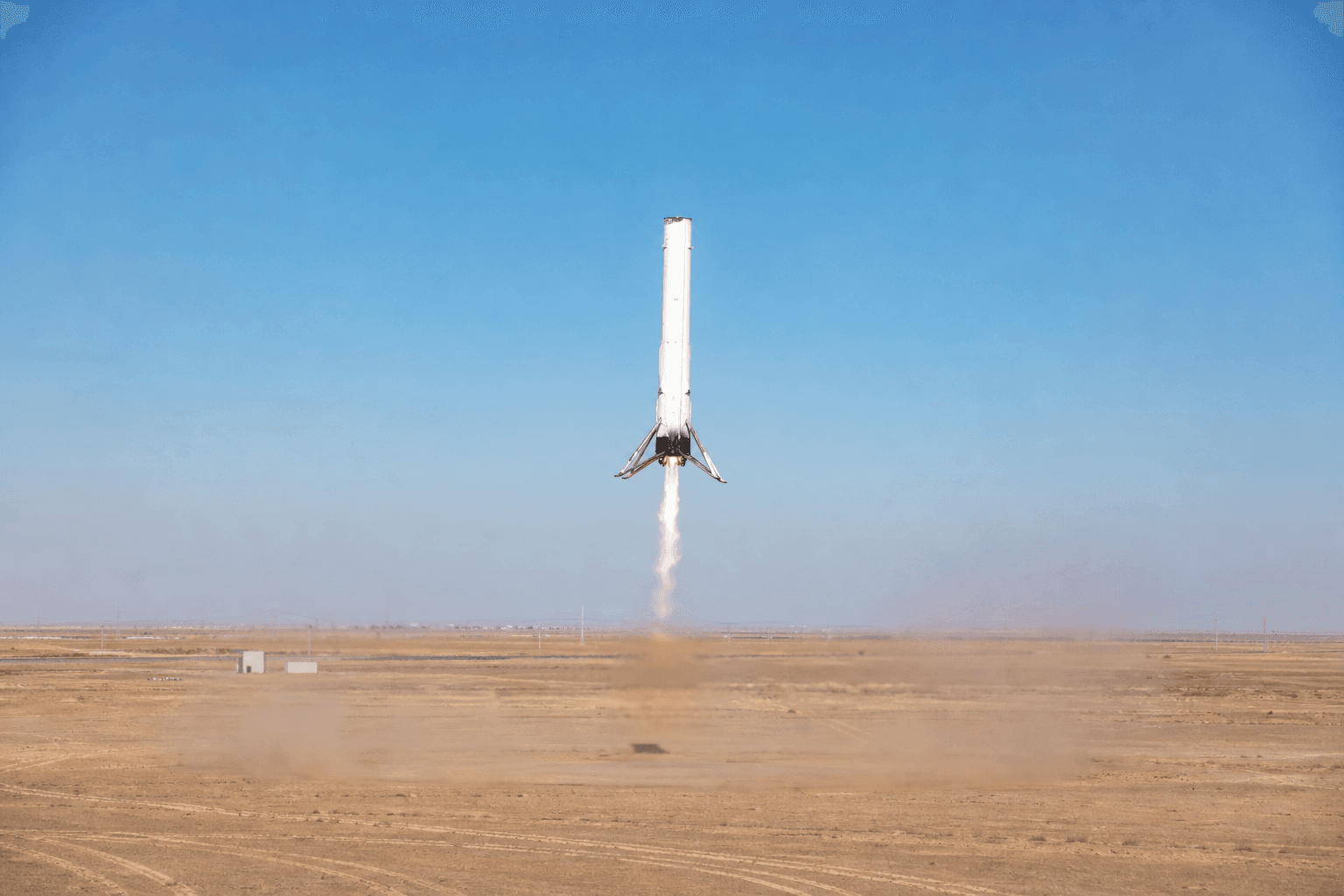
China's private aerospace company LandSpace has accomplished a significant breakthrough by successfully landing the first stage of its Zhuque-3 rocket. This achievement marks the first time a private Chinese company has recovered an orbital-class booster using vertical landing legs, a technique pioneered by SpaceX.
The Zhuque-3 launched from the Dongfeng Commercial Space Innovation Pilot Zone in northwestern China at 07:35 local time on August 19, 2026. Following separation from its second stage, the booster performed an autonomous reorientation maneuver, executed a controlled reentry burn, and descended toward a designated landing site in Minqin County, Gansu province, approximately 240 miles away from the launch pad. Approximately eight minutes after liftoff, the booster deployed its landing legs and touched down vertically, demonstrating precise control and recovery capabilities.
This successful mission underscores several key technical upgrades LandSpace implemented after its inaugural December 2025 flight, which successfully reached orbit but did not complete a booster landing due to an abnormal combustion event. The company improved the landing propulsion system, enhanced thermal protection, and revised return-control software. Additionally, a predicted-impact-point feature was integrated into the autonomous flight termination system to increase landing accuracy and safety.
The Zhuque-3 rocket's first stage is powered by nine methane-fueled engines. Its stainless-steel airframe and the use of liquid methane and liquid oxygen propellants are designed to enable multiple reuses while reducing both manufacturing and refurbishment expenses. LandSpace projects the rocket can carry up to 14.2 metric tons to low Earth orbit in an expendable configuration and aims for each booster to fly up to 20 times.
This successful landing places LandSpace in an exclusive group alongside only SpaceX and Blue Origin as private companies that have achieved propulsive landings of orbital-class rocket boosters. SpaceX achieved the first Falcon 9 landing in December 2015 and routinely reuses boosters since. Blue Origin's New Glenn booster made its maiden propulsive landing in November 2025.
China's state aerospace sector had previously reached a similar milestone in July 2026 when the Long March 10B booster was recovered during its first flight, though this was accomplished using an offshore cable capture method rather than a vertical landing. LandSpace's approach with landing legs marks a different path in booster recovery techniques within China.
Founded in 2015, LandSpace had earlier made history by becoming the first company globally to launch a methane-fueled rocket, the Zhuque-2, into orbit in July 2023. The company is currently preparing for an initial public offering in Shanghai to raise approximately 7.5 billion yuan (around $1.1 billion) to accelerate its development and manufacture of reusable launch vehicles, intensifying its competitiveness in the commercial launch services market.
Industry attention remains on future Zhuque-3 flights, as LandSpace aims to reuse recovered boosters within six months, a crucial step towards operational cost reduction. The successful demonstration of reusable booster technology in China's private sector signals a major advancement in global space launch competition, especially in methane propulsion and stainless-steel rocket architecture.
Frequently asked questions
- What milestone did LandSpace achieve with the Zhuque-3 rocket?
- LandSpace successfully landed the first stage of its Zhuque-3 rocket vertically on land, becoming the first private Chinese company to recover an orbital-class booster this way.
- What improvements did LandSpace make after its first Zhuque-3 flight?
- They enhanced the landing propulsion system, thermal protection, and return-control software, and added a predicted-impact-point function to the autonomous flight termination system.
- How does Zhuque-3 compare to other reusable rockets globally?
- Zhuque-3 joins SpaceX's Falcon 9 and Blue Origin's New Glenn as one of the few private orbital-class reusable launch vehicles with propulsive booster landings, using stainless steel and methane propulsion.
Read more
All Airlines →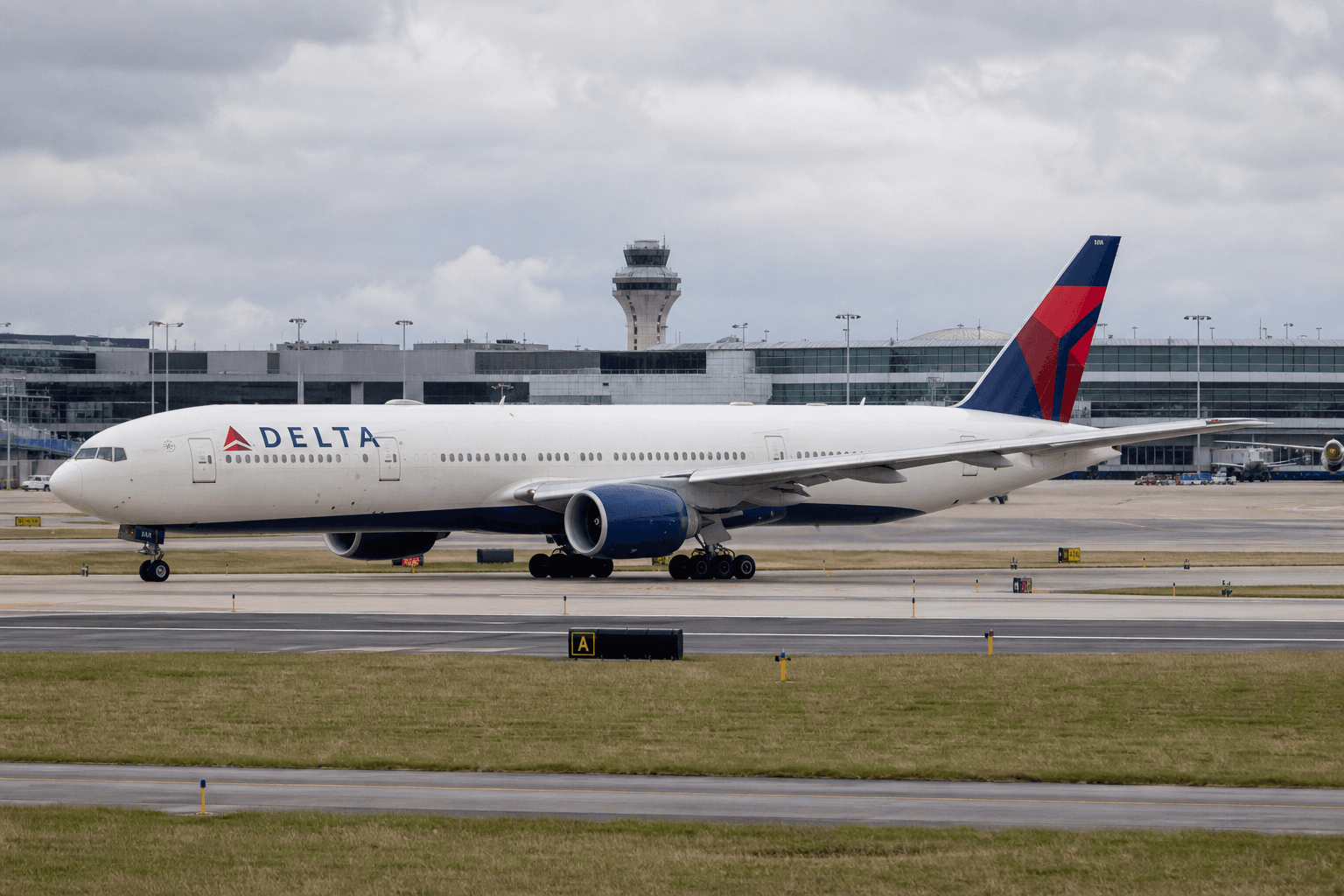
Delta CEO Aims for Elite Global Status, But Operational Issues Undermine Claims
Ed Bastian wants Delta mentioned with Singapore Airlines and the best Asian and Middle Eastern carriers. Delta has a brand, but product consistency and service still fall short and once-vaunted reliabiltiy has faltered.
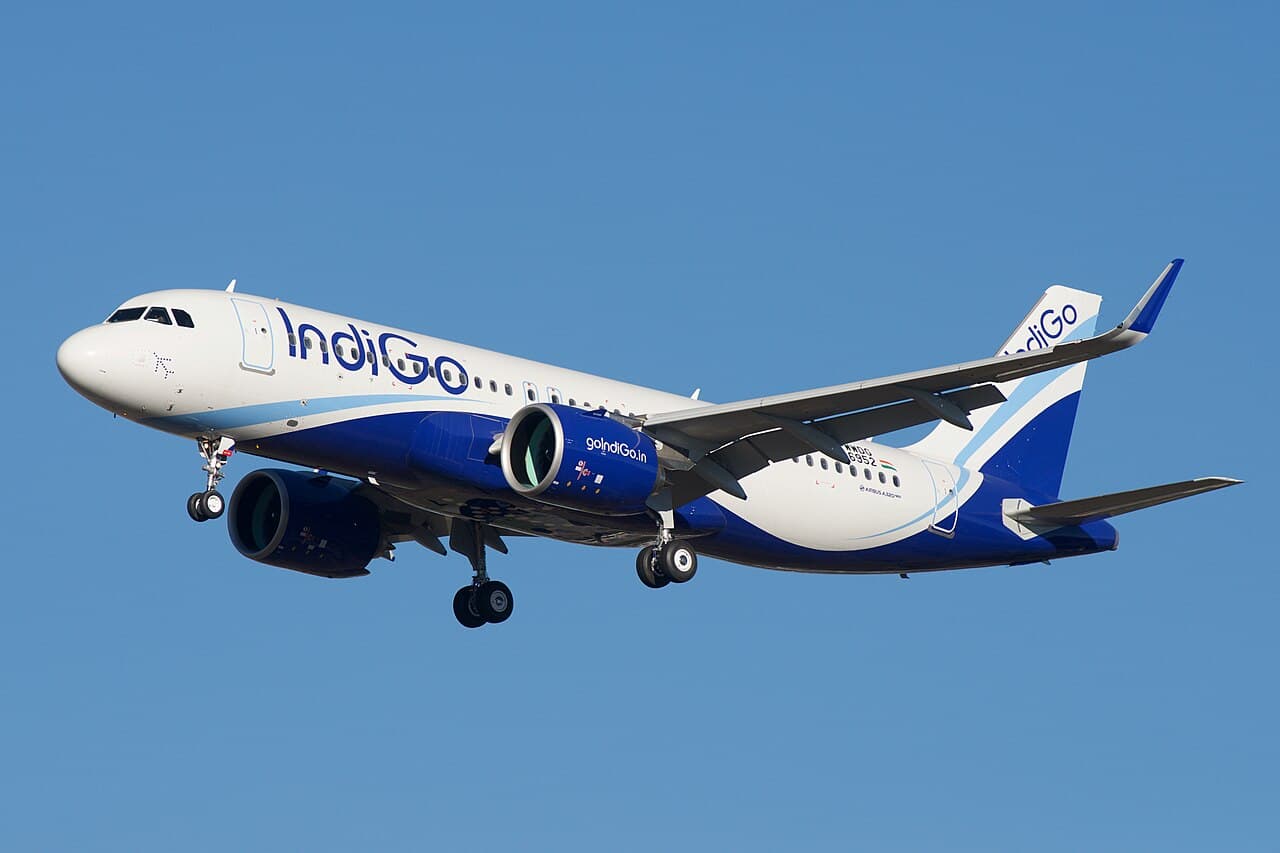
Lufthansa debuts Starlink internet on Airbus A320neo flight from Frankfurt to Rome
A mainline Lufthansa A320neo equipped with the satellite internet technology flew from Frankfurt to Rome.
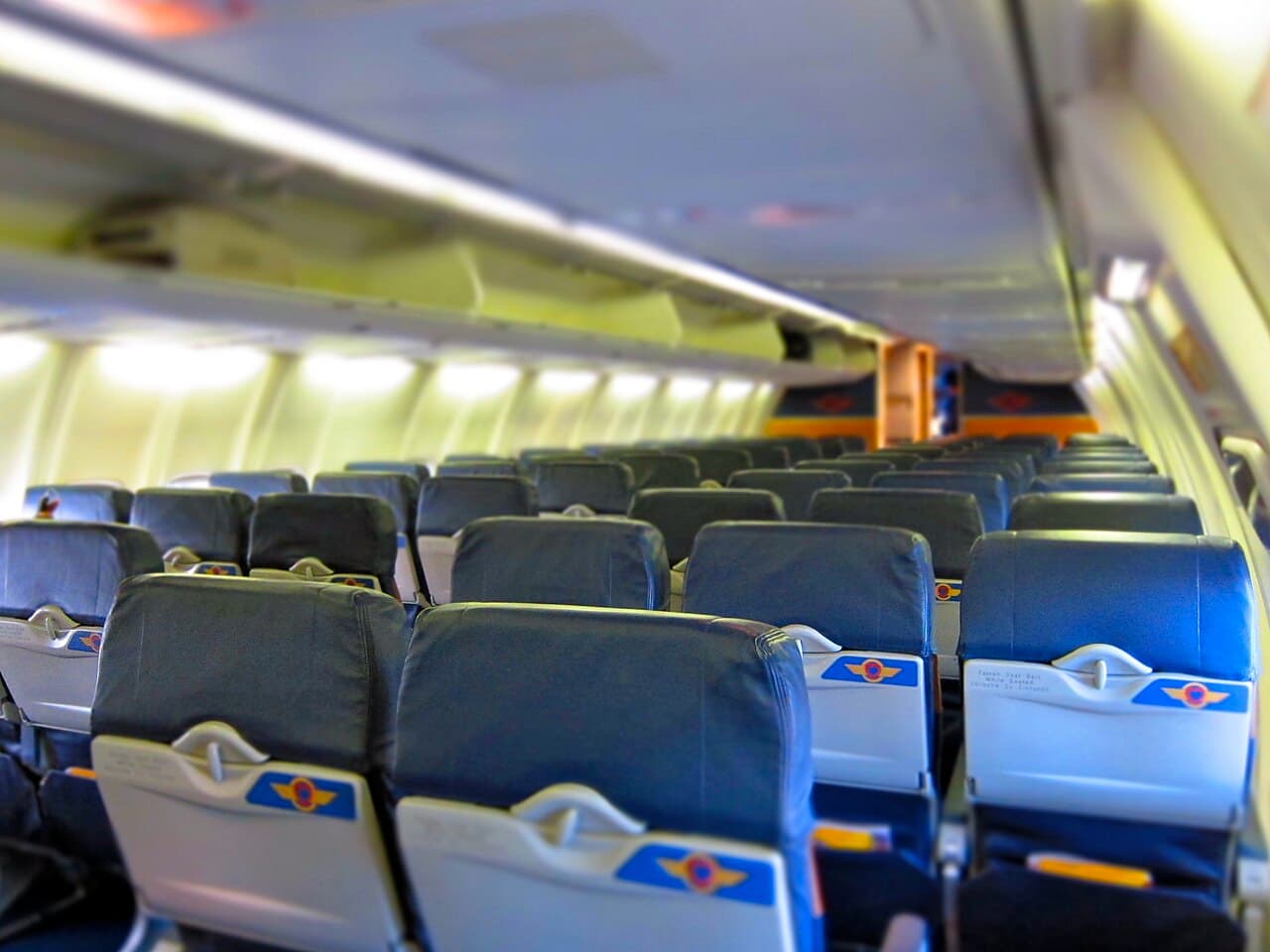
Southwest Must Correctly Inform Flight Attendants on Religious Discrimination Rights
Southwest Airlines reinstated flight attendant Charlene Carter and helped pay a $946,102.87 judgment after a jury found it liable for religious discrimination case - it fired her at the behest of the union as a result of her speaking out with anti-abortion and anti-union messages. But the airline triggered a contempt fight by refusing to send flight attendants the message about their rights that the judge demanded.
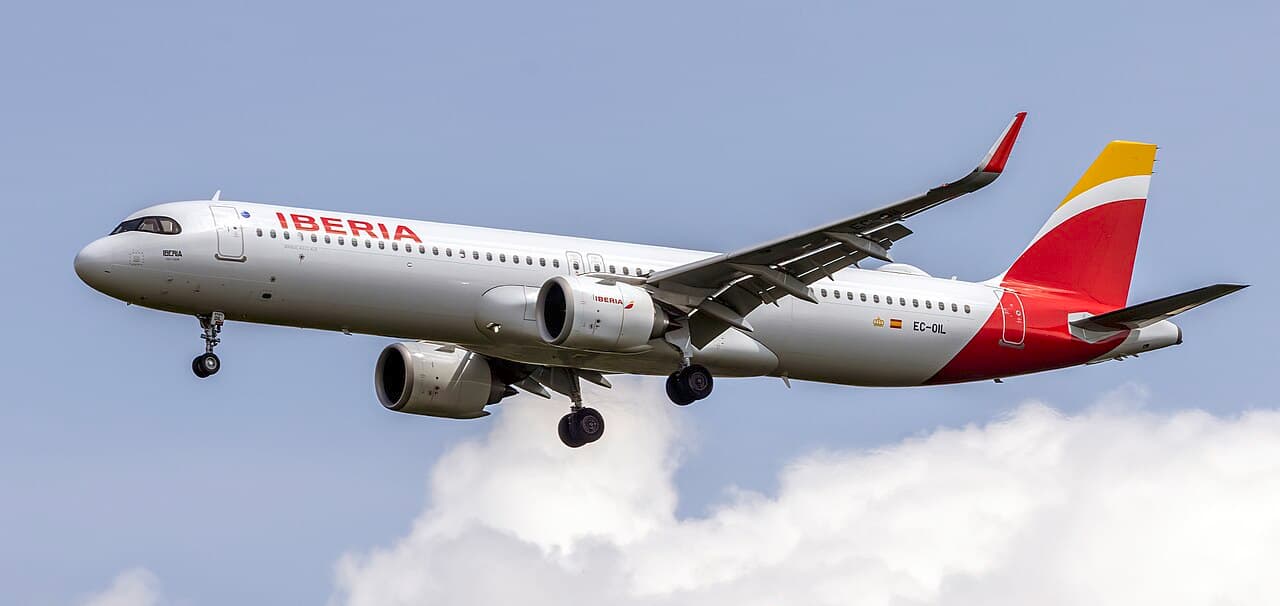
Five Airlines Shift Long-Haul Routes From Widebodies to Airbus A321XLR in 2026
The Airbus A321XLR is one of the most impactful new airliners on sale, as it's a narrowbody airliner designed specifically for long-distance flights. While the Boeing 757-200 was prominently used on some long-haul routes in the past, this was never its original intended role, whereas the A321XLR uses the venerable A321neo platform and adds improvements to give it a range of 4,700 NM (8,700 km).
The Daily Touch & Go
The day's best aviation news in your inbox. Free, no spam.