

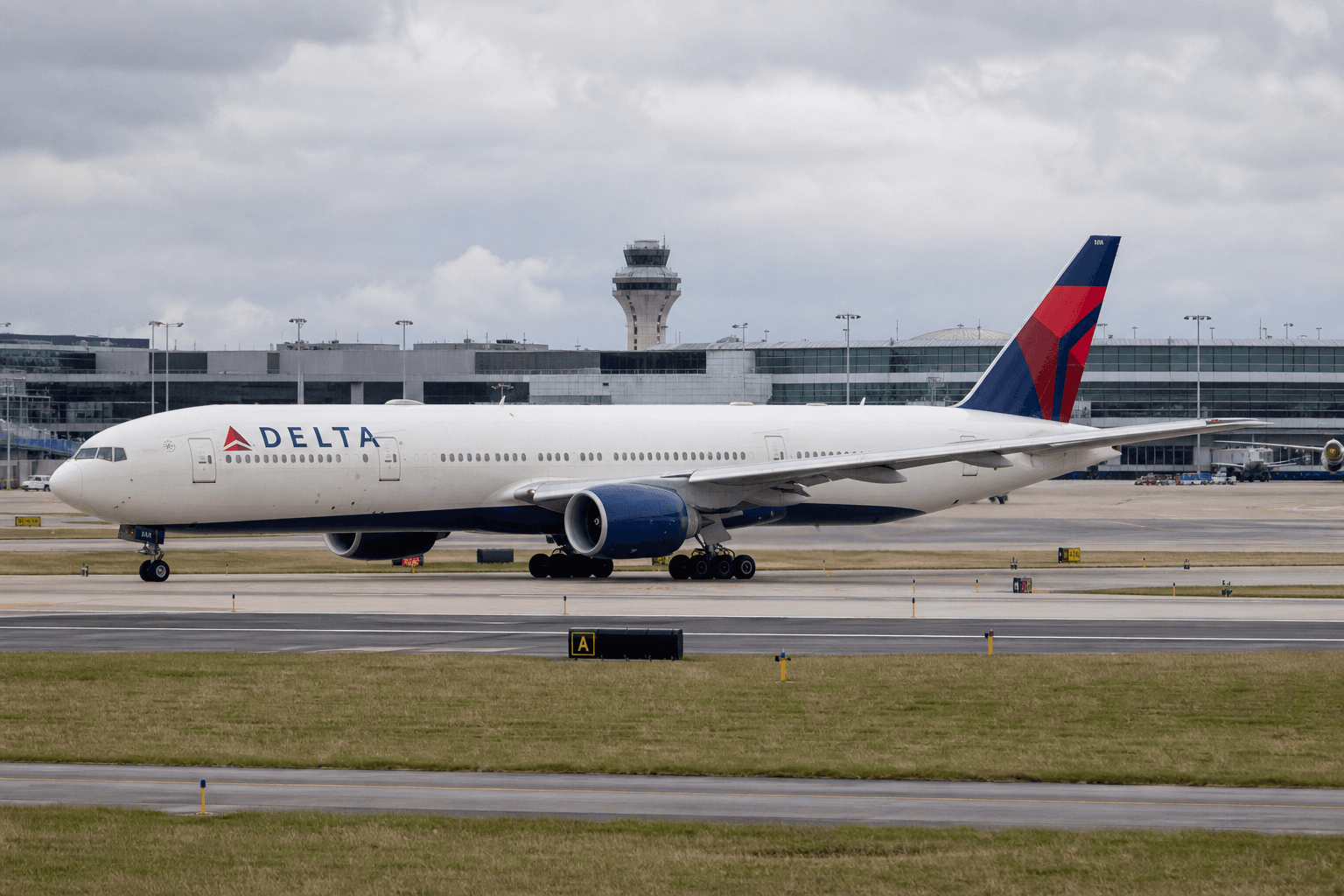
Illustration: The Touch & Go
Delta CEO Aims for Elite Global Status, But Operational Issues Undermine Claims
Delta CEO Ed Bastian aspires for the airline to rival top global carriers like Singapore Airlines, yet reliability and service challenges persist.
The gist
Delta's CEO envisions global elite status, but service inconsistency and rising disruptions undercut that goal.
Continuing coverage
All Delta Air Lines →- Seven Passengers Sue Delta After Low-Speed Collision with Japan Airlines 787 at Seattle
- LATAM A320 aborts takeoff at São Paulo as American and Delta jets cross runway amid fog
- Delta Orders 16 High-Cabin Airbus A330-900neos With 56 Delta One Suites Each
- American Airlines Struggles to Match Delta and United in Profitability Despite Market Size
- Delta Confirms Seattle-Singapore A350 Flights Marking Asia Expansion
Delta Air Lines CEO Ed Bastian has publicly expressed ambitions to place his carrier alongside the world’s leading airlines such as Singapore Airlines and prominent Middle Eastern airlines, citing a desire for Delta to be top-of-mind in discussions about global aviation leaders. This goal is ambitious and signals an intent to elevate Delta’s premium status beyond its current standing within the U.S. market.
Despite Delta's strong brand presence, aviation experts and recent performance data suggest the airline has yet to fully realize this elite positioning. Industry consultant Henry Harteveldt characterized Delta as a good, but not great, airline—a sentiment supported by a recent downturn in operational reliability and service quality relative to both international and domestic competitors.
Delta has built a powerful brand over the past two decades, known for friendly employees, superior lounges, and robust co-branding partnerships, notably with American Express. However, the airline’s operational metrics tell a troubling story: July 2026 saw Delta cancel nearly 3% of its flights, a noticeably higher rate than competitors such as United, American, and Southwest. Labor disputes and pilot union contract negotiations have contributed to this decline in reliability.
Customer service and product consistency remain critical issues. While Delta markets its in-flight dining and premium offerings as industry-leading culinary experiences, reviews and passenger feedback indicate these claims often fall short. Comparisons with Alaska Airlines and American Airlines reveal Delta’s food quality and overall service delivery are lagging, undermining its self-branded image as a premium lifestyle airline.
Singapore Airlines, which Bastian mentions as a benchmark, exemplifies uninterrupted product excellence through meticulous attention to detail across all cabin classes. Their reputation is built on polished cabin crews, consistent service standards, and small comforts that enhance passenger experience, even in economy class. This comprehensive high quality contrasts with Delta’s recent abandonment of previously offered amenities like hot towels and welcome drinks in economy.
Delta’s CEO also highlighted ambitions to expand direct long-haul flights, a move aimed at reducing reliance on foreign partners. However, aviation consultants note that Delta’s current mix of aging business-class seats, especially in the 767 fleet, and inconsistent soft product offerings hinder progress toward becoming a truly global premium carrier. The airline's soft product, including bedding, service pace, and recovery from disruptions, require significant improvement.
Moreover, Delta’s loyalty program and technology platforms do not consistently outperform competitors despite the brand's overall strength. SkyMiles’ value proposition and the airline’s app are often seen as less favorable compared to rivals like United. These shortcomings, combined with operational challenges, make Delta’s global premium aspirations appear premature.
To genuinely align with the upper-echelon global airlines, Delta must comprehensively modernize its business class cabins, reinvest in the consistent delivery of outstanding service across all cabins, restore operational reliability to historical levels, and enhance the value offered to frequent flyers. Only through addressing these fundamental aspects can Delta hope to be counted with the likes of Singapore Airlines and Emirates.
The airline’s recent struggle reflects a gap between corporate marketing narratives and customer realities. With leadership changes and loss of veteran operational experts, Delta faces a crossroads requiring tangible improvements to fulfill its vision of global leadership in aviation.
Frequently asked questions
- What ambition did Delta Air Lines CEO Ed Bastian express regarding the airline's status?
- He wants Delta to be considered among the world's leading airlines, such as Singapore Airlines and top Middle Eastern carriers.
- What operational challenges is Delta facing recently?
- Delta has experienced increased flight cancellations, nearly 3% in July 2026, attributed partly to unresolved pilot union negotiations and deteriorating reliability.
- How does Singapore Airlines differ from Delta in terms of passenger experience?
- Singapore Airlines is known for consistent high-quality service, meticulous attention to detail, polished cabin crews, and comfort across all classes, including economy, whereas Delta's product has become inconsistent and less attentive to small details.
Read more
All Airlines →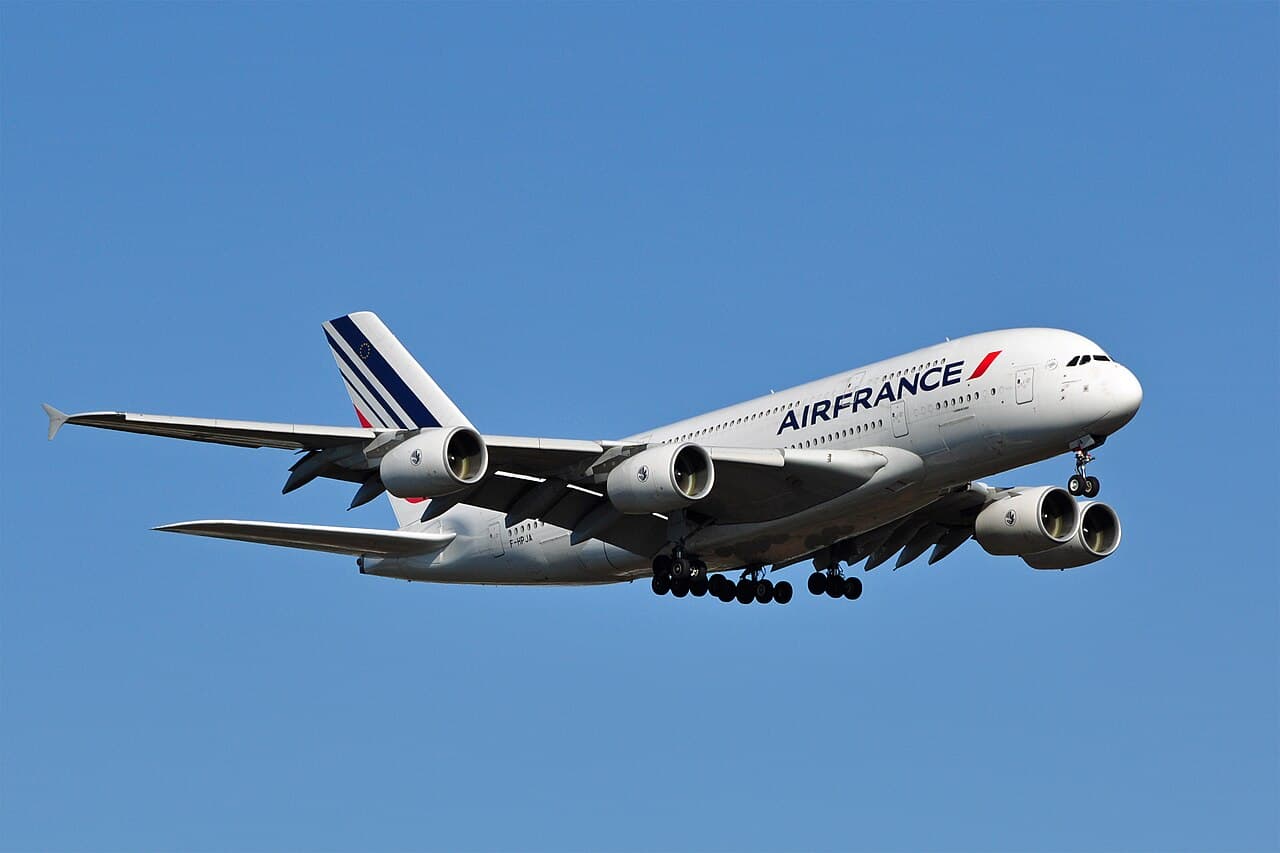
Airbus A380 First Class Cabins Set to Evolve With Unique Luxuries by 2026
The Airbus A380 is one of the most iconic and striking aircraft of the 21st century, with its double-deck design and quadjet configuration making it one of the world's most visually distinctive airliners. Meanwhile, passengers love its spacious cabin, low noise levels, and smooth ride, while carriers introduced innovative new premium cabins when they took delivery of these planes. Although few are in service, the A380 is one of the few commercial aircraft types to transcend the aviation industry and become a cultural icon.
Delta Orders 16 High-Cabin Airbus A330-900neos With 56 Delta One Suites Each
Delta Air Lines' newest batch of Airbus A330-900neos will be fitted with 56 Delta One Suites, almost double the number fitted to the aircraft the carrier flies today. 16 examples of the 'high J' configuration were ordered in January and will complement Delta's existing fleet of 39 A330neos and more than 40 previous-generation A330s.
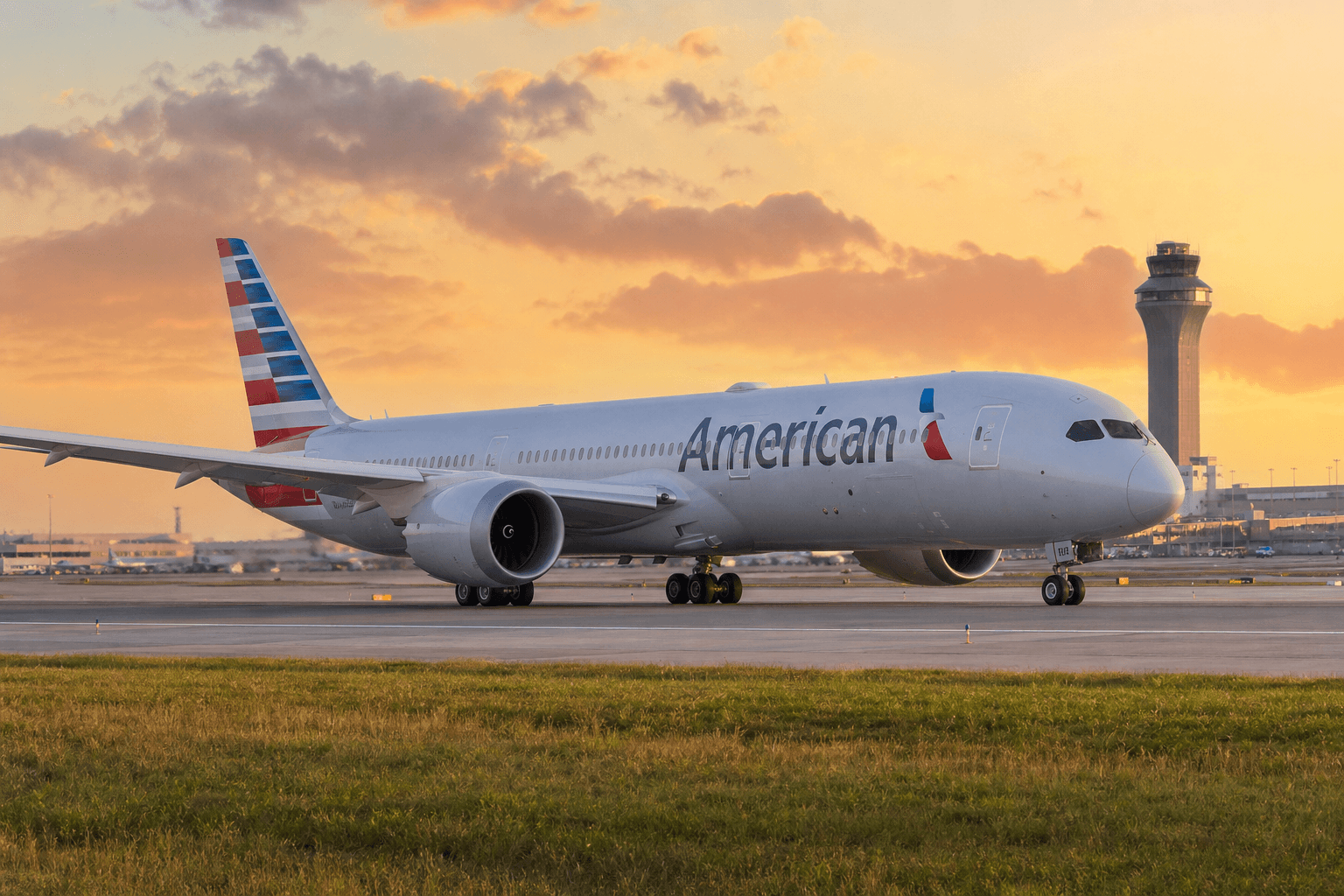
American Airlines Struggles to Match Delta and United in Profitability Despite Market Size
American Airlines was founded in 1930 through a merger of 80 airlines. It wouldn't be until 2013 that American as we know it today was born through a merger with US Airways. With over 223 million passengers carried in 2025, the oneworld carrier remains one of the world's largest airlines alongside its largest competitors, Delta Air Lines and United Airlines . Despite this, American is lagging behind on one key metric: profitability. A gap the Dallas-based airline is desperately looking to close over the coming years.
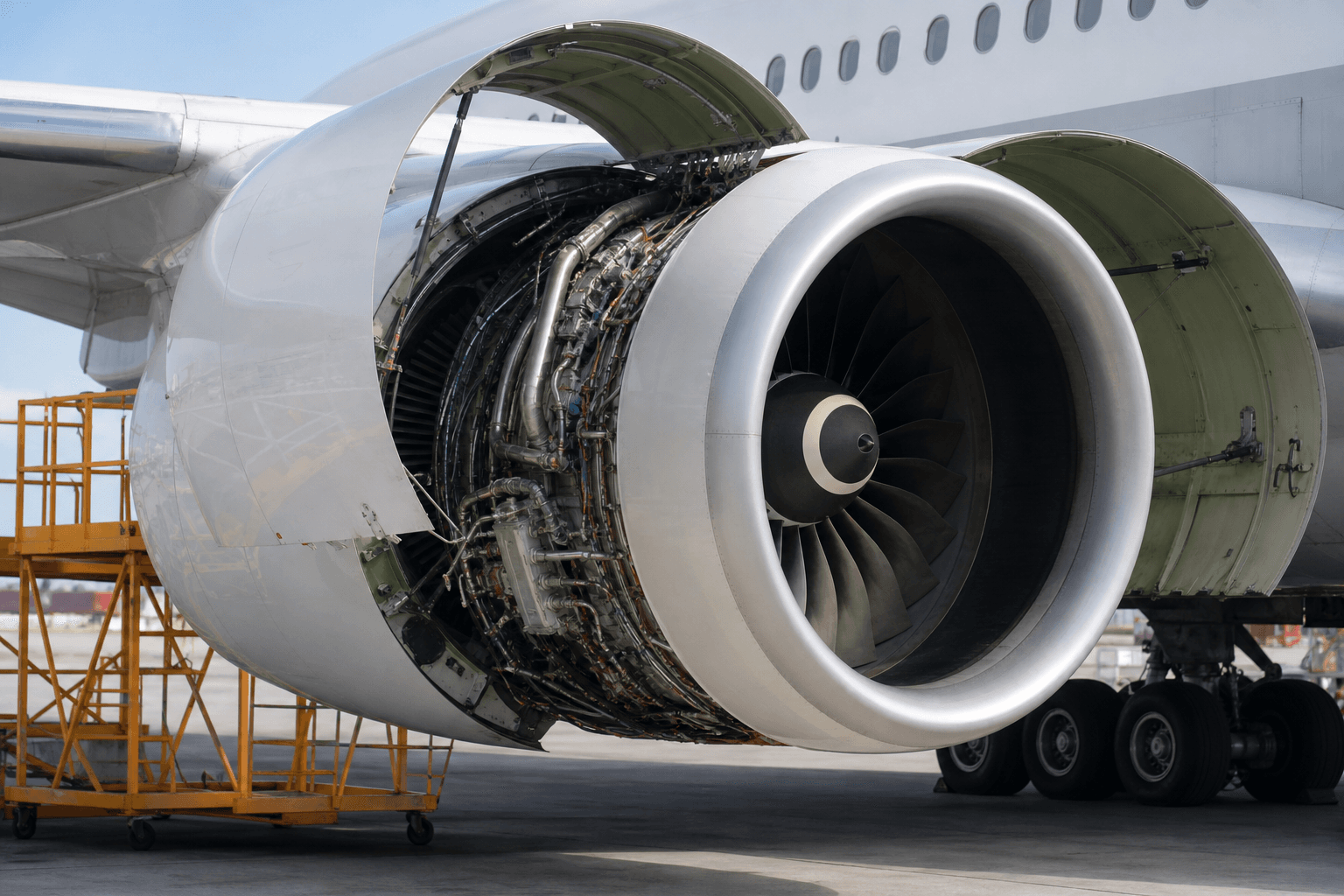
Rolls-Royce and GE Engine Designs Diverge Amid Widebody Market Duopoly
GE Aerospace and Rolls-Royce (RR) currently dominate the large widebody engine market , although RR also wants to challenge GE once again in the massive narrowbody engine market. These are two of the largest Original Engine Manufacturer giants in the commercial sector, along with Pratt & Whitney and Safran.
The Daily Touch & Go
The day's best aviation news in your inbox. Free, no spam.