

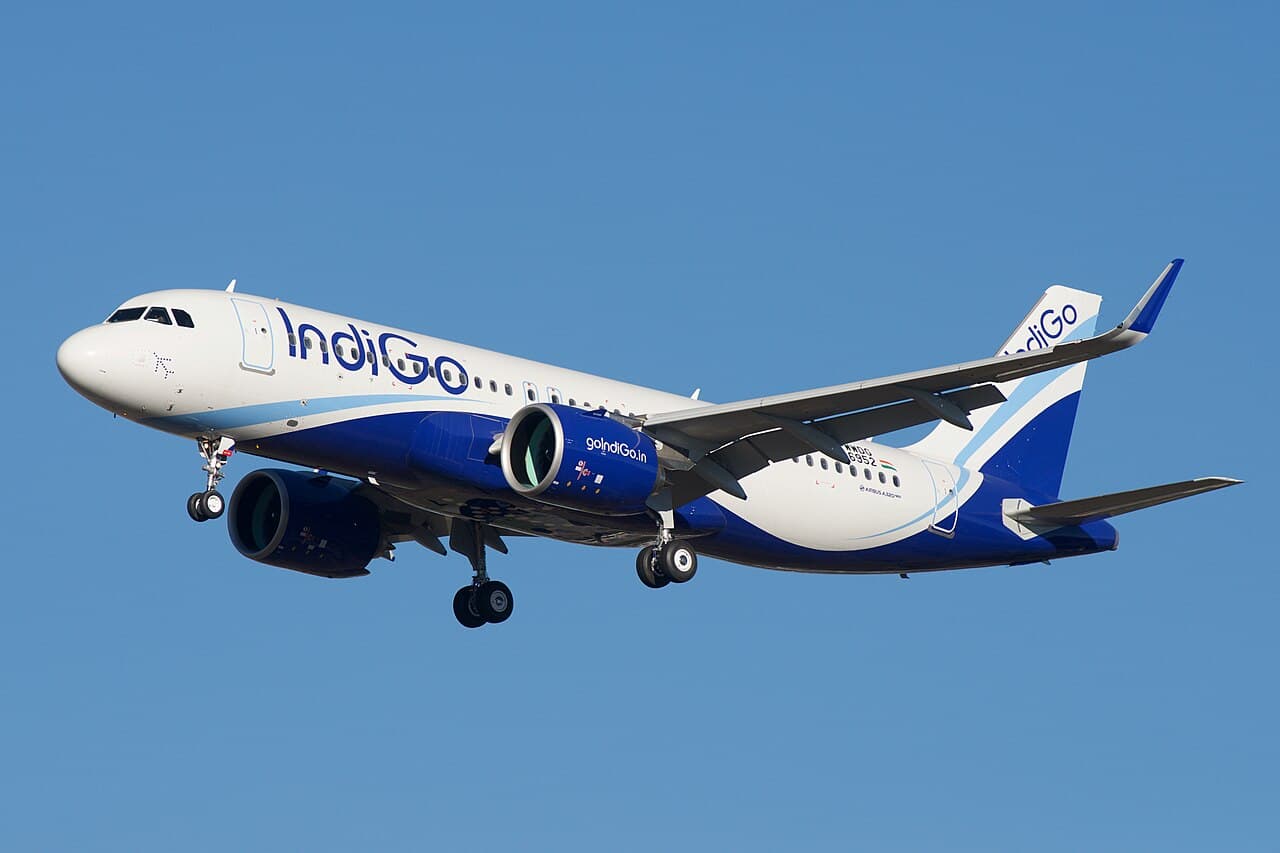
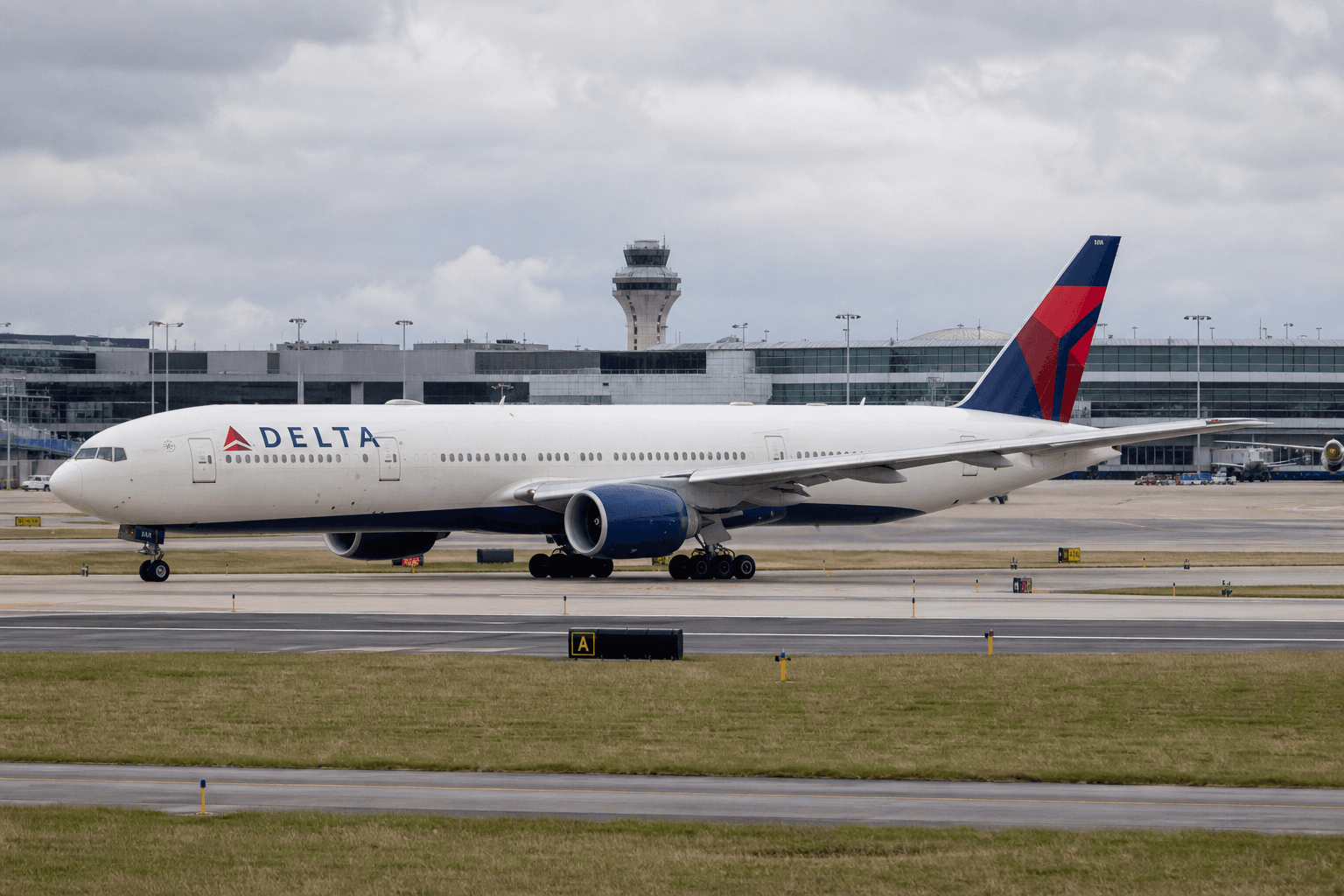
Image: BriYYZ from Toronto, Canada · CC BY-SA 2.0 · via Wikimedia Commons
Lufthansa debuts Starlink internet on Airbus A320neo flight from Frankfurt to Rome
Lufthansa has launched Starlink Wi-Fi service on an Airbus A320neo, with plans to equip its entire fleet by 2029 offering passengers fast connectivity worldwide.
The gist
Lufthansa begins providing high-speed Starlink internet onboard, starting with an A320neo flight, aiming to outfit 850 aircraft by 2029.
Continuing coverage
All Starlink →- Lufthansa debuts Starlink wi-fi on first A320neo, plans 850 aircraft retrofit by 2029
- Lufthansa Group debuts free high-speed Starlink Wi-Fi on A320neo starting August 19
- Frontier Airlines First US ULCC to Install Starlink WiFi Starting 2027
- Frontier Airlines to Install Starlink Wi-Fi Across Entire Fleet by Early 2027
- Frontier Airlines to Launch Starlink Wifi Fleetwide, Surpassing Delta's Connectivity Offering
Lufthansa has officially introduced Starlink satellite internet service on its in-flight network, marking a significant upgrade to its onboard connectivity. The inaugural flight equipped with this technology was an Airbus A320neo registered as D-AINM, which operated the route from Frankfurt to Rome. Lufthansa Airlines CEO Jens Ritter was present on this milestone flight and personally activated the Starlink system at cruising altitude, around 10,000 meters, or about 32,800 feet. This deployment signals a powerful commitment by Lufthansa to enhance the passenger experience with cutting-edge technology during flights.
The airline underscored its dedication to investing in customer comfort and service innovations, citing new aircraft and expanded onboard offerings alongside the introduction of Starlink. According to CEO Jens Ritter, Starlink represents fastest internet connectivity available from takeoff through landing, including over challenging regions such as oceans and deserts. This advancement covers not only short-haul flights but also Lufthansa’s long-haul operations, positioning the carrier at the forefront of inflight digital connectivity.
Initial installation efforts focus on Lufthansa’s primary fleet, with plans to equip an additional 10 mainline and Lufthansa City Airlines jets with Starlink antennas by the end of the current year. The technical work is largely being conducted at Lufthansa Technik facilities in Berlin, leveraging the company’s expertise to handle the complex installation of satellite communication systems on commercial airliners. This pilot phase is a precursor to a broader rollout intended to serve the entire Lufthansa Group.
The expansion of Starlink installations will accelerate in 2027 across the wider Lufthansa Group, which includes subsidiaries such as SWISS, Austrian Airlines, Brussels Airlines, and ITA Airways. The group’s unified approach aims to standardize high-speed internet service for all its carriers, improving passenger connectivity consistently across various brands and regions. Lufthansa has publicly committed to installing Starlink systems on its entire fleet, comprising approximately 850 aircraft, by the year 2029, a major logistical and technical undertaking.
For passengers enrolled in Lufthansa’s frequent flyer program and Travel ID initiative, Starlink Wi-Fi access will be provided free of charge, enhancing the value proposition for loyal customers. This integration serves as both a loyalty benefit and a step toward elevating the onboard experience to meet rising passenger expectations for seamless digital access. Providing reliable internet access onboard is increasingly becoming a differentiator in airline service quality and competitive advantage.
Starlink’s use of low-earth-orbit satellites allows it to deliver higher speed and lower latency connections than traditional geostationary satellite services, which have previously limited inflight Wi-Fi quality. This capability addresses a longstanding challenge in inflight entertainment and connectivity (IFEC), especially on transcontinental and remote routes. Lufthansa’s deployment could influence other airlines to follow suit, as satellite internet becomes more viable and economical for large-scale commercial use.
The timing of Lufthansa’s Starlink rollout is notable in the context of growing passenger demand for robust inflight internet services, driven by remote work possibilities and streaming consumption. This strategic move also aligns with Lufthansa Group’s modernization initiatives focused on fleet renewal, passenger services, and digital transformation. By standardizing Starlink across its airlines, the group aims to streamline operations and maintain technological competitiveness in a rapidly evolving market.
This initiative represents a comprehensive approach to delivering next-generation IFEC solutions directly via satellite networks, paired with Lufthansa Technik’s specialized installation expertise. The ambitious target to equip 850 aircraft within three years underscores Lufthansa Group’s prioritization of digital connectivity as essential to its future service offering. The rollout will necessitate coordination across multiple operational, regulatory, and technical fronts given the scale and international reach of the group’s network.
Lufthansa’s first operational use of Starlink signals an industry trend toward integrating advanced satellite communications into commercial fleets, promising enhanced passenger internet performance globally. Monitoring the progress of these installations and their impact on passenger satisfaction and network reliability will provide valuable insights into the benefits and challenges of large-scale satellite internet adoption in aviation.
Frequently asked questions
- Which Lufthansa aircraft was the first to feature Starlink internet service?
- The inaugural aircraft equipped with Starlink internet was an Airbus A320neo registered as D-AINM flying from Frankfurt to Rome.
- What is Lufthansa's timeline for outfitting its fleet with Starlink?
- Lufthansa plans to install Starlink on about 10 jets by the end of the current year, expand installations to subsidiaries in 2027, and outfit approximately 850 aircraft by 2029.
- Who can access Lufthansa's Starlink internet service for free?
- Passengers who are members of Lufthansa's frequent flyer and Travel ID programs can access Starlink Wi-Fi free of charge during flights.
Read more
All Airlines →
Lufthansa Introduces Economy Amenity Kits on Long-Haul Flights as Part of Service Upgrade
Passengers traveling long-haul with German flag carrier Lufthansa will be treated to a new amenity kit , with the new branded pouch containing an eye mask and earplugs. This upgrade for economy class passengers is a notable improvement from what they received before, which was nothing.
Rolls-Royce and GE Engine Designs Diverge Amid Widebody Market Duopoly
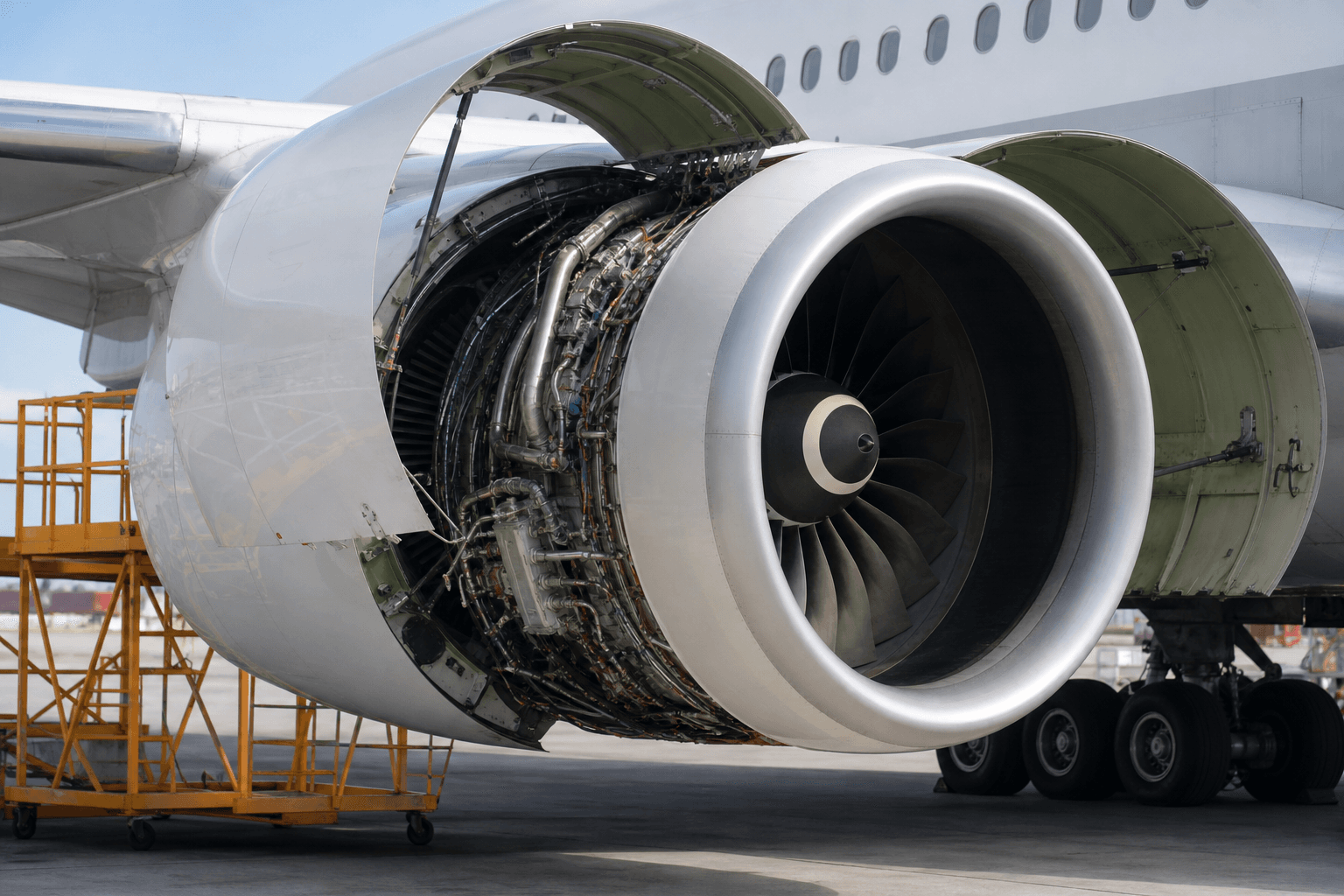
GE Aerospace and Rolls-Royce (RR) currently dominate the large widebody engine market , although RR also wants to challenge GE once again in the massive narrowbody engine market. These are two of the largest Original Engine Manufacturer giants in the commercial sector, along with Pratt & Whitney and Safran.
China's LandSpace achieves milestone with Zhuque-3 reusable rocket booster landing
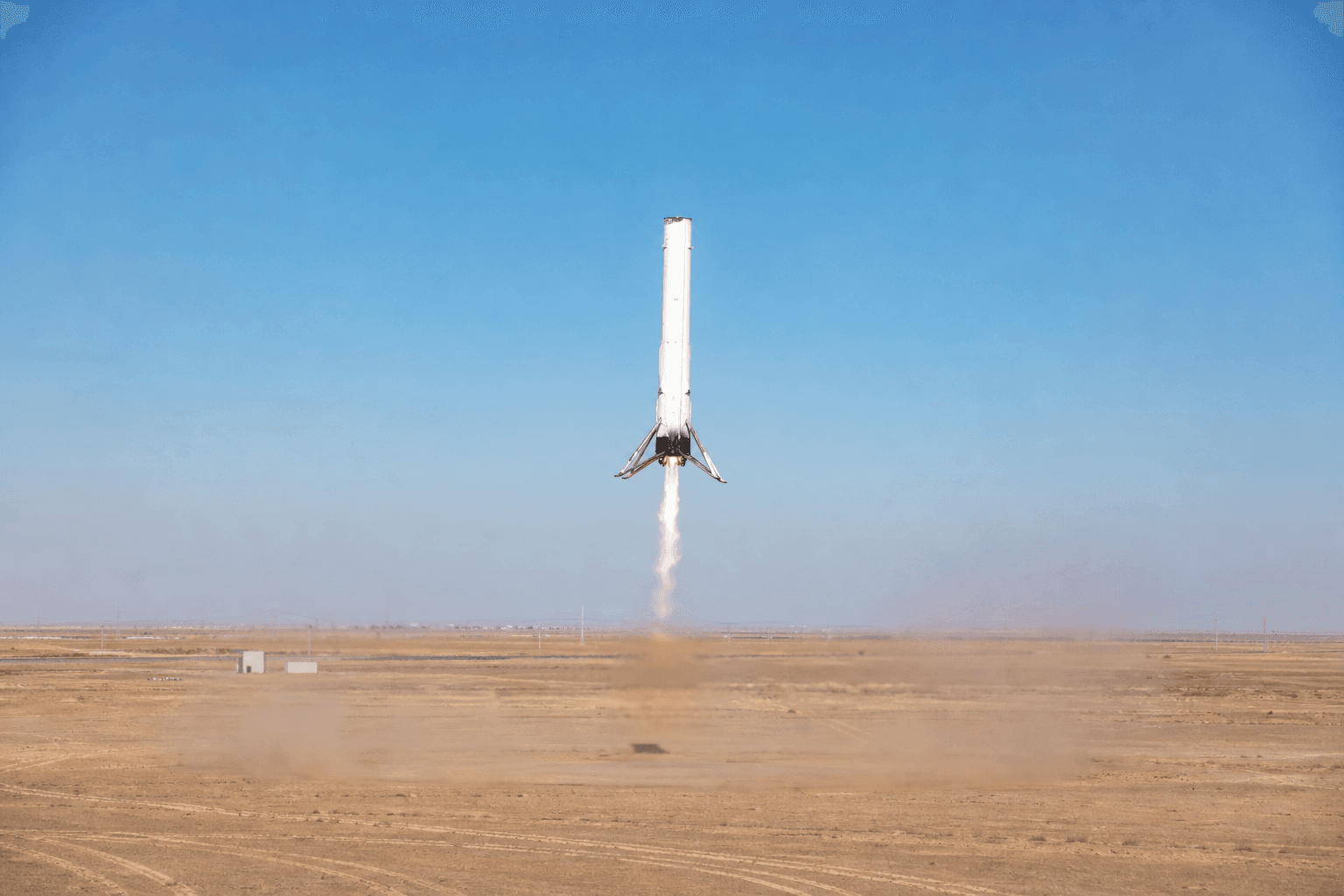
SpaceX could face formidable new competition in the space launch market after China's LandSpace successfully landed the first stage of its Zhuque-3 rocket, becoming the first private Chinese company to recover an orbital-class booster using the same method as SpaceX's reusable Falcon 9 rocket. The Zhuque-3 lifted off from the Dongfeng Commercial Space Innovation Pilot Zone in northwestern China at 07:35 local time on August 19, 2026. After separating from its second stage, the booster reoriented itself, completed a reentry burn and descended toward a landing site in Minqin County in Gansu province, approximately 240 miles from the launch pad. The booster deployed its landing legs and touched down vertically nearly eight minutes after liftoff. "This mission marks China's first-ever successful recovery attempt of the first stage of an orbital-class launch vehicle using landing legs, and China's first successful booster recovery on land," LandSpace said in a statement. Video released by the company shows a gentle touchdown reminiscent of the technique SpaceX pioneered a over a decade earlier with the first successful Falcon 9 landings. The launch was the second flight of Zhuque-3 and LandSpace's second attempt to recover its first stage. The rocket reached orbit on its inaugural flight in December 2025, but an abnormal combustion event prevented the booster from completing its landing. LandSpace said it made several changes before the second flight, including revisions to the landing propulsion system, thermal protection and return-control software. The company also added a predicted-impact-point function to the rocket's autonomous flight termination system. Zhuque-3 uses nine methane-fueled engines on its first stage. Its stainless-steel construction and liquid methane and liquid oxygen propulsion system are intended to support repeated flights while reducing manufacturing and refurbishment costs. LandSpace says an expendable Zhuque-3 can carry as much as 14.2 metric tons to low Earth orbit. The company wants to fly each first stage as many as 20 times and plans to attempt the first reuse of a recovered booster within six months. The successful landing places LandSpace alongside both SpaceX and Blue Origin as the only private companies to have propulsively landed the booster of an orbital-class rocket. SpaceX first landed a Falcon 9 booster in December 2015 and has since made booster recovery and reuse a routine part of its launch operations. Blue Origin landed the first stage of its New Glenn orbital rocket for the first time in November 2025. SpaceX founder Elon Musk had not publicly commented on the successful landing as of August 20. In an October 2025 post on X, however, Musk said the Zhuque-3's combination of stainless-steel construction, methane propulsion and a Falcon 9-style architecture could enable it to eventually outperform Falcon 9. China completed its first recovery of an orbital-class booster in July 2026 during the inaugural flight of the state-developed Long March 10B. Instead of landing on legs, that stage was captured by cables stretched across an offshore platform. LandSpace, founded in 2015, had already claimed another first in commercial spaceflight, with its smaller Zhuque-2, which became the first methane-fueled rocket to reach orbit in July 2023. The company is seeking to raise 7.5 billion yuan, or approximately $1.1 billion, through an initial public offering in Shanghai. It plans to use the funding to expand development and production of reusable launch vehicles in its quest to compete in the commercial space launch market.
Delta CEO Aims for Elite Global Status, But Operational Issues Undermine Claims
Ed Bastian wants Delta mentioned with Singapore Airlines and the best Asian and Middle Eastern carriers. Delta has a brand, but product consistency and service still fall short and once-vaunted reliabiltiy has faltered.
The Daily Touch & Go
The day's best aviation news in your inbox. Free, no spam.