

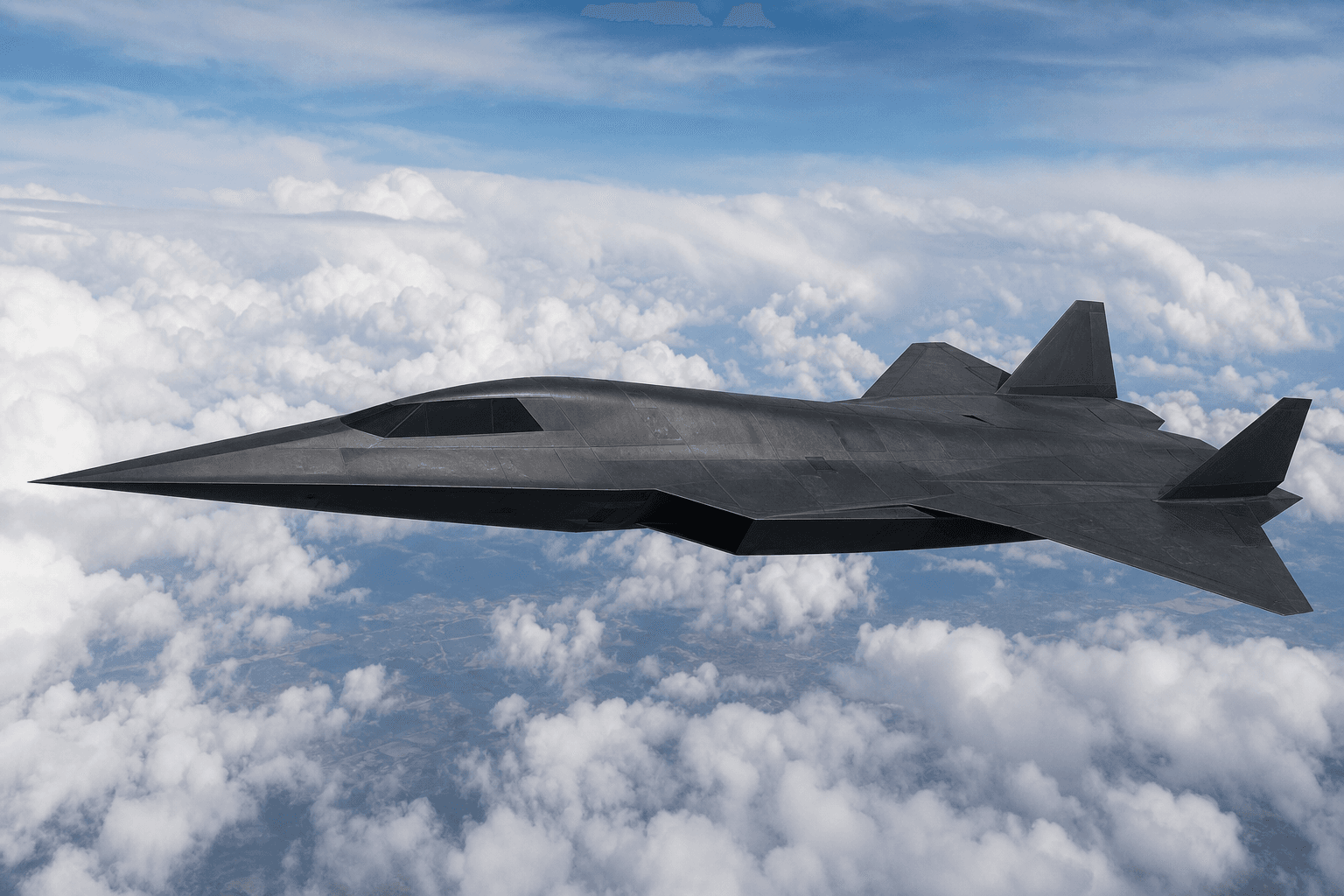
Illustration: The Touch & Go
Lockheed Martin's Hypersonic SR-72 Project Remains Grounded Amid Changing Defense Priorities
Lockheed Martin's much-anticipated SR-72 hypersonic successor to the SR-71 Blackbird has not flown yet, reflecting strategic shifts and technical challenges since its 2013 unveiling.
The gist
Lockheed Martin’s SR-72 hypersonic spy aircraft remains unflown nearly 13 years after its reveal amid evolving defense needs and budget realities.
The Lockheed Martin SR-72, announced in 2013 as the hypersonic successor to the iconic SR-71 Blackbird reconnaissance aircraft, has yet to achieve flight nearly thirteen years later. Designed to reach speeds exceeding Mach 6, the program promised a cutting-edge unmanned surveillance drone capable of rapid reconnaissance and strike capabilities. However, since its initial public reveal, the project has largely operated under a cloak of secrecy, with no confirmed test flights or prototype demonstrations reported as of mid-2026.
The SR-71 Blackbird, developed during the Cold War, was a high-altitude, Mach 3+ reconnaissance aircraft that evaded Soviet air defenses by sheer speed and altitude. It served as a key intelligence tool but was retired by 1998 due to technological advances and changing strategic priorities. The SR-71’s retirement left a void in high-speed aerial reconnaissance capabilities, leading Lockheed Martin to envision a hypersonic replacement that would blend speed and stealth.
While the SR-71 relied on outrunning threats, advancements in missile and interceptor technology have shifted modern aircraft design toward stealth and electronic warfare, favoring subsonic platforms that can evade detection rather than outrun enemies. This strategic pivot partially accounts for the lengthy development period and altered expectations surrounding the SR-72’s operational role within the U.S. Air Force.
Satellites and unmanned drones have increasingly shouldered surveillance duties since the 1990s, providing persistent coverage without risking pilot lives or diplomatic incidents. Yet satellites face limitations including predictable orbits, vulnerability to anti-satellite weapons, and limited responsiveness to dynamic battlefield conditions. The Air Force’s cancellation of the E-7 Wedgetail airborne early warning program in 2025 in favor of space-based systems underscores this growing reliance on orbital assets, though the decision was reversed in 2026, reflecting ongoing debates about balanced ISR architectures.
Lockheed Martin’s Skunk Works division self-funded the SR-72 development, aiming to demonstrate hypersonic technology and advance unmanned combat capabilities. The program reportedly moved quietly toward preparing assembly facilities around 2024, according to defense industry sources. However, public information on the SR-72 dissipated after early hype, leading to speculation about technical, budgetary, or strategic hurdles preventing flight demonstrators.
The conceptual SR-72 represents a niche approach to future reconnaissance and strike, combining hypersonic speed with unmanned operation. It contrasts with current trends favoring stealthy, slower aircraft like the B-21 bomber and stealth drones, yet the hypersonic domain is attracting renewed interest due to the potential for rapid response to high-value, time-sensitive targets. Similar efforts by companies like Hermeus to develop supersonic and hypersonic platforms indicate a modest revival of speed-focused aerospace innovation.
The SR-72’s protracted development schedule parallels the complex trade-offs faced by the U.S. defense establishment, balancing cutting-edge technology aspirations with affordability, operational sustainability, and geopolitical priorities. The shift from manned spy planes to satellites and unmanned systems reflects both technological progress and the changing nature of intelligence collection in contested airspace and space.
With no confirmed flight tests nearly a decade and a half after its announcement, the SR-72 remains emblematic of the challenges inherent in hypersonic aircraft development. The realities of budget constraints, shifting defense doctrines, and emerging alternative technologies have contributed to the program’s slow progress, casting uncertainty on when or if the SR-72 will achieve operational status in the near future.
Despite these challenges, the pursuit of hypersonic reconnaissance and strike capabilities remains strategically significant. Should Lockheed Martin succeed in overcoming the hurdles facing the SR-72, it could revitalize a unique aerospace niche, extending the legacy of the Blackbird era into a new technological frontier.
Frequently asked questions
- Why has the SR-72 not flown yet since its 2013 announcement?
- Despite its 2013 reveal, the SR-72 has not flown due to technical challenges, shifting defense priorities favoring stealth and satellites, budget constraints, and the complexity of developing hypersonic unmanned aircraft.
- How does the SR-72 compare to its predecessor, the SR-71 Blackbird?
- The SR-72 is designed as an unmanned, hypersonic (Mach 6+) aircraft intended to succeed the manned SR-71, which flew at Mach 3+, reflecting advances in speed and unmanned operation but also facing different strategic environments and technologies.
Read more
All Airlines →
United Airlines Captain's Cabin Chat Builds Passenger Loyalty Beyond Upgrades
A United captain stepped into the cabin to brief passengers on weather, and a loyal flyer called it the kind of service that made the airline number one. Pilots can build trust in minutes—and airlines should make that interaction normal.
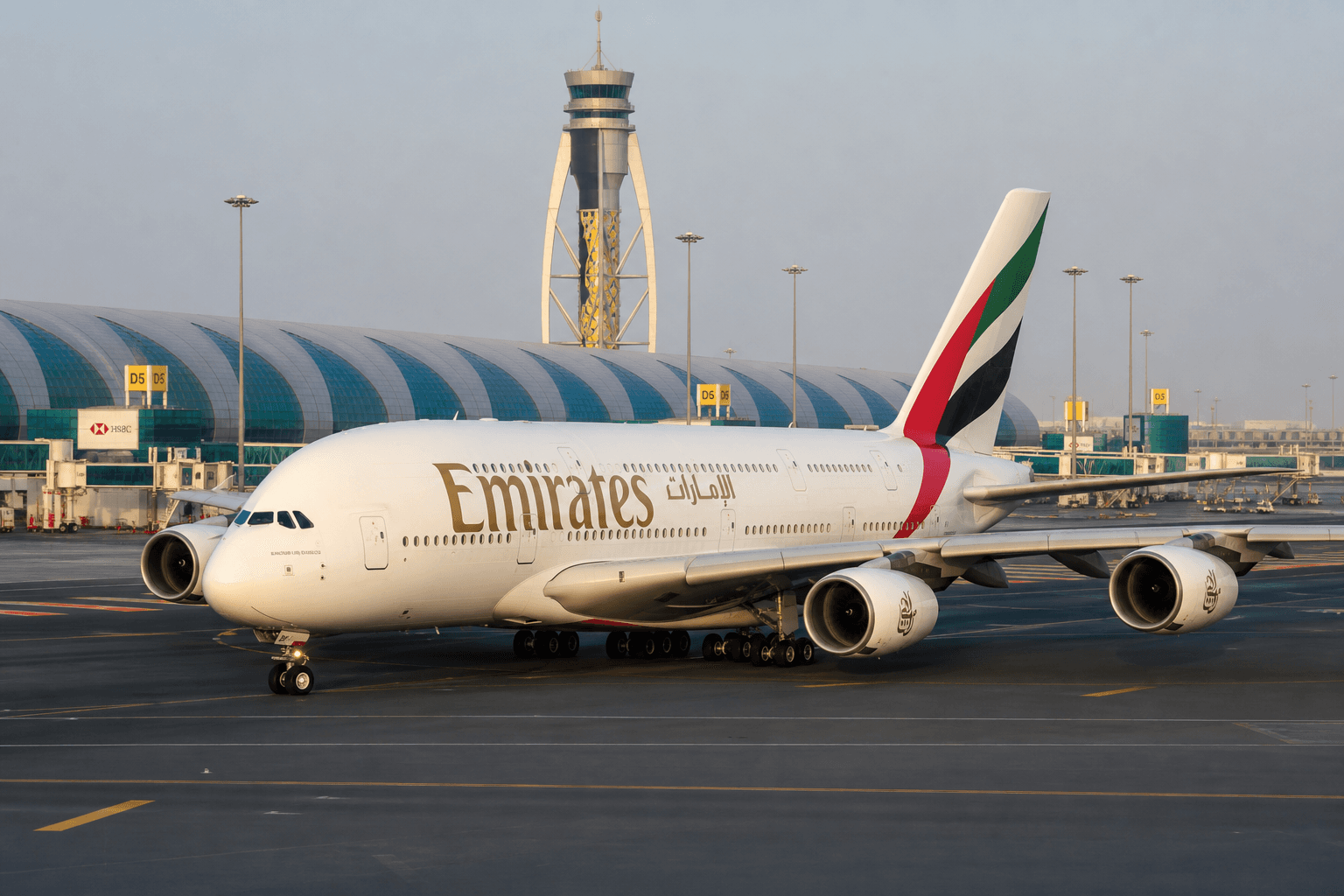
Emirates A380 Delivers Unique Passenger Experience Through Iconic Design
For many travelers, the Airbus A380 has become more than just another aircraft type. So in this video, we take a look at the real benefits of flying on Emirates' Airbus A380, how the aircraft's unique design shapes the passenger experience, and why so many frequent flyers continue to choose it over other modern widebody aircraft.
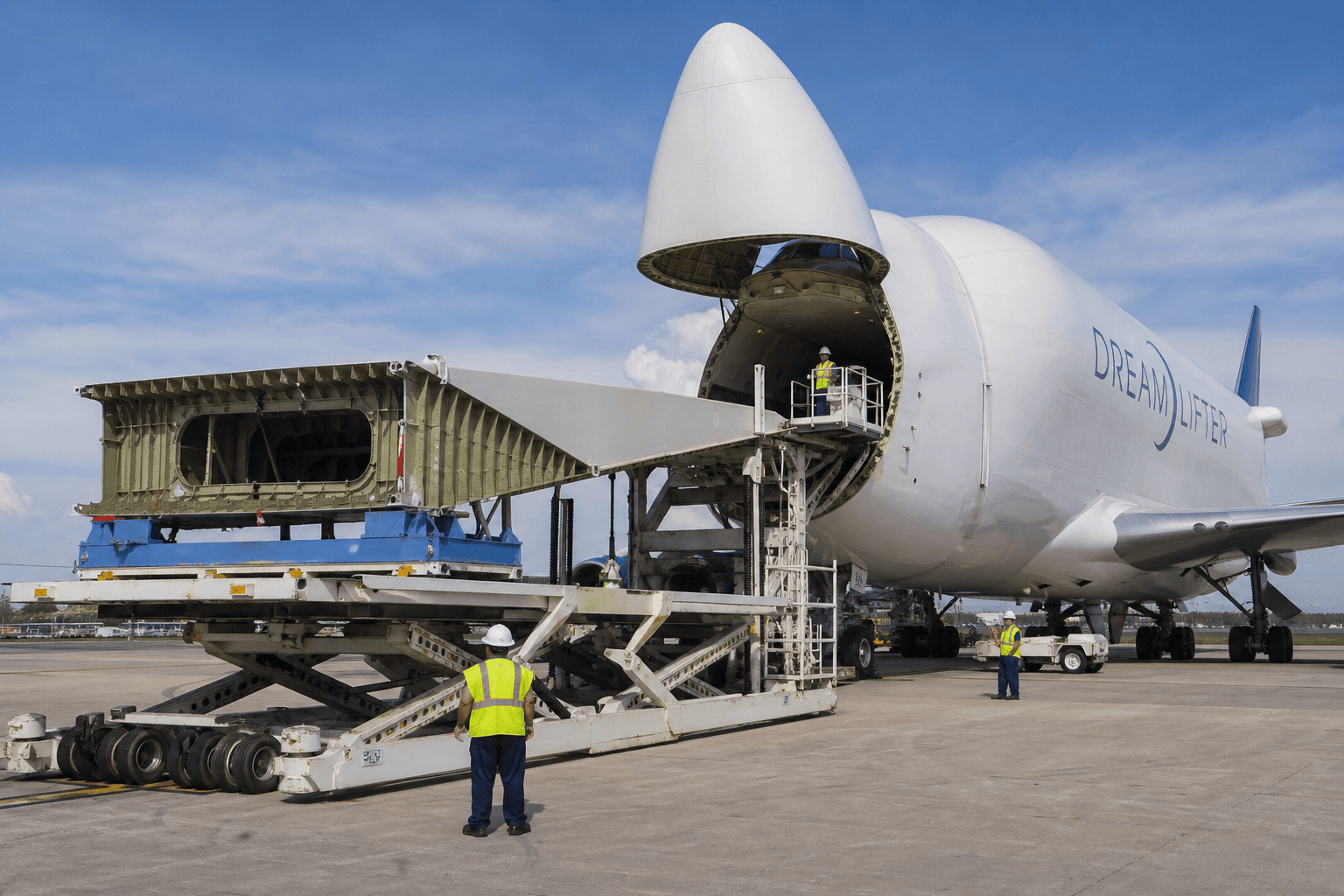
Nine Countries Collaborate Globally to Supply Boeing 787 Dreamliner Structural Parts
The Boeing 787 is assembled in the United States, but the aircraft that rolls out of Boeing's factory in Everett or North Charleston is built from structural components manufactured across nine countries on four continents. Boeing distributed more of the 787's design and production to international suppliers than on any previous commercial aircraft program, creating a global supply chain involving more than 50 major companies that ship completed fuselage sections, wings, and tail components to the US for final assembly.

Survey Mistakes Starbucks on Delta as Best Coffee, Misjudges Amex Lounges
A new Point.me survey names Delta's Starbucks the best airline coffee and Amex Centurion the best lounge network. But popularity isn't quality: Alaska and United serve better coffee, Chase offers stronger lounge design, Capital One has better food—and British Airways has no business ranking among the best inflight meals.
The Daily Touch & Go
The day's best aviation news in your inbox. Free, no spam.