

Illustration: The Touch & Go
United Airlines' San Francisco to Adelaide Route Launches with Low Initial Load Factor
United's new ultra-long 16-hour route from San Francisco to Adelaide began in December 2025, filling just 53% of seats during its first season despite financial backing.
The gist
United Airlines' new ultra-long San Francisco-Adelaide route launched with only 53% seat occupancy in its initial months.
Continuing coverage
All Ultra-Long-Haul →- The 7 Longest Airbus A380 Flights Between the US and Global Hubs in 2026
- Senior Pilots on Ultra-Long-Haul Flights Earn Record Pay as Global Contracts Shift in 2026
- American Airlines Debuts Premium-Heavy Boeing 787-9P for Ultra-Long-Haul Routes
- Qantas to Launch Sydney-London Nonstop Flights in October 2027 Using A350-1000ULR
- Airbus Delays Qantas Project Sunrise A350-1000 Deliveries to April 2027 Amid Supply Chain Challenges
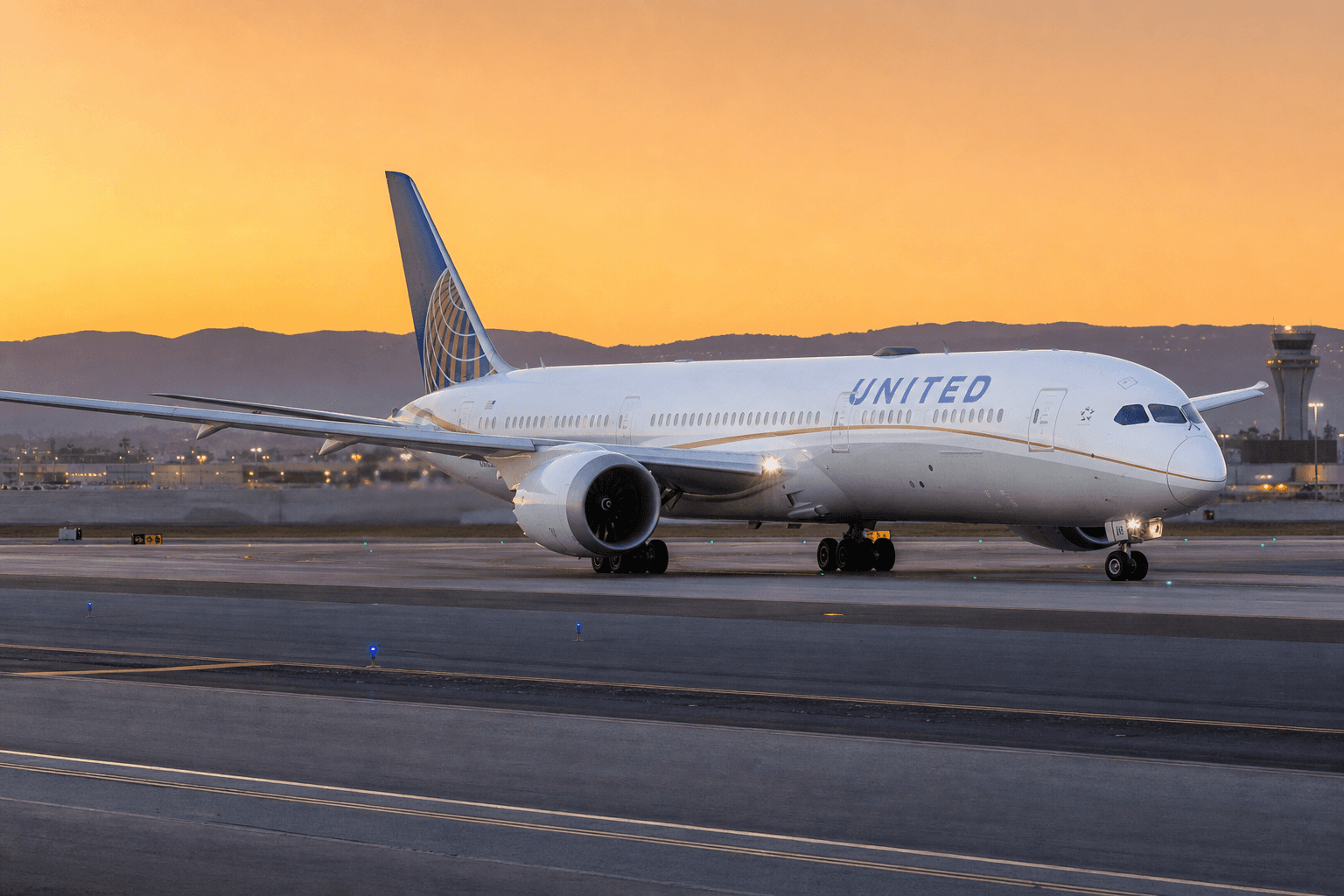
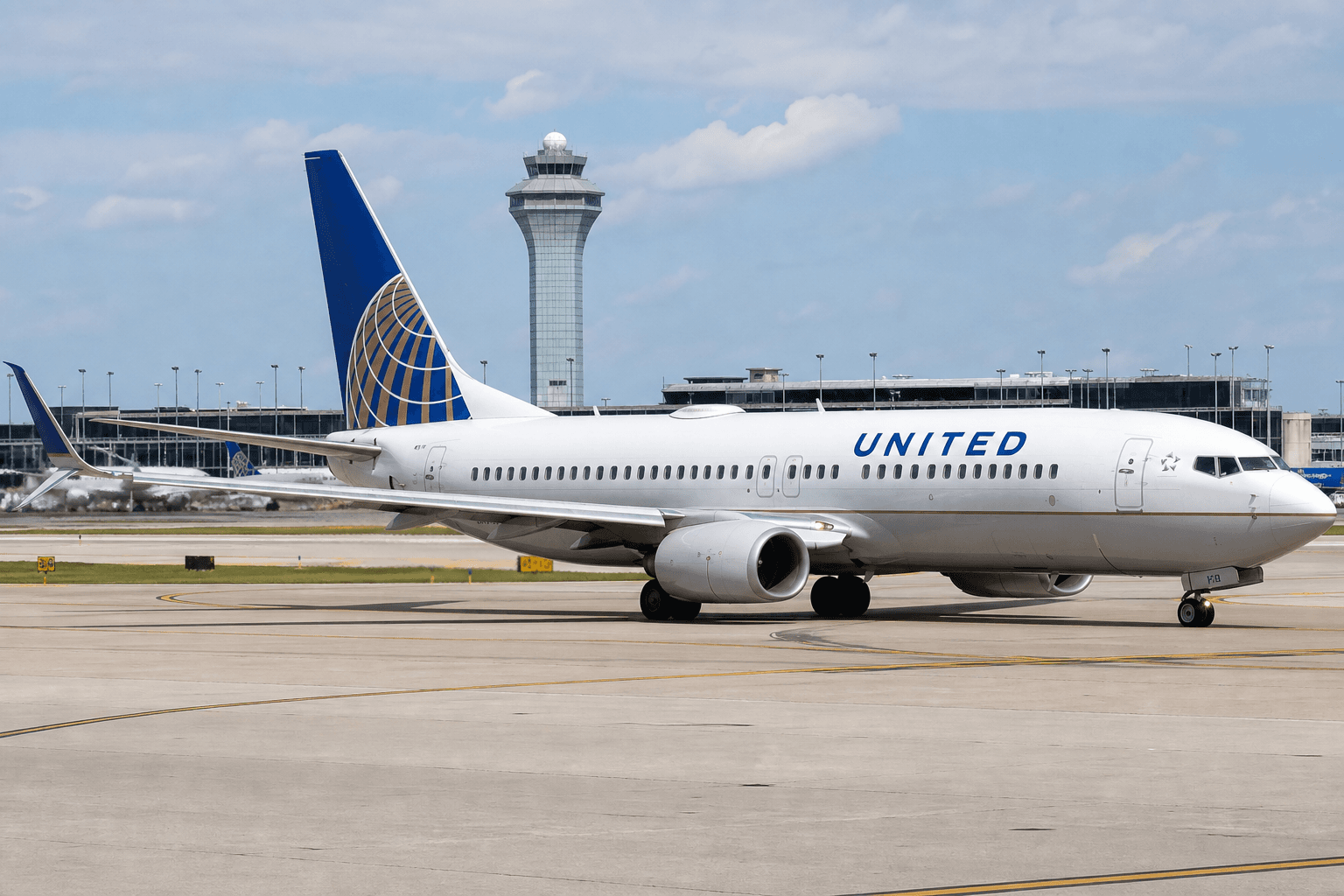
United Airlines initiated a groundbreaking route between San Francisco International Airport (SFO) and Adelaide Airport (ADL) in December 2025. This 16-hour ultra-long-haul flight is notable as the first scheduled direct service linking North America with South Australia. The route was launched with Boeing 787-9 aircraft operating three flights weekly, spanning nearly 16 hours of flight time each way, positioning United as a key operator between the US and Australia/New Zealand market with a quarter share of passenger traffic in the year to March 2026.
The introduction of the SFO-ADL route came with financial support from the South Australian Government and possibly other entities. Such incentives are common for new ultra-long routes given the operational risks and high costs involved. They aim to stimulate passenger and freight traffic growth, enhancing connectivity and economic benefits for the region by facilitating easier and quicker travel.
Despite these measures, the initial performance of the route in its first season was below projections. According to US Department of Transportation data, United carried 11,778 round-trip passengers on SFO-ADL flights but achieved an average load factor of just 52.7%. This is strikingly low for such a long-haul market, where airlines typically strive for higher occupancy to justify significant operating costs.
Load factors varied month to month, peaking at 68.5% in December 2025, likely buoyed by holiday travel demand, then falling sharply to 33.7% in February 2026 during a traditionally low travel season to and from Australia. Passenger origin data showed a near-equal split of travelers starting from either the United States or Australia, with slightly better load factors on flights originating in Adelaide (54.6%) compared to San Francisco (52.2%). Seasonal variation was marked, illustrating the challenges in balancing demand on ultra-long routes with directionally distinct traffic flows.
To enhance the route's viability, United adjusted its second season schedule, drastically reducing the operating period. Instead of year-round service, flights are now concentrated into a six-week span between December 17, 2026, and January 30, 2027. This condensed schedule focuses on peak travel periods, potentially increasing yields and load factors by aligning with higher demand and better connectivity opportunities.
The route is strategically timed to connect with other United flights at San Francisco, enabling passengers from cities including New York, Los Angeles, London, Washington DC, and Denver to access the South Australian market with single-hop transfers. This interline connectivity is expected to remain a critical factor in future demand and the route's success.
United Airlines' foray into this new market underscores the challenges inherent in launching ultra-long-haul routes with limited initial demand. The carrier's experience highlights the need for financial support and flexible scheduling to seed traffic and adjust to seasonal fluctuations. How the market develops beyond the initial seasons remains to be seen, but the route sets a milestone in trans-Pacific aviation connecting North America directly to South Australia for the first time.
Frequently asked questions
- What is the seat occupancy rate of United Airlines' new San Francisco to Adelaide route?
- In its first season, United Airlines' SFO-ADL route filled approximately 53% of available seats according to US DOT data.
- How long does the United Airlines flight from San Francisco to Adelaide take?
- The Boeing 787-9 operated SFO-ADL flight has a scheduled duration of up to 15 hours and 55 minutes, making it an ultra-long-haul route.
- What changes did United Airlines make to the SFO-ADL route schedule for the second season?
- United Airlines reduced the operating period to six weeks from December 17, 2026, to January 30, 2027, concentrating flights around peak travel demand periods.
Read more
All Airlines →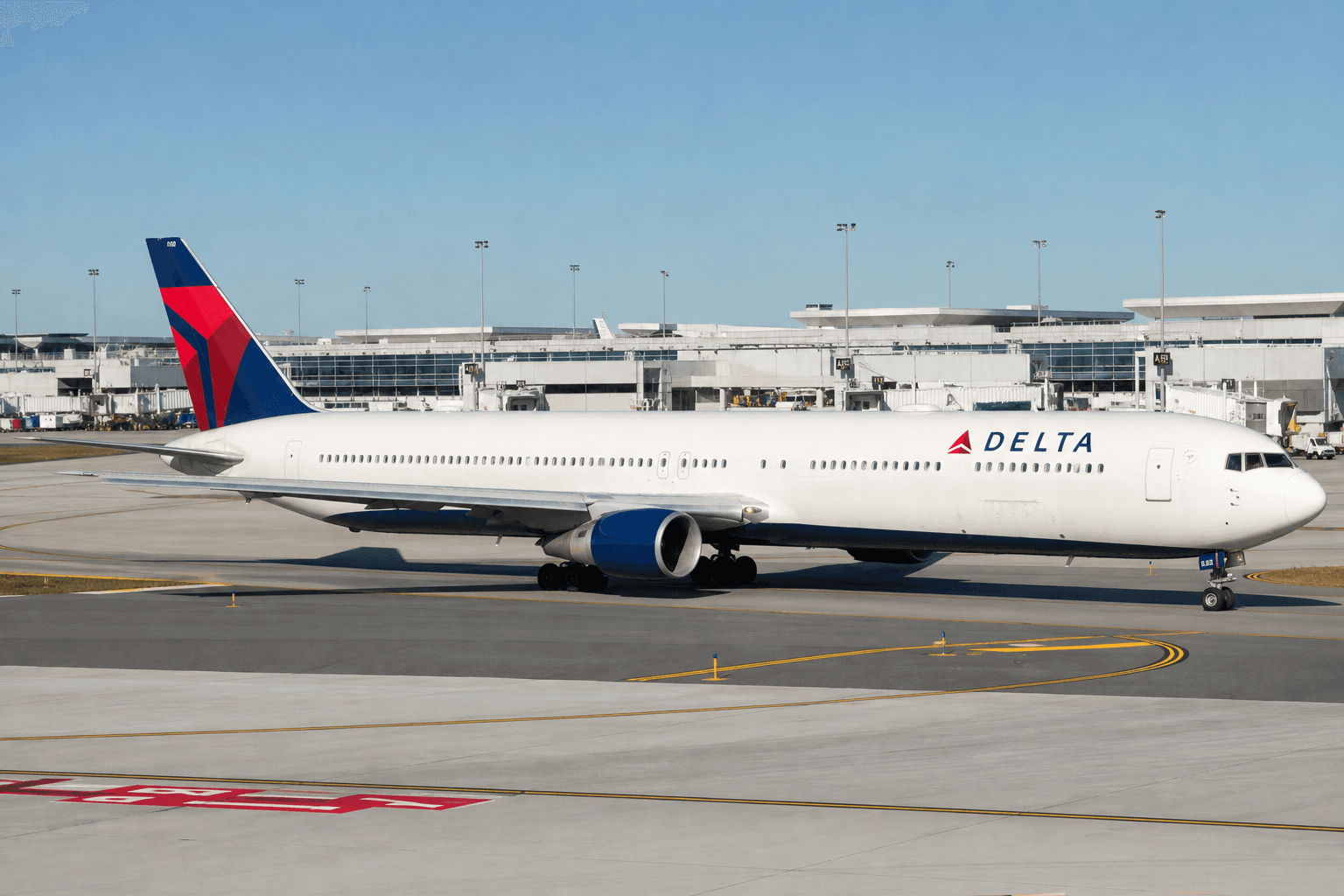
Delta Air Lines Lets Basic Economy Passengers Keep Full-Size Carry-Ons, Bucking Industry Trend
After top legacy airlines unbundled their economy cabins to create basic economy, the industry expected a race to the absolute bottom of passenger discomfort. For the most part, that expectation has become a reality across the domestic aviation market, turning the simple act of boarding an aircraft into a host of gate-enforcement checks and surprise baggage penalties. A glaring anomaly persists at the nation's most profitable legacy airline even as the rest of the industry moves in the same direction.
American, United, and Southwest Match Exact $523 Fare from Chicago to Denver Half the Time
American, United and Southwest all offered the same $523 Chicago–Denver fare, reviving suspicions of price-fixing. Identical fares occur about half the time: ATPCO and near-instant competitor monitoring let airlines match prices without an illegal agreement—though carriers have sometimes tried to cross that line.
Airlines Should Charge Extra For Quality First Class Meals as Standards Decline
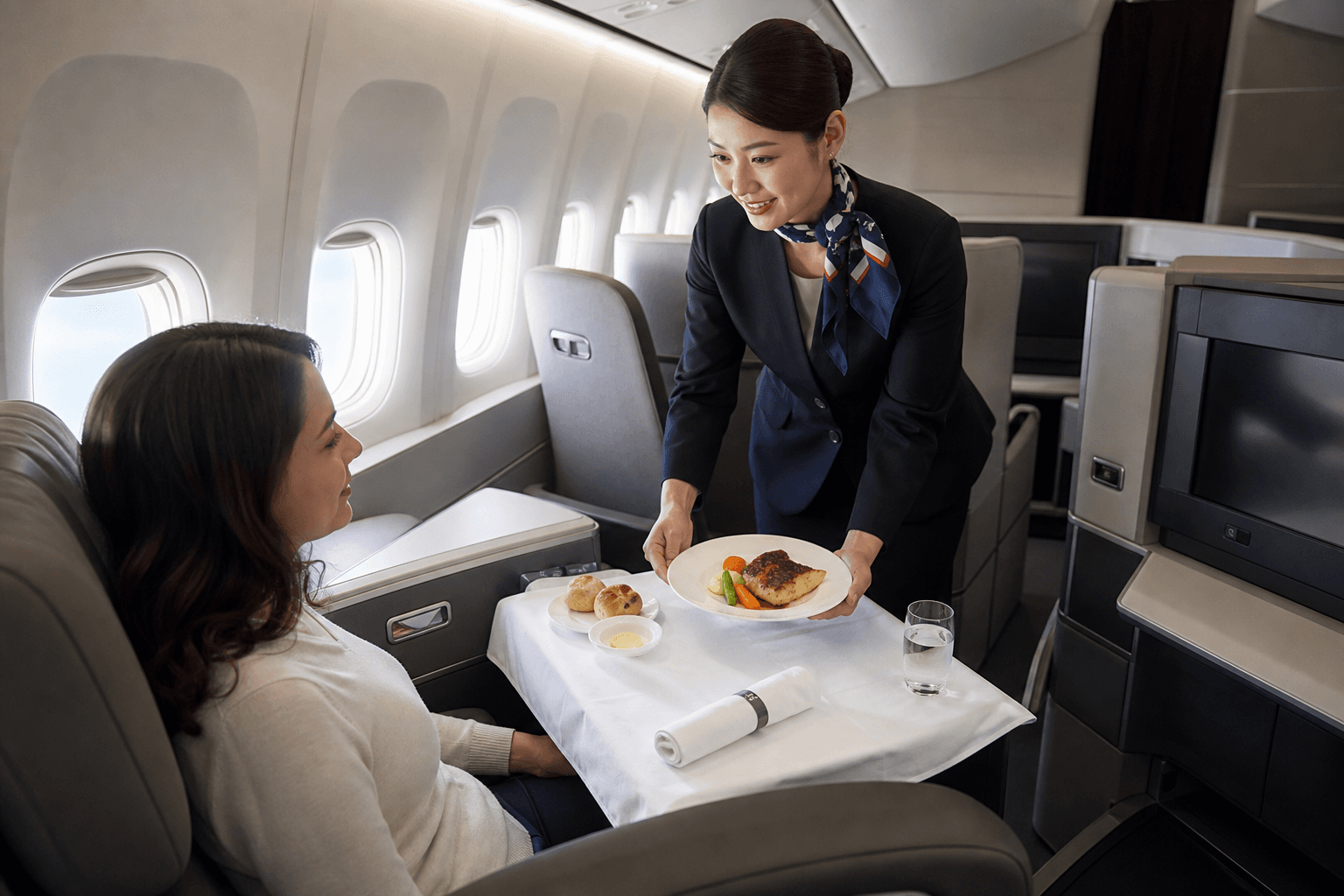
Domestic first class meals have been cut so far that airlines may be missing a revenue opportunity: sell premium pre-order meals passengers would actually want, instead of pretending today's bundled food is still a premium experience.
United Airlines Flight Attendant Union Leader Helped Revise Canada Entry Rules for Crew with DUI
The Association of Flight Attendants (AFA-CWA) is by far the largest crew member union in the United States, representing around 55,000 flight attendants at nearly two dozen airlines across the country. The jewel in AFA’s crown, though, is United Airlines, whose flight attendants make up more than half of the union’s total membership. Leading AFA’s United membership, therefore, could definitely be considered one of the more important jobs within the union, and the baton has recently been taken over by Scott Pejas, a veteran United Airlines flight attendant who first joined the carrier back in 1996. Scott initially started working out of United’s Los Angeles base before transferring to Chicago O’Hare in 1999, where he has remained ever since. Despite taking on the mammoth task of being the representative of around 30,000 flight attendants, Scott plans to continue flying as a crew member while holding the role of Master Executive Council President. Thankfully, Scott takes on the role at a relatively good time. United’s flight attendants have only recently ratified a new five-year collective bargaining agreement that locks in pay rises over the coming years, along with a slew of other contract improvements that were hotly contested over several years. During this long bargaining process, it’s fair to say that the leaders of United’s MEC and its negotiating committee took some flak from frontline employees, but Scott and the other elected officials aren’t newbies to union work. In fact, Scott was first elected as Chicago’s local executive council leader in 2016, and it’s during this time that he was involved in what the union describes as one of his ‘most notable’ pieces of work: changing the wording of United’s Canada admissibility policy. For years, United had a policy in which flight attendants must be able to legally operate to any destination within the airline’s network. That generally means that crew members can’t have criminal convictions that would bar them from entering a country without first obtaining a visa or undergoing other background checks. This was particularly an issue for flight attendants with past DUI convictions because Canada has some of the strictest DUI laws in the world. A DUI conviction in the United States within the last five years makes someone automatically inadmissible for entry to Canada, including pilots and flight attendants. In other words, flight attendants with a DUI conviction faced the risk of being terminated because they wouldn’t be allowed to enter Canada. Scott, however, was involved in changing this policy, meaning that inadmissibility to Canada no longer means United’s flight attendants have to hang up their wings. Veteran crew members who are ‘lineholders’ simply bid for trips that avoid Canada, while the situation is slightly more complicated for newer flight attendants who are on ‘reserve.’ If they get assigned a trip that involves a stopover in Canada, they would be assigned what is referred to as a ‘missed trip.’ That might ultimately lead to disciplinary action at some point down the road, but they can, at least, continue to work for United even though they aren’t legally allowed to enter Canada. United has a similar policy for its pilots, but not all airlines allow this kind of flexibility. Inadmissibility to Canada can still lead to termination at other airlines. This is one of those lesser-known policy changes where unions would likely say they have brought about a positive outcome for their members… something that might not have happened if it wasnt for the union.
The Daily Touch & Go
The day's best aviation news in your inbox. Free, no spam.