

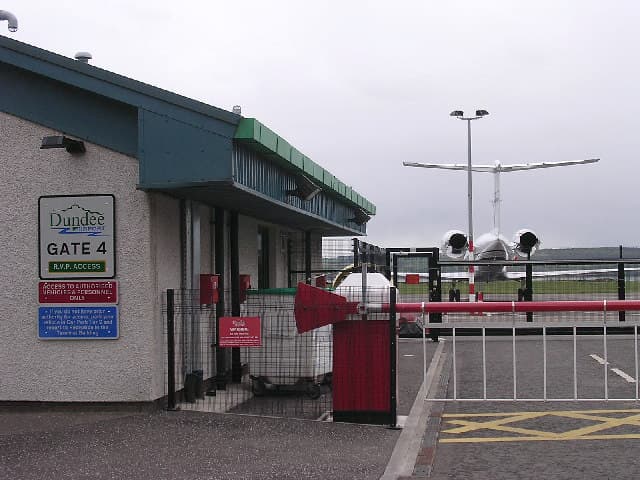
Image: Val Vannet · CC BY-SA 2.0 · via Wikimedia Commons
Loganair to Cease Operations at Dundee Airport and End Heathrow Route
Loganair will close its Dundee base by October 23, ending flights to London Heathrow and island connections, citing financial unsustainability despite government support.
The gist
Loganair ends Dundee operations and cuts Heathrow, island routes as the service becomes financially unsustainable.
Loganair, a Scottish regional airline, has announced the impending closure of its operating base at Dundee Airport, effective October 23. This closure coincides with the termination of its service between Dundee and London Heathrow, a route currently supported under public service obligations by local and national governments. The cessation of operations will also end onward flights connecting Dundee to the Shetland Islands and Orkney, which have depended on Loganair's base at Dundee for onward travel.
The airline cited financial challenges as the primary reason for withdrawing from Dundee, stating the route's operation had become financially unsustainable. The Dundee-Heathrow link has been a key connection for the region, providing access to a major international hub under government-backed support similar to the United States' Essential Air Service program. Despite such backing, the cost pressures have outweighed the route's viability for the carrier.
Loganair plans to assist employees currently based in Dundee in finding alternative roles within the company, although details regarding layoffs remain unclear. The closure marks a significant shift for Dundee Airport, which will effectively lose scheduled commercial air service for the first time since Loganair established operations there in 2008. The withdrawal signals a considerable reduction in the airport’s connectivity and service offerings.
Since its founding, Loganair has specialized in connecting smaller Scottish locations to major English cities and various remote islands, fulfilling a niche for regional transportation. Its network extends beyond the UK to include flights to France, Ireland, Denmark, and Norway, emphasizing its role as a vital carrier for underserved routes. The Dundee base has been a strategic part of this network, facilitating access to island communities and linking them to the broader UK and international destinations.
The route between Dundee and London Heathrow is particularly important because Heathrow serves as a major international transfer point, giving residents of eastern Scotland access to global markets and leisure destinations. The loss of this route could inconvenience travelers who depended on the quick and direct service Loganair provided, forcing them to shift to alternative and potentially less direct travel methods.
The public service obligation status of the Dundee-Heathrow route underscores the government's intention to maintain essential air links to smaller or remote communities. However, even with such subsidies, Loganair has found continuing to operate the route untenable, reflecting broader financial pressures faced by regional airlines in balancing operational costs against limited passenger volumes and fare revenues.
As the airline exits Dundee, this leaves the airport without any scheduled commercial flights, raising questions about its future role and sustainability as a regional transport hub. For Loganair, the move may reflect a strategic effort to streamline operations towards more profitable routes or bases. The consequences for the communities served could be significant, particularly for residents of the Shetland and Orkney Islands, who relied on connecting flights for essential travel.
Overall, Loganair’s decision highlights the ongoing challenges faced by regional air service providers in sustaining routes that are dependent on government support but still struggle with financial viability. The closure of the Dundee base closes a chapter for the airport and underscores the volatility of regional aviation markets under current economic conditions.
Frequently asked questions
- Why is Loganair closing its operating base at Dundee Airport?
- Loganair stated that the operation of the Dundee to London Heathrow route had become financially unsustainable, prompting the closure of its Dundee base.
- What flights will be affected by the closure of the Dundee base?
- The termination will end the Dundee-London Heathrow service and also discontinue onward flights from Dundee to the Shetland Islands and Orkney.
- Will employees at Dundee lose their jobs due to the base closure?
- Loganair said it will assist Dundee-based employees in finding alternative roles but has not specified if there will be permanent job losses.
Read more
All Airports →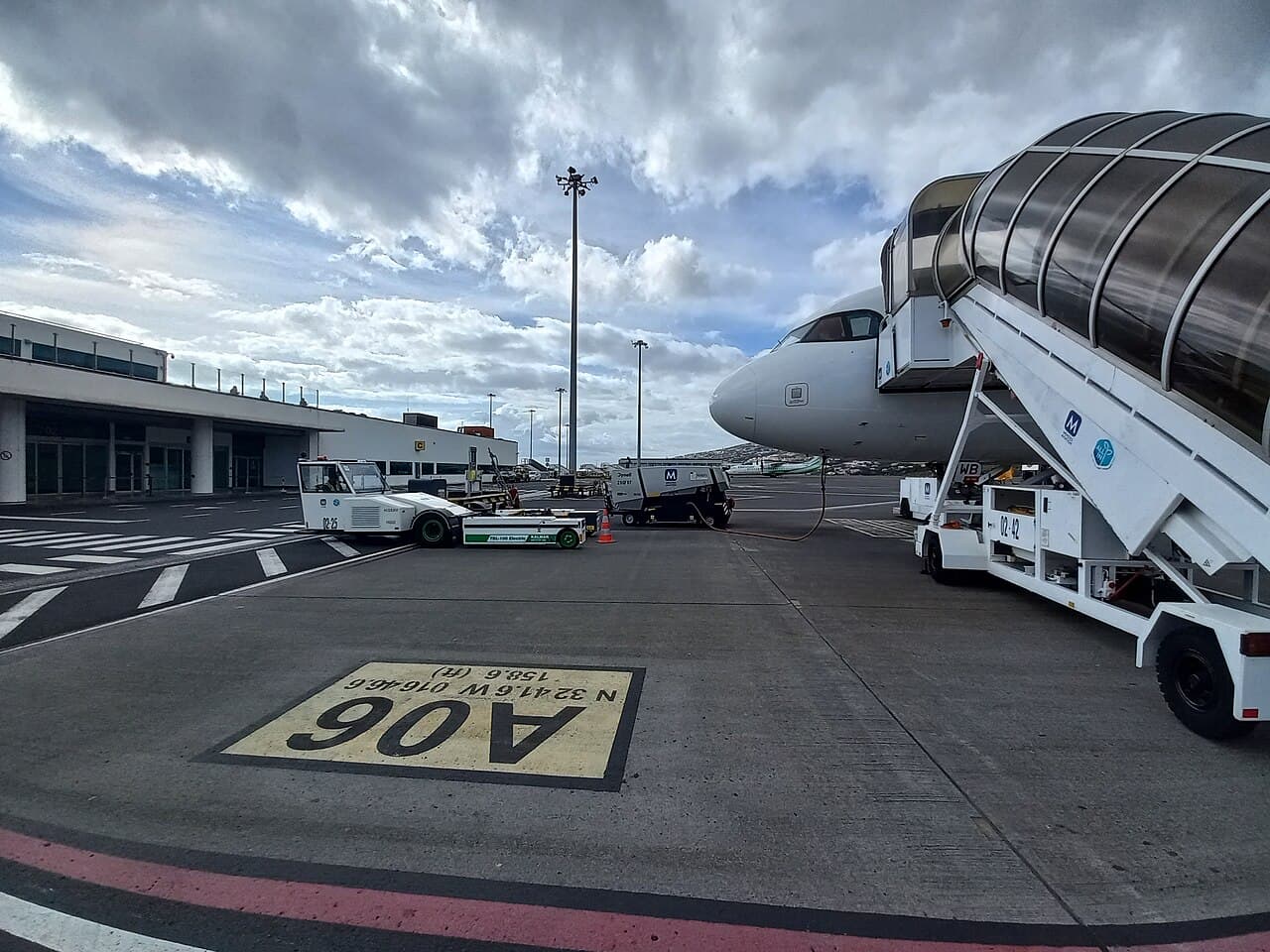
ATR identifies 209 untapped Indonesian domestic air routes serving 16 million passengers annually
Franco-Italian turboprop aircraft manufacturer ATR has identified 209 new domestic air routes across Indonesia that it says would be economically viable using regional turboprop planes. The company points to a market of roughly 16 million passengers a year that remains largely untapped despite existing airport infrastructure. According to ATR, 70 of Indonesia's 180 paved-runway airports currently have no scheduled passenger service at all, leaving significant room for new domestic routes without the need for major infrastructure investment. Inside ATR's data: tracking 780 million journeys The findings come from ATR's proprietary MobilityMonitor platform, which tracked the travel patterns of 35 million Indonesian residents, a sample the company says is representative of the broader population. That group made roughly 780 million inter-city journeys over the course of a year, using a mix of cars, motorbikes, buses, ferries, trains, and planes. Around 90% of those journeys fell between 100 and 800 kilometers, a distance range ATR says is well suited to turboprop aircraft. By cross-referencing the most common travel routes with Indonesia's existing airport network, and then scaling the sample data to estimate total market size, ATR arrived at its list of 209 potential air routes. Outer islands stand to benefit most #image_title The data shows that 88% of these potential routes, representing about 14 million passengers annually, are intra-island connections rather than routes between islands. Notably, 90% of the identified routes fall on islands other than Java, including Sumatra, Sulawesi, Kalimantan, Papua, and Maluku. That imbalance reflects Indonesia's uneven infrastructure. Java, despite making up only about 7% of the country's land area, contains roughly 58% of its motorway network. Kalimantan, by contrast, is about four times larger than Java but has only around 5% of the country's motorways. ATR's data illustrates just how much that gap affects mobility. Average surface travel speeds in Java reach around 65 kilometers per hour thanks to its more developed road and rail systems, while speeds elsewhere in the archipelago drop to between 26 and 37 kilometers per hour. Distances tend to be longer on the outer islands too, often exceeding 350 kilometers and reaching nearly 480 kilometers in parts of Papua. Sumatra and Sulawesi lead the opportunity ATR identified Sumatra and Sulawesi as the largest potential markets for regional aviation, driven by strong travel demand across a wide range of new city-pair connections. One example cited by the company is the Bengkulu-Pekanbaru (BKS-PKU) route in Sumatra, where a road trip can take more than 18 hours, compared to roughly one hour by direct flight. ATR estimates demand along that corridor could support two daily flights. ATR sees an opening for turboprops Alexis Vidal, ATR's Senior Vice-President, Commercial, said the data points to a large, largely untapped market. "The demand is there, as is the airport infrastructure. What is needed now is the right aircraft," Vidal said. He added that MobilityMonitor has also revealed just how uneven mobility is across the Indonesian archipelago, but said regional air services could help close that gap. "By connecting communities across the archipelago using regional air services, it will help to drive economic growth, provide greater access to essential services and create more opportunities for people," Vidal said. RELATED ATR sees 16 million-passenger market in untapped Indonesian routes
Vietjet expands Philippine routes with three new flights starting November
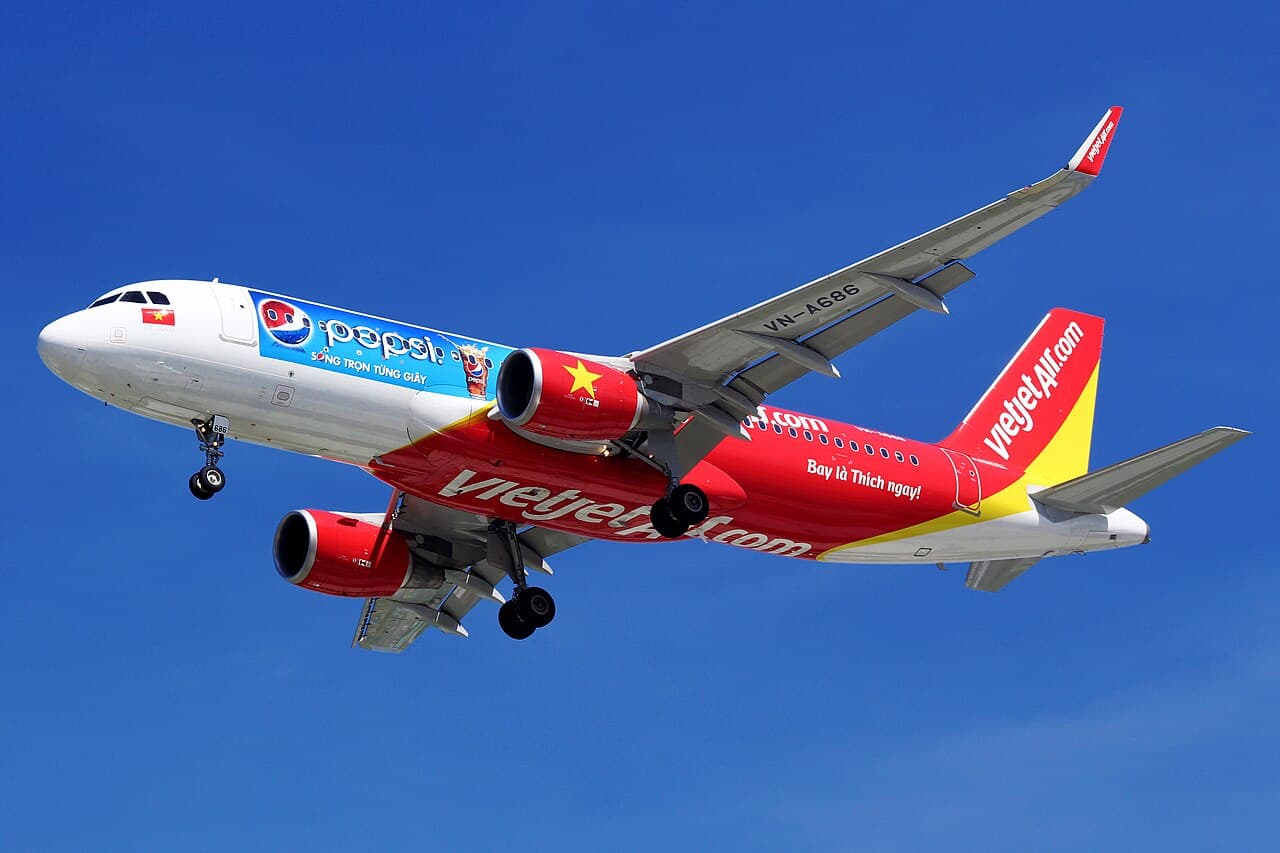
Airline to launch three new routes linking Vietnam and Philippines. Vietjet is to launch five new international routes, focusing on flights to the Philippines amid stronger tourism demand. The low-cost operator will launch three new flights from 10 November to the Philippines: from Ho Chi Minh City and Hanoi to Cebu, as well as between Ho Chi Minh City and Clark. Each flight is operated thrice weekly, the carrier adds. The announcement marks a significant ramp-up from current operations, as Vietjet only operates to Manila from Ho Chi Minh City. The airline will also be the sole operator on Ho Chi Minh City-Cebu and Clark flights. The carrier states: "[The] new routes will give travellers more options for leisure and business travel and visits to family and friends, while supporting stronger tourism and trade ties between Vietnam and the Philippines." Separately, Vietjet is to launch four weekly flights between Da Nang and Osaka from 20 December, expanding its current operations to Japan. It will be the second carrier operating between the two cities, after national carrier Vietnam Airlines. Vietjet will resume flights to the northern Thai city of Chiang Mai from 25 October, operating four times weekly. Vietjet's Asia expansion comes a week after it announced it would be operating to the new Western Sydney international airport in January next year, becoming the airport's third international carrier.
American 737 and United A320 Both Suffer Tire Bursts on Arrival at Chicago O'Hare
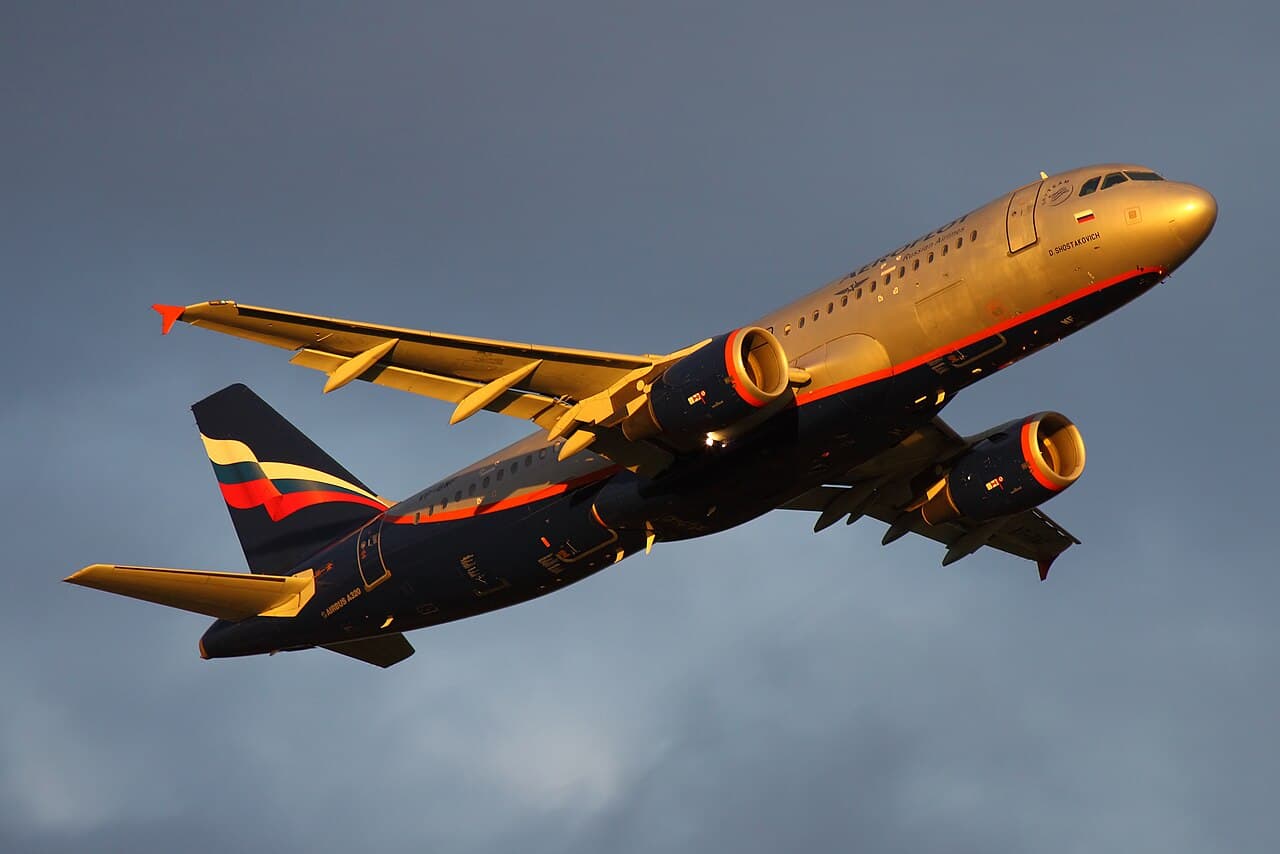
Within mere hours of each other, two arriving aircraft at Chicago O'Hare International Airport (ORD) have seen their tires burst . The two incidents, which occurred in different parts of the airport, have seen both airplanes removed from service for the rest of the evening. American Airlines flight 386 had just landed from New York LaGuardia Airport (LGA), while United Airlines flight 739 had touched down in the Windy City from Omaha (OMA).
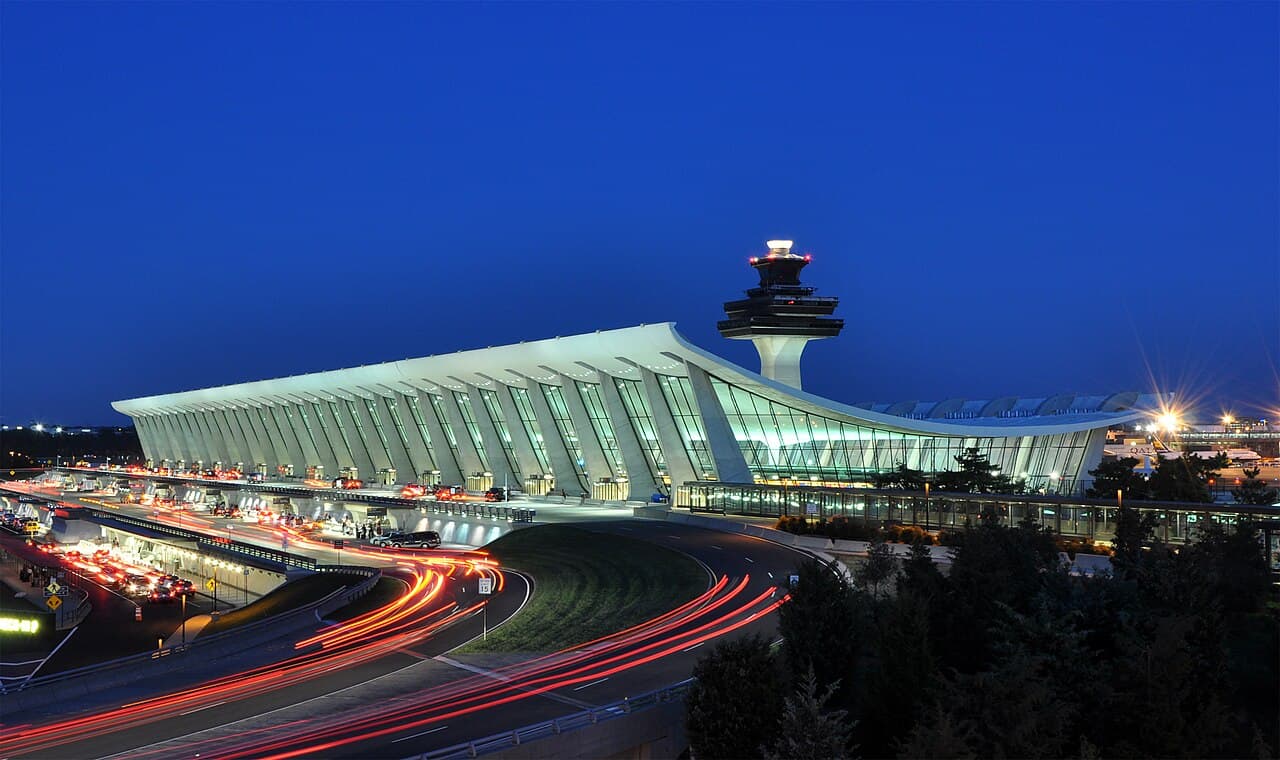
Dulles Airport $20B rebuild raises fees sharply, delays key facilities to 2040s
The Metropolitan Washington Airports Authority will vote on $15.5 billion for the Dulles rebuild, 99% financed with debt and pushing major work into at least 2039, while driving airline costs per passenger from $12.77 toward $90 which will undercut growth, competition and low fares.
The Daily Touch & Go
The day's best aviation news in your inbox. Free, no spam.