

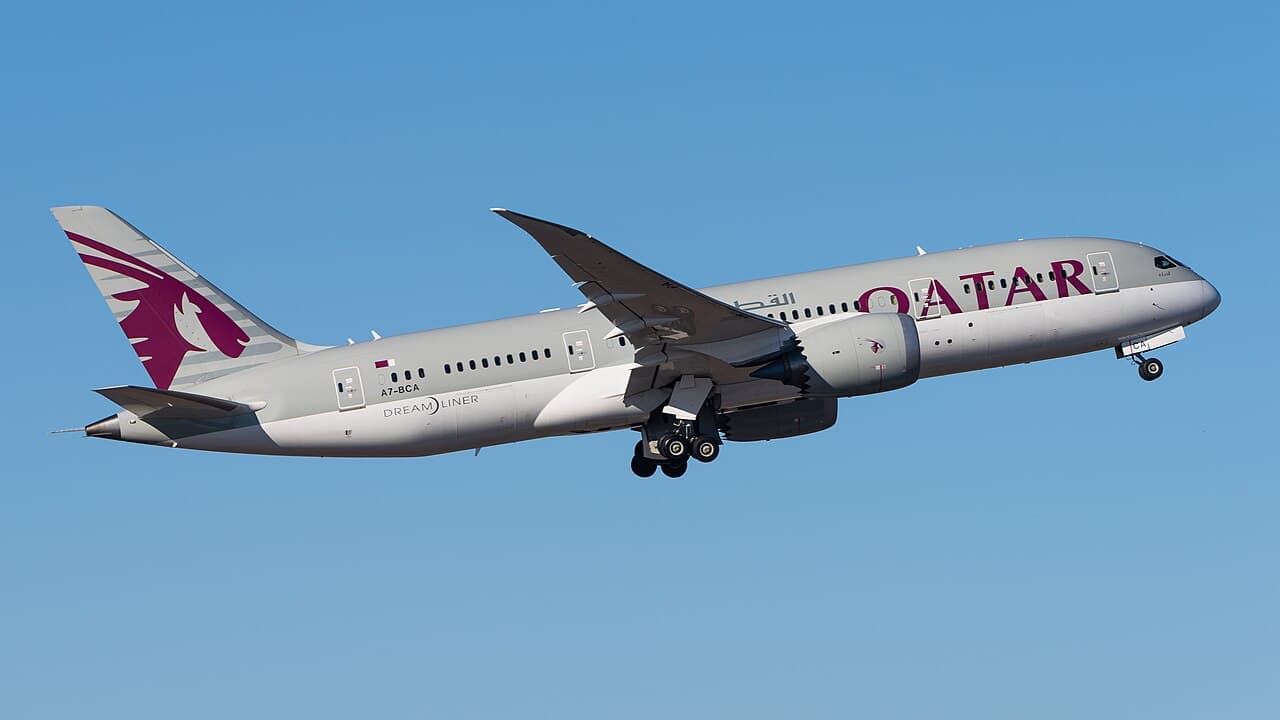
Image: Julian Herzog ( Website ) · CC BY 4.0 · via Wikimedia Commons
Rolls-Royce Applies A330neo Engine Tech to Fix Boeing 787's Trent 1000 Issues
Rolls-Royce has adapted turbine cooling innovations from the Airbus A330neo's Trent 7000 engine to resolve chronic durability problems in the Boeing 787's Trent 1000 powerplant.
The gist
Rolls-Royce’s Trent 7000 tech from the A330neo finally cures longstanding Trent 1000 engine issues on the Boeing 787 Dreamliner.
When the Boeing 787 Dreamliner launched in 2004, it revolutionized widebody air travel with composite materials and advanced systems. However, its Rolls-Royce Trent 1000 engines soon developed severe durability problems, grounding fleets and costing billions in repairs. The crisis centered on micro-cracking in the high-pressure turbine blades, leading to uncontained failures and widespread operational disruptions.
In contrast, the Airbus A330neo, which uses Rolls-Royce’s Trent 7000 engines, logged over 1 million continuous flight hours with near-perfect dispatch reliability. Despite the A330neo’s limited market success due to the 787’s early lead, its engine technology has quietly become a lifeline for the Dreamliner fleet. The Trent 7000’s high-pressure turbine advanced cooling system forms the basis of the latest durability enhancement package now being retrofit onto Trent 1000 engines.
The Trent 1000’s issues first emerged in 2016 when launch customer All Nippon Airways detected micro-cracks in turbine blades. This flaw risked catastrophic blade failure in flight. Rolls-Royce’s attempts to fix this revealed additional problems, including compressor blade vibrations causing fatigue cracking and wear in fuel valve assemblies that impaired thrust control, prompting renewals in airworthiness directives.
To address these challenges holistically, Rolls-Royce developed the Trent 1000XE (extra efficiency) upgrade, reengineering the engine core by leveraging numerous design features from the Trent 7000. These improvements include increasing turbine blade cooling airflow by 40%, which prevents the micro-cracking that plagued the original design and enhances performance under sustained high-thrust conditions and harsh environments like sandy airfields.
The remediation program is administered through Rolls-Royce’s TotalCare maintenance network, which removes and rebuilds the high-pressure cores of in-service Trent 1000 engines to the new standard. As a result, operators now receive essentially refurbished powerplants during scheduled maintenance without the disruption of swapping out entire engines or aircraft groundings.
Financially, this prolonged engine crisis severely impacted Rolls-Royce, costing over $3 billion and damaging customer trust. Competitors like GE Aerospace capitalized by capturing approximately 78% of new engine orders for the 787 during this period. Rolls-Royce underwent major restructuring under CEO Tufan Erginbilgiç, including layoffs and strategy shifts, to survive and regain stability.
The irony lies in how technology from Airbus's relatively sidelined A330neo model, which initially seemed a minor step behind the 787, is now crucial in fixing the very engines that undermined Boeing’s dominant market position. Airbus's focus on incremental upgrades for the A330neo enabled Rolls-Royce to perfect the Trent 7000 engine architecture, which now supports the Dreamliner's recovery.
With these sustained enhancements, the 787 fleet's reliability and maintenance costs are expected to improve markedly, preserving the aircraft’s strong market momentum and production ramp-up. The Trent 1000XE upgrade is a significant milestone that not only restores operator confidence but also validates the value of cross-platform engine development and adaptability in commercial aviation.
Frequently asked questions
- What caused the issues with the Boeing 787's Trent 1000 engines?
- The Trent 1000 engines suffered micro-cracking in high-pressure turbine blades, compressor blade vibrations, and fuel valve wear that led to uncontained failures and thrust control problems.
- How has Rolls-Royce used the A330neo's Trent 7000 engine technology to fix the 787's engine problems?
- Rolls-Royce adapted the Trent 7000's advanced turbine blade cooling system and core design to create the Trent 1000XE upgrade, enhancing durability and preventing the micro-cracking issues in the 787's engines.
- What impact did the Trent 1000 engine issues have on Rolls-Royce and the 787 fleet?
- The engine problems caused extensive groundings, cost Rolls-Royce over $3 billion, led to loss of orders to competitors, and resulted in increased maintenance for the 787 fleet until the new durability program was introduced.
Read more
All Airlines →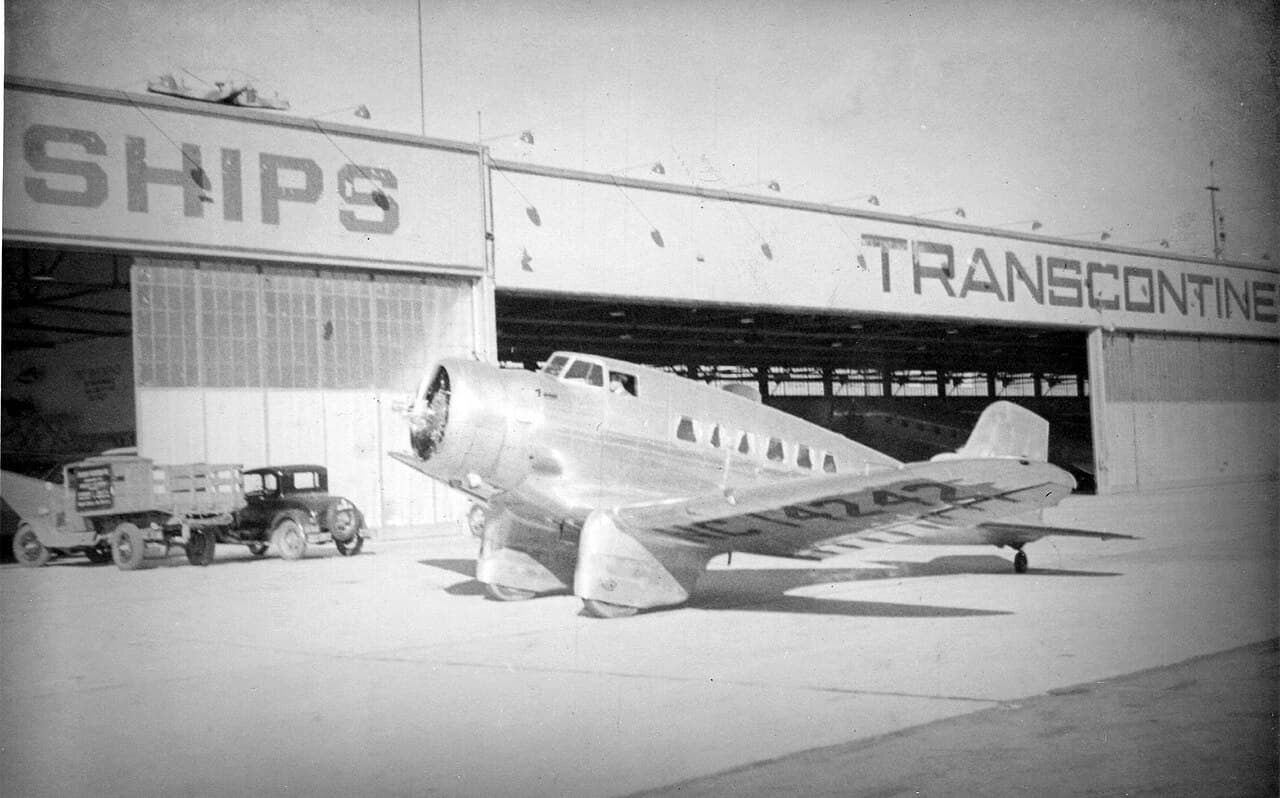
United CEO Proposed Merger With Delta Creating 35% U.S. Market Share
United CEO Scott Kirby reportedly pitched Delta CEO Ed Bastian on a merger that would have created an airline controlling roughly 35% of the U.S. domestic market. The idea went nowhere, and it is hard to see how it could survive antitrust review when the combined carrier would face objections across New York, Los Angeles, the transatlantic market, Latin America, Asia, and beyond.
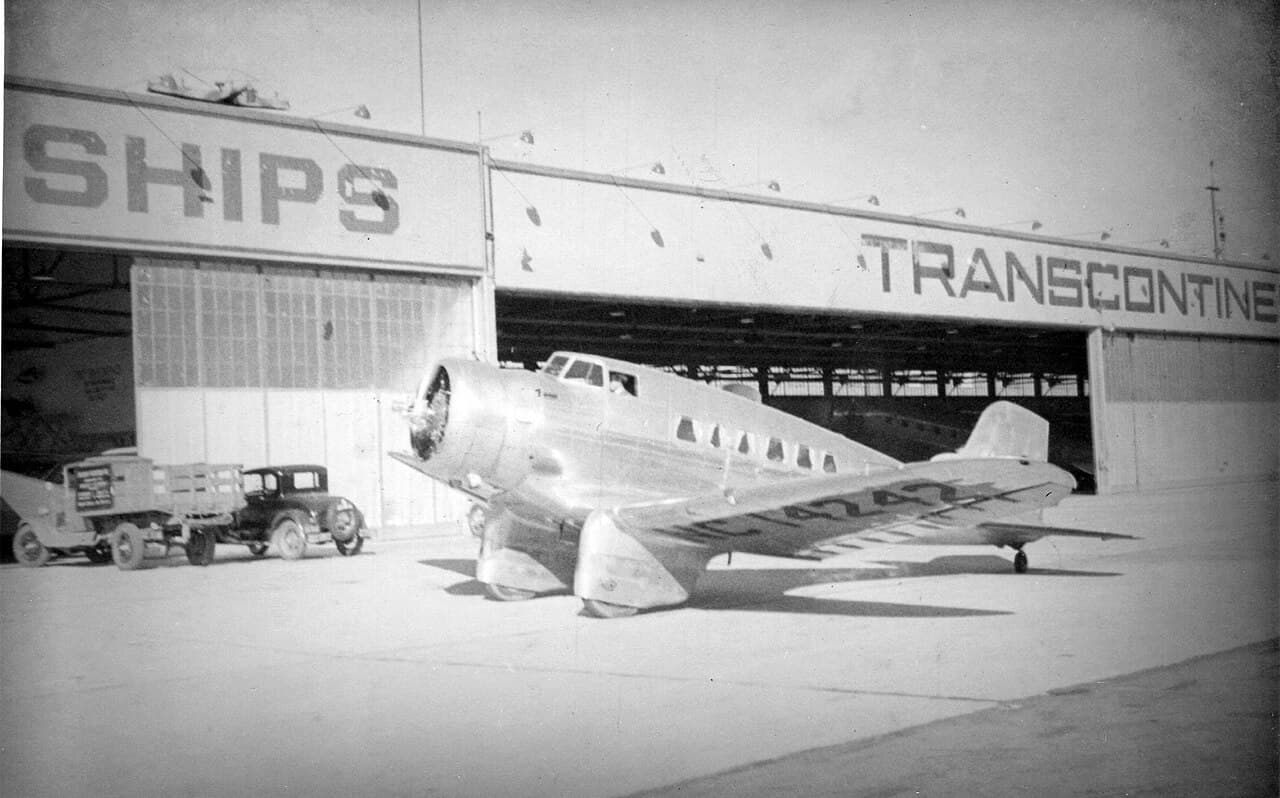
Delta Air Lines Elevates Passenger Experience with Delta Sync Inflight Technology
If there is one unique onboard technology package defining the Delta Air Lines customer experience in 2006, it is Delta Sync. More than just a simple in-flight WiFi connection, Delta has turned connectivity into a broader digital ecosystem that links fast, free internet with a more personalized seatback screen, loyalty-driven offers, and real-time day-of-travel information. Delta Air Lines said in late 2025 that Delta Sync WiFi had reached its 1,000th aircraft, or around 75% of the fleet, while Delta Sync seatback entertainment has now officially been expanded to more than 300 aircraft and six fleet types. This highlights a deliberate effort to quickly and efficiently roll this product out across its fleet.
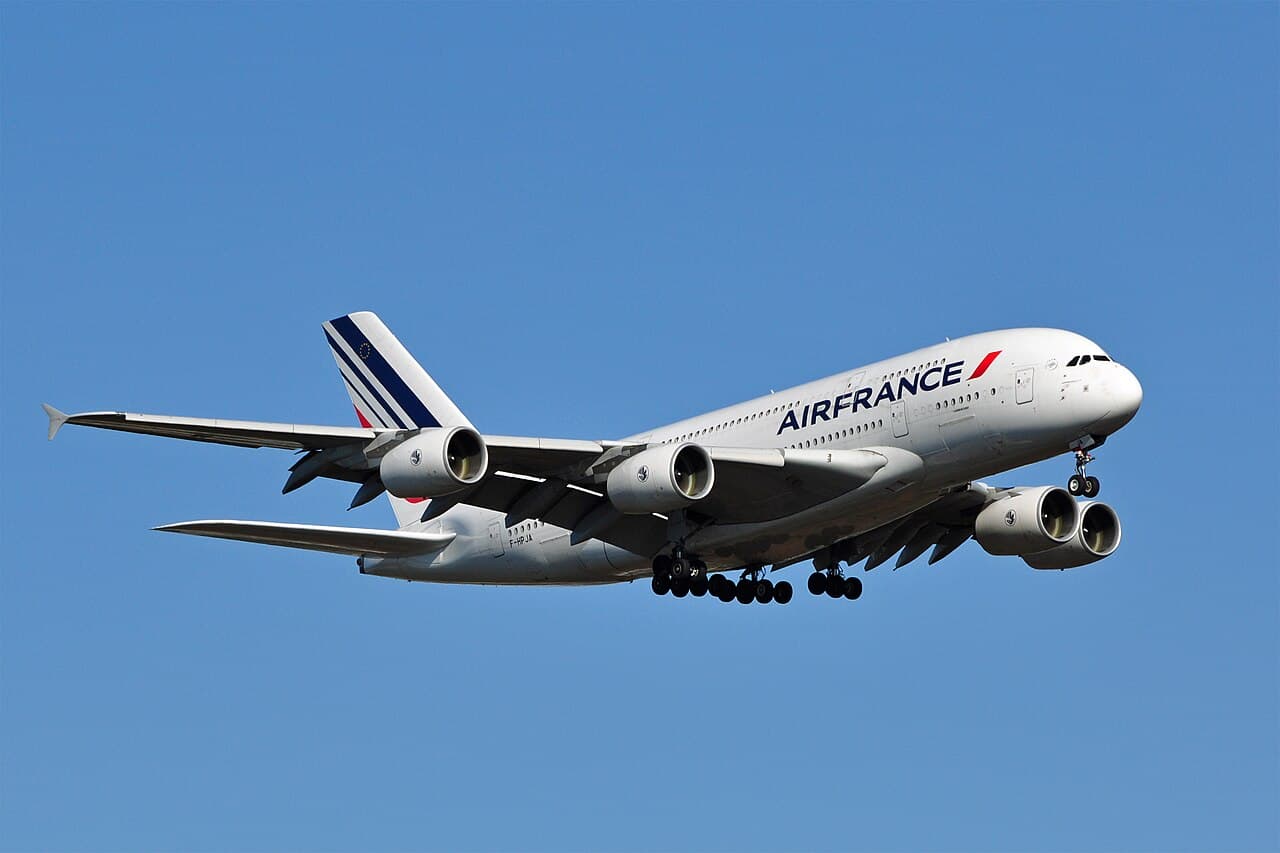
Airbus fixed A380 wing cracks by replacing carbon composite parts with aluminum to avoid fleet grounding
The Airbus A380 is the largest passenger airliner ever built. Airbus launched the double-decker to compete directly with Boeing's 747 and targeted airlines that needed a high-capacity aircraft for long-haul routes between major hubs. The aircraft entered commercial service in 2007 with Singapore Airlines, and several major carriers later added the A380 to their long-haul fleets.
Airbus Sees Premium Cabin Growth Driving US Domestic Aviation Through 2045
Commercial aviation has spent decades chasing passenger growth, but Airbus believes the next major shift will be driven by something entirely different. Rather than simply carrying more people, airlines are increasingly competing to offer a better experience, with premium cabins becoming one of the industry's most valuable assets.
The Daily Touch & Go
The day's best aviation news in your inbox. Free, no spam.