Image: Julian Herzog ( Website ) · CC BY 4.0 · via Wikimedia Commons
Norse Atlantic and IndiGo end 787 damp-lease amid India-Europe route challenges
IndiGo will return all six Boeing 787-9s leased from Norse Atlantic by November due to disrupted India-Europe operations following Middle East geopolitical tensions.
The gist
Norse Atlantic and IndiGo terminate their Boeing 787-9 lease after route issues and fuel concerns disrupt India-Europe flights.
Norse Atlantic and IndiGo have mutually agreed to terminate the damp-lease agreement for six Boeing 787-9 aircraft due to operational difficulties on India-Europe routes. The partnership, initially aimed at supplementing IndiGo's long-haul capacity, will end on 1 November as IndiGo returns the leased aircraft amid multiple challenges. This move marks a significant adjustment to both carriers' fleet strategies amid ongoing geopolitical and economic pressures affecting long-haul air travel between India and Europe.
IndiGo, India's largest budget airline, leased half of Norse Atlantic's 787 fleet to serve long-haul destinations, including the recently cut Manchester route. The decision to drop Manchester followed disruptions caused by geopolitical tensions in the Middle East, which forced IndiGo to rethink its Europe connectivity. These tensions have introduced airspace restrictions resulting in longer flight paths, elevated fuel consumption, and increased operational costs, undermining commercial viability.
The Middle Eastern conflict caused airspace closures that compelled flights to reroute, increasing journey times and fuel burn, a key concern given the already high fuel price environment. Norse Atlantic’s CEO Eivind Roald acknowledged that the combination of rising fuel costs and airspace disruptions has severely impacted profitability for the damp-lease arrangement. Such challenges make long-haul operations on these routes particularly difficult for both lessor and lessee.
Norse Atlantic confirmed it is negotiating with other airlines for lease opportunities involving up to five 787-9 aircraft formerly leased to IndiGo. Additionally, Norse plans to redeploy part of the returned fleet onto its own network, focusing on strengthening capacity on profitable corridors like New York and Orlando for the 2026-27 winter season. This suggests a strategic pivot toward consolidating operations on more lucrative routes within Norse’s home portfolio.
Despite the setback, Norse views the end of the IndiGo lease as opening new strategic possibilities. Roald emphasized that recovering these aircraft rights grants flexibility to tap into market demand for modern, fuel-efficient long-haul planes. This capacity could enhance yield potential and supports Norse’s ongoing efforts to improve financial performance amid struggles to reach profitability since its founding.
IndiGo’s senior vice-president for planning, Abhijit Dasgupta, expressed appreciation for Norse Atlantic’s partnership during their cooperative lease period. The lease termination coincides with a leadership transition at IndiGo, including incoming CEO Willie Walsh and a new CFO, indicating a possible recalibration of their long-haul strategy under new management priorities.
This development highlights the vulnerabilities of long-haul operations to geopolitical events and fuel price volatility, especially for airlines relying on wet or damp-lease arrangements to expand capacity. Norse Atlantic’s use of leasing to mitigate seasonal network fluctuations is now subject to reevaluation amid these challenges, and the company’s planned formal strategic review signals a possible reshaping of its future business model.
The lease termination is a concrete example of how external factors—conflicts affecting airspace access and increased operating costs—can abruptly disrupt airline cooperation and fleet deployment strategies. Both Norse and IndiGo must now adjust their long-haul operational plans to align with changing market conditions and geopolitical realities, with implications for fleet utilization and route viability.
Frequently asked questions
- Why are IndiGo and Norse Atlantic terminating their damp-lease agreement?
- The termination results from operational challenges caused by Middle East geopolitical conflicts, leading to airspace closures, longer routes, elevated fuel costs, and reduced route profitability affecting India-Europe services.
- What will happen to the Boeing 787-9 aircraft returned by IndiGo?
- Norse Atlantic plans to seek new lease customers for up to five of the returned aircraft and use the remainder to increase capacity on its own profitable routes such as New York and Orlando for the 2026-27 winter season.
- How has the geopolitical situation in the Middle East impacted IndiGo’s European routes?
- Conflict in the Middle East has led to airspace restrictions causing longer flight paths, higher fuel consumption, and operational cost increases, resulting in IndiGo cutting services like the Manchester route and reassessing its Europe network.
Read more
All Airlines →
Boeing Ends Production of Boeing 777-300ER After Nearly Two Decades
In 2004, the airline sector was revolutionized by the Boeing 777-300ER (extended range) variant of the 777 family. It was first flown commercially by Air France, and at the time, Boeing claimed it was "the most technologically advanced airplane in the industry" , surpassing previous 777-200 and 777-200ER variants, and raising the bar in terms of comfort and range. The 777-300ER featured updated systems, and at the time, it was equipped with the most powerful commercial jet engine available, the General Electric GE90-115B turbofan.
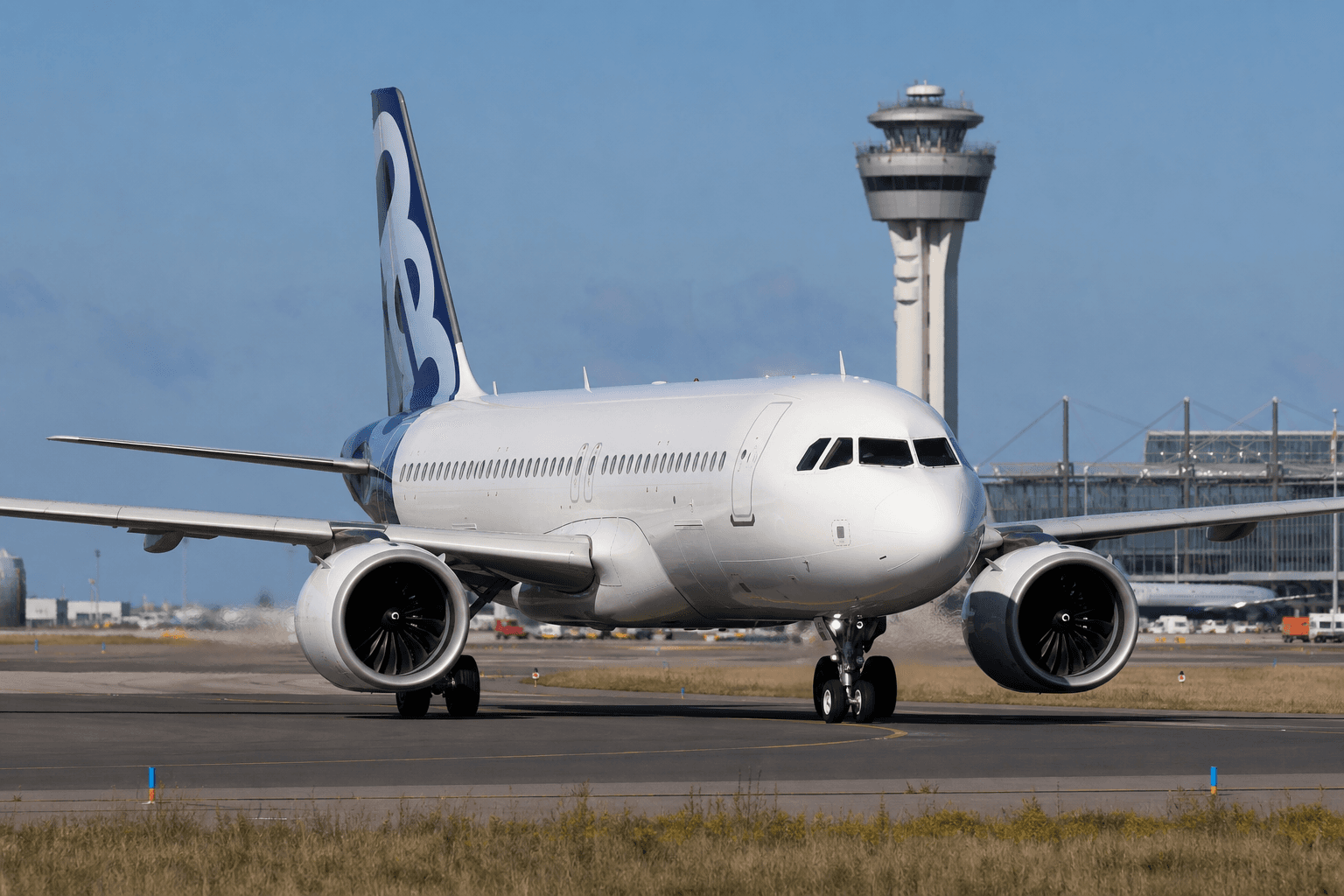
IndiGo selects Honeywell avionics and power units for 810 A320neo jets
US manufacturer Honeywell Aerospace opened the Farnborough air show on 20 July by announcing a massive component deal with Indian carrier IndiGo. The airline will equip 810 incoming Airbus A320neo-family jets with Honeywell Aerospace’s avionics and power systems. Honeywell will also support those components in the aftermarket. The agreements mark a major win for newly independent Honeywell Aerospace, which completed its separation from longtime parent Honeywell in June. “This agreement represents the largest new-aircraft-selectable equipment win in Honeywell Aerospace history, accelerating the company’s expansion,” Honeywell says. The aerospace giant will supply the weather radars, traffic collision and avoidance systems, flight management systems and 131-9A auxiliary power units found on IndiGo’s incoming aircraft. “The scale of IndiGo’s fleet expansion – and their decision to rely on Honeywell Aerospace’s advanced products – underscores the strength of our technology and demonstrates the confidence customers place in Honeywell Aerospace,” says Honeywell president of global commercial aftermarket services Anthony Florian. IndiGo chief executive designate Willie Walsh adds that the agreement will support the carrier’s ongoing “transformation into a truly global airline” and support Indigo’s “reliability, operational excellence and seamless customer experience”. IndiGo has more than 300 A320s already in service and another 70 in storage, and its 810 outstanding orders include A320neos and A321neos, Cirium fleets data shows.
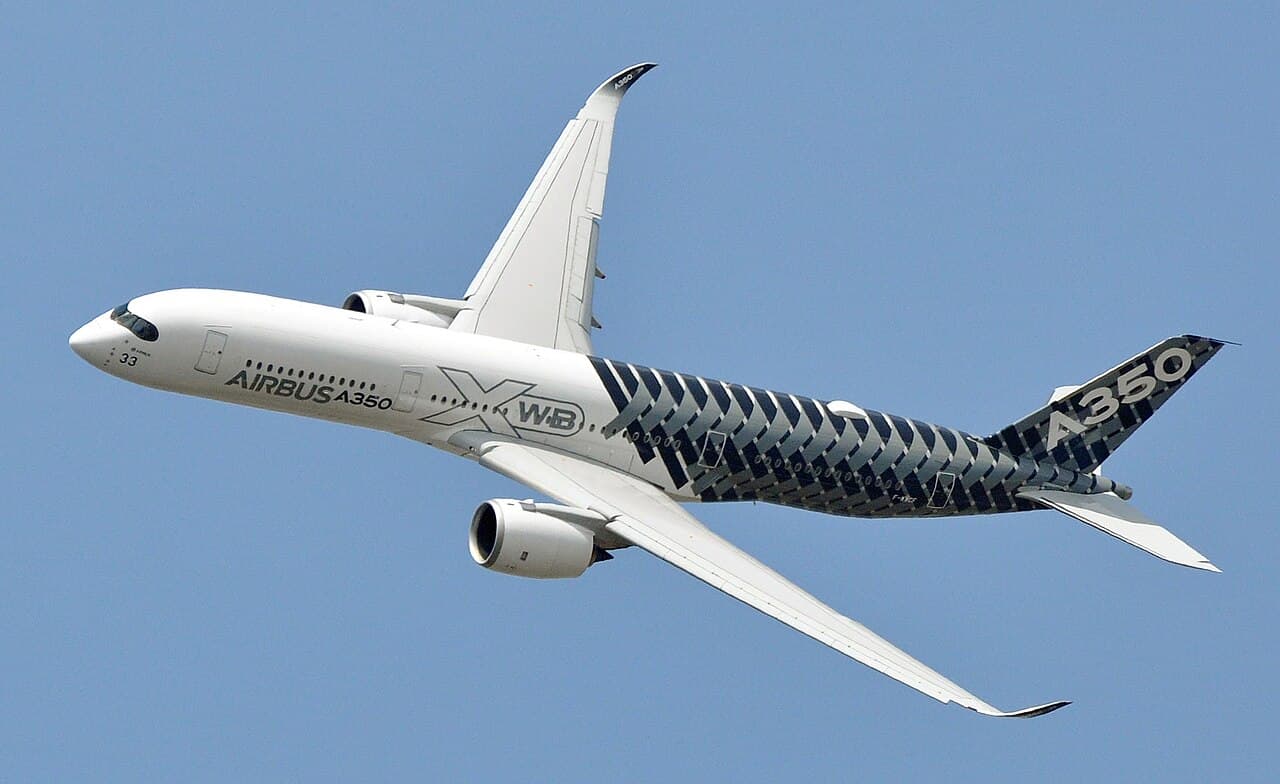
Lufthansa's A350 Premium Economy Becomes Top Choice for US-Europe Travelers
Over the past few years, cash prices for long-haul business class seats have surged across major US to Europe routes, driven by relentless premium demand and dynamic pricing algorithms. At the same time, standard economy cabins remain notoriously crammed on 8- to 11-hour transatlantic crossings. For travelers paying out of pocket or working within strict corporate travel policies, the decision is now to endure an uncomfortable overnight flight in economy, or fork over upwards of $4,000 for a lie-flat bed.
American Airlines' New DFW Schedule Yields Modest On-Time Departure Gains in Q2
The carrier's systemwide on-time rate climbed sharply in the second quarter, but its busiest hub improved only slightly and stayed near the bottom of the national rankings.
The Daily Touch & Go
The day's best aviation news in your inbox. Free, no spam.