Illustration: The Touch & Go
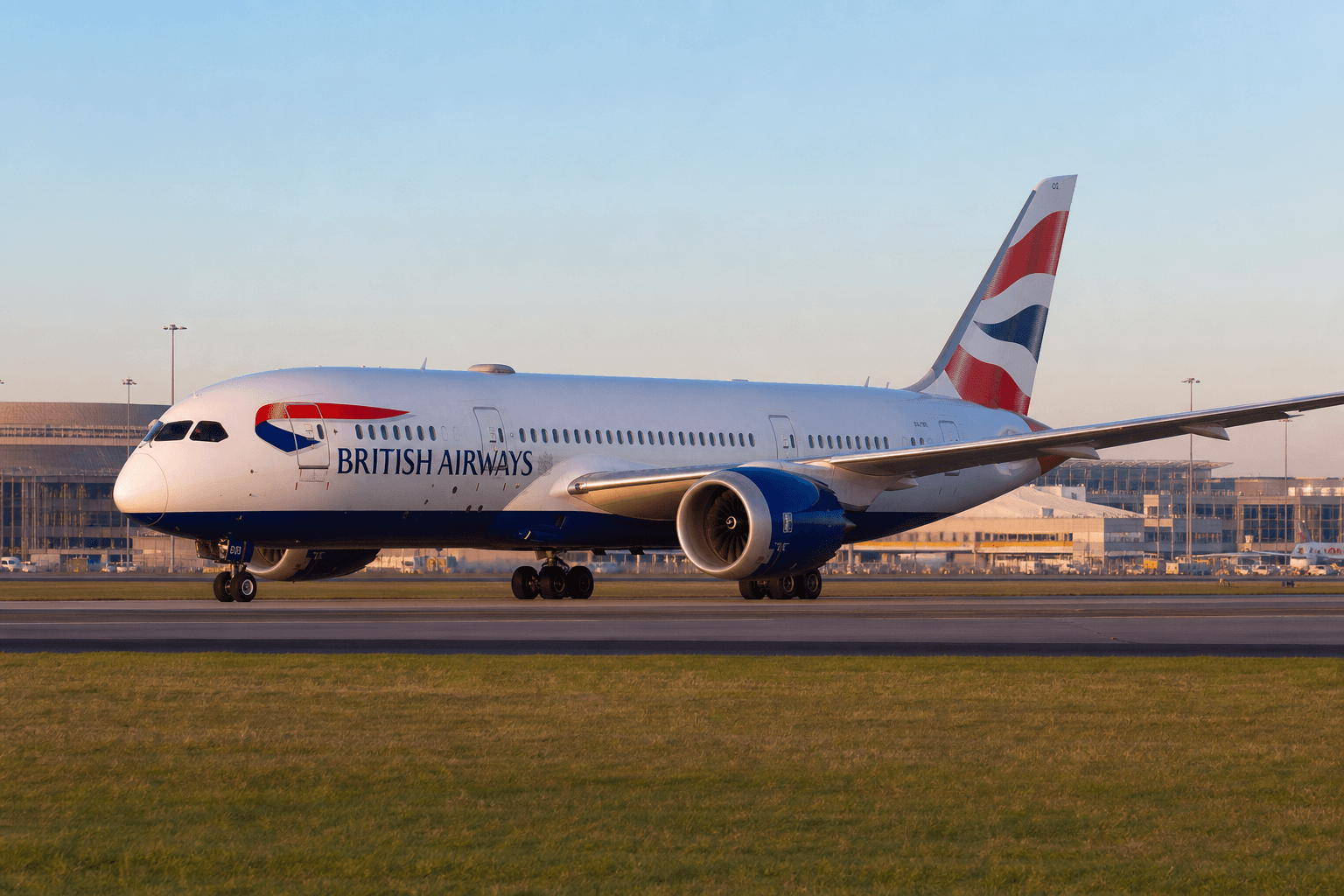
Norwegian Air swaps Instagram logo to British Airways after World Cup bet loss
After Norway's quarterfinal defeat to England at the 2026 FIFA World Cup, Norwegian Air honored a social media bet by changing its Instagram profile picture to British Airways' logo.
The gist
Norwegian Air changed its Instagram profile to British Airways’ logo following a World Cup bet lost against England.
Continuing coverage
All Social Media →Norwegian Air lived up to its social media wager revolving around the FIFA World Cup 2026 by replacing its Instagram profile picture with the British Airways logo after Norway's narrow 2-1 loss to England in the quarterfinals. This loss ended Norway's tournament run held in the United States but sparked a good-natured display of sportsmanship and airline camaraderie online. The gesture from Norwegian Air reflects a creative crossover between sports fandom and brand engagement, capturing the attention of aviation enthusiasts and football fans alike.
The original bet was proposed days before the decisive England-Norway match by Norwegian Air on social media, wherein the two carriers agreed that the loser would apply the winner's airline logo as their Instagram profile picture. Norwegian initiated this playful challenge by daring British Airways to switch profile images contingent on the match outcome, adding a fresh twist to digital fan interaction. A video featuring employees from both airlines exchanging handshakes sealed the wager, exemplifying friendly competition and mutual respect within the aviation sector.
British Airways promptly embraced the development, acknowledging Norwegian's switch with a complimentary comment on Instagram praising the new profile picture, and expressed appreciation for the fun generated by the wager. They also conveyed wishes of success as England progressed to the semifinals. Norwegian Air’s official Instagram post highlighted the heartfelt nature of the competition despite the tournament ending for them, stating their hopes for England and British Airways to succeed further.
The bet attracted widespread engagement across the airline industry, with carriers such as Finnair, Air Baltic, Riyadh Air, and KLM contributing to the banter. Many airlines shared comments and images, amplifying the fun and camaraderie around the sporting event. Even after Norwegian switched its profile image, additional airlines including Malaysia Airlines, Qantas, Virgin Australia, and Kenya Airways joined the conversation, showcasing the event's unifying effect and social media reach within the airline community.
This event illustrates how airlines are tapping into global sporting events to engage audiences beyond traditional aviation channels. The creative use of logos and social media stakes bridges fanbases and enhances brand visibility in a non-traditional, playful manner. The bet and resultant logo swap serve as examples of innovative marketing strategies intersecting with popular culture, reflective of evolving airline promotional tactics.
For Norwegian Air, the switch to British Airways’ logo on its Instagram profile may also help reinforce brand awareness through association with a more established carrier during a moment of popular interest. British Airways, as England’s flag carrier, also benefits from this narrative alignment with national pride and football success. The dialogue between the two airlines also underscores the role their digital presence plays in forming engaging connections beyond their core services.
As the World Cup 2026 progresses, such airline-driven initiatives may continue to emerge, merging sports enthusiasm with business branding. This particular interaction stands out due to the direct involvement of the airlines’ marketing teams and social media channels in real-time event-related content. The moment captures the spirit of friendly rivalry between not only football teams but also associated national carriers, deepening fan engagement and visibility for both entities.
Frequently asked questions
- What was the bet between Norwegian Air and British Airways related to the World Cup?
- They agreed that the loser of the Norway vs. England 2026 World Cup match would change its Instagram profile picture to the winner's airline logo.
- How did the airlines confirm their bet publicly?
- Both Norwegian Air and British Airways posted a video of their employees shaking hands to make the bet official and shared social media posts related to the wager.
- Which airlines besides Norwegian and British Airways joined the social media banter?
- Airlines such as Finnair, Air Baltic, Riyadh Air, KLM, Malaysia Airlines, Qantas, Virgin Australia, and Kenya Airways commented and contributed to the conversation on social media.
Read more
All Airlines →
Emirates Launches $2 Billion Fleet and Service Overhaul to Counter Riyadh Air's Surge
Aviation in the Middle East is getting even hotter and has entered its most volatile chapter yet. With the official launch of public ticket sales and scheduled commercial routes by Saudi Arabia's Riyadh Air , the long-standing monopoly of incumbent mega-carriers faces an existential challenge. Backed by the massive financial engine of the Public Investment Fund, this newcomer is entering the market with a baseline expectation of global dominance, targeting more than 100 destinations by 2030.
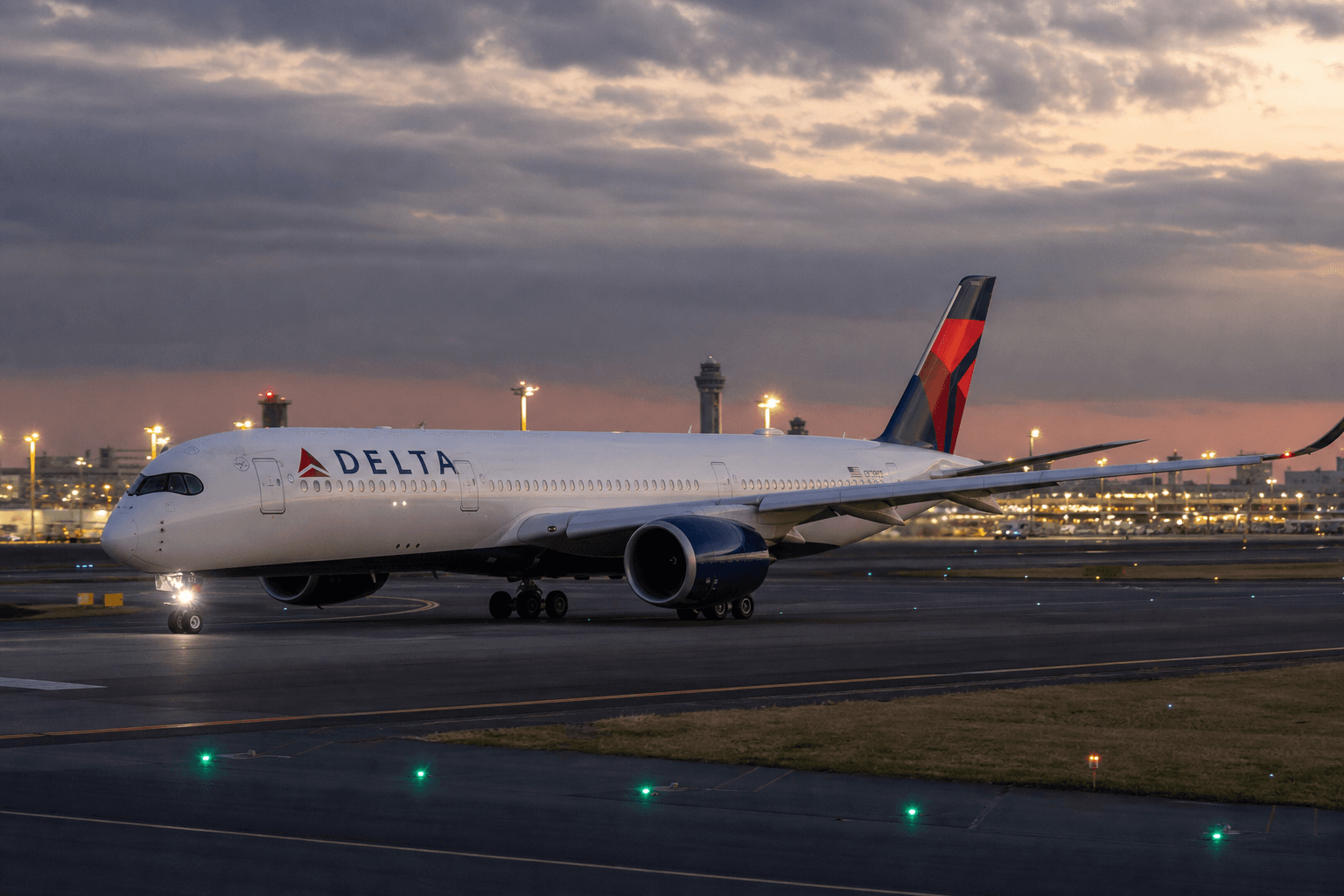
Delta Cancels Tokyo to Minneapolis Flight After 5.5-Hour Delay, Hotels Offered Only to Passengers With Babies
Passengers spent 5½ hours aboard Delta's Tokyo–Minneapolis flight before a mechanical problem forced an 11 p.m. cancellation. With too few hotel rooms, Delta prioritized travelers with medical concerns and families with babies—prompting passengers to joke, "Everyone make babies right now."
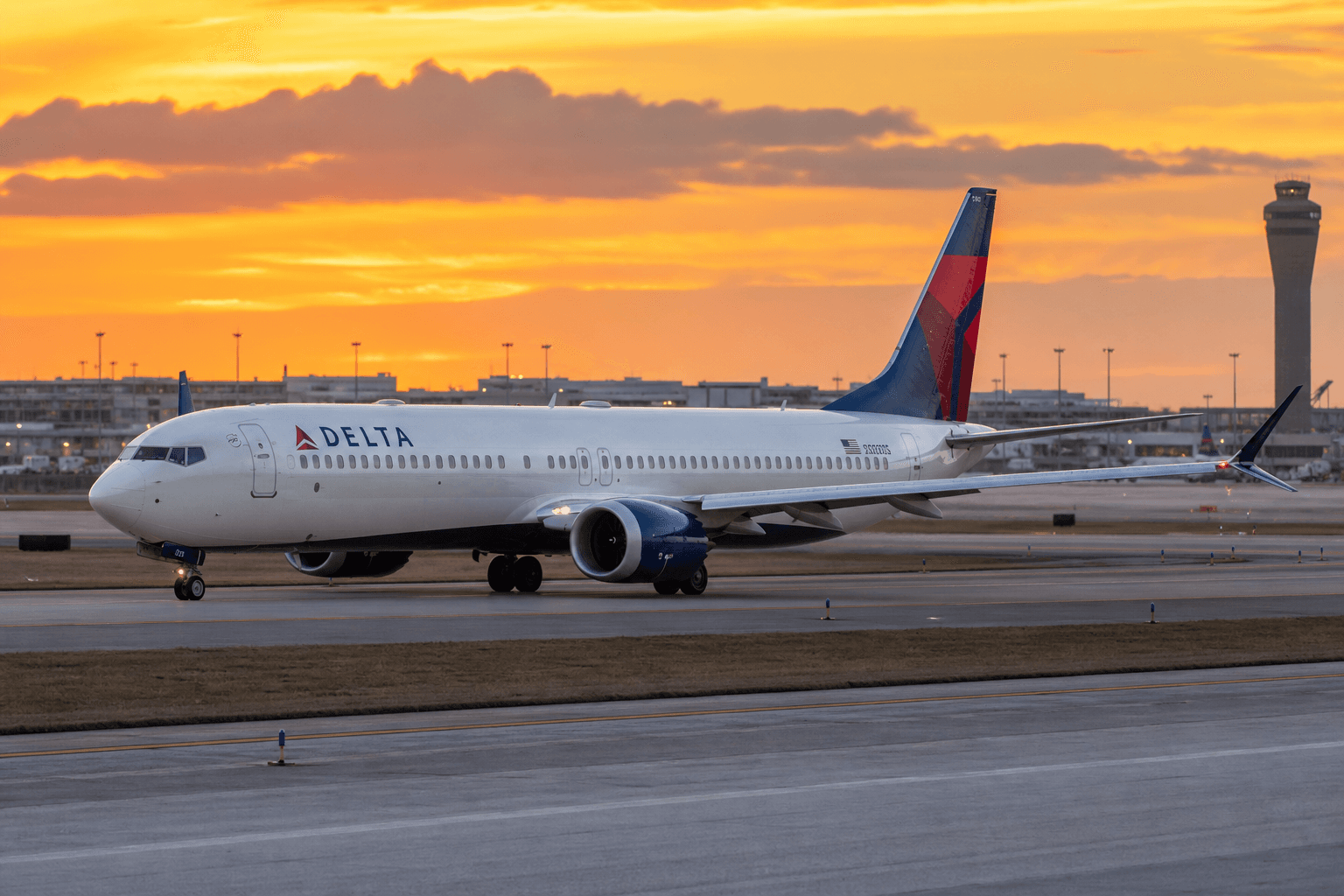
Delta Air Lines Projects Stable Airfares and Solid Revenue Amid Fuel Cost Normalization
Chief executive Ed Bastian does not expect airfares to fall anytime soon. Delta Air Lines views the revenue momentum it saw in the second quarter as “sustainable,” the Atlanta-based carrier’s chief executive, Ed Bastian, said during its quarterly earnings call on 10 July. Adjusted total unit revenues (TRASM) increased 12.4% during the period compared to last year. Higher airfares, coupled with continued strong demand and the collapse of Spirit Airlines in May, are driving Delta’s confidence. The airline has reinstated its outlook for the full year at the same levels as previously forecast, after suspending the guidance following the start of hostilities between the USA, Israel and Iran in February. Delta reported an adjusted operating profit of $1.6 billion in the second quarter on a 19% year-over-year increase in revenue to $19.8 billion. Costs, led by fuel and refinery expenses, increased 23% to $17.9 billion. Its adjusted operating margin was 9.4%. The airline’s performance sets the tone for the rest of the US airline sector. After an uncertain start to the June quarter, owing to the Iran war, fuel prices have moderated despite the on-again, off-again nature of the conflict, and travellers have proven undeterred by higher airfares. American Airlines, Southwest Airlines, United Airlines and the rest of the sector are set to report their own quarterly performance in the coming weeks. With the uncertainty seemingly behind it, Delta is focused on its numerous revenue initiatives. Segmentation of the business-class cabin rolled out earlier in July in its latest effort to further boost premium revenues. Joe Esposito, the airline’s commercial chief, says business class segmentation is in the “early stages” with further differentiation planned where, in the future, top spenders will receive a different onboard experience from those who buy the cheapest business fares. Delta will resume growth as well with the improved outlook. The airline plans to increase capacity, measured in available seat miles (ASMs), by roughly 1% in the third quarter and 2-3% in the fourth quarter, says Esposito. International growth, including the recent launch of Los Angeles-Hong Kong flights, will drive capacity growth. Capacity at Delta increased just 1% in the second quarter. In 2027, Delta plans to resume its long-standing fleet upgauging programme with the arrival of new Boeing 737 MAX 10s, which will replace ageing Boeing 717s and 757s, Bastian says.
Marriott Hotels Use Smart Sensors with Microphones to Monitor Rooms, Raising Privacy Concerns
Some Marriott-branded hotels have installed smart sensors with microphones that can detect distress words, aggression, gunshots and occupancy. There's no evidence hotels are recording conversations, but poor disclosure, hacking risk and false smoking-fee complaints raise serious privacy concerns.
The Daily Touch & Go
The day's best aviation news in your inbox. Free, no spam.