

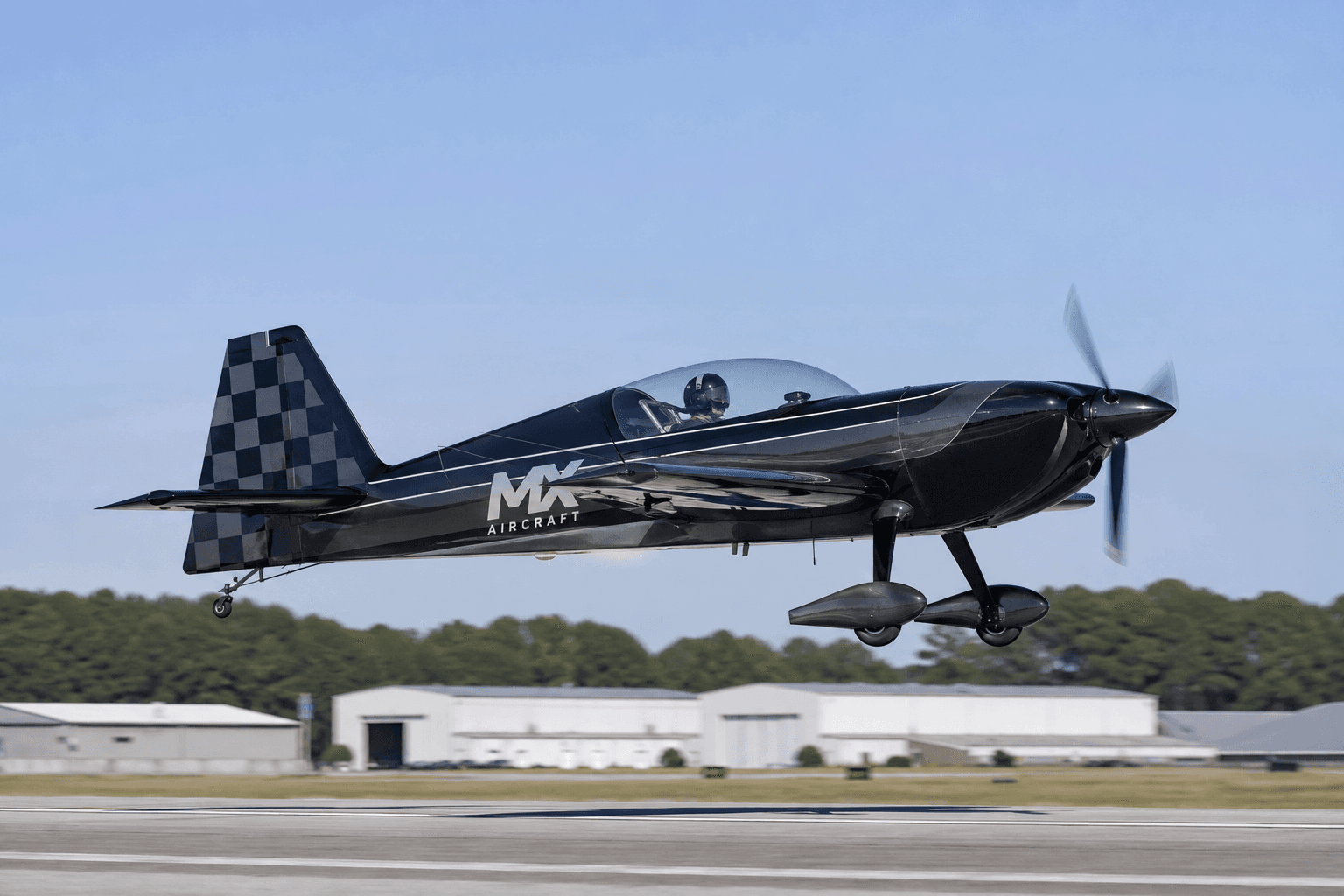
Illustration: The Touch & Go
NTSB Final Report Cites Elevator Counterweight Plug Failure in Rob Holland Crash
Investigation reveals custom counterweight plug failure led to jammed elevator and loss of control in aerobatic pilot Rob Holland's fatal 2025 accident.
The gist
Rob Holland's fatal 2025 crash caused by failure of custom elevator counterweight plug jamming controls, NTSB confirms.
The National Transportation Safety Board (NTSB) has released its concluding report on the 2025 fatal accident of renowned aerobatic pilot Rob Holland. The investigation determined that the failure of a custom counterweight plug in the MX Aircraft Tech MXS airplane caused the elevator to jam during final approach, resulting in a loss of control and ultimately the crash. Holland, a highly experienced pilot with over 15,000 flight hours, was attempting to land at Langley Air Force Base in Virginia on April 24, 2025, when the accident occurred around 11:35 a.m. ET.
Witnesses described the aircraft’s approach to Runway 08 as initially smooth, maintaining about 50 feet above the runway and proceeding straight for several hundred feet. Subsequently, the airplane began to porpoise, pitching sharply upward by 45 to 60 degrees, climbing several hundred feet, and rolling 90 degrees left. It then descended rapidly and impacted a ditch beside the runway, pancaking as it came down. Weather conditions were clear with calm winds, eliminating environmental factors from significant consideration.
The NTSB report highlighted that all major components of the airplane were recovered at the site except for the left elevator counterweight plug, which was found approximately 10 feet behind the wreckage in the grass. Flight data retrieved from the airplane’s electronic flight instrument system aligned closely with eyewitness accounts of the accident sequence. The medical examiner listed the cause of death as blunt force trauma, and toxicology tests on Holland came back negative for drugs.
Holland, 50, had flown from Smyrna Airport in Tennessee to Virginia specifically for the Air Power Over Hampton Roads airshow, where he was scheduled to perform in his custom-built MXS. The all-carbon fiber single-seat aircraft, manufactured in Australia, had been his primary aerobatic platform since 2011. The MXS had a special airworthiness certificate issued in the experimental category since July 2019, allowing it to perform exhibition and air racing activities.
A key factor identified was the aircraft’s customized elevator design. Holland had requested the manufacturer to incorporate an adjustable balance tube in the elevator control system. This design included access holes in the elevator horns, sealed by plugs intended as a short-term solution. However, no service manual or torque specifications were provided for installing these plugs, which later proved critical to the accident.
Discrepancies emerged regarding the plugs installed on Holland’s airplane. The manufacturer’s design called for plugs dimensionally different from those found on the aircraft, including a locking O-ring which was missing in the accident plugs. The absence of this locking feature likely led to the plug’s failure and subsequent elevator jamming during the critical final moments of flight. The manufacturer could not explain the deviations from the original design in the installed plugs.
Following the accident, the manufacturer issued a mandatory safety notice applicable to MXS and MX2 aircraft with adjustable balance tubes. It mandated filling the existing adjustable balance tubes with a lead/resin mixture to prevent similar failures. The safety directive represented a response to this fatal incident, aiming to increase reliability and safety in these aerobatic aircraft designs.
Rob Holland’s legacy extends far beyond this tragedy. He was a titan in competitive aerobatics, with achievements including thirteen consecutive U.S. National Aerobatic championships, six world freestyle titles, and multiple recognitions such as the Art Scholl Memorial Showmanship Award. In November 2025, he was posthumously inducted into the EAA Sport Aviation Hall of Fame, honoring his outstanding contributions and passion for aerobatic flight.
The NTSB’s final report provides crucial insight into the risks associated with customized aircraft modifications, especially those without comprehensive design verification and maintenance guidance. It underscores the importance of strict adherence to design specifications and manufacturer recommendations to maintain control system integrity. The aviation community will likely scrutinize these findings to prevent recurrences and preserve the safety of aerobatic operations worldwide.
Read more
All Aviation Safety →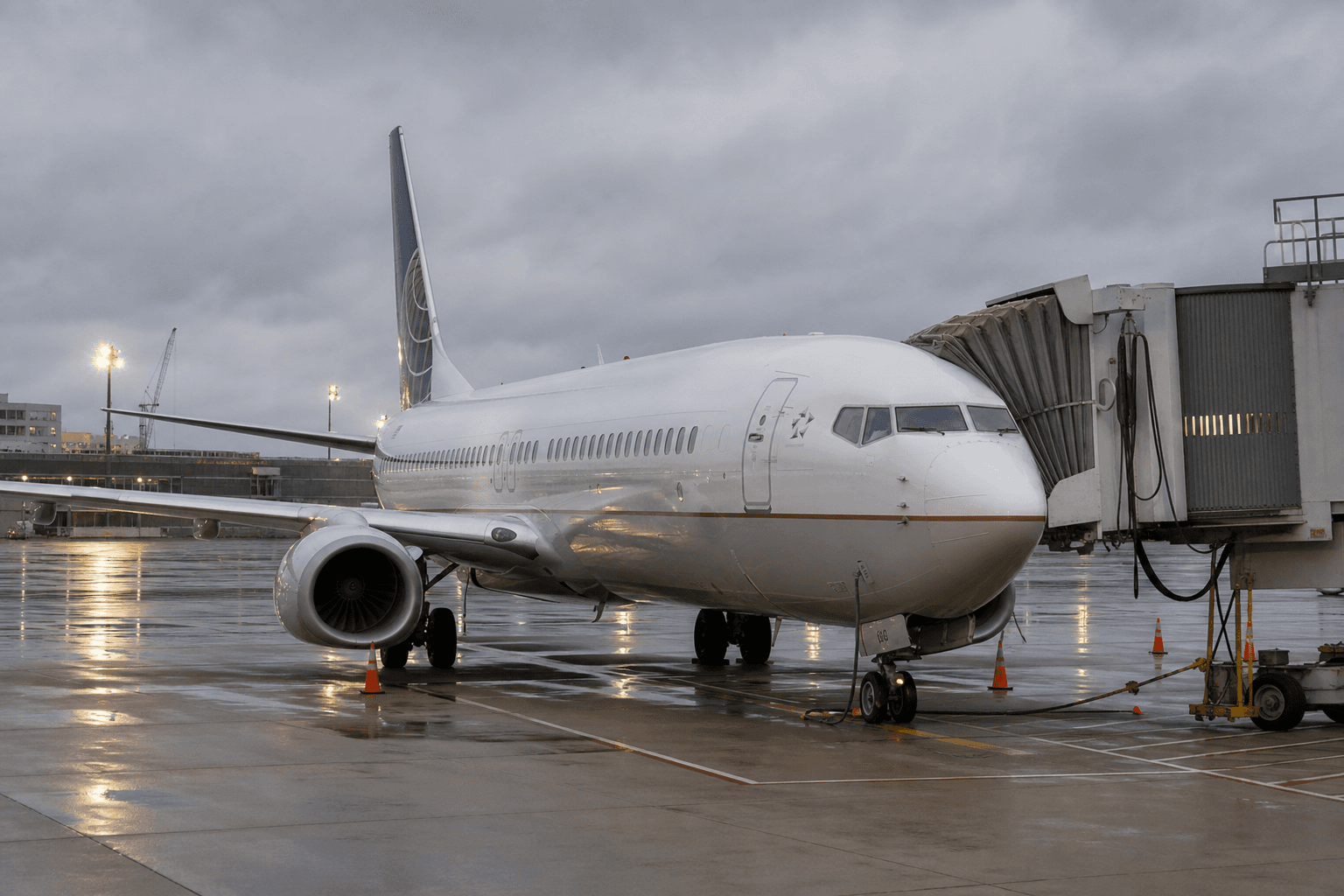
Fuel System Failure at Boston Logan Triggers 370+ Delays and 100+ Cancellations
A major fueling system failure at Boston Logan International Airport (BOS) brought one of the nation's busiest airports to a near standstill Sunday evening, triggering more than 370 flight delays and over 100 cancellations. The failure came on July 4 weekend, disrupting travel during one of the busiest periods of the summer . The incident prompted the Federal Aviation Administration to issue a ground stop, preventing departures as airport officials worked to restore access to jet fuel across the airfield.
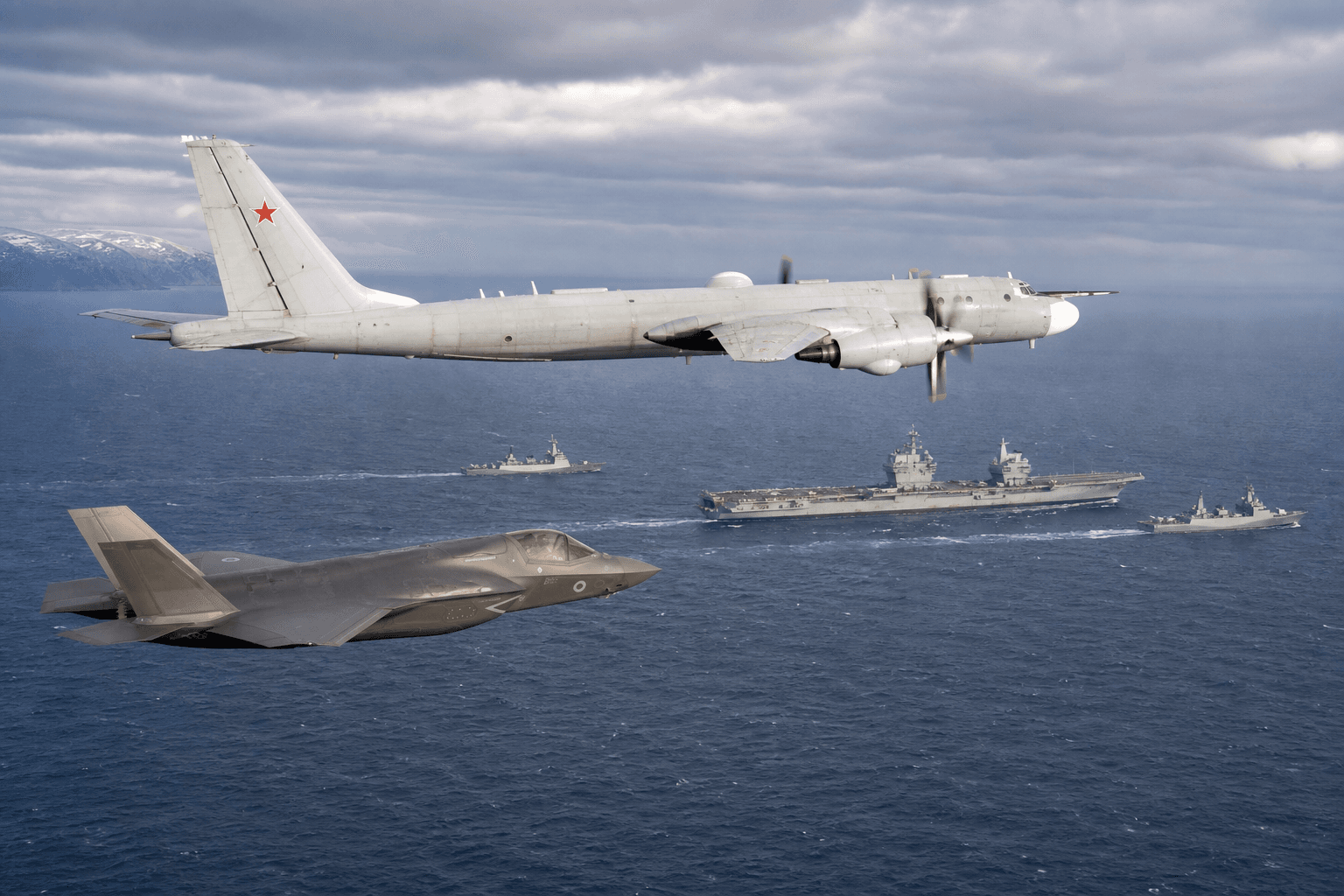
UK F-35s intercept Russian Tu-142 near Royal Navy carrier HMS Prince of Wales
London says the long-range maritime patrol aircraft failed to respond on international safety frequencies. A Russian long-range patrol aircraft flew “unnecessarily close” to the UK Royal Navy’s flagship, acting in a dangerous manner, according to London. The UK Ministry of Defence (MoD) says a Tupolev Tu-142 Bear-F maritime reconnaissance aircraft buzzed the Royal Navy’s HMS Prince of Wales aircraft carrier in the Norweigan Sea on 6 July. Two Lockheed Martin F-35B stealth fighters from the embarked 809 Naval Air Squadron were launched to intercept the Russian aircraft, which did not respond to hails, according to London. “The aircraft flew unnecessarily close to HMS Prince of Wales , dropped multiple sonobuoys nearby, and failed to respond on international safety frequencies,” the MoD says. “This activity was unsafe and unprofessional.” The British carrier and its supporting vessels are deployed to the region as part of NATO’s Arctic Sentry mission — a multi-domain military effort launched in February 2026 to strengthen the alliance’s presence and ability to operate in the High North. Following the Tu-142 incident, London says the UK Carrier Strike Group will continue to operate in the region. The Royal Navy vessels began the mission in June under the designation Operation Firecrest. Two F-35Bs from 809 Naval Air Squadron escorted the Tu-142 out of the area, according to London. Source: UK Ministry of Defence Photos released by the MoD show one of the F-35Bs flying off the wing of the Tu-142, which carries tail number RF-34059. The aircraft can also be seen making a low pass near one of the Prince of Wales ‘ escort vessels, which appears to be the Type 45 destroyer HMS Duncan . Fleets data from aviation analytics company Cirium indicates the Tu-142 was built in 1983 for the Soviet navy. Tu-142s assigned to support Russia’s Northern Fleet operate from an airbase in Vologda Oblast, some 435 miles (700km) east of St Petersburg. The four-engined turboprops provide naval reconnaissance and conduct anti-submarine warfare. Cirium shows Moscow has 32 Tu-142s in service, although some appear to have been lost in Russia’s ongoing war in Ukraine. The available Tu-142 fleet is split between Russia’s Northern and Pacific fleets, with the Pacific aircraft operating from an airbase in Russia’s Far East region of Khabarovsk Krai. Russia’s Pacific Fleet Tu-142s have been used to probe airspace near Alaska and northern Canada, according to the North American Aerospace Defense Command.
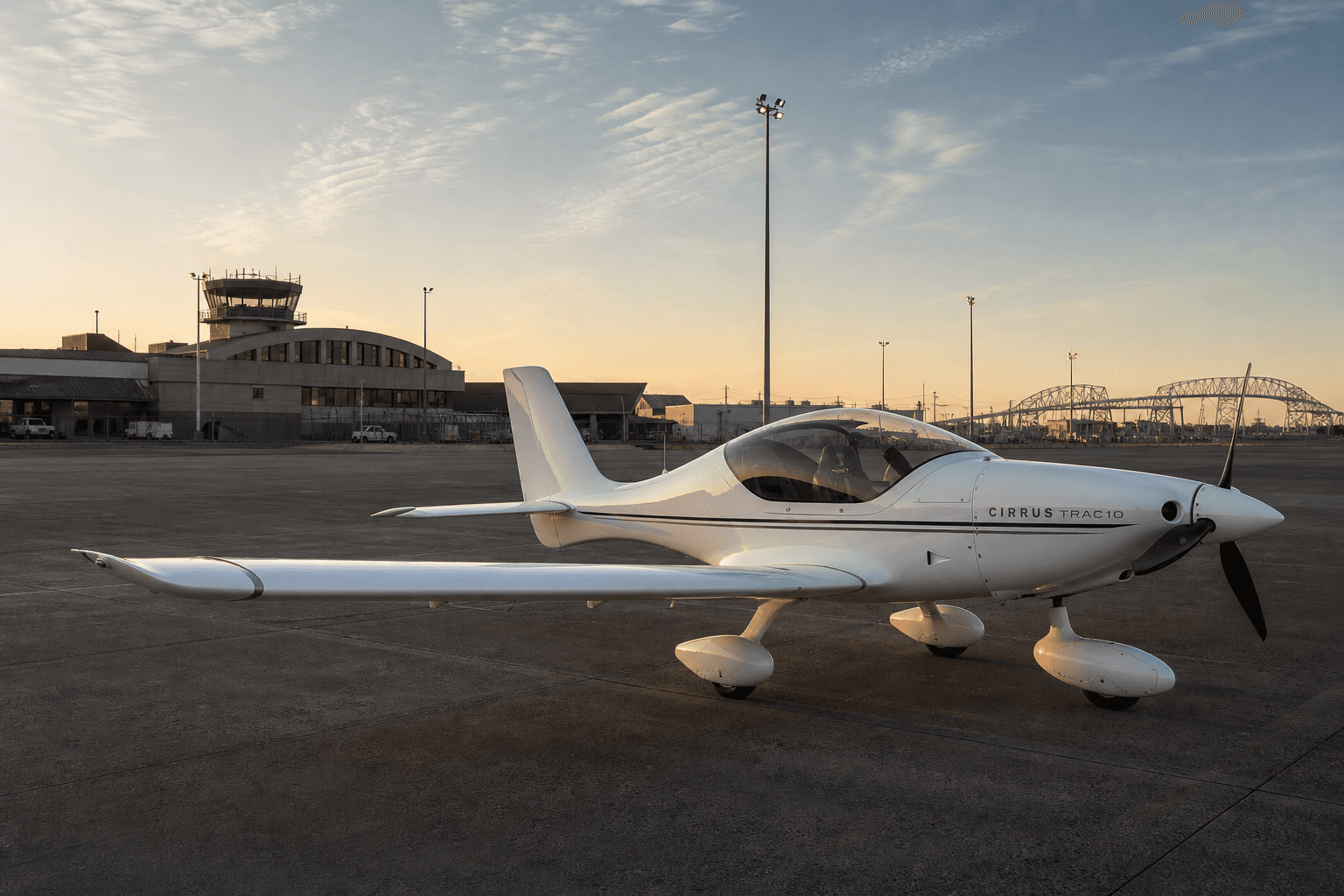
Cirrus Launches TRAC10 Training Aircraft for Professional Flight Schools
Cirrus introduced the TRAC10 on Monday, a new flight training aircraft intended for professional, collegiate and career-oriented flight schools. The aircraft expands the company's TRAC training lineup and will be built at the company’s headquarters in Duluth, Minnesota. Orders And Deliveries "Drawing on more than thirty years of designing, building, and supporting aircraft worldwide, the TRAC10 is our most deliberate answer yet to what professional flight schools need to succeed," Cirrus CEO Zean Nielsen said. "Our focus on safety, efficiency, connectivity, and reliability serves every stakeholder in the professional pilot training equation – we are excited for students around the world to start training in the TRAC10." The TRAC10 is powered by a 160-horsepower turbocharged Rotax 916 iSc FADEC engine. Cirrus said the aircraft can burn as little as 5.9 gallons per hour at 65% power in cruise and can operate on 100LL avgas, 91/94 unleaded fuel and select mogas blends. Aircraft Systems The aircraft has a three-seat cabin, Garmin flight deck and Cirrus Airframe Parachute System (CAPS). The company said the rear seat is designed for an observer and can include a configurable display for training use. The cabin also includes adjustable seats and rudder pedals, USB-C ports, storage and optional air conditioning. The TRAC10 also includes Electronic Stability and Protection, the Blue Level Button, stick shakers and a cuffed-wing design. Cirrus IQ is included for fleet data, aircraft status monitoring, maintenance tracking and database updates. Cirrus said it has received orders for more than 100 TRAC10s from 13 flight schools worldwide. U.S. deliveries are expected to begin in 2027, followed by international deliveries in 2028. The aircraft starts at $499,900.

Cirrus Unveils TRAC10 Trainer Designed to Revolutionize Professional Flight Schools
Cirrus, the manufacturer that introduced the aviation world to the concept of an airplane with a built-in parachute, is introducing the TRAC10, a clean-sheet design purposefully built for the instructional market. "The TRAC10 is a complete reimagining of the modern training aircraft," said Pat Waddick, president of innovation and operations at Cirrus, in a news release. "Our team challenged decades-old norms and designed in industry-leading safety, durability, ergonomics, and operational efficiency with advanced technology delivered through simple, intuitive interfaces—creating a smarter platform for the next generation of pilots." The aircraft is powered by a turbocharged Rotax 916 iSc FADEC engine attached to a three-bladed propeller that can be operated on 100LL, UL91/UL94, and selected blends of mogas, burning 5.9 gph. The aircraft is a three-place design with adjustable seats and rudder pedals for the front occupants. The back seat is situated between two large windows with an elevated position for optimal flight deck visibility. According to Cirrus, it can be equipped with a configurable display, so everyone on board can be fully immersed in the flight deck workflow. The cabin features multiple USB-C ports, cup holders at each seat, storage space, and optional air conditioning to help reduce crew fatigue and promote efficient learning. READ MORE: How NFL Quarterback Joshua Dobbs Found Freedom at the Controls of a Cirrus READ MORE: Cirrus Offers Starlink Mini Mount for SR Aircraft "Drawing on more than 30 years of designing, building, and supporting aircraft worldwide, the TRAC10 is our most deliberate answer yet to what professional flight schools need to succeed," said Zean Nielsen, CEO at Cirrus. "Our focus on safety, efficiency, connectivity, and reliability serves every stakeholder in the professional pilot training equation. We are excited for students around the world to start training in the TRAC10." Cirrus said safety remains paramount at Cirrus, so in addition to the Cirrus Airframe Parachute System (CAPS), the TRAC10 has the Garmin Electronic Stability & Protection (ESP) and the Blue Level Button (LVL). The aircraft is also fitted with airline-like stick shakers to warn of an impending stall and a cuffed-wing design to maximize spin resistance while promoting optimal controllability at low speeds. The aircraft features Cirrus IQ , which enhances the TRAC10 flight training operations by wirelessly transmitting data and integrating seamlessly with third-party flight debrief applications and fleet management dashboards. Operators can digitally monitor fuel, fluids such as coolant and oil temperature, and track maintenance intervals to ensure fleet safety and airworthiness. Automatic database updates keep training fleet navigation information up to date and ready to fly, eliminating the need for monthly manual updates. According to the company, the TRAC10 will be manufactured at Cirrus headquarters in Duluth, Minnesota. The company indicated it has already secured more than 100 orders for the airplane from 13 professional flight schools around the world. U.S. deliveries are scheduled to begin in 2027, with international deliveries to follow in '28. The TRAC10 price starts at $499,900. Cirrus TRAC10 by the Numbers Wingspan: 34.2 ft. Length: 23.8 ft. Maximum Gross Weight: 2,150 lbs. Maximum Usable Fuel: 33.5 gal. Useful Load: 750 lbs. Cabin Height: 45 in. Cabin Width: 49.6 in. Cabin Length: 94 inches Maximum Operating Altitude: 14,000 ft. Stall Speed, Flaps Down: 57 kcas Stall Speed, No Flaps: 66 kcas Maximum Cruise Speed: 139 ktas Fuel Burn at 65% Power: 5.9 gph
The Daily Touch & Go
The day's best aviation news in your inbox. Free, no spam.