


Illustration: The Touch & Go
Cirrus Unveils TRAC10 Trainer Designed to Revolutionize Professional Flight Schools
Cirrus launches the TRAC10, a purpose-built training aircraft featuring advanced safety, ergonomic design, and modern avionics to meet pilot schools' evolving needs.
The gist
Cirrus introduces TRAC10, a high-tech trainer aiming to set new standards in flight training safety and efficiency worldwide.
Continuing coverage
All Flight Training →- Student Pilot Safely Lands Cessna 150 After Instructor's Mid-Air Jump in Argentina
- Rising Costs and Predatory Loans Challenge Aspiring Pro Pilots Financing Training
- EAA AirVenture Oshkosh 2026 to Showcase Cutting-Edge Aviation Technology and Historic Warbirds
- From Build Nights to Solo Flight: Cadet Carter Froehlich's Aviation Journey
- Pilots urged to secure renters insurance amid limited owner policy coverage
Cirrus Aircraft has debuted the TRAC10, a new flight training aircraft crafted from the ground up to fulfill the rigorous demands of professional pilot instruction. This clean-sheet design represents Cirrus's strategic push to redefine training aircraft by integrating advanced safety features, ergonomic enhancements, and operational efficiency focused on the modern flight school market. Pat Waddick, Cirrus’s president of innovation and operations, noted the TRAC10 challenges longstanding conventions by offering a smarter, technology-driven platform catering to next-generation aviators.
Powering the TRAC10 is the turbocharged Rotax 916 iSc FADEC engine, connected to a three-bladed propeller capable of operating on various fuels including 100LL, UL91/UL94, and selected mogas blends. The engine boasts a fuel burn of just 5.9 gallons per hour, promoting cost-effective operations critical for training programs. Designed as a three-seat aircraft, the cockpit includes adjustable seats and rudder pedals for the front occupants, with an elevated rear seat placed between two large windows to support full immersion in flight deck operations for all aboard.
Ergonomics and comfort have been carefully considered, with the TRAC10's cabin featuring multiple USB-C charging ports, individual cup holders, ample storage spaces, and optional air conditioning. These amenities aim to reduce fatigue during training sessions and foster an environment conducive to learning. The configurable display system enables customizable avionics layouts, allowing instructors and students to tailor visibility and workflow interaction within the flight deck.
Safety remains paramount, continuing Cirrus’s legacy established by the Cirrus Airframe Parachute System (CAPS). The TRAC10 further incorporates the Garmin Electronic Stability & Protection system (ESP) and a Blue Level Button (LVL), enhancing flight handling and preventing stalls. The inclusion of airline-caliber stick shakers warns pilots if a stall is imminent, while the aircraft’s cuffed-wing design increases spin resistance and promotes easy control at low speeds, vital traits in a training setting.
Cirrus IQ technology is a key feature integrating the TRAC10 into digital operations. This system wirelessly transmits aircraft data and interfaces with third-party flight debrief applications and fleet management platforms. Flight schools can remotely monitor vital parameters such as fuel levels and engine coolant and oil temperatures, schedule maintenance proactively, and ensure regulatory compliance. The automatic navigation database updates eliminate manual tasks, keeping training aircraft immediately ready for flight.
The aircraft’s dimensions reflect typical training needs: with a wingspan of 34.2 feet, length of 23.8 feet, and a maximum gross weight of 2,150 pounds. Its useful load of 750 pounds supports pilots and instructors plus equipment, while cabin dimensions provide a comfortable and practical environment. Maximum operating altitude is 14,000 feet, sufficient for typical training profiles, with stall speeds optimized for safe handling.
Zean Nielsen, Cirrus CEO, highlighted the TRAC10 as the company's most thoughtful response to professional flight training requirements after over 30 years in the industry. The investment in safety, connectivity, and ease of operation targets flight schools worldwide seeking to modernize their fleets and enhance pilot throughput. Already, Cirrus reports securing more than 100 orders from 13 professional flight institutions globally.
Manufacturing is slated to take place at Cirrus's Duluth, Minnesota headquarters, with deliveries intended to begin in 2027 for U.S. customers and 2028 for international operators. Pricing starts at $499,900, positioning the TRAC10 competitively within the training market. The aircraft arrives as flight schools worldwide seek better tools to handle growing pilot demand with safer, more efficient platforms.
The TRAC10 emerges at a pivotal moment as the aviation industry grapples with pilot shortages and training bottlenecks. By delivering a training-tailored aircraft with comprehensive safety and tech features, Cirrus aims to redefine how future pilots are trained, setting a new standard for instructional aircraft manufacturers and operators alike.
Read more
All Aviation Safety →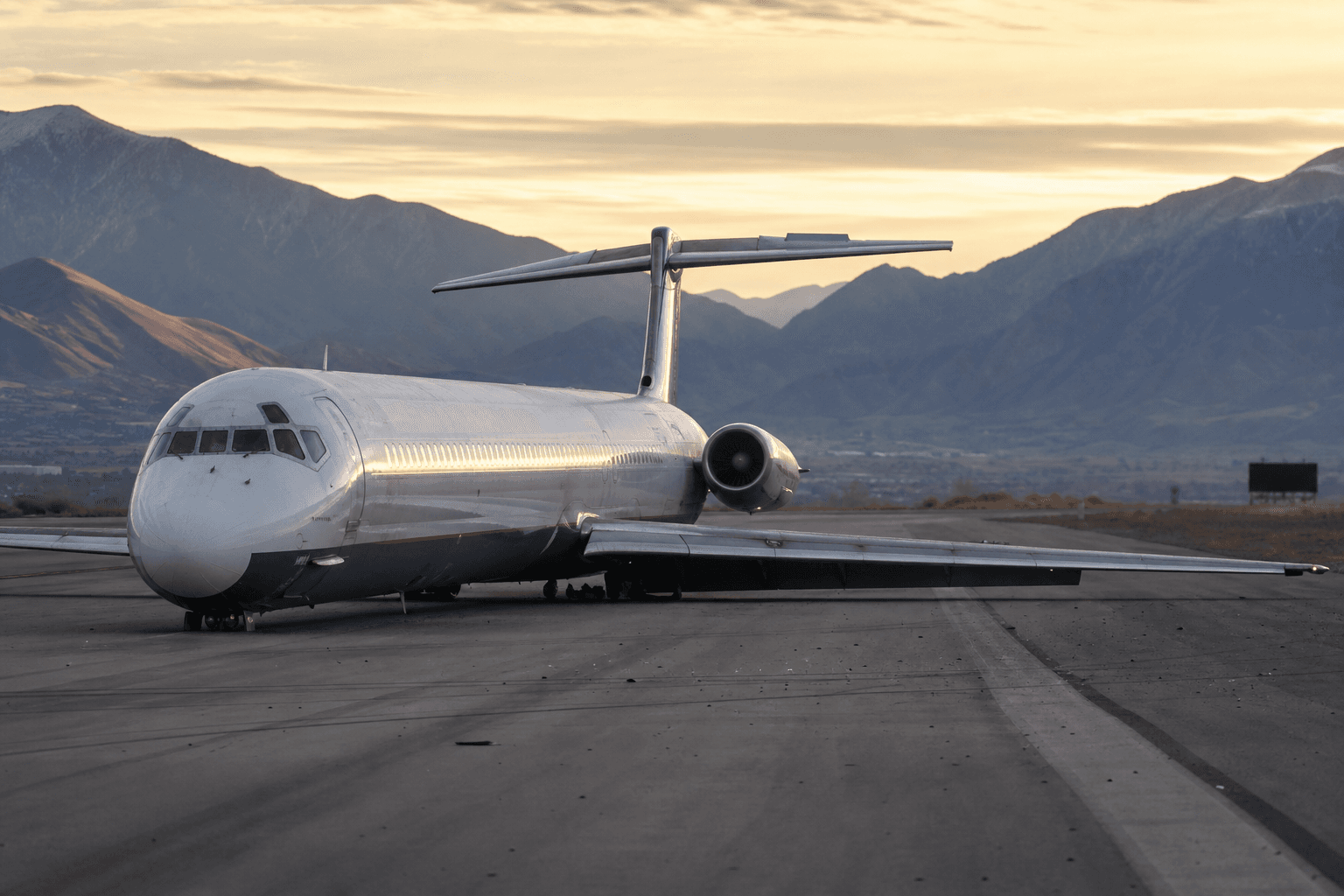
TezJet grounded after Boeing MD-83 landing gear collapse at Bishkek Manas Airport
Accident at Bishkek Manas airport occurred just a month after Kyrgyzstan was removed from European blacklist. Kyrgyz authorities have temporarily suspended the operations of carrier TezJet after one of its Boeing MD-83s has suffered a landing-gear collapse while taxiing for the runway at Bishkek's Manas airport. The airport operator states that the accident occurred as the twinjet prepared to depart for Osh on 7 July. "After taxiing and reaching take-off position during pre-flight procedures, the left main landing-gear collapsed," says the company. "As a result, the aircraft listed to the left, touched the runway with its left wing, and came to a stop." None of those on board was injured, the airport operator adds. Images from the scene identify the MD-83 involved as EX-80003, a 1996 airframe originally delivered to Korean Air. The tail-cone of the aircraft, which serves as an evacuation exit, appears to have been jettisoned during the occurrence. Work is under way to remove the jet from the runway. Manas has a single runway, designated 08/26. Kyrgyzstan had been subject to a European Commission blanket blacklisting for some 20 years, a restriction which was only removed in early June based on evidence of substantial safety improvement. The Kyrgyz state civil aviation agency is investigating the occurrence. "Until the necessary verification activities are completed, a decision has been made to temporarily suspend the operation of TezJet aircraft," says the airport operator. "This is a purely preventative measure aimed at ensuring the highest level of flight safety." The aircraft had arrived from Osh earlier in the day. Manas airport will remain closed until around 06:00 on 8 July. "Flight safety remains our highest priority," says the airport operator, adding that schedule disruption is possible.
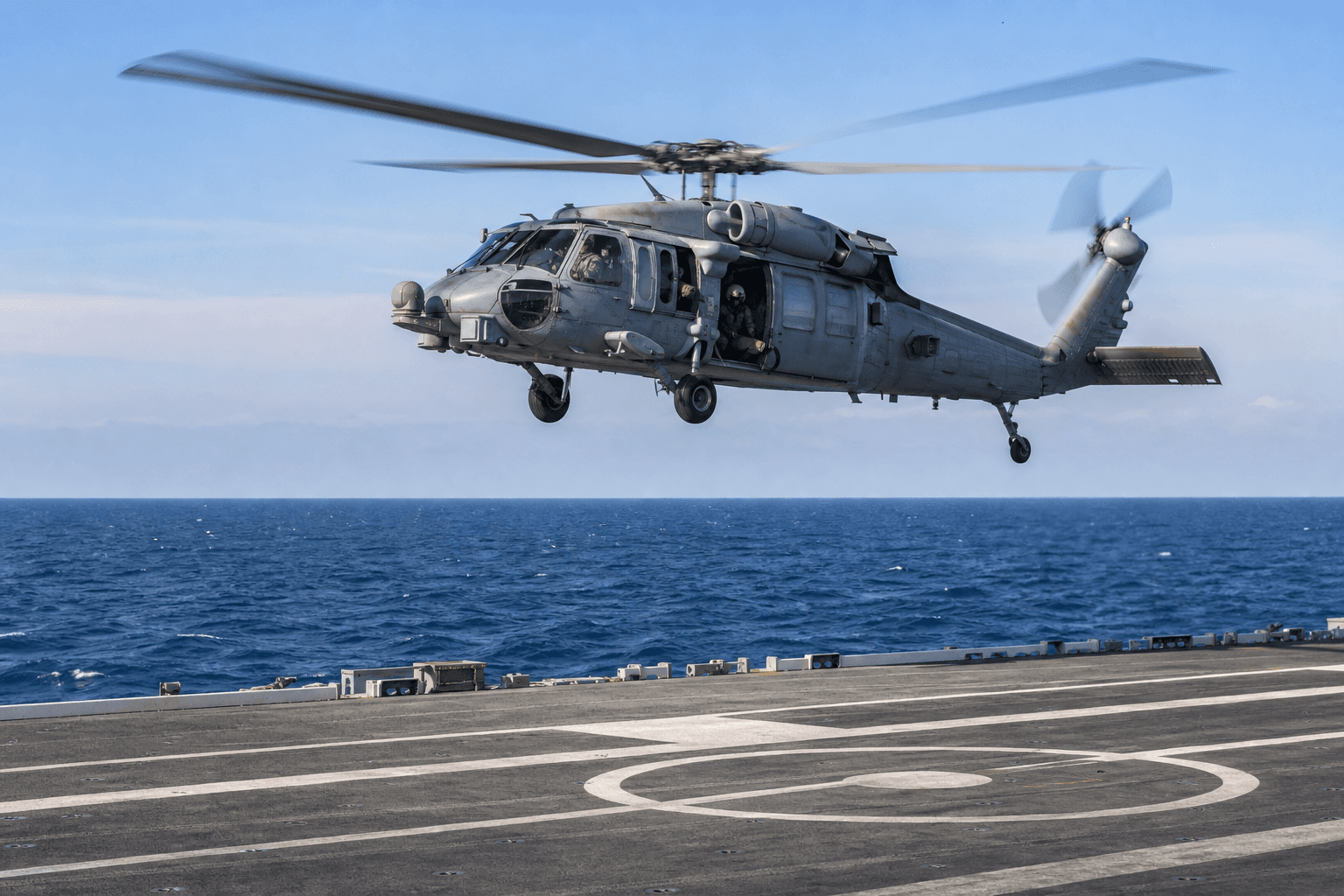
US Navy Helicopter Squadron Leader Killed After MH-60S Crash in Arabian Sea
The officer had been missing since the 1 July incident in which the Seahawk utility helicopter made an emergency water landing. The commander of a US Navy helicopter squadron has been declared killed in action in the Middle East. Commander Gabriel Edwards was a rotary-wing pilot and the commanding officer of Helicopter Sea Combat Squadron (HSC) 5, embarked with the aircraft carrier USS George HW Bush . Edwards had been missing since 1 July, when his Sikorsky MH-60S Sea Hawk made an emergency landing in the Arabian Sea. Three other US Navy personnel aboard the helicopter were rescued shortly after the ditching. The effort to locate and recover Edwards was called off after more than four days of searching, the navy now says. The cause of the emergency is not yet known and remains under investigation. Edwards had accumulated more than 2,000 flight hours over his naval aviation career, according to the navy. HSC 5 is part of the navy’s Carrier Air Wing 7, which is currently operating from the Bush in the Arabian Sea. The carrier departed its homeport of Norfolk, Virginia, in March for the regularly scheduled deployment. The MH-60S is a utility and fleet support helicopter that is distinct from Sikorsky’s MH-60R variant, which is equipped for anti-submarine warfare.
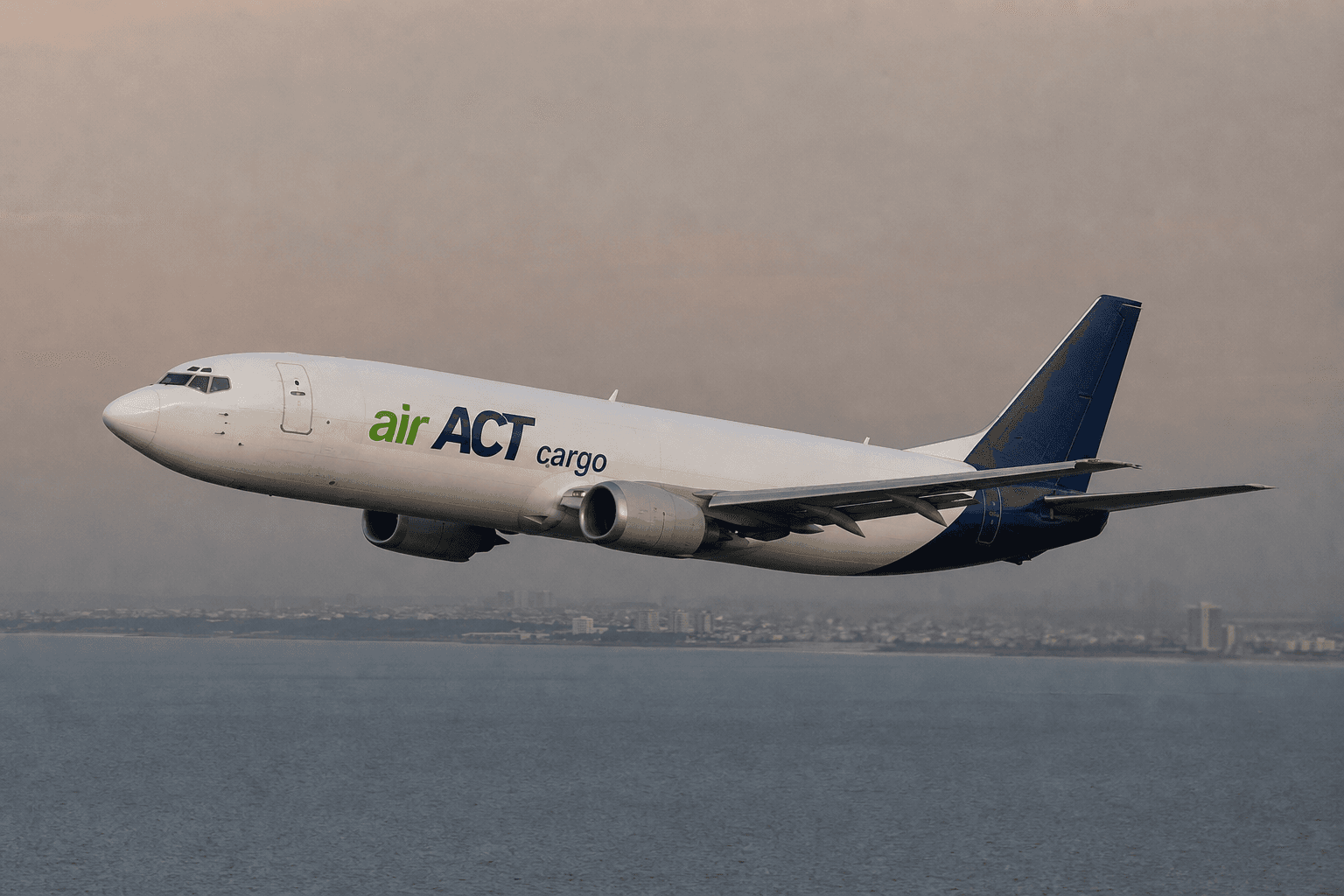
K2 Airways Boeing 737 freighter lost over Arabian Sea after sudden altitude drops near Karachi
A K2 Airways Boeing 737 freighter is missing over the Arabian Sea after preliminary flight-tracking data showed a sudden loss of altitude southwest of Karachi, Pakistan. The aircraft, registered AP-BOI, was operating as K2 Airways Cargo Flight KTA1732 from Sharjah, United Arab Emirates, to Karachi, Pakistan, on July 7, 2026, according to Flightradar24. Authorities launched a search effort after the aircraft did not arrive in Karachi as scheduled. Preliminary ADS-B data showed the aircraft lost altitude, climbed, and then suffered a second sudden and dramatic loss of altitude. The final ADS-B point received by Flightradar24 was recorded at 16:21 UTC, placing the aircraft at 1,100 feet above mean sea level with a reported vertical rate of -22,400 feet per minute. Pakistan's Civil Aviation Authority said the aircraft reported a navigation system problem at 21:18 local time before radar data showed it rapidly descending and making a sharp heading change at about 21:21. Radar and radio contact were then lost about 155 nautical miles west of Karachi, according to the AP, citing Pakistan's Civil Aviation Authority. The AP reported that five crew members were aboard the aircraft. AP-BOI is a Boeing 737-4M0(BDSF) that began service with K2 Airways in 2024. The aircraft originally entered service as a passenger aircraft with Aeroflot in 1999, later flew with Garuda Indonesia, and was converted to a freighter in 2012. K2 Airways is a privately owned Pakistani carrier based in Karachi. The airline was launched to serve regional passenger and cargo markets and received its air operator certificate in 2024. AP-BOI is listed as the carrier's sole aircraft. The aircraft and other traffic in the region experienced GNSS interference shortly after takeoff from Sharjah, which degraded data near Sharjah before the aircraft transitioned to multilateration tracking. Flightradar24 said ADS-B data was received again after the aircraft left the interference area. The aircraft remained missing late on July 7 as search efforts continued.
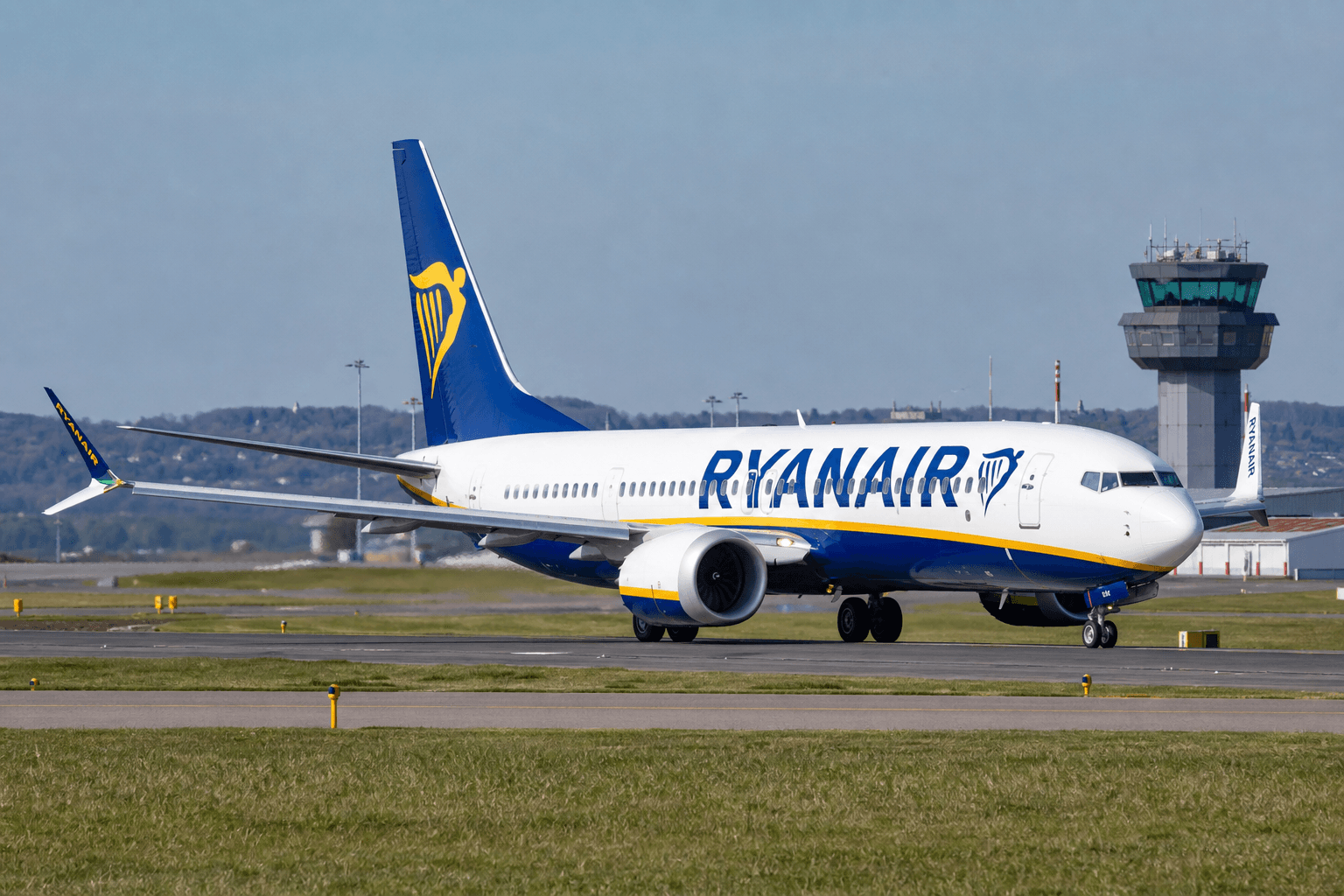
Crew oversight led to Boeing 737 Max 8 slow, shallow take-off at Luton after intersection departure change
Pilots accepted intersection departure for Max 8 but did not update flight-management computer. UK investigators have determined that the crew of a Boeing 737 Max 8 did not update performance data after switching from a planned full-length runway take-off to an intersection departure. The crew of the Ascend Airways jet (G-CRUX) had informed London Luton air traffic control that they could accept a departure from intersection A of runway 25. But the pilots, who had originally intended a full-length take-off, failed to verify that the revised V-speed data had been correctly entered into flight-management computer. This resulted in a lower thrust setting than required. Flight-data analysis revealed that the maximum thrust during the take-off roll was 82.1% rather than the 85.2% needed. Available runway distance from intersection A was 1,771m — some 345m less than the full length. Owing to the low thrust, the take-off roll was "long", says the Air Accidents Investigation Branch, and the aircraft lifted off just 162m from the runway end — crossing it at a height of just 13ft. According to the inquiry the subsequent climb was "slow" and "very shallow". Air traffic control information stated that the aircraft appeared on radar to be climbing through 900ft about 0.8nm from the airport. "Under normal circumstances the aircraft would appear much closer to the airfield at that height," the inquiry says. It points out that an engine failure or loss of thrust during the take-off roll could potentially have resulted in an overrun. None of the 162 passengers and six crew members was injured during the occurrence on 22 April last year. Ascend Airways' UK division ceased operations in April this year.
The Daily Touch & Go
The day's best aviation news in your inbox. Free, no spam.