

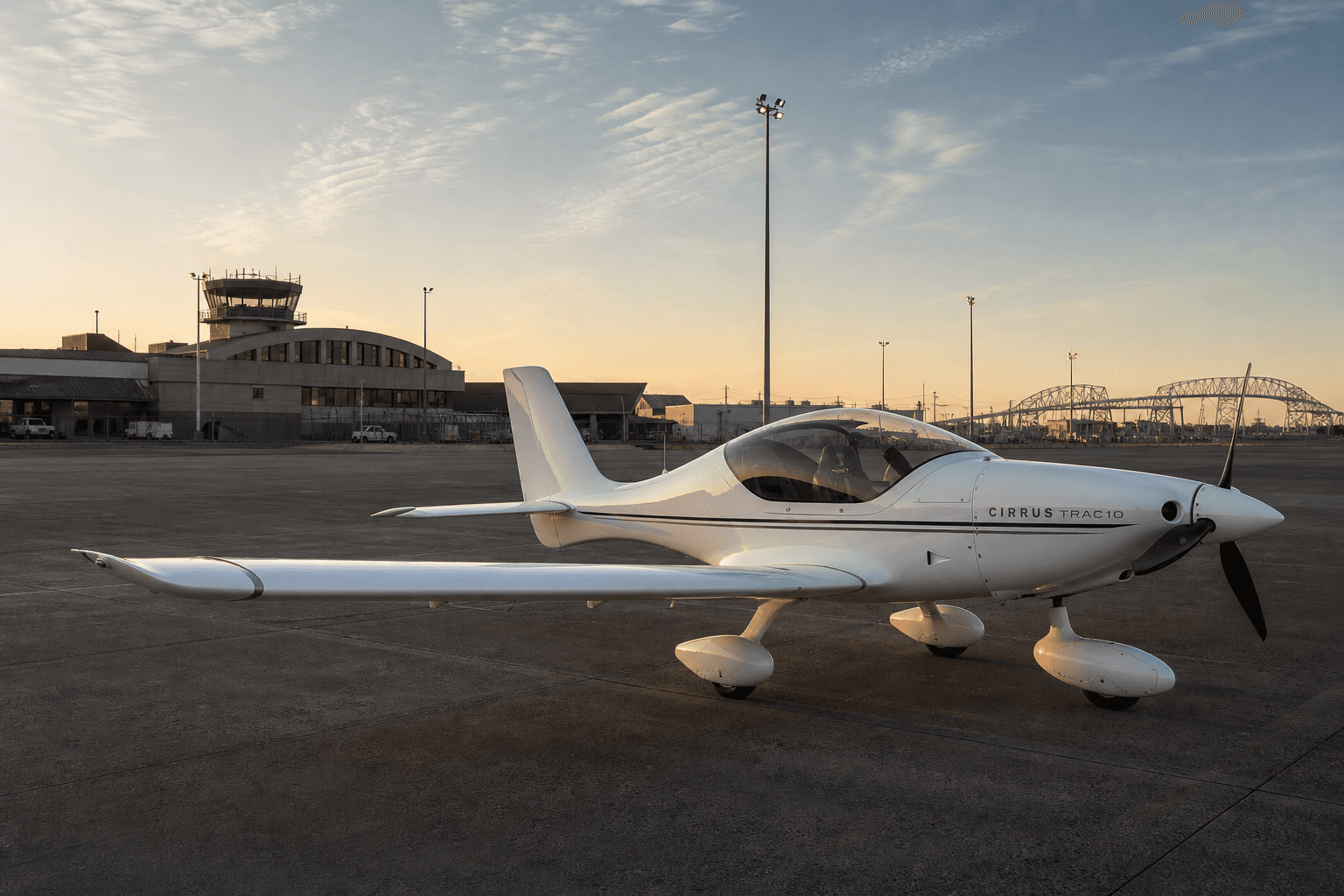
Illustration: The Touch & Go
Cirrus Launches TRAC10 Training Aircraft for Professional Flight Schools
Cirrus unveils the TRAC10, a new turbocharged training aircraft designed for flight schools, featuring advanced safety systems and efficient operation, with deliveries starting in 2027.
The gist
Cirrus' new TRAC10 training aircraft targets professional schools with safety, efficiency, and modern tech, starting deliveries in 2027.
Continuing coverage
All Flight Training →- Cirrus Unveils TRAC10 Trainer Designed to Revolutionize Professional Flight Schools
- Student Pilot Safely Lands Cessna 150 After Instructor's Mid-Air Jump in Argentina
- Rising Costs and Predatory Loans Challenge Aspiring Pro Pilots Financing Training
- EAA AirVenture Oshkosh 2026 to Showcase Cutting-Edge Aviation Technology and Historic Warbirds
- From Build Nights to Solo Flight: Cadet Carter Froehlich's Aviation Journey
Cirrus Aircraft has officially introduced the TRAC10, a new training aircraft aimed at meeting the needs of professional, collegiate, and career-focused flight schools. Unveiled at the company's Duluth, Minnesota headquarters, the TRAC10 builds upon Cirrus’s existing TRAC lineup and reflects more than thirty years of aircraft design and manufacturing experience. The announcement signals the company’s strategic push into the instructor-led pilot training market with a purpose-built platform.
Powering the TRAC10 is the turbocharged Rotax 916 iSc FADEC engine, rated at 160 horsepower. This engine selection enables efficient fuel consumption, with rates as low as 5.9 gallons per hour at 65 percent cruise power. The aircraft is compatible with multiple fuel types, including 100LL avgas, 91/94 unleaded fuels, and select automotive mogas blends, offering operational flexibility for flight schools looking to manage costs and fuel logistics.
The TRAC10's cabin is designed with three seats, accommodating a pilot, a student, and an observer in the rear. The rear seat features a configurable display to support training activities, allowing for enhanced instructional oversight. Comfort and usability enhancements include adjustable seats and rudder pedals, USB-C ports to support modern electronics, generous storage, and optional air conditioning to improve the learning environment for students and instructors alike.
Safety is a major focus for the TRAC10. The aircraft incorporates the Cirrus Airframe Parachute System (CAPS), providing an emergency ballistic parachute capable of lowering the entire aircraft safely to the ground. Additional safety technologies include Electronic Stability and Protection (ESP), a Blue Level Button to assist with pitch control, stick shakers for stall awareness, and a distinctive cuffed-wing design intended to improve aerodynamic characteristics and handling qualities.
The cockpit is equipped with a Garmin flight deck, ensuring students train with avionics representative of modern commercial flying environments. Cirrus has also integrated their proprietary Cirrus IQ system to support flight schools with comprehensive data management tools. This system offers fleet data aggregation, live aircraft status monitoring, maintenance tracking, and streamlined database updates, enhancing operational efficiency and safety management for training organizations.
Cirrus CEO Zean Nielsen emphasized the strategic intent behind the TRAC10, stating that it represents the company’s most deliberate response to the evolving requirements of professional pilot training programs worldwide. The combination of safety, efficiency, connectivity, and reliability underscores Cirrus’s commitment to supporting every stakeholder in the pilot training pipeline, from students and schools to fleet operators.
Market response to the TRAC10 has been robust, with Cirrus reporting over 100 orders from 13 flight schools across multiple regions. These orders underscore the industry's demand for a modern, cost-effective training platform that addresses both operational efficiency and pilot skill development. U.S. deliveries are scheduled to commence in 2027, with international shipments expected to begin in 2028.
Priced from $499,900, the TRAC10 positions itself competitively within the training aircraft segment, offering advanced technology and safety features typically found in more expensive or complex aircraft. This price point, combined with operational cost savings and advanced training capabilities, is expected to make the TRAC10 an attractive choice for flight schools seeking to expand or modernize their fleets.
The arrival of the TRAC10 reflects broader trends in general aviation and pilot training, where demand for well-rounded, technologically equipped trainers continues to grow amid pilot shortages and increasing airline hiring. Cirrus’s emphasis on safety and data connectivity could set a new benchmark for training aircraft, influencing how new pilots are educated and prepared for professional careers.
Read more
All Aviation Safety →
Student Pilot Safely Lands Cessna 150 After Instructor's Mid-Air Jump in Argentina
A trainee pilot was left on his own to land an aircraft after his pilot instructor , Leandro Andrés Bertazzo , decided to jump out of a moving plane high in the air in the skies of Argentina on Saturday, July 4. This forced the student, known as Rosario, to safely land the aircraft on his own. Bertazzo, who was the age of 42, was later found dead following the incident.
NTSB Final Report Cites Elevator Counterweight Plug Failure in Rob Holland Crash
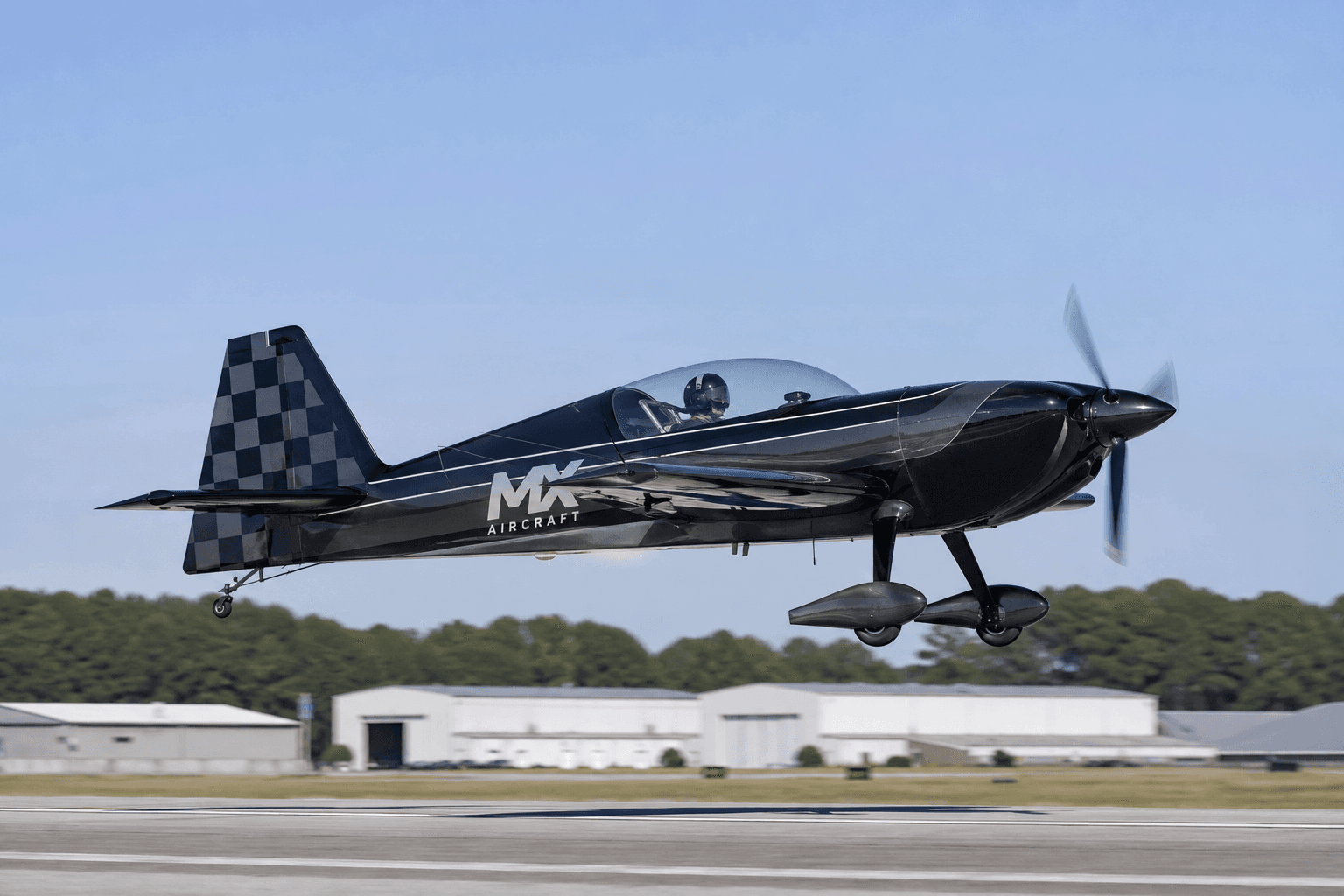
National Transportation Safety Board authorities investigating the 2025 accident that killed aerobatic pilot Rob Holland have determined the failure of a custom counterweight plug resulted in a jammed elevator and subsequent loss of control during landing. Holland, 50, was one of the top aerobatic pilots in the world. He held an ATP certificate and had more than 15,000 hours of flight experience. The accident occurred on April 24 at approximately 11:35 a.m. ET as Holland was attempting to land his aerobatic MX Aircraft Tech MXS airplane at Langley Air Force Base (KLFI) in Hampton, Virginia. READ MORE: Master of the Air: Recalling a Close Encounter With Rob Holland READ MORE: NTSB Releases Preliminary Report on Holland Accident The weather was clear and the winds calm at the time of the accident. According to witnesses, the airplane made a smooth approach to Runway 08, leveling off about 50 feet above the runway and flying straight down the runway for several hundred feet, then it porpoised twice, pitching up 45 to 60 degrees then climbing several hundred feet and rolling 90 degrees to the left. The aircraft rolled and descended straight down to the ground. The aircraft pancaked in a ditch off the side of the runway. The NTSB report notes that “all major components of the airplane were accounted for at the accident site. The left elevator counterweight plug was located about 10 feet behind the wreckage in the grass.” An electronic flight instrument system was recovered from the accident airplane. The data were consistent with the witness descriptions of the accident sequence. According to the medical examiner, the cause of death was listed as blunt force trauma. Holland tested negative for all drugs. Holland had flown to Virginia from Smyrna Airport (KMQY) in Tennessee because he was slated to perform in the Air Power Over Hampton Roads airshow in the MXS. Holland had been performing aerobatics in the customized all-carbon fiber single-seat aerobatic aircraft since 2011. The aircraft was built by a company in Australia. Aerobatic performer Rob Holland dominated the Unlimited Power category in his MX Aircraft Tech MXS. [Credit: Gary Schenaman] According to the NTSB final report, the aircraft was issued a special airworthiness certificate in the experimental category for the purpose of exhibition and air racing on July 26, 2019. A representative of the airframe manufacturer stated that Holland had contacted them requesting the company incorporate an adjustable balance tube into the design of the elevator during its construction. Per the NTSB report: “The design included an access hole in the left and right elevator horns to insert counterweights. The access hole/tube was covered by a plug. The manufacturer described that the plugs were designed as a short-term solution and that no manuals or other information was provided specifying torque valves to be used when installing the plug. The airframe manufacturer also provided a design drawing for the plug that appeared to be dimensionally different from the plug found installed in the accident airplane. The design document also called for an o-ring, which the airframe manufacturer described as a locking device. No o-rings were found on either of the plugs associated with the accident airplane. When asked about the differences observed between the specified plug and the plugs found on the accident airplane, the airframe manufacturer could not explain the discrepancy.” Following the accident the aircraft manufacturer published an undated mandatory safety notice (SN 2025-01), which was applicable to MXS and MX2 airplanes fitted with adjustable balance tubes that provided instructions for filling existing adjustable balance tubes with a lead/resin mixture. In November 2025 Holland was posthumously inducted into the EAA Sport Aviation Hall of Fame. He learned to fly as a teenager and went on to win many aerobatic competitions and became a favorite performer at airshows. Among his accomplishments: Thirteen-time consecutive U.S. National Aerobatic champion Six-time world 4-minute freestyle champion Fourteen-time U.S. 4-minute freestyle champion 2015 World Air Games freestyle gold medalist 2012 Art Scholl Memorial Showmanship Award recipient 2008 World Advanced Aerobatic champion Ten-time U.S. Aerobatic Team member 37 medals in international competition (14 Gold)
Fuel System Failure at Boston Logan Triggers 370+ Delays and 100+ Cancellations
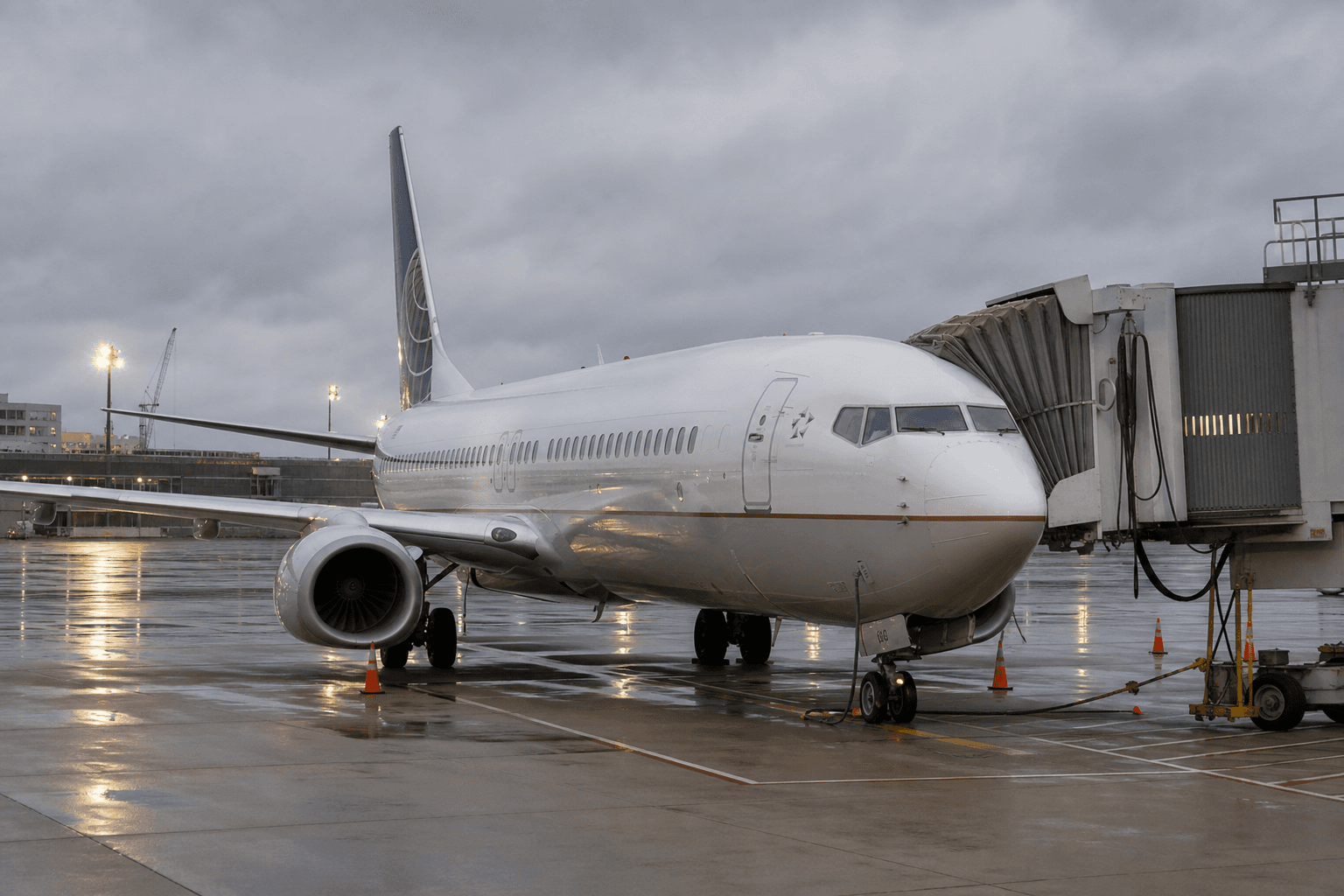
A major fueling system failure at Boston Logan International Airport (BOS) brought one of the nation's busiest airports to a near standstill Sunday evening, triggering more than 370 flight delays and over 100 cancellations. The failure came on July 4 weekend, disrupting travel during one of the busiest periods of the summer . The incident prompted the Federal Aviation Administration to issue a ground stop, preventing departures as airport officials worked to restore access to jet fuel across the airfield.
UK F-35s intercept Russian Tu-142 near Royal Navy carrier HMS Prince of Wales
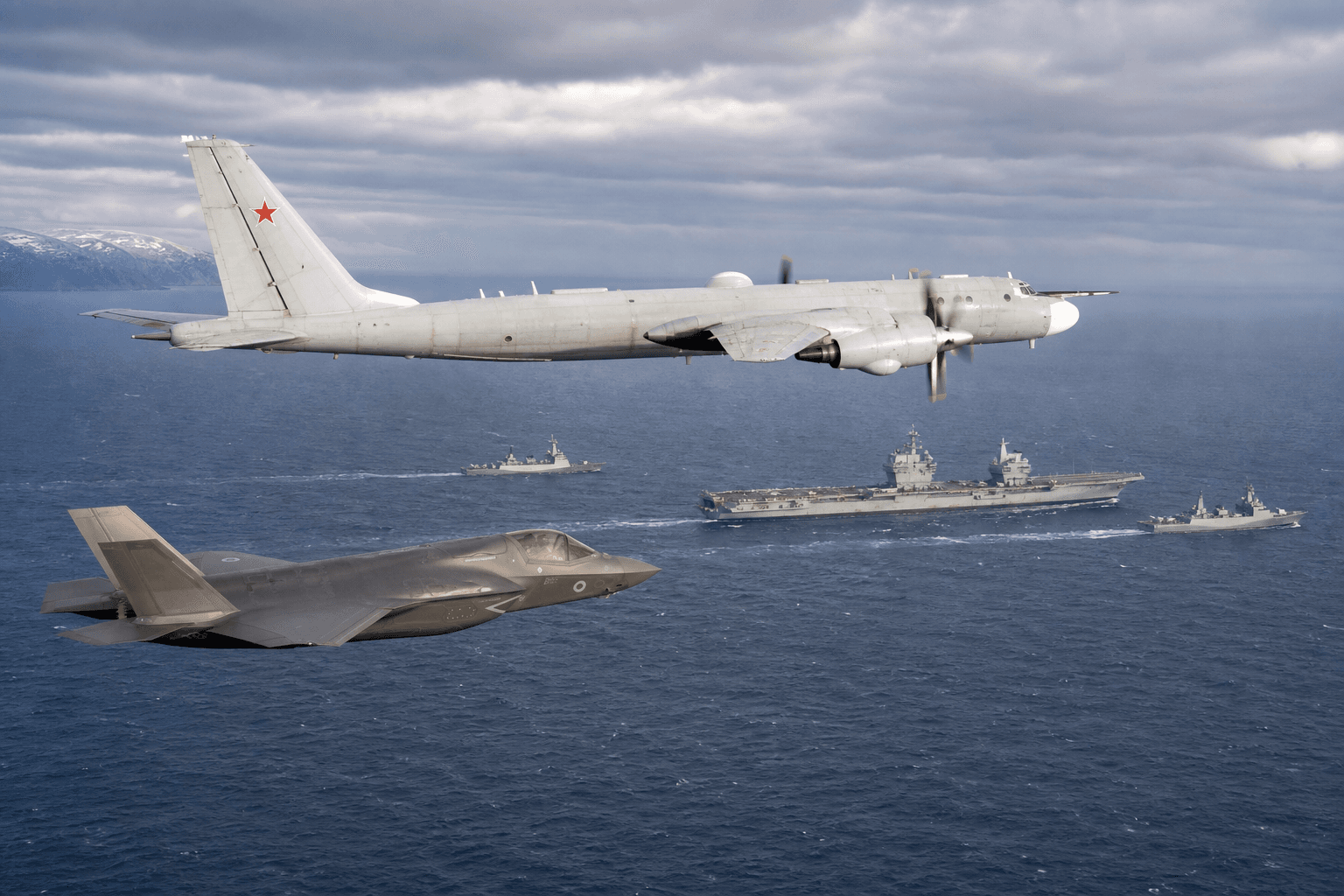
London says the long-range maritime patrol aircraft failed to respond on international safety frequencies. A Russian long-range patrol aircraft flew “unnecessarily close” to the UK Royal Navy’s flagship, acting in a dangerous manner, according to London. The UK Ministry of Defence (MoD) says a Tupolev Tu-142 Bear-F maritime reconnaissance aircraft buzzed the Royal Navy’s HMS Prince of Wales aircraft carrier in the Norweigan Sea on 6 July. Two Lockheed Martin F-35B stealth fighters from the embarked 809 Naval Air Squadron were launched to intercept the Russian aircraft, which did not respond to hails, according to London. “The aircraft flew unnecessarily close to HMS Prince of Wales , dropped multiple sonobuoys nearby, and failed to respond on international safety frequencies,” the MoD says. “This activity was unsafe and unprofessional.” The British carrier and its supporting vessels are deployed to the region as part of NATO’s Arctic Sentry mission — a multi-domain military effort launched in February 2026 to strengthen the alliance’s presence and ability to operate in the High North. Following the Tu-142 incident, London says the UK Carrier Strike Group will continue to operate in the region. The Royal Navy vessels began the mission in June under the designation Operation Firecrest. Two F-35Bs from 809 Naval Air Squadron escorted the Tu-142 out of the area, according to London. Source: UK Ministry of Defence Photos released by the MoD show one of the F-35Bs flying off the wing of the Tu-142, which carries tail number RF-34059. The aircraft can also be seen making a low pass near one of the Prince of Wales ‘ escort vessels, which appears to be the Type 45 destroyer HMS Duncan . Fleets data from aviation analytics company Cirium indicates the Tu-142 was built in 1983 for the Soviet navy. Tu-142s assigned to support Russia’s Northern Fleet operate from an airbase in Vologda Oblast, some 435 miles (700km) east of St Petersburg. The four-engined turboprops provide naval reconnaissance and conduct anti-submarine warfare. Cirium shows Moscow has 32 Tu-142s in service, although some appear to have been lost in Russia’s ongoing war in Ukraine. The available Tu-142 fleet is split between Russia’s Northern and Pacific fleets, with the Pacific aircraft operating from an airbase in Russia’s Far East region of Khabarovsk Krai. Russia’s Pacific Fleet Tu-142s have been used to probe airspace near Alaska and northern Canada, according to the North American Aerospace Defense Command.
The Daily Touch & Go
The day's best aviation news in your inbox. Free, no spam.