

Image: San Diego Air & Space Museum · Public domain · via Wikimedia Commons
Delta Air Lines Elevates Passenger Experience with Delta Sync Inflight Technology
Delta Air Lines has rapidly expanded its Delta Sync digital ecosystem across its fleet, enhancing in-flight connectivity, entertainment, and personalized travel information for passengers.
The gist
Delta Sync integration across 1,000 aircraft transforms Delta's inflight experience into a seamless, personalized digital journey.
Continuing coverage
All Delta Air Lines →- United CEO Proposed Merger With Delta Creating 35% U.S. Market Share
- United Airlines CEO Explored Mergers With Delta and American Airlines, Both Declined
- Frontier Airlines to Launch Starlink Wifi Fleetwide, Surpassing Delta's Connectivity Offering
- Airlines Confirm Structural Shift with Sustained Fare Increases Amid Rising Fuel Costs
- Delta Plans Daily Los Angeles-Manila Flights Starting March 2027 With Airbus A350
Delta Air Lines has reached a significant milestone in its inflight technology upgrade by equipping 1,000 of its aircraft, approximately 75% of its fleet, with the Delta Sync WiFi system. Alongside fast, free internet access, the Delta Sync ecosystem offers passengers a personalized seatback entertainment experience and real-time travel information, connecting various digital touchpoints onboard into a cohesive platform. The adoption of this system across multiple aircraft types highlights Delta's commitment to enhancing the passenger environment with modern technology.
At the core of the Delta Sync experience is more than merely providing WiFi; it integrates the airline's loyalty program, SkyMiles, with the inflight digital ecosystem. Passengers logging in once gain complimentary access to internet connectivity and tailored entertainment options, including movies and shows that can be resumed across different flights. This integration also extends to special offers from partners such as Paramount+, YouTube, Uber, and Resy, greatly expanding the value proposition beyond traditional inflight services.
Delta Sync's seatback entertainment system represents a key innovation, upgrading the conventional screen into a more interactive, smart TV-like device. Installed now on over 300 aircraft across six fleet types, the system offers enhanced user interfaces featuring real-time flight tracking, updated connection details, airport maps, and personalized content recommendations. Additional passenger-friendly features include visible seat numbers during boarding, a dedicated interface for children, and QR-code based feedback tools, all designed to make the travel experience more intuitive and responsive.
The system's design prioritizes security and convenience, with automatic logout functions ensuring privacy while enabling a customized user environment for every traveler. This transformation turns the seatback from a passive source of entertainment into an active, helpful travel companion, evidenced by strong positive passenger feedback appreciating the seamless interface and useful travel updates. This shift aligns with Delta Air Lines’ broader strategy of leveraging digital innovation to affirm its premium brand identity.
Expanding beyond entertainment, Delta Sync WiFi serves as a platform for an expanding suite of digital services, including exclusive content and partner promotions that generate ancillary revenue streams for the airline. Since the December 2025 rollout, over 100 million sessions have been recorded, signifying substantial passenger engagement. The network enabled free WiFi on critical international routes to Europe, Israel, and West Africa and is extending coverage on regional and South American operations.
The airline's technology roadmap envisions further technological advancements with the introduction of cloud-based next-generation seatback systems featuring 4K HDR QLED displays and Bluetooth connectivity across all cabins. This roadmap includes enhanced onboard storage and smarter content recommendations, tightly integrated with Delta’s Fly Delta app to create a unified, seamless passenger experience. These developments underscore Delta’s view of connectivity as foundational to its inflight innovation agenda rather than a mere commodity.
Delta Air Lines regards investment in these digital technologies as essential across multiple dimensions: driving revenue growth, fostering customer loyalty, differentiating its brand, and improving passenger perception of operational efficiency. The Delta Sync platform not only competes for passengers who consider connectivity a baseline expectation but also strengthens SkyMiles enrollment, offering personalized offers and converting digital engagements into tangible commercial opportunities.
Moreover, by delivering consistent digital quality at the seat regardless of cabin or flight duration, Delta reinforces its premium positioning without relying solely on physical cabin upgrades. The availability of real-time connection information and airport mapping tackles operational challenges by reducing passenger stress during irregular operations and tight transfers. This combination of convenience and personalization forms a core pillar of Delta’s customer experience strategy moving forward.
Frequently asked questions
- What is Delta Sync and how widely has it been implemented in Delta's fleet?
- Delta Sync is Delta Air Lines' digital onboard ecosystem combining free WiFi, personalized seatback entertainment, and real-time travel information. As of late 2025, it has been installed on 1,000 aircraft, covering about 75% of Delta's fleet.
- How does Delta Sync enhance the passenger experience beyond traditional inflight entertainment?
- Delta Sync ties the inflight experience to the SkyMiles loyalty program, allowing logged-in passengers to access personalized content, resume shows across flights, receive connection updates, and access partner offers, making the seatback a smart travel companion.
- What future technological advancements is Delta planning for its inflight entertainment and connectivity systems?
- Delta plans to introduce a cloud-based next-generation seatback system with 4K HDR QLED displays, Bluetooth in all cabins, improved onboard storage, smarter content recommendations, and deeper integration with the Fly Delta app to further enhance the passenger journey.
Read more
All Airlines →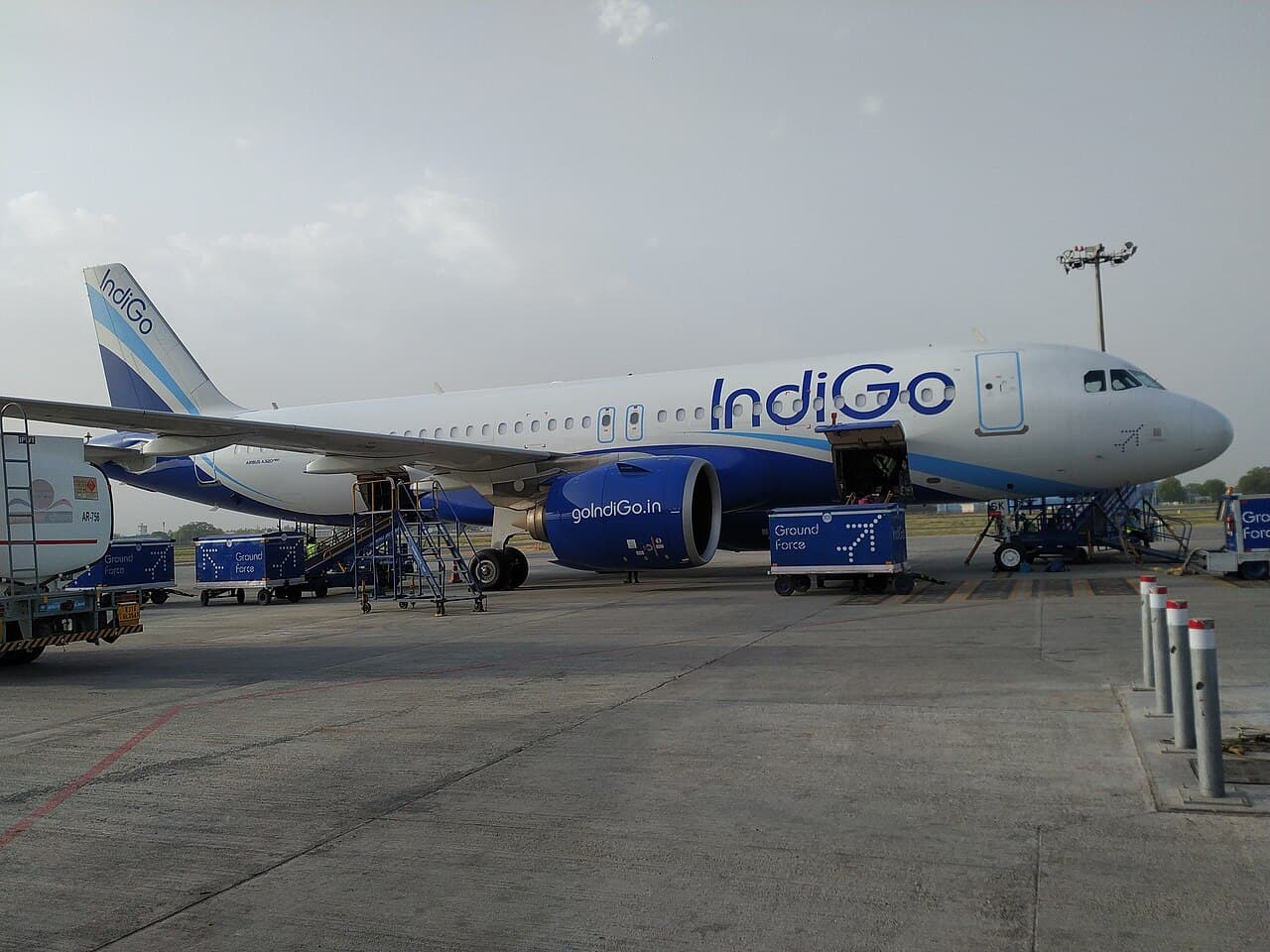
Frontier Airlines First US ULCC to Install Starlink WiFi Starting 2027
Frontier Airlines has announced that it will introduce SpaceX's Starlink satellite internet across its fleet, becoming the first ultra-low-cost carrier ( ULCC ) in the United States to commit to the high-speed connectivity platform. Installations are expected to begin in early 2027, marking a major shift for an airline that has never previously offered onboard WiFi. The move also aligns Frontier with a growing list of airlines embracing Starlink as the industry's preferred inflight connectivity solution.
Frontier Airlines to Launch Starlink Wifi Fleetwide, Surpassing Delta's Connectivity Offering
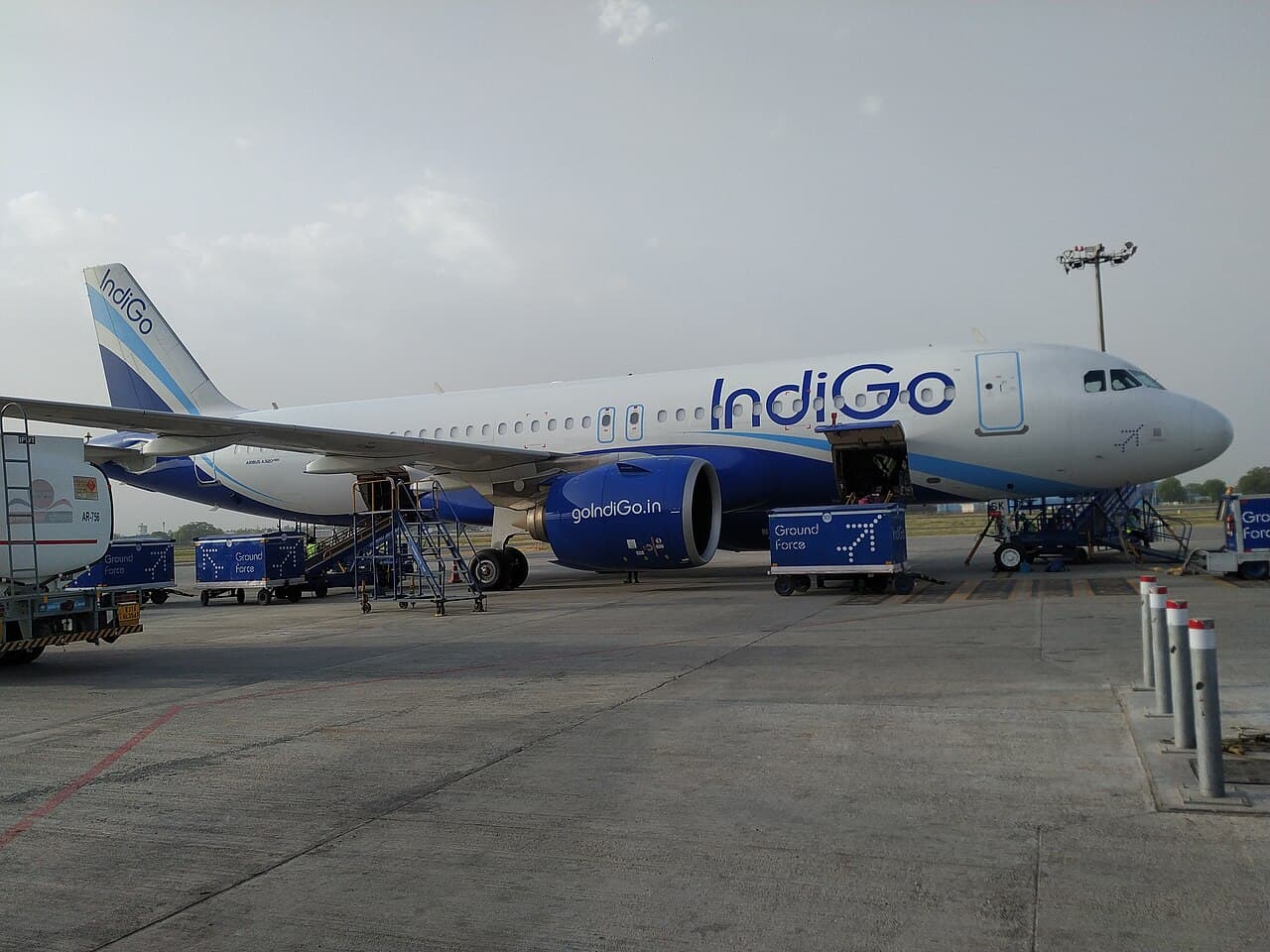
Frontier will begin installing Starlink across its entire fleet next year, transforming from an airline with no Wi-Fi into one offering the best gate-to-gate connectivity in the sky. That puts it years ahead of Delta, which won't begin installing Amazon Leo until 2028—and initially plans to equip only half its fleet.
Garuda Indonesia named head of new state-owned airline holding company
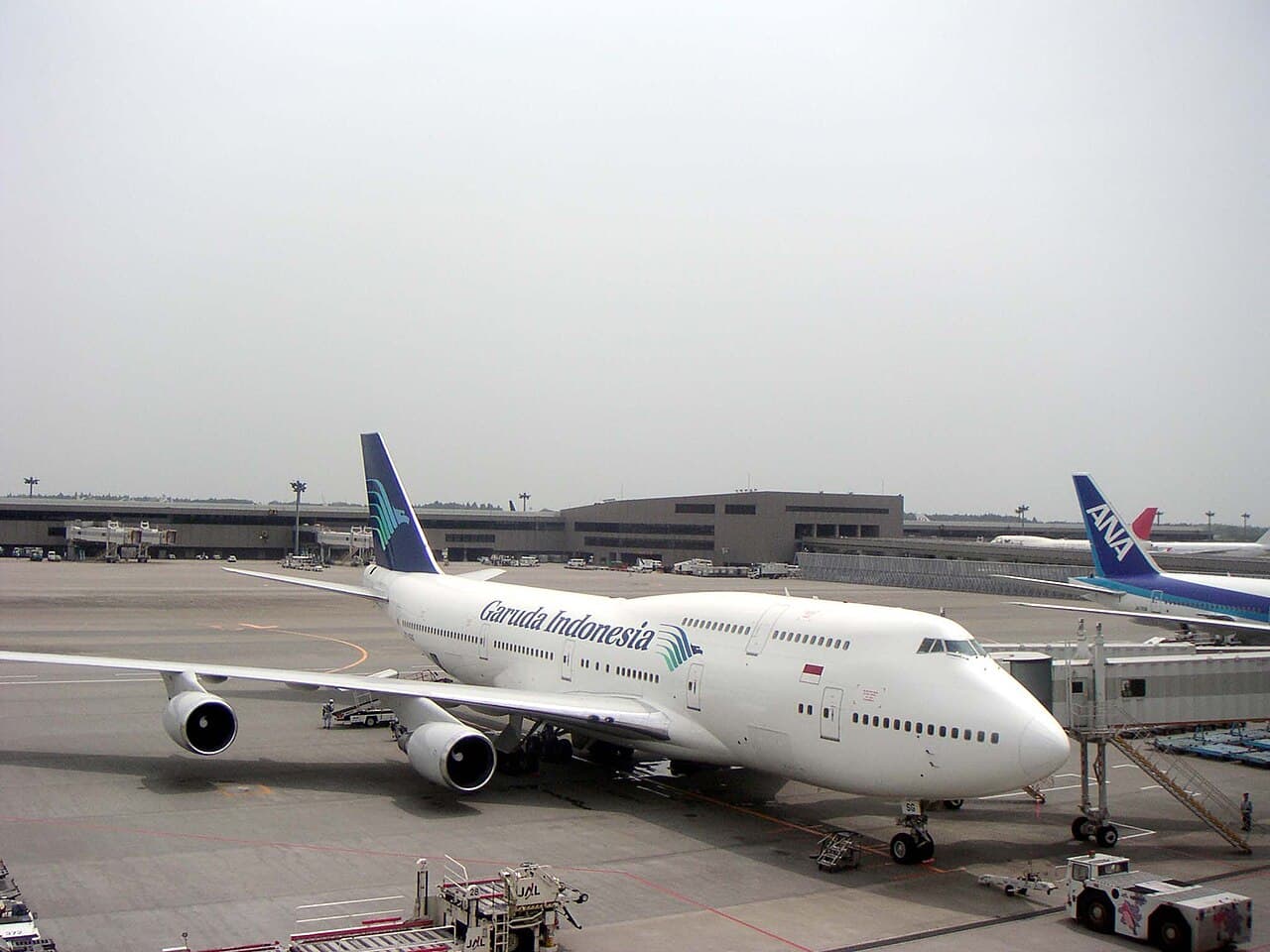
Indonesia’s government is advancing a major consolidation of its state-owned airlines, naming flag carrier Garuda Indonesia as the parent company of a new aviation holding group. ezstandalone.cmd.push(function () { ezstandalone.showAds(119); }); Pelita Air Service will integrate into the Garuda Group under this restructuring, driven by sovereign wealth fund Danantara and the State-Owned Enterprises Agency (BP BUMN). Announced on July 24, 2026, the move follows earlier plans to form the holding by mid-2026. It brings together Garuda Indonesia, its low-cost subsidiary Citilink, and Pelita Air—previously under Pertamina—into a unified structure. ezstandalone.cmd.push(function () { ezstandalone.showAds(127); }); Danantara COO and BP BUMN head Dony Oskaria confirmed the strategy after meeting with Pelita Air’s leadership. Why Consolidation Matters Indonesia’s aviation sector faces intense competition and operational challenges. Garuda has dealt with financial losses, grounded aircraft, and the need for fleet reactivation despite capital injections from Danantara. ezstandalone.cmd.push(function () { ezstandalone.showAds(128); }); By creating a single holding company, the government aims to eliminate internal rivalry, optimize resources, and build a stronger national champion. Key benefits include improved operational efficiency, better network planning, and greater synergies across the group. Fleet utilization should rise as carriers share aircraft on high-demand routes. A unified booking system, shared loyalty programs, and seamless seat adjustments will enhance the passenger experience. ezstandalone.cmd.push(function () { ezstandalone.showAds(129); }); Officials expect the structure to reduce costs, capture more market share, and help address ongoing financial pressures without immediately adding new planes. This aligns with broader BUMN reforms that seek to streamline subsidiaries and focus on core sectors. Focus on Service Upgrades The restructuring extends beyond the corporate changes. BP BUMN and Danantara are pushing comprehensive service improvements across the entire passenger journey: Pre-flight: Integrated ticketing systems and upgraded airport lounges. In-flight: Enhanced cabin products, better catering, and improved crew service. Post-flight: Strengthened loyalty programs and overall customer support. Workforce: Investment in staff development and training. ezstandalone.cmd.push(function () { ezstandalone.showAds(130); }); These enhancements aim to position the Garuda Group as Indonesia’s preferred airline while boosting its regional competitiveness. The group will maintain distinct branding—full-service for Garuda, low-cost for Citilink, and specialized operations for Pelita—while sharing back-end efficiencies. Aldo Bidini (GFDL 1.2 or GFDL 1.2), via Wikimedia Commons Background and Outlook Garuda Indonesia, founded in 1949, serves as the country’s flag carrier with both domestic and international routes. Citilink targets the growing budget segment, while Pelita Air has focused on charter and regional services. Combining them under one holding addresses long-standing issues like overlapping routes and fragmented operations. ezstandalone.cmd.push(function () { ezstandalone.showAds(131); }); Industry observers see this as a positive step for Indonesia’s vast archipelago, where air travel is vital for connectivity. Successful implementation could improve profitability, modernize services, and support tourism and economic growth. However, challenges remain, including fleet reactivation, cost control, and maintaining high safety and service standards. The government targets full integration soon, building on prior capital support and transformation efforts. ezstandalone.cmd.push(function () { ezstandalone.showAds(132); }); If executed well, the Garuda-led holding could create a more resilient, customer-focused aviation powerhouse capable of competing with regional rivals. This consolidation marks a significant chapter in Indonesia’s aviation history, signalling strong commitment to a unified, efficient, and competitive state-owned airline sector.
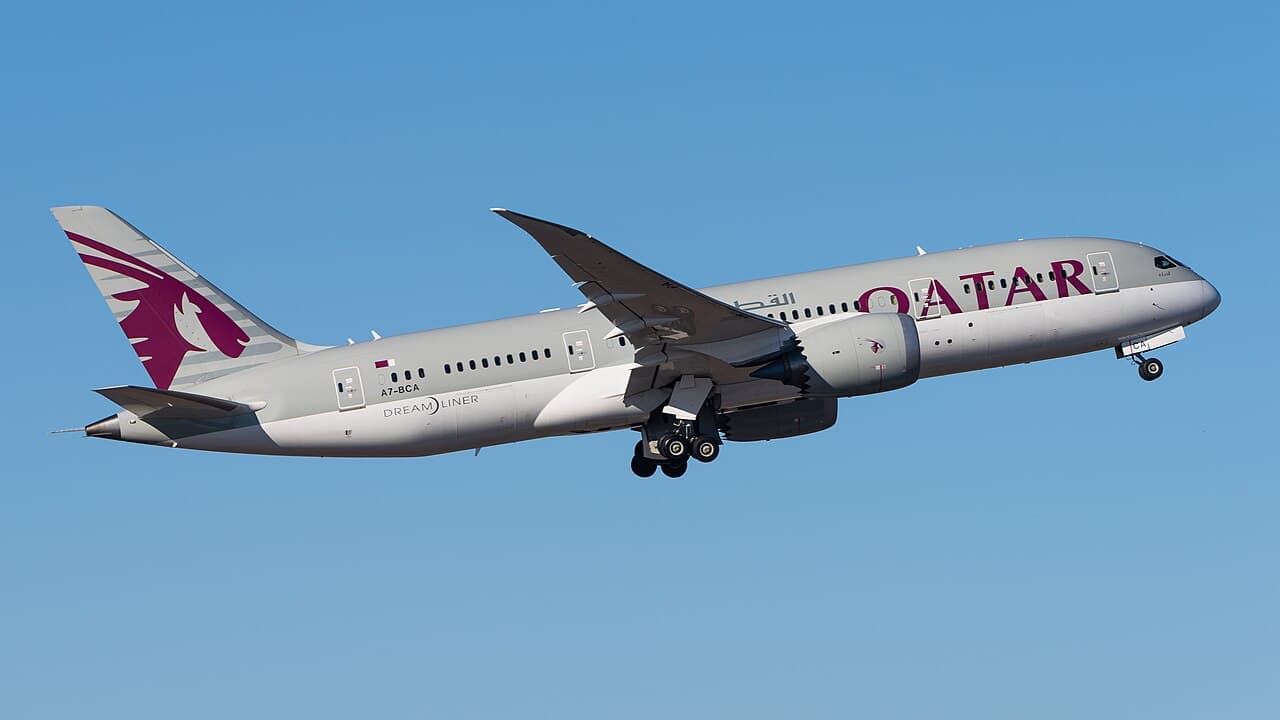
Rolls-Royce Applies A330neo Engine Tech to Fix Boeing 787's Trent 1000 Issues
In an ironic twist of fate, the Boeing 787 Dreamliner foiled the market debut of the Airbus A330neo, yet in 2022, new turbine parts made for the European widebody finally resolved long-running engine trouble in the 787. The American-made next-gen jetliner caught Airbus off guard when it officially launched in 2004. But the engines on the facelifted Airbus have proven to be more reliable over the years. The Rolls-Royce Trent 7000 engines on the A330neo have logged over 1 million continuous engine flying hours with zero in-flight disruptions and nearly 100% dispatch reliability.
The Daily Touch & Go
The day's best aviation news in your inbox. Free, no spam.