

Image: Julian Herzog ( Website ) · CC BY 4.0 · via Wikimedia Commons
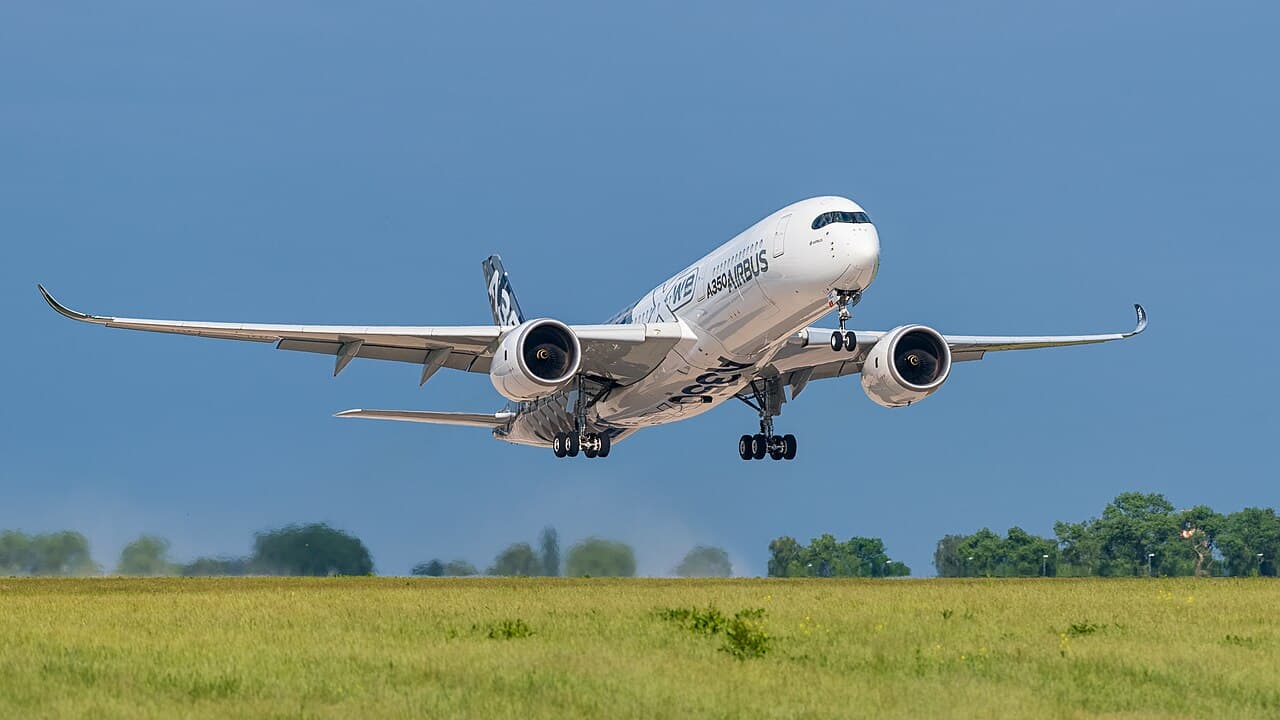
Airbus A350-1000ULR embarks on nonstop Toulouse to Melbourne test flight
The Airbus A350-1000ULR designed for Qantas's Project Sunrise has taken off from Toulouse for a key ultra-long range flight to Melbourne, testing systems including its aft fuel tank ahead of commercial launch.
The gist
Airbus’s new A350-1000ULR departs Toulouse for nearly 22-hour nonstop test flight to Melbourne, validating design for ultra-long Project Sunrise routes.
Continuing coverage
All Airbus →- Airbus to upgrade A321neo with A321XLR wing design and single-slotted flaps
- Airbus Drives A220 Growth With Production Ramp-Up and Global Footprint Expansion
- Lufthansa debuts its first Airbus A350-1000 adorned with centennial anniversary livery
- Lufthansa Readies First Airbus A350-1000 in Special 100th Anniversary Livery
- Airbus Veteran Jean-Brice Dumont Named New CEO of European Missile Maker MBDA
Airbus has launched an important milestone for its ultra-long range A350-1000ULR aircraft, as the first example of this variant departed Toulouse-Blagnac Airport around 07:34 local time on 23 July for a nonstop test flight to Melbourne, Australia. This marks a critical step in certifying the jet's capability to serve Qantas's ambitious Project Sunrise routes, aimed at connecting Sydney and London nonstop over durations approaching 22 hours.
The A350-1000ULR is a twin-engine jet powered by Rolls-Royce Trent XWB engines and uniquely equipped with a specially developed 20,000-litre aft centre fuel tank. This key modification allows the aircraft to carry significantly more fuel, extending its range beyond the standard A350-1000. The test aircraft on this flight, with manufacturer serial number MSN707, is distinct from the A350-1000ULR units Qantas will eventually operate, as the airline's initial delivery will be MSN814 among a total order of 12.
The crew onboard this historic test flight numbers nine, tasked with putting the aircraft's systems through their paces over the ultra-long haul. Airbus has indicated the flight duration will likely approach 22 hours, matching the anticipated commercial flight time for the Sydney-London service. This nonstop journey offers real-world data to validate systems such as fuel management, structural integrity, and crew operational requirements over extended durations.
Airbus’s ultra-long range iteration of the A350-1000 was first introduced with its maiden flight on 2 June earlier this year. Since then, the manufacturer has been conducting a rigorous 75-80 hour flight test certification program. This flight to Melbourne is a hallmark event within that campaign, demonstrating the aircraft's ability to safely undertake routes substantially longer than typical long-haul sectors.
Qantas's Project Sunrise aims to revolutionize global air travel by enabling the world's longest commercial flights without stops. The ability to fly nonstop between Sydney and London with a 238-seat A350-1000ULR underscores the airline's strategic investment in ultra-long haul capability and passenger comfort over unprecedented distances. The airline’s careful selection of this aircraft variant reflects both technical requirements and market positioning for future route expansion starting in October of the following year.
The significance of this test flight lies in the operational and certification benchmarks it helps establish. Prior to revenue service launch, regulatory authorities will require comprehensive data proving the aircraft’s capacity to cope with extended flight durations, including fuel system performance, crew duty cycles, and onboard safety measures. Airbus and Qantas’s collaboration on this program is critical to meet such standards within the project's tight timelines.
Beyond the technical aspects, the A350-1000ULR represents a strategic push in aviation towards ultra-long range, fuel-efficient travel, responding to evolving passenger demand and competitive pressures. Its success could reshape airline route networks and challenge traditional hub-and-spoke models by enabling more point-to-point nonstop services across hemispheres.
As the aircraft continues its test campaign, Qantas plans to receive its first operational A350-1000ULR later this year, well in advance of Project Sunrise's commercial roll-out. Monitoring the outcomes of this inaugural nonstop flight from Toulouse to Melbourne will provide essential insights into the aircraft's readiness and inform final preparations for what promises to be a pioneering chapter in long-haul aviation.
Frequently asked questions
- What is the purpose of the A350-1000ULR test flight from Toulouse to Melbourne?
- The test flight is part of a certification campaign to validate the A350-1000ULR’s ultra-long range capabilities, including its fuel system and operational endurance, ahead of Qantas’s Project Sunrise commercial launch.
- How does the A350-1000ULR differ from the standard A350-1000 model?
- The A350-1000ULR features a specially designed 20,000-litre aft centre fuel tank which increases its fuel capacity, enabling nonstop flights of up to 22 hours, such as the Sydney-London route planned by Qantas.
- When did Airbus conduct the first flight of the A350-1000ULR and how many has Qantas ordered?
- Airbus flew the A350-1000ULR for the first time on 2 June 2026, and Qantas has ordered 12 of the type for its Project Sunrise routes.
Read more
All Regulatory →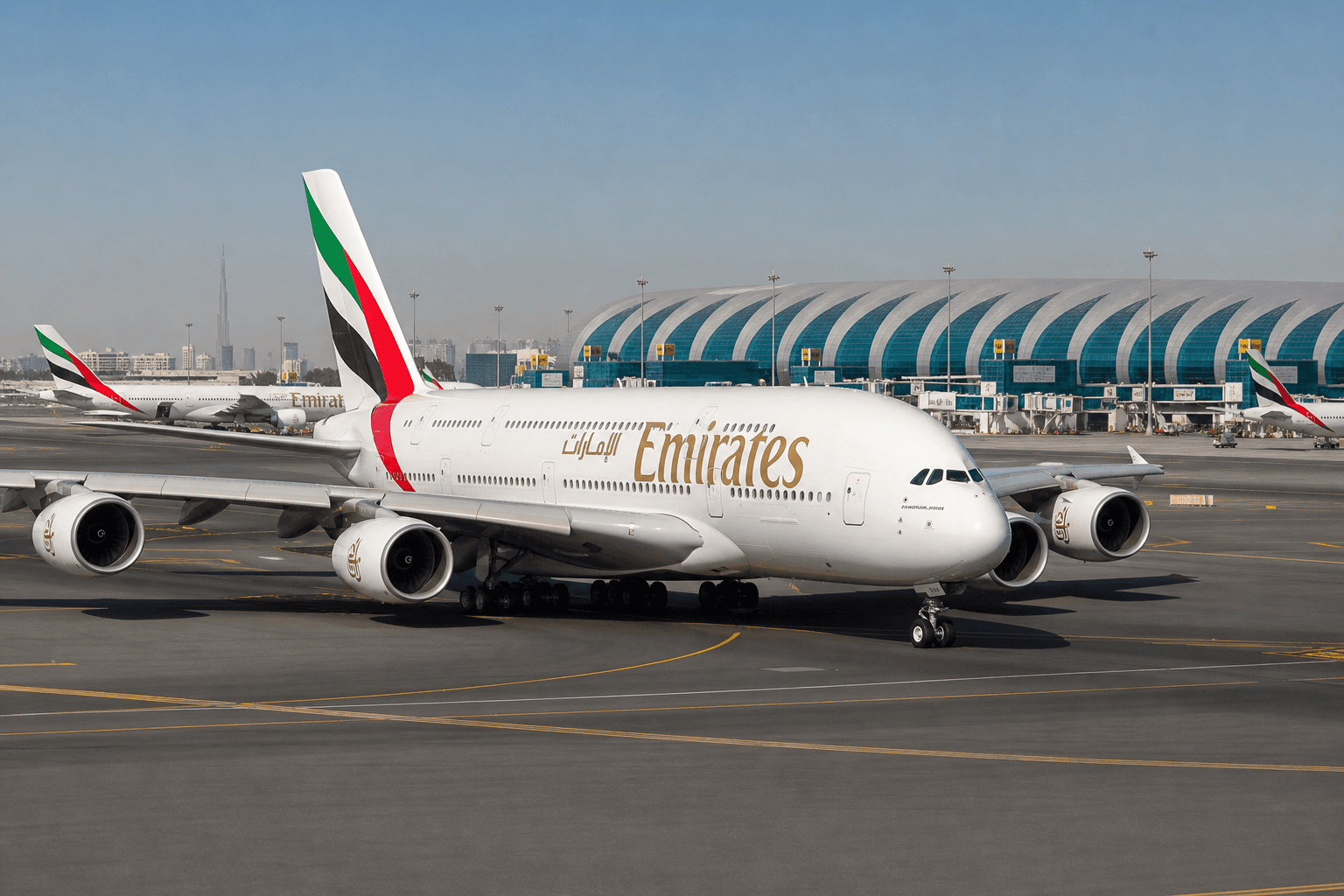
The 7 Longest Airbus A380 Flights Between the US and Global Hubs in 2026
There are two major characteristics that define the mission role of the Airbus A380 . First, the aircraft is famous for featuring a full-length upper deck for seating, allowing it to seat between 450 and 550 passengers in most airline configurations, although it is certified to carry up to 853 passengers. Second, the A380 has a range of nearly 8,000 NM (15,000 km), meaning that it has true ultra-long-haul capability.
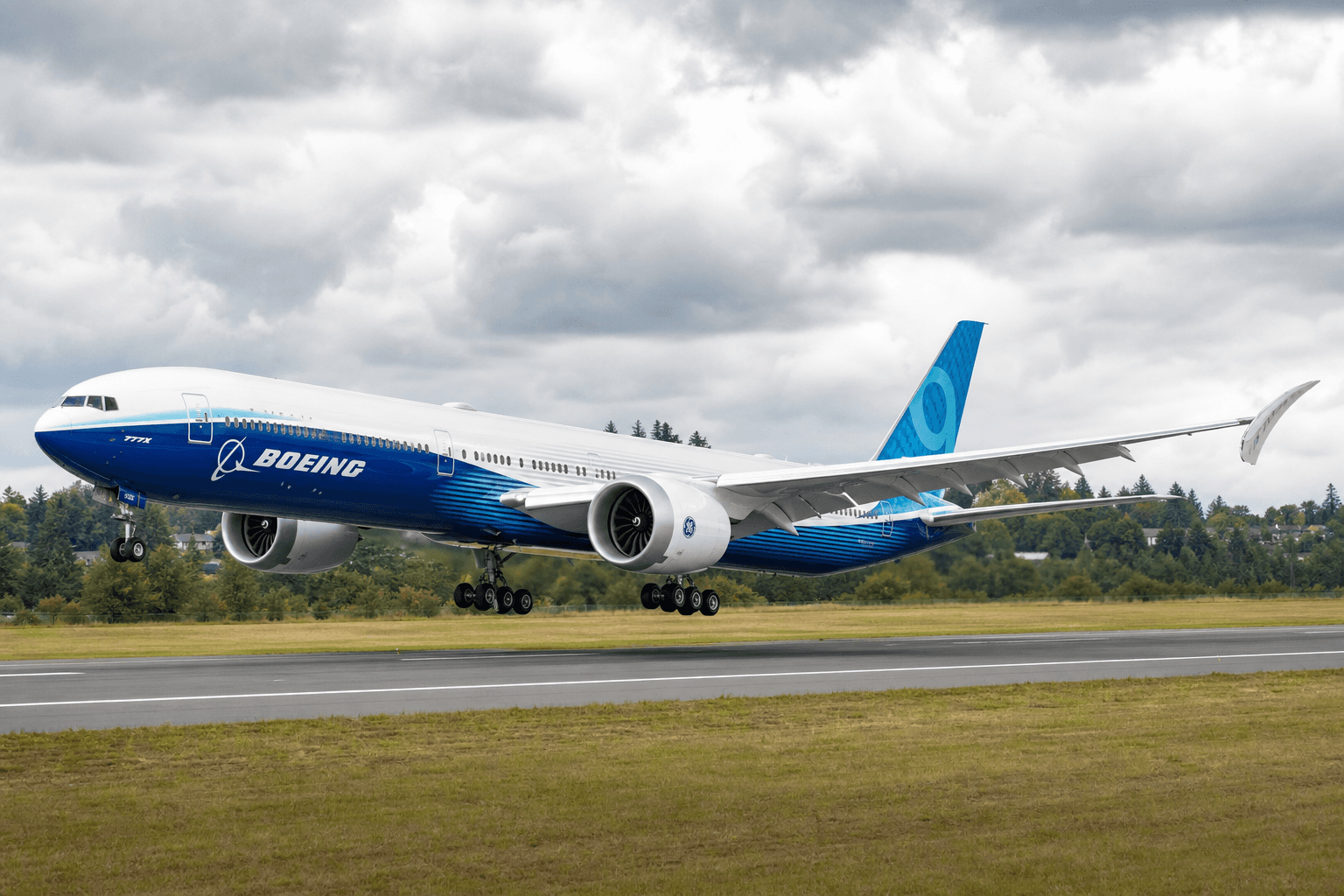
Boeing 777X Delays Cost Exceed Entire Airbus A350 Development
Few commercial aircraft programs have experienced a certification journey as prolonged as the Boeing 777X . Originally expected to enter airline service in 2020, the latest member of the 777 family is now scheduled to arrive in 2027, representing a delay of roughly seven years.
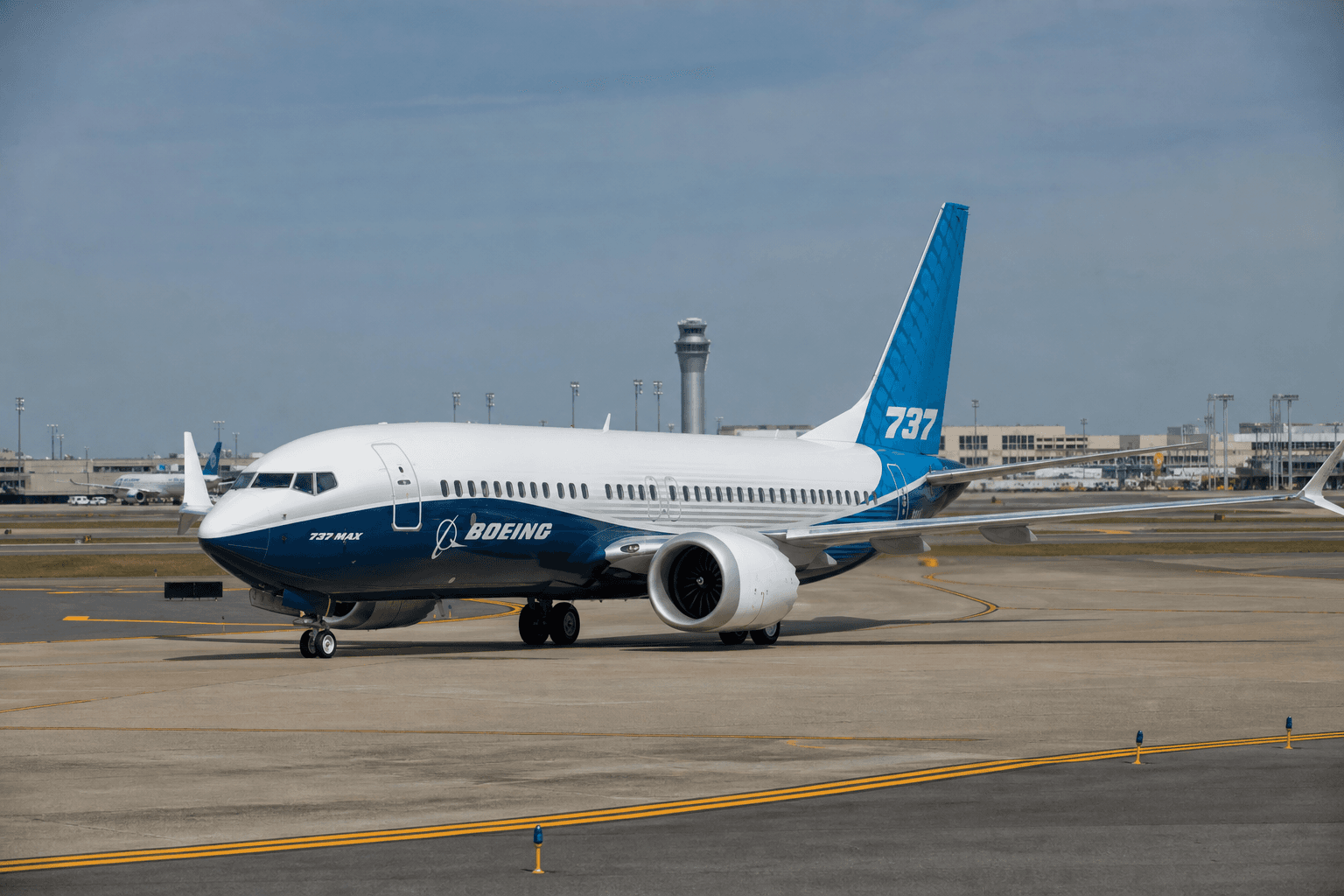
FAA Signals Imminent Certification for Boeing 737 MAX 7, MAX 10, and 777X Jets
Reuters spoke with the Deputy Administrator of the Federal Aviation Administration, Chris Rocheleau, on the opening day of the Farnborough Airshow, about the expected certification of Boeing's single-aisle 737 MAX 7, MAX 10, and widebody 777X . He commented that the agency expects all three to be certified in the near future.
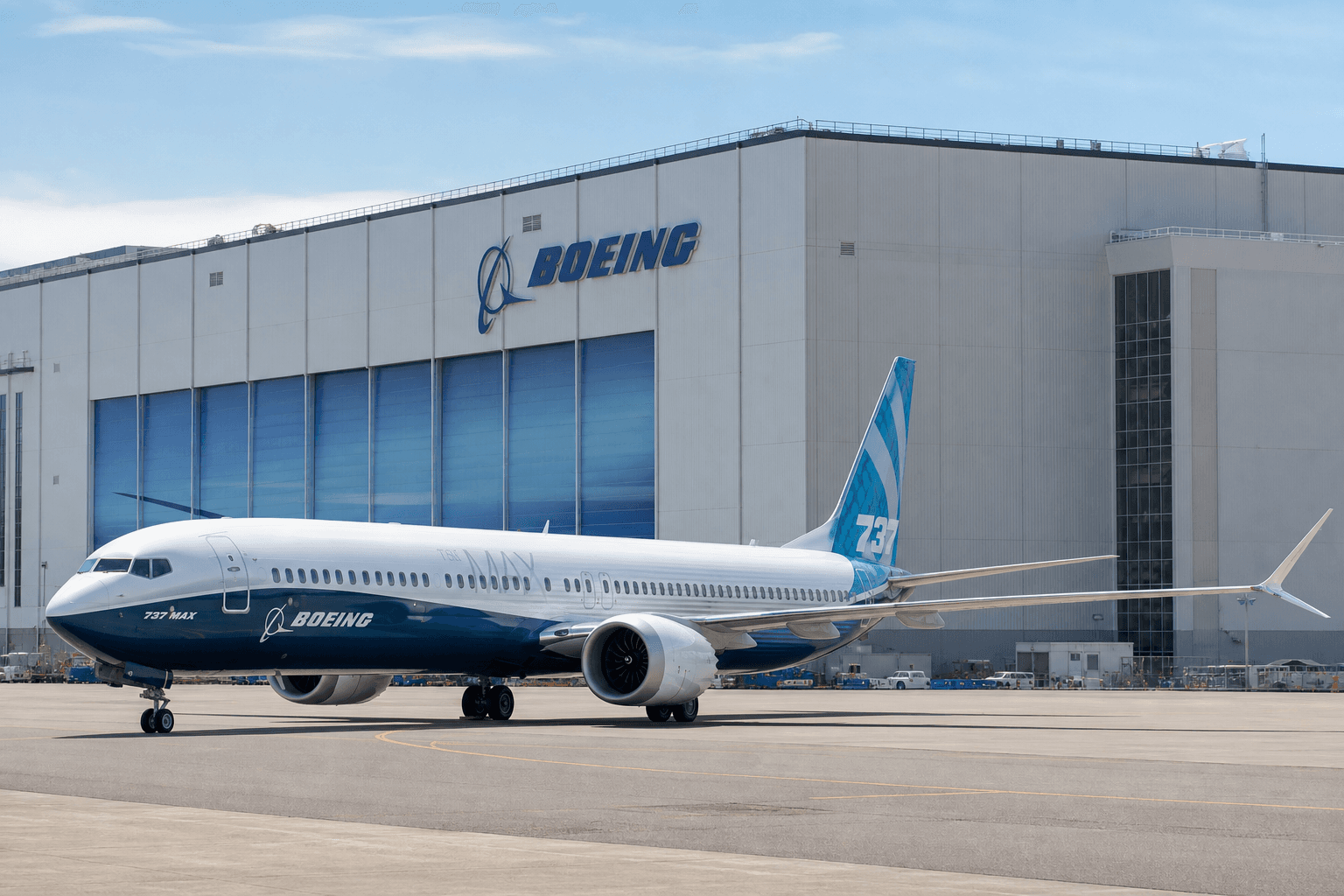
Boeing Plans New Clean-Sheet Jet After Completing 737 MAX and 777X Certification
Boeing Chief Executive Officer Kelly Ortberg told the Financial Times that his company will be ready to fund its first 'clean sheet' plane program in two decades by 2030. He expressed confidence that the final certification of the remaining 737 MAX variants and 777X widebody will bring the financial stability to launch its next all-new airliner design program.
The Daily Touch & Go
The day's best aviation news in your inbox. Free, no spam.