

Image: Peter Haas · CC BY-SA 3.0 · via Wikimedia Commons
United Airlines Expands Ski Destination Network with New Boston-Jackson Hole Route
United Airlines announces six-week nonstop service from Boston to Jackson Hole using Boeing 737-700, strengthening its position as a key player in U.S. ski travel markets.
The gist
United Airlines deepens its ski destination portfolio by launching limited Boston-Jackson Hole flights next winter, cementing its role as a dominant ski-country carrier.
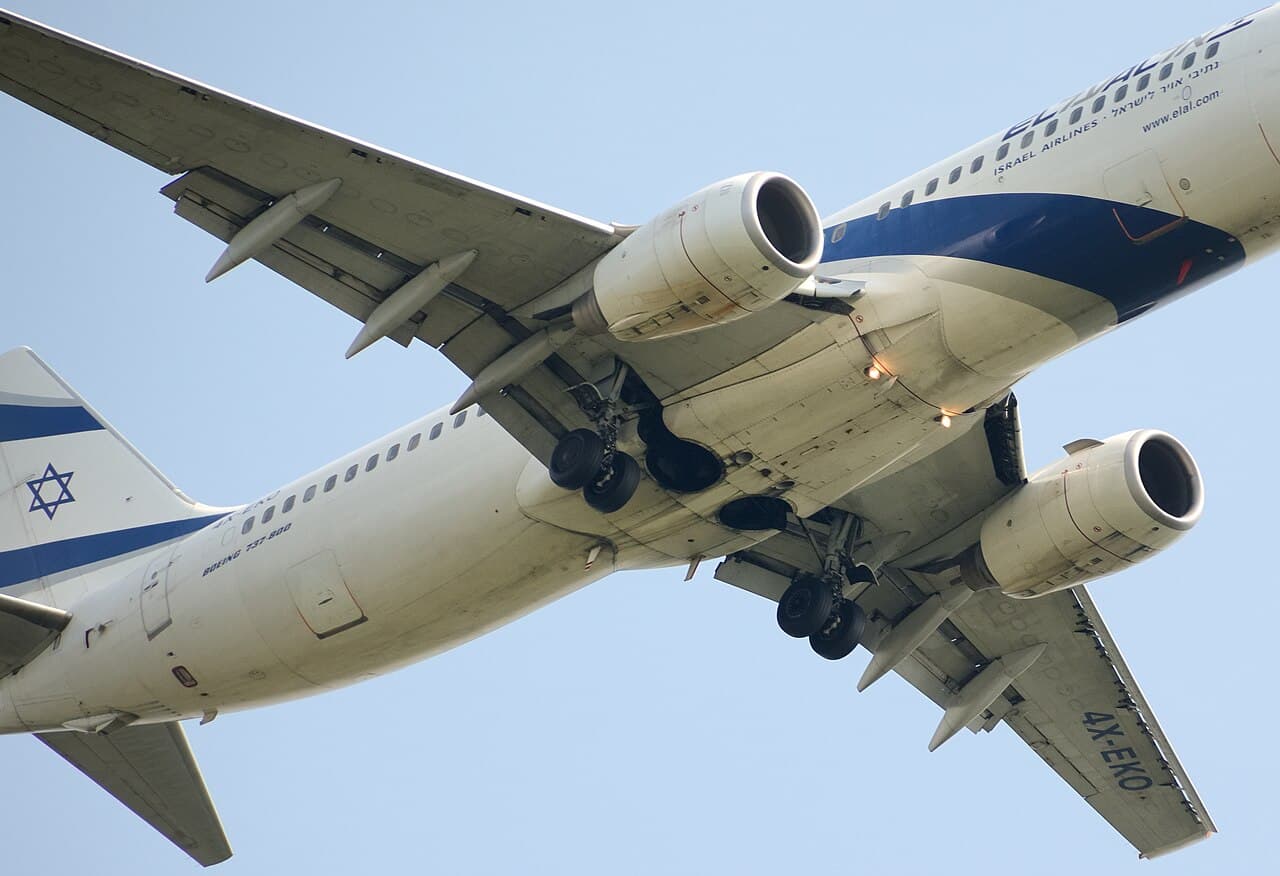
United Airlines is set to introduce a new nonstop service connecting Boston Logan International Airport and Jackson Hole Airport for the upcoming winter season. Operating six Saturdays from February 13 to March 20, 2027, this route will be served by a 126-seat Boeing 737-700 aircraft. This addition is notable as United traditionally rarely operates point-to-point flights that bypass its major hubs, marking a strategic expansion into the premium ski travel market.
This move aligns with a broader trend where United has emerged as a leading U.S. airline for ski-bound passengers, expanding far beyond typical western hubs such as Denver and Salt Lake City. United’s network now encompasses 60 routes across seven origin cities serving 15 mountain destinations during peak ski months. These cities include hubs like Denver, Newark Liberty, Washington Dulles, Houston Bush, Chicago O'Hare and San Francisco, enabling nationwide connectivity to ski gateways.
Data shared by aviation analysts reveal that United’s market share of February seats at 13 primary ski airport destinations rose from around 43% in 2019 to a similar level in 2026, maintaining a dominant position despite overall market growth. Meanwhile, competitors Delta and American Airlines have seen declines or stagnation in their share. United’s substantial seat share advantage reflects its focused investment in ski travel, which includes a blend of increased frequencies and deploying larger aircraft to these resorts.
United’s dominant ski network includes airports such as Aspen, Bozeman, Vail, Steamboat Springs, Jackson Hole, and other prominent ski destinations. The airline’s approach combines its broad hub system with direct routes from multiple origin cities, offering ski travelers greater convenience and choice. Strategic expansions like the Boston to Jackson Hole route help United tap into the lucrative east-coast ski traveler segment, a market less commonly served by direct flights to western resorts.
The operational data indicates that United’s ski destination capacity grew significantly not only by increasing the number of departures but also by upgaging the aircraft type. Between 2019 and 2026, inbound seats to the group of key ski airports grew by over 65%, with departures rising 27%, while the average seats per departure increased by 30%. This balanced growth strategy of network expansion and larger aircraft deployment supports both capacity and profitability on seasonal ski routes.
United’s strategic focus on ski markets is part of a larger network growth plan introduced by Scott Kirby upon becoming United’s president in 2016. Kirby identified the importance of increasing local market share and frequency to enhance the airline’s competitive position and loyalty program value. His blueprint involved reversing previous capacity retrenchments, upgrading regional jets to larger aircraft, and rebuilding the domestic network with targeted capacity growth, notably in premium leisure segments such as ski destinations.
Kirby’s network strategy leverages stronger local presence to drive greater co-branded credit card usage and customer loyalty, especially among premium leisure travelers who frequently redeem miles for ski trips. United’s ski route expansions exemplify this by connecting desirable resort destinations with major population centers that are sources of high-value customers, integrating route planning with the airline’s broader loyalty and revenue objectives.
Comparative analysis shows that United’s competitors have not matched its breadth of ski service. Delta’s ski network remains largely hub-and-spoke centered on Salt Lake City with extensions from Atlanta and Minneapolis, while American has retracted from some major hubs like Los Angeles and Chicago, losing local share in top markets. United’s continued investment and strategic routing maintain a competitive edge, as evidenced by its sustained or growing market share on critical ski airport corridors.
The Boston-Jackson Hole route reflects United’s ongoing commitment to serving premium seasonal markets with direct flights from populous, high-yield origins. This initiative, though small in scale, illustrates United’s tactical use of its hub-and-spoke system combined with point-to-point extensions to capture seasonal demand. The airline’s approach underscores how targeted, data-driven network planning can reinforce market leadership in specialized travel segments.
Frequently asked questions
- What new service is United Airlines launching for the winter season?
- United Airlines is launching a nonstop Boston to Jackson Hole route operating six Saturdays from February 13 to March 20, 2027, using a Boeing 737-700.
- How does United’s ski network compare to other U.S. airlines?
- United has the broadest ski network with 60 routes from seven cities to 15 mountain destinations, holding about 43% of the market share at 13 key ski airports, exceeding competitors like Delta and American.
- What strategy has driven United's growth in ski destination markets?
- United’s strategy, led by Scott Kirby since 2016, focuses on expanding local market share, increasing flight frequency, upgauging aircraft size, and targeting premium leisure travel like ski destinations to boost loyalty and revenue.
Read more
All Airlines →![Allegiant Air's Massive Expansion: 7 New Routes Announced [Map]](/_next/image?url=https%3A%2F%2Favoibnodqwjxlpbhunuu.supabase.co%2Fstorage%2Fv1%2Fobject%2Fpublic%2Fstory-images%2Fai%2Fallegiant-air-s-massive-expansion-7-new-routes-announced-map-3eebce68.png&w=3840&q=75)
Allegiant Air Announces Seven New East Coast to Florida Routes
United States ultra-low-cost carrier Allegiant Air is set to expand its network with seven new routes, all of which will connect cities on the US East Coast. All of these flights are to destinations in Florida, as suggested by insider Ishrion Aviation on X .
Frontier Airlines Expands International Routes Amid Global Challenges
Top airline news stories for August 15, 2026 (click the link for the full details): Frontier Airlines expands its international routes Economic challenges at Nepal Airlines Hawaiian Airlines prepares for Tropical Storm Lala Air Seoul prepares for its merger Capital Airlines to return to Vancouver Phoenix ATC controller notices two American flights with the same […]
![[110K Offer Extended] United Made MileagePlus Worse Without A Credit Card — But This Business Version Is The Sweet Spot](/_next/image?url=https%3A%2F%2Favoibnodqwjxlpbhunuu.supabase.co%2Fstorage%2Fv1%2Fobject%2Fpublic%2Fstory-images%2Fai%2F110k-offer-extended-united-made-mileageplus-worse-without-a-credit-card-but-this-b79c302e.png&w=3840&q=75)
United MileagePlus Program Now Requires Credit Card for Full Benefits, Business Card Offer Extended
United has made MileagePlus far more valuable for credit cardholders, with faster earning, cheaper awards, and better access to premium inventory. The United Business Card now looks like the sweet spot, especially with its extended offer of up to 110,000 miles.
Global airlines announce fleet expansion and new routes in August 2026
Top airline news stories for August 11, 2026 (click the link for the full details): airBaltic to reorganize Breeze Airways expands internationally Trinitiy Airways is born Pegasus Airlines expands in Europe with a major acquisition Riyadh Air expands in Asia American Airlines restores a seasonal route to South America Volaris adds 8 new routes
The Daily Touch & Go
The day's best aviation news in your inbox. Free, no spam.