

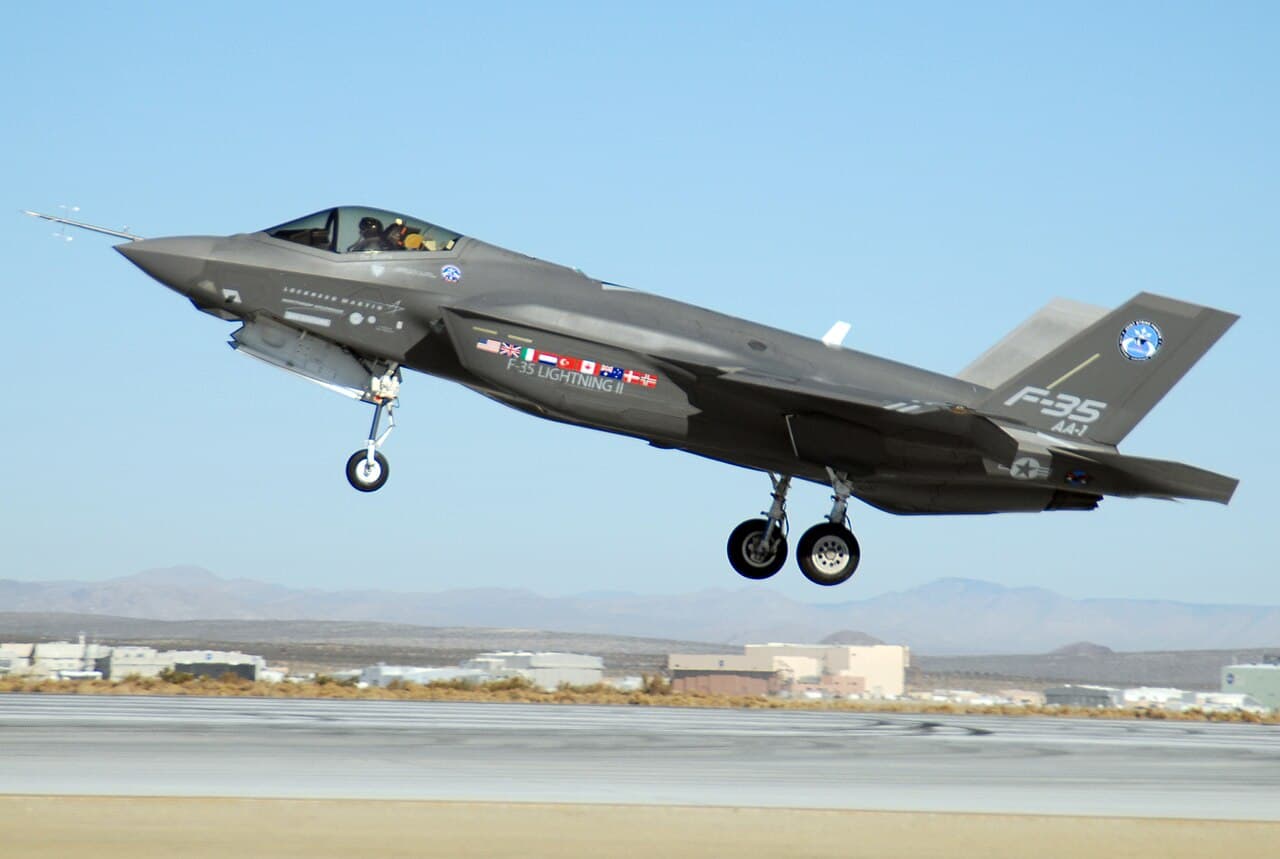
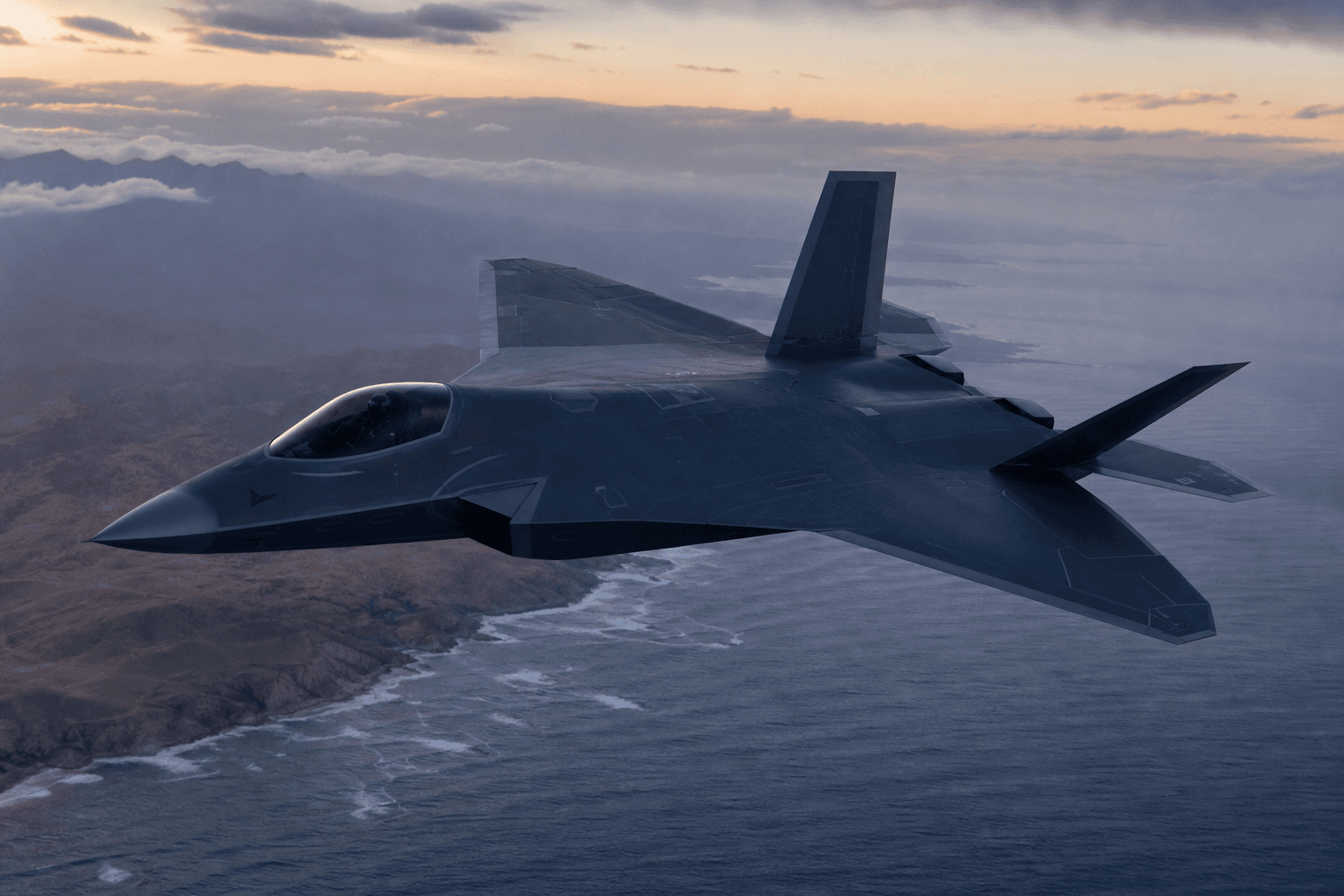
Image: U.S. Air Force photo/Senior Airman Julius Delos Reyes · Public domain · via Wikimedia Commons
Davis-Monthan Air Force Base Ends Five Decades of A-10 Pilot Training as Focus Shifts to F-35
After 50 years, Davis-Monthan AFB graduated its final A-10 Thunderbolt II pilots in April 2026, marking the end of an era as the base transitions to F-35 operations and reshapes its missions.
The gist
Davis-Monthan AFB closed its A-10 training pipeline in April 2026 after 50 years, pivoting to F-35 fighter operations and combat search and rescue roles.
Continuing coverage
All F-35 →- World's Stealth Fighter Landscape in 2026 Divided Between F-35 Allies and Sino-Russian Blocks
- Multiple Drones Breach Restricted Airspace Over Australia's RAAF Base Williamtown
- Multiple unknown drones breach restricted airspace at Australian F-35 base
- UK delays delivery of expanded F-35 fleet until early 2030s amid strategic and logistical challenges
- US Controls All F-35 Mission Data Updates, Grounding Allied Squadron Autonomy
In April 2026, the United States Air Force concluded the training program at Davis-Monthan Air Force Base responsible for producing every A-10 Thunderbolt II pilot since the aircraft's introduction. The 357th Fighter Squadron graduated its last group of A-10 pilots, signaling a pivotal transition point for both the airframe and its home base, which is also famously known as the Air Force's aircraft boneyard.
The closing chapter for the A-10 training program coincided with a high-stakes combat search and rescue (CSAR) operation in the Persian Gulf region. During this operation, an A-10 providing escort duties came under enemy fire over Iranian territory but continued engaging hostile forces, ultimately aiding in the rescue of a downed F-15E pilot before its own pilot was forced to eject safely over Kuwait. This event underscored the aircraft’s enduring battlefield resilience despite its aging design.
Despite the hard-earned reputation and recent operational proof of its utility, the Air Force has extended the A-10’s retirement to 2030 or beyond, recognizing its ongoing relevance while acknowledging significant limitations. The Thunderbolt II fleet’s average airframe age now exceeds 43 years, with technologies dating back to the early 1970s. Modernization challenges make it inadequate for future conflicts involving peer adversaries equipped with sophisticated integrated air-defense systems.
As the era of the A-10 winds down at Davis-Monthan, the base is preparing to embrace the Lockheed Martin F-35 Lightning II. Transitioning from a focus on the rugged, low-and-slow close air support role defined by the Warthog, Davis-Monthan Air Force Base is set to become a center of excellence for F-35 close air support and combat search and rescue missions, integrating advanced fifth-generation fighter capabilities.
The final batch of ten A-10 student pilots completed their mission qualification training by mid-March 2026 and graduated in early April, concluding 50 years of A-10 pilot production at Davis-Monthan. The aircraft’s official retirement there was marked on July 29 by a final two-ship flight led by senior commanders. Squadron leaders reflected on the emotional toll of shuttering a program that fostered decades of community, camaraderie, and combat experience.
Simultaneously, Davis-Monthan is evolving its force structure by welcoming units and personnel from other installations, expanding its CSAR mission, and incorporating new aircraft such as the L3Harris OA-1K Sky Raider II. This push toward a 'fast mover' and 'low and slow' combination of platforms aims to replicate and eventually surpass the A-10’s close air support capabilities with greater adaptability to modern threats.
The Air Force’s repeated attempts to retire the A-10 since 2015 have been met with Congressional resistance, reflecting the airframe’s unique operational role and strong support from both troops and veterans. Despite its heavy use and combat data supporting high mission capability rates, the A-10 has faced scrutiny over friendly-fire incidents tied to its outdated sensor suite and combat vulnerability.
Operational experience from recent conflicts has highlighted the A-10’s exceptional survivability and battlefield utility, as evidenced during Operation Epic Fury and the intense 2026 CSAR mission. Nonetheless, senior Air Force leaders stress that preparing for future conflicts with near-peer adversaries requires adopting platforms better equipped to counter sophisticated multi-domain threats. The financial savings from retiring the A-10 also form a pragmatic component of this strategic recalibration.
Frequently asked questions
- When did Davis-Monthan Air Force Base graduate its last A-10 pilots?
- The 357th Fighter Squadron at Davis-Monthan graduated its last class of A-10 Thunderbolt II pilots in April 2026, ending the base's five-decade-long training program.
- What aircraft is replacing the A-10's close air support role at Davis-Monthan?
- The Lockheed Martin F-35 Lightning II is stepping in to take over the close air support and combat search and rescue missions previously carried out by the A-10 at Davis-Monthan.
- Why is the A-10 being retired despite recent combat effectiveness?
- Although the A-10 proved its value in recent combat operations, its average airframe age, outdated technology, and vulnerability to modern integrated air-defense systems have driven the Air Force to phase it out in favor of more advanced platforms.
Read more
All Military/Defense →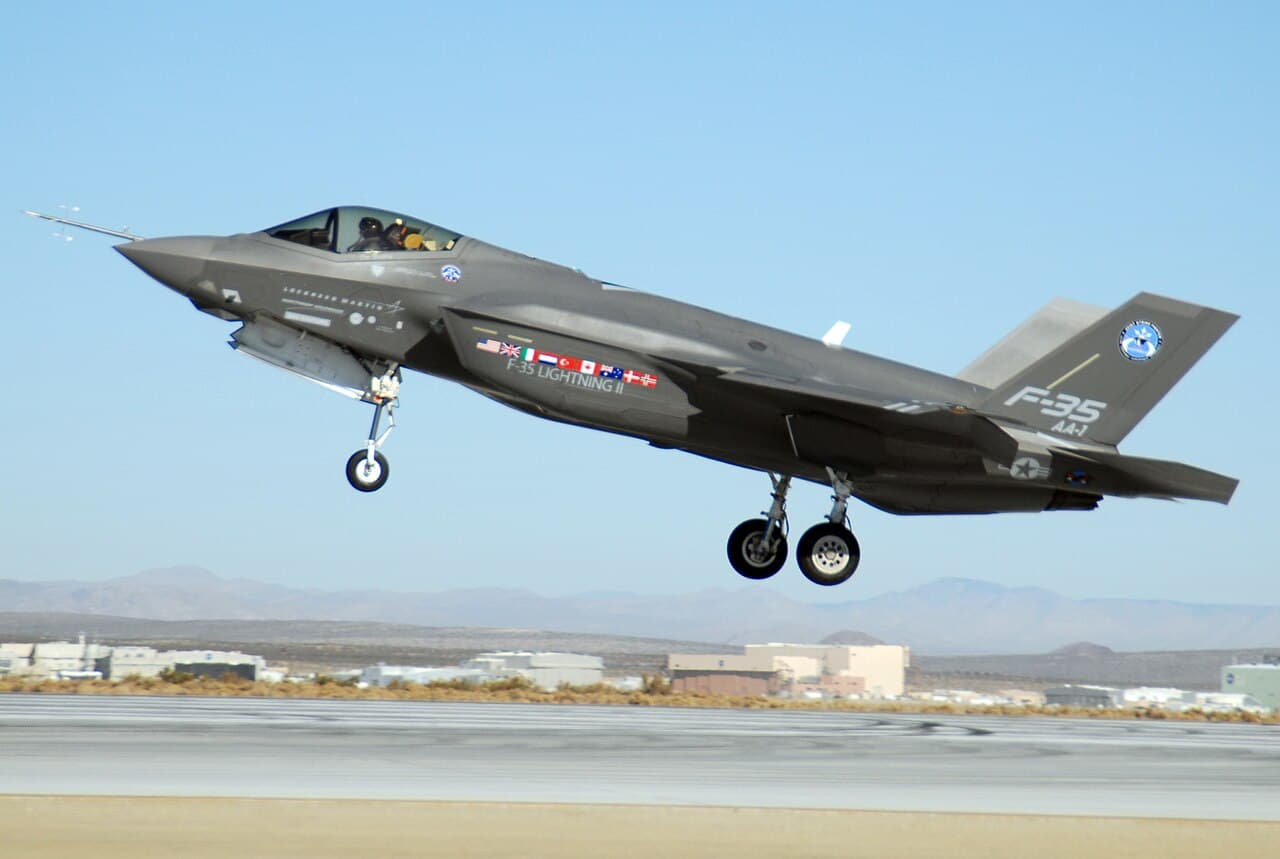
World's Stealth Fighter Landscape in 2026 Divided Between F-35 Allies and Sino-Russian Blocks
According to TheWorldData's 2026 F-35 statistics roundup , the global Lockheed Martin F-35 fleet has already passed 1,300 aircraft delivered across 17 or more nations, dwarfing every other stealth fighter program combined. Everyone else on Earth flying stealth fighter jets in 2026, such as China, Russia, and their allies, is flying something else entirely, built by a different country, sold under different rules, and answering to a different set of allies.
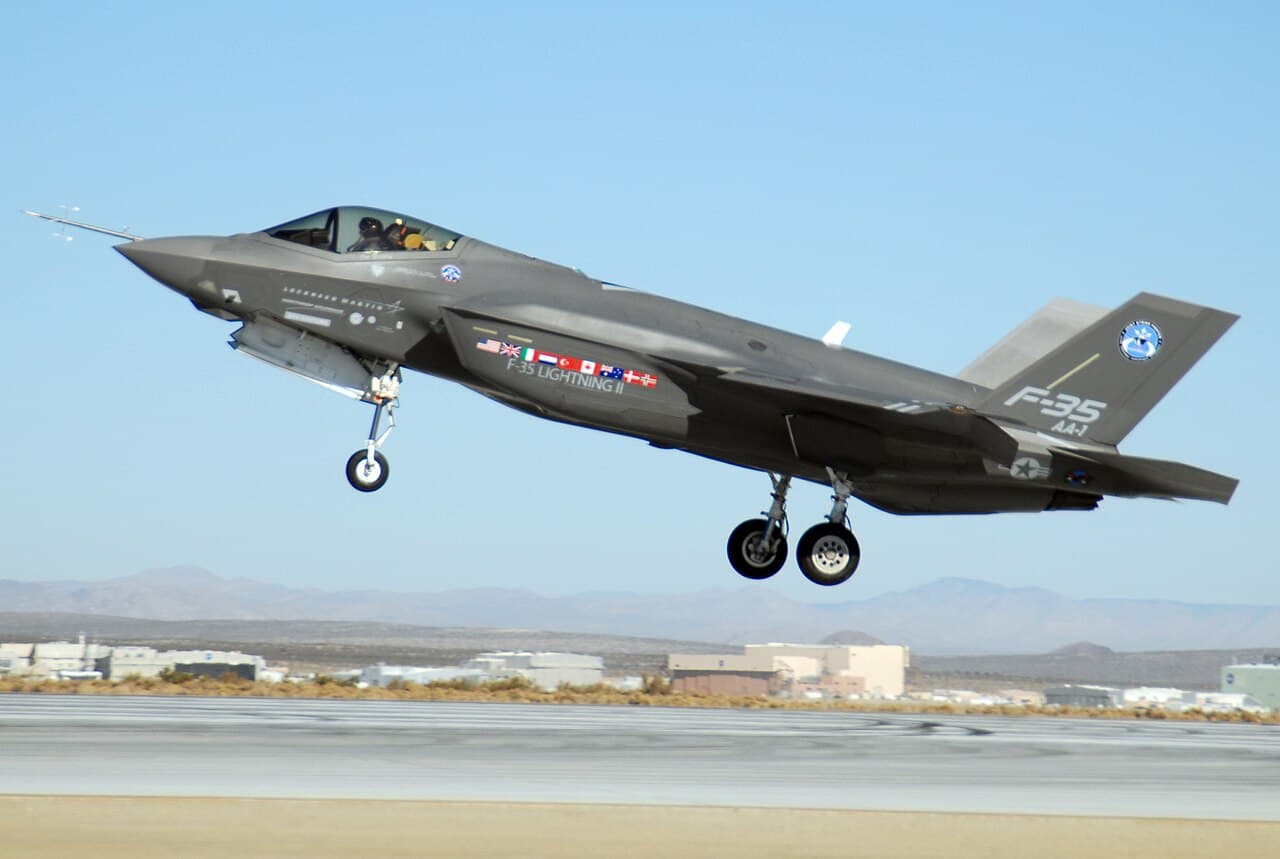
Multiple Drones Breach Restricted Airspace Over Australia's RAAF Base Williamtown
Multiple unidentified drones repeatedly entered restricted airspace around one of Australia's most sensitive military air bases recently, raising questions about how well the country can protect its F-35 fighters and other high-value aircraft from small unmanned aircraft. The drones were reported over RAAF Base Williamtown and neighboring Newcastle Airport in New South Wales between July 11 and 13, 2026, according to Australian media reports. Australia's Department of Defence has acknowledged the incidents, while Defence Industry Minister Pat Conroy said the broad reporting about the number of drones and the days they appeared was accurate. Authorities have not identified the operators or indicated why the drones were there. Williamtown, about 20 miles north of Newcastle, is Australia's main fighter training base and houses most of the Royal Australian Air Force's Lockheed Martin F-35A Lightning II fleet. The base also operates Boeing E-7A Wedgetail airborne early warning and control aircraft, Hawk 127 trainers and Pilatus PC-21 trainers. Newcastle Airport operates from the same airfield under an agreement with the Australian Department of Defence. The Daily Telegraph, which first reported the incursions, said multiple drones were confirmed in restricted airspace during the three-day period. Personnel at Williamtown were reportedly instructed to close window blinds to prevent sensitive information from being viewed or photographed. None of the drones was reported recovered or publicly identified. The incidents were referred to the New South Wales Police Counter-UAS Unit. Conroy said on August 10 that the police investigation has since been completed, but he did not disclose its findings. He also declined to say whether the drone activity disrupted military or civilian flight operations or what, if any, counter-drone measures were used. "We have robust layered security measures to protect our personnel, our bases and our capabilities," Conroy told ABC Newcastle. Australia changed its Defence Regulations last year to give military personnel authority to seize, disable or destroy drones. Conroy said the government is also investing heavily in technology intended to detect and defeat unmanned aircraft. The unexplained flights have prompted concern from Australian defense experts because small commercial drones can be used for surveillance as well as attacks against aircraft and infrastructure. There is no public evidence linking the incursions to a foreign government or establishing that the drones were conducting surveillance.
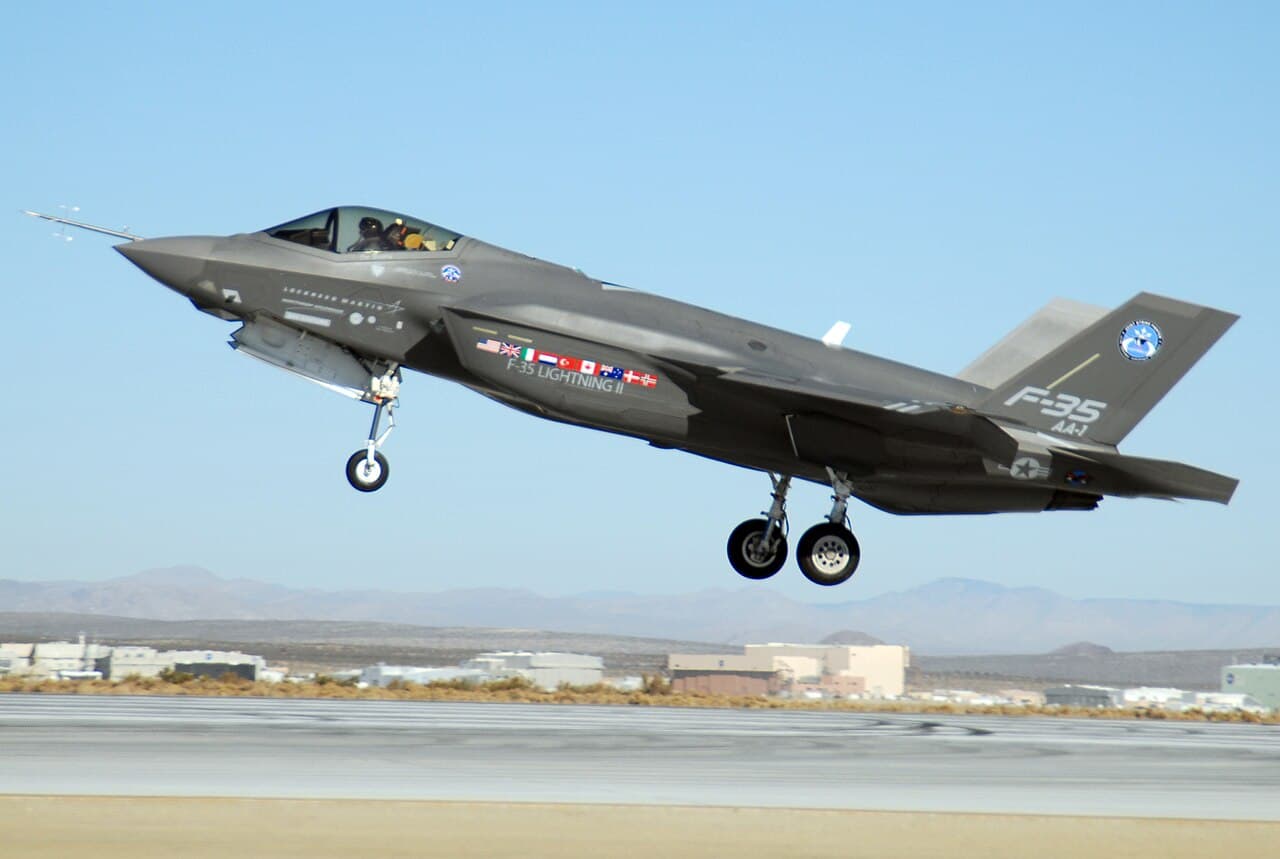
UK delays delivery of expanded F-35 fleet until early 2030s amid strategic and logistical challenges
Due to severe worldwide backlog pressures within the F-35 Joint Program Office and a strategic procurement delay by the Ministry of Defense, the United Kingdom will not receive any new Lockheed Martin F-35 Lightning II jets from its enlarged fleet order until the early 2030s. The upcoming batch introduces the F-35A variant to the UK fleet for the first time, intended to fulfill NATO nuclear-sharing missions.
Japan's GCAP Fighter Offers Sovereign Control Beyond F-35's Limits
The Japanese Self-Defense Forces are one of the founding partners under the trilateral Global Combat Air Program. Managed collectively through the EdgeWing Consortium, Japan has partnered with the United Kingdom and Italy to build a sixth-generation stealth fighter jet based on the template of the BAE Systems 'Tempest.' This aircraft will be the first fighter jet airframe in the nation's history developed independently of any of the aerospace manufacturers of the United States.
The Daily Touch & Go
The day's best aviation news in your inbox. Free, no spam.