

Illustration: The Touch & Go
Southwest Pilot Who Reported Cockpit Misconduct Faces Union Sanctions Demand
Southwest first officer reported captain's indecent behavior during flight, but now the pilots union seeks sanctions against her and her legal team after four years of litigation.
The gist
Southwest first officer exposed captain's cockpit misconduct; now union wants to punish her for reporting it amid ongoing lawsuit.
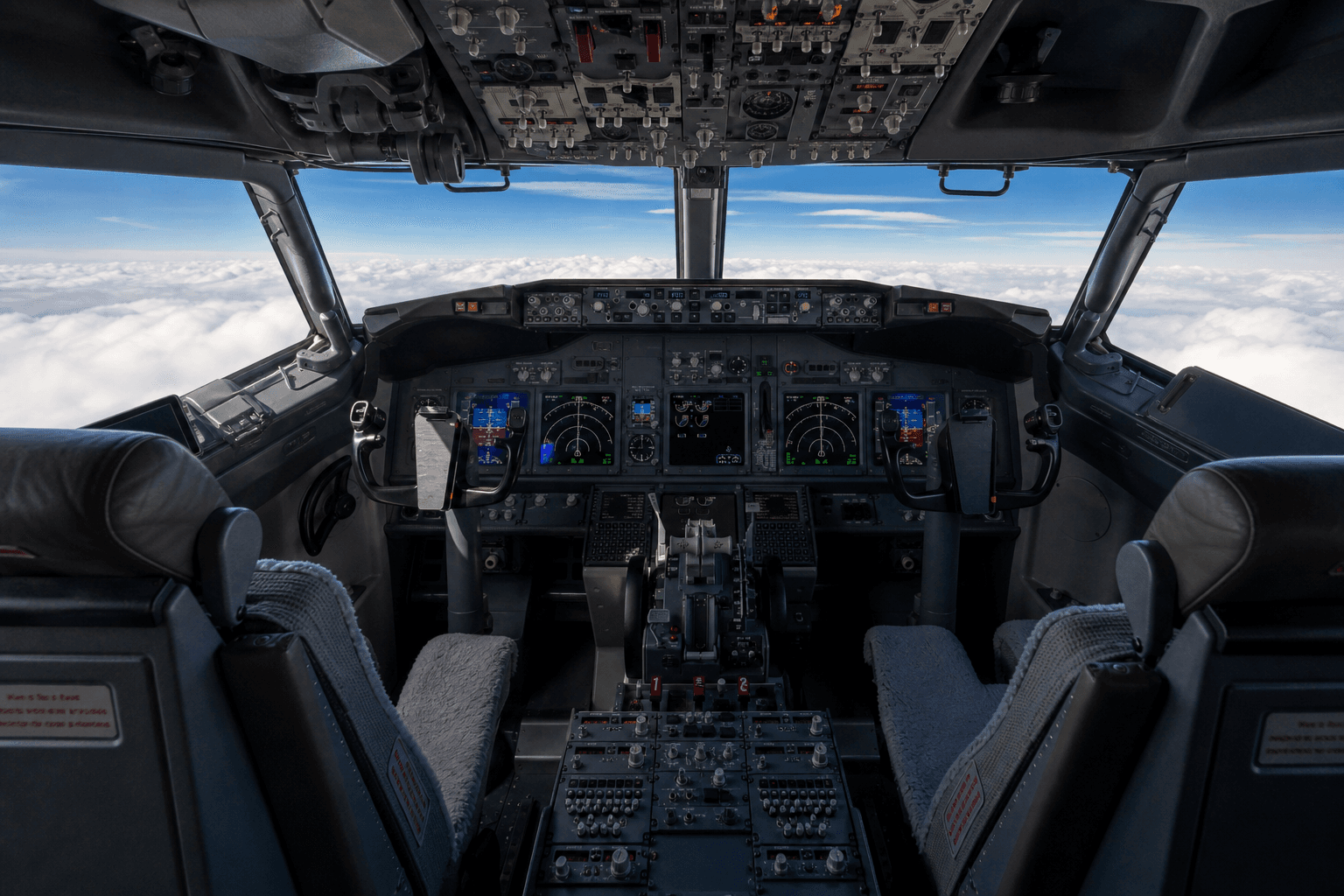
In a deeply troubling case at Southwest Airlines, first officer Christine Janning reported inappropriate and criminal conduct by her captain, Michael Haak, during a 2020 flight. Haak disrobed and watched pornography in the Boeing 737 cockpit while Janning was responsible for flying, later pleading guilty to a federal crime. Despite her role as the whistleblower, Janning now faces attempts by Southwest's pilots union, SWAPA, to sanction her and her attorneys, portraying a complex dispute years after the events.
The incident occurred on August 10, 2020, aboard Southwest flight 6607 from Philadelphia to Orlando. Haak, a 27-year veteran pilot nearing retirement, had selected this trip using his seniority. The pair were reportedly unfamiliar with each other before the flight. At cruising altitude, Haak locked the cockpit door, removed all his clothing, and began viewing pornographic material on a laptop while Janning continued to operate the aircraft. He admitted to these actions along with other inappropriate conduct, resulting in a guilty plea to lewd and indecent acts, probation, and a monetary fine.
Janning’s complaint filed in 2022 expanded on the gravity of the episode, revealing Haak allegedly masturbated in the cockpit for over half an hour, took photos and recordings of himself, and pressured her to join. She documented his actions for evidence while managing flight duties. Additional accusations claim Haak blocked her exit, threatened to crash the plane if she resisted, and physically struck her with a used napkin after finishing. Haak described the behavior as a prank gone awry, and his legal counsel denied some allegations, including claims of masturbation.
Following Janning's report to Southwest employee relations, the airline chose not to investigate internally, citing Haak’s retirement. She later met with the FBI, and shortly thereafter Southwest grounded her, citing an ongoing federal investigation and signaling possible doubts about her fitness or involvement. The grounding lasted about 105 days, during which she lost crucial flight currency, recurrent training, and was underpaid by nearly $30,000. Janning also asserts that rumors detrimental to her reputation circulated among Southwest and union personnel, including false claims of mental instability and inappropriate relationships with Haak despite it being their first meeting.
Janning’s legal filings allege SWAPA sided with Haak, failing to defend her or contest her grounding and lost pay. Conversely, the union submitted a letter supporting Haak’s character at sentencing, describing him as having a spotless employment record. Janning contends this was untruthful, pointing to prior sexual misconduct complaints against Haak reported to SWAPA in 2008 involving harassment and exposure. The union allegedly kept these complaints hidden from investigators, coordinated with Southwest management to discredit her, and revoked her captain upgrade during her grounding.
Southwest Airlines acknowledges the misconduct and cooperation with federal authorities but denies knowledge of the incident before Haak’s retirement. The carrier emphasizes its zero-tolerance policy and denies claims of retaliation, defamation, or conspiracy with the union against Janning. Southwest maintains it supported her throughout the investigation and will vigorously defend itself amid the ongoing lawsuit. Legal filings from Southwest characterize Janning’s allegations as exaggerated and baseless, disputing claims including that Haak physically restrained her or posed a credible threat.
The lawsuit, ongoing since late 2022, alleges Southwest negligently supervised and retained Haak despite previous complaints, retaliated against Janning, and created a hostile work environment. Haak faces charges of sexual battery and false imprisonment while Southwest managers are named for defamation. SWAPA is accused of civil conspiracy to retaliate against Janning, a charge the union seeks to have dismissed and now presses for sanctions against her legal team for allegedly frivolous claims.
This case draws attention to crucial issues of workplace safety and whistleblower protection in commercial aviation, highlighting tensions between pilots' unions, airline management, and individual employees reporting misconduct. The unfolding legal battle reveals complex dynamics around accountability and support within aviation workplaces when serious allegations arise involving senior crew members. Its resolution may set precedents for handling union responses to internal misconduct disclosures.
Frequently asked questions
- What inappropriate behavior did the Southwest captain perform during the flight?
- The captain stripped naked, watched pornography on a laptop, masturbated for over 30 minutes in the cockpit, photographed himself, and pressured the first officer to participate.
- How did Southwest Airlines respond when the first officer reported the incident?
- Southwest declined to perform an internal investigation after the captain retired, removed the first officer from flying under the pretext of an FBI investigation, and allegedly did not challenge her grounding or lost pay.
- What actions has the pilots union taken against the first officer who reported the misconduct?
- The Southwest Airlines Pilots Association sought to have the first officer and her lawyers sanctioned, alleging frivolous claims by her in the ongoing lawsuit, even though the union previously supported the accused captain in court.
Read more
All Aviation Safety →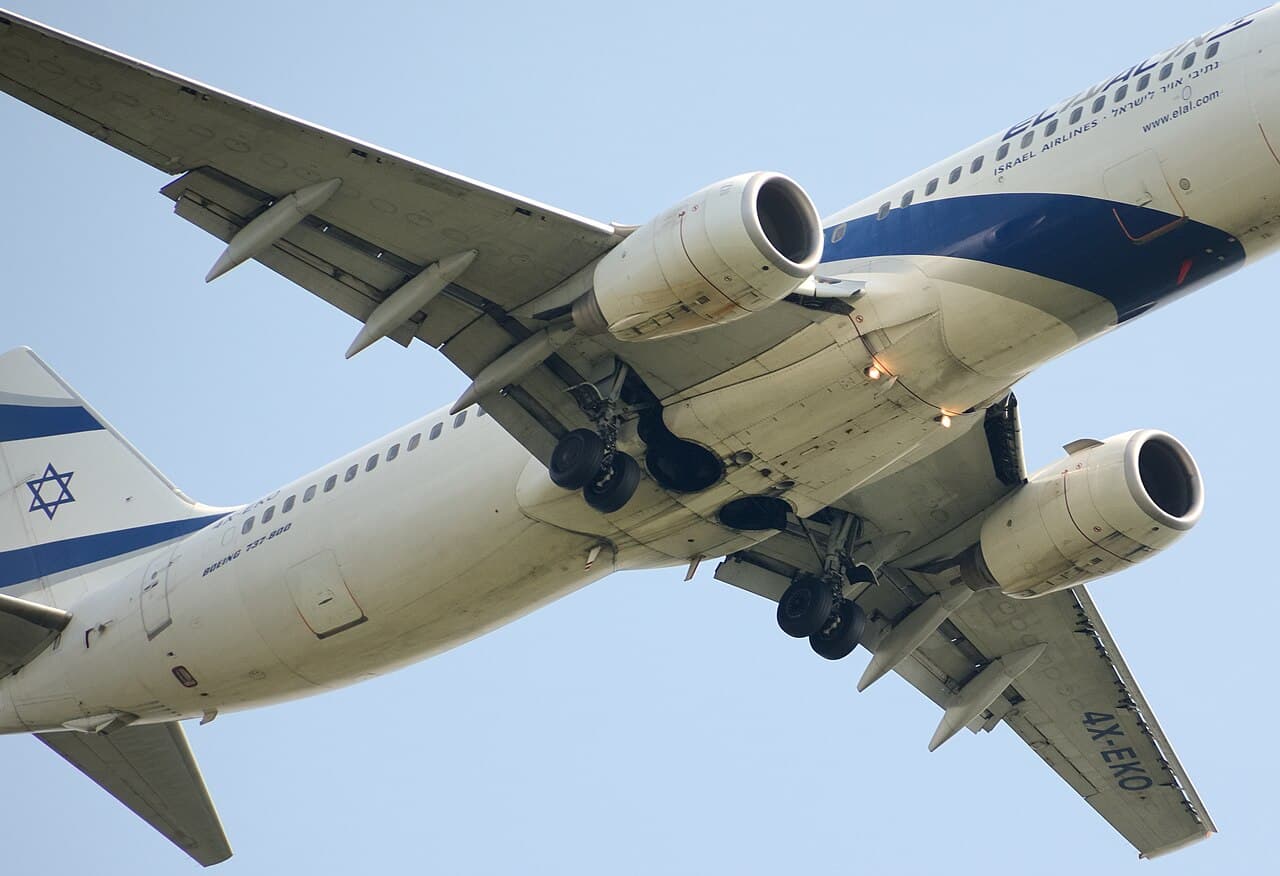
Researchers Reveal Rapid 60-Second Hardware Hack on Boeing 737 Avionics Systems
Researchers from UC San Diego and Oberlin College on Thursday presented a proof-of-concept hardware attack that could interfere with communications between critical avionics systems on Boeing 737 Next Generation and MAX aircraft. The device can be installed during roughly 60 seconds of physical access on the ground, according to the research presented at the USENIX Security Symposium. The team demonstrated the attack on a testbed built from authentic 737 components and software rather than an operating aircraft. Device Targets Maintenance Connection The researchers identified an unused maintenance connector inside the 737 Electronics and Equipment bay. The bay sits below the aircraft’s nose and can be accessed from the ground. Their paper estimates an attacker could open the access hatch in 15 seconds, install the device in about 30 seconds and close the hatch in another 15 seconds. The implant targets ARINC 429 data buses between the flight management computer and the multipurpose control display unit. Researchers demonstrated that the device could alter flight-plan information and values used for weight, balance and takeoff calculations while suppressing indications of some changes on the pilot’s display. "This is something the aviation industry will want to plan to defend against," UC San Diego professor Stefan Savage told WIRED. "I would not sleep on this one." The researchers said the attack would require advance planning, technical knowledge and physical access to the aircraft. Their paper says the findings apply to 737 NG and MAX models, which account for more than 95% of the active 737 fleet. Boeing Reviewed Findings The research team first disclosed the vulnerability to Boeing in 2020 and later demonstrated the attack in a Boeing laboratory. Boeing told WIRED that it reviewed the relevant component designs, installations and interfaces after receiving the researchers’ findings. The company said existing protections in the aircraft and its operating environment substantially reduce the feasibility and risk of a real-world attack. "Our technical experts are confident that the layers of protection in place on the airplane, including within the system design and the operating environment, provide sufficient mitigation to significantly limit the feasibility and risk of real-world attacks," Boeing told WIRED . Pilots could override changes to the autopilot by taking manual control, the researchers noted, and some correct information would remain available through other cockpit displays. The team proposed several possible defenses. Those include removing or permanently blocking the unused connector, adding software capable of detecting the attack, increasing electrical isolation between systems and eventually adding authentication to avionics data communications.
Air India A320neo Flight Control Systems Briefly Failed Before 300-Foot Plunge Injuring 24
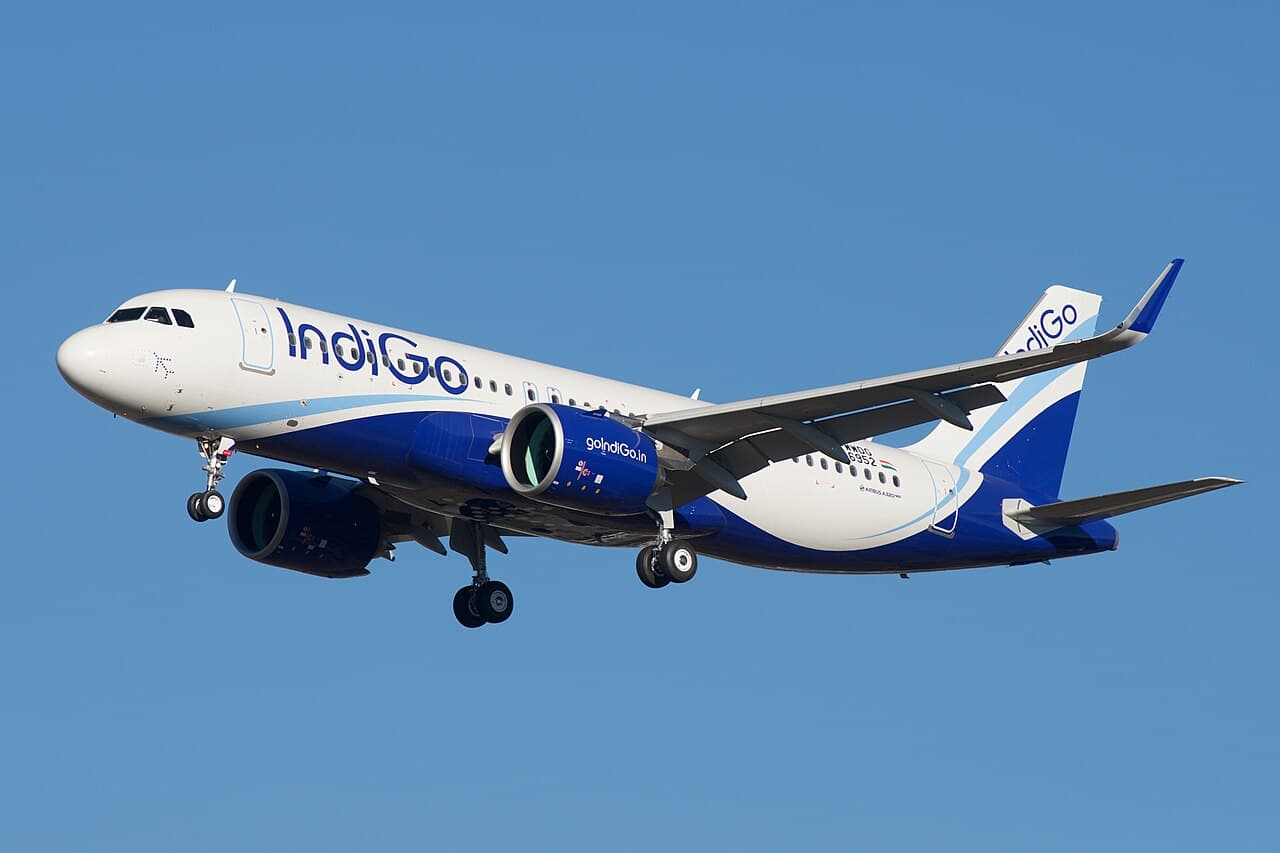
The flight control systems of an Air India Airbus A320neo narrowbody plane which suddenly plunged 300 feet while at cruising altitude, leaving 24 passengers and crew injured, went dark for several seconds, an internal report from the aircraft manufacturer has revealed. Air India flight AI-2379 from Phuket, Thailand to Delhi on August 4 was flying at a cruising altitude of around 34,000 feet when it unexpectedly dropped. Anyone and anything that wasn't strapped down was thrown into the air. Multiple passengers and crew were injured after they were slammed into the ceiling of the seven-year-old aircraft Around 20 passengers and four cabin crew members were injured in the incident, many of whom had to be transported to the hospital with head, neck, and spinal injuries. In a new internal report from Airbus which had been viewed by Reuters but not independently verified, it is claimed that the flight control system that controls the plane's elevators and ailerons suddenly became unavailable for around four seconds. During this brief period, the plane pitched up. The First Officer responded by pointing the nose of the plane down but there was no immediate correction due to the alleged loss of hydraulic systems. The document does not establish the cause of the incident and the events are still under investigation by India's Aircraft Accident Investigation Branch (AAIB) with support from the French Bureau d'Enquetes et d'Analyses (BEA). Late last year, Airbus issued an urgent safety alert for its range of best-selling A320 family single-aisle aircraft following an investigation into an incident aboard a JetBlue aircraft when the plane suddenly pitched down mid-flight without any input from the pilots. Engineers were able to establish that the unexpected pitch-down input came from a malfunctioning ELAC computer unit. The ELAC stands for Elevator & Aileron Computer, and it is designed to interpret the inputs the pilots are putting into the controls and then smoothly and correctly control the elevators and ailerons. Airbus believes that the ELAC was corrupted by intense solar radiation, although the issue only affected a software update known as L104. To fix the issue, airlines were ordered to restore all aircraft with the L104 software to the last version before this. In most cases, this required engineers to plug a Portable Data Loader with the older L103 software into the cockpit computer of affected planes and reinstall the tested software. Although there are around 11,500 Airbus A320 series aircraft in active commercial service around the world, only 6,000 of these had the L104 software installed. Earlier this week, it was revealed that the Captain of flight 2379 had failed a second drug test. As is standard practice following a serious aviation occurrence, all of the crew are subject to drug testing. The Captain's initial rapid test came back as 'non negative' so a more detailed test was ordered. Investigators are yet to confirm the results of this test, but sources claim it tes tested positive for cannabis. There is currently no suggestion that illegal banned had anything to do with the events that unfolded on flight 2379.
FAA Unveils Advanced Surface Movement Radar at Newark to Boost Airport Safety
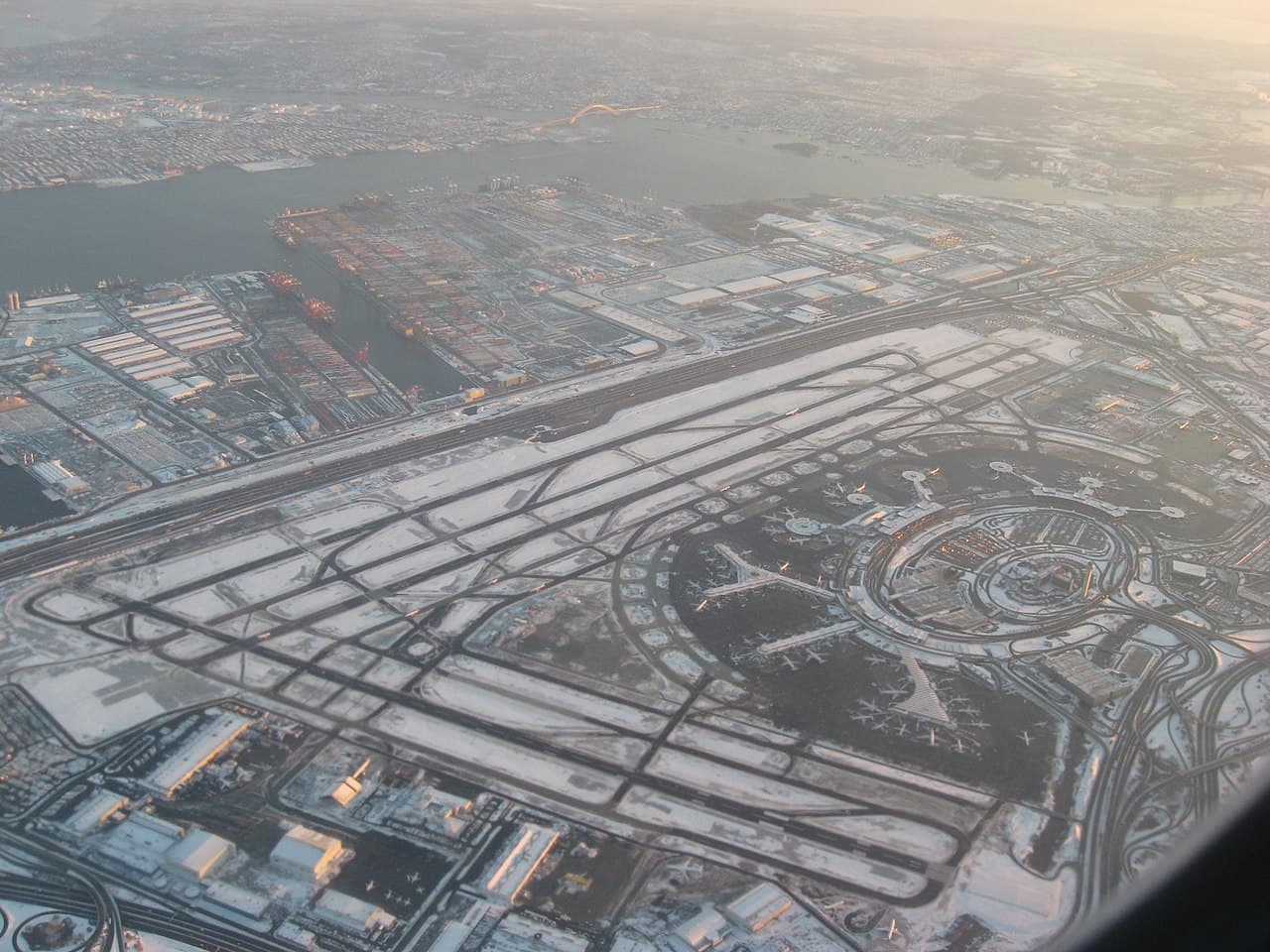
The Federal Aviation Administration installed a new surface movement radar at Newark Liberty International Airport, as part of its effort to modernize the nation's aging air traffic control infrastructure. Transportation Secretary Sean Duffy and FAA Administrator Bryan Bedford unveiled the new Surface Movement Radar Model 4 (SMR-4) on Tuesday, saying the system will give controllers a clearer picture of aircraft and vehicle movements on the airport surface, particularly during darkness or low-visibility conditions. The radar replaces equipment that had been in service for roughly three decades. According to the FAA, Newark is the fifth airport to receive the new technology as part of a broader deployment that will place 53 surface movement radar systems at 44 of the nation's busiest airports. The rollout is expected to be completed by 2028. Unlike conventional airport surveillance systems, the SMR-4 is designed to provide controllers with improved situational awareness during poor weather, when visual observation from the control tower may be limited. Officials said the upgraded radar offers greater reliability while helping reduce the risk of runway incursions and ground collisions. "Newark sees well-over a thousand flights per day, and the new Surface Movement Radar will help controllers keep those flights safe at this major U.S. hub," said FAA Administrator Bryan Bedford . "This is just the latest step in the FAA's work to modernize our skies for the Golden Age of Travel." The announcement comes as the FAA continues facing scrutiny over infrastructure reliability following several high-profile equipment outages and recent runway safety incidents. Officials say modernizing surveillance and communications systems is intended to improve both operational efficiency and safety as air traffic demand continues to grow. Meanwhile, the agency reported a decline in runway incursions during the current fiscal year, a trend officials say reflects a combination of new technology, operational improvements, and ongoing safety initiatives.
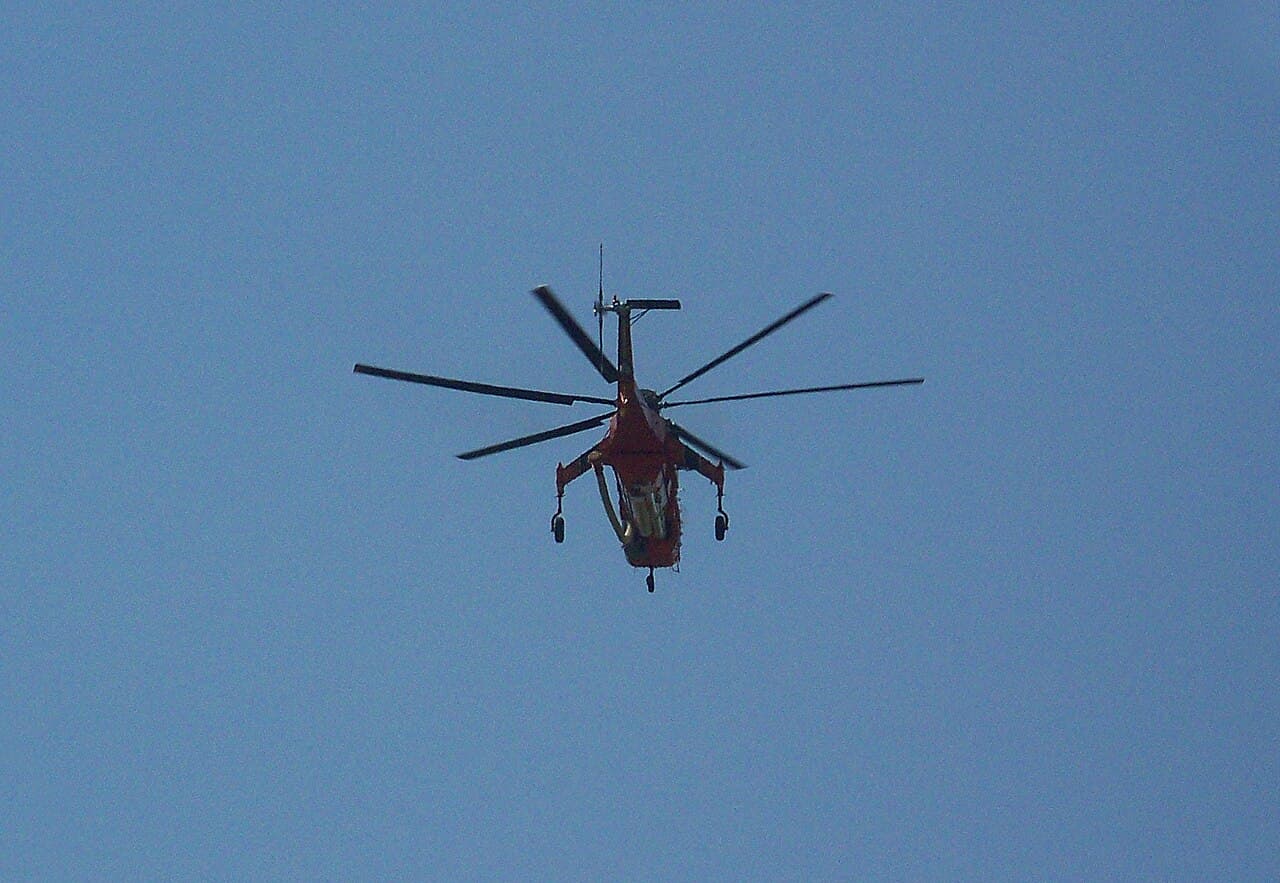
Two Pilots Die in Sikorsky S-64 Skycrane Helicopter Crash Fighting Utah Wildfire
Two pilots died when their firefighting helicopter crashed in central Utah while en route to a blaze in Fishlake National Forest. The Sikorsky S-64 Skycrane was dispatched Friday morning to combat the wildfire. According to the Sevier County Sheriff's Office, the helicopter went down at about 10 a.m. MDT near Richfield, Utah, en route to the fire. Immediately after the accident, access to the crash site was blocked by the raging wildfire, so the condition of the crew could not be immediately determined. READ MORE: Wildfires Near Spokane Threaten Key Airports READ MORE: Daher Delivers TBM 960 for Wildfire Air Attack Operations The helicopter has the ability to carry up to 2,000 gallons of water. The National Transportation Safety Board (NTSB) and the FAA are investigating the accident. The names of the deceased pilots have not been released. They were employed by Helicopter Transport Services, an industrial helicopter company that provides rotor-wing aircraft for a variety of industries. The crash ignited a second fire that spread, connecting with the existing blaze known as the Widemouth 2 Fire.
The Daily Touch & Go
The day's best aviation news in your inbox. Free, no spam.