

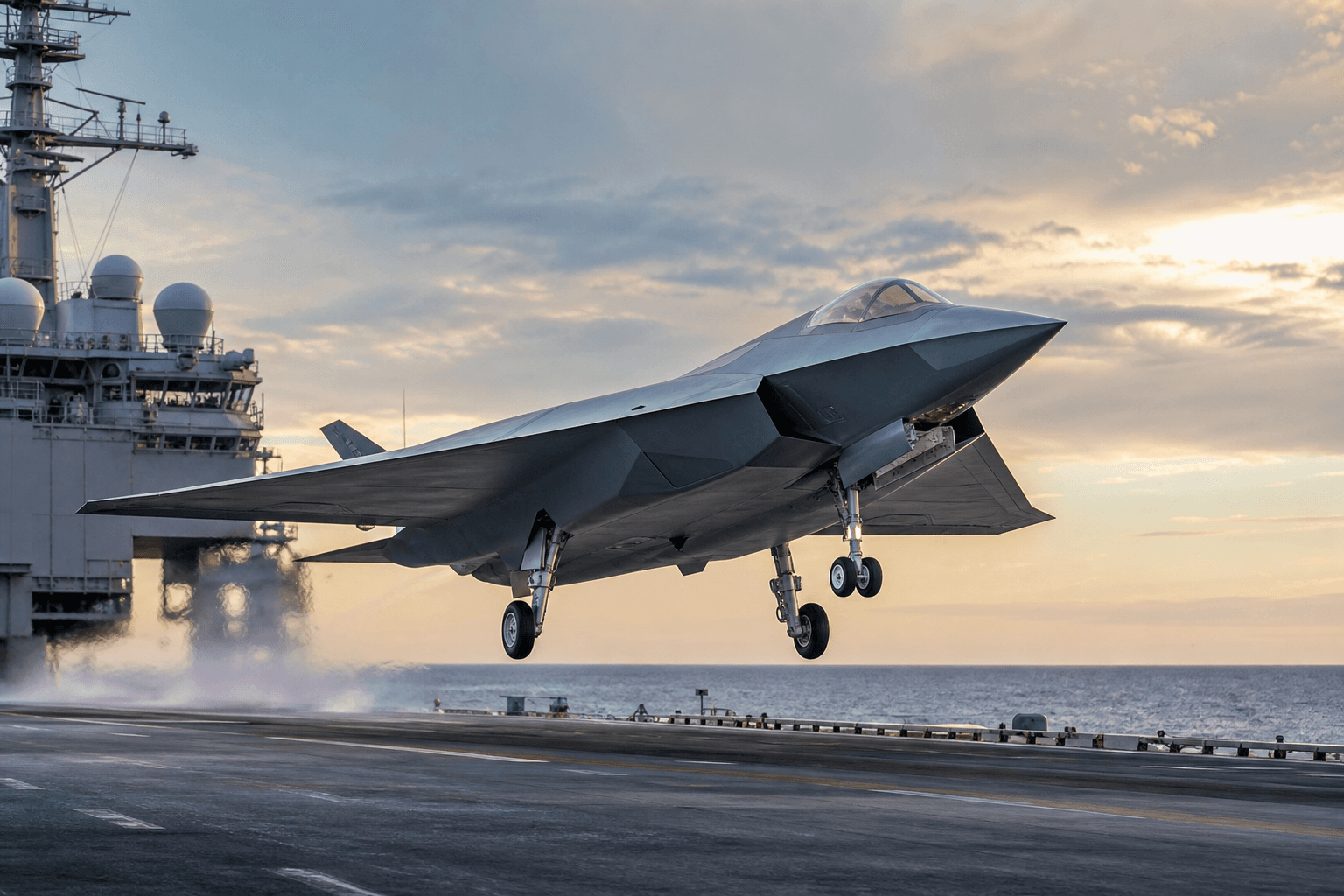
Illustration: The Touch & Go
Congress Boosts US Navy Sixth-Gen Fighter Budget From $74M to $971M to Accelerate F/A-XX Development
US lawmakers sharply increased Navy funding for the next-generation F/A-XX stealth carrier fighter, driving up its 2027 budget thirteenfold to over $970 million to hasten its development.
The gist
Congress injected nearly $900 million into the Navy's F/A-XX program, multiplying its budget to fast-track the new stealth carrier fighter's production.
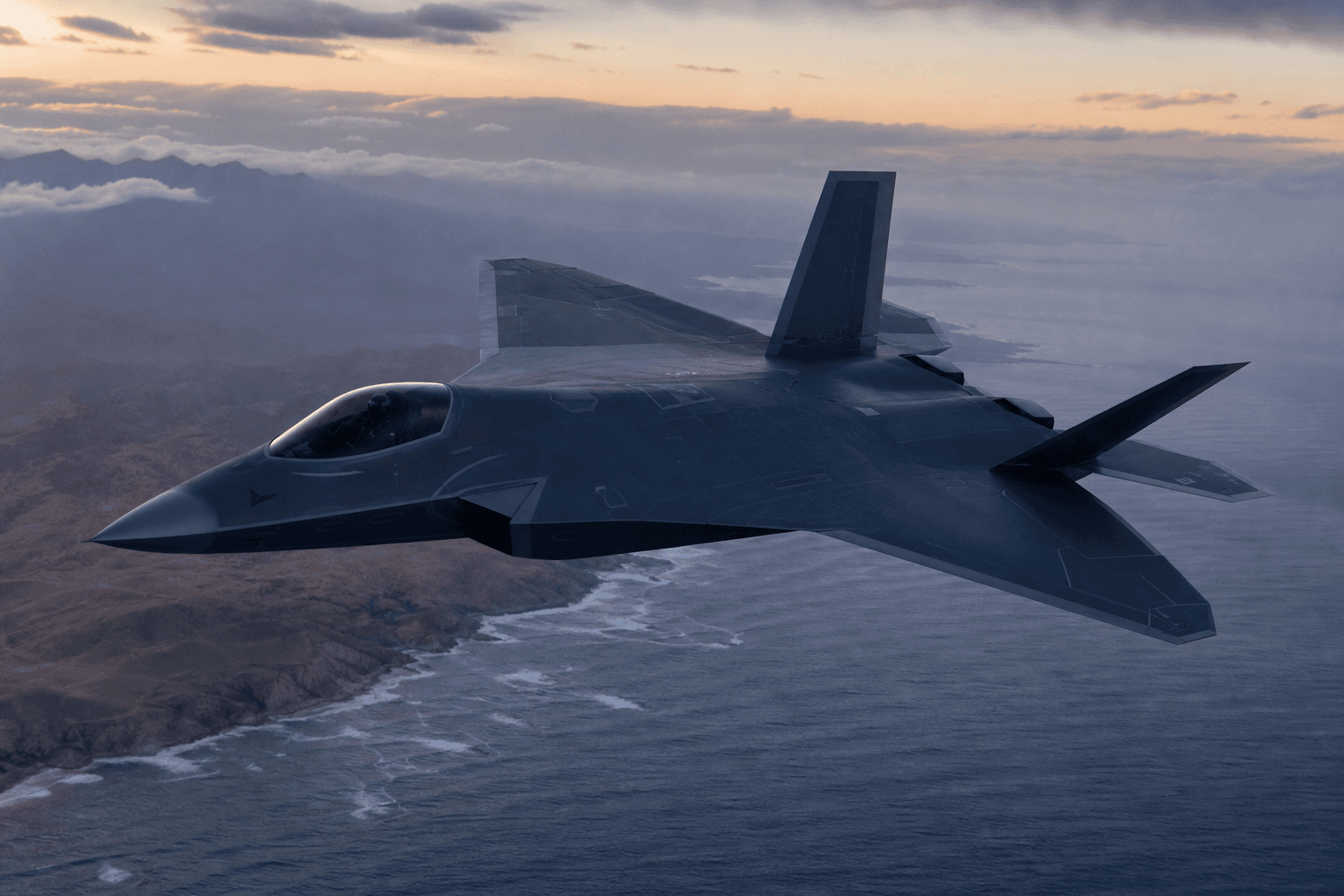
The US Navy's pursuit of a sixth-generation stealth carrier fighter, the F/A-XX, has been given a significant financial boost as Congress raised its 2027 budget request from an originally modest $74 million to over $971 million. This increase represents a thirteenfold funding surge aimed not merely at maintaining the program but substantially accelerating development. A down-select between Boeing and Northrop Grumman to build the first US Navy sixth-generation fighter jet is anticipated later this year.
The Navy's F/A-XX program has seen renewed vigor despite prior expectations of shelving. The sharply elevated budget reflects Congressional prioritization of naval aviation to preserve American maritime dominance amid a shifting strategic environment. The original modest proposal came as part of the Navy's historic $377 billion 2027 budget request, which marked a 23% year-over-year increase and the largest in Department of the Navy history.
Following the budget announcement, Secretary of the Navy John Phelan was dismissed amid disagreements over defense spending priorities. Acting Secretary Hung Cao, alongside Chief of Naval Operations Admiral Daryl Caudle and Marine Corps Commandant General Eric Smith, appeared before Congress to justify the spending plan emphasizing a strong naval aviation capability.
Where the nearly $900 million injection originated is unclear, but it likely resulted from cuts or reductions in other Navy programs. Speculation suggests that funds were diverted from planned Virginia-class submarine improvements and possibly from decommissioning older vessels and aircraft. The Virginia-class submarine yards' ambitious automation program for 2027, previously slated for similar funding levels, may have been curtailed to finance the F/A-XX surge.
The shift in Navy leadership also reflects a changing focus. Cao's public emphasis has been on expanding shipbuilding capacity, a plan complicated by existing industrial bottlenecks. However, Congressional support for naval aviation programs like the F/A-XX demonstrates a nuanced approach to balancing the Navy's future fleet composition and capabilities.
Technically, the F/A-XX fighter is designed to offer substantially greater unrefueled combat radius—projections suggest beyond 750 nautical miles and up to approximately 1,250 nautical miles—surpassing the current strike fighters such as the F-35C and F/A-18E/F. Extended range is critical for operations in the Indo-Pacific region against China's anti-access/area-denial missile threats, enabling carrier strike groups to project power from safer distances.
Beyond range, the F/A-XX will feature multi-spectral stealth, high electrical power output, and networked command and control capabilities. These enhancements will support advanced beyond-visual-range air-to-air weaponry, over-the-horizon standoff missiles, directed energy weapons including lasers, and collaborative combat with loyal wingman drones under a ‘supercomputer’ combat suite.
The F/A-XX represents a transformative leap from the existing Boeing F/A-18E/F Super Hornet. Its ability to serve as a command node in a networked combat environment, integrating with the established kill web of the F-35 Joint Strike Fighter, will redefine carrier air wing operations. Future Naval aviators will transition into tactical operators of sophisticated systems rather than focusing solely on manual flying skills.
As the Navy moves forward with the enhanced budget for the F/A-XX, the program stands as a critical component of maintaining US naval air superiority against evolving global threats. The upcoming contract award and continued development will shape the future trajectory of American naval aviation capability in the next generation of warfare.
Frequently asked questions
- How much did Congress increase the US Navy's budget for the F/A-XX program in 2027?
- Congress increased the F/A-XX program's budget from $74 million to over $971 million in 2027, a thirteenfold increase to accelerate development.
- What are the expected capabilities of the sixth-generation F/A-XX fighter?
- The F/A-XX is expected to have extended unrefueled combat range up to about 1,250 nautical miles, multispectral stealth, advanced weapons including lasers, and robust networked command capabilities with loyal wingman drones.
- Why was there a significant budget increase for the F/A-XX program in 2027?
- The budget increase was driven by Congressional desire to rapidly advance the F/A-XX program amidst evolving maritime threats, potentially reallocating funds from other Navy projects like Virginia-class submarine upgrades.
Read more
All Military/Defense →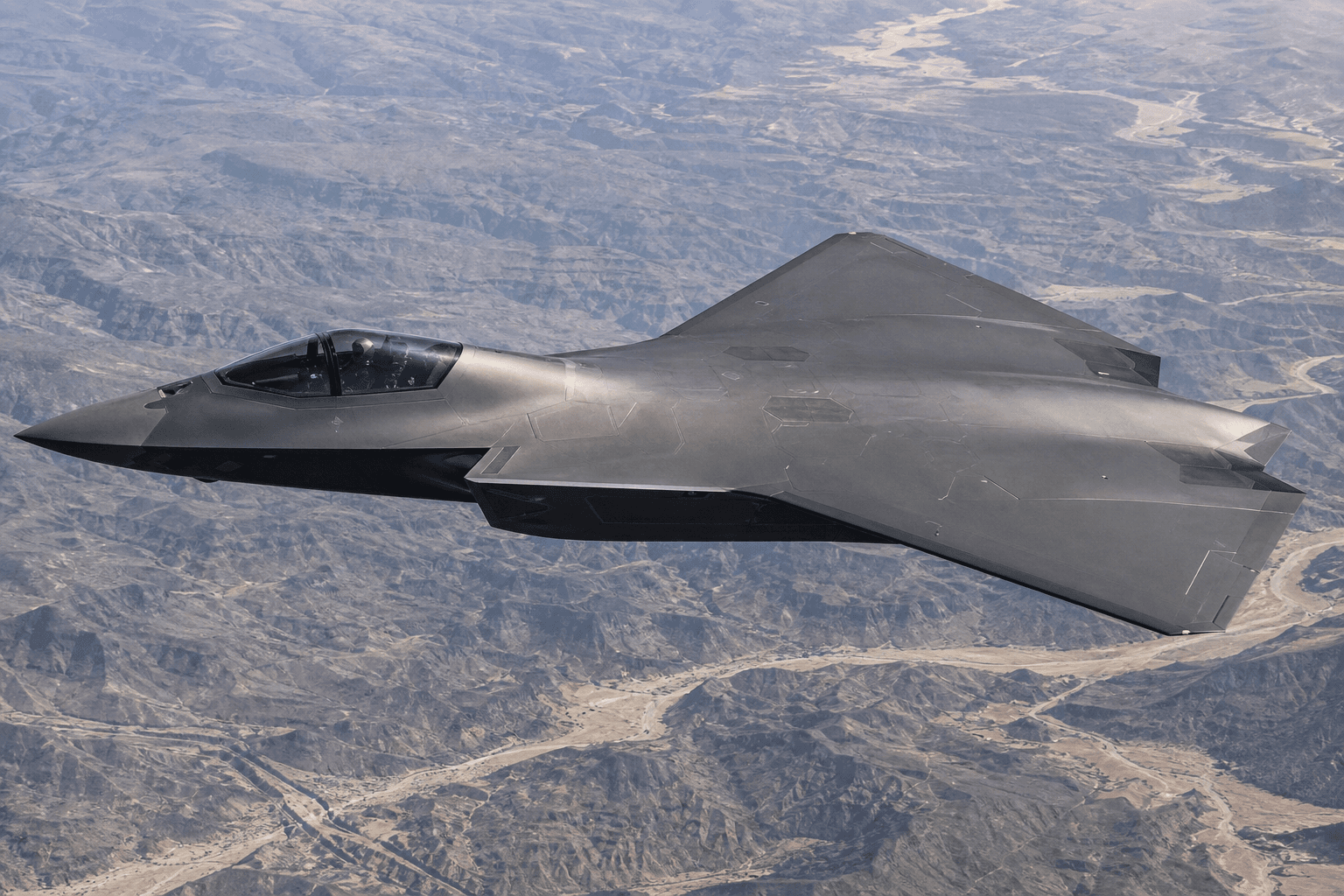
China's J-50 6th-Gen Fighter Ditches Vertical Stabilizers, Relies on Advanced Software
It seems that fifth-generation aircraft are beginning to give way to the next era of air combat, as the competition to develop a sixth-generation fighter has been underway for several years. The difference now is that these aircraft are quickly becoming a reality, with China publicly displaying its J-50 during test flights, the Boeing F-47 expected to conduct its first flight in the coming years, and the Global Combat Air Program (GCAP) continuing its development.
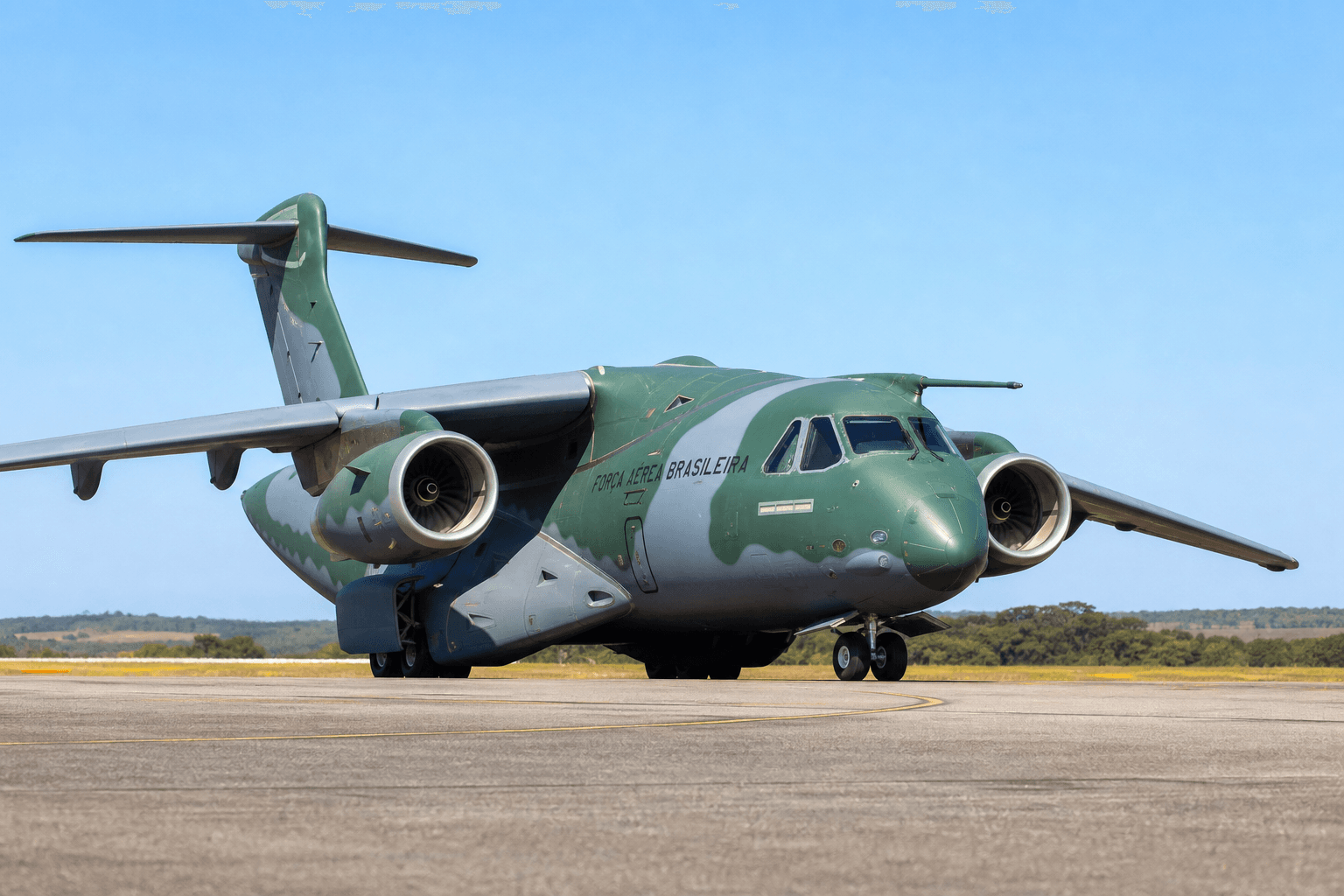
Embraer C-390 Emerges as Leading Affordable Western Military Airlifter for Smaller Nations
While Brazil is typically not considered a 'Western' country, its Embraer C-390 Millennium is part of the Western supply chain, and it is marketed to various Western countries as an alternative to the Lockheed Martin C-130J Super Hercules. It is seen as a geopolitically acceptable military aircraft for NATO allies to purchase in a way that Chinese and Russian military aircraft are not.
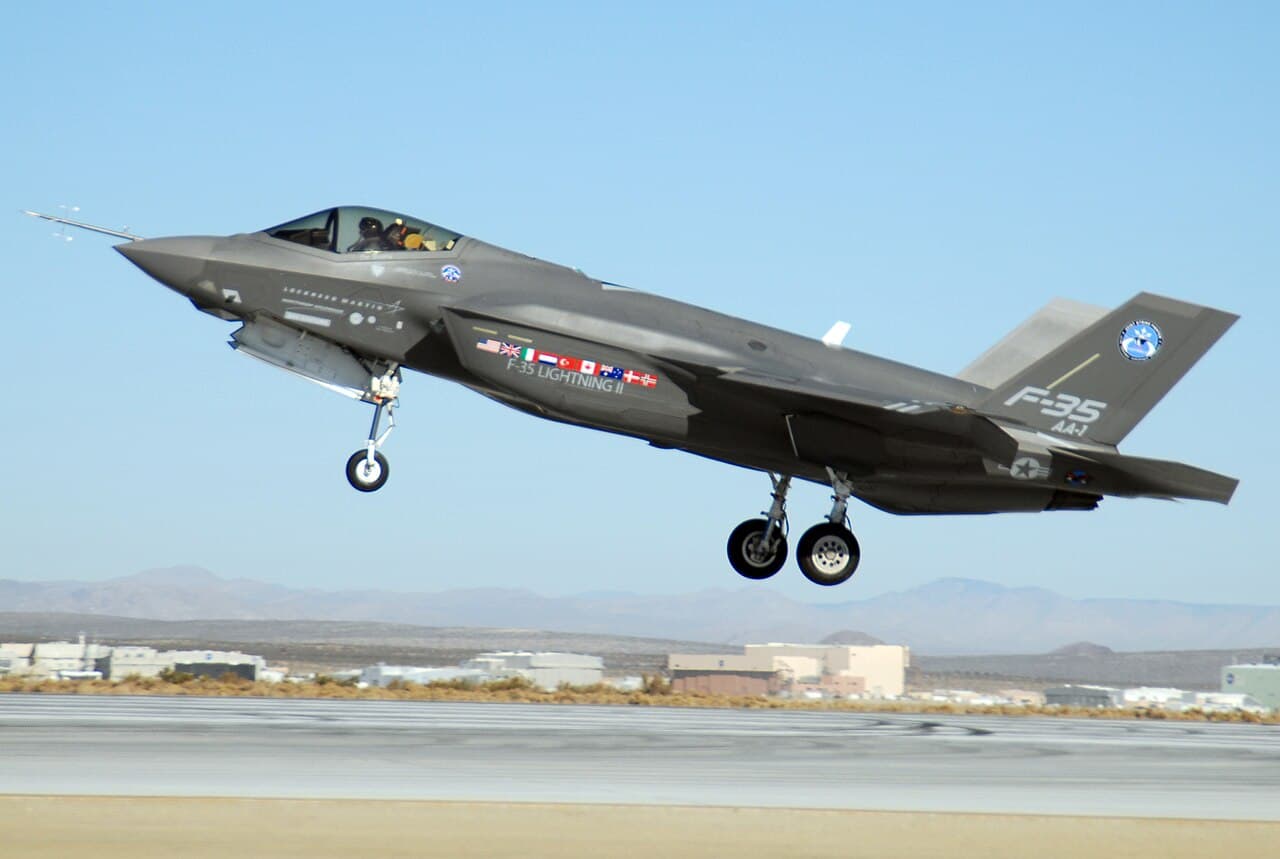
UK delays delivery of expanded F-35 fleet until early 2030s amid strategic and logistical challenges
Due to severe worldwide backlog pressures within the F-35 Joint Program Office and a strategic procurement delay by the Ministry of Defense, the United Kingdom will not receive any new Lockheed Martin F-35 Lightning II jets from its enlarged fleet order until the early 2030s. The upcoming batch introduces the F-35A variant to the UK fleet for the first time, intended to fulfill NATO nuclear-sharing missions.
Japan's GCAP Fighter Offers Sovereign Control Beyond F-35's Limits
The Japanese Self-Defense Forces are one of the founding partners under the trilateral Global Combat Air Program. Managed collectively through the EdgeWing Consortium, Japan has partnered with the United Kingdom and Italy to build a sixth-generation stealth fighter jet based on the template of the BAE Systems 'Tempest.' This aircraft will be the first fighter jet airframe in the nation's history developed independently of any of the aerospace manufacturers of the United States.
The Daily Touch & Go
The day's best aviation news in your inbox. Free, no spam.