

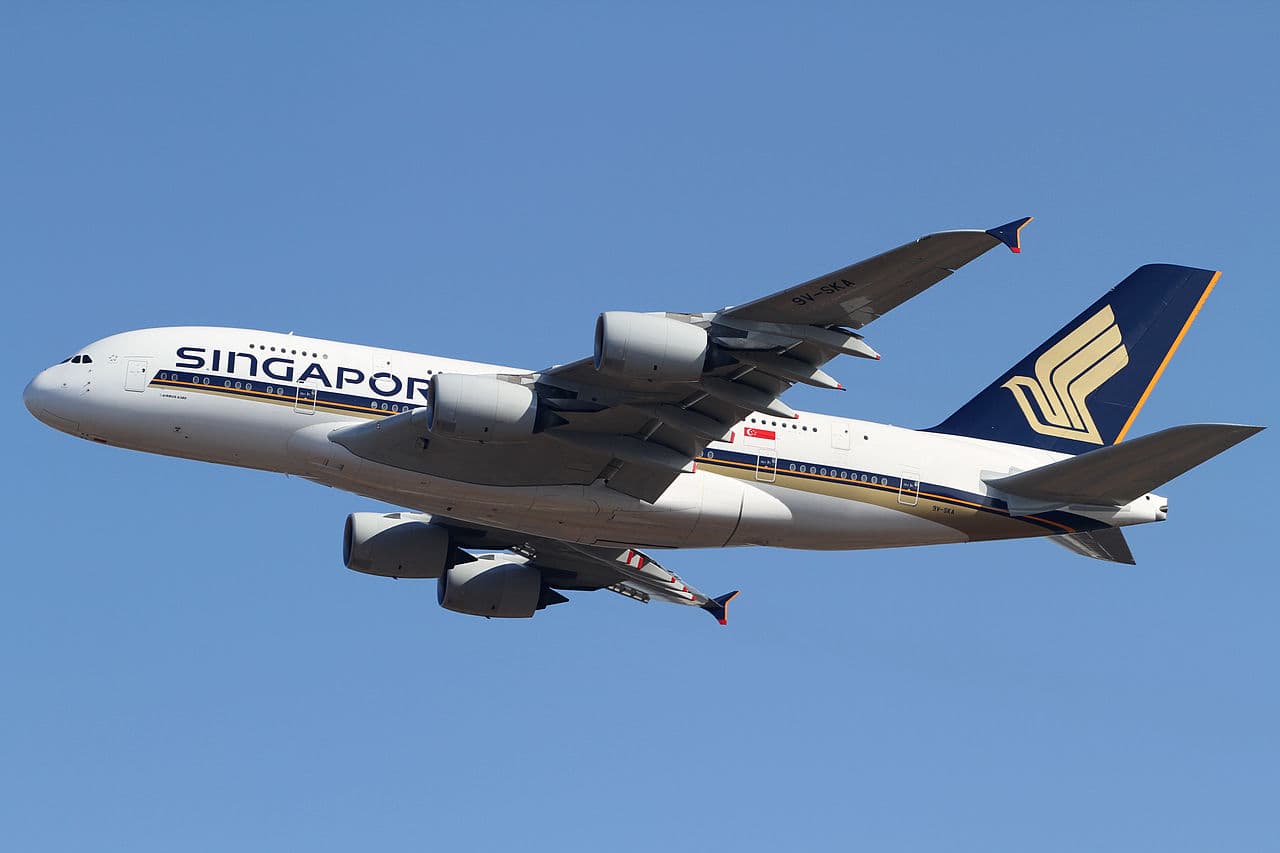
Image: Kentaro IEMOTO · CC BY-SA 2.0 · via Wikimedia Commons
Singapore Airlines Trials New First Class Concierge Service at Changi Airport
Singapore Airlines is testing a personal concierge service for first class travelers at Changi Airport, enhancing assistance from The Private Room lounge to boarding.
The gist
Singapore Airlines pilots a new concierge service for first class passengers, offering escort and line-cutting from lounge to gate at Changi.
Continuing coverage
All First Class →Singapore Airlines, renowned for its exceptional first class offerings like the First Class on the 777 and Suites Class on the A380, is trialing a new concierge service aimed at enhancing the ground experience for first class travelers at Singapore Changi Airport. Traditionally, first class passengers have navigated independently from check-in to lounge and from lounge to gate, managing security procedures on their own as well. This new initiative seeks to make the journey through the airport seamless and more comfortable by providing personalized assistance starting at The Private Room lounge.
The concept centers on assigning a personal concierge to first class passengers once they arrive at The Private Room, the exclusive first class lounge at Changi's Terminal 3 and Terminal 2. The concierge's role includes monitoring the passenger's flight status, assisting with rebooking in case of irregular operations, and handling shopping requests. This service is designed to anticipate and respond to travelers’ needs, offering a more bespoke and attentive ground experience beyond traditional lounge amenities.
A distinctive feature of the trial is the provision of a buggy ride from the lounge directly to the departure gate. Given that security checks at Singapore Changi are conducted at individual gates rather than a centralized location, this escort service allows first class passengers to bypass the usual queues at security checkpoints. The concierge facilitates expediting the passenger through security and escorts them all the way to the jet bridge, providing options to board either first or last, according to preference.
The first class concierge trial is operating unofficially and temporarily as Singapore Airlines evaluates its viability. The timing aligns with the airline’s planned introduction of a revamped first class product in 2027. This trial may reflect an effort to complement the forthcoming cabin upgrades with enhanced soft services on the ground to maintain and elevate the carrier's competitive edge in premium travel.
Singapore Changi Airport is recognized globally for its efficiency and streamlined passenger processing, yet Singapore Airlines’ move introduces a layer of bespoke luxury rarely seen in ground services. By addressing the traditionally fragmented navigation between check-in, lounge, and gate, the concierge service attempts to transform the otherwise routine airport transit into a frictionless extension of the airline’s renowned onboard luxury.
Currently, the service begins at The Private Room rather than at check-in, representing a focused enhancement from lounge to boarding. This incremental approach allows Singapore Airlines to test logistics and passenger reception without the complexity of full end-to-end concierge coverage. The airline will decide in the near future whether to make this service a permanent fixture for its first class clientele at its main hub.
The trial underscores a broader trend in the premium aviation market, where airlines seek to differentiate their first class and suites products by improving not only the in-flight experience but also the ground journey. Personalized services such as dedicated concierges, expedited security, and private transfers underscore the push to create seamless luxury from curb to gate. Such steps may become increasingly important as carriers face intensified competition in high-end travel, especially in Asia-Pacific hubs.
Singapore Airlines’ reputation for excellence in cabin service is well established, and this move could set a new benchmark for airport hospitality for first class passengers. While the added convenience may not be a necessity at an already efficient airport like Changi, it enhances the overall brand experience and aligns with customer expectations for a superior, highly personalized travel journey.
Decisions on the permanent adoption of the concierge service will weigh how effectively it integrates into existing operations and how much value it adds for first class customers. If adopted long term, the service would represent a notable evolution in Singapore Airlines’ ground services and could inspire similar programs among other full-service carriers aiming to upgrade their premium products' end-to-end travel experience.
Frequently asked questions
- What is the new concierge service trialed by Singapore Airlines at Changi Airport?
- It is a personal concierge service for first class passengers that assists from The Private Room lounge to the aircraft gate, including flight monitoring, rebooking help, and escorting through security and to the jet bridge by buggy.
- Does the concierge service start from check-in at Singapore Changi?
- No, currently the service begins at The Private Room lounge, not from check-in, focusing assistance on the lounge-to-gate segment of the journey.
- Why is Singapore Airlines trialing this concierge service now?
- The trial coincides with plans to introduce a new first class product in 2027, likely aimed at enhancing the soft product and overall first class experience at its main hub.
Read more
All Airports →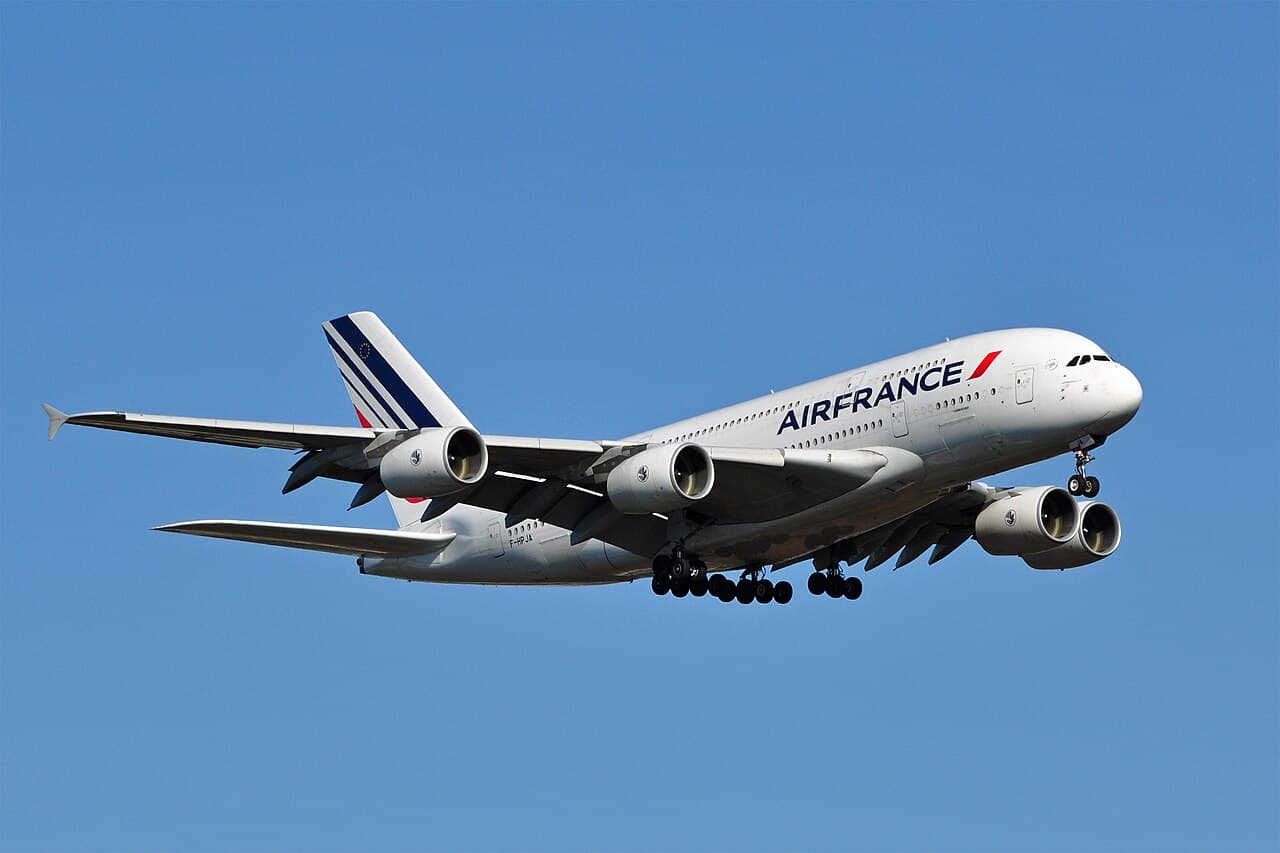
Singapore Airlines schedules Airbus A380 service to Dubai starting March 2027
Due to the ongoing war in Iran, Singapore Airlines has regularly changed the planned launch date of Airbus A380 flights from Singapore Changi Airport (SIN) to Dubai International Airport (DXB). While subject to change, the latest schedule sees the type from the end of next March (if it happens).
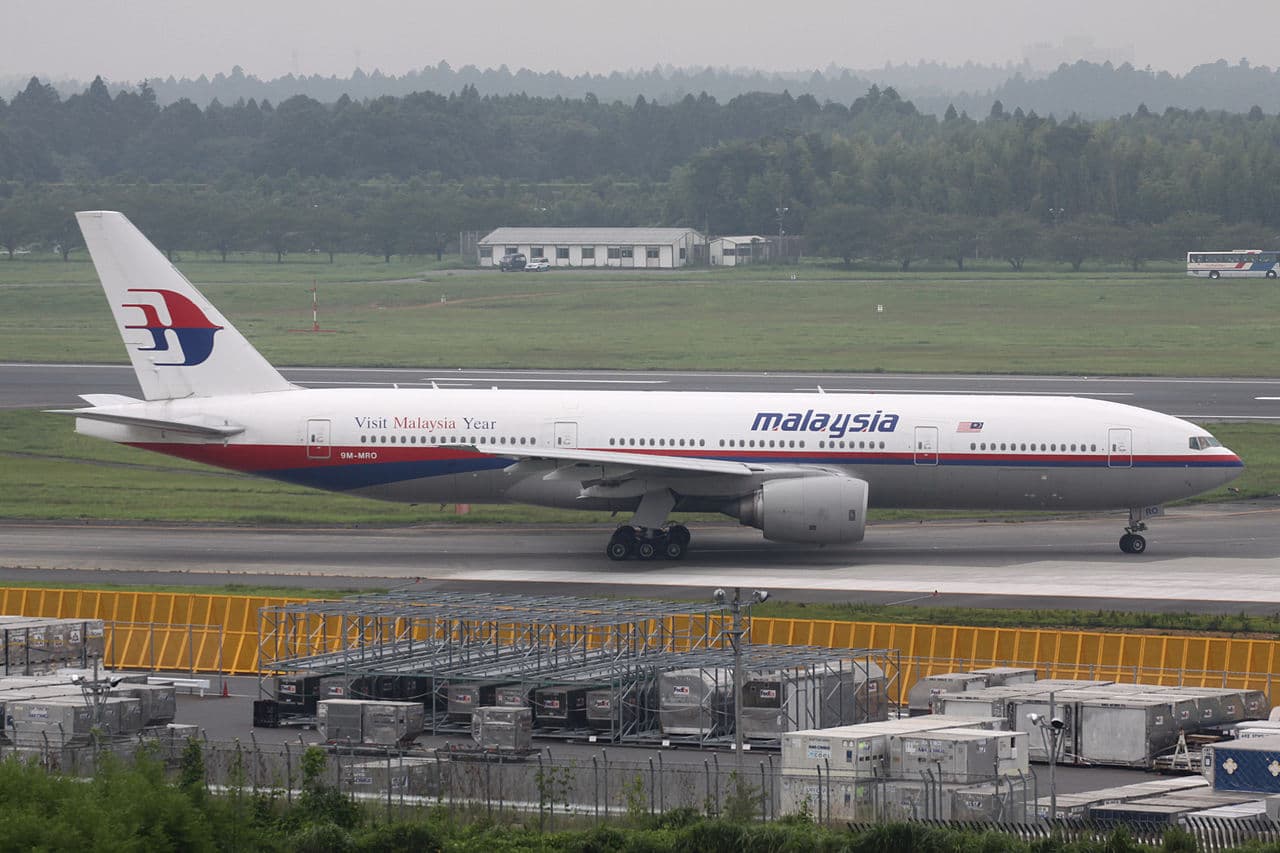
Malaysia Airlines Pilot Detained in Indonesia for Smuggling Over 70,000 Ecstasy Pills
A Malaysia Airlines pilot faces the threat of being sentenced to death by a court in Indonesia after he was allegedly caught trying to smuggle more than 70,000 ecstasy pills into Soekarno–Hatta International Airport on the island of Java during a work trip, hiding the more than 55 pounds of narcotics in his luggage. To make matters worse, the Malaysia Airlines pilot, who had just operated a flight from Kuala Lumpur, tested positive for ecstasy (also known as MDMA) and cocaine. Identified only by the initials MBSO, the Boeing 737 First Officer has been detained under Law No. 35 of 2009 on Narcotics, which carries a maximum sentence of death for the most serious charges or life imprisonment. Indonesian authorities said on Friday that MBSO was caught after a routine X-ray inspection of luggage by customs officials. Officers noticed something suspicious in a suitcase, which was identified by MBSO as being his. Inside, they discovered 14 large packages containing ecstasy and one package of methamphetamine. In total, officials counted 70,114 ecstasy pills. MBSO then allegedly told law enforcement that he had been recruited by a drug-smuggling gang, and for this particular shipment, he had been promised a payout of 50,000 Malaysian Ringgit (US $12,235). He was to transport the shipment to Jakarta, where he would check into a local hotel and meet up with a runner who would collect the drugs. This wasn’t the first time that MBSO had smuggled drugs into Indonesia, prosecutors allege. He has also allegedly smuggled methamphetamine to Sabah, Malaysia, and delivered 7 kg of methamphetamine to Jakarta during a previous trip. While rare, pilots and flight attendants are sometimes recruited by international drug smuggling gangs, often targeting crew members with debt problems or substance misuse issues. Malaysia Airlines has had more than its fair share of crew members caught up in this type of activity. In 2018, for example, a senior member of cabin crew at Malaysia Airlines was jailed for 12 months after being caught trying to smuggle £150,000 in criminal cash out of Heathrow Airport in West London. The money is believed to have come from illegal drug dealing. Two years later, a Malaysian flight attendant who hid millions of dollars’ worth of heroin in her underwear was jailed for nine and a half years by a Melbourne court for smuggling the drugs into Australia. The mother of two smuggled heroin into Australia on at least eight occasions between October 2018 and January 2019, when she was finally caught. The flight attendant claimed she had agreed to help the drug smugglers to help pay off her daughter's mounting medical bills. Other airlines in the region have had similar issues. In March 2023, four Vietnam Airlines flight attendants were arrested on suspicion of trying to smuggle around 11.4 kilograms of ecstasy from France through Ho Chi Minh City Airport. The drugs were concealed in toothpaste tubes. And a couple of monts a go, a Thai flight attendant was busted by police and customs agents at Melbourne International Airport as she attempted to smuggle 1kg of heroin into Australia.
Trump to Reveal $22 Billion Overhaul Plan for Washington Dulles Airport
The president has repeatedly complained about the airport, which he called a poor reflection of Washington, D.C., and the U.S.
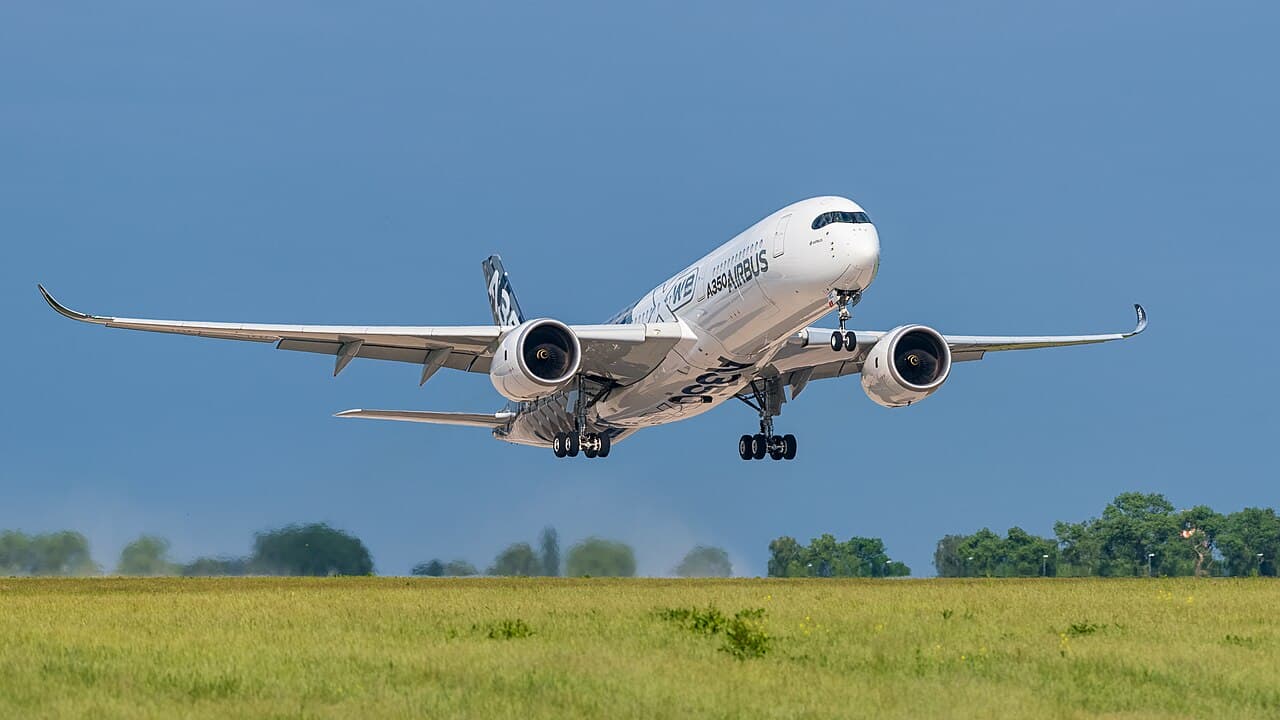
Qatar Airways Reactivates Retired Widebodies After Airbus A350 Grounding Crisis
Few global airlines have leaned on stored and semi-retired widebody aircraft as heavily as Qatar Airways . Facing an unprecedented operational deficit that threatened its core hub-and-spoke model at Hamad International Airport in Doha, the Qatari flag carrier chose an aggressive tactical path to reactivate long-haul airframes it had previously written off or scheduled for permanent phase-out.
The Daily Touch & Go
The day's best aviation news in your inbox. Free, no spam.