

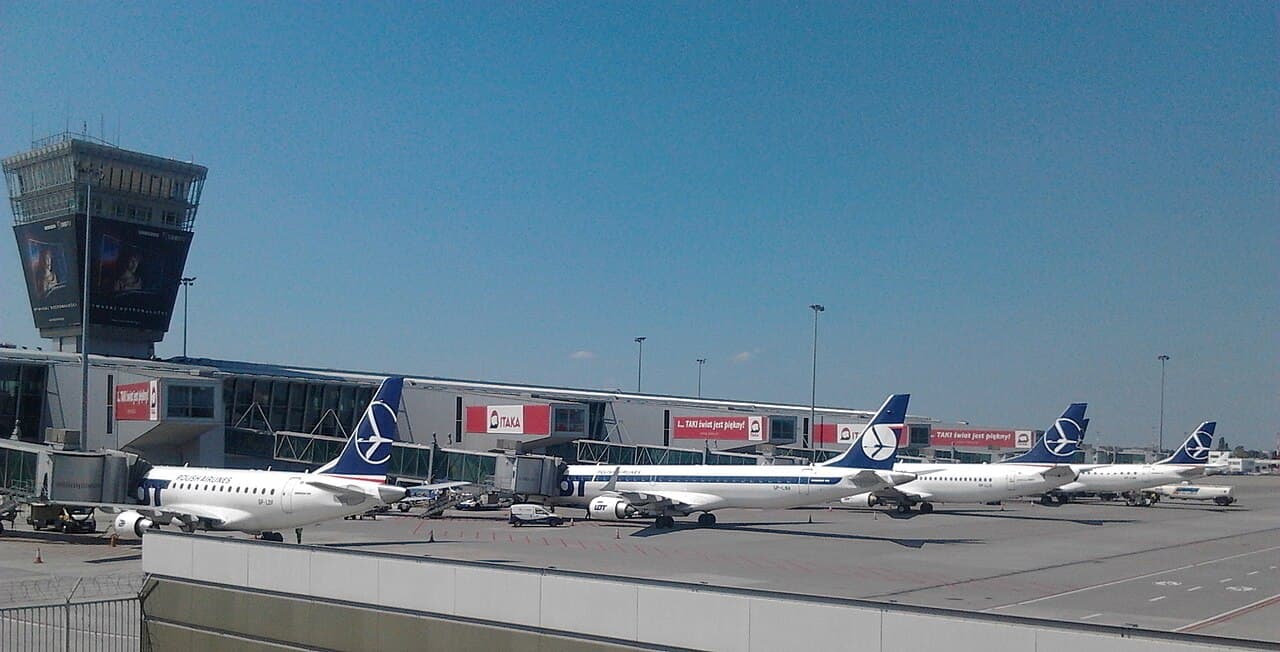
Image: Brandmeister · CC0 · via Wikimedia Commons
US Military Pilots Weigh Retirement Benefits Versus Airline Pay After Service
US military aviators face a critical choice between lucrative airline careers and secure Pentagon pensions after completing their service commitments.
The gist
Military pilots choose between the security of a Pentagon pension and higher pay flying commercially after active duty.
Continuing coverage
All Pilot Pay →- British Airways Widebody Captains Earn Up to £275,000 by 2026, Rookies Start Around £40,000
- Senior Pilots on Ultra-Long-Haul Flights Earn Record Pay as Global Contracts Shift in 2026
- Delta A350 and US Boeing 777 Pilot Pay Align Closely in 2026
- Southwest Airlines senior Boeing 737 captains earn over $450,000 in 2026 via unique Trip For Pay model
US military pilots confront a significant career crossroads after fulfilling their mandatory active-duty commitments, with armed forces branches requiring eight to ten years of service depending on the service. At this juncture, aviators must decide whether to remain in uniform or transition to civilian airline careers. While commercial carriers often offer salaries that can more than double a military pilot's base compensation, the Pentagon provides substantial retirement benefits that incentivize staying, particularly for those who complete 20 years of service.
The initial active-duty terms vary: the Air Force and Army require a minimum of ten years, while the Navy and Marine Corps require eight. The financial allure of the private sector stems not only from higher pay but also the streamlined job focus, as airline pilots do not have to perform the ancillary duties and administrative tasks that military officers routinely handle. Despite the salary disparity, many aviators' sense of duty and passion for military flight keep them committed beyond their initial obligations.
Among the military, pilots enjoy unique flying opportunities, from piloting stealth bombers like the B-21 Raider on combat missions to executing humanitarian evacuations with aircraft such as the C-130 Hercules. This unparalleled range of operational assignments is a powerful retention factor. However, as aviators progress in rank, they often spend less time flying and more on paperwork and command responsibilities, which diminishes job satisfaction for some and encourages departure for the airlines.
The retirement systems offered by the Department of Defense represent a key non-monetary factor in pilots' decisions. Those who joined prior to 2018 and remain for 20 years benefit from the High-Three Retirement System which provides 2.5% of the highest 36 months' earnings times years of service. Post-2018 entrants or those opting into the Blended Retirement System (BRS) receive a lower multiplier of 2.0%, though the BRS includes a government matching contribution to the Thrift Savings Plan (TSP) that partially offsets the reduced pension payout.
Despite these benefits, early separation drastically reduces retirement pay, pushing some pilots to depart before vesting in full benefits. Yet even a full pension typically cannot compete with the earning potential in commercial aviation. Airline pay is hourly-based, encompassing block time plus credit for layovers, deadheading, and other duties. Seniority-based bidding systems also afford pilots greater control over work-life balance, a freedom generally unavailable in military service.
Monthly base pay for military pilots ranges from about $4,150 for a junior officer to over $9,200 for a more senior O-5 rank. Aviation bonuses can augment this, with the Air Force offering up to $50,000 annually targeted at retention. However, commercial pilots, especially senior captains flying widebody aircraft, can earn annual salaries well beyond $350,000, with some exceeding $550,000, supplemented by lucrative contributions and benefits from airlines like Delta Air Lines.
The stark contrast in compensation and personal scheduling autonomy drives many military aviators toward civilian careers after fulfilling their military obligations. For some, the promise of a high-paying career with control over personal time and location outweighs the stability of military pensions and healthcare benefits.
While the pentagon's retirement packages provide financial security, the tangible rewards in pay and lifestyle offered by civilian airlines, along with the immediate earning potential without long service commitments, present compelling incentives for transition. This dynamic continues to influence retention challenges for military aviation programs and shapes the pathways of many US military pilots' careers.
Frequently asked questions
- What are the minimum active-duty commitments for US military pilots?
- US military pilots must serve a minimum of eight years in the Navy and Marines, and ten years in the Air Force and Army before becoming eligible to leave for other careers.
- How do military pension systems compare for pilots who joined before and after 2018?
- Pilots who joined before 2018 have access to the High-Three Retirement System that pays 2.5% per year of service, while those who joined later or opted in have the Blended Retirement System paying 2.0%, supplemented by the Thrift Savings Plan.
- Why do many military pilots choose to leave service and join commercial airlines?
- Many pilots leave due to higher pay, greater control over personal schedules, less administrative burden, and the ability to start earning immediately without waiting for a full military pension.
Read more
All Military/Defense →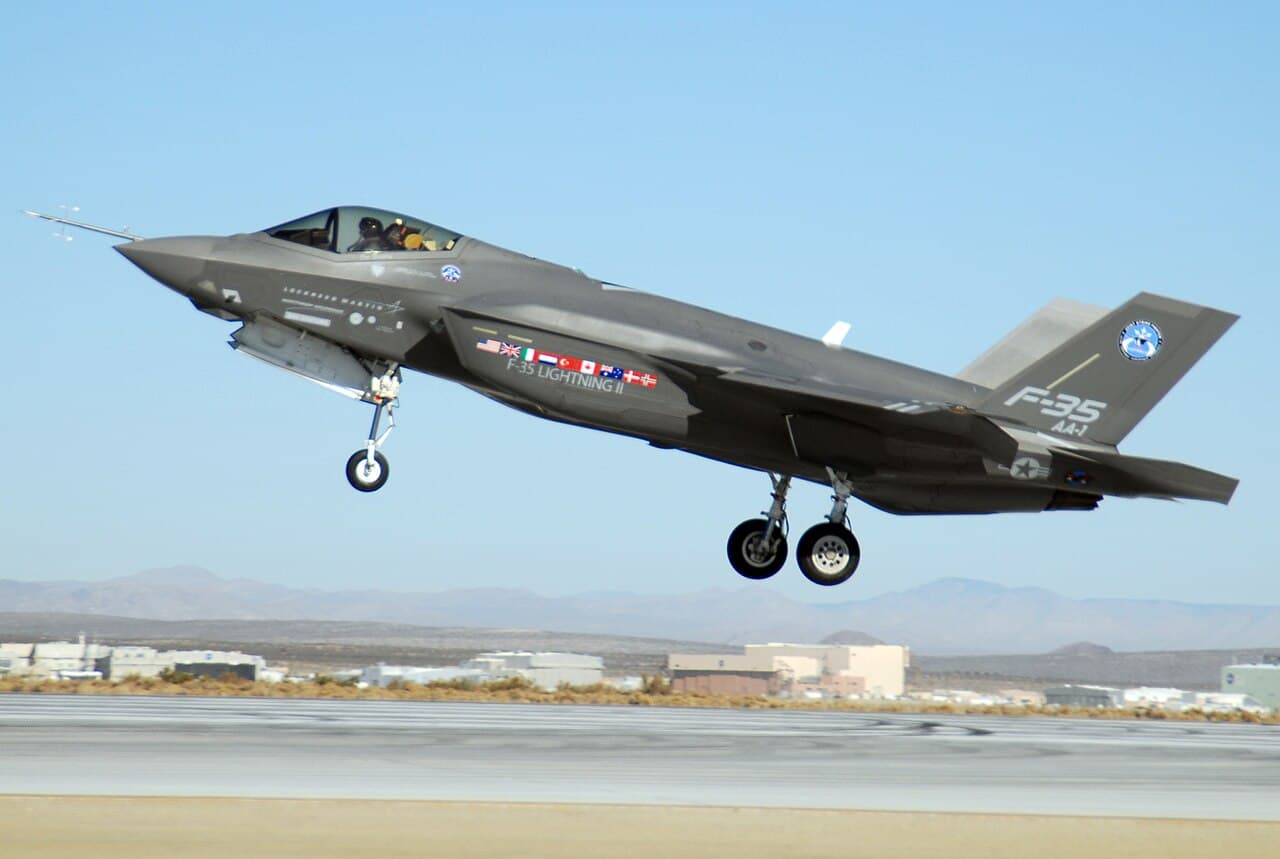
US Controls All F-35 Mission Data Updates, Grounding Allied Squadron Autonomy
The Lockheed Martin F-35 Lightning II is one of the most important weapon systems developed in the 21st century. It represents a major paradigm shift for air power not only in the US Air Force, but the Navy and Marines as well as 19 other US Allied partner nations around the world that are part of the global fleet. In addition to being the most expensive defense industrial project in history, it is also one of the most closely guarded classified projects to ever become a multinational defense program.
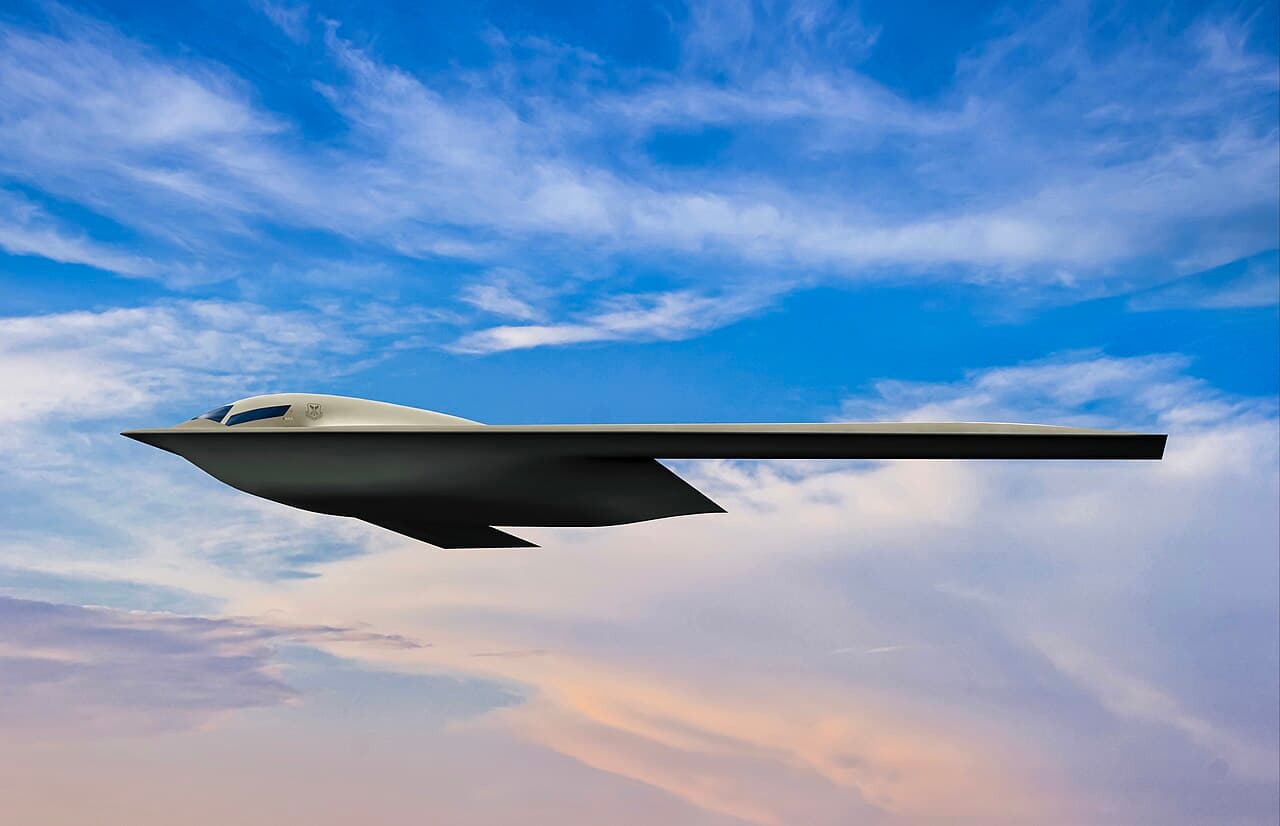
US Air Force invests over $19 billion to modernize five key bases, led by Guam and Ellsworth
The United States Air Force is pouring more concrete, steel, and taxpayer money into its bases right now than at any point since the Cold War, and the bill across just five installations already tops $19 billion. This list ranks those five reconstruction efforts by the size of the investment attached to each one, running from a $409 million jungle-clearing job in the Mariana Islands up to an $8 billion air defense shield on Guam .
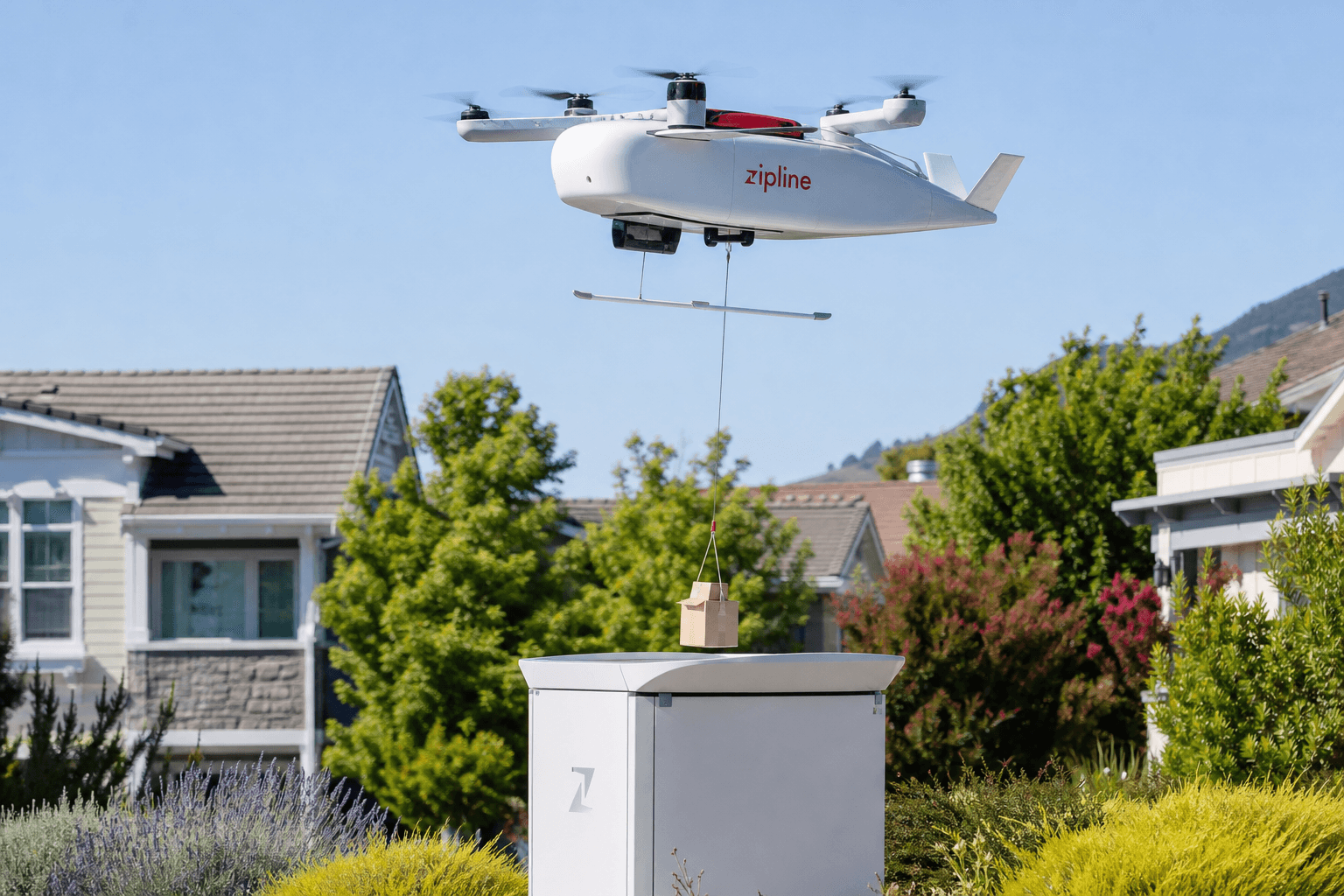
Uber, Zipline Aim for 1 Million Daily Drone Deliveries by 2029
App- and web-based delivery platforms from Walmart, Amazon, DoorDash, and now Uber are embracing small drones to slash trip times in a trend that could reshape low-altitude U.S. airspace. Uber on Monday announced it is partnering with drone manufacturer and operator Zipline, which is also a partner of Walmart and competitor Wonder , the parent company of Grubhub. By the end of 2029, Uber and Zipline hope to achieve a cadence of 1 million daily drone deliveries, with "goals to expand far beyond that." The partners said the first deployments will begin this year in Dallas, Houston, and other cities where Zipline already operates, expanding as the company scales to dozens of other areas. Zipline in a news release called the move "one of the biggest steps toward expanding Zipline's service to every home in the U.S." "Our goal is for millions of people to be able to order lunch, dinner, snacks, and more through the Uber Eats app and have them delivered by Zipline" in five to 10 minutes, the company said. In a show of confidence, Uber is also making a strategic investment of an undisclosed amount in Zipline. "We look forward to bringing this technology to more communities and making autonomous delivery part of everyday life," said Dara Khosrowshahi, CEO of Uber, in a statement. Zipline's Platform 2 (P2) drones, or Zips, cruise at about 70 mph with up to 8 pounds of cargo, capable of 24-mile, one-way trips or flying within a 10-mile service radius. At the delivery location, the drones unfurl a tether to lower orders—stored within a smaller "droid"—to the ground from as high as 300 feet. Zips are designed for hub-and-spoke or dock-to-dock operations, delivering to the customer's front yard or public locations such as a park. Store employees load orders into a container called a Dropbox , entering a code on a keypad to unlock a secure drawer. The Zip then lowers the smaller droid into the Dropbox and secures the order autonomously. Zipline began conducting medical drone delivery operations in Rwanda in 2016 and now serves more than 5,000 hospitals. It operates commercial on-demand and medical delivery services in Ohio, Arkansas, and Texas. The company said U.S. deliveries now make up about 70 percent of its volume. Beyond Zipline, Uber seeks to add an aerial element to its services in partnership with Joby Aviation, with which it is exploring commercial air taxi services beginning in the Middle East. Drone Delivery Set to Explode For years, ambitions of drone delivery were kept afloat by venture capital flowing to small startups or side projects of companies such as Amazon and Alphabet. The industry has since evolved from pilot programs to routine commercial services. The backing of platforms such as Uber could take it to new heights—with significant implications for low-altitude airspace. Uber's collaboration with Zipline pits it directly against rival DoorDash in the drone delivery business. In July, the latter revealed it is building its own delivery drone to complement the models it operates from Alphabet's Wing, Israel's Flytrex, and Ireland's Manna. DoorDash has explored U.S. drone delivery since 2024 but is now looking to bring more of those operations in-house, akin to Amazon's Prime Air unit that builds and operates its own drones. The company is putting the full weight of its DoorDash Labs automation division into developing an end-to-end network, including a software that determines which deliveries best lend themselves to drones. Wonder aims to add Zipline's drone delivery service to the majority of its Texas locations by the end of next year, and it recently trialled a service in New Jersey with partner Dexa. Walmart offers drone delivery from Zipline, Wing, and Flytrex through its app and website. Uber also works with Flytrex and is exploring the U.S. market in partnership with Manna. According to Uber, Zipline drones make a delivery every 20 seconds on average. The company says it has delivered over 20 million items across more than 2.5 million deliveries and 140 million miles flown. Achieving one million daily deliveries by 2029, though, will require even greater scale. Drone delivery operators represented by the Commercial Drone Alliance (CDA) and other lobbying groups are clamoring for the FAA's finalization of Part 108 , which would unlock routine operations beyond the visual line of sight (BVLOS) of humans. Instead, drones would rely on detect and avoid systems and uncrewed aircraft system (UAS) traffic management (UTM) platforms to keep operations safe. Part 108 would enable the scale the drone industry desires. But pilots have pushed back on some of the proposal's more permissive elements, such as the granting of right-of-way to drones over crewed aircraft in certain scenarios. The Air Line Pilots Association (ALPA) and others have expressed skepticism about the maturity of detect and avoid systems and their ability to prevent collisions. Proposed Part 108 reportedly moved to the federal Office of Information and Regulatory Affairs (OIRA) for review last month. That means the rule could be months or even weeks away from being finalized, and companies such as Uber and Zipline could soon face fewer restrictions on fully autonomous drone delivery.
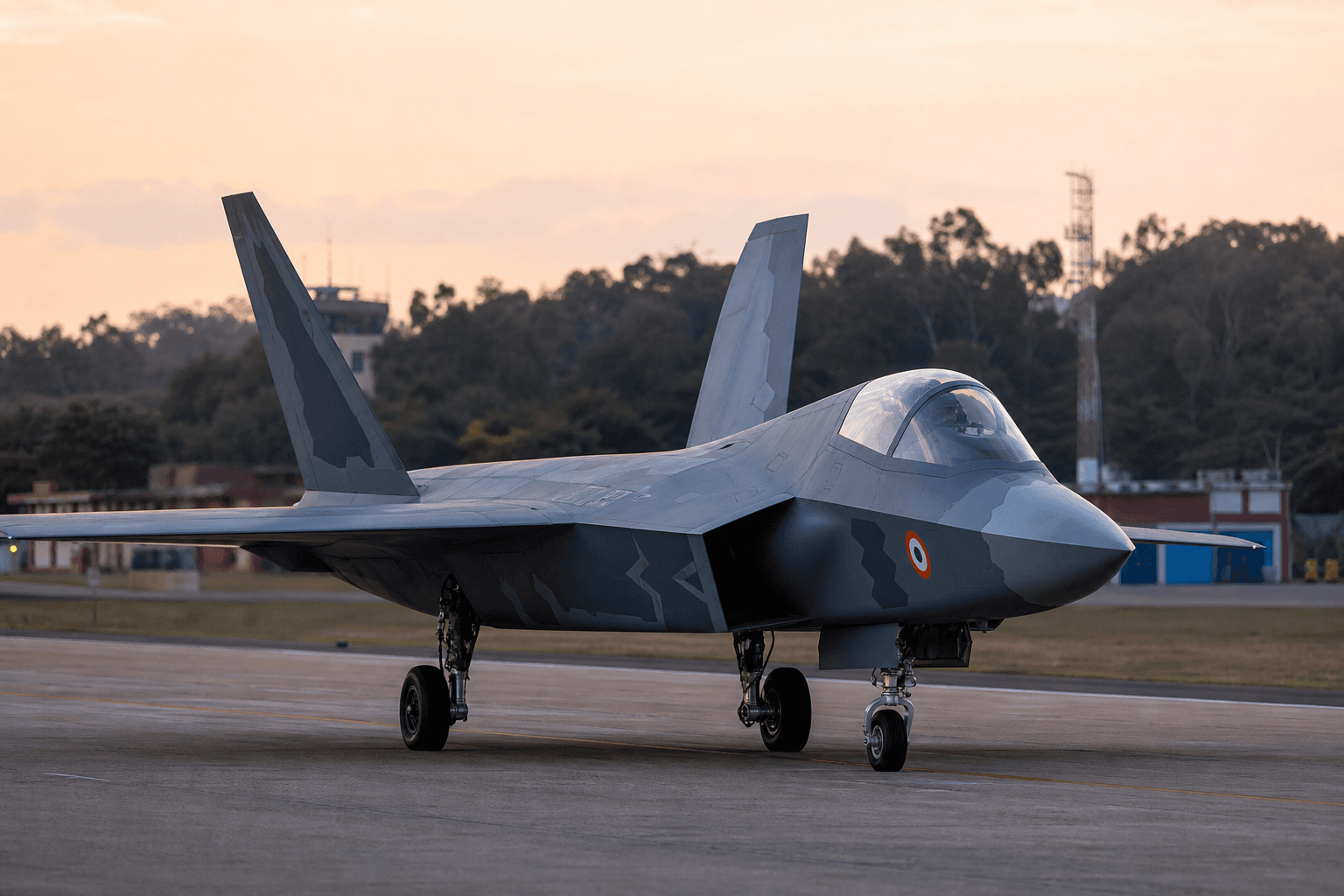
Reliance and Rolls-Royce Collaborate to Develop Indigenous Engine for India's AMCA
Partnership is a nod to India's desire to develop its local defence industry. Reliance and Rolls-Royce will explore the possibility of developing a fighter engine for India's planned Advanced Medium Combat Aircraft (AMCA). The two companies say they have a "strategic intent" related to designing, developing, manufacturing, and delivering an indigenous engine for the fighter. They will also explore a local production capability for the engine. "India's strategic autonomy requires sovereign capability in critical technologies," says Reliance Industries executive director Anant Ambani. "Our intent with Rolls-Royce is to combine their world-leading expertise in advanced propulsion with Reliance's technology, manufacturing, scale and execution capabilities to build an indigenous aero-engine ecosystem in India. Together, we aim to build an enduring national capability that can make India self-reliant and, over time, globally competitive in advanced propulsion technologies." AMCA has been on the drawing board for nearly two decades, with India's Aeronautical Development Agency (ADA) leading the programme. In May 2025, New Delhi cleared a plan that will allow private sector players to bid to work with ADA developing the jet: in the past, state-owned Hindustan Aeronautics (HAL) would have been tapped as the exclusive developer. Initially, AMCA will be powered by a pair of GE Aerospace F414 INS-6 engines, with later tranches of the aircraft to be powered by a locally developed engine. In June 2023, GE Aerospace and HAL entered a memorandum of understanding for the potential production of F414s in India. Indian media reports indicate that Safran has also shown interest in a future AMCA engine. The design phase for AMCA ran between 2019-2024, and the formal development effort is to run over 10 years, with five prototypes to be built. Plans call for the first production aircraft to be delivered in 2036. The aircraft marks India's first attempt to develop a low observable aircraft, with the air force hoping to obtain 120 examples.
The Daily Touch & Go
The day's best aviation news in your inbox. Free, no spam.