

Image: ALAN RADECKI · Public domain · via Wikimedia Commons
US Air Force invests over $19 billion to modernize five key bases, led by Guam and Ellsworth
The US Air Force is undertaking a $19 billion reconstruction program across five bases, including Guam's $8 billion air defense upgrade and Ellsworth's $2 billion B-21 Raider preparation.
The gist
US Air Force allocates $19B to revamp five strategic bases, focusing on Pacific defense and new stealth bomber operations.
The United States Air Force is currently engaged in its most extensive base reconstruction effort since the Cold War, allocating upwards of $19 billion across five major installations. These projects span from a $409 million redevelopment in the Mariana Islands to a massive $8 billion air defense enhancement on Guam. This massive investment seeks to enhance the Air Force's ability to project power and maintain readiness in key strategic regions, particularly in the Indo-Pacific.
One notable project is the revival of North Field on Tinian in the Mariana Islands, a World War II airfield that once launched B-29 Superfortresses. The $409 million, five-year effort clears jungle and repaves four 8,500-foot runways, providing a dispersal platform close to Guam for aircraft operating in the Pacific. This aligns with the Agile Combat Employment doctrine, emphasizing aircraft dispersion across austere airfields rather than集中 at large bases. Although the site won’t host permanent combat wings, it serves as insurance for aircraft forced to relocate if Andersen Air Force Base is compromised.
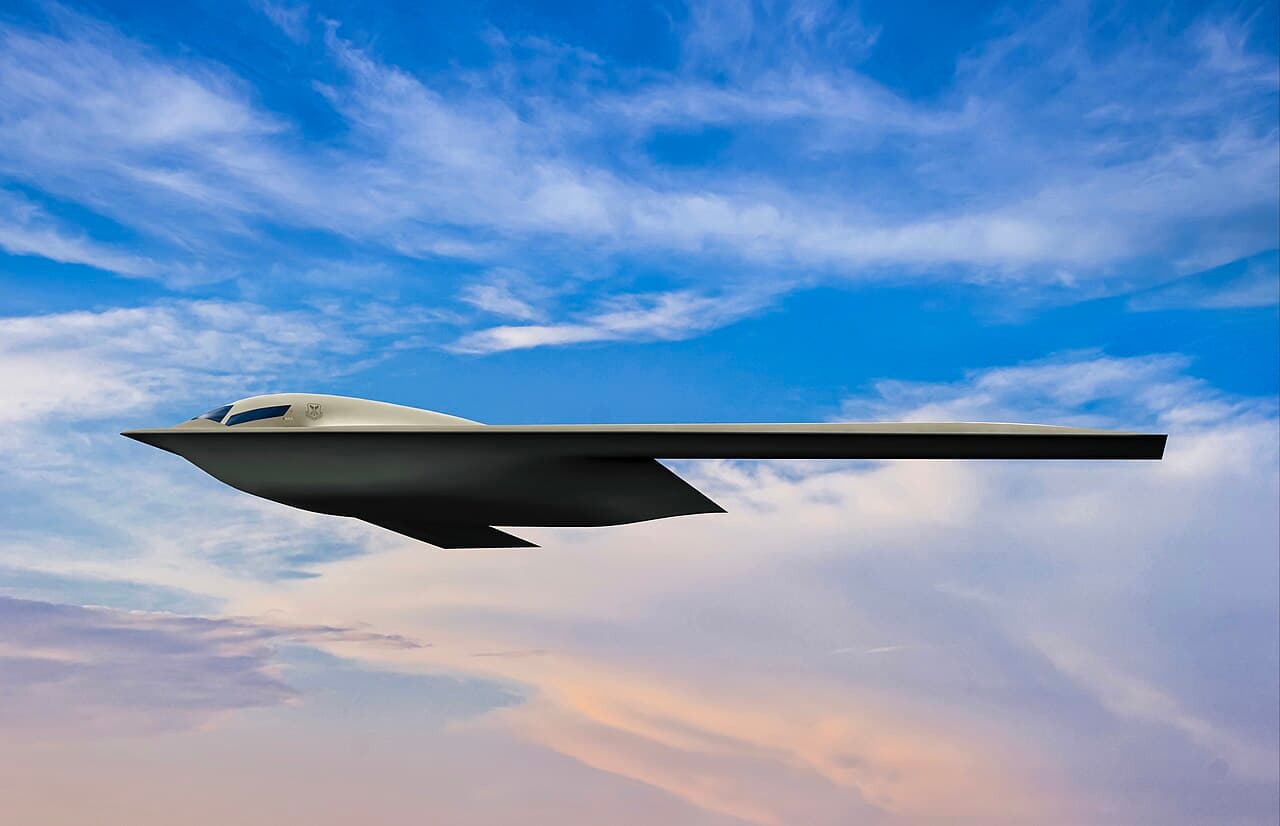
Ellsworth Air Force Base in South Dakota is undergoing a $2 billion modernization to become the first operational home and training unit for the advanced Northrop Grumman B-21 Raider stealth bomber. Currently housing the 28th Bomb Wing’s B-1 Lancers, Ellsworth is constructing new specialized facilities such as a $161 million Low Observable Restoration Facility and an $81 million wash rack designed for the new stealth technology. These installations support the Air Force’s accelerated B-21 delivery timeline, with first aircraft expected in 2027, signaling a shift towards stealth bombers as the principal long-range strike asset.
In the United Kingdom, RAF Lakenheath is receiving approximately $1.6 billion of a broader $4.2 billion investment spanning three UK bases. The upgrades at Lakenheath support the base’s dual role flying F-15E Strike Eagles and F-35A Lightning IIs, while also gearing up for a nuclear surety mission that involves infrastructure to secure and control B61 gravity bombs. Despite official silence on nuclear deployments, the construction of hardened command facilities suggests an increased strategic emphasis on the base’s role in nuclear operations.
Tyndall Air Force Base in Florida is undergoing a $5 billion reconstruction after being heavily damaged by Hurricane Michael in 2018. The rebuild creates what the Air Force calls an 'Installation of the Future,' designed to host operational F-35A Lightning IIs rather than merely training F-22 pilots. The comprehensive upgrade includes wind-resistant buildings engineered to withstand 165 mph winds and advanced flood prevention systems. The project involves constructing over 120 facilities, with a $604 million contract for 11 F-35 flight-line buildings representing the largest military construction award in Air Force history.
Guam anchors the list with an $8 billion investment focused on establishing a modern air defense shield in this strategically critical Pacific location. This large-scale program supports the broader US Indo-Pacific deterrence strategy by upgrading infrastructure to handle dispersed operations and enhance defensive and offensive capabilities in the region. Guam’s expansion complements projects at nearby Tinian and Andersen Air Force Base, ensuring operational resilience in this vital theater.
Together, these projects reflect a paradigm shift in US Air Force basing strategy towards resilience, dispersal, and readiness amid emerging global threats. By investing heavily in upgraded facilities capable of hosting next-generation aircraft and missions, including nuclear deterrence and stealth operations, the Air Force is preparing for conflict scenarios that demand flexibility and survivability. The scale and scope of these reconstruction efforts underscore the priority placed on maintaining technological and strategic edge in key geographies for decades to come.
Frequently asked questions
- What is the total investment amount the US Air Force is making across the five bases?
- The US Air Force is investing over $19 billion in modernization and reconstruction across the five bases.
- Which base is preparing to become the first operational home of the B-21 Raider bomber?
- Ellsworth Air Force Base in South Dakota is being prepared as the first main operating base and formal training unit for the B-21 Raider.
- What is the strategic importance of North Field on Tinian?
- North Field on Tinian is being redeveloped as a dispersal airfield near Guam to provide an alternative landing and staging location under the Agile Combat Employment doctrine, enhancing operational resilience in the Pacific.
Read more
All Military/Defense →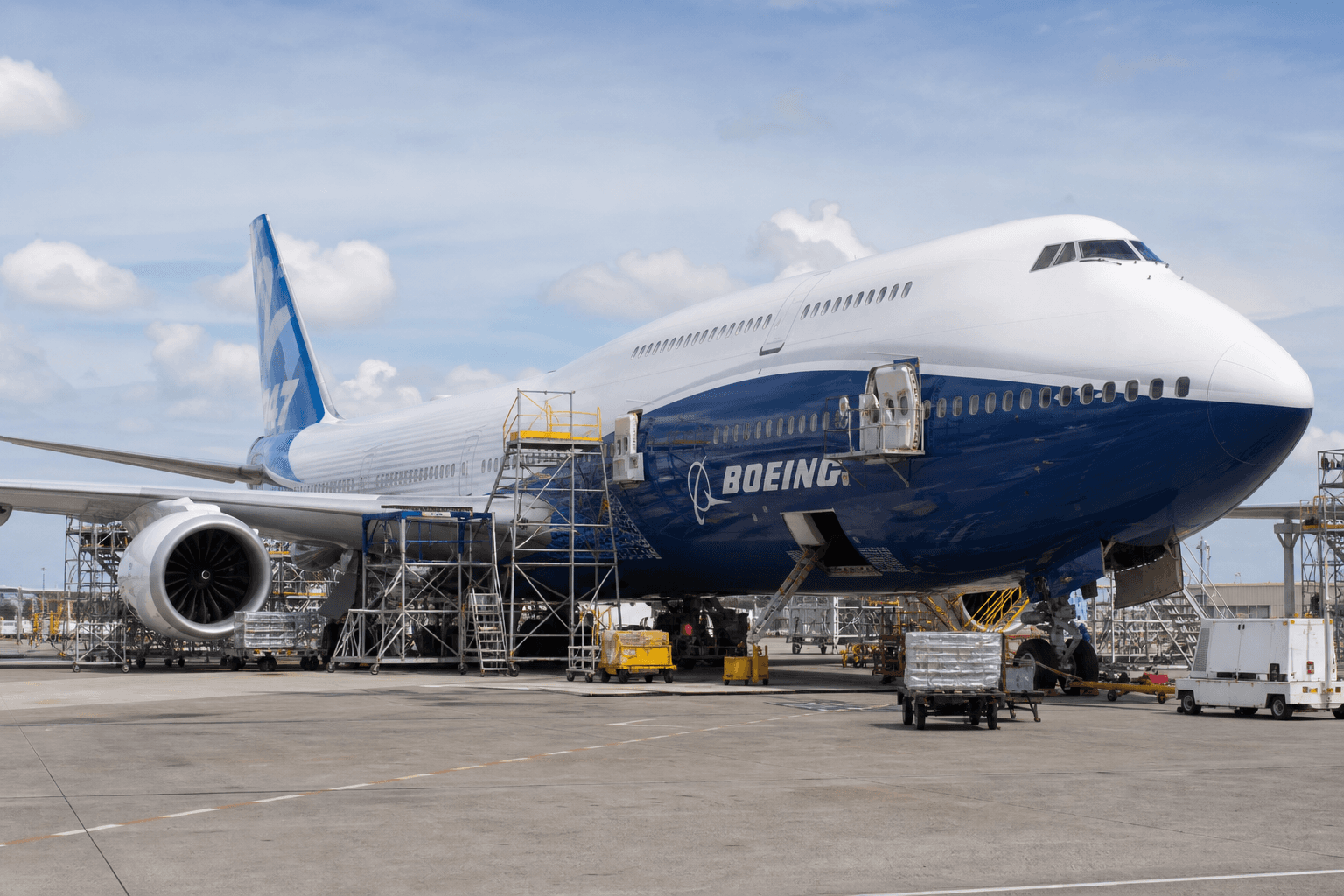
Boeing's VC-25B Air Force One Replacements Delayed to 2028-29 Completion
The Boeing 747 may have ended its commercial production run, but two of the most consequential examples ever built remain deep inside a modification program that has stretched years beyond its original timetable. Boeing 's two purpose-built VC-25B presidential aircraft, which are the long-awaited replacements for the US Air Force's aging VC-25As, were originally expected to be delivered by the end of 2024. Instead, the first aircraft is now scheduled for roughly mid-2028, while the second is expected around mid-2029, according to the latest program reporting summarized by Yahoo Finance .
US Air Force Deploys Nearly One-Third of B-1B Bomber Fleet to RAF Fairford
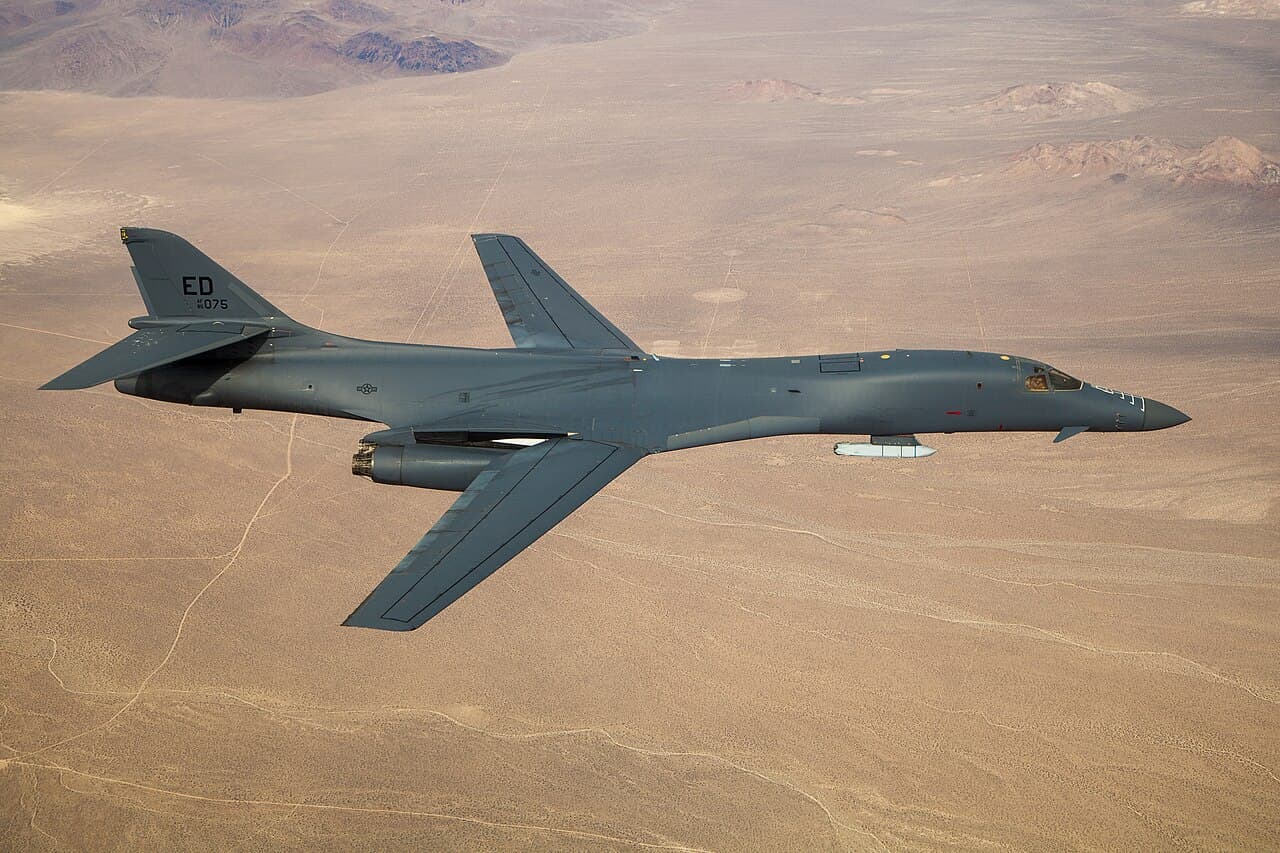
At the peak of Operation Epic Fury (around late March 2026) , the US Air Force deployed around 15 B-1B Lancers and around six B-52H Stratofortresses at the UK's RAF Fairford airbase. The initial wave of B-1Bs arrived on or after March 6, with B-52s arriving soon after. As of the time of writing (late July), a large share of the Air Force's operational Rockwell B-1 Lancer fleet remains deployed at RAF Fairford.
Uber, Zipline Aim for 1 Million Daily Drone Deliveries by 2029
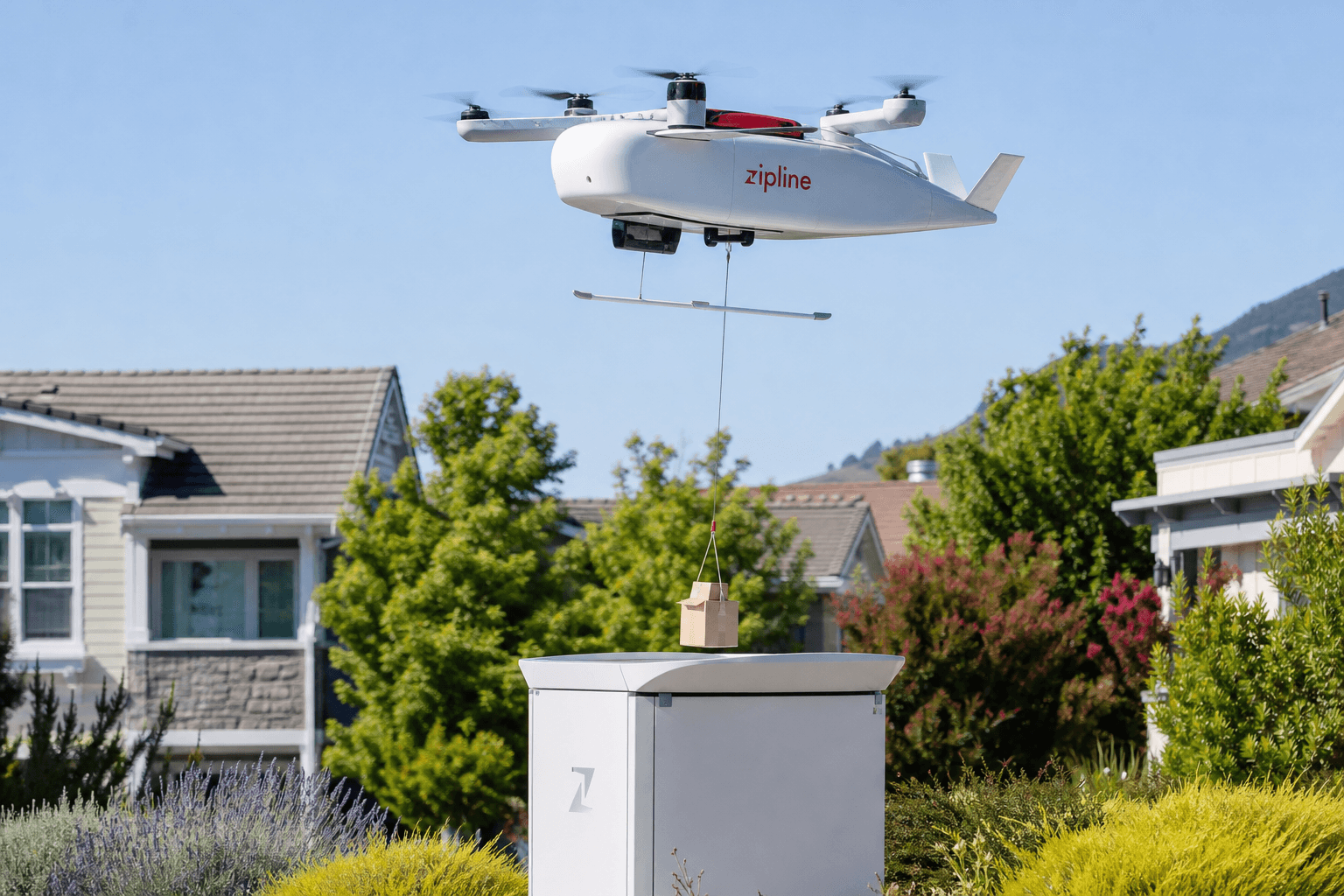
App- and web-based delivery platforms from Walmart, Amazon, DoorDash, and now Uber are embracing small drones to slash trip times in a trend that could reshape low-altitude U.S. airspace. Uber on Monday announced it is partnering with drone manufacturer and operator Zipline, which is also a partner of Walmart and competitor Wonder , the parent company of Grubhub. By the end of 2029, Uber and Zipline hope to achieve a cadence of 1 million daily drone deliveries, with "goals to expand far beyond that." The partners said the first deployments will begin this year in Dallas, Houston, and other cities where Zipline already operates, expanding as the company scales to dozens of other areas. Zipline in a news release called the move "one of the biggest steps toward expanding Zipline's service to every home in the U.S." "Our goal is for millions of people to be able to order lunch, dinner, snacks, and more through the Uber Eats app and have them delivered by Zipline" in five to 10 minutes, the company said. In a show of confidence, Uber is also making a strategic investment of an undisclosed amount in Zipline. "We look forward to bringing this technology to more communities and making autonomous delivery part of everyday life," said Dara Khosrowshahi, CEO of Uber, in a statement. Zipline's Platform 2 (P2) drones, or Zips, cruise at about 70 mph with up to 8 pounds of cargo, capable of 24-mile, one-way trips or flying within a 10-mile service radius. At the delivery location, the drones unfurl a tether to lower orders—stored within a smaller "droid"—to the ground from as high as 300 feet. Zips are designed for hub-and-spoke or dock-to-dock operations, delivering to the customer's front yard or public locations such as a park. Store employees load orders into a container called a Dropbox , entering a code on a keypad to unlock a secure drawer. The Zip then lowers the smaller droid into the Dropbox and secures the order autonomously. Zipline began conducting medical drone delivery operations in Rwanda in 2016 and now serves more than 5,000 hospitals. It operates commercial on-demand and medical delivery services in Ohio, Arkansas, and Texas. The company said U.S. deliveries now make up about 70 percent of its volume. Beyond Zipline, Uber seeks to add an aerial element to its services in partnership with Joby Aviation, with which it is exploring commercial air taxi services beginning in the Middle East. Drone Delivery Set to Explode For years, ambitions of drone delivery were kept afloat by venture capital flowing to small startups or side projects of companies such as Amazon and Alphabet. The industry has since evolved from pilot programs to routine commercial services. The backing of platforms such as Uber could take it to new heights—with significant implications for low-altitude airspace. Uber's collaboration with Zipline pits it directly against rival DoorDash in the drone delivery business. In July, the latter revealed it is building its own delivery drone to complement the models it operates from Alphabet's Wing, Israel's Flytrex, and Ireland's Manna. DoorDash has explored U.S. drone delivery since 2024 but is now looking to bring more of those operations in-house, akin to Amazon's Prime Air unit that builds and operates its own drones. The company is putting the full weight of its DoorDash Labs automation division into developing an end-to-end network, including a software that determines which deliveries best lend themselves to drones. Wonder aims to add Zipline's drone delivery service to the majority of its Texas locations by the end of next year, and it recently trialled a service in New Jersey with partner Dexa. Walmart offers drone delivery from Zipline, Wing, and Flytrex through its app and website. Uber also works with Flytrex and is exploring the U.S. market in partnership with Manna. According to Uber, Zipline drones make a delivery every 20 seconds on average. The company says it has delivered over 20 million items across more than 2.5 million deliveries and 140 million miles flown. Achieving one million daily deliveries by 2029, though, will require even greater scale. Drone delivery operators represented by the Commercial Drone Alliance (CDA) and other lobbying groups are clamoring for the FAA's finalization of Part 108 , which would unlock routine operations beyond the visual line of sight (BVLOS) of humans. Instead, drones would rely on detect and avoid systems and uncrewed aircraft system (UAS) traffic management (UTM) platforms to keep operations safe. Part 108 would enable the scale the drone industry desires. But pilots have pushed back on some of the proposal's more permissive elements, such as the granting of right-of-way to drones over crewed aircraft in certain scenarios. The Air Line Pilots Association (ALPA) and others have expressed skepticism about the maturity of detect and avoid systems and their ability to prevent collisions. Proposed Part 108 reportedly moved to the federal Office of Information and Regulatory Affairs (OIRA) for review last month. That means the rule could be months or even weeks away from being finalized, and companies such as Uber and Zipline could soon face fewer restrictions on fully autonomous drone delivery.
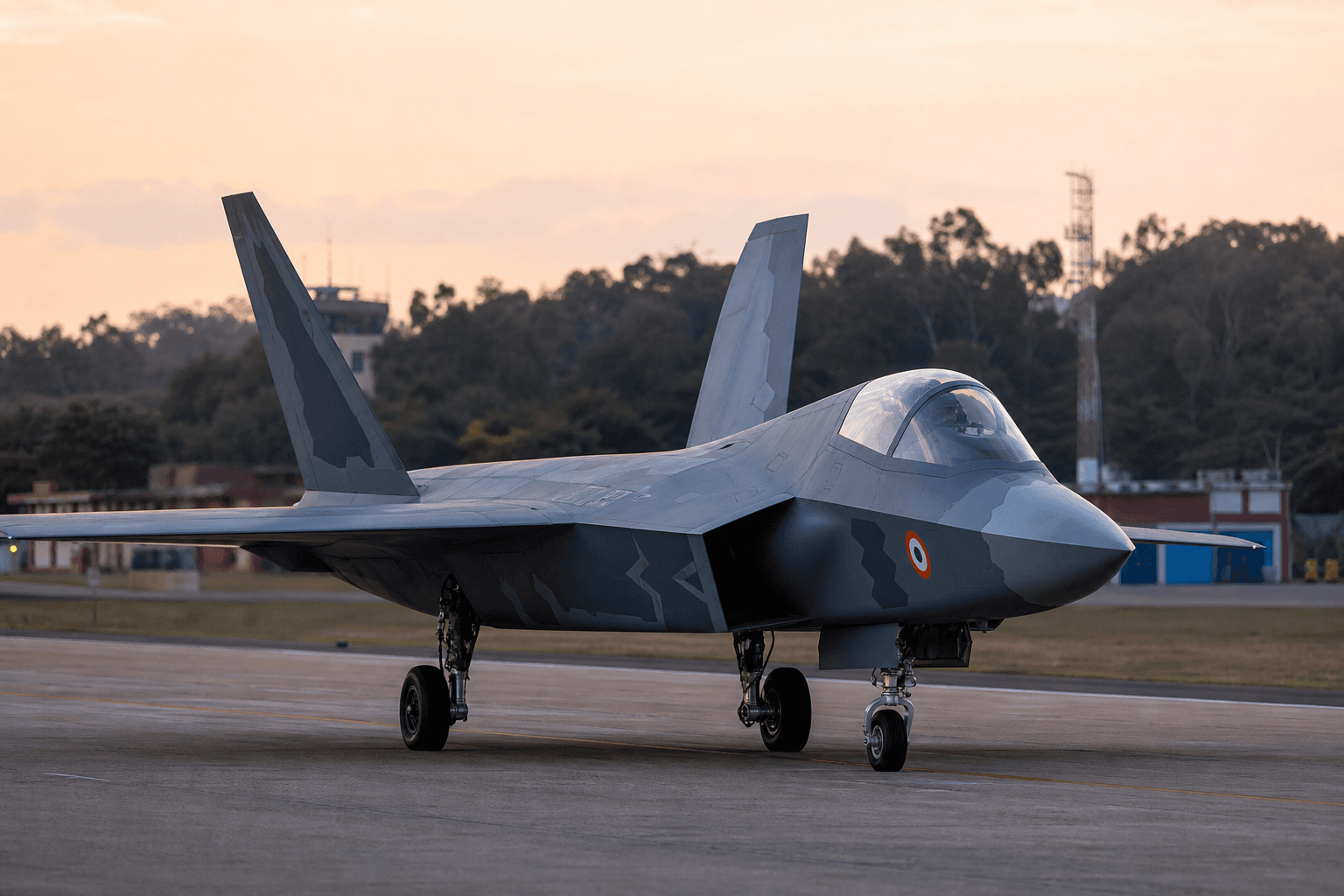
Reliance and Rolls-Royce Collaborate to Develop Indigenous Engine for India's AMCA
Partnership is a nod to India's desire to develop its local defence industry. Reliance and Rolls-Royce will explore the possibility of developing a fighter engine for India's planned Advanced Medium Combat Aircraft (AMCA). The two companies say they have a "strategic intent" related to designing, developing, manufacturing, and delivering an indigenous engine for the fighter. They will also explore a local production capability for the engine. "India's strategic autonomy requires sovereign capability in critical technologies," says Reliance Industries executive director Anant Ambani. "Our intent with Rolls-Royce is to combine their world-leading expertise in advanced propulsion with Reliance's technology, manufacturing, scale and execution capabilities to build an indigenous aero-engine ecosystem in India. Together, we aim to build an enduring national capability that can make India self-reliant and, over time, globally competitive in advanced propulsion technologies." AMCA has been on the drawing board for nearly two decades, with India's Aeronautical Development Agency (ADA) leading the programme. In May 2025, New Delhi cleared a plan that will allow private sector players to bid to work with ADA developing the jet: in the past, state-owned Hindustan Aeronautics (HAL) would have been tapped as the exclusive developer. Initially, AMCA will be powered by a pair of GE Aerospace F414 INS-6 engines, with later tranches of the aircraft to be powered by a locally developed engine. In June 2023, GE Aerospace and HAL entered a memorandum of understanding for the potential production of F414s in India. Indian media reports indicate that Safran has also shown interest in a future AMCA engine. The design phase for AMCA ran between 2019-2024, and the formal development effort is to run over 10 years, with five prototypes to be built. Plans call for the first production aircraft to be delivered in 2036. The aircraft marks India's first attempt to develop a low observable aircraft, with the air force hoping to obtain 120 examples.
The Daily Touch & Go
The day's best aviation news in your inbox. Free, no spam.