

Illustration: The Touch & Go
Air France and KLM Expand Business Class Seat Assignment Fees to More Markets
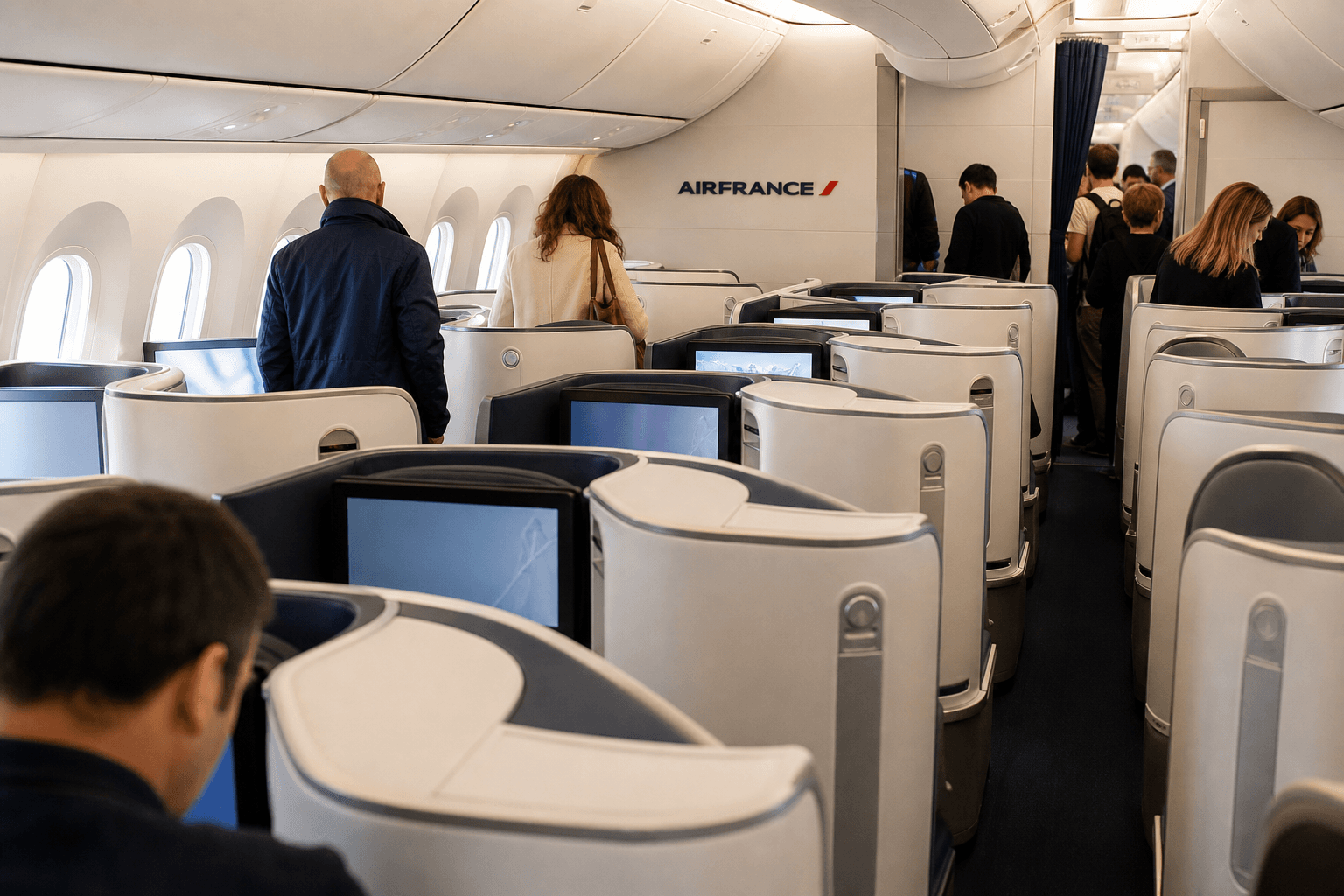
Air France-KLM has broadened its business class seat reservation fees to include more long-haul routes, affecting award tickets and most flights to North America outside the US origin point.
The gist
Air France-KLM now charges business class seat assignment fees on more routes, including all award tickets, with some fees exceeding $200.
Continuing coverage
All Ancillary Revenue →Air France and KLM have recently extended a controversial business class policy initiated in spring 2023, introducing seat assignment fees across more routes and ticket types. Initially limited, the Advance Seat Reservation (ASR) scheme now applies more broadly to long-haul flights, including award tickets globally and most routes to North America that do not originate in the United States. This expansion marks a significant shift in premium cabin customer experience for the airline group.
The ASR fees apply to all business class tickets booked under Business Light and Business Standard fare categories on long-haul flights, except those beginning in the US. Meanwhile, passengers holding Flying Blue Silver, Gold, and Platinum status, Business Flex ticket holders, and most corporate customers (excluding bluebiz members) are exempt from the charges. Notably, travelers in business class may still select seats without charge during check-in, although options may be limited or less desirable.
Pricing for advance seat assignments varies widely and can reach or exceed $200 per flight segment. Premium seats such as front row business class suites on certain aircraft incur higher fees than standard seat assignments. For example, on a non-elite award booking from San Francisco to Paris, seat selection fees were around $172, discounted from an indicated standard rate of $229. Passengers can also redeem Flying Blue miles to pay fees, though the exchange rate offers considerably poor value.
These fees mirror a growing trend among European airlines, with British Airways having long levied business class seat selection charges. Similarly, Lufthansa Group’s new premium business class products have introduced seat assignment fees on most seats. Air France-KLM possesses a fleet primarily featuring reverse herringbone seats, which provide a consistent experience across seats, arguably reducing the incentive to pay extra for preferred seating.
Operationally, the exemption of US-originating business class tickets from these fees likely reflects the competitive dynamics and joint ventures in the transatlantic market, particularly Air France-KLM’s partnership with Delta Air Lines. Delta itself is launching a basic business class fare, signaling a broader industry movement towards ancillary revenue generation within premium cabins.
Air France-KLM’s decision to monetize seat assignments in business class comes as airlines face a changed business travel landscape; post-pandemic reductions in corporate travel have prompted carriers to optimize revenue from leisure travelers willing to pay premium prices. This strategy allows the airline to capture additional income from passengers who value seat choice but are less price-sensitive than before.
Consumer sentiment towards paid seat selection in premium cabins remains largely negative, as the practice clashes with expectations of inclusive service in business class. However, the airline appears to calculate that its brand equity, route network, and competitive positioning will retain customer loyalty despite these charges.
This policy expansion indicates how legacy carriers are balancing investments in upmarket products with ancillary revenue initiatives. While Air France and KLM continue to upgrade their premium offerings, business class seat assignment fees could be considered a trade-off that some passengers will reluctantly accept. The company has maintained clarity on which ticket categories and customers are exempt, attempting to mitigate dissatisfaction among frequent flyers and corporate clients.
Frequently asked questions
- Which Air France-KLM passengers are exempt from business class seat assignment fees?
- Flying Blue Silver, Gold, and Platinum members, Business Flex passengers, and corporate customers (excluding bluebiz) do not pay the seat assignment fees.
- Do seat assignment fees apply to all Air France-KLM business class flights?
- The fees apply to all long-haul flights globally when redeeming miles, and most Business Light and Business Standard tickets, except revenue tickets originating in the United States.
- Can passengers use Flying Blue miles to pay for seat assignment fees?
- Yes, Flying Blue miles can be redeemed to cover seat assignment fees, but the redemption value is generally low, around half a cent per mile.
Read more
All Airlines →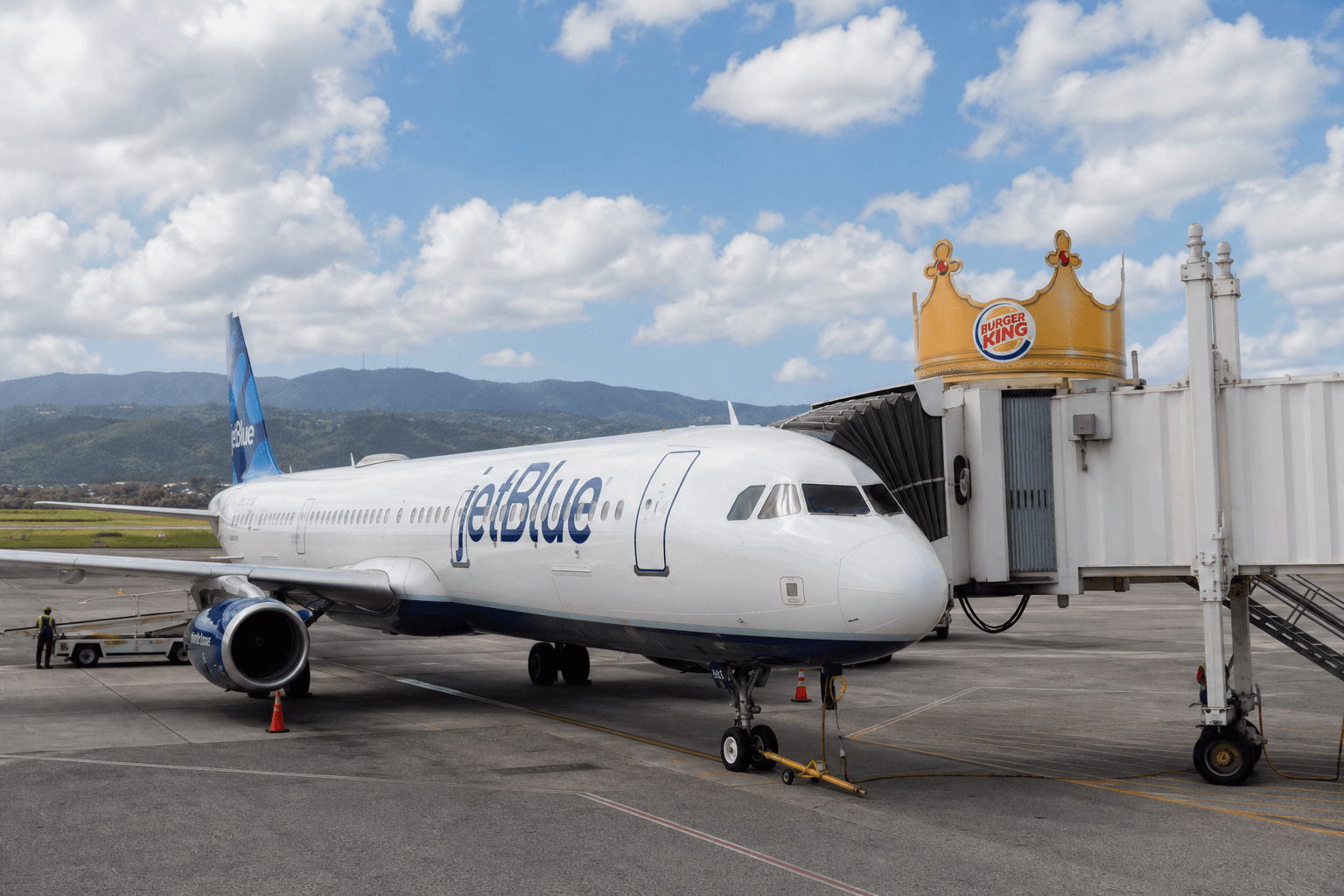
Man Known as Racist Burger King Flew to Jamaica for Facebook Bride, Then Abandoned
The man in the Burger King crown became an airline meme after racist outbursts got him removed from JetBlue and American. A buried Jamaican report says the trip began with a Facebook romance, a promised wedding, $1,000 lost—and nights sleeping on the beach.
Etihad Doubles Upgrade Fees for Exclusive A380 The Residence Suites
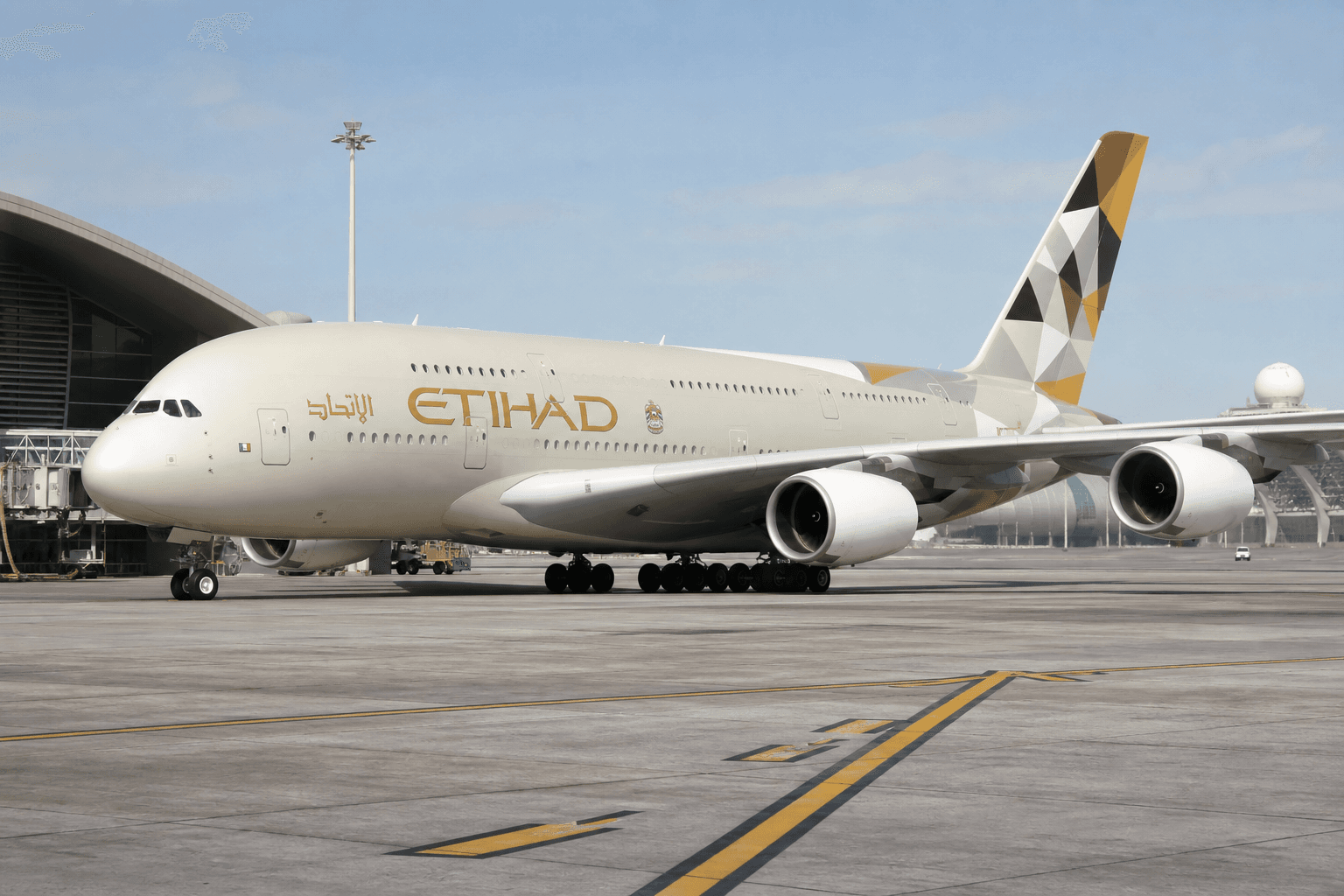
Abu Dhabi-based Etihad Airways has a small fleet of Airbus A380s, which have The Residence , arguably the most exclusive product in commercial aviation . This is a three-room suite with a living room, bedroom, and private bathroom with shower, and it's an experience I recently reviewed . Ever since these planes were reactivated in 2023, after initially being grounded during the pandemic, monetization has worked differently than before. Well, in recent weeks it looks like Etihad has hugely increased the cost to upgrade to The Residence across the board, with upgrades costing up to twice as much as before. Etihad massively increases cost of The Residence upgrades Back in the day, Etihad sold The Residence as a completely separate class of service, with no ability to upgrade. Tickets typically cost $25K+ one-way, and included butler service, and a completely differentiated soft product. Nowadays monetization works differently. If you are booked in first class (marketed as First Class Apartments on the A380 ), you can pay a fee to upgrade to The Residence. It doesn't matter if you paid cash or redeemed miles, as long as the ticket is issued by Etihad, rather than through a partner airline. Upgrades can be purchased either at the time of booking, or any time leading up to departure, pending availability. The cost to upgrade is also the same, regardless of whether you're one or two travelers. Anyway, in recent weeks, Etihad seems to have significantly increased the cost to upgrade to The Residence. Just to compare some of the before and after pricing: Between Abu Dhabi and Paris, an upgrade from first class to The Residence now costs AED 11,720 ($3,191 USD), compared to the previous cost of AED 5,840 ($1,590 USD), a 100% increase Between Abu Dhabi and London, an upgrade from first class to The Residence now costs AED 13,190 ($3,591), compared to the previous cost of AED 8,780 ($2,391), a 50% increase Between Abu Dhabi and Toronto, an upgrade from first class to The Residence now costs AED 20,170 ($5,491 USD), compared to the previous cost of AED 11,720 ($3,191 USD), a 72% increase The one thing I find kind of illogical about the pricing for The Residence is that the upgrade cost is the same for one or two passengers. You'd think that there would be a discount if you're upgrading two passengers rather than one, since you're opening up an additional first class seat that can be resold. It's not like there are many incremental costs to that second passenger. If you're traveling as a pair and want to upgrade, it almost seems like you'd be better off just upgrading one person, so that you have an extra first class suite as well. Logically, you'd think the airline would almost let two paid first class passengers simply assign The Residence, since it seems like a win-win. Etihad The Residence A380 living room Etihad The Residence A380 bedroom Etihad The Residence A380 bathroom At these prices, it's harder to justify the upgrade It goes without saying that nobody "needs" to fly The Residence. Even if you're very wealthy or a senior executive at a company, Etihad's A380 first class is already excellent, and gives you a large suite with a sliding door. Etihad First Class Apartment A380 seat Etihad First Class Apartment A380 bed As I see it, you fly The Residence for one of two reasons: For the novelty, given that this really is a very exclusive and unique product Because money is no object, and you just want the best, regardless of the cost I suppose for the latter category, nothing has changed, and perhaps the lack of price sensitivity among those customers is why Etihad has decided to increase prices by so much. However, for the person who flew The Residence for the novelty, I think the pricing has gone from being a "splurge" that can sort of be justified, to something that's legitimately very expensive. Etihad completely differentiates The Residence ground experience, and there are some minor differences to the onboard soft product. But ultimately what you're paying for is the added space. Either way, I suppose all of this is still way cheaper than The Residence was back in the day, when it was a separate cabin, and cost exponentially more than the standard first class. Either way, I'm happy I had the chance to fly The Residence last year at the old prices, because I don't think I'd spend the money with the new pricing. It'll be interesting to see if Etihad maintains this pricing, or if it sees a big drop in demand. I wouldn't be surprised to see prices decrease once again. Etihad first class cabin A380 Bottom line Etihad Airways operates a small fleet of Airbus A380s, which have The Residence, a private three-room suite with a living room, bedroom, and bathroom. For the past few years, the way to book this has been to ticket a first class reservation directly through Etihad, and then you could upgrade for a fixed cost. While that continues to be the case, the cost to upgrade has increased by 50-100%. An upgrade from Abu Dhabi to Paris used to cost $1,590, while now it costs $3,191. Meanwhile an upgrade from Abu Dhabi to Toronto used to cost $3,191, and now costs $5,491. I think it's much harder to make the math on this splurge work at the new pricing… What do you make of Etihad increase the cost of upgrades to The Residence?
United Airlines Flight Attendant Union Leader Helped Revise Canada Entry Rules for Crew with DUI
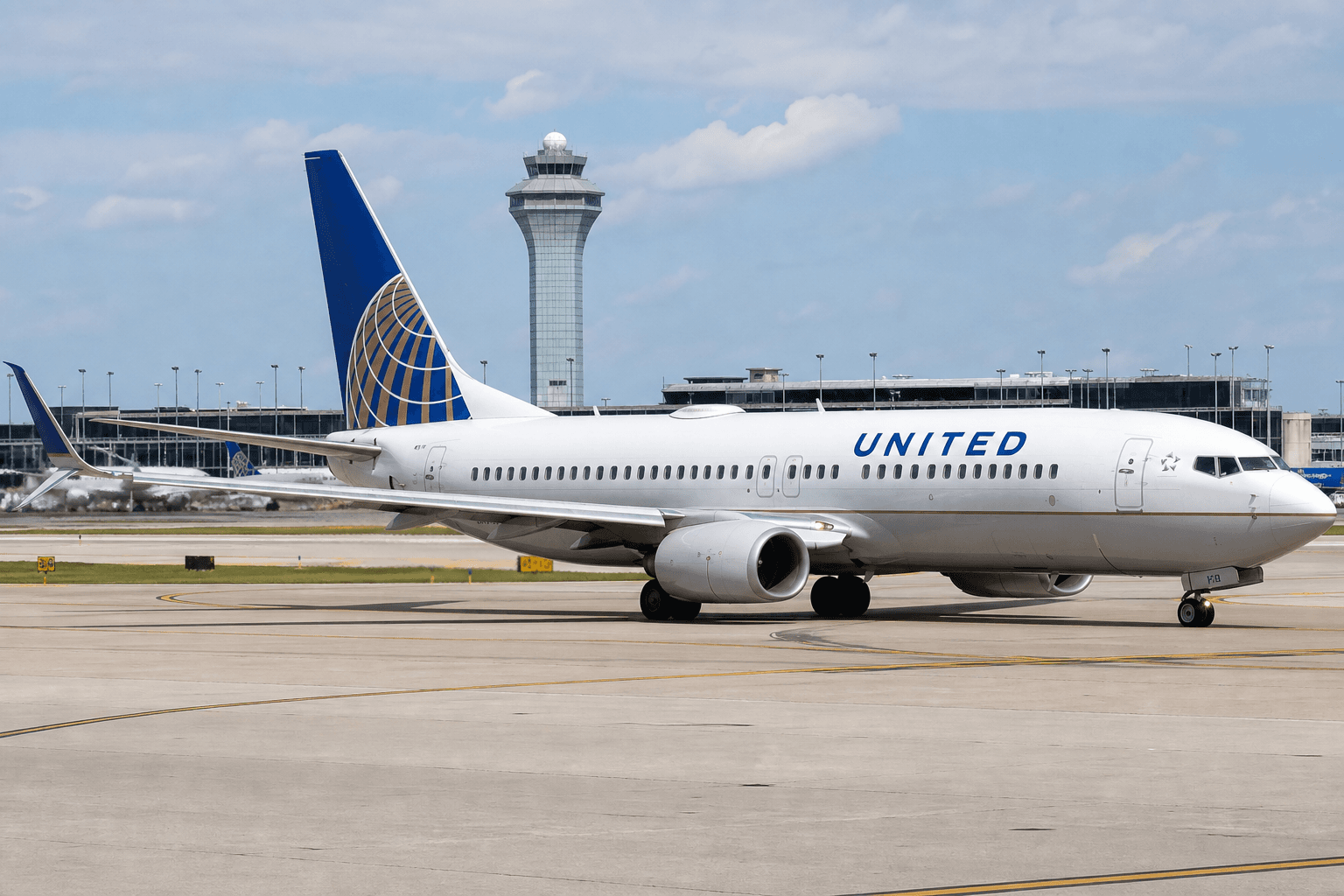
The Association of Flight Attendants (AFA-CWA) is by far the largest crew member union in the United States, representing around 55,000 flight attendants at nearly two dozen airlines across the country. The jewel in AFA’s crown, though, is United Airlines, whose flight attendants make up more than half of the union’s total membership. Leading AFA’s United membership, therefore, could definitely be considered one of the more important jobs within the union, and the baton has recently been taken over by Scott Pejas, a veteran United Airlines flight attendant who first joined the carrier back in 1996. Scott initially started working out of United’s Los Angeles base before transferring to Chicago O’Hare in 1999, where he has remained ever since. Despite taking on the mammoth task of being the representative of around 30,000 flight attendants, Scott plans to continue flying as a crew member while holding the role of Master Executive Council President. Thankfully, Scott takes on the role at a relatively good time. United’s flight attendants have only recently ratified a new five-year collective bargaining agreement that locks in pay rises over the coming years, along with a slew of other contract improvements that were hotly contested over several years. During this long bargaining process, it’s fair to say that the leaders of United’s MEC and its negotiating committee took some flak from frontline employees, but Scott and the other elected officials aren’t newbies to union work. In fact, Scott was first elected as Chicago’s local executive council leader in 2016, and it’s during this time that he was involved in what the union describes as one of his ‘most notable’ pieces of work: changing the wording of United’s Canada admissibility policy. For years, United had a policy in which flight attendants must be able to legally operate to any destination within the airline’s network. That generally means that crew members can’t have criminal convictions that would bar them from entering a country without first obtaining a visa or undergoing other background checks. This was particularly an issue for flight attendants with past DUI convictions because Canada has some of the strictest DUI laws in the world. A DUI conviction in the United States within the last five years makes someone automatically inadmissible for entry to Canada, including pilots and flight attendants. In other words, flight attendants with a DUI conviction faced the risk of being terminated because they wouldn’t be allowed to enter Canada. Scott, however, was involved in changing this policy, meaning that inadmissibility to Canada no longer means United’s flight attendants have to hang up their wings. Veteran crew members who are ‘lineholders’ simply bid for trips that avoid Canada, while the situation is slightly more complicated for newer flight attendants who are on ‘reserve.’ If they get assigned a trip that involves a stopover in Canada, they would be assigned what is referred to as a ‘missed trip.’ That might ultimately lead to disciplinary action at some point down the road, but they can, at least, continue to work for United even though they aren’t legally allowed to enter Canada. United has a similar policy for its pilots, but not all airlines allow this kind of flexibility. Inadmissibility to Canada can still lead to termination at other airlines. This is one of those lesser-known policy changes where unions would likely say they have brought about a positive outcome for their members… something that might not have happened if it wasnt for the union.
Apollo Global Management Tops Castlelake with $7.26B EasyJet Takeover Bid
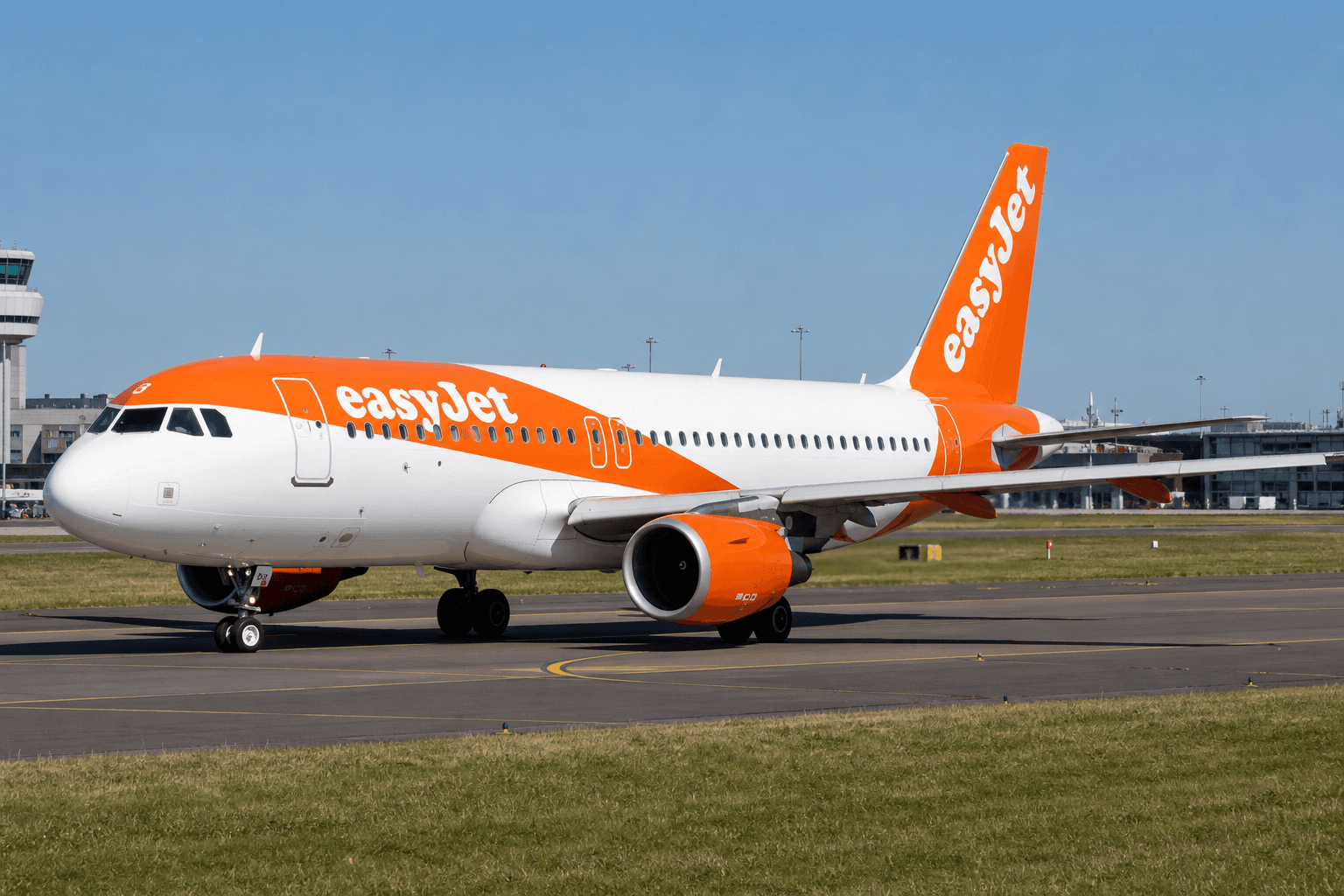
Shares in the British low-cost airline EasyJet surged on Friday morning after the Luton-based carrier’s board of directors announced that it had accepted a surprise rival takeover bid by the U.S. investment firm Apollo Global Management, which values EasyJet at £5.41 billion ($7.26 billion). The offer is worth approximately 5.2% more than the offer in principle that EasyJet’s board accepted from Minneapolis-based Castlelake on Sunday. In a statement filed on the London Stock Exchange, the airline said Apollo had offered to pay £7.15 per easyJet share. In contrast, Castlelake had previously agreed to pay £6.90 per share in order to take the airline private. “Apollo has followed easyJet for many years and continues to regard it as one of the most attractive businesses in the global aviation sector and a highly differentiated franchise with significant long-term growth potential,” the investment firm said on Friday. “Apollo believes in easyJet's existing strategy of evolving and strengthening the low-cost carrier model, most notably through upgauging the fleet, enhancing the ancillary and loyalty offering, and scaling Holidays into a structurally differentiated earnings stream,” the statement added. Like Castlelake, New York-based Apollo has previous experience in funding the aviation industry. Founded in 1990, the company has bought and traded a broad portfolio of companies, including those in the hospitality and leisure industries, as well as media and telecoms. Last November, Apollo completed a $745 million senior secured financing of Virgin Atlantic's portfolio of take-off and landing slots at London Heathrow. The firm has also provided funding to the Air France-KLM Group, including its Flying Blue frequent flyer program, and to the ultra-low-cost airline Sun Country. Apollo says that should it make a formal offer to buy EasyJet and secure rights to the company, it intends to continue operating the carrier in the form it is today. Friday’s announcement does not, however, signal a formal offer. Instead, it merely means that EasyJet’s board of directors would, in principle, recommend this offer to shareholders, who would have the final say in whether EasyJet was sold to Apollo. Founded by Greek-Cypriot entrepreneur Stelio Haji-Ioannou in 1995, EasyJet has grown into one of Europe’s largest low-cost airlines, and the Haji-Ioannou family trust remains the largest single shareholder in the company. In recent years, however, EasyJet’s financial performance has lagged that of its main rival, Ryanair. In effect, its assets, such as airplanes, airport gates, and takeoff and landing slots, are currently worth more than the value of the company’s shares. Both Castlelake and Apollo have signalled that their intent in buying EasyJet isn’t to dismantle the airline and sell these assets, but rather to improve its financial performance. This would likely be in the same way that activist investor Elliott is attempting to transform the financial performance of Southwest Airlines in the United States. Castlelake first publicly announced it was interested in EasyJet in May 2026, although at the time, it hadn’t yet even made an offer to the airline’s board of directors. On June 12, Castlelake initially proposed an offer to buy EasyJet's 758 million shares at a price of £5.60 per share. The proposal was rejected on June 16. Castlelake returned just a day later to propose an offer price of £6.00 per share. EasyJet's board rejected this proposal on June 20. Within hours, Castlelake said it would increase its offer price to £6.25 per share. The board rejected the deal but agreed to open up its books to Castlelake. Finally, on July 5, EasyJet said it had agreed in principle to an offer price of £6.90 per share from Castlelake. What seemed odd at the time was that Castlelake’s interest in EasyJet hadn’t seemingly stoked attention from a rival bidder. Analysts were quick to ask what Castlelake saw in EasyJet that no one else seemed to see. Well, we now have the answer. Behind closed doors, Apollo was preparing a rival bid, which was accepted by the EasyJet board on July 8 and publicly announced on Friday. What happens next? Apollo has yet to make a formal offer to buy EasyJet. If and when it does, it’s not up to the board of directors to clear the deal. Instead, they will recommend the deal to shareholders who will make the final decision. EasyJet shares surged 13.13% on Friday morning, reaching 665.20 pence per share, its highest share price since 2022. What to look out for? A potential bidding frenzy that could pit Apollo against Castlelake, along with the possibility of other suitors joining the race to acquire EasyJet.
The Daily Touch & Go
The day's best aviation news in your inbox. Free, no spam.