

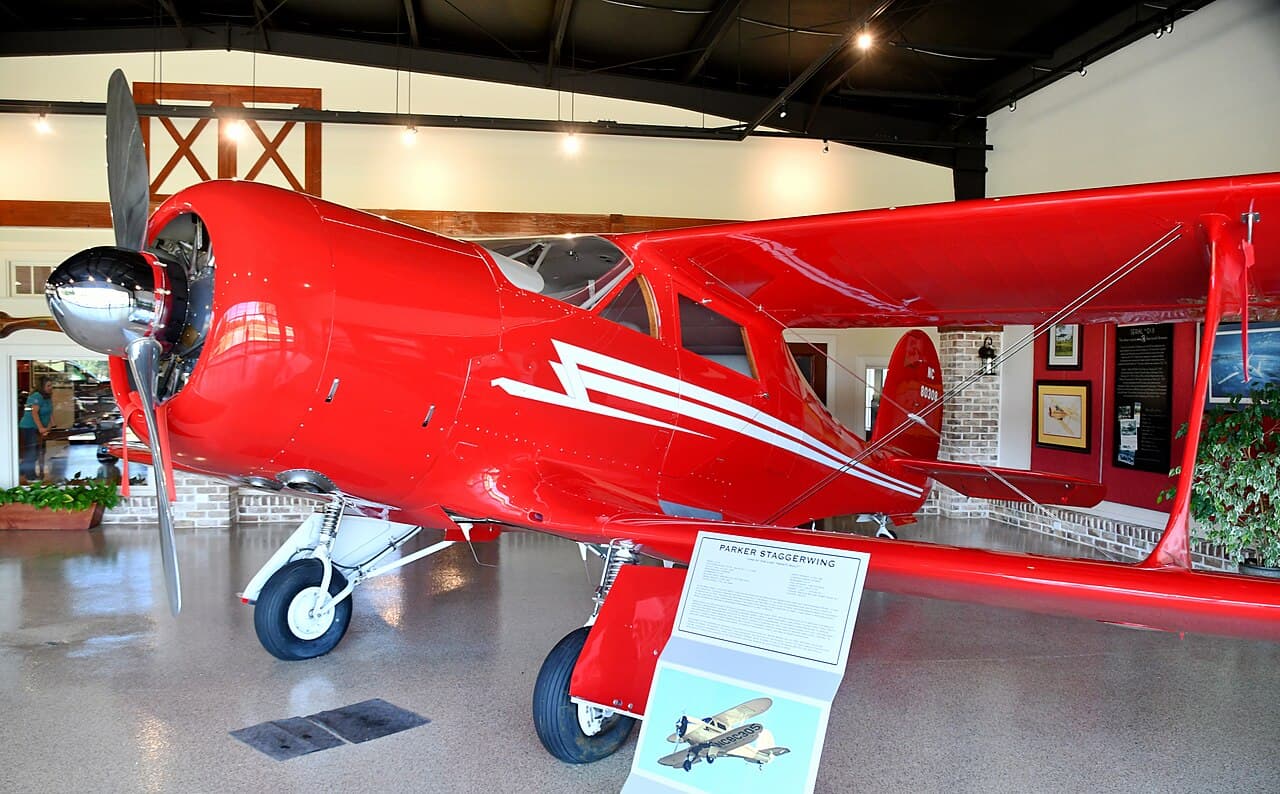
Image: Eric Friedebach · CC BY 2.0 · via Wikimedia Commons
Textron Aviation's Special Olympics Airlift to Shuttle Athletes for 2026 USA Games in Minnesota
Textron Aviation's annual Special Olympics Airlift will operate at St. Paul Downtown Airport, supporting athlete transport during the 2026 Games with over 100 volunteer aircraft.
The gist
Over 100 volunteer aircraft will transport Special Olympics athletes via Textron Aviation’s Airlift during the 2026 USA Games in Minnesota.
Textron Aviation’s Special Olympics Airlift is set to provide vital transportation for athletes and coaches attending the 2026 Special Olympics USA Games in Minnesota. The operation will take place through St. Paul Downtown Airport, also known as Holman Field, with flight activity scheduled for June 19 and June 27 to coincide with the Games. The airlift has become an annual tradition that provides a unique aviation experience specifically catered to supporting and celebrating Special Olympics participants.
The airlift is expected to be a high-frequency operation, with aircraft arriving or departing approximately every three minutes during its peak times. More than 100 volunteer pilots and aircraft owners, flying Cessna, Beechcraft, and Hawker models, will participate in this effort. These volunteers hail from all across the United States, and they contribute their aircraft and flight expertise to ferry athletes from numerous locations, showcasing a strong community commitment to the Special Olympics.
Textron Aviation’s President and CEO, Ron Draper, described the airlift’s purpose as more than just transportation. He emphasized that it aims to create an environment where athletes feel genuinely welcomed and celebrated the moment they touch down at the event. This highlights the airlift's role in elevating the overall experience and dignity of the Special Olympics participants beyond mere logistics.
Supporting the operation on the ground, Signature Aviation has been named the exclusive fixed-base operator (FBO) sponsor for the 2026 airlift. They will oversee operational and hospitality services at 17 departure sites scattered around the country, ensuring smooth check-ins and comfortable preflight experiences for athletes and their escorts. Additionally, a Signature hangar at St. Paul Downtown Airport will function as the Champion Center, serving as the hub for arrivals and departures during the Games.
The 2026 Special Olympics USA Games themselves will be held from June 20 through June 26, with venues including the University of Minnesota campus and the National Sports Center in Blaine, Minnesota. This makes the airlift's timing on June 19 and 27 critical for bringing athletes in before the competition and facilitating their departures afterward, ensuring seamless transit amidst the busy schedule of events.
A notable new element for the 2026 airlift is the involvement of a Boeing 777 widebody aircraft, marking the first time such a large jet has been incorporated into the program. This aircraft is provided through a partnership with the Arizona Cardinals and Gridiron Air, expanding the airlift's capacity and showcasing broader collaboration within the aviation community. The addition of this large jet reflects the growing scale and ambition of the airlift project.
Since its inception in 1987, the Special Olympics Airlift has played a crucial role in enabling access to the Games. Over the decades, volunteer pilots and aircraft owners have transported more than 10,000 athletes and coaches from across the country. This deeply rooted tradition exemplifies aviation enthusiasts’ commitment to philanthropy and community support within the industry.
The coordination required to operate flights every three minutes, to and from multiple departure points with volunteer crews, represents a complex logistic undertaking. It necessitates precise scheduling, regulatory compliance, and comprehensive ground support. The collaboration between Textron Aviation and Signature Aviation ensures operational excellence and hospitality for participants.
With another successful year of the airlift on the horizon, the program continues to embody the spirit of volunteerism and aviation’s role in fostering community and inclusivity. The 2026 event will further embed this tradition within the broader Special Olympics movement, providing athletes with special memories tied to their air journeys alongside the competitive achievements they strive for.
Read more
All Airlines →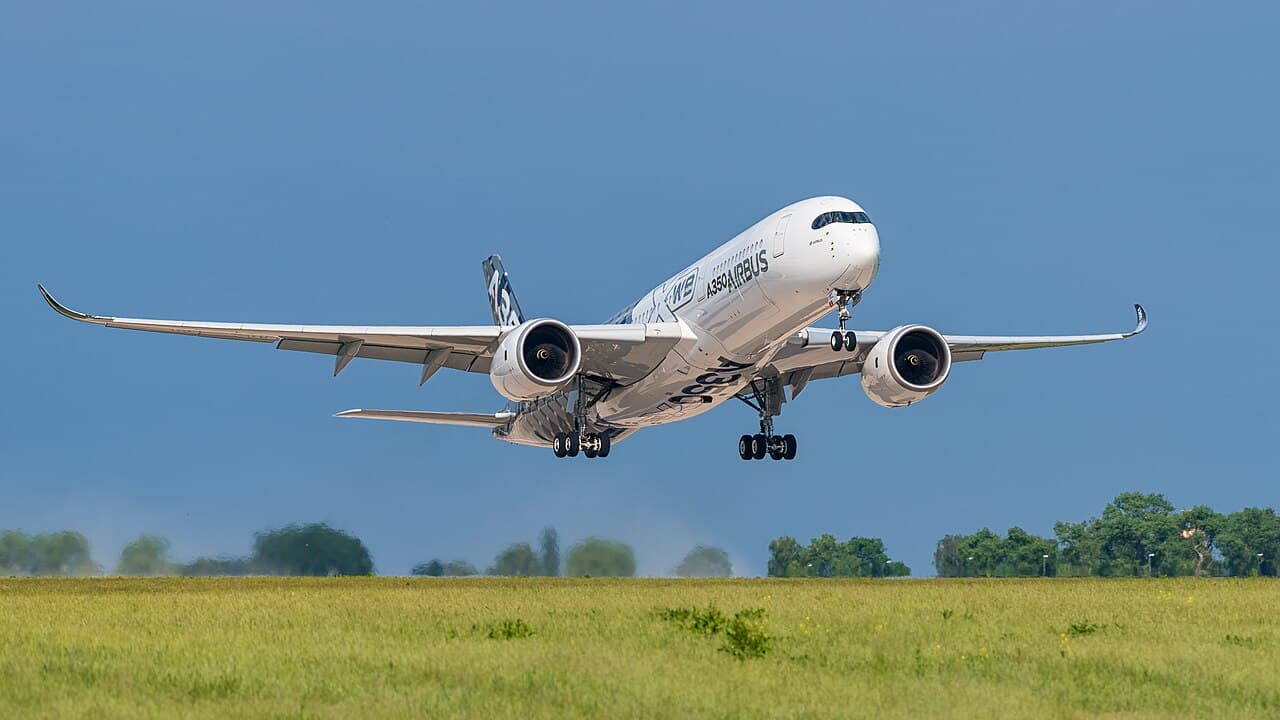
IndiGo Halts Leased Widebody Flights, Awaits Airbus A350 to Restart Long-Haul Service
India’s largest airline, IndiGo, will suspend its current wide-body flight operations from October 25, 2026, marking a temporary halt to its early long-haul experiments while it awaits delivery of its own Airbus A350-900 fleet. ezstandalone.cmd.push(function () { ezstandalone.showAds(119); }); The decision, announced on July 31, also ends the airline’s damp-lease (ACMI) agreement with Norway’s Norse Atlantic Airways. Under this arrangement, six Boeing 787-9 aircraft had been operating selected India-Europe routes since early 2025. IndiGo entered the partnership to accelerate learning in long-haul operations, develop crew and network capabilities, and establish brand presence ahead of its A350 arrivals, originally expected from 2027. ezstandalone.cmd.push(function () { ezstandalone.showAds(127); }); The leased Dreamliners enabled services to destinations including London Heathrow, Amsterdam, Manchester, and others. External Pressures Force ACMI Closure However, the operating environment deteriorated markedly. Airspace restrictions linked to Middle East geopolitical tensions forced longer routings, while elevated fuel prices, currency pressures, and rising costs eroded route efficiency, schedule reliability, and competitiveness. ezstandalone.cmd.push(function () { ezstandalone.showAds(128); }); As a result, Mumbai–Amsterdam flights will switch to IndiGo’s Airbus A321XLR narrowbodies from October 25. London Heathrow services will be temporarily discontinued until the A350-900s arrive. Photo Credit: IndiGo The airline has stressed that its broader international expansion plans remain intact, with continued growth via the A321XLR and eventual deployment of its 60 ordered A350s. IndiGo has pledged to support affected passengers through alternative arrangements or refunds. ezstandalone.cmd.push(function () { ezstandalone.showAds(129); }); From Norse Atlantic’s perspective, the parties mutually agreed to end the ACMI partnership effective November 1, 2026. One of the six 787-9s had already been scheduled for return at the end of August following IndiGo’s earlier closure of its Manchester route. The remaining five will now also be redelivered. Norse Atlantic Perspective Norse CEO Eivind Roald described the 18-month collaboration as valuable but noted that elevated fuel prices, airspace disruptions, and longer flight routings from the Middle East conflict had undermined commercial viability for both sides. ezstandalone.cmd.push(function () { ezstandalone.showAds(130); }); “We have jointly concluded that alternative deployment of the aircraft will be more commercially beneficial to both parties,” Roald said. The returned aircraft will give Norse greater flexibility. The carrier is in discussions with multiple airlines for new ACMI placements covering up to five jets and plans to deploy part of the fleet on profitable winter routes, including services from Europe to Orlando and New York. This capacity boost also supports Norse’s ongoing strategic review. Following interest from potential counterparties, the board has launched a formal process that could lead to a sale, merger, or strategic partnership, aiming to enhance long-term shareholder value. ezstandalone.cmd.push(function () { ezstandalone.showAds(131); }); Photo Credit: IndiGo Conclusion The episode highlights the challenges facing long-haul operators in a volatile geopolitical climate. For IndiGo, the pause represents a prudent short-term recalibration rather than a retreat from international ambitions. The airline built its success on a disciplined narrowbody model and views the A350 programme as the foundation for genuine long-haul growth. For Norse Atlantic, the end of a major ACMI contract that once covered half its fleet creates both near-term redeployment opportunities and strategic optionality. As IndiGo transitions its European network and prepares for its own widebodies, and as Norse seeks new partners or structural change, both carriers are adapting to an industry environment where flexibility and cost discipline have become essential. ezstandalone.cmd.push(function () { ezstandalone.showAds(132); }); The temporary cessation of IndiGo’s leased widebody flying underscores how external shocks can reshape even carefully planned expansion strategies, while reinforcing the airline’s long-term commitment to connecting India with the world.
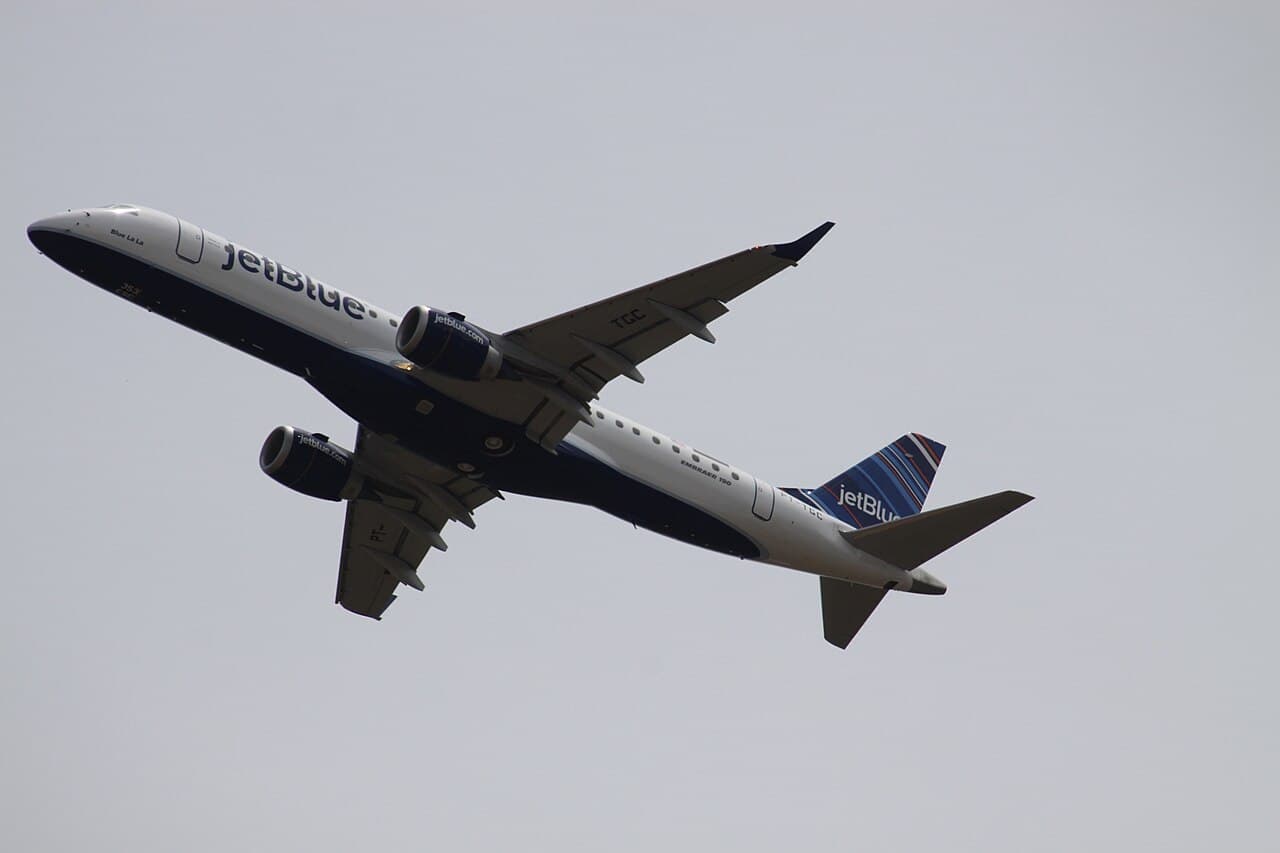
JetBlue Posts 14.5% Revenue Growth in Q2 2026, Reinstates Full-Year Outlook
JetBlue Airways reported robust second-quarter 2026 results on July 28, highlighting the early success of its JetForward transformation strategy despite elevated fuel prices. ezstandalone.cmd.push(function () { ezstandalone.showAds(119); }); The airline posted operating revenue of $2.7 billion, marking a 14.5% increase from the prior year, driven by strong customer demand and targeted commercial initiatives. Revenue per available seat mile (RASM) rose 10.9% year-over-year, landing near the upper end of the company’s revised guidance. ezstandalone.cmd.push(function () { ezstandalone.showAds(127); }); This performance reflects broad-based strength across premium and main cabin products. Premium RASM was up approximately 13% with main cabin RASM growing 11%. Capacity increased a modest 3.2% year-over-year, aligning with expectations. Fuel Costs Create Short-Term Pressure, But Recovery Exceeds Expectations Higher fuel prices significantly impacted profitability. JetBlue’s average fuel cost reached $4.23 per gallon in Q2, a 76% jump from the previous year. ezstandalone.cmd.push(function () { ezstandalone.showAds(128); }); This drove operating expenses higher, resulting in an operating loss of $141 million and a net loss of $247 million, or $0.66 per share. Despite the surge, the airline recaptured nearly 50% of the higher fuel costs—well above initial expectations of 30-40%. ezstandalone.cmd.push(function () { ezstandalone.showAds(129); }); Cost per available seat mile excluding fuel (CASM ex-fuel) rose only 2.4% year-over-year, beating the midpoint of guidance by 1.6 points. This disciplined cost management underscores JetBlue’s operational focus. Photo Credit: JetBlue JetForward Strategy Showing Tangible Progress Two years into JetForward, JetBlue has generated $470 million in cumulative incremental EBIT through June 2026. The company remains on track to deliver $850–$950 million in annual incremental EBIT benefits by the end of 2027, with expectations building to approximately $1.2 billion by 2028. ezstandalone.cmd.push(function () { ezstandalone.showAds(130); }); Key highlights include improved operational reliability, with A14 performance up about one point and Net Promoter Score rising five points year-over-year. In Fort Lauderdale, JetBlue achieved 11% RASM growth despite nearly 40% capacity expansion, capitalizing on market opportunities. Loyalty revenue grew 13%, fueled by strong co-brand card performance and new initiatives like ClarityPay for flexible payments. Premium experiences continue to win acclaim. Mint ranked highest in customer satisfaction among first/business passengers in the J.D. Power 2026 North America Airline Satisfaction Study for the second year running. ezstandalone.cmd.push(function () { ezstandalone.showAds(131); }); The BlueHouse lounge at JFK earned “Best Airport Lounge of 2026” honors, with Boston’s location opening soon. Upcoming enhancements include BlueFirst, the new domestic first-class product launching sales this fall, and expanded Blue Sky reciprocal loyalty benefits. Long-Term Confidence Reflecting momentum, JetBlue introduced a 2028 earnings per share target of at least $1.00, assuming sustained demand and average jet fuel prices of $3.00 per gallon. CEO Joanna Geraghty emphasized the strategy’s role in building a more profitable future. ezstandalone.cmd.push(function () { ezstandalone.showAds(132); }); “We’re encouraged by the progress we’re making,” Geraghty said. “Strong customer demand and decisive actions enabled us to recover fuel costs more quickly than anticipated.” Photo Credit: JetBlue Reinstated 2026 Outlook JetBlue reinstated its full-year 2026 guidance, supported by better visibility into the second half: Capacity (ASMs): 1.5%–3.5% year-over-year for FY; 3.0%–6.0% for Q3 RASM: 10.0%–12.5% for FY; 12.5%–16.5% for Q3 CASM ex-Fuel: 2.0%–4.0% for FY; 2.5%–4.5% for Q3 Adjusted Operating Margin: (2.0%)–(5.0%) for the full year Fuel Price: Approximately $3.49 per gallon Capital Expenditures: ~$850 million for the year ezstandalone.cmd.push(function () { ezstandalone.showAds(133); }); CFO Ursula Hurley noted expectations for second-half operating margin improvement of about 3.5 points year-over-year, supporting the path to sustained profitability. Strategic Positioning for Future Growth JetBlue continues investing in its East Coast leisure network, technology modernization, fuel efficiency, and AI-driven operations. President Marty St. George highlighted traction in commercial initiatives and network enhancements, including additional slots in New York. ezstandalone.cmd.push(function () { ezstandalone.showAds(134); }); As the airline advances JetForward, it aims to deliver greater value to customers and shareholders through reliable service, valued products, and a stronger financial foundation. With demand remaining resilient, JetBlue appears well-positioned to navigate near-term challenges and drive long-term earnings growth.
United Airlines CEO Claims Only Two Premium Airlines Will Last as Service Complaints Mount
United CEO Scott Kirby says only two premium airlines can exist, but passenger photos of broken tray tables, dirty seats, and a battered club sofa are not helping United's case. Also Avios devaluation risk, Singapore Airlines' new first class concierge trial, DFW's plan to buy the Hyatt Regency, and a useful Blacklane credit stack.
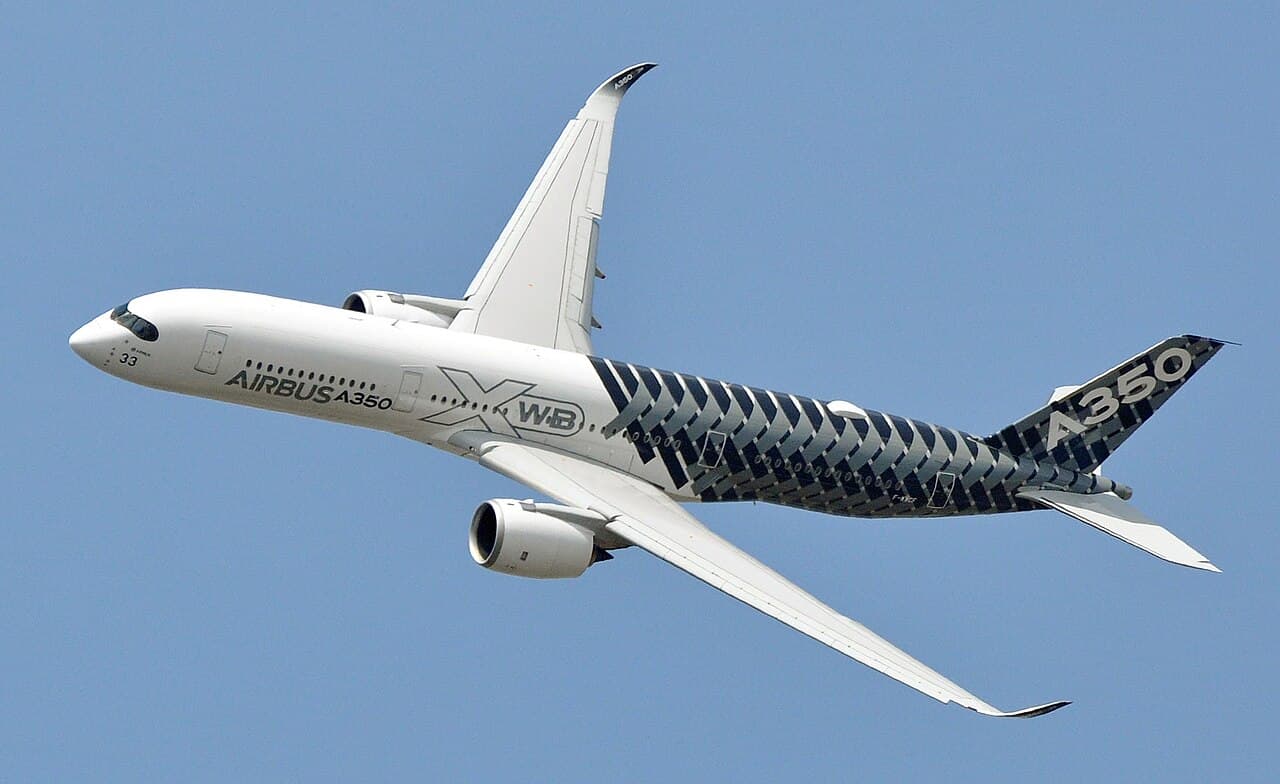
Lufthansa's A350 Premium Economy Becomes Top Choice for US-Europe Travelers
Over the past few years, cash prices for long-haul business class seats have surged across major US to Europe routes, driven by relentless premium demand and dynamic pricing algorithms. At the same time, standard economy cabins remain notoriously crammed on 8- to 11-hour transatlantic crossings. For travelers paying out of pocket or working within strict corporate travel policies, the decision is now to endure an uncomfortable overnight flight in economy, or fork over upwards of $4,000 for a lie-flat bed.
The Daily Touch & Go
The day's best aviation news in your inbox. Free, no spam.