

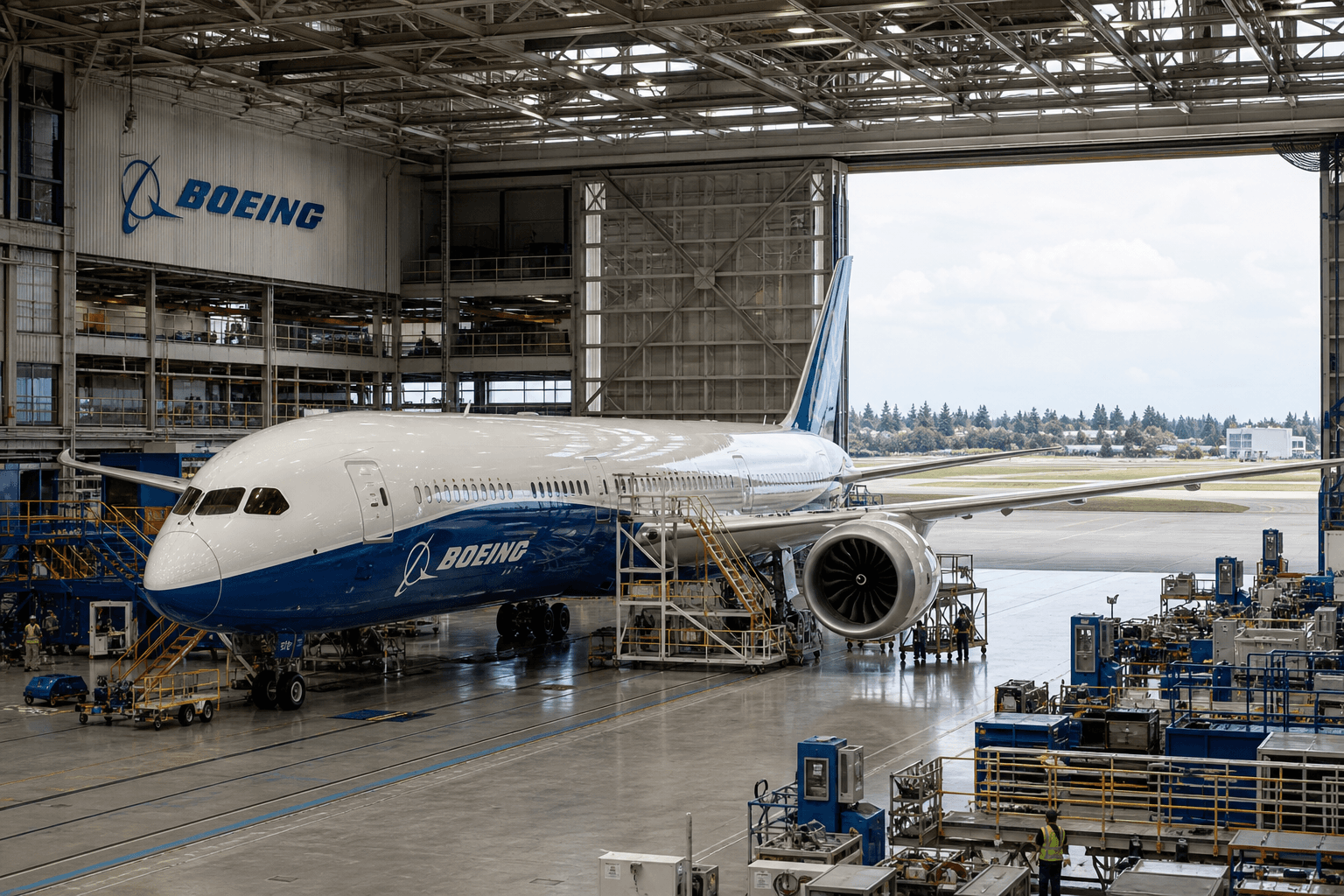
Illustration: The Touch & Go
Boeing Forecasts Nearly $5 Trillion Market for Aviation Services and 2.4 Million Jobs by 2045
Boeing projects commercial aviation support services will top $4.9 trillion globally through 2045, with over 2.4 million new aviation professionals needed to sustain growth.
The gist
Boeing predicts a $4.9 trillion aviation services market and demand for 2.4 million new aviation workers by 2045 amid expanding global fleets.
Continuing coverage
All Boeing →- Boeing Plans New Clean-Sheet Jet After Completing 737 MAX and 777X Certification
- Boeing predicts steady 20-year aircraft demand despite current travel slump
- Boeing dismantles never-flown 777-9 amid costly rework and program delays
- Boeing returns to Farnborough Airshow with emphasis on rebuilding trust and safety
- South Korea upgrades F-15K fleet with advanced BAE EPAWSS electronic countermeasures
Boeing has unveiled its 20-year outlook revealing a robust $4.9 trillion commercial aviation services market forecast by 2045. This projection underscores substantial demand for maintenance, repair, overhaul, parts supply, training, and digital solutions in an expanding air transport sector. Alongside this economic opportunity, Boeing anticipates the need to recruit more than 2.4 million aviation professionals worldwide to meet growing operational requirements and replace retiring personnel.
The company’s 2026 Services Market Outlook and Pilot & Technician Outlook indicate that global air traffic and fleet sizes are expected to approximately double over the next two decades, propelling steady growth in aviation support needs. Despite current disruptions such as production slowdowns and supply chain challenges, Boeing models these as temporary hurdles not enough to alter the long-term growth trend.
Several transformative trends are set to shape the future of aviation services according to Boeing. These include lifecycle management improvements aimed at maximizing aircraft utilization alongside rising efficiency initiatives. The digitalization of fleets will drive demand for data-oriented, smart maintenance and operational services. Geographic shifts in demand also are anticipated, reflecting the rapid growth of emerging markets and evolving regional fleet profiles. Concurrently, workforce transformation is crucial to address a wave of retirements and evolving skill requirements spurred by new technology adoption.
Chris Raymond, president and CEO of Boeing Global Services, emphasized the diversity of opportunities emerging across Boeing’s portfolio as digital capabilities advance. The company expects services linked to digital enablement, traditional maintenance, and specialized training to contribute significantly to revenue growth. Airlines remain focused on maintaining safe, efficient, and sustainable operations while integrating technology advancements that improve fleet management.
The workforce outlook highlights vast hiring needs: approximately 674,000 pilots, 728,000 maintenance technicians, and 1,023,000 cabin crewmembers will be required globally by 2045. About two-thirds of those roles will replace retirees and one-third will support incremental fleet growth. To meet these needs, the industry is investing heavily in innovative training methods, including competency-based curricula, immersive technology, and state-of-the-art simulation to accelerate skill development and maintain high safety standards.
Regional demand varies remarkably. Eurasia leads with $1.185 trillion in service market potential and the largest new workforce need of 571,000 personnel. China is close behind with $875 billion in services and 425,000 new professionals projected. North America follows with $995 billion and 438,000 new jobs required. Other regions like Southeast Asia, the Middle East, Latin America, and Africa show significant but comparatively smaller markets, reflecting differing economic growth trajectories and fleet renewal cycles.
Boeing acknowledges real challenges such as production bottlenecks, supply chain constraints, and workforce shortages but frames these as opportunities for focused investment and innovation. Emphasis on digital modernization and sustainable operations is expected to enhance efficiency and resilience. The aviation services sector’s comparatively stable and recurring revenue streams make it an attractive area for long-term growth amid cyclical fluctuations in aircraft manufacturing.
This outlook signals continued confidence in the commercial aviation industry’s expansion, buoyed by technological advancements and economic development worldwide. Boeing’s forecast emphasizes that meeting future demand hinges on coordinated investment in people, technologies, and sustainable practices. The growing global fleet will drive a multitrillion-dollar services market and offer millions of skilled job opportunities through 2045.
Frequently asked questions
- What is the total value of the aviation services market Boeing forecasts through 2045?
- Boeing forecasts the commercial aviation services market to be worth $4.9 trillion globally through 2045.
- How many new aviation professionals does Boeing say will be needed by 2045?
- Boeing projects a demand for over 2.4 million new aviation professionals worldwide, including pilots, maintenance technicians, and cabin crew.
- Which regions does Boeing identify as leading in aviation services demand and workforce needs?
- Eurasia leads with $1.185 trillion in services demand and 571,000 new personnel needed, followed by China and North America with substantial market size and workforce projections.
Read more
All MRO/Maintenance →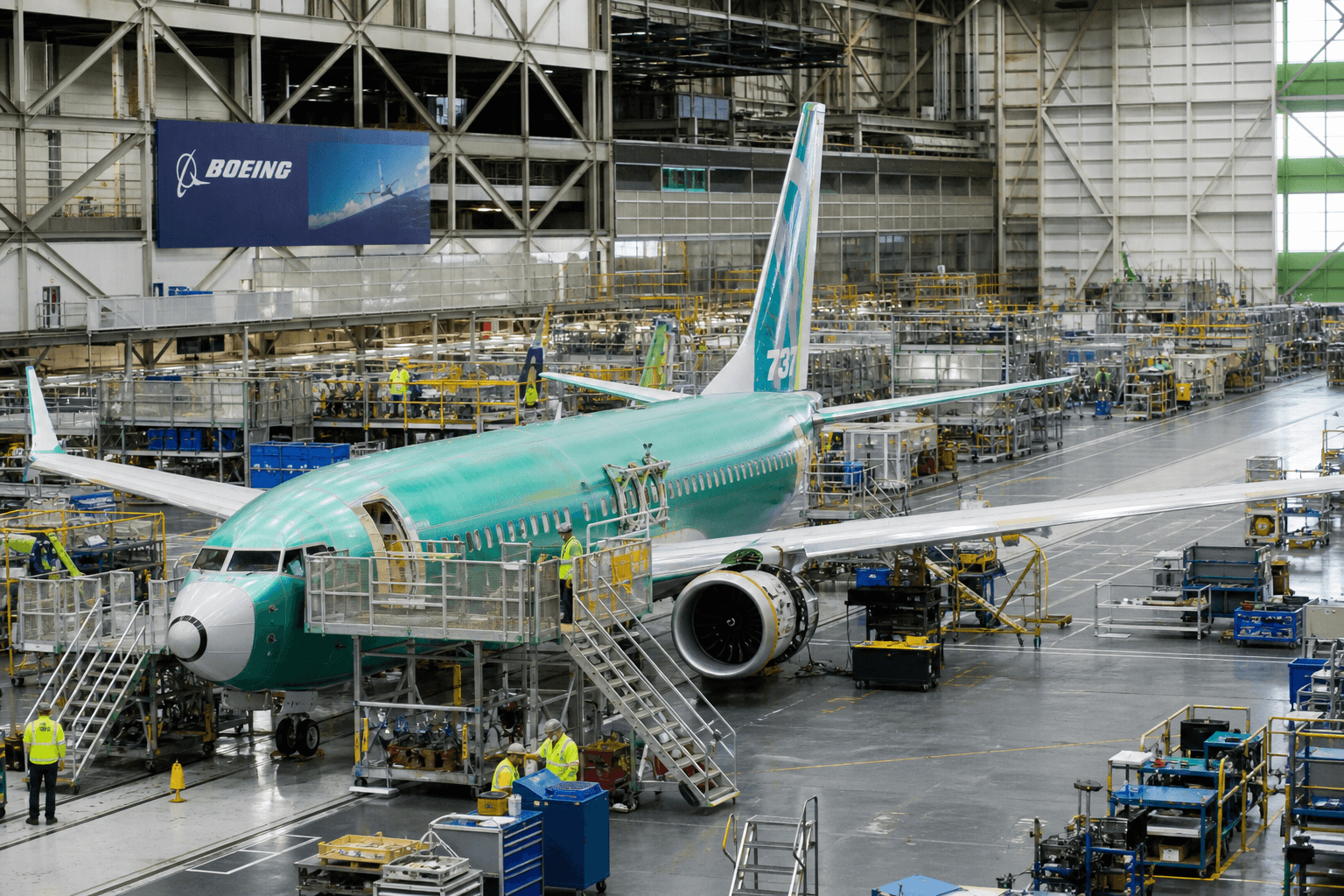
Boeing invests $10 billion to overhaul 737 Max production in historic Everett plant
EVERETT — Time and again, the future Boeing planned for and the one that resulted have been radically different. Nineteen years after Boeing rolled back the doors of its Everett, Washington factory to reveal the first 787 Dreamliner to the world, that same setting is once again poised to play a key role — bankrolling the company's future as an airplane developer. Boeing is plowing around $10 billion into putting the 737 back […]
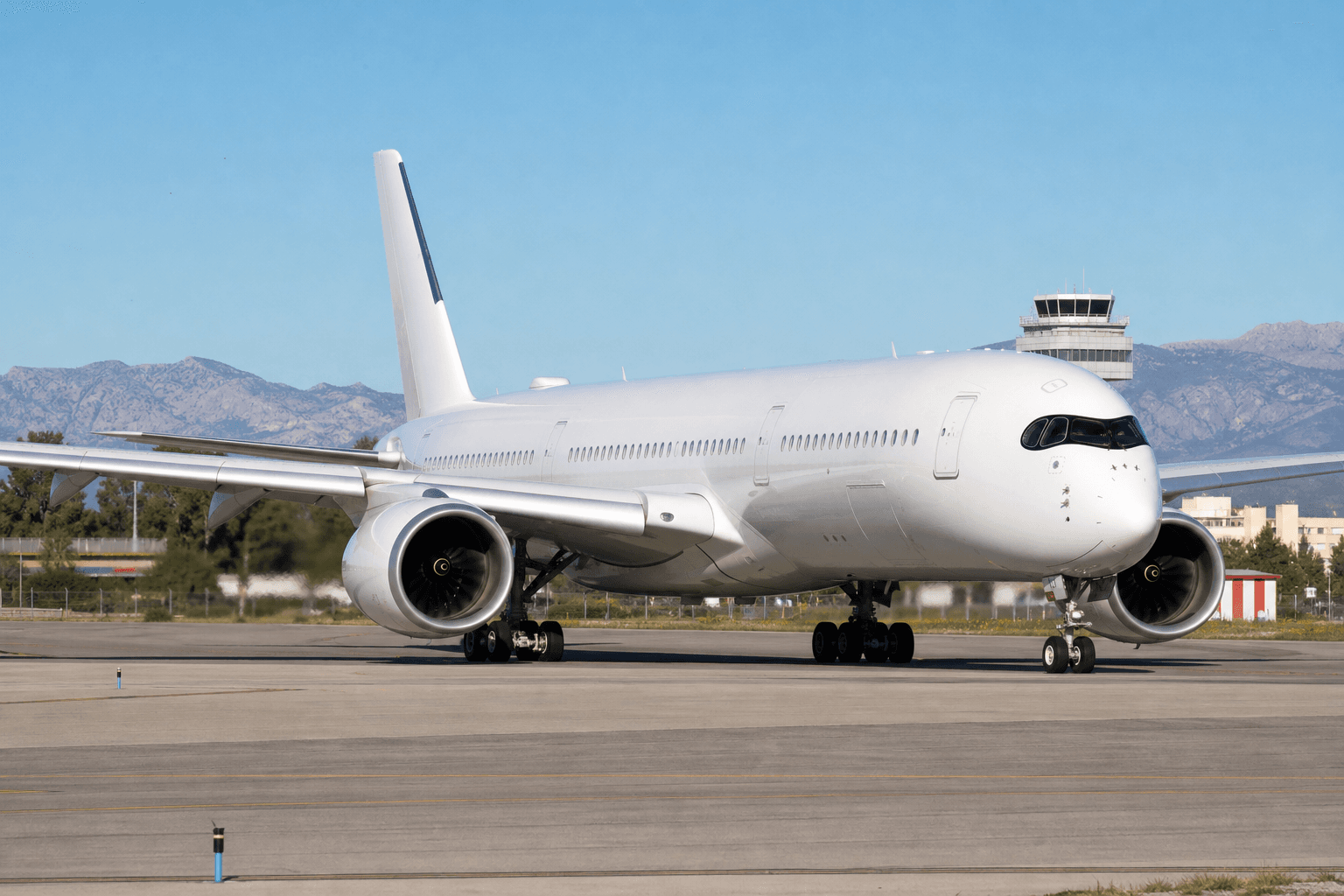
Air Europa to Receive First Airbus A350-900 in 2028 amid Strategic Overhaul
Spanish carrier is "optimistic" about this year after increasing 2025 profits by one-third. Air Europa expects to take delivery of its first Airbus A350-900 in 2028 and has embarked on a new strategic plan to achieve a "major structural and operational transformation" over the next two years. The Spanish carrier, which increased its full-year pre-tax profit by one-third to €155 million ($176 million) in 2025, says its new '+Air 28' plan will focus on operational efficiency, profitability and data-driven decision-making. As part of the plan, the carrier will launch a new maintenance division – Air Europa Technics – which will provide MRO services for its own aircraft and to third-party operators. Air Europa says it will adapt its maintenance capabilities to service the A350-900, ahead of incorporating the type into its currently all-Boeing fleet. It operates more than 60 aircraft, comprising 787-8s and -9s as well as 737s, and is in the process of adding 737 Max 8s as well . The carrier firmed an order with Airbus for up to 40 A350-900s at the beginning of this year. Air Europa confirms to FlightGlobal that the airline will take delivery of its first A350 at some point in 2028. Air Europa says it is "optimistic" about the remainder of 2026, despite "global instability surrounding the fuel market". Operating revenue in the first four months of the year was 9.2% higher than in the same period in 2025. The airline aims to increase its full-year pre-tax profit by 28% in 2026, it says. Full-year revenue in 2025 was 7.3% higher than the previous year, at €3.1 billion. Earnings before interest, taxes, depreciation and amortisation (EBITDA) increased by 14%, to €235 million. Passenger numbers were up 2.6% on a 1.5% increase in capacity, leading to a slight increase in load factor to 84.4%. "The continuous expansion and renewal of our fleet, together with structural improvements and operational efficiency, are the pillars on which we will continue to grow and demonstrate the strategic role we play, especially in Europe and Latin America," says Air Europa president Juan Jose Hidalgo. The airline’s chief executive, Richard Clark, adds: “The 2025 results are, once again, the outcome of the joint collaboration of all the professionals at this company. This effort does not stop, and it is the key to continuing our international expansion, as reflected in the opening of new routes, both domestic and international.” Air Europa’s recently-opened routes include Oviedo and Seville in Spain, Geneva in Switzerland and Johannesburg in South Africa. Star Alliance carrier Turkish Airlines is in the process of acquiring a 25-27% stake in Air Europa , which is a SkyTeam member. British Airways parent IAG is also a 20% shareholder in Air Europa, which is majority-owned by Globalia.
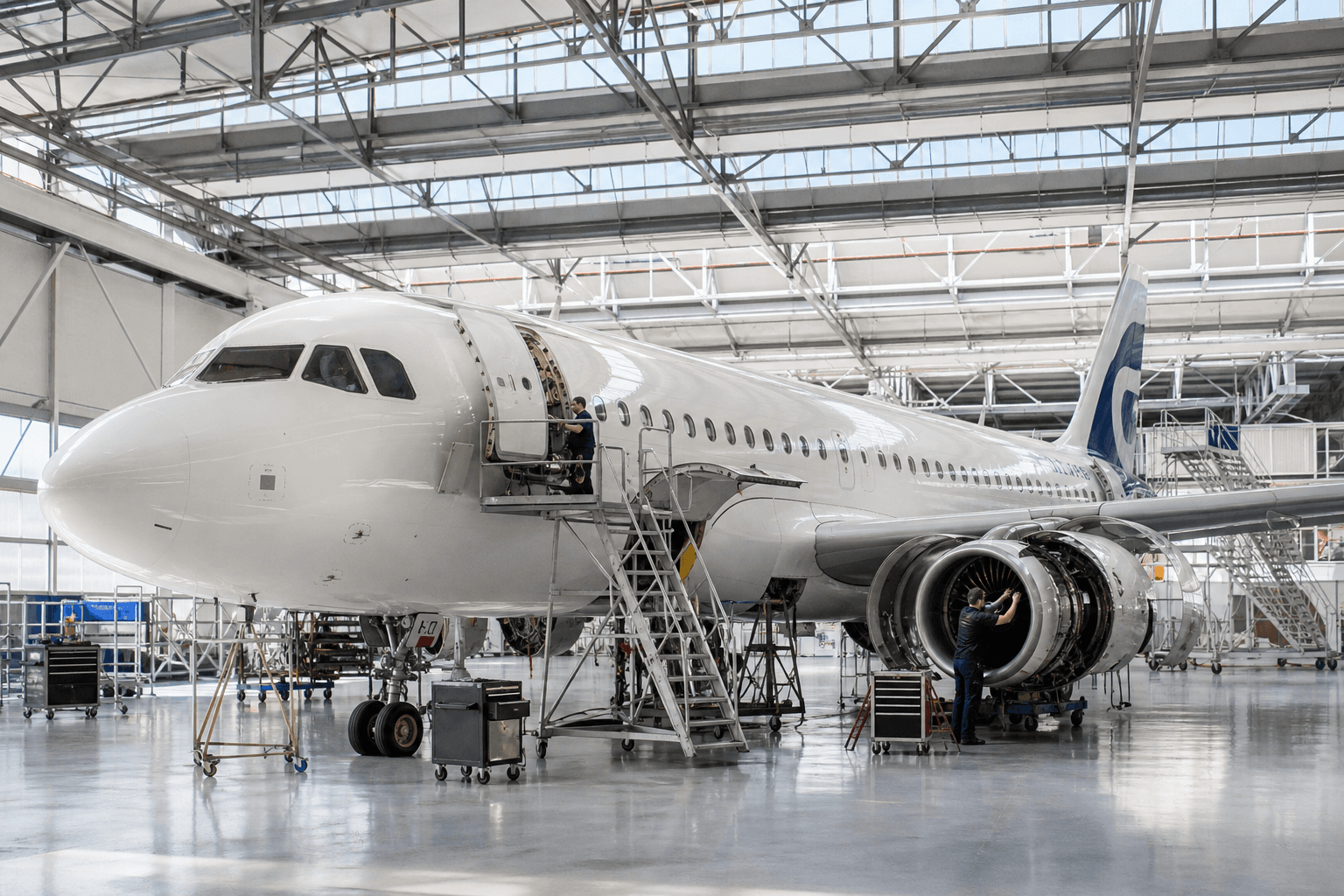
Avia Solutions Group appoints FL Technics chief as new CEO amid reshuffling
Former leader steps down and transfers to new position as head of finance. Wet-lease specialist Avia Solutions Group has named the head of its maintenance operation as its new chief executive. Zilvinas Lapinskas has been leading the group's FL Technics division. Avia Solutions says he has been appointed chief executive from 7 July. He succeeds Jonas Janukenas who will step down from the top post and transfer to the position of chief financial officer. Avia Solutions oversees multiple wet-lease providers around the world — with a total fleet of 136 aircraft — but has been undergoing an extensive restructuring , with some of its carriers ceasing operations . "Over the past several years, the group has built a strong foundation for sustainable growth," says Lapinskas. "I look forward to accelerating that momentum." He says his priority is to "strengthen our operational footprint" and reinforce long-term partnerships. Avia Solutions credits him with having "transformed" the FL Technics division, and says he has a "proven record of scaling operations in complex, highly-regulated markets". Janukenas says that, as head of finance, he will concentrate on ensuring the company maintains "financial discipline and strategic agility".
FAA expands 737 Max directive after new overheating cabin incidents
Tripped circuit breakers can prevent 737 Max air conditioning systems from cooling hot air pumped into the cabin. The Federal Aviation Administration has taken additional action to address a circuit breaker issue that can cause 737 Max cabins and cockpits to become dangerously hot. The agency on 29 June released an airworthiness directive (AD) addressing…
The Daily Touch & Go
The day's best aviation news in your inbox. Free, no spam.