

Image: ALAN RADECKI · Public domain · via Wikimedia Commons
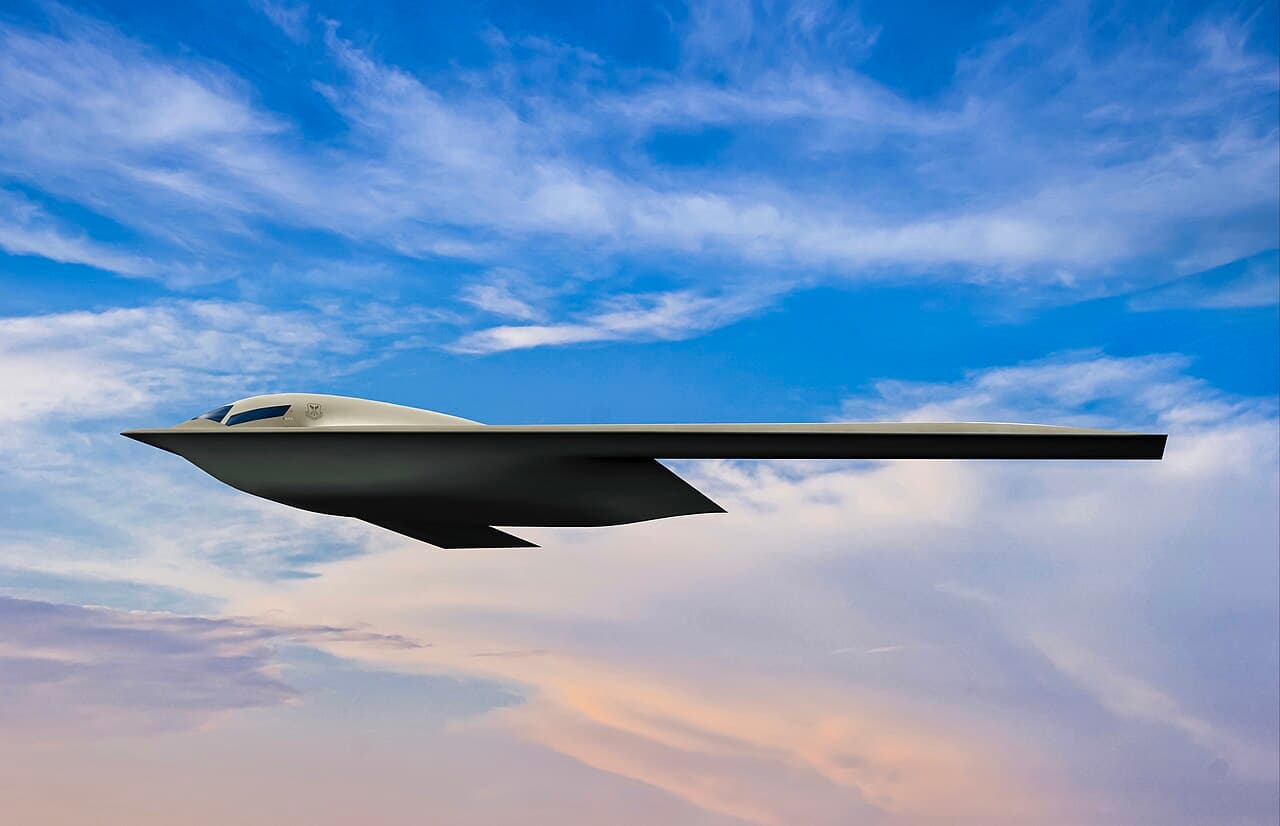
USAF to Convert B-21 Raider Test Jets Directly into Combat Bombers from 2027
The US Air Force is accelerating B-21 Raider testing and plans to convert its early test aircraft into operational bombers, aiming for active service by 2027.
The gist
The USAF will turn its B-21 Raider test jets into frontline bombers, speeding deployment by blending testing with production.
Continuing coverage
All B-21 Raider →- US Navy Admiral Advocates Doubling B-21 Raider Fleet to 200 Bombers for Pacific Defense
- USAF Requests $1.7B to Upgrade B-1 and B-2 as B-21 Raider Production Ramps Up
- USAF Commits $2B to Prepare Ellsworth AFB as First Operational B-21 Raider Base
- USAF's 65-Year-Old KC-135 Stratotankers To Support B-21 Raiders Into 2040s
- Doubling B-21 Raider Production Faces Major Hurdles Despite $10 Billion Funding Boost
The United States Air Force is fast-tracking the induction of its new Northrop Grumman B-21 Raider by turning early test aircraft into fully operational bombers. This program aims for initial service entry in 2027, making the B-21 the first new strategic bomber introduced globally since the B-2 Spirit in 1997. The dual-use strategy for its test airframes reflects a new approach to accelerating capability while reducing costs.
The B-21 program has steadily progressed through low-rate production, with approximately one or two aircraft produced per year. As of mid-2026, a small number of B-21 test aircraft are operated jointly by Northrop Grumman and the Air Force. A significant milestone was reached in June 2026 when an operational test pilot flew alongside a development test pilot, marking a novel integration of operational testing early in the aircraft’s development cycle.
This dual testing approach allows the Air Force to combine developmental progress with operational evaluation, reducing the time traditionally required between prototype testing and formal service introduction. Matt Guasco, commander of AFOTEC Detachment 5, highlighted that placing operational test pilots in the cockpit so early is unprecedented in modern test history, enabling simultaneous verification of capability and readiness.
Unlike conventional practice where prototypes serve solely experimental roles, the B-21’s test aircraft are built close to the final production standard. The Air Force has intentionally designed these aircraft to be capable of conversion into combat-ready bombers following testing, thus eliminating the need for separate prototype fleets and streamlining the transition to operational status.
Department of Defense official Dale White emphasized that this modern engineering approach employs digital design and advanced manufacturing to deliver mature systems from the outset. This confidence underpins the Air Force’s ability to scale production rapidly while maintaining the high standards required for strategic capability.
The strategy of converting test aircraft to combat units parallels the approach taken with the B-2 Spirit in the 1990s. Initially, six B-2 test aircraft also served for flight testing but were later upgraded to full combat standards. Unlike the B-21, the B-2 prototypes were primarily research platforms with some planned as permanent test assets; later fleet size reductions prompted their conversion to operational roles.
The B-2 fleet originally planned for 132 units was reduced drastically post-Cold War, making every airframe critical. The conversion process for older test airframes like the original AV-1 involved substantial modifications including stealth enhancements and avionics upgrades before induction. Consequently, all but one B-2 test aircraft eventually became frontline bombers, alongside their mass-produced counterparts.
Currently, the US strategic bomber fleet consists of a mixed composition including the B-2 Spirit, B-1B Lancer, and B-52 Stratofortress. Introducing the B-21 Raider as an advanced stealth bomber capable of supplanting and supplementing this fleet represents a key modernization effort amid evolving global security challenges, with rivals like China developing their own next-generation bombers and Russia relying on legacy platforms.
The proactive move to design B-21 test aircraft as potential operational units signifies a shift in military aviation procurement philosophy. It aims to mitigate risks associated with program delays and budget overruns observed historically, while enabling the Air Force to maintain a high tempo of strategic capabilities as geopolitical dynamics evolve.
Frequently asked questions
- Why is the US Air Force converting B-21 test aircraft into operational bombers?
- The Air Force designed B-21 test jets close to production standard so they can be upgraded and used as combat aircraft, speeding deployment and reducing costs.
- How does the B-21's testing approach differ from traditional aircraft testing?
- The B-21 program integrates operational testing early alongside developmental testing and uses test aircraft that are production representative, unlike traditional prototypes.
- What precedent exists for converting bomber test aircraft into operational units?
- The B-2 Spirit also had test aircraft that were later upgraded to full combat standards and integrated into the operational fleet after initial testing phases.
Read more
All Military/Defense →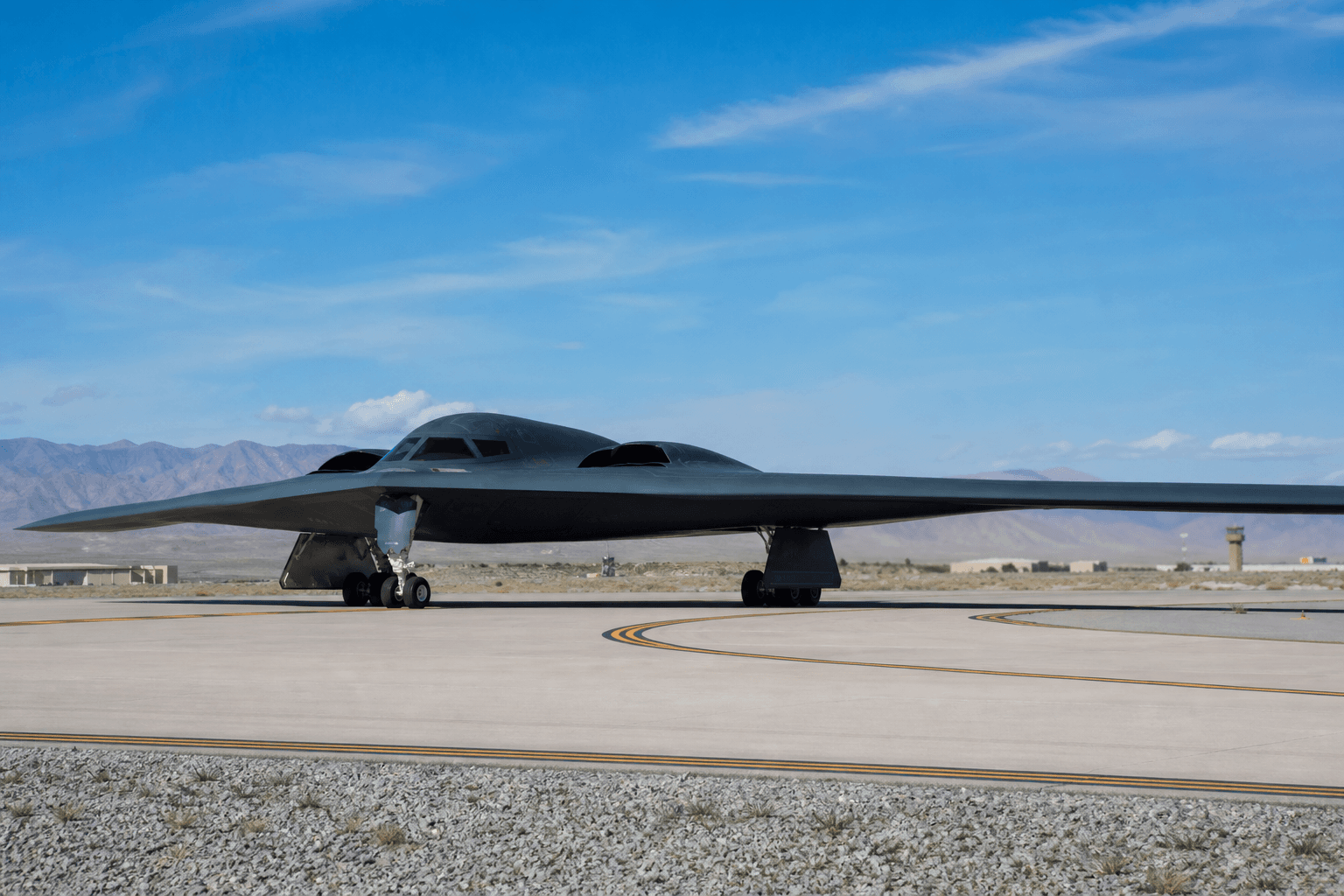
USAF Requests $1.7B to Upgrade B-1 and B-2 as B-21 Raider Production Ramps Up
The Northrop Grumman B-21 Raider program is already underway, and the aircraft is the future of the US military's long-range strike capability. The Raider is set to replace legacy aircraft , such as the B-2 Spirit and the Rockwell International B-1B Lancer. While the B-21 is set for operational service as soon as 2027, it will take time for the United States Air Force (USAF) to receive enough of the aircraft to finally and permanently retire both older bombers.
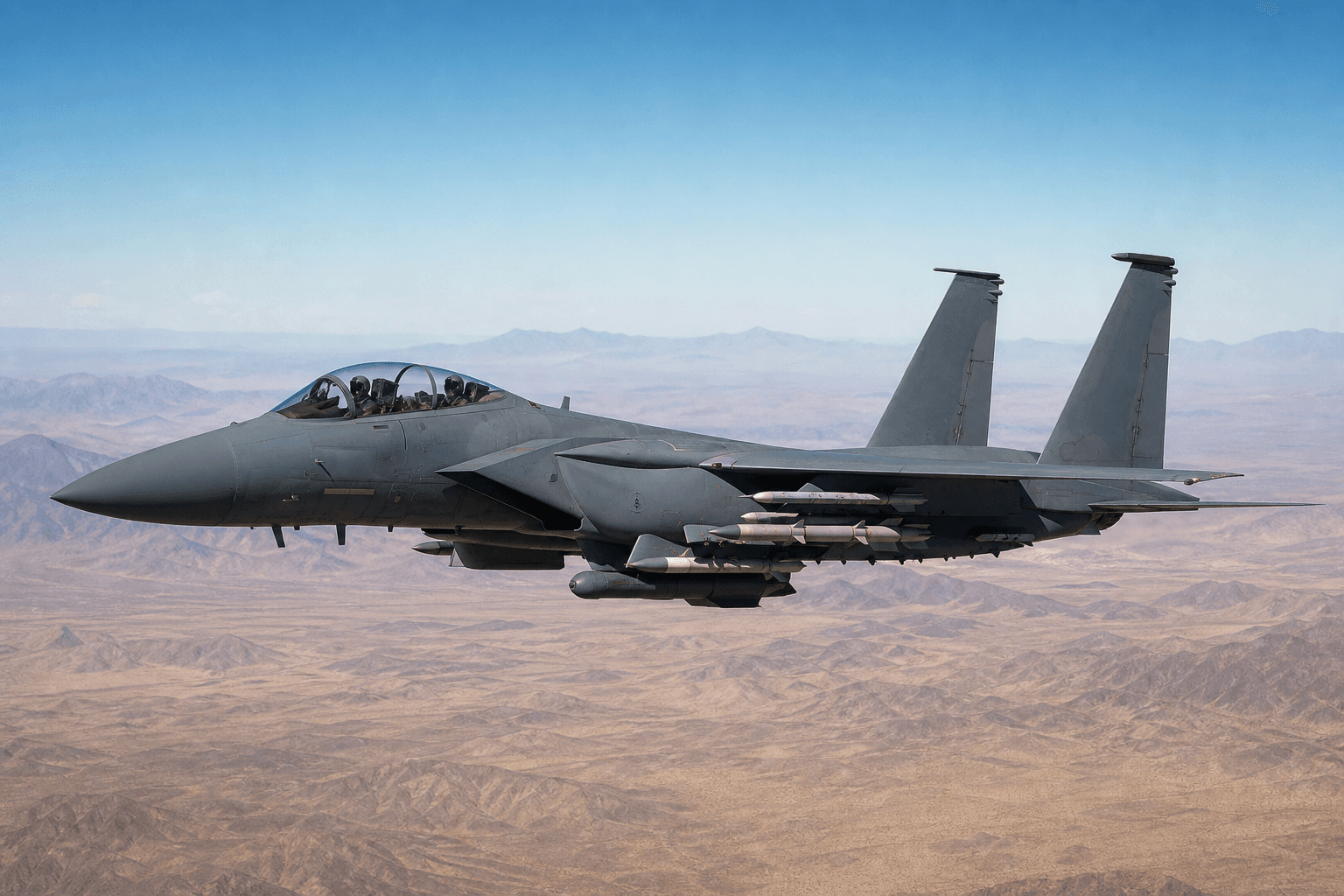
USAF Plans 267 F-15EX Fighters to Complement Growing F-35 Fleet as 'Missile Trucks'
The Lockheed Martin Lightning II fighter jet is the world's most advanced fighter and is taking its place as the second-most in-service fighter jet in the world (depending on how the numbers are counted). At the same time, the Air Force is planning to double the number of F-15EXs it is procuring to 267. Importantly, this is not so much increasing its F-15 fleet as it is intended to recapitalize the aging F-15E fleet as they age out and retire .

US Army Warrant Officer Pilots Differ in Pay and Roles from Commissioned Officers
In the armed forces of the United States of America, there are many different jobs and ranks assigned to aviation missions. In fact, all four service branches have their own pilot corps, including the Army and the Coast Guard. While the US Air Force, Navy, and Marines are better known for their fixed-wing tactical aviation, including many fighter jets, the Army has an enormous number of helicopters.
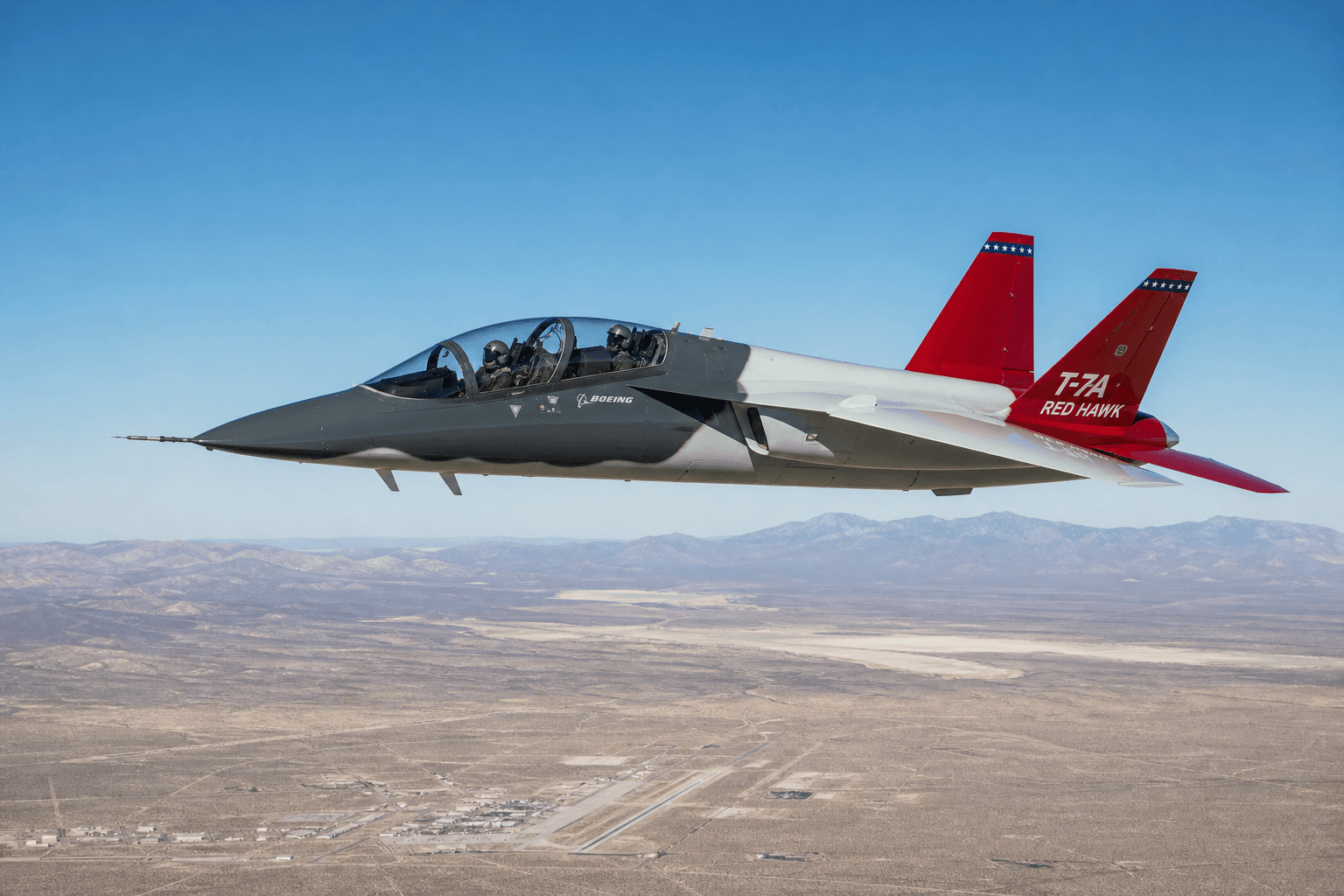
Air Force T-7A Red Hawk Completes First Joint Development and Operational Test Flight
The U.S. Air Force said Thursday it has completed the first T-7A Red Hawk sortie involving both developmental and operational test aircrew. The June 25 flight at Edwards Air Force Base, California, positions the service to begin combined testing as it prepares the advanced jet trainer for operational use. Combining Test Programs The flight placed a 412th Test Wing developmental test pilot and an operational weapon systems officer from the Air Force Operational Test and Evaluation Center's Detachment 5 in the cockpit. Developmental testing determines whether an aircraft meets technical requirements, while operational testing evaluates its performance in the intended training mission. "This flight was a big first step for the T-7 Integrated Test Team," Maj. Kevin Ueunten, AFOTEC's T-7A test director, said in an Air Force release. Ueunten, a former F-15E Strike Eagle weapon systems officer, collected operational-test data during the sortie. Production Plans The Air Force approved the T-7A for initial production in April and said it was moving forward with a $219 million contract for the first 14 aircraft. The contract also covers spare parts, support equipment and training. The Air Force plans to consider each of the first three low-rate production lots separately so test results can be incorporated before additional purchases. The T-7A is intended to replace the T-38 Talon and will be used to prepare pilots for newer fighter and bomber programs. There are expected to be 351 aircraft and 46 ground-based simulators at five Air Education and Training Command bases. Initial operational capability is scheduled for August 2027.
The Daily Touch & Go
The day's best aviation news in your inbox. Free, no spam.