
Illustration: The Touch & Go
USAir's journey from a regional carrier to a cornerstone of American Airlines
Originating as Allegheny Airlines in 1939, USAir expanded through acquisitions and rebranding before merging with American Airlines in 2015.
The gist
USAir evolved from a small mail carrier into a major US airline before merging into American Airlines in 2015.
USAir traces its roots back to 1939 when it was founded as All American Aviation, initially focusing on mail transport with small aircraft. The airline transitioned to passenger services following World War II, reflecting growing demand for regional air travel. In 1953, it rebranded as Allegheny Airlines, representing its expanding network across Pennsylvania, Ohio, and the Mid-Atlantic, operating a fleet that included Convair 440s, Martin 2-0-2s, Convair 580s, and DC-9s. Allegheny earned a reputation as a reliable local service carrier during the 1960s and early 1970s, connecting smaller communities with major cities.
The passing of the Airline Deregulation Act in 1978 opened new horizons for American carriers. Allegheny leveraged this opportunity and its prior acquisitions of Lake Central Airlines in 1968 and Mohawk Airlines in 1972 to extend its reach significantly across the eastern United States. Recognizing the need for a broader identity, Allegheny rebranded as USAir in 1979, signaling ambitions to become a national carrier. Pittsburgh became USAir's primary hub, later complemented by important hubs in Philadelphia, Charlotte, and Baltimore, facilitating steady network expansion.
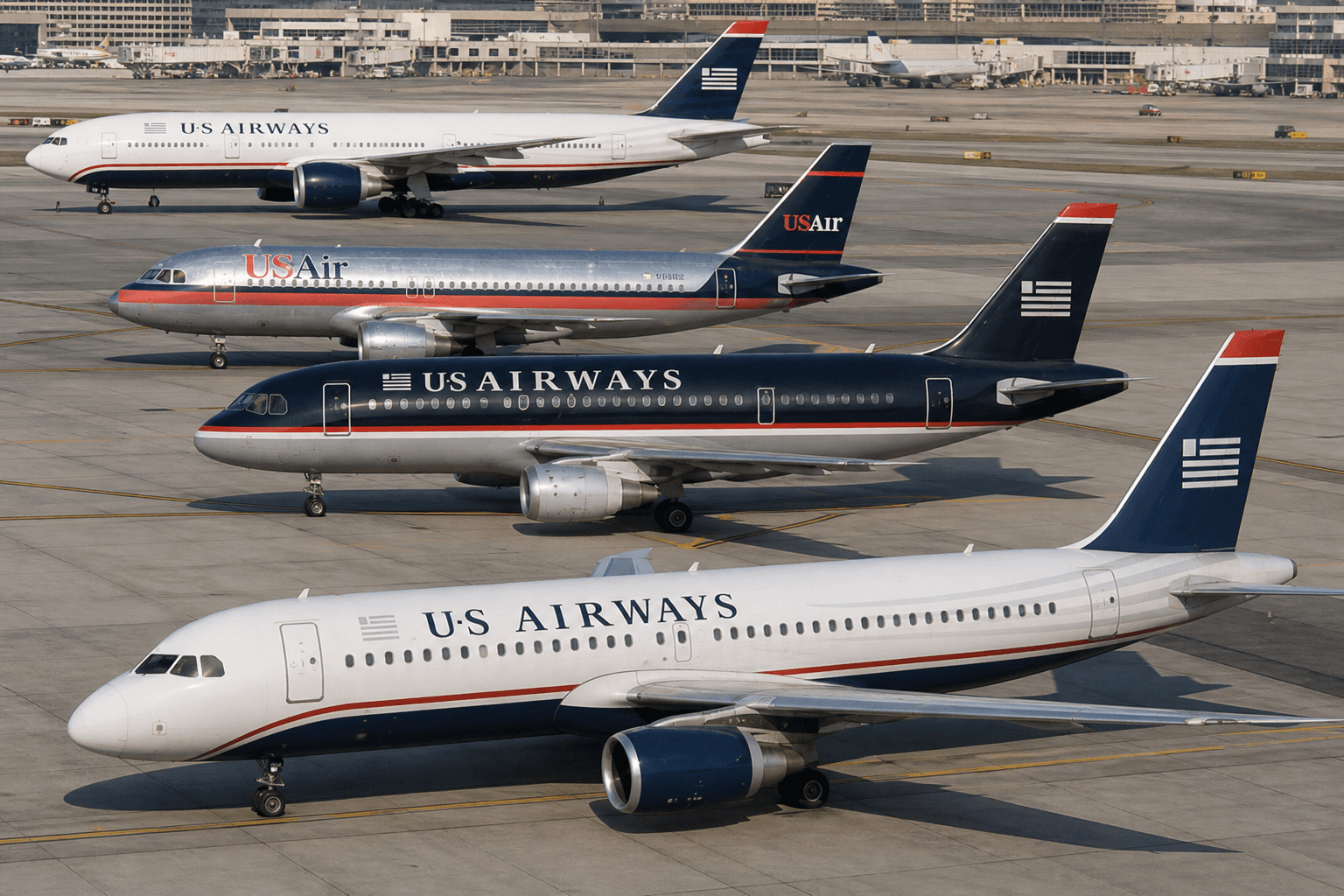
A distinctive feature of USAir was its diverse fleet, appealing to aviation enthusiasts and serving various route profiles. Throughout the 1980s, the Boeing 727 was the workhorse of the fleet, adept at short commuter journeys and longer domestic flights. Alongside it flew numerous Douglas DC-9s and Boeing 737s. Notably, USAir was a major operator of the Dutch-built Fokker F28 Fellowship jets, employing them on shorter, less dense routes. By the 1990s, a modernization effort brought Boeing 737 Classics and Airbus narrowbodies like the A319, A320, and A321, and widebody Boeing 767s and Airbus A330s supported transatlantic flights.
USAir's growth was also driven by key mergers that reshaped its route system and fleet composition. The 1987 acquisition of Pacific Southwest Airlines (PSA) introduced USAir to the California market along with PSA's iconic smiling liveries. The following year, the purchase of Piedmont Airlines added substantial hubs at Charlotte and Baltimore and an updated fleet with long-haul capabilities, elevating USAir's standing among major US carriers and consolidating multiple well-known liveries under one brand.
In 1997, USAir adopted the US Airways brand to better reflect its growing international reach, particularly expanding transatlantic flights from its hubs in Philadelphia and Charlotte. US Airways joined the Star Alliance in 2004, later moving to Oneworld as it enhanced its global partnerships and connectivity. Yet the early 2000s challenged the airline, which faced sharp passenger drops after 9/11, soaring fuel prices, and competition from low-cost competitors, leading to two Chapter 11 bankruptcies in 2002 and 2004. Restructuring measures enabled the airline to continue operations despite these difficulties.
A pivotal turning point arrived in 2005 with the merger between US Airways and America West Airlines. While adopting the US Airways name, management largely came from America West, headquartered in Phoenix. This merger introduced a significant western hub, complementing existing centers in Philadelphia, Charlotte, and Washington National, and transforming US Airways into a truly coast-to-coast carrier with a nationwide route network and enhanced operational reach.
The airline's final evolution occurred in 2013 when US Airways merged with American Airlines, creating the largest airline globally at that time. Both carriers maintained separate operations during a protracted integration of fleets, personnel, and reservation systems. The last US Airways flight, number 1939 symbolizing the original founding year, operated on October 16, 2015, from San Francisco to Philadelphia, marking the end of the US Airways brand after 36 years. This merger encapsulated over seven decades of corporate history.
Despite the disappearance of the US Airways brand, its legacy endures within American Airlines. The combined network, fleet composition, key hubs, and employees from USAir and US Airways continue to influence today's air travel landscape. American Airlines recognizes this heritage through special heritage liveries honoring US Airways, Allegheny, America West, and PSA, symbolizing the enduring impact of these historical carriers on modern aviation.
Frequently asked questions
- What was USAir originally called and when was it founded?
- USAir began as All American Aviation in 1939, initially focusing on mail transport before expanding into passenger services.
- Which major airlines did USAir acquire before rebranding?
- USAir acquired Lake Central Airlines in 1968 and Mohawk Airlines in 1972 before rebranding from Allegheny Airlines in 1979.
- When did USAir cease to exist as an independent brand?
- USAir operated its final flight under its own brand on October 16, 2015, after merging with American Airlines in 2013.
Read more
All Airlines →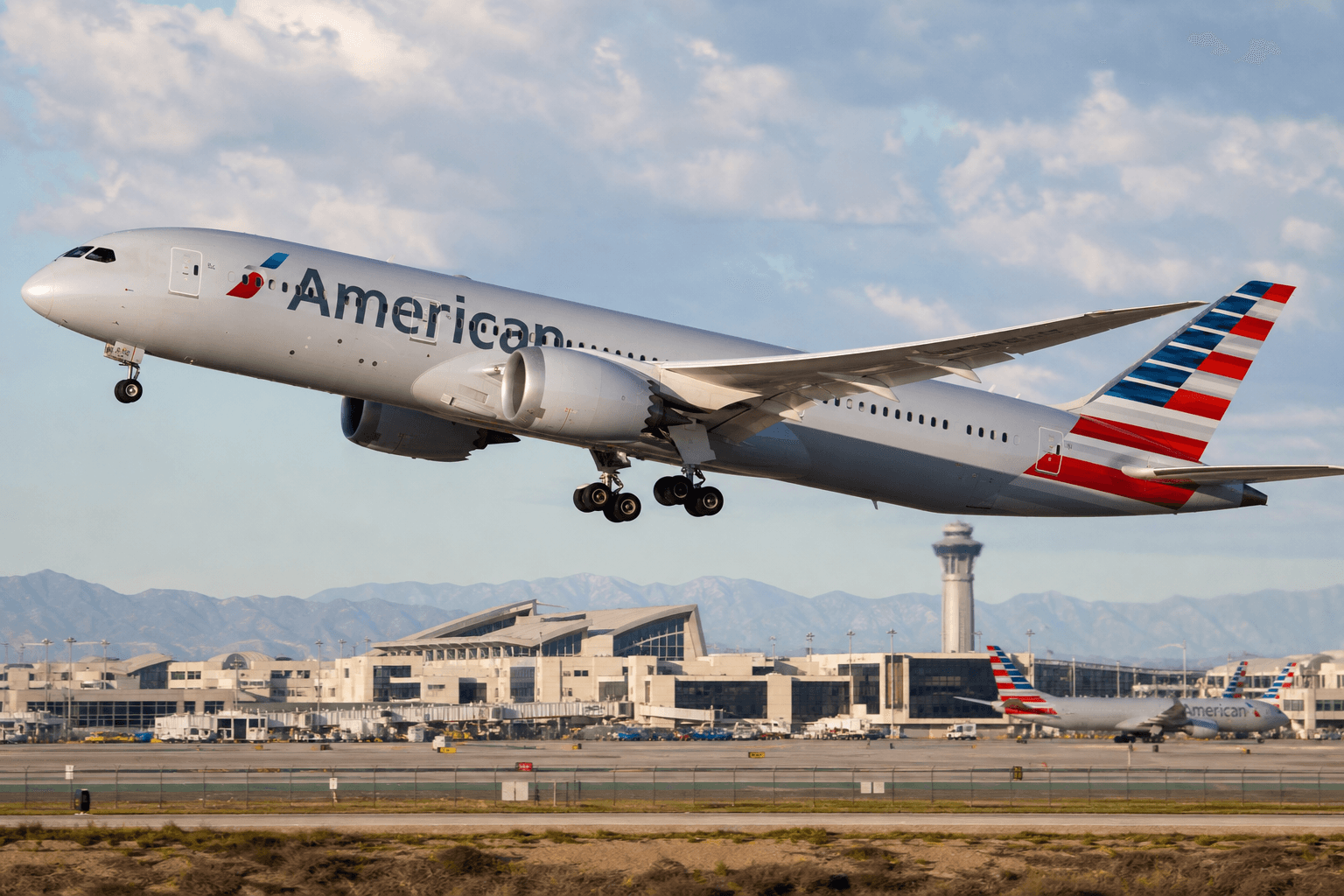
American Airlines to Retrofit Boeing 787-8s with New Flagship Suites, Expanding Premium Business Class
American Airlines is planning to retrofit existing Boeing 787-8 aircraft with new Flagship Suites. Right now, they have fantastic business class seats, but they have too much variability in their widebody premium product. The 787-8s don't have enough premium seats, and they have an older business class product, but the airline had been silent about plans for the aircraft until now.
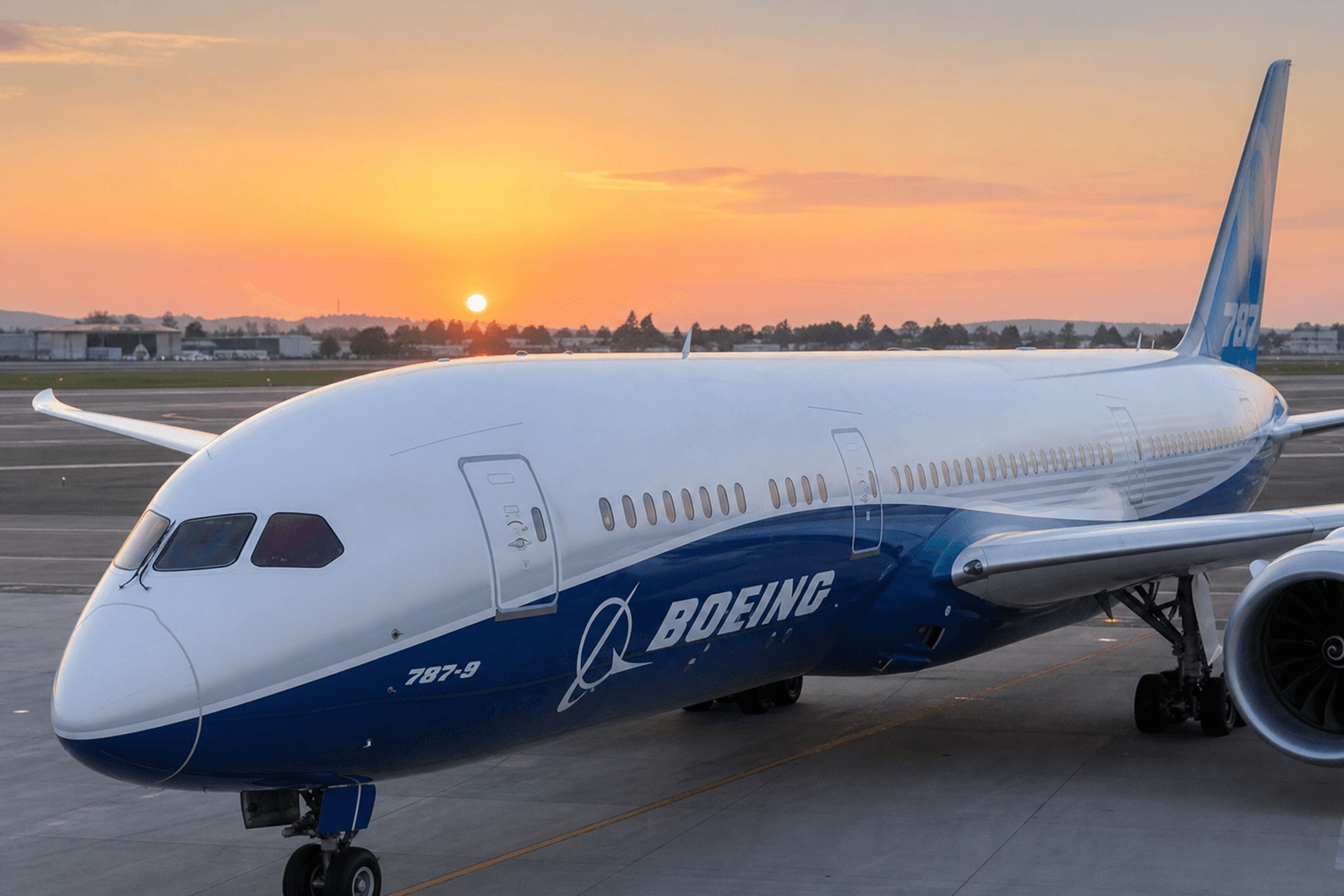
Airlines Shift Fleet Design to Expand Premium Cabins, Shrinking Economy Seating
For years, the airline industry has promoted premium cabins as an optional upgrade for travelers seeking extra comfort, additional space, or a more refined experience. Business class, premium economy, and other enhanced seating products were traditionally viewed as extras rather than the foundation of an airline's commercial strategy, while standard economy class remained the core product that filled most aircraft and generated the majority of passenger traffic across domestic and international networks.
IndiGo selects Honeywell avionics and power units for 810 A320neo jets
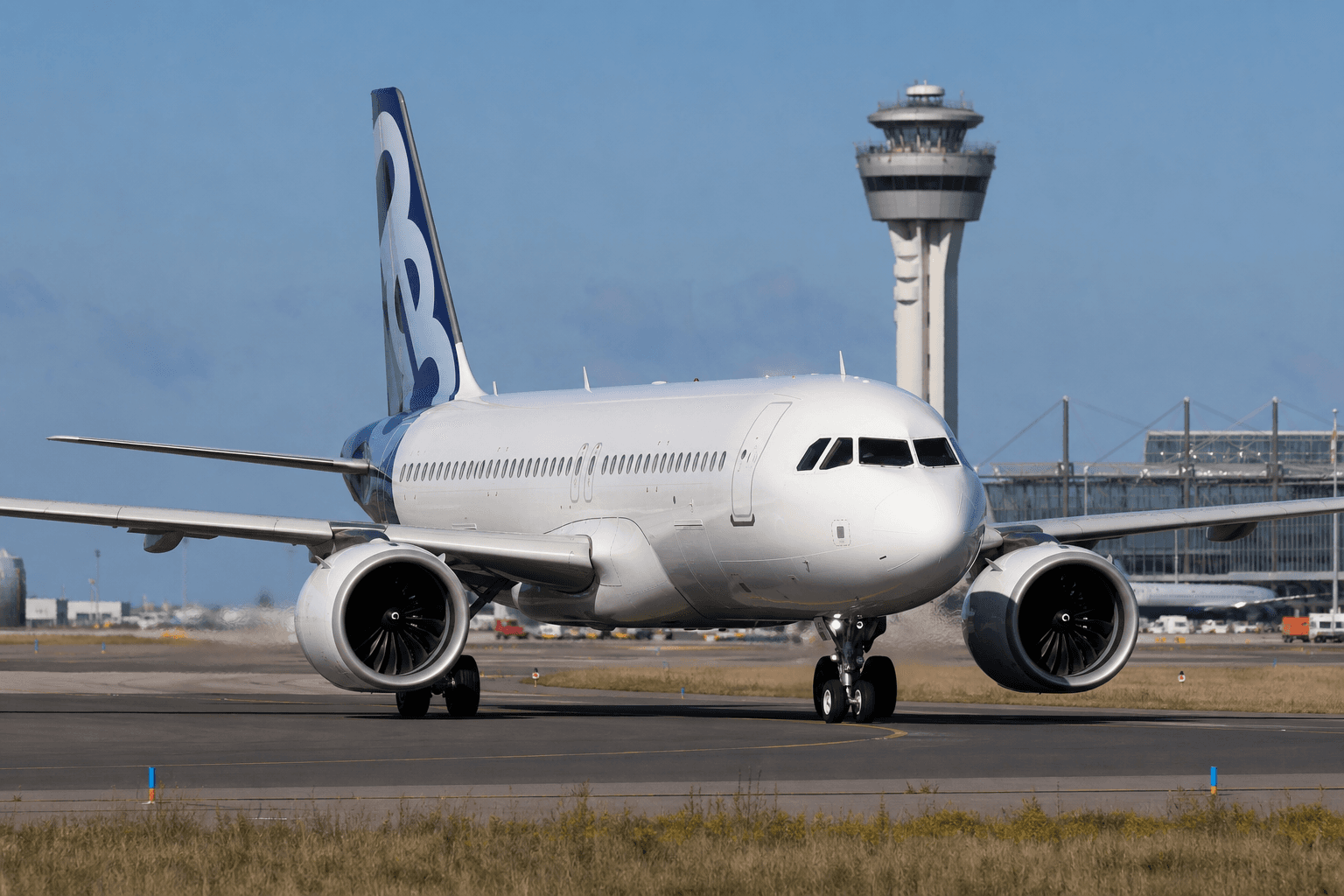
US manufacturer Honeywell Aerospace opened the Farnborough air show on 20 July by announcing a massive component deal with Indian carrier IndiGo. The airline will equip 810 incoming Airbus A320neo-family jets with Honeywell Aerospace’s avionics and power systems. Honeywell will also support those components in the aftermarket. The agreements mark a major win for newly independent Honeywell Aerospace, which completed its separation from longtime parent Honeywell in June. “This agreement represents the largest new-aircraft-selectable equipment win in Honeywell Aerospace history, accelerating the company’s expansion,” Honeywell says. The aerospace giant will supply the weather radars, traffic collision and avoidance systems, flight management systems and 131-9A auxiliary power units found on IndiGo’s incoming aircraft. “The scale of IndiGo’s fleet expansion – and their decision to rely on Honeywell Aerospace’s advanced products – underscores the strength of our technology and demonstrates the confidence customers place in Honeywell Aerospace,” says Honeywell president of global commercial aftermarket services Anthony Florian. IndiGo chief executive designate Willie Walsh adds that the agreement will support the carrier’s ongoing “transformation into a truly global airline” and support Indigo’s “reliability, operational excellence and seamless customer experience”. IndiGo has more than 300 A320s already in service and another 70 in storage, and its 810 outstanding orders include A320neos and A321neos, Cirium fleets data shows.
United Airlines Allows Flight Attendants to Drink Alcohol While Deadheading Under Strict Conditions
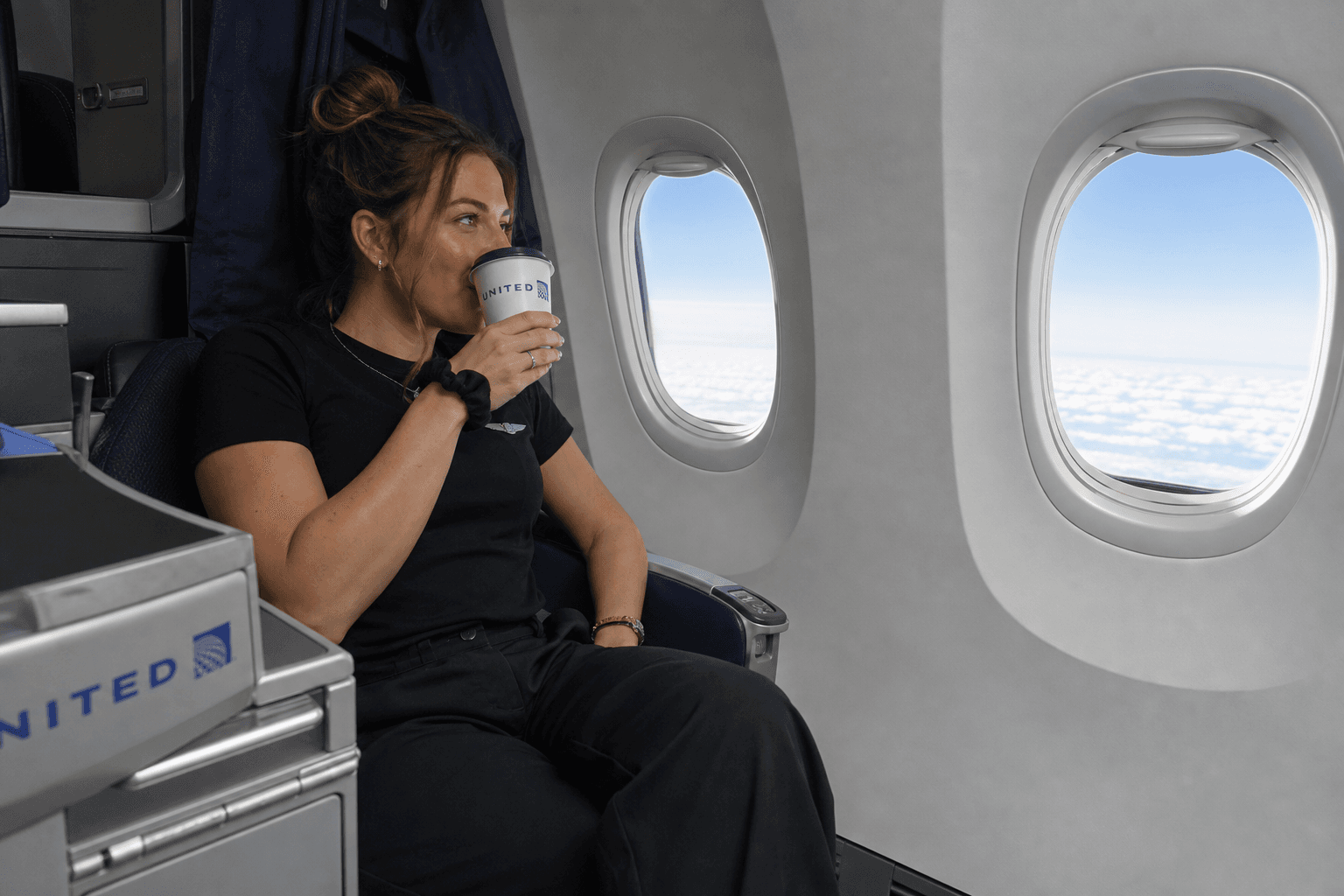
United Airlines flight attendants can drink while on duty in one narrow situation: when they are deadheading as passengers, out of uniform, and not expected to work another flight that day.
The Daily Touch & Go
The day's best aviation news in your inbox. Free, no spam.