

Illustration: The Touch & Go
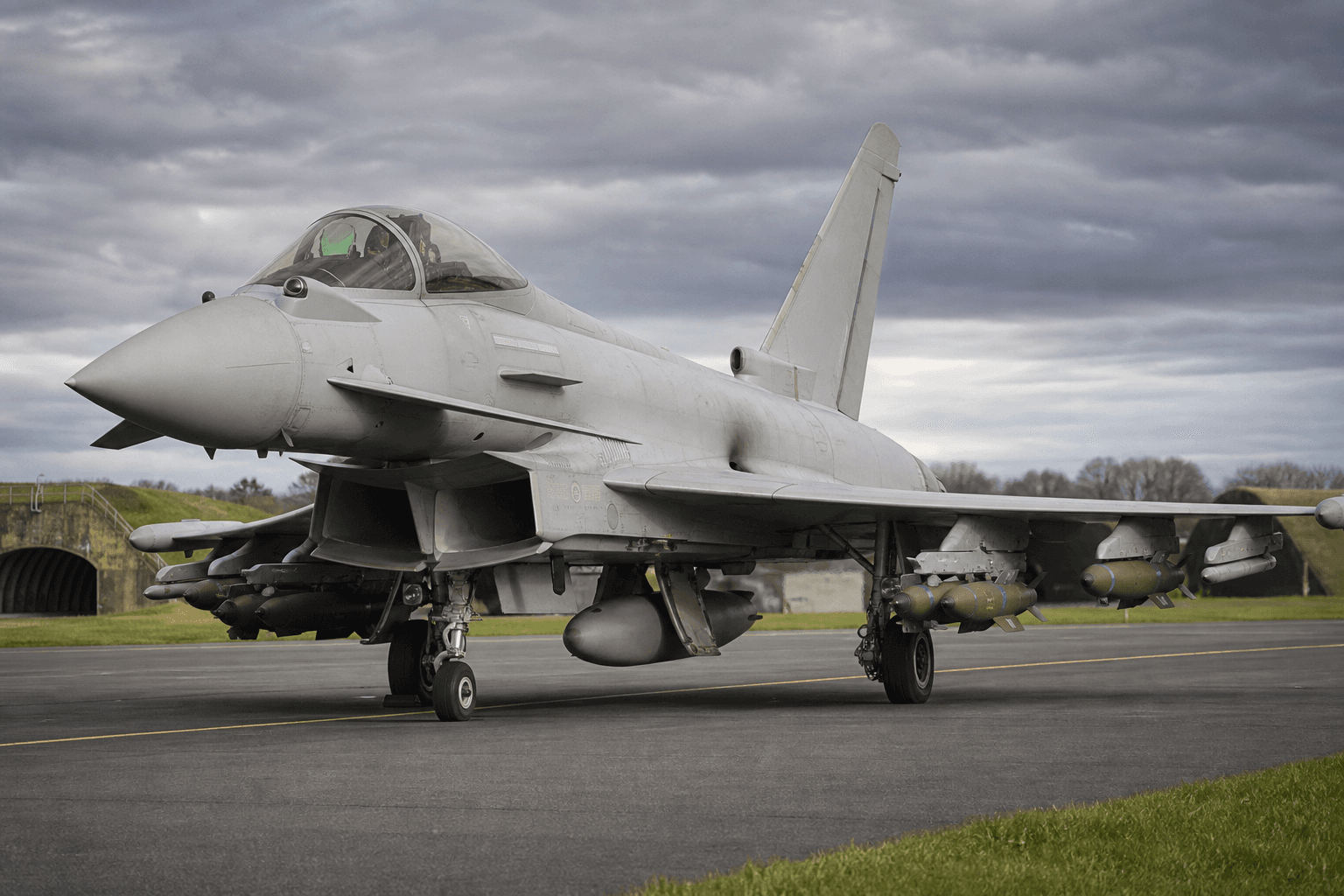
Raytheon UK unveils Red Kite precision-guided bomb to equip RAF Typhoons
Raytheon UK launches its Red Kite glide bomb, a lightweight, high-volume precision weapon designed primarily for Eurofighter Typhoon integration and enhanced national stockpiles.
The gist
Red Kite is a British-engineered precision bomb boosting RAF Typhoon strike capabilities with greater range and sovereign tech.
Raytheon UK has introduced the Red Kite, a new lightweight precision-guided bomb aimed at integrating with the Royal Air Force’s Eurofighter Typhoons. Developed as a cost-effective alternative to the Paveway IV, the Red Kite is designed to enhance weapon load capacity while strengthening the UK’s sovereign stockpile of air-delivered munitions. The company aims to position the Red Kite as a scalable high-volume weapon option that complements existing strike capabilities.
The Red Kite leverages the airframe of the StormBreaker weapon, also known as the Small Diameter Bomb II (GBU-53), massing 92kg and incorporating wing kits to extend its glide range. Designed and digitally engineered entirely in the UK in partnership with a consortium of British defense firms, the weapon retains the physical characteristics of the StormBreaker but substitutes nearly all internal technologies. New guidance, seeker, fuze, and warhead systems are UK-developed, symbolizing a strategic push toward domestic defense industrialization.
Raytheon UK’s lead weapons program manager Rich Gates emphasized that while the weapon matches the StormBreaker’s external features, its internal systems have been comprehensively upgraded using British and European technologies. The firm asserts that approximately 95% of the Red Kite’s components are sourced from the UK and Europe, aligning with European nations' objectives to localize defense capabilities in response to geopolitical challenges underscored by conflict in Ukraine.
At 92kg, the Red Kite weighs significantly less than the RAF’s existing 226kg Paveway IV bomb, enabling aircraft to carry a greater number of munitions per sortie. Raytheon UK highlights that the new weapon boasts four times the range of the Paveway IV, extending tactical strike options. Its compact size would allow the internal carriage of up to four Red Kites within the F-35B's weapons bays, opening avenues for deployment across multiple UK platforms including the F-35B and MQ-9B Protector drone.
The weapon's initial design omits a datalink, avoiding the complexity and expense it would add, but Raytheon UK leaves open the option for future integration if operational requirements emerge. The company’s approach to digital modeling has accelerated prototype development from months to just hours, enabling swift iterative design and testing, a stark contrast to the lengthy modification cycles experienced with Paveway IV.
Operational testing of the Red Kite has included real-world trials validating fuze and warhead performance, with particular attention to penetration and fragmentation effects. Guidance system evaluations have been conducted using unmanned drone flights, marking significant progress in hardware maturation ahead of potential Ministry of Defence contracts. Raytheon UK expresses a focus on scalable, continuous production capabilities to create and maintain robust stockpiles.
Raytheon UK positions the Red Kite as a 'medium-range utility strike weapon,' designed to fit within a layered munitions mix that complements MBDA’s powered Spear 3 missile. The company’s associate director for requirements, Rory Hederman, noted that the weapon is optimized for Typhoon but could integrate with other platforms, enhancing operational flexibility while keeping costs manageable. The enhanced range and compact size represent a meaningful expansion of the RAF's strike options.
The development responds to lessons from conflicts such as Ukraine, where sustained munitions supply has proven critical. The Red Kite aims to assure the UK’s ability to supply enduring air campaigns while maintaining a sovereign manufacturing base. Exports to other Eurofighter operators are anticipated as a future avenue, broadening the potential for this British-engineered glide bomb beyond domestic service.
Raytheon UK's chief executive James Gray highlighted the broader strategic value of the program in supporting the UK’s defense industrial base and achieving greater sovereignty. While containerized launch options remain under consideration, no confirmed plans currently exist. The Red Kite program represents a tangible step in modernizing the UK's air-to-ground capabilities with a focus on affordability, industrial independence, and operational effectiveness.
Frequently asked questions
- What is the Red Kite precision-guided bomb designed for?
- The Red Kite is a lightweight precision-guided bomb developed by Raytheon UK primarily for integration with the RAF's Eurofighter Typhoons, aiming to provide a cost-effective, high-volume strike capability and bolster national stockpiles.
- How does the Red Kite compare to the Paveway IV bomb?
- The Red Kite weighs 92kg, less than the 226kg Paveway IV, has approximately four times the range, and is designed to increase the weapons load that aircraft can carry while using largely UK and European technology.
- Which UK platforms could potentially carry the Red Kite bomb?
- The Red Kite is optimized for the Eurofighter Typhoon and could also be deployed on the Lockheed Martin F-35B and General Atomics MQ-9B Protector drone.
Read more
All Military/Defense →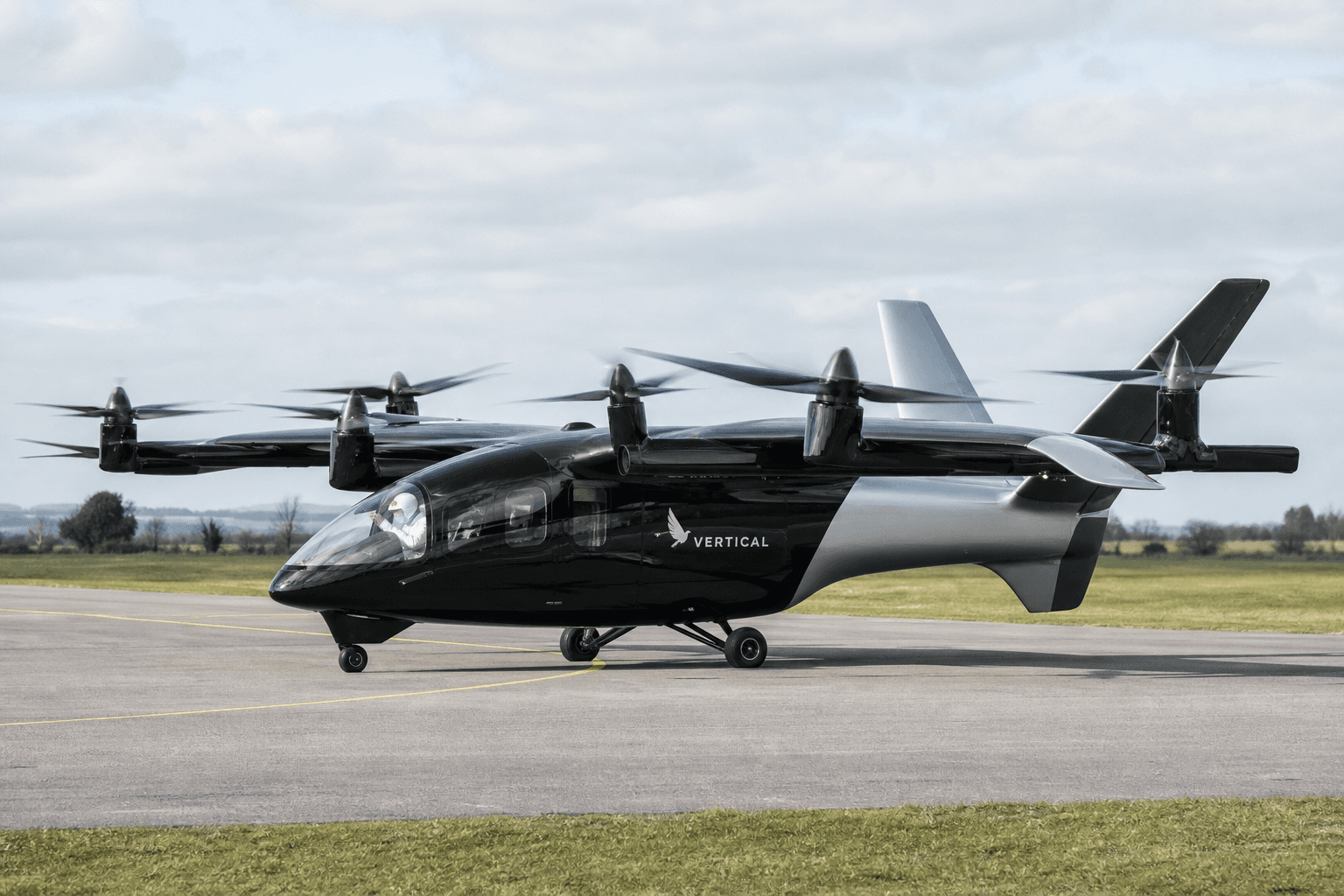
Vertical Aerospace nears UK government funding to open first full-scale eVTOL production site
Final decision on “broad package” of investment, including grant of up to £10 million, is expected by year-end. Bristol-based Vertical Aerospace has topped off its debut flying appearance at the show yesterday with a government pledge this morning on additional funding that would see the electric air taxi developer's first full-scale factory located in the UK. Vertical says it is in "advanced discussions" with the UK government over the "broad package" of funding, which would include a further grant of up to £10 million ($13.5 million) from the Department for Business and Trade. This is designed to "anchor the first of its planned global full-production sites" in the UK. Vertical is now working through a shortlist of four sites for the final assembly facility of the Valo electric vertical take-off and landing (eVTOL) aircraft and its battery manufacturing plant. A final decision is expected before year-end, the company states. In the early stages of ramp-up, Vertical will build the four-passenger Valo in refurbished hangars at its flight-test centre at Kemble airfield, while the batteries will be assembled at a new facility adjacent to its existing 'Vertical Energy Centre' near Bristol. Additionally, the package includes a commitment to establish a "broad, cross-government programme" to support Vertical's transition from prototype development to industrial scale-up. This includes a memorandum of understanding (MoU) between Vertical and UK Export Finance to establish a framework around export-linked and customer financing facilities; continued support from Innovate UK; and “confirmed interest from the Ministry of Defence in the company's hybrid-electric and autonomous capabilities". "This is a major vote of confidence from the UK Government in Vertical, in our aerospace sector and in the UK's opportunity to lead the next generation of aviation," says Stuart Simpson, Vertical Aerospace chief executive. "The UK has backed us from the earliest stages of the programme, and today's proposed support helps create a clear pathway from innovation to industrial scale-up." The department of business grant remains subject to the completion of legal, subsidy control, due diligence and ministerial approval processes, and the MoU with UK Export Finance is not legally binding. Besides the potential government support, Vertical has plenty of reasons to be cheerful, having the previous day successfully completed its debut flight demonstration at the Farnborough air show – a first for an eVTOL aircraft. Comprising a full end-to-end transition – taking off like a helicopter, switching to wingborne flight and back again – the 9min routine was flown by chief test pilot Simon Davies using the programme's second VX4 prototype.

US Air Force Retires 119 F-15Es as Saudi Arabia Invests $5 Billion to Upgrade F-15SA Fleet
In February of this year, the State Department approved a foreign military sale for the Kingdom of Saudi Arabia that opens up the potential for a $3 billion fighter jet deal . Despite speculation that the Kingdom may be procuring the Lockheed Martin F-35 Lightning II, they are in fact seeking to upgrade the fleet of Boeing F-15SA Eagle air superiority fighter jets. Boeing's multi-billion dollar upgrade program is explicitly designed to close the technology gap and bring the Royal Saudi Air Force F-15SA fleet up to parity with the US Air Force's F-15EX Eagle II.
USAF to Convert B-21 Raider Test Jets Directly into Combat Bombers from 2027
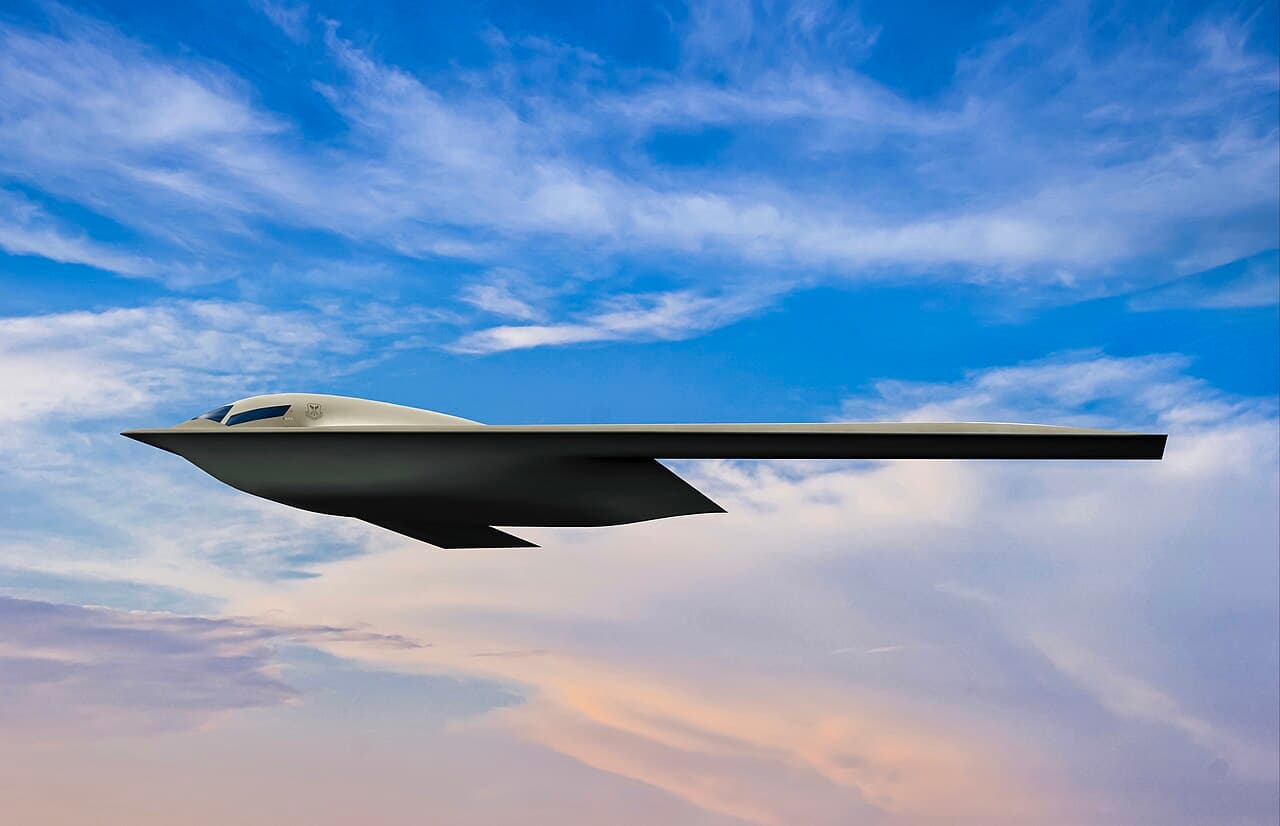
The United States Air Force has a couple of test Northrop Grumman B-21 Raiders that are blurring the line between testing and fielding. The B-21 Raider is expected to enter service in 2027, making it the world's first all-new strategic bomber to enter service since the B-2 Spirit entered service in 1997. China is also working to develop its Xi'an H-20 stealthy strategic bomber, but it is unclear when it will enter service.
Beta launches autonomous hybrid-electric MV250 VTOL focused on military logistics
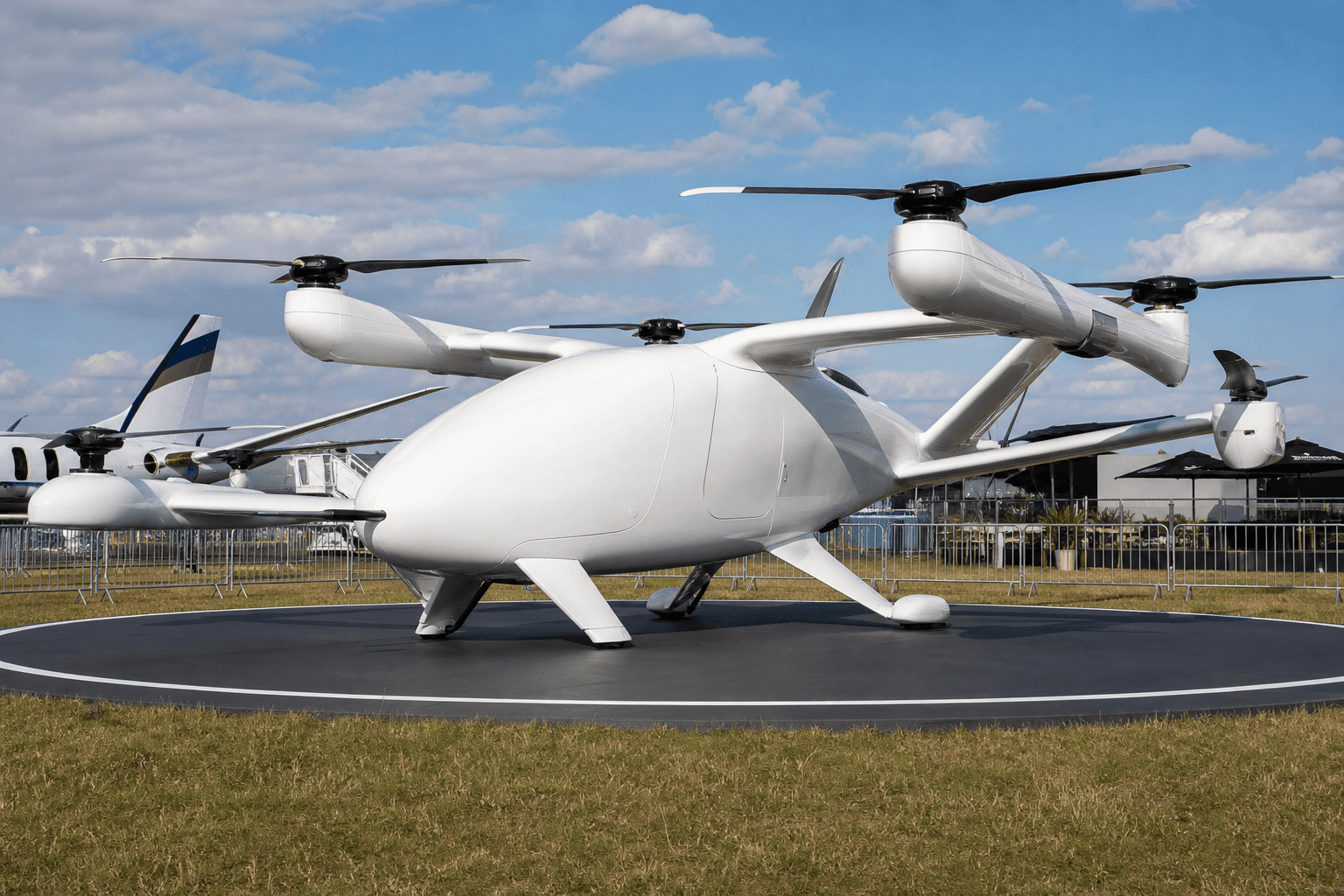
The logistics-focused rotorcraft is derived from Beta’s fully electric A250 vertical take-off and landing crewed aircraft. Electric aircraft manufacturer Beta Technologies has unveiled a new military-focused variant of the company’s A250 vertical take-off and landing aircraft. Revealed at the 2026 Farnborough air show, the MV250 features a number of significant changes to the fully electric A250 VTOL, including a new hybrid-electric propulsion system and autonomous flight capability. The MV250 features a similar outer mould shape to the crewed A250 but eliminates the two cockpit pilot stations and passenger compartment. Beta says the design will offer a repositioning range of 1,300nm (2,400km) with a tactical range of 250nm and a 907kg (2,000lb) payload. "The basic physics of the MV250 enable significantly longer range, higher speed and a lower cost of operations when compared to tiltrotor and legacy platforms," says Beta founder and chief executive Kyle Clark. Beta is flight testing the crewed A250, which FlightGlobal observed at the company’s Vermont headquarters in June. The conventional take-off and landing CX300 is further along in the certification process, having recently begun limited commercial operations under a new FAA pilot programme for eVTOL aircraft. The two aircraft share 80% commonality, including nearly identical cockpits and flight controls. Although its commercial designs are fully electric, Beta opted for a hybrid-electric drivetrain for the MV250, reflecting the specific tactical needs of miltiary operators. The company says a hybrid approach retains the high reliability and low maintenance attributes of an electric engine, while offering increased range and the ability to produce ground-based power. Beta partnered with propulsion specialist GE Aerospace to develop the turbogenerator engine for the MV250. The design is based on GE’s proven T700 turboshaft, which powers the Sikorsky UH-60 Black Hawk and Boeing AH-64 helicopters, among others. “We're bringing our expertise in electrical power and advanced propulsion systems to build the turbogenerator that ultimately unlocks greater range and mission flexibility,” says Amy Gowder, CEO of defence & systems for GE Aerospace. “This collaboration reflects the potential of hybrid systems to advance military logistics capability,” she adds. Beta envisions the MV250 as a utility platform that will move equipment, munitions, and medical supplies. The uncrewed flight capability will be delivered by Sikorsky’s Matrix system, which has already proved the ability to autonomously pilot rotorcraft, including the Black Hawk and the company’s developmental Noman rotor-blown-wing uncrewed aerial system. "We view the dual-use hybrid-electric MV250 as a unique and complementary capability to Sikorsky's UAS platforms,” says Rich Benton, Sikorsky’s general manager. Beta is actively assembling both CX300 and A250 aircraft at its Burlington, Vermont, factory. The CX300 will participate in this year’s Farnborough flying display after making its airshow debut in Paris last year. Just before Farnborough, one of the Beta CTOLs flew in NATO’s Aurora 26 military exercises in Sweden, logging 30 sorties in a logistics support role.
The Daily Touch & Go
The day's best aviation news in your inbox. Free, no spam.