

Image: US Air Force · Public domain · via Wikimedia Commons
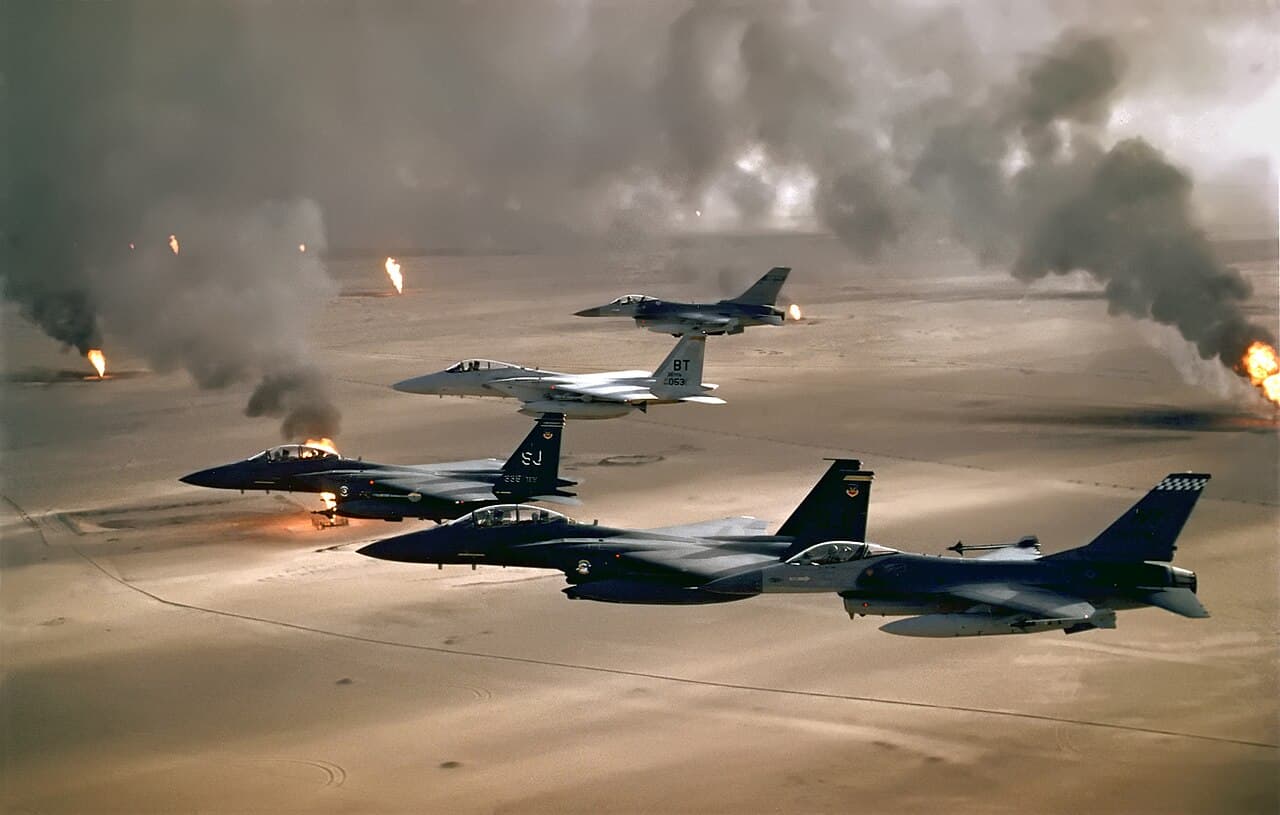
US Air Force Retires 119 F-15Es as Saudi Arabia Invests $5 Billion to Upgrade F-15SA Fleet
While the US phases out a large portion of its F-15E Strike Eagles, Saudi Arabia is modernizing its F-15SA fleet to near parity with the latest US F-15EX jets with a $5 billion upgrade program.
The gist
The US is retiring over half its F-15E fleet as Saudi Arabia spends billions upgrading F-15SAs to rival the newest US F-15EXs.
Continuing coverage
All Saudi Arabia →- Yemen's government strikes Sana'a airport runway to block Iranian Mahan Air flight
- US Approves $2 Billion Sale of Guided APKWS Rockets to Saudi Arabia
- Riyadh Air eyes firm order up to 30 more Boeing 787s amid rapid expansion
- Riyadh Air Gets US Approval to Launch Flights with Boeing 787-9 Fleet
- Riyadh Air Receives U.S. Approval to Launch Flights
The United States Air Force (USAF) is reducing its F-15E Strike Eagle fleet, choosing to retire 119 of the 218 legacy fighters while retaining and upgrading 99 with the latest systems. This downsizing aligns with the introduction of the advanced F-15EX Eagle II, a next-generation platform intended to complement emerging sixth-generation fighters. The USAF's modernization involves extensive electronic warfare enhancements and structural updates for selected F-15Es powered by the F100-PW-229 engines, while jets equipped with the older PW-220 engines are being phased out.
Parallel to the US transition, Saudi Arabia is investing heavily to upgrade its fleet of Boeing F-15SA fighters. The Kingdom secured a $3 billion foreign military sale authorized by the US State Department earlier in 2026 and is now committing $5 billion more to modernize systems across its F-15SA fleet. These upgrades aim to bring Saudi jets very close in capability to the USAF's F-15EX Eagle IIs, leveraging the aircraft's shared physical airframe and fly-by-wire flight control systems.
The F-15SA variant serves as an advanced intermediary between the older F-15E Strike Eagles and the cutting-edge F-15EX. One notable enhancement is the inclusion of two additional weapons stations available for air-to-air missiles, increasing missile payload capacity from eight to twelve. Both the F-15SA and F-15EX use the Advanced Display Core Processor II, enabling billions of instructions per second and supporting an open mission system software framework to integrate evolving technologies and maintain combat relevance.
In contrast, the US legacy F-15Es have less powerful computing hardware, limiting their ability to run the full suite of modern capabilities. Nonetheless, the retained jets are receiving similar electronic warfare upgrades, including the Eagle Passive Active Warning Survivability System (EPAWSS) supplied by BAE Systems. This system significantly improves survivability by enabling defensive jamming and sensor capabilities against hostile targeting threats in modern contested environments.
Another cornerstone of the Saudi upgrade is the integration of Raytheon's APG-82 active electronically scanned array radar, identical to the radar deployed on the F-15EX. This radar extends detection ranges notably for the AIM-120 Advanced Medium-Range Air-to-Air Missile and enhances the ability to detect and track low-flying threats such as drones, cruise missiles, and loitering munitions, which are prevalent in the Kingdom’s threat environment. Digital filtering reduces ground clutter, allowing more accurate identification of multiple simultaneous targets and continuous missile guidance updates mid-flight.
The APG-82 enables Saudi pilots to engage multiple aerial threats simultaneously across a broad arc, vastly increasing look-down/shoot-down capacity. This capability is a notable advancement over the legacy mechanical radars of older F-15 models, which had more limited missile guidance support. The upgraded radar's ability to maintain target tracks even under high-G defensive maneuvers significantly elevates the combat effectiveness of Saudi F-15SAs.
The USAF's modernization strategy reflects a balancing act between extending the service life of proven platforms and introducing new aircraft to meet evolving threats. By selectively retaining and upgrading the more powerful F100-PW-229 powered F-15Es while replacing the rest with F-15EX fighters, the USAF prepares for future integrated combat networks known as 'kill webs' and 'combat clouds.' These systems will link legacy and next-generation platforms to maintain battlefield dominance.
Meanwhile, Saudi Arabia benefits from having a substantially younger fleet of F-15SAs designed with core similarities to the latest Eagle II jets. This commonality reduces the structural complexity and cost of upgrades compared to the USAF’s incremental retrofits of older Strike Eagles. The Kingdom's enhanced F-15SA fleet will be highly capable air superiority fighters positioned to meet regional security demands with state-of-the-art avionics, radar, and electronic warfare systems.
As the USAF advances toward introducing sixth-generation aircraft, phasing out older F-15C/D Eagles and some F-15Es, the F-15EX and upgraded F-15E hybrids will serve crucial roles. Their enhanced payload capacity, radar, and survivability upgrades ensure they remain effective partners in integrated air operations. Saudi Arabia's concurrent investment in the F-15SA fleet exemplifies how allied forces are modernizing legacy airframes to confront emerging threats without the cost and timeline of introducing entirely new aircraft types.
Frequently asked questions
- Why is the US Air Force retiring 119 F-15E Strike Eagles?
- The USAF is retiring 119 F-15Es equipped with older F100-PW-220 engines to focus on retaining 99 upgraded jets with F100-PW-229 engines and introduce next-gen F-15EX fighters.
- How is Saudi Arabia upgrading its F-15SA fleet?
- Saudi Arabia is investing $5 billion to upgrade F-15SAs with advanced avionics, APG-82 radar, and electronic warfare systems to closely match the US F-15EX capabilities.
- What radar technology will Saudi F-15SAs gain from the upgrades?
- The F-15SAs will receive the Raytheon APG-82 AESA radar, enhancing long-range target detection and missile guidance, especially against low-flying threats like drones and cruise missiles.
Read more
All Military/Defense →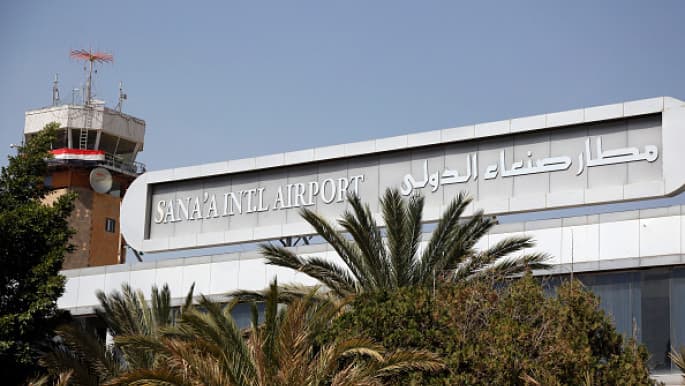
Yemen's government strikes Sana'a airport runway to block Iranian Mahan Air flight
Yemen's Saudi-backed government said it struck the runway at Sana'a International Airport on July 13, 2026, to stop a Mahan Air flight from Iran from landing in the Houthi-controlled capital. Sana'a International Airport is the main airport serving Yemen's capital and the country's Houthi-controlled north. Mahan Air is an Iranian airline that had sought permission to fly a Houthi delegation home from Tehran. The Mahan Air Airbus A340-300 diverted to Hodeidah Airport on Yemen's Red Sea coast and landed there instead, according to officials from both sides of the conflict. Yemen's internationally recognized government said Iran had requested approval for the Mahan Air flight from Tehran to Sana'a. The government rejected the request and accused the Houthis of trying to bring the aircraft into the country without permission from Yemen. Yemen's Defense Minister Taher al-Aqili said government forces struck the airport runway after diplomatic efforts failed to stop the flight. The government operates from the southern city of Aden, while the Iran-backed Houthis control Sana'a. The Houthis said Saudi Arabia carried out the attack and warned that it would retaliate. Saudi officials did not immediately comment on their country's involvement. Footage broadcast by the Houthi-controlled Al-Masirah television network appeared to show bombs striking the airport compound and causing explosions. The flight was carrying Houthi officials who had traveled to Iran for the funeral of the country's late Supreme Leader Ayatollah Ali Khamenei. An Iranian aircraft landed at Sana'a on July 3, and later carried the delegation to Tehran. The Houthis said more than 200 patients and other passengers were aboard the inbound flight. They also accused Saudi warplanes of trying to prevent the aircraft from landing, an allegation Saudi Arabia did not confirm. The July 13 flight was intended to return the delegation to Yemen. Rashad al-Alimi, who leads Yemen's Presidential Leadership Council, said the government offered to bring the officials back aboard a Yemenia flight, but the Houthis insisted on using the Iranian aircraft. Yemen temporarily closed all of its airports after the strike before reopening them several hours later. The attack marked one of the sharpest escalations in years between the Houthis and Yemen's Saudi-backed government. A truce reached in 2022 sharply reduced fighting after years of war, although the agreement did not produce a permanent settlement. Houthi military spokesman Yahya Saree said the airport strike ended the period of de-escalation and "will not go unanswered." UN Special Envoy for Yemen Hans Grundberg said he was concerned that the dispute could lead to a wider confrontation and urged both sides to preserve the relative calm in place since 2022. The Yemeni government said it would use "all available means" against aircraft that enter the country without authorization. It also held Iran responsible for what it described as repeated violations of Yemeni airspace. Neither side released the Mahan Air aircraft's registration or type. Authorities also did not identify the aircraft or weapon used to strike the Sana'a runway.

US Approves $2 Billion Sale of Guided APKWS Rockets to Saudi Arabia
Acquisition of guided rockets will bolster Riyadh's ability to counter Iranian drones. The US government has cleared the possible sale of nearly $2 billion in BAE Systems Advanced Precision Kill Weapon System (APKWS) munitions to Saudi Arabia. According to the US Department of State, the potential Foreign Military Sale covers up to 20,000 APKWS rounds, divided equally between air-to-air and air-to-ground weapons. Valued at $1.96 billion, the package includes a range of other equipment, including LAU-131 launchers, which allow the APKWS system to be mounted on fixed-wing combat aircraft. The scope of the potential package reflects the rising threat of one-way attack drones. Systems such as the Hesa Shahed 136 have been among Tehran's main ways of striking US partners in the Persian Gulf, including Saudi Arabia. "The proposed sale will improve Saudi Arabia's capability to deter current and future threats by strengthening its homeland defense, and improving interoperability with U.S. forces, and other regional and NATO forces," says the Department of State. "The proposed sale will also augment Saudi Arabia's operational aircraft and enhance its air-to-air, and air-to-ground self-defence capability. The Kingdom of Saudi Arabia will have no difficulty absorbing this equipment and services into its armed forces." Separately, Kuwait has been cleared for a potential $484 million sustainment package for its Boeing C-17 strategic transports, comprising spares and other equipment and services. FlightGlobal's 2026 World Air Forces directory indicates the Kuwaiti air force operates a pair of C-17s.
US Army Warrant Officer Pilots Differ in Pay and Roles from Commissioned Officers
In the armed forces of the United States of America, there are many different jobs and ranks assigned to aviation missions. In fact, all four service branches have their own pilot corps, including the Army and the Coast Guard. While the US Air Force, Navy, and Marines are better known for their fixed-wing tactical aviation, including many fighter jets, the Army has an enormous number of helicopters.
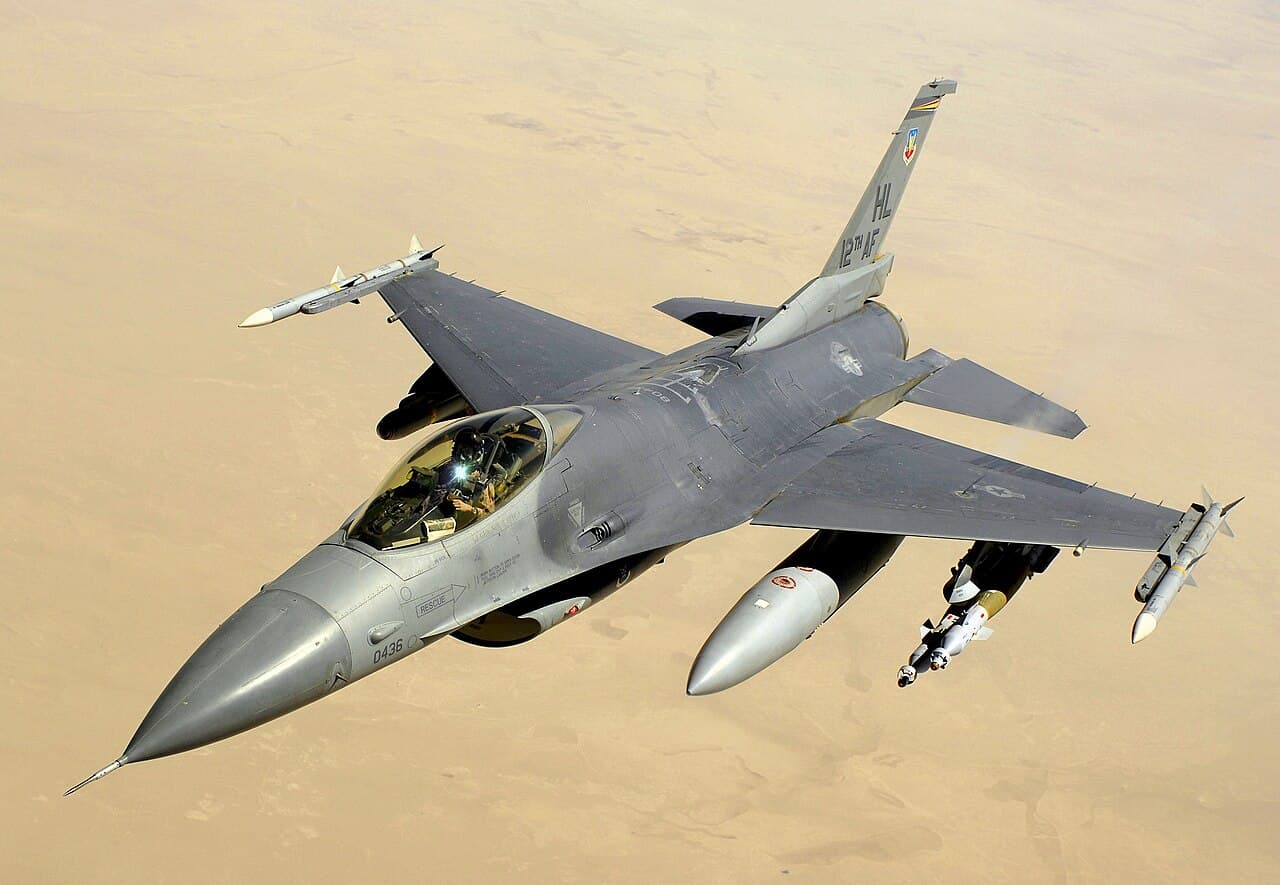
DARPA and US Air Force achieve AI-controlled flight in modified F-16s under VENOM program
DARPA and the US Air Force have flown a modified F-16 under the control of an artificial intelligence agent, moving autonomous combat testing from a one-off research project to actual modified frontline fighters. The service began flying VENOM-modified aircraft in June 2026 to confirm that the jets and their new systems operated safely. Test teams then allowed an AI agent to control an F-16 in flight in July, while a pilot remained in the cockpit to monitor the aircraft and take control if necessary. The program uses the name Viper Experimentation and Next-generation Operations Model–Autonomy Flying Testbed, or VENOM-AFT. Engineers equipped the F-16s with additional hardware, software and instrumentation that allow AI agents to fly the aircraft. DARPA said the modification automates the aircraft's flight controls and sensors without changing the F-16's core software. A human pilot can switch between conventional controls and autonomous operation during a flight. The pilot stays in the cockpit throughout the test and monitors the AI agent, aircraft systems and mission objectives. "These groundbreaking flight tests of VENOM-modified F-16s advance the infrastructure needed to develop trusted, autonomous air combat capabilities," DARPA Program Manager Brig. Gen. James Valpiani said. Valpiani said the system gives the Air Force and DARPA a faster way to develop and test AI tech for aerial combat. The Air Force did not discuss the specific maneuvers or mission tasks the AI performed during the recent test flights. It also did not identify the autonomy software or company behind the AI agent. DARPA says early sorties focused on confirming that the modified aircraft could fly safely with the VENOM equipment installed. Engineers completed months of engine runs, aircraft-system checks and simulation work before flight testing began. The program's ground-test work dated back to 2024. "Getting the aircraft into the air is always a monumental milestone for a complex test program," VENOM Test Pilot Tim Stevens said. "It represents years of design, modification and test planning poured into this project by a dedicated team of hundreds." The 40th Flight Test Squadron has led much of the early developmental testing at Eglin Air Force Base in Florida. The 53rd Wing and 96th Test Wing are also working together on the program with support from DARPA. VENOM expands on X-62 VISTA testing VENOM builds on earlier work with the X-62A Variable Stability In-flight Simulator Test Aircraft, or VISTA. DARPA used the heavily modified F-16 test aircraft to demonstrate AI-controlled air combat under its Air Combat Evolution program. The agency said an AI agent flew the X-62A during close-range dogfighting tests against human pilots. The X-62A remains a specialized, one-of-a-kind research aircraft. VENOM gives the Air Force a way to install and test autonomy systems aboard more conventional F-16s without redesigning the entire aircraft. The Air Force received the first three F-16s for VENOM conversion at Eglin in 2024. At the time, the service said developmental and operational test pilots would work from the same location, allowing them to share data and feedback directly with autonomy developers. The VENOM aircraft will now support DARPA's Artificial Intelligence Reinforcements program, which focuses on AI-controlled, multi-aircraft combat beyond visual range. DARPA plans to test autonomy software first aboard crewed F-16s and later transfer it to uncrewed combat aircraft. The program will also help the Air Force develop ways for pilots to direct groups of autonomous aircraft rather than control every movement individually. The work builds on the service's wider effort to field uncrewed combat aircraft alongside crewed fighters. The Air Force is currently testing the General Atomics YFQ-42A and Anduril YFQ-44A under its Collaborative Combat Aircraft program. The Air Force said the team will refine the aircraft and autonomy systems after each flight and gradually expand the complexity of the tests. It did not provide a schedule for the next phase of the program.
The Daily Touch & Go
The day's best aviation news in your inbox. Free, no spam.