Illustration: The Touch & Go
FAA Signals Imminent Certification for Boeing 737 MAX 7, MAX 10, and 777X Jets
FAA officials say certification of Boeing's 737 MAX 7, MAX 10, and 777X is near, with increased resources and streamlined priorities accelerating progress.
The gist
FAA expects Boeing 737 MAX 7 and MAX 10 certification soon, with 777X to follow, easing backlog of delayed aircraft deliveries.
Continuing coverage
All Boeing →- Boeing Forecasts Nearly $5 Trillion Market for Aviation Services and 2.4 Million Jobs by 2045
- Boeing Plans New Clean-Sheet Jet After Completing 737 MAX and 777X Certification
- Boeing predicts steady 20-year aircraft demand despite current travel slump
- Boeing dismantles never-flown 777-9 amid costly rework and program delays
- Boeing returns to Farnborough Airshow with emphasis on rebuilding trust and safety
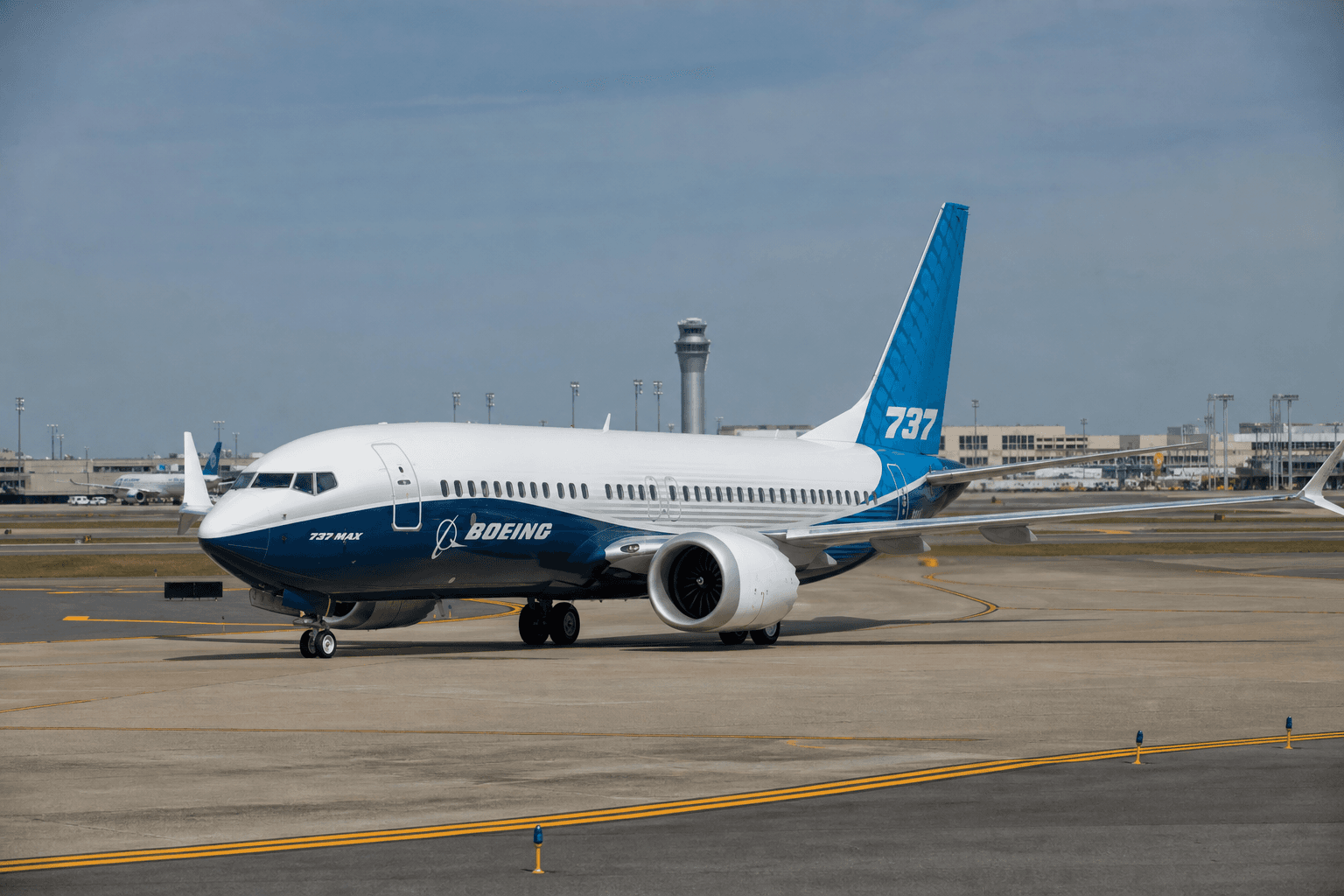
The Federal Aviation Administration (FAA) has announced significant progress toward certifying Boeing's 737 MAX 7, MAX 10, and the 777X jetliners, signaling a major development in clearing long-standing production delays. FAA Deputy Administrator Chris Rocheleau stated at the Farnborough Airshow that the agency anticipates final certification approvals within the near future, potentially as early as later this year or early next year. Boeing's narrowbody MAX 7 is expected to complete certification first, with the MAX 10 and widebody 777X following closely behind.
In response to ongoing certification challenges, the FAA has increased its resource allocation for Boeing's aircraft programs by 35% to 40%. FAA Administrator Bryan Bedford explained that this move came after close coordination with Boeing to refine technical priorities and streamline the approval process. This increased regulatory support has permitted more focused FAA oversight and accelerated progress despite previous delays.
A major technical barrier for the 737 MAX 7 has been the engine anti-ice system, which Boeing has been working to resolve with an engineering fix. While this issue affects all 737 MAX variants, older models in service such as the MAX 8 and MAX 9 have been granted waivers pending retrofit installations. The 737 MAX 10, meanwhile, requires not only the anti-ice resolution but also an upgraded angle of attack system before FAA certification can be granted.
Boeing has proactively built 30 complete 737 MAX 7 aircraft that remain in storage, awaiting the final certification greenlight before entering service. This inventory reflects the company’s effort to be ready for rapid delivery once regulatory approval is secured. The certification of the MAX series jets is critical for Boeing to meet airline demand and overcome the significant backlog caused by years of delays.
The 777X, Boeing's next-generation widebody and the largest twin-engine commercial aircraft ever built, faces a longer certification timeline. Rocheleau remarked that the FAA is closely following Boeing's lead in setting the schedule for the 777X, which remains over five years behind its original launch due to technical and business challenges. This model features advanced technologies like folding wingtips and the most powerful commercial turbofan engines ever installed.
Despite the delays, the 777X recently achieved a significant milestone by completing over 50% of its FAA Type Inspection Authorization flight testing. The widebody jet's certification is scheduled to occur only after the 737 MAX variants are approved, with expectations now targeting late 2026 or early 2027. This sequence underscores the FAA’s cautious approach to bringing these next-gen jets into commercial operation.
A notable development enhancing certification efficiency has been the restoration of Boeing's authority to issue certain individual airworthiness certifications for 737 MAX and 787 Dreamliner models. This regulatory empowerment, rescinded after the 737 MAX grounding following two fatal crashes, signals regained FAA confidence in Boeing’s internal controls and engineering processes. It has also freed FAA personnel to concentrate on pending certification workload.
Production ramp-up plans hinge on resolving certification hurdles. Previously, Boeing produced 42 MAX aircraft monthly but has recently secured FAA approval to increase output to 47, with a target of 53 per month once the MAX 7 and MAX 10 are certified. The backlog for the three delayed jet families totals over 1,600 aircraft orders worth billions, representing perhaps the largest bottleneck in the aviation industry’s history.
The upcoming certifications mark a pivotal phase for Boeing amid a high-stakes race to fulfill pent-up airline orders and modernize fleets worldwide. The successful clearance of these jets will not only ease aircraft shortages but also restore confidence among airlines and regulatory bodies after years of turbulence for the manufacturer. The timeline now looks set to bring these advanced Boeing aircraft into operation within the next year or so.
Frequently asked questions
- What factors have delayed the certification of the Boeing 737 MAX 7 and 10?
- The primary certification delay has been due to issues with the engine anti-ice system, requiring Boeing to implement engineering fixes before FAA approval.
- How has the FAA adjusted its approach to Boeing's certification process recently?
- The FAA increased resources by 35-40% and restored some certification authority to Boeing, allowing more efficient processing and reflecting regained trust after safety reviews.
- When is the Boeing 777X expected to be certified and enter service?
- The 777X certification is expected late 2026 or early 2027, after the 737 MAX 7 and MAX 10 receive final FAA approval.
Read more
All Regulatory →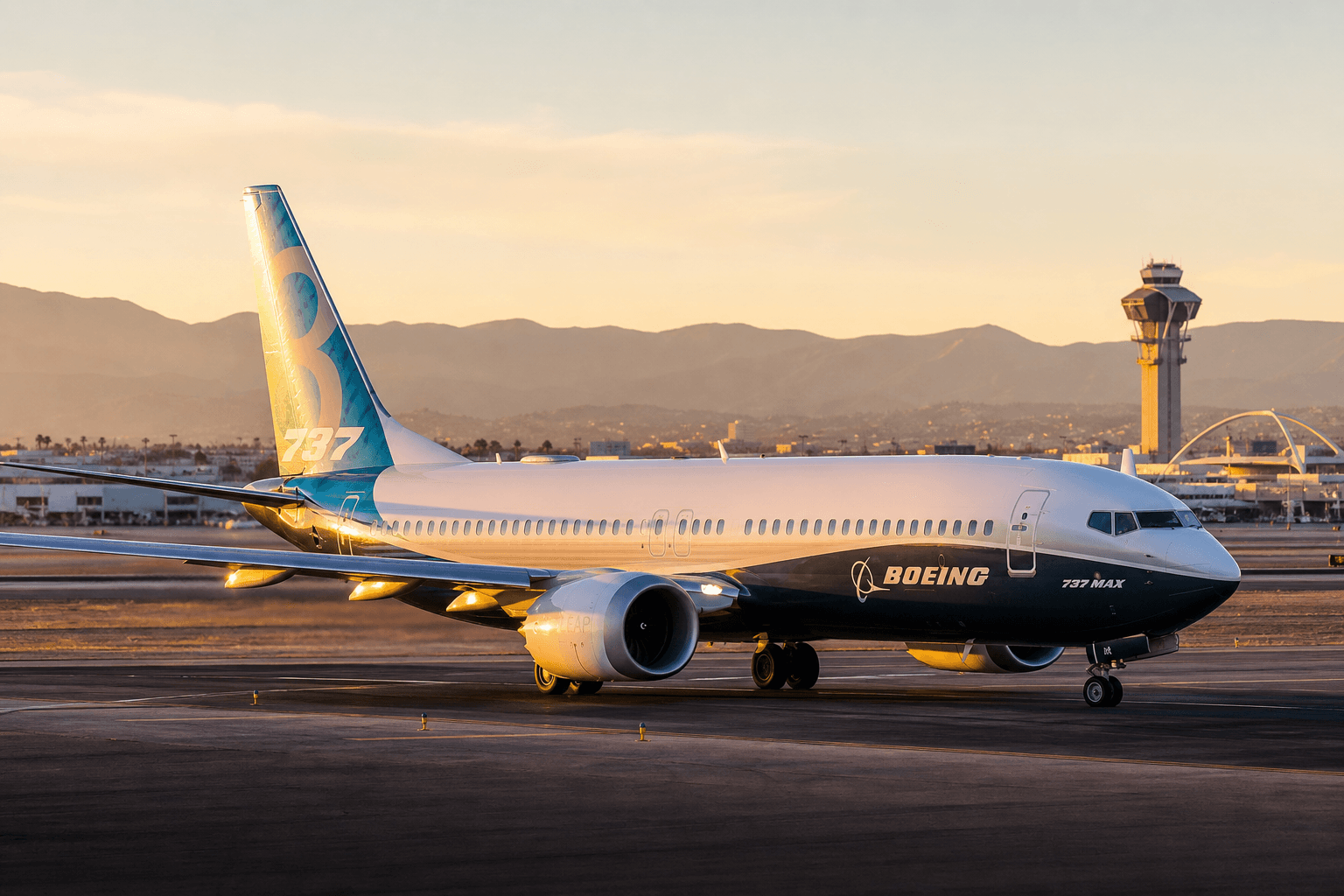
FAA Restores Boeing's Authority to Certify New 737 MAX and 787 Jets
Starting July 20, Boeing will again issue final airworthiness certificates for newly built 737 MAX and 787 aircraft—authority the FAA reserved after fatal crashes and production failures. The agency says eight months of alternating inspections produced comparable quality findings, while federal audits and production oversight will continue.
Boeing Plans New Clean-Sheet Jet After Completing 737 MAX and 777X Certification
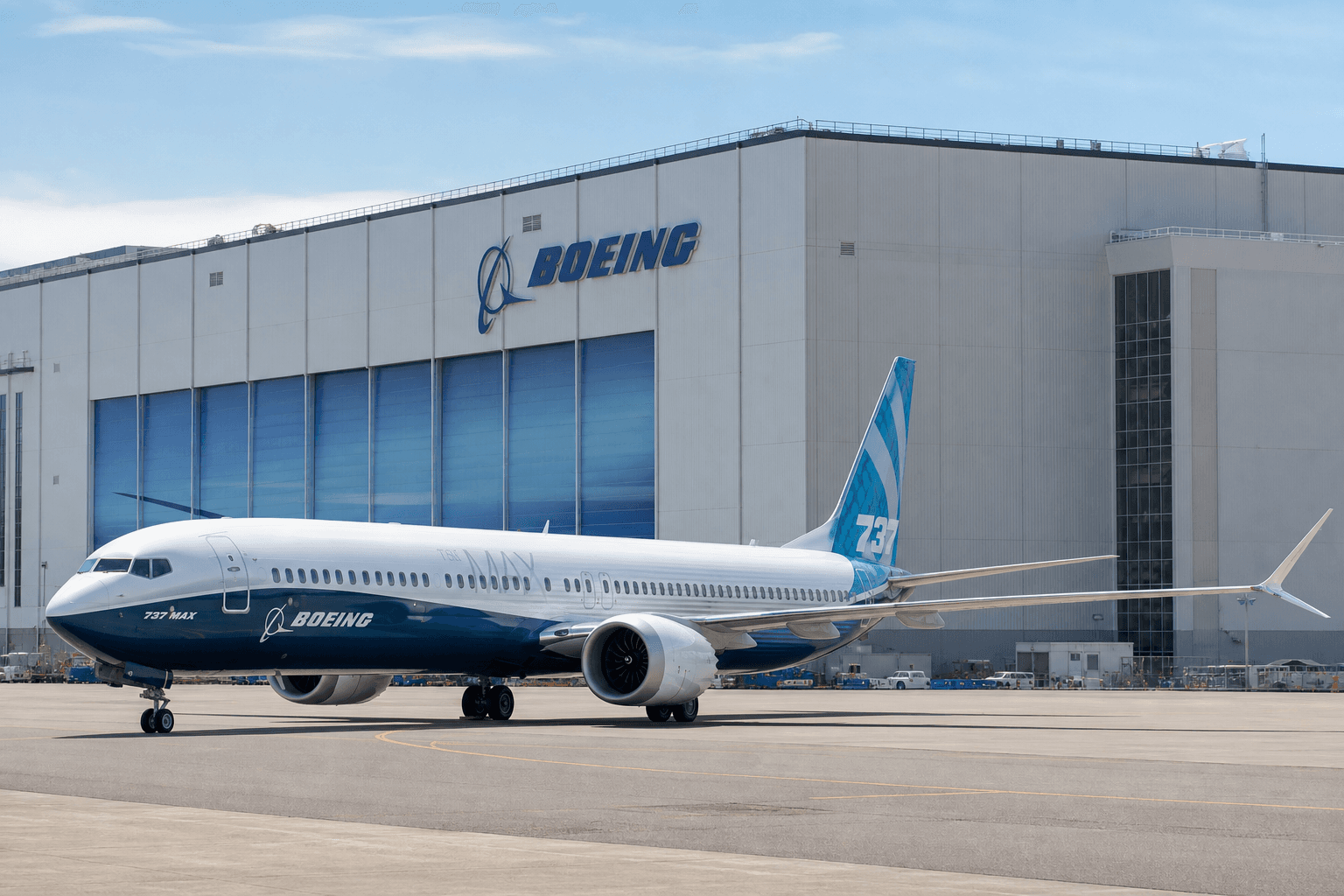
Boeing Chief Executive Officer Kelly Ortberg told the Financial Times that his company will be ready to fund its first 'clean sheet' plane program in two decades by 2030. He expressed confidence that the final certification of the remaining 737 MAX variants and 777X widebody will bring the financial stability to launch its next all-new airliner design program.
Boeing launches fourth 737 MAX final assembly line at Everett facility
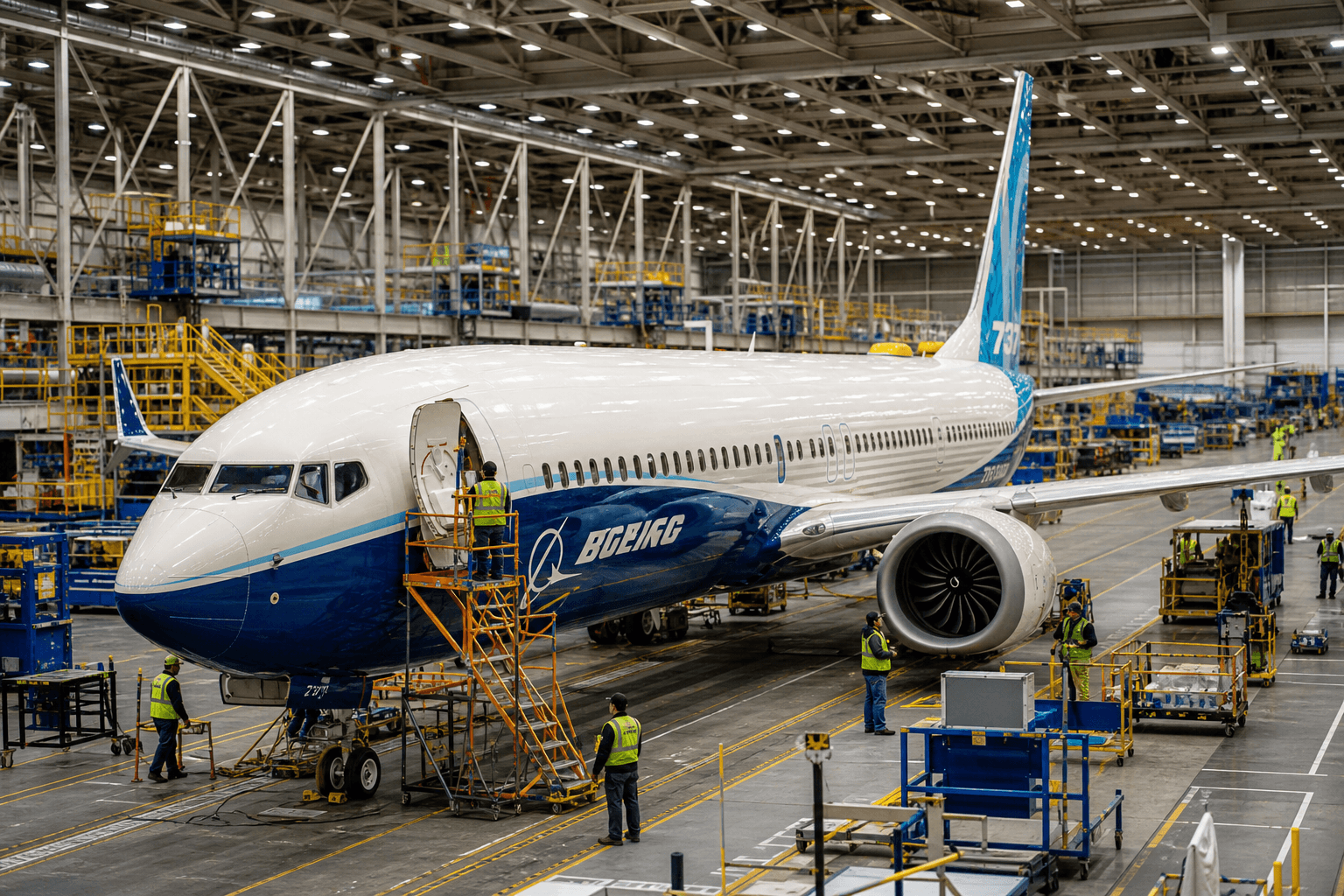
Boeing has opened a fourth 737 MAX final assembly line at its factory in Everett, Washington, marking the first time in more than 50 years that the 737 has been built outside Renton. Production began on the first aircraft on July 6, 2026, with Boeing formally marking the opening of the new North Line four days later. The line occupies space in the Everett factory that was originally built for widebody aircraft, including the 747. The first 737 moving through the line is a 737 MAX 10. Boeing did not publicly identified the customer for that airplane. The new line is designed around the same production process used at Boeing's three existing 737 lines in Renton, about 40 miles south of Everett. Boeing said that should allow teams at both sites to share procedures and production improvements. The North Line will not immediately result in a sharp increase in monthly output. Boeing plans to use the first aircraft for low-rate initial production, giving workers time to test the line, complete regulatory and compliance work and make changes before output increases. The company is currently raising 737 production from 42 to 47 aircraft a month. Once the Renton lines stabilize at that level, the Everett line is expected to provide the additional capacity needed to reach 52 aircraft a month and potentially higher rates later. Boeing has more than 4,000 737 MAX aircraft in its backlog, enough to keep the program busy into the 2030s at current production rates. The added line gives the manufacturer more room to work through those orders while reducing its dependence on three assembly lines at a single site. The Everett line will also handle aircraft that require more time than Boeing's standard production flow. Boeing said that could include jets with more complex interiors or additional work that would otherwise slow one of the Renton lines. Boeing first announced the Everett expansion in January 2023. The factory had available space after the end of 747 production and the consolidation of 787 final assembly in South Carolina. Everett continues to build the 767 and 777 families. The opening comes as Boeing works to rebuild 737 output following years of production interruptions and increased regulatory scrutiny. The Federal Aviation Administration (FAA) imposed limits on 737 production after a door plug separated from an Alaska Airlines 737 MAX 9 shortly after takeoff in January 2024. Boeing has since been increasing output in stages while working with the FAA and suppliers. Boeing said it will not move to higher production rates until the manufacturing system is stable and meeting its quality targets. The company built the first 737 near Seattle before moving the program to Renton in 1970.
Boeing 737 MAX Surpasses 7,200 Orders, Becoming Company's Best-Selling Aircraft
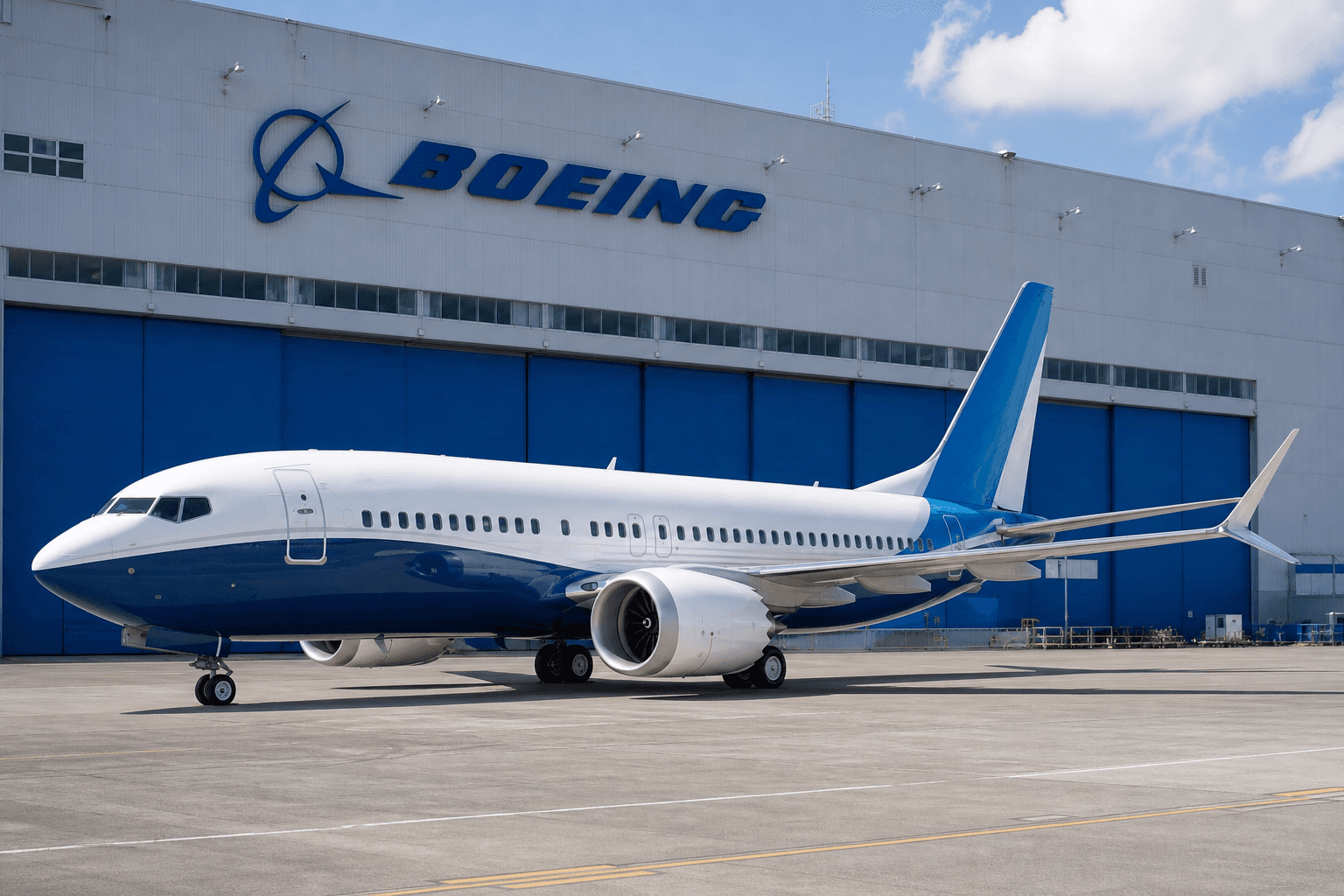
As the Boeing 737 MAX series nears the final stages of certification for its highly anticipated MAX 10 and MAX 7 variants, the order book has filled up to epic proportions. With the backlog that accumulated after the first quarter of 2026, Boeing is slated to deliver 7,206 airframes of all variants, which makes it the best-selling aircraft in the historic plane maker's history.
The Daily Touch & Go
The day's best aviation news in your inbox. Free, no spam.